Kāpūngāwhā
Schoenoplectus tabernaemontani
Last updated:
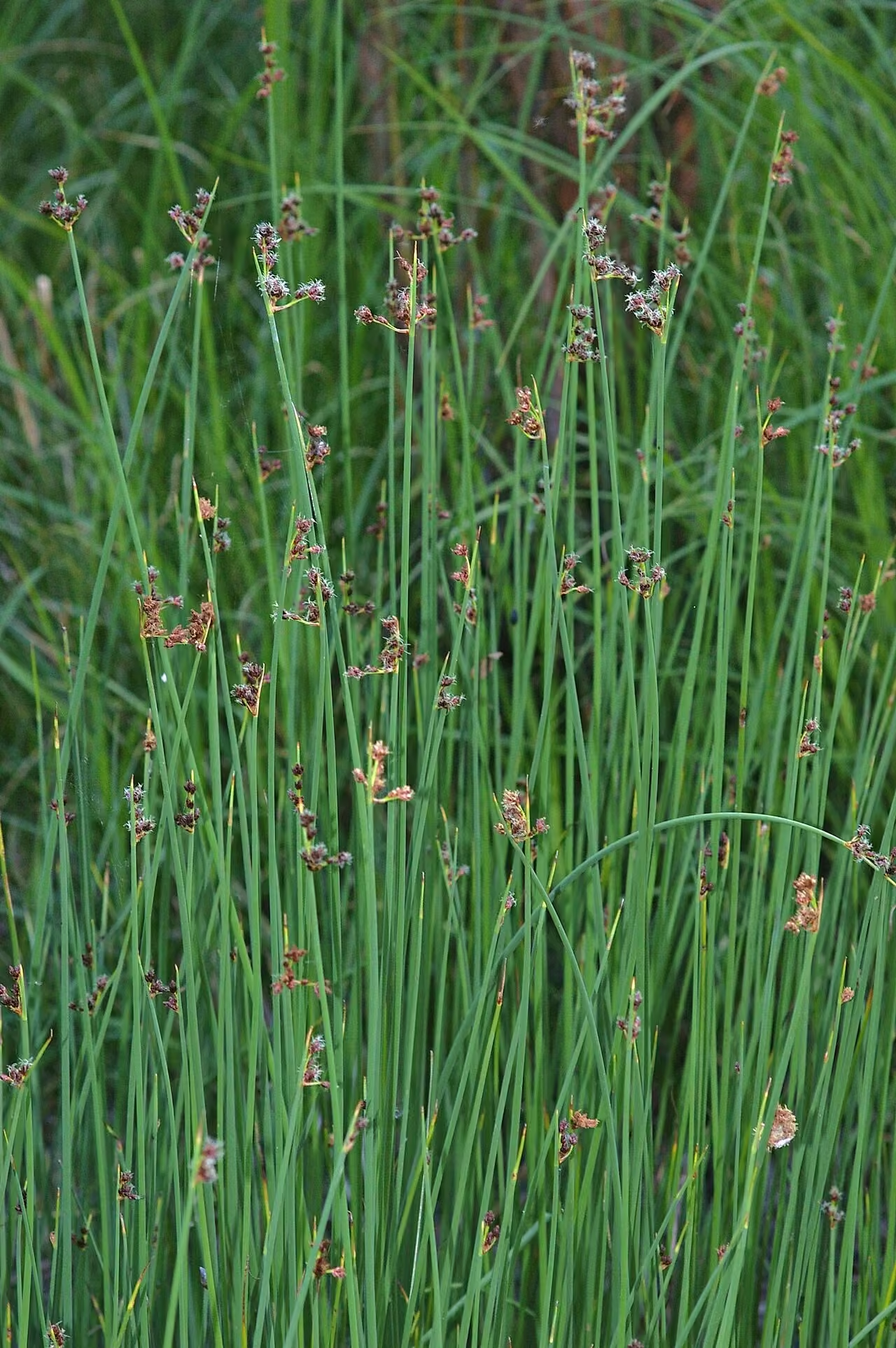
Kāpūngāwhā, also called kuawa and lake clubrush (Schoenoplectus tabernaemontani), is a tall native sedge that grows in standing fresh or brackish water. Its round, grey-green stems rise 0.6 to 3 m from hard, red-brown rhizomes, and each is filled with spongy pith. Clusters of small brown spikelets hang from short rays near the top of the stem. It occurs throughout the North Island, in parts of the South Island and on the Chatham Islands, around lakes, ponds, lagoons, streams and geothermal areas. It is one of the most valuable native plants for treating polluted water in constructed wetlands, and Māori occasionally used its stems for rafts and waka flooring. Explore more native grasses and flaxes in our native plant guide.
Plant Description
Kāpūngāwhā is a robust perennial sedge spreading by horizontal, hard and woody rhizomes 3 to 8 mm thick, red-brown and loosely covered in grey papery scales about 20 mm long. Numerous fibrous reddish roots anchor it in mud. The culms are 0.6 to 3 m tall and 3 to 10 mm wide, crowded or spaced along the rhizome, and round in cross-section throughout, with a spongy white pith inside.
The leaves are reduced to loose, grey-brown papery sheaths at the base of the stems, the uppermost up to 350 mm long, so the plant appears leafless. The inflorescence seems to arise from the side of the stem, because a round bract continues upward beyond it. It is an irregular umbel of numerous brown spikelets on rough primary rays 10 to 60 mm long. Flowers appear from November to January and fruit ripens between January and May.
The round stems and many-spikelet umbel separate it from three-square (Schoenoplectus pungens), whose stems are three-angled and which bears only one to three stalkless spikelets. The invasive Schoenoplectus californicus is larger, with stems triangular in their upper third, drooping spikelets and feathery bristles around the nut.
Quick Facts
| Scientific Name | Schoenoplectus tabernaemontani |
|---|---|
| Height | 0.6-3 m |
| Spread | Forms extensive stands from creeping rhizomes |
| Water Needs | Standing water or permanently saturated ground |
| Light | Full sun |
| Frost Tolerance | Moderate; lowland to about 300 m |
| Salt Tolerance | Moderate; tolerates brackish water |
| Growth Rate | Fast in warm, nutrient-rich water |
| Lifespan | Perennial |
Climate Best Suited to
It thrives in warm to mild lowland climates from the coast to about 300 m and grows well around geothermal waters. It is most common in the North Island and limited to milder parts of the South Island.
Regional Suitability
| City | Climate Suitability |
|---|---|
| Auckland | High |
| Wellington | High |
| Christchurch | Medium |
| Dunedin | Low |
Plant Habitat
Schoenoplectus tabernaemontani is indigenous to the North, South and Chatham Islands. It grows throughout the North Island, while in the South Island it is present in Nelson, Marlborough and Westland, and otherwise only around Christchurch and Te Waihora/Lake Ellesmere. It is also found across Europe, temperate Asia, the Americas and Australasia.
It ranges from the coast to about 300 m above sea level and is mostly found in standing water, in brackish or freshwater lakes, ponds, lagoons and the margins of rivers and streams. It also occurs well inland around geothermal systems. It is an obligate wetland plant.
Growing Requirements
Soil Requirements
It roots into mud, silt and peat beneath shallow water. Fertile, nutrient-rich sediments suit it, which is why it performs well in wetlands receiving runoff or effluent.
- Mud or silt under shallow water
- Tolerates high nutrient loads
- Brackish or freshwater sediments
Light Requirements
Kāpūngāwhā is a plant of open water and lake edges and needs full sun to form dense, vigorous stands.
- Full sun
- Tolerates exposure on open lake margins
Water Requirements
It grows best with its base permanently submerged. It tolerates fluctuating water levels in lakes and constructed wetlands as long as the rhizomes never dry out completely.
- Shallow standing water, typically up to knee depth
- Permanently saturated pond and lake edges
- Fresh or brackish water
Planting and Establishing
Plant in spring or early summer, when warm water encourages rapid rooting. Set potted plants or rhizome divisions into soft mud at the water's edge or in shallow water, spaced about 50 cm to 1 m apart; the rhizomes will fill the gaps within a couple of seasons.
In constructed wetlands and stormwater ponds, it is planted in dense bands across the flow path so water passes slowly through the stems and root zone. Where water birds such as pūkeko are present, protect new plantings until they are anchored, as birds can pull them out.
Ecological Role
Kāpūngāwhā is wind-pollinated. Its nuts are eaten by waterfowl, which can carry seed between wetlands, and fragments of rhizome also establish new stands. Dense beds offer nesting cover and shelter for wetland birds and habitat for aquatic invertebrates and juvenile fish among the submerged stems.
The spongy stems and roots carry oxygen into the sediment, supporting microbes that break down nutrients and organic pollutants. This is the basis of its value in effluent treatment wetlands. It also binds lake and pond margins, reducing erosion from wave action.
Uses & Significance
Garden Uses
Kāpūngāwhā is a working plant for larger water features and treatment wetlands rather than small garden ponds, where its height and spreading rhizomes can dominate.
- Constructed wetlands for effluent and stormwater treatment
- Large farm ponds and lake margins
- Riparian restoration in standing water
Ecological Value
It is one of the most useful native wetland plants for water quality and habitat, and it occupies the open-water edge that few other native species can hold.
- Removes nutrients and pollutants from water
- Habitat for wetland birds, invertebrates and fish
- Protects shorelines from wave erosion
Landscaping Uses
Its tall, smooth, grey-green stems create a strong vertical screen at the water's edge and look best in broad drifts reflected in open water. Pair it with lower native emergents such as Eleocharis and Isolepis prolifera to create a layered margin.
In small ponds, grow it in a large submerged container to restrain the rhizomes, or choose a smaller sedge. The ornamental striped cultivar Zebrinus is sold overseas, but locally sourced native plants are the better choice for restoration.
Seasonal Care Calendar
Spring
New green culms push up from the rhizomes as water warms. This is the best time to plant or divide.
- Plant and divide
- Check water levels in new wetlands
Summer
Flowering runs from November to January, with brown spikelet clusters near the stem tips. Growth is fastest now.
- Keep roots submerged
- Watch for invasive weeds
Autumn
Nuts ripen from January to May and are taken by waterfowl. Some stems begin to brown.
- Collect seed
- Leave stems standing for wildlife
Winter
Growth slows and older stems fade, while the rhizomes remain active below the mud.
- Cut back dead stems in late winter if tidying
- Avoid draining ponds
When to Prune and How Much
No pruning is required in natural or restoration wetlands. In ornamental ponds, cut old brown culms to near the water line in late winter so fresh green stems show cleanly in spring.
In treatment wetlands, periodic harvesting of stems can remove accumulated nutrients from the system; follow the wetland's maintenance plan rather than cutting at random.
How to Grow Kāpūngāwhā
According to NZPCN, kāpūngāwhā is easily grown from fresh seed and from division of whole plants. Division is the standard method for planting ponds and treatment wetlands quickly, while seed produces many plants with local genetic diversity. Use material from the same catchment where possible. Avoid moving rhizomes between catchments where invasive aquatic weeds could hitch a ride in the mud.
By Division
The woody rhizomes are easily cut into pieces, each of which will grow into a new stand if kept wet. Spring and early summer divisions establish fastest.
- Lift a section of rhizome with several healthy stems using a sharp spade.
- Cut it into pieces about 10 to 15 cm long, each with at least two or three live shoots.
- Trim the stems to about 30 cm to reduce wind rock and water loss.
- Pot into a heavy, loamy mix and stand the pots in water, or plant directly into soft mud.
- Keep the base submerged and plant out once new shoots appear.
From Seed
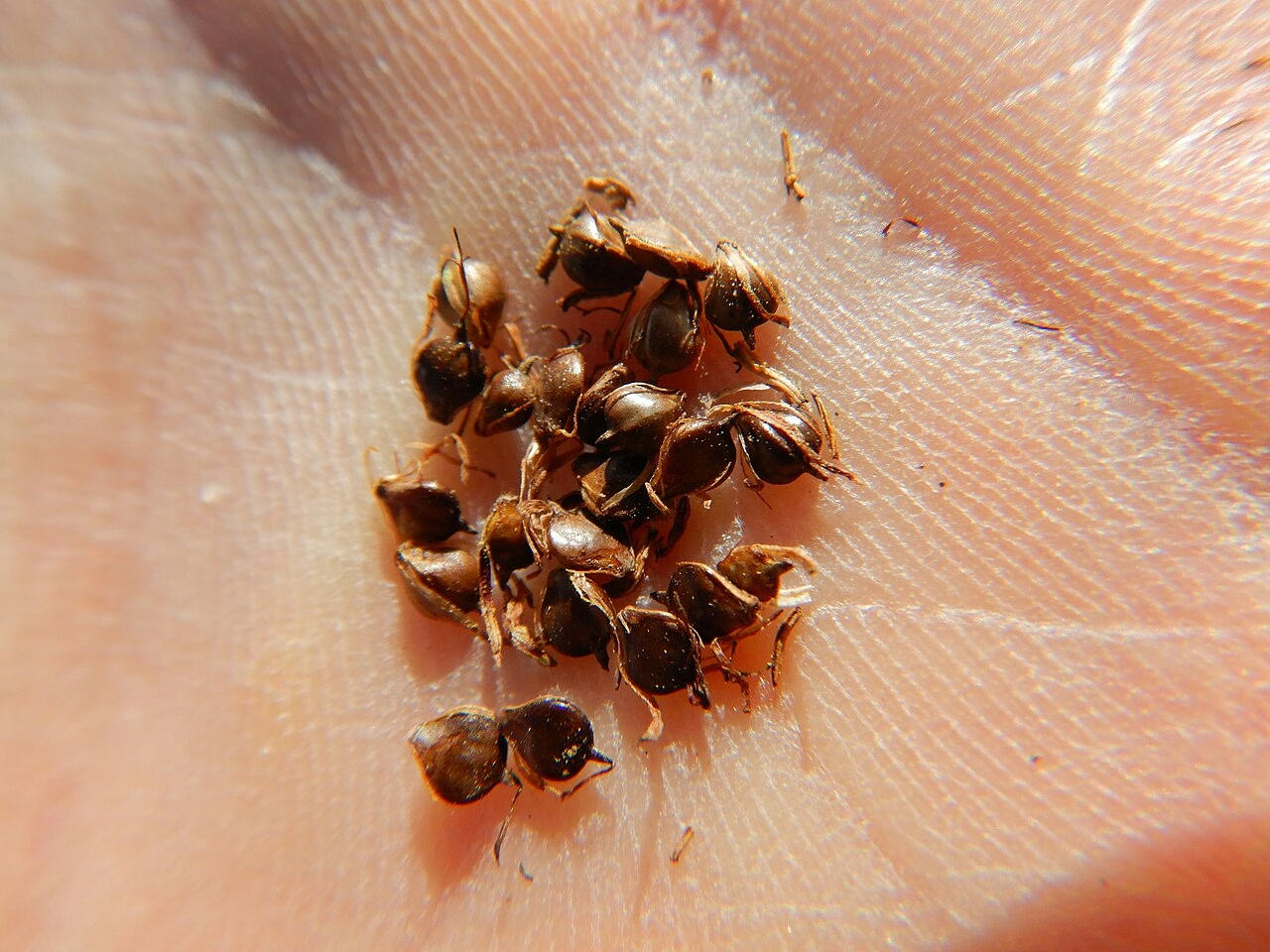
Ripe nuts are available from January to May. Fresh seed germinates readily when kept wet and warm.
- Collect seed heads when the nuts turn brown and shed easily.
- Sow thinly on the surface of a fine, moist seed mix.
- Stand the tray in shallow water so the surface stays saturated.
- Provide warmth and good light; germination follows as temperatures rise.
- Pot up seedlings and grow on in standing water until large enough to plant.
Pests & Diseases
No serious pests affect kāpūngāwhā. Pūkeko, swans and other waterfowl may graze or uproot new plantings, so young plants may need temporary netting.
Invasive aquatic weeds and exotic wetland plants, including the invasive Schoenoplectus californicus, can compete with it, and draining or lowering water levels will cause stands to decline.
Cultural Significance
NZPCN records the Māori name kuawa, and the name kāpūngāwhā is also widely used. According to NZPCN, the culms were occasionally used by Māori, together with kōrari (flax flower stalks), to make rafts, and as flooring in waka. The light, pith-filled stems made them buoyant and easy to bundle.
In modern times it has taken on a new role in water treatment, being planted widely in constructed wetlands that clean farm and municipal effluent and stormwater.
Bonus Tip
When planting a constructed wetland, plant kāpūngāwhā in the deeper, permanently wet zones and keep it out of the shallow margins where it would outcompete smaller native sedges. A band of it across the water flow slows water down and gives the best treatment effect.
Related Plants
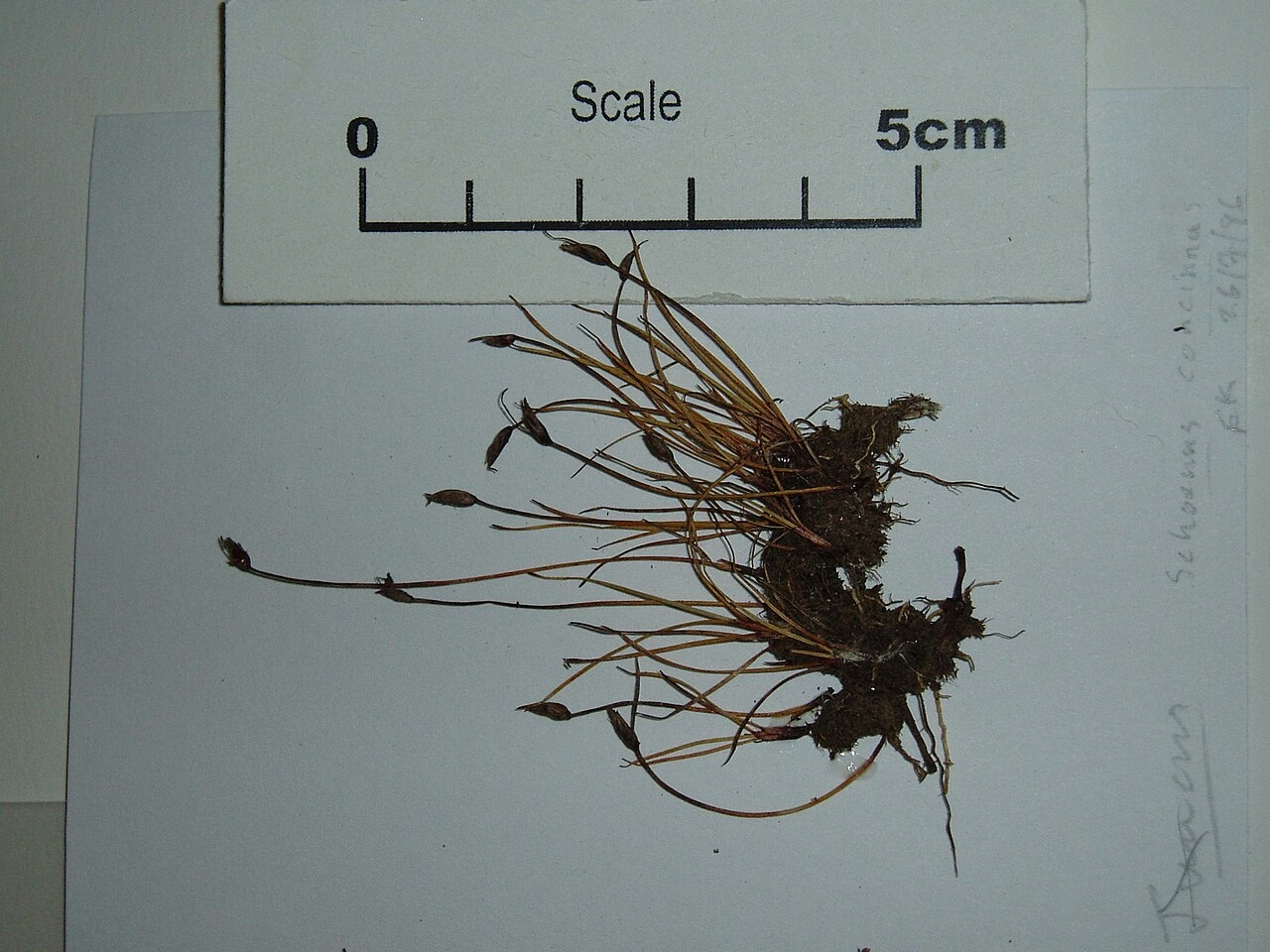
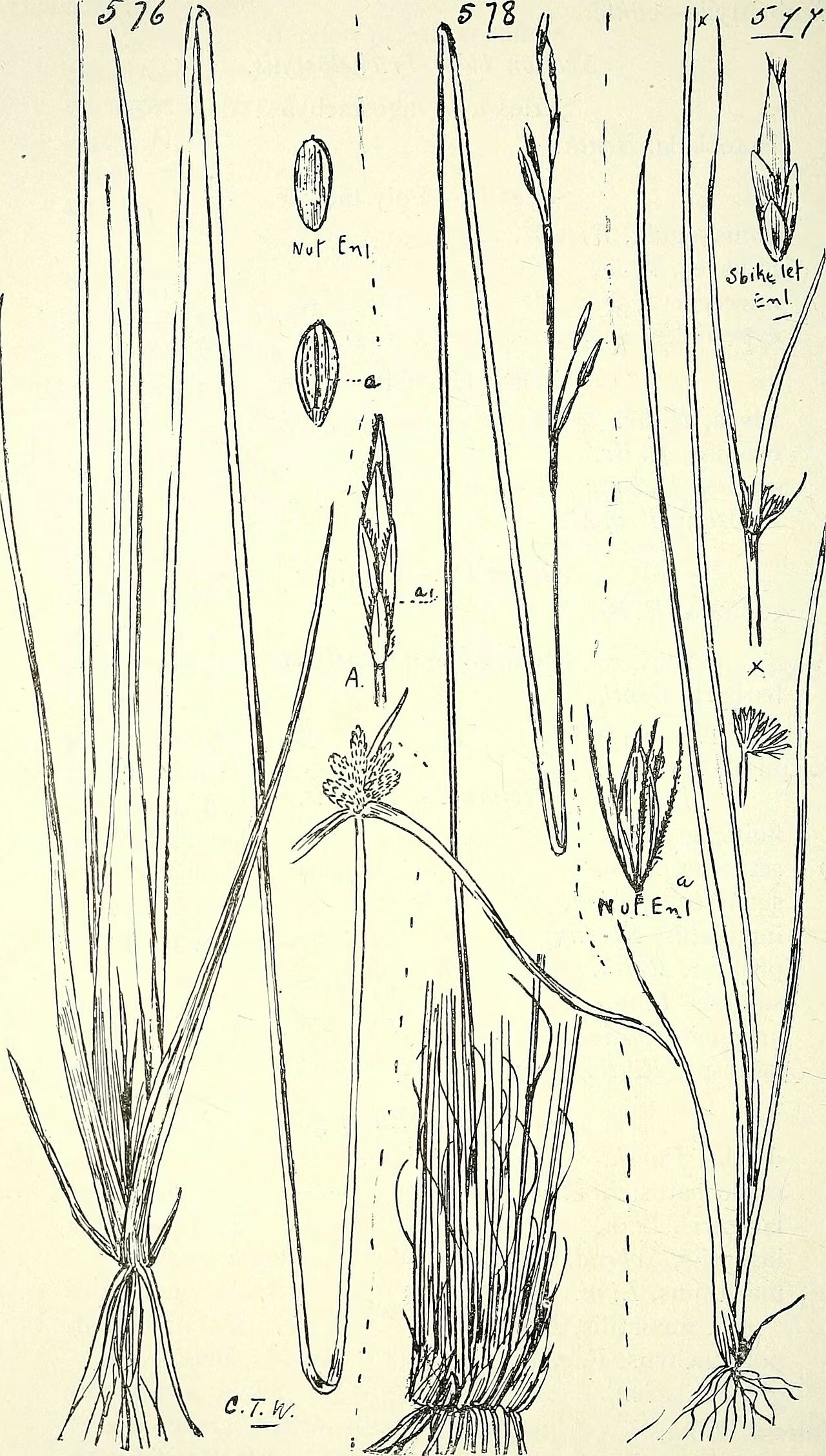
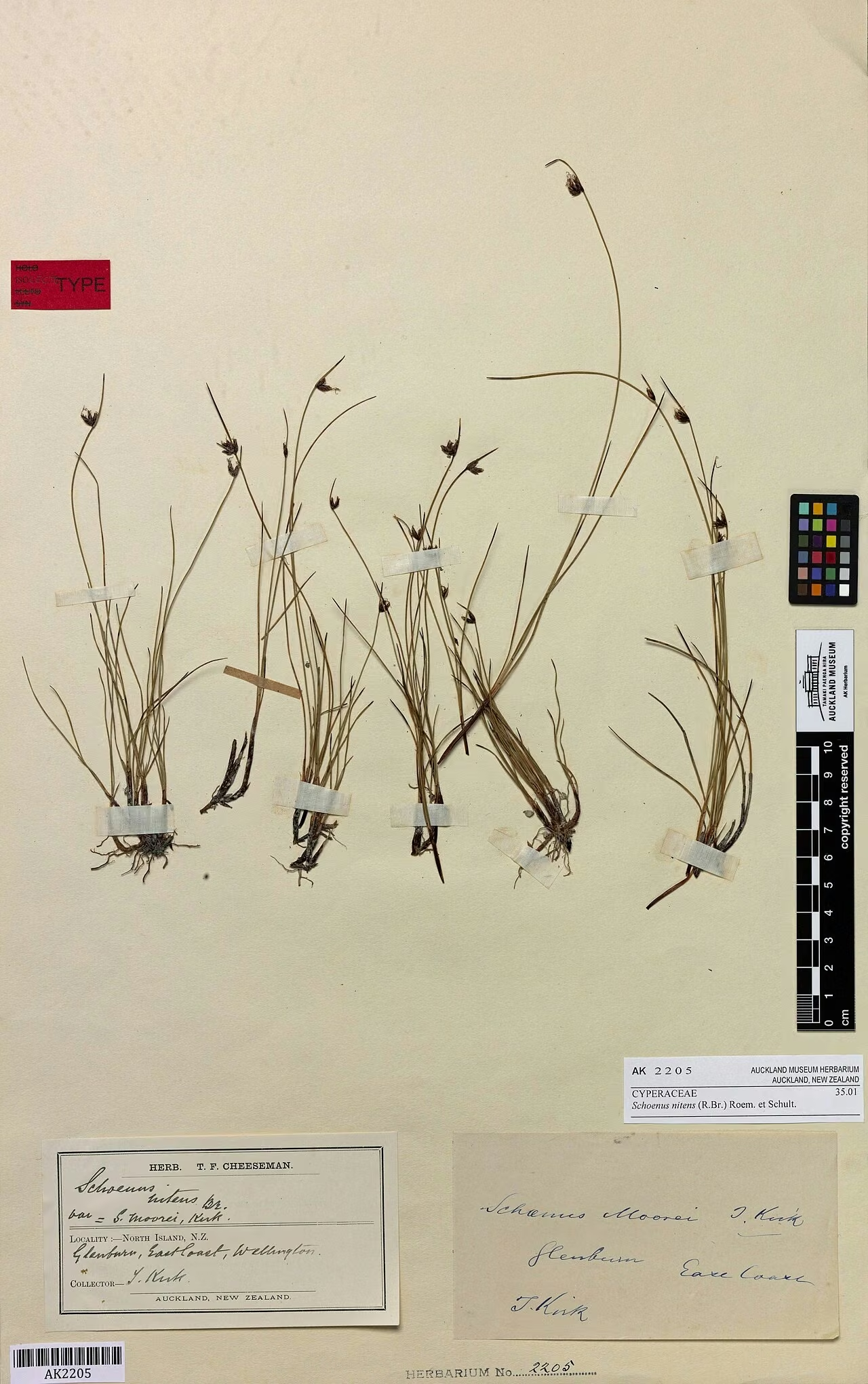
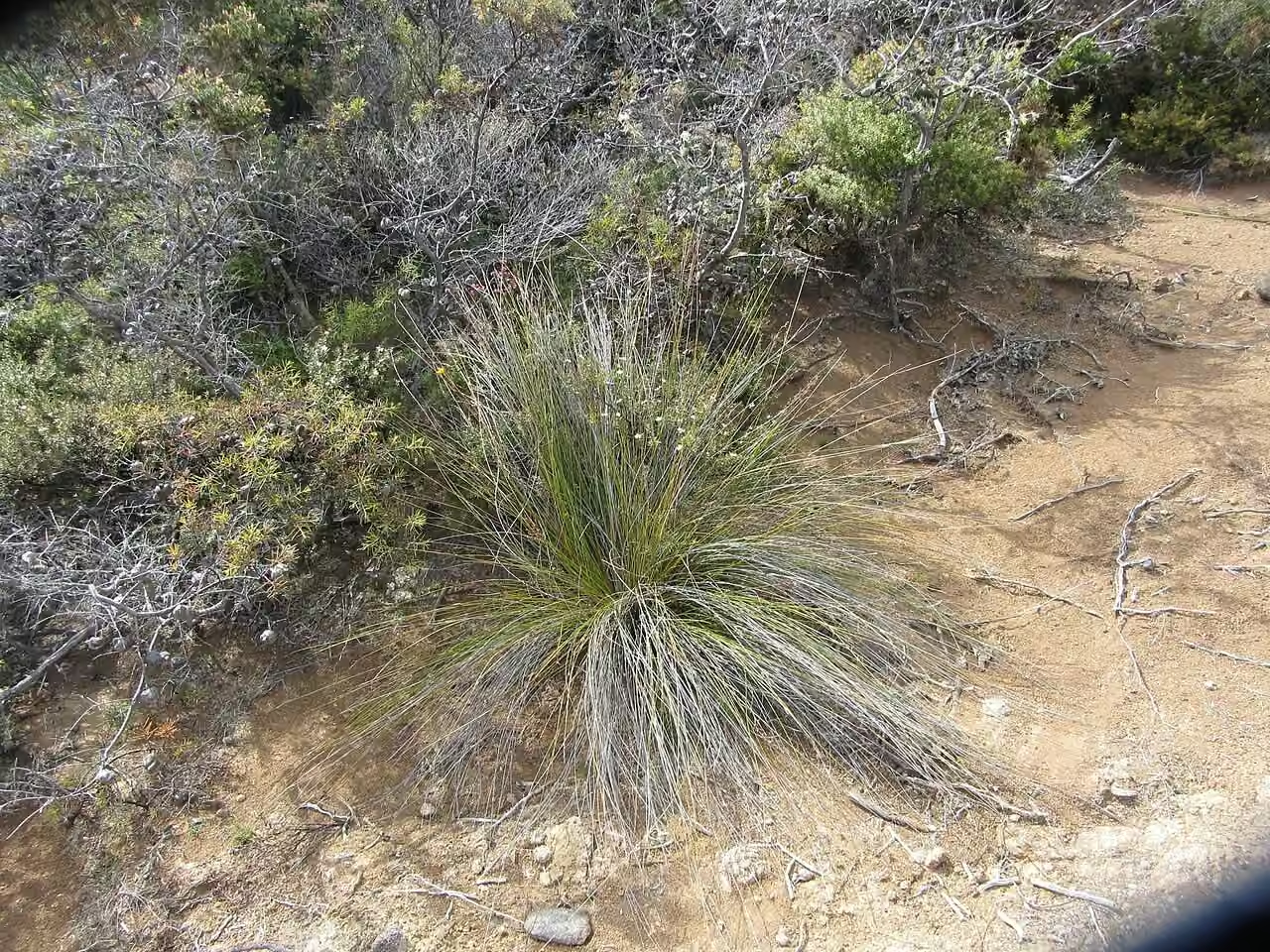
Explore other native plants that share similar characteristics or habitats with Kāpūngāwhā (Schoenoplectus tabernaemontani), offering further insights into New Zealand's diverse flora. These related species provide context and opportunities for complementary planting in your garden.
Plant Conservation
Schoenoplectus tabernaemontani is ranked Not Threatened (2023) with the qualifier Secure Overseas. Regionally, the Wellington assessment (2025) lists it as Regionally At Risk - Regionally Naturally Uncommon, while it is Regionally Not Threatened in Auckland and Northland.
Loss of lowland wetlands, lake margin modification and competition from invasive species are the main pressures on natural stands. Its wide use in restoration and treatment wetlands means it is now well represented in planted sites.
Frequently Asked Questions
What is kāpūngāwhā used for?
NZPCN describes it as an important plant for treating effluent and polluted water, and it is widely planted in constructed wetlands. Māori occasionally used the stems with flax flower stalks to make rafts and as flooring in waka.
How tall does Schoenoplectus tabernaemontani grow?
Its stems usually reach 0.6 to 3 m tall and 3 to 10 mm thick, rising in dense stands from creeping rhizomes in shallow water.
How is lake clubrush different from the invasive Schoenoplectus californicus?
California bulrush grows to about 4 m, has stems that become triangular in the upper third, drooping spikelets and feathery bristles. Kāpūngāwhā has stems that are round throughout and spreading spikelets with rough bristles.
Can kāpūngāwhā grow in salt water?
It grows in both freshwater and brackish systems such as coastal lagoons and lake margins, but it is mostly found in standing water rather than on open tidal flats.
Sources and Further Reading
The botanical, growing, and conservation details for Kāpūngāwhā (Schoenoplectus tabernaemontani) on this page draw on the New Zealand plant references below. Consult them for full technical records and the latest distribution data.