Fan Flower
Scaevola gracilis
Last updated:
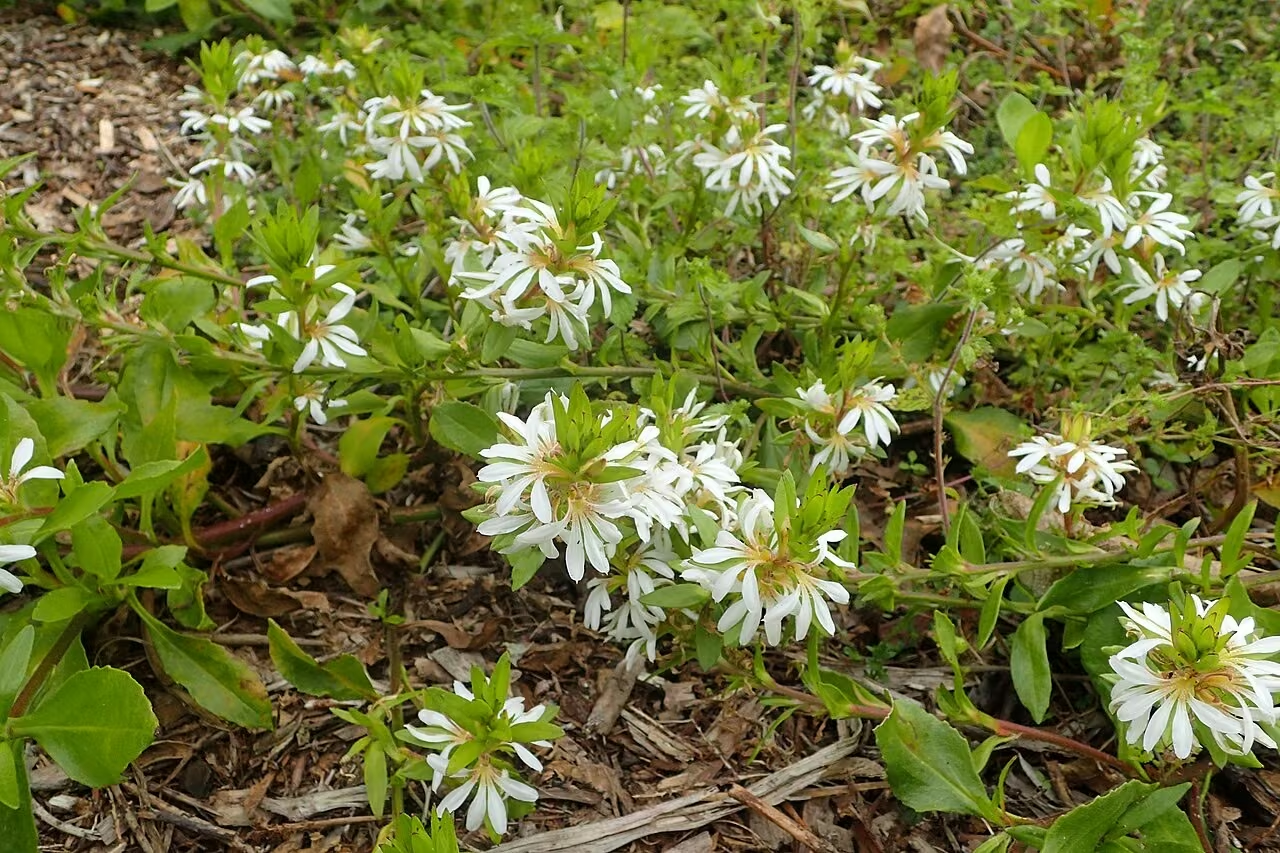
Scaevola gracilis is a creeping, semi-woody shrub that in New Zealand grows only on the Kermadec Islands, on Raoul and Macauley Islands. It forms prostrate to semi-erect patches up to 2 m across, with long silky hairs on its spreading branches, fan-shaped white flowers with a yellow throat up to 25 mm across, and fleshy white fruit. It is a pioneer of bare rock, boulder fields, sand dunes, cliffs and even ground around active volcanic fumaroles. It also grows in Tonga. Ranked At Risk - Naturally Uncommon because of its tiny New Zealand range, it is easy to grow in frost-free gardens. Explore more native ground covers in our native plant guide.
Plant Description
Scaevola gracilis is a creeping, prostrate to semi-erect, semi-woody shrub that forms patches up to about 2 by 1 m. Its branches spread widely and are covered in long, silky hairs. The leaves are 20 to 90 mm long and 10 to 35 mm wide, obliquely lanceolate-oblong to obovate in shape.
The flowers are usually borne singly. Like other Scaevola, each corolla is split down one side so that the five petals spread like a half-fan. They are white with a yellow throat and up to 25 mm across. Flowering and fruiting can happen throughout the year. The fruit is a fleshy white drupe about 10 mm long and 8 to 10.5 mm wide.
No other Scaevola grows naturally in mainland New Zealand. The widespread Pacific beach naupaka (Scaevola taccada) is a much larger shrub with big, glossy, fleshy leaves, whereas Scaevola gracilis is low and creeping with silky-haired branches. The species name gracilis means slender.
Quick Facts
| Scientific Name | Scaevola gracilis |
|---|---|
| Height | Prostrate to about 0.5 m when semi-erect |
| Spread | Patches up to 2 m |
| Water Needs | Low once established; needs free drainage |
| Light | Full sun |
| Frost Tolerance | Low; cold sensitive |
| Salt Tolerance | High; a coastal coloniser of cliffs and dunes |
| Growth Rate | Fast |
| Lifespan | Perennial |
Climate Best Suited to
A subtropical island plant suited to warm, frost-free coastal climates; NZPCN notes it is cold sensitive.
Regional Suitability
| City | Climate Suitability |
|---|---|
| Auckland | High |
| Wellington | Medium |
| Christchurch | Low |
| Dunedin | Low |
Plant Habitat
In New Zealand, Scaevola gracilis is confined to the Kermadec Islands, about 1000 km north-east of the North Island, where it is known from Raoul Island and Macauley Island. Outside New Zealand it grows on the volcanic islands of Kao and Tofua in the Ha'apai Group of Tonga. The Tongan plants were once named Scaevola porrecta but were united with the Kermadec plants by W.R. Sykes in 1998.
It grows from the coast to the lowlands as a primary coloniser of bare rock, boulder fields, sand dunes, talus slopes and cliff faces. It also grows around active fumaroles, an unusual habitat on the active volcanic islands of its range.
Growing Requirements
Soil Requirements
In the wild it colonises raw volcanic rock, boulders, talus and sand, so it needs a very free-draining soil.
- Sandy or gritty, free-draining soils
- Tolerates low fertility
- Avoid heavy, waterlogged clay
Light Requirements
As a pioneer of open, bare ground, it needs full sun.
- Full sun for best flowering
- Avoid shaded or crowded positions
Water Requirements
It grows on exposed, well-drained sites and does not like wet roots.
- Water young plants until established
- Water sparingly in containers and hanging baskets, allowing the top to dry
Planting and Establishing
Plant in spring once the risk of cold has passed, in a sunny, well-drained position. In the ground it makes a spreading ground cover over a bank or rockery; in cooler districts it is better in a pot or hanging basket that can be moved under cover in winter.
Because it is cold sensitive, it is best suited to frost-free coastal gardens in the northern North Island.
Ecological Role
Scaevola gracilis is a pioneer plant on the young, volcanically active Kermadec Islands, colonising bare rock, talus and sand and helping to begin vegetation succession on freshly exposed ground. Its patches trap litter and windblown soil.
Its fleshy white drupes are likely eaten and dispersed by birds, as with other Scaevola, but specific seed dispersers on the Kermadecs have not been documented in the sources consulted. Its pollinators are also unrecorded.
Uses & Significance
Garden Uses
NZPCN describes it as an attractive ground cover for sunny, well-drained soil and excellent in a hanging basket or tub.
- Hanging baskets and tubs
- Ground cover for sunny banks and rock gardens
- Coastal gardens in frost-free areas
Ecological Value
On the Kermadec Islands it is one of the plants that first colonise bare volcanic ground.
- Stabilises loose talus, sand and rubble
- Begins soil formation on raw volcanic surfaces
- Fleshy fruit available through much of the year
Landscaping Uses
With its silky grey-green trailing stems and white half-fan flowers, Scaevola gracilis spills attractively over the edges of walls, raised beds and containers. Its year-round flowering makes it a long-season feature on a sunny deck or patio.
It combines well with other low coastal natives in a gravel or rock garden, provided the site is frost-free.
Seasonal Care Calendar
Spring
Growth picks up as temperatures rise, with flowers continuing on established plants.
- Plant new specimens
- Take cuttings from vigorous shoots
Summer
Flowering and fruiting are typically strong in warm weather, with white flowers and white fruit present together.
- Water baskets regularly in hot spells
- Collect ripe fruit for fresh seed
Autumn
Flowers and fruit can still be produced, as the plant flowers year round in its native range.
- Take semi-hardwood cuttings
- Prepare to protect container plants from cold
Winter
Growth slows; cold-sensitive plants need shelter from frost and cold winds.
- Move containers under cover in cooler districts
- Reduce watering
When to Prune and How Much
Light trimming after a flush of flowering keeps plants compact and encourages new shoots. Trailing stems in hanging baskets can be shortened if they become too long or straggly.
Avoid hard pruning in cold weather, as cut plants recover slowly and are more vulnerable to frost damage.
How to Grow Fan Flower
NZPCN describes Scaevola gracilis as easily grown from semi-hardwood cuttings and fresh seed, and notes that plants can be induced to layer. Because the species is Naturally Uncommon and the Kermadec Islands are a nature reserve, never collect material from the wild; source plants or cuttings from existing cultivated stock. Cuttings are the quickest route to a garden plant, while layering is a simple way to multiply an existing plant without special equipment.
From Cuttings
Semi-hardwood cuttings taken from firm, current-season growth root readily, especially with a little bottom heat.
- Take 8 to 10 cm semi-hardwood cuttings from healthy cultivated plants
- Remove the lower leaves and trim below a node
- Insert into a free-draining mix of pumice or perlite and peat
- Keep in a warm, humid, bright place out of direct sun
- Pot on once roots have formed, usually within several weeks
From Seed
Fresh seed is recommended. Clean the seed from the fleshy white drupes before sowing, as pulp can encourage mould.
- Collect ripe white fruit from cultivated plants
- Squash and wash off the flesh
- Sow fresh into a free-draining seed mix
- Keep warm and moist until seedlings emerge
By Layering
The creeping stems can be encouraged to root where they touch the ground.
- Peg a trailing stem down onto moist soil or a pot of mix
- Wait until roots form at the pegged point
- Sever from the parent and pot up
Pests & Diseases
No specific pests or diseases are recorded for this species. In cultivation, the main risks are cold damage and root rot in poorly drained soil.
On the Kermadec Islands, conservation work to remove introduced mammals and invasive weeds benefits native coastal plants including this one.
Cultural Significance
No Māori name or traditional Māori use is recorded for Scaevola gracilis in the sources consulted, which is unsurprising given that its New Zealand range is limited to the remote Kermadec Islands.
It was first formally described by Joseph Dalton Hooker in 1856, and its Tongan plants were later recognised as the same species. It is one of the Kermadec Islands' plants that link New Zealand's flora with that of tropical Polynesia.
Bonus Tip
Grow Scaevola gracilis in a hanging basket in cooler parts of the country. You can enjoy its trailing stems and flowers outdoors from spring to autumn, then simply hang the basket in a sheltered porch or glasshouse over winter, protecting this cold-sensitive Kermadec native from frost.
Related Plants
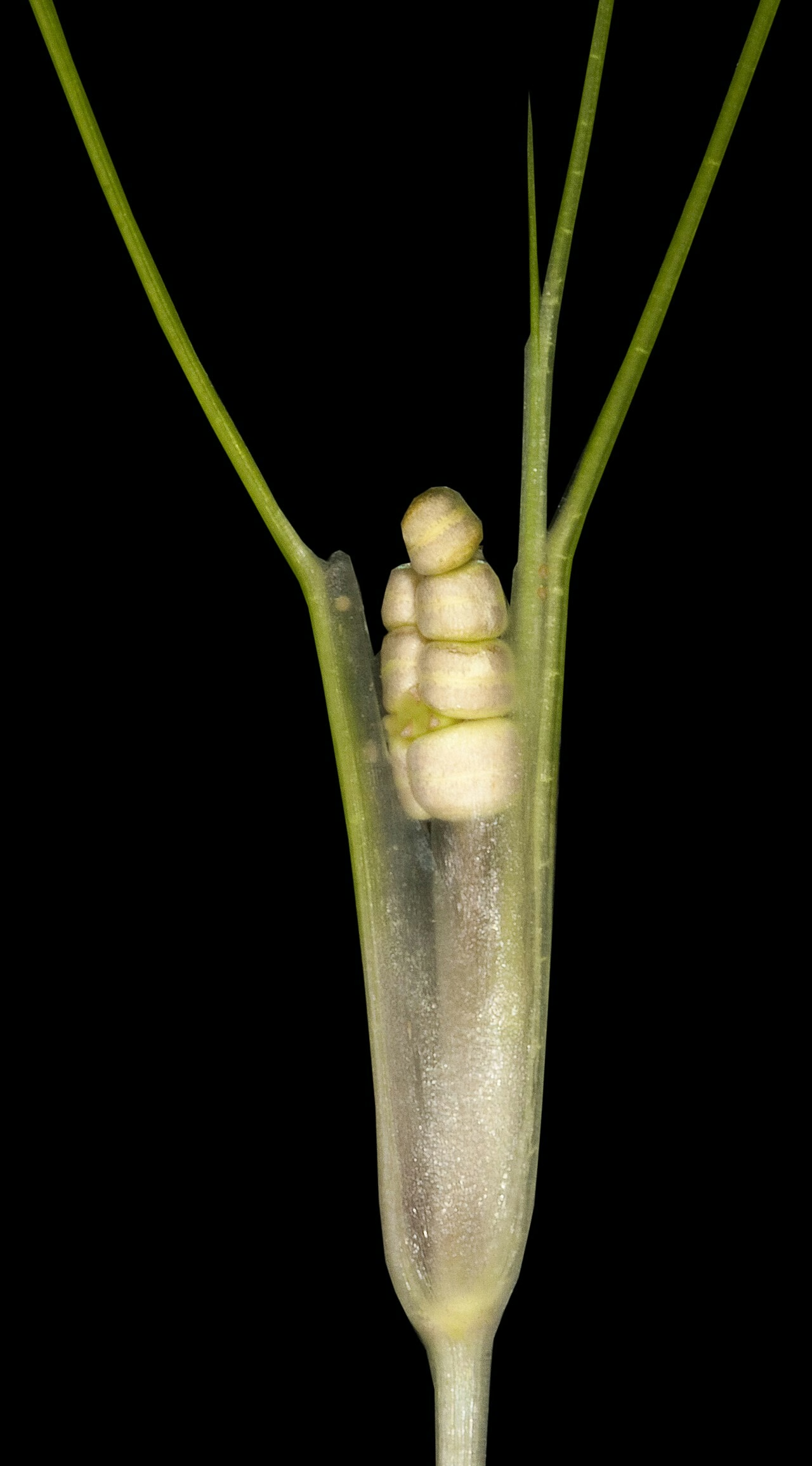
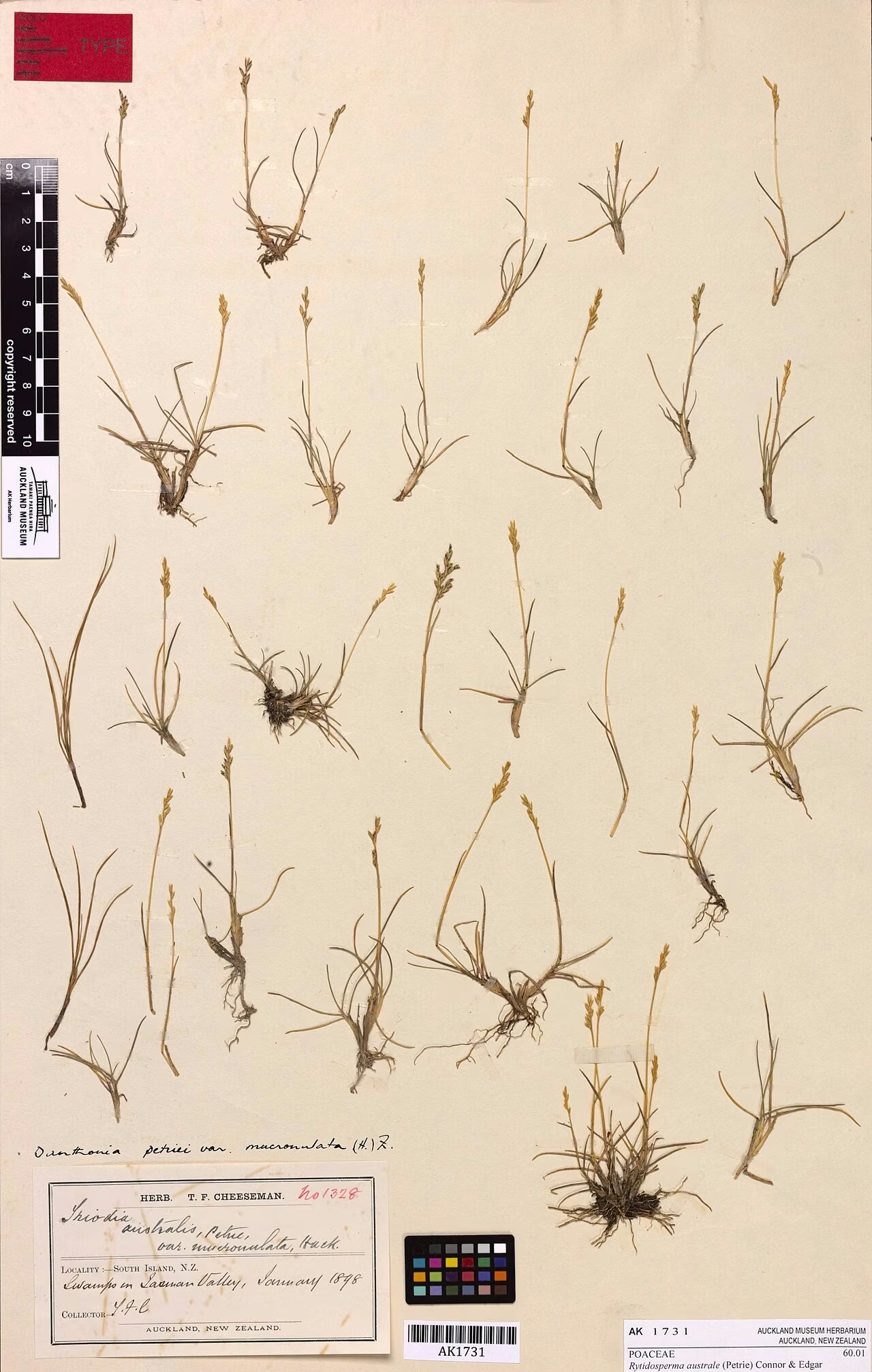
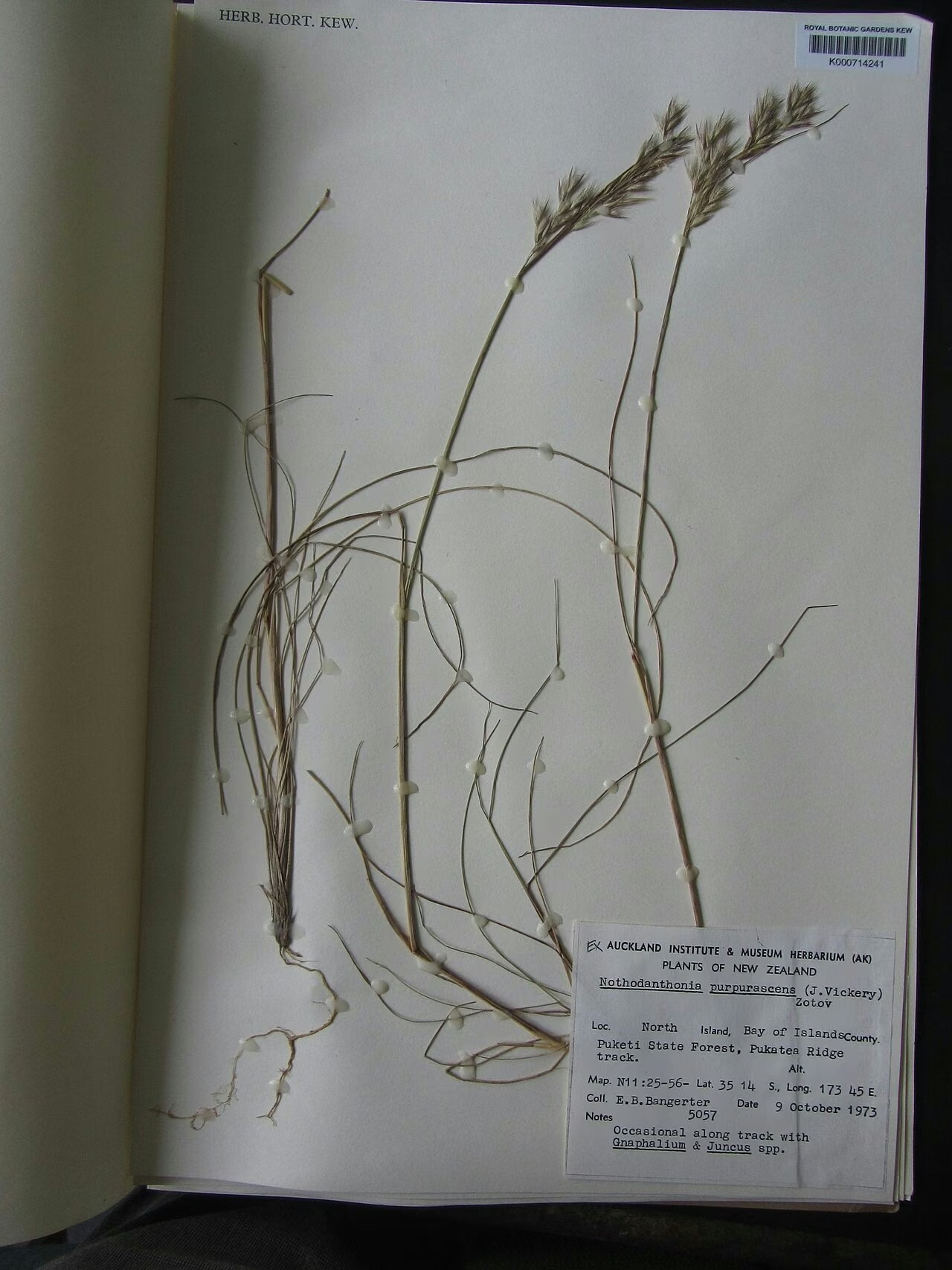
Explore other native plants that share similar characteristics or habitats with Fan Flower (Scaevola gracilis), offering further insights into New Zealand's diverse flora. These related species provide context and opportunities for complementary planting in your garden.
Plant Conservation
Scaevola gracilis is ranked At Risk - Naturally Uncommon (2023), with the qualifiers Range Restricted and Secure Overseas (uncertain). Its status reflects its natural confinement to a couple of Kermadec islands rather than any recorded decline, and NZPCN notes it is locally abundant there.
The Kermadec Islands are a nature reserve, and eradication of goats, rats and cats from Raoul Island has helped the recovery of native vegetation. Biosecurity to stop new weeds and pests reaching the islands is the main protection it needs.
Frequently Asked Questions
Where does Scaevola gracilis grow in New Zealand?
Only on the Kermadec Islands, specifically Raoul Island and Macauley Island, where it is locally abundant on coastal and lowland rock, sand and cliffs.
Can you grow Scaevola gracilis in a garden?
Yes. NZPCN says it is easily grown from semi-hardwood cuttings and fresh seed and makes an attractive ground cover or hanging basket plant, but it is cold sensitive.
Why does Scaevola gracilis grow near fumaroles?
It is a primary coloniser of bare ground on the volcanic Kermadec Islands and is able to establish on the hot, disturbed soils around active fumaroles where few other plants can grow.
Is Scaevola gracilis endangered?
It is ranked At Risk - Naturally Uncommon in New Zealand because its range is so restricted, but it is locally abundant on the Kermadecs and is also present in Tonga.
Sources and Further Reading
The botanical, growing, and conservation details for Fan Flower (Scaevola gracilis) on this page draw on the New Zealand plant references below. Consult them for full technical records and the latest distribution data.