Southern Comb Fern
Schizaea australis
Last updated:
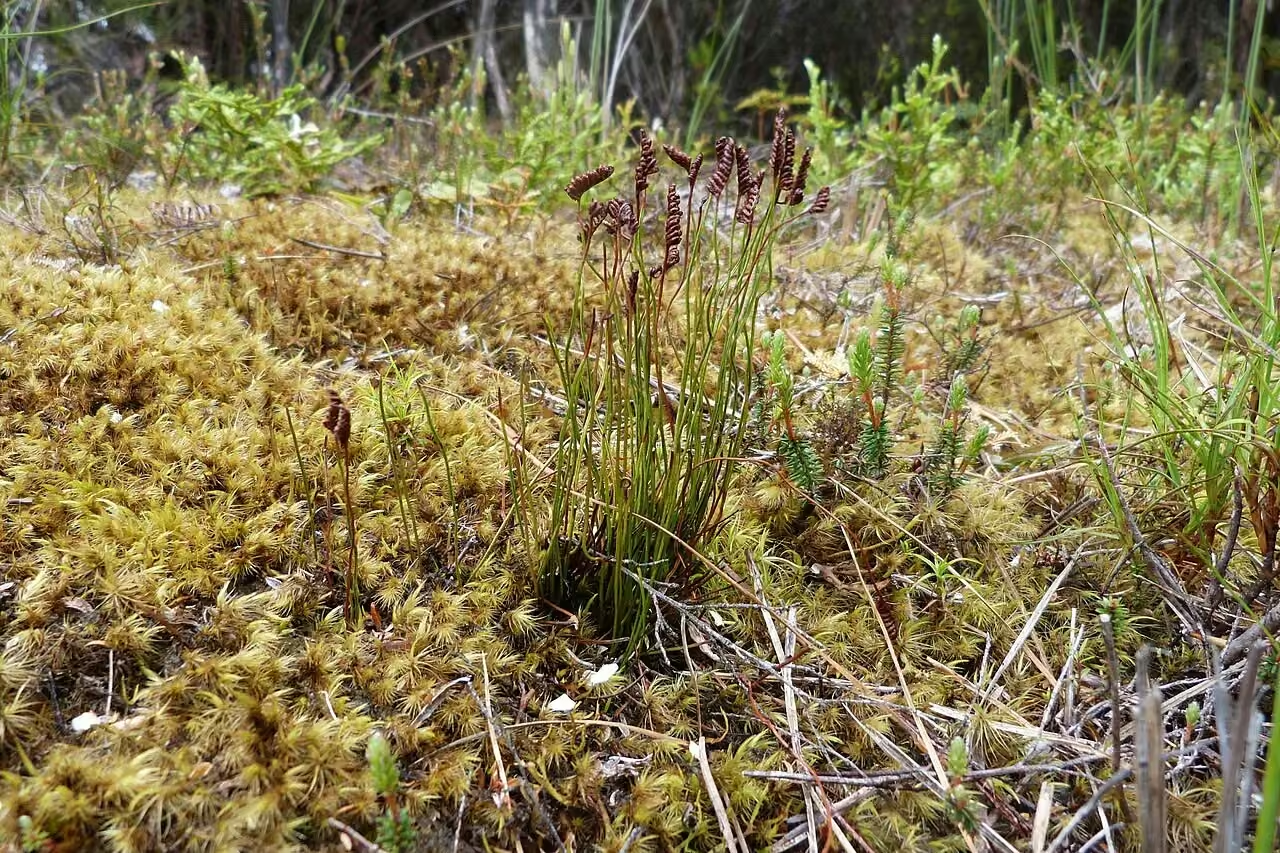
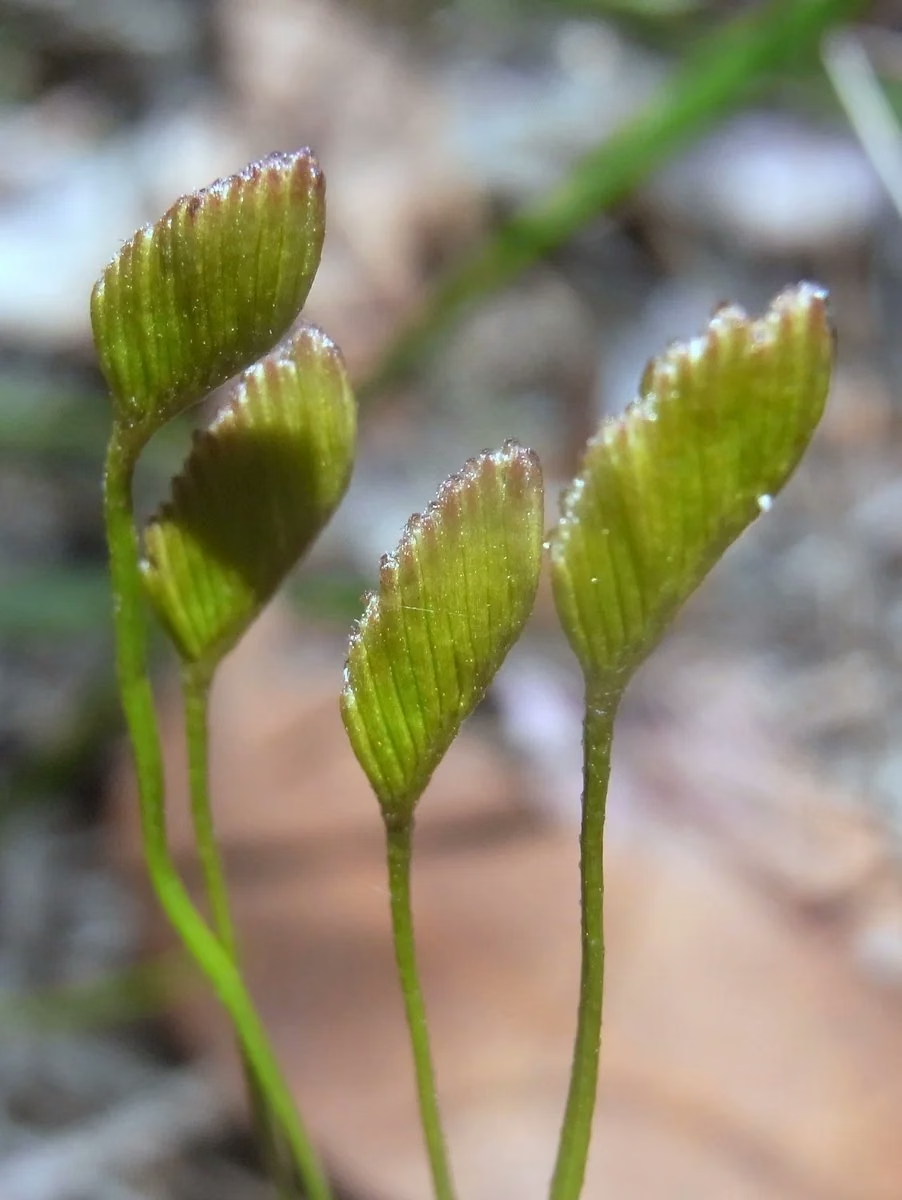
Southern comb fern (Schizaea australis, also treated as Microschizaea australis) is a small, tufted fern whose wiry, undivided fronds look more like a rush than a fern. Each frond is usually 2 to 15 cm tall and ends in a tiny comb-like cluster of folded fertile lobes that carry the spores. It grows in peat bogs, pakihi, cushion bogs, fellfield and wet tussock grassland from the North Island to Campbell Island, from near sea level to about 1400 m. It also occurs in southern Chile and the Falkland Islands. It is ranked Not Threatened but is easily overlooked and very difficult to cultivate. Explore more native ferns in our native plant guide.
Plant Description
Southern comb fern is a tufted terrestrial fern with short-creeping, slender rhizomes clothed in glossy chestnut-brown hairs. Its fronds are hairless, reed-like and undivided, green or pale brown. The stipe is erect, wiry and smooth, 20 to 150 mm long and only 0.25 to 0.5 mm in diameter. Fronds in sheltered lowland sites can occasionally reach 350 mm.
At the top of each fertile frond sits a tiny pinnate lamina 4 to 15 mm long, with four to eight (rarely more) pairs of fertile pinnae each 1 to 4 mm long. These pinnae are folded inwards, and the sporangia sit in a single row on each side of the midrib, giving the comb-like appearance that names the fern.
Schizaea fistulosa is the most similar species. It has longer stipes of 100 to 500 mm, larger fertile laminae of 7 to 30 mm, more pairs of fertile pinnae and a much higher chromosome number, and grows at lower altitudes or further north. The two can be difficult to separate, especially in the northern South Island.
Quick Facts
| Scientific Name | Schizaea australis |
|---|---|
| Height | 0.02-0.15 m, rarely to 0.35 m |
| Spread | Small tufts a few centimetres across |
| Water Needs | Wet; bogs and poorly drained ground |
| Light | Full sun to light shade |
| Frost Tolerance | High; grows to the subantarctic and 1400 m |
| Salt Tolerance | No information available |
| Growth Rate | Very slow |
| Lifespan | Perennial |
Climate Best Suited to
A fern of cool, wet climates, from montane and subalpine New Zealand to the subantarctic islands.
Regional Suitability
| City | Climate Suitability |
|---|---|
| Auckland | Low |
| Wellington | Low |
| Christchurch | Low |
| Dunedin | Medium |
Plant Habitat
In the North Island southern comb fern grows from Te Moehau on the Coromandel Peninsula southward, but it is scarce north of the Volcanic Plateau. In the South Island it is mainly found west of the main divide. It also grows on Stewart Island/Rakiura, uncommonly on the Chatham Islands, and on the Auckland Islands and Campbell Island/Motu Ihupuku. Its altitudinal range is from near sea level in the subantarctic to about 1400 m. Overseas it occurs in southern Chile and the Falkland Islands.
It grows in peat bogs, pakihi, fellfield, cushion bogs and poorly drained tussock grassland, and in turf communities fringing lakes, tarns and ephemeral pools in both forested and open areas. The Flora also records it occasionally growing as an epiphyte on rātā (Metrosideros) and kauri (Agathis).
Growing Requirements
Soil Requirements
It grows in wet, acidic, peaty and infertile substrates.
- Peat and bog soils
- Poorly drained, low-fertility ground
- Turf at the edges of tarns and pools
Light Requirements
It grows in open bogs and tussock as well as in forest openings, so it tolerates full sun to light shade.
- Full sun in open bog and fellfield
- Light shade in forested lake margins
Water Requirements
NZPCN classes it as a facultative wetland plant, occurring in both wet and drier sites, but most habitats are permanently moist.
- Constantly moist, poorly drained ground
- Does not tolerate drying out
Planting and Establishing
Southern comb fern is not grown commercially and NZPCN says it should not be taken from the wild. It is not a practical garden plant.
Where wetlands or bogs are being restored within its range, the best approach is to protect natural water levels and remove weeds so existing populations can spread, rather than attempting to plant it.
Ecological Role
Like all ferns, it reproduces by spores released from sporangia on the comb-like fertile tips; spores are dispersed by wind. Small populations can persist for many years in stable bog and turf communities.
It is one of many small specialists of New Zealand's peat bogs and pakihi, growing among mosses, sedges, cushion plants and small herbs. Its tiny size means it contributes little biomass but adds to the distinctive diversity of these nutrient-poor wetlands.
Uses & Significance
Garden Uses
This fern is not suited to gardens and should be enjoyed in the wild.
- Botanical interest on bog walks
- Not recommended for cultivation
Ecological Value
It is part of the specialised flora of peat bogs, pakihi and subantarctic turf.
- Indicator of intact, nutrient-poor wetland vegetation
- Contributes to plant diversity of bogs and tarns
- Links New Zealand's flora with southern South America
Landscaping Uses
Southern comb fern has no realistic place in landscaping because it cannot be reliably grown and wild plants should be left alone.
On public walkways through bogs and pakihi, boardwalks that keep people off the peat protect it and other small wetland plants.
Seasonal Care Calendar
Spring
New fronds emerge from the short rhizomes as bogs warm.
- Stay on boardwalks in bog habitats
- Look for fresh green fronds
Summer
The comb-like fertile tips mature and release spores.
- Use a hand lens to see the folded fertile lobes
- Photograph rather than collect
Autumn
Older fronds turn pale brown but remain upright among bog vegetation.
- No action needed
- Report sightings to iNaturalist NZ
Winter
Plants persist through frost and snow in montane and subantarctic bogs.
- No action needed
- Avoid trampling waterlogged turf
When to Prune and How Much
Pruning does not apply to this tiny fern. Old fronds simply weather away naturally.
In any experimental cultivation, avoid disturbing the rhizome or removing fronds, as plants have very limited reserves.
How to Grow Southern Comb Fern
NZPCN states that southern comb fern is difficult to propagate and should not be removed from the wild. No published propagation protocol was found for this species, and comb ferns in general are rarely grown because they are tiny, slow and tied to very specialised wet, infertile habitats. The methods below describe the general approach a specialist might attempt with spores collected under permit, and are not proven techniques for this species. Expect very slow development and high losses, and treat any attempt as experimental rather than as a way to obtain garden plants.
From Spores
Spores are produced in sporangia on the folded fertile pinnae at the tips of the fronds. Collect only a single fertile tip, and only where permitted.
- Place a mature fertile tip in a folded paper packet for a few days to release spores
- Sterilise a fine peaty medium by pouring boiling water through it
- Sprinkle the spores thinly on the surface
- Cover with glass or plastic and keep moist, cool and in low indirect light
- Be prepared to wait many months for any growth
By Division
Because the rhizome is short-creeping and slender, division of the tuft is technically possible but is very damaging to such a small plant.
- Only consider dividing an established cultivated clump
- Separate a piece with intact rhizome and roots
- Replant at once in wet peat or Sphagnum
- Keep permanently moist and cool
Pests & Diseases
No pests or diseases are recorded. The main threats to its habitat are drainage of bogs and wetlands, weed invasion, fire and trampling by people, stock or vehicles.
Changes to water tables in lake-edge turf communities can also harm the small plants that grow there.
Cultural Significance
No Māori name or traditional use is recorded for southern comb fern in the sources consulted.
It was described by the French botanist Charles Gaudichaud-Beaupré, and was later treated by Joseph Hooker as a variety of Schizaea fistulosa before being recognised again as a species. Wikipedia treats Microschizaea as a subgenus of Schizaea, while NZPCN uses Microschizaea as a genus. The name australis means southern.
Bonus Tip
Southern comb fern is very easy to walk past because it looks like a tuft of fine rush. When exploring a bog or pakihi, look closely at short, wiry, rush-like stems for a tiny brown comb at their tips; a hand lens will reveal the folded fertile lobes and confirm you have found a comb fern.
Related Plants
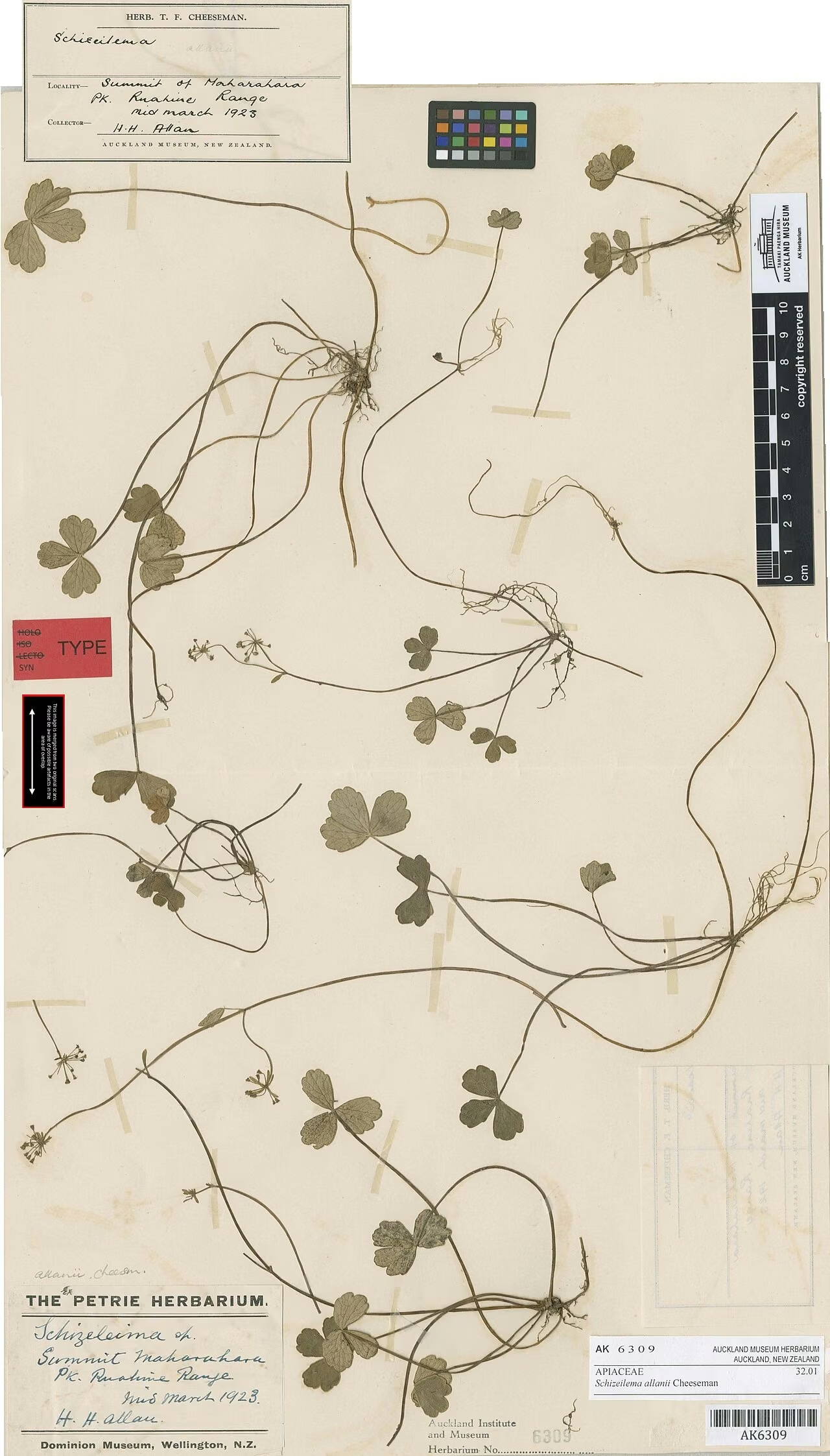
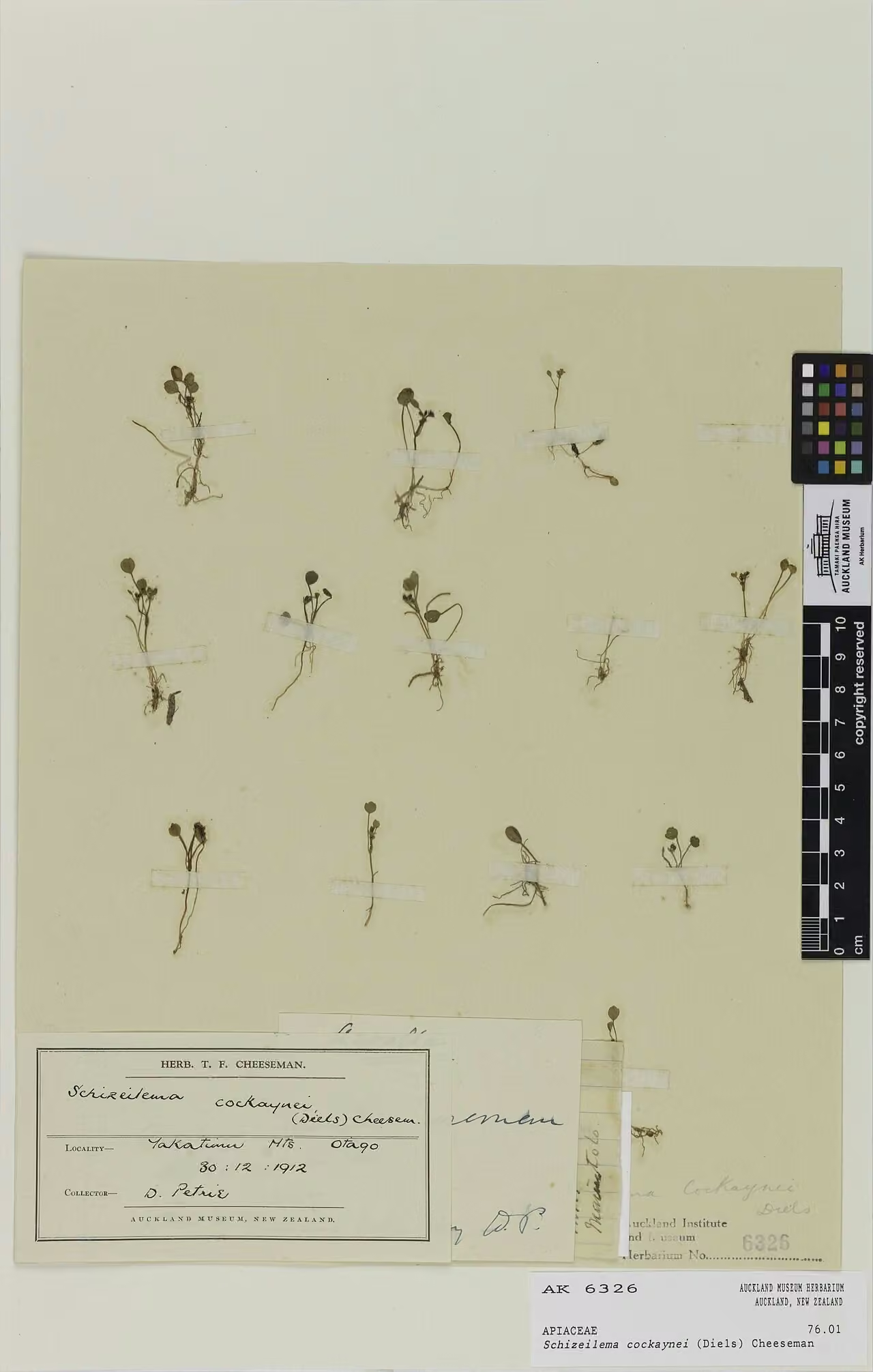
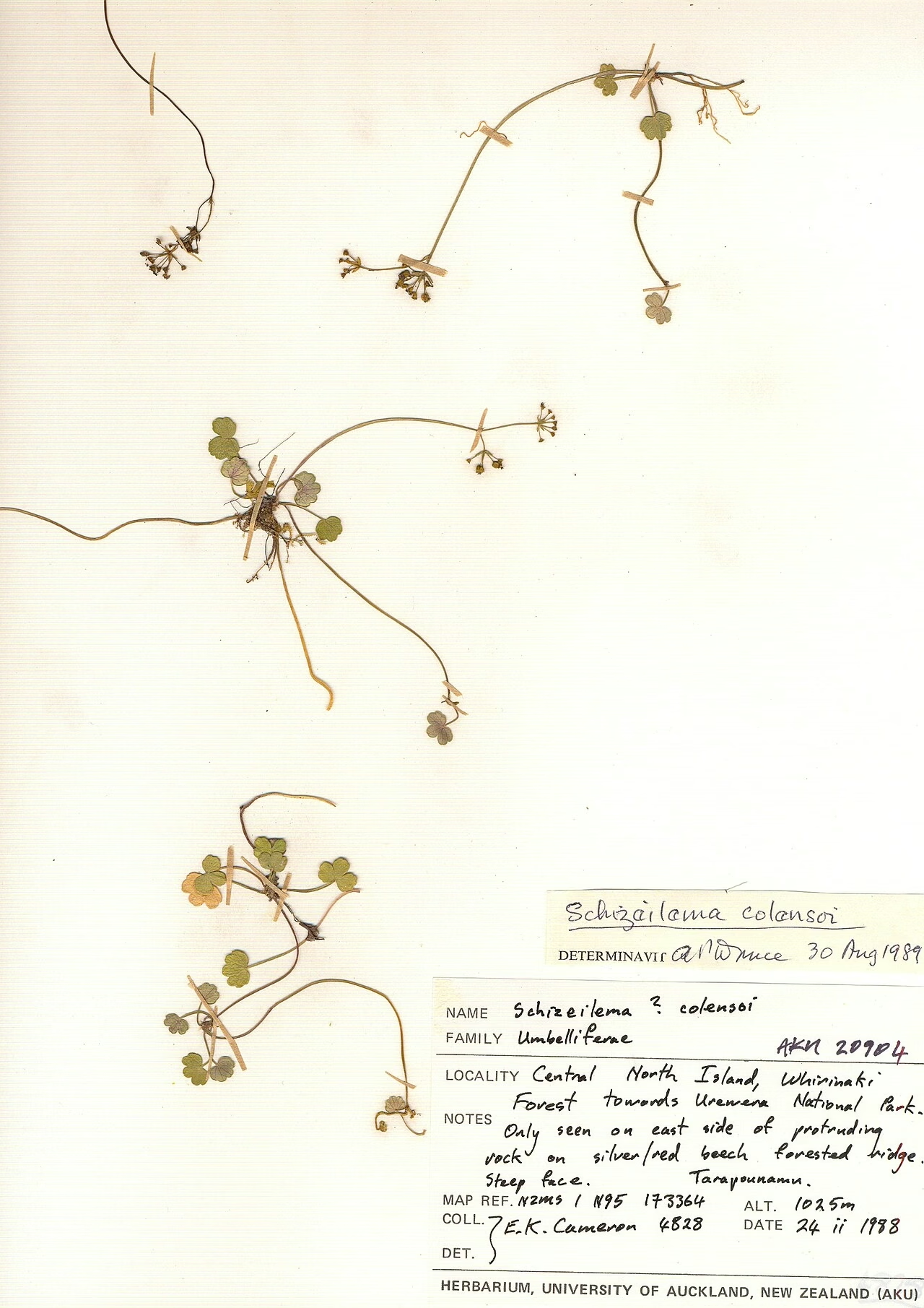
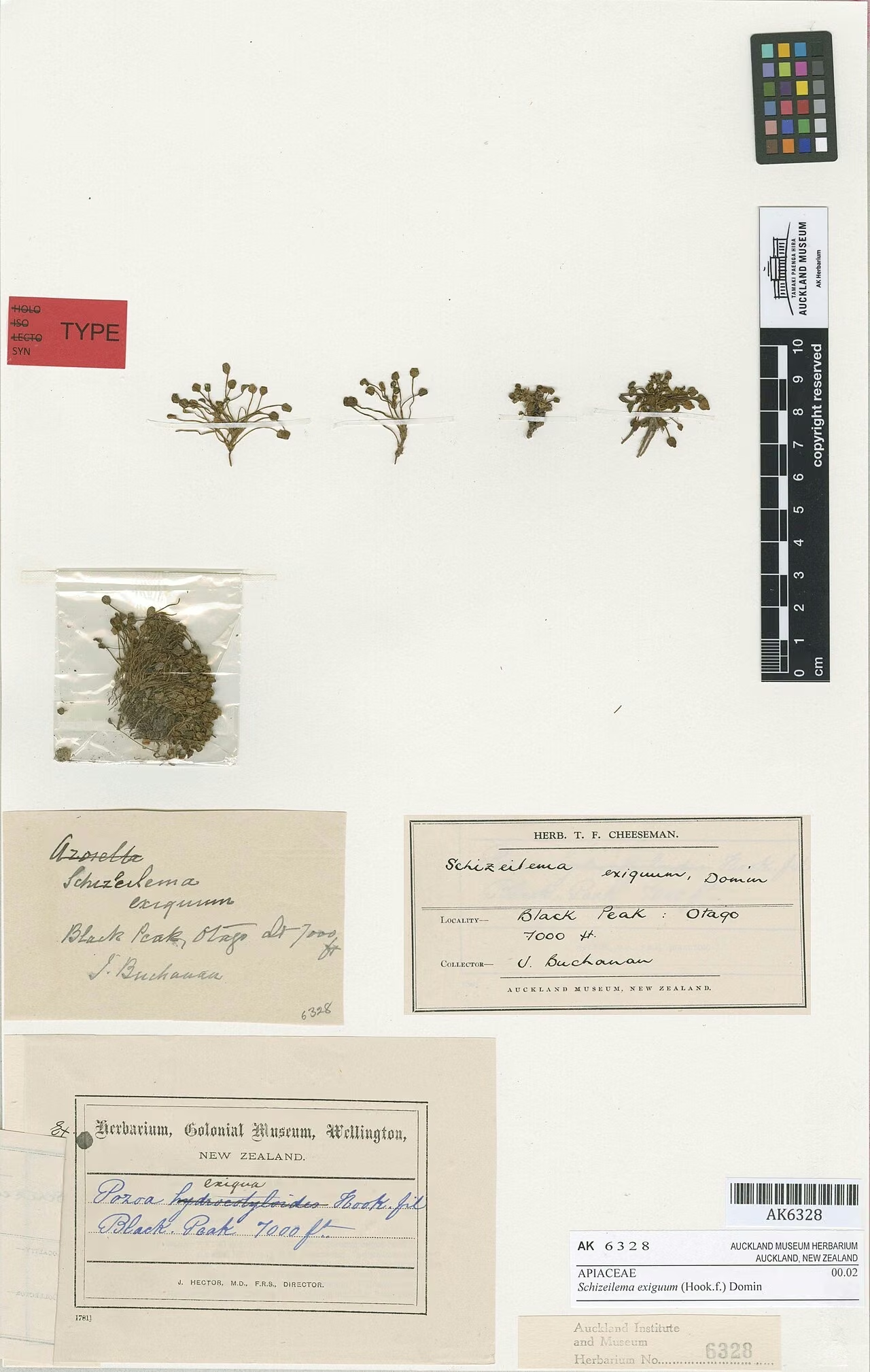
Explore other native plants that share similar characteristics or habitats with Southern Comb Fern (Schizaea australis), offering further insights into New Zealand's diverse flora. These related species provide context and opportunities for complementary planting in your garden.
Plant Conservation
Southern comb fern is ranked Not Threatened (2023) with the qualifier Secure Overseas, and has been Not Threatened in all assessments since 2004. Regionally, Otago ranks it Regionally Naturally Uncommon and Wellington lists it as Data Deficient.
Protecting peat bogs, pakihi and lake-edge turf from drainage, fire, weeds and trampling helps this and many other small wetland plants. Recording observations helps clarify its distribution, particularly where it overlaps with Schizaea fistulosa.
Frequently Asked Questions
What does southern comb fern look like?
It forms small tufts of green or pale brown, wiry, rush-like fronds, each topped by a fertile tip 4 to 15 mm long made of four to eight pairs of tiny folded lobes arranged like a comb.
Where does Schizaea australis grow in New Zealand?
It grows from Te Moehau south, though it is scarce north of the Volcanic Plateau, mostly west of the main divide in the South Island, and on Stewart, Chatham, Auckland and Campbell Islands.
How do you tell Schizaea australis from Schizaea fistulosa?
Schizaea australis has shorter fronds, a smaller fertile tip with fewer pairs of fertile lobes, and favours montane and subantarctic sites. Schizaea fistulosa is taller and grows at lower altitudes or further north.
Can you grow southern comb fern?
NZPCN describes it as difficult to propagate and says it should not be removed from the wild. It is best appreciated in its natural bog and turf habitats.
Sources and Further Reading
The botanical, growing, and conservation details for Southern Comb Fern (Schizaea australis) on this page draw on the New Zealand plant references below. Consult them for full technical records and the latest distribution data.