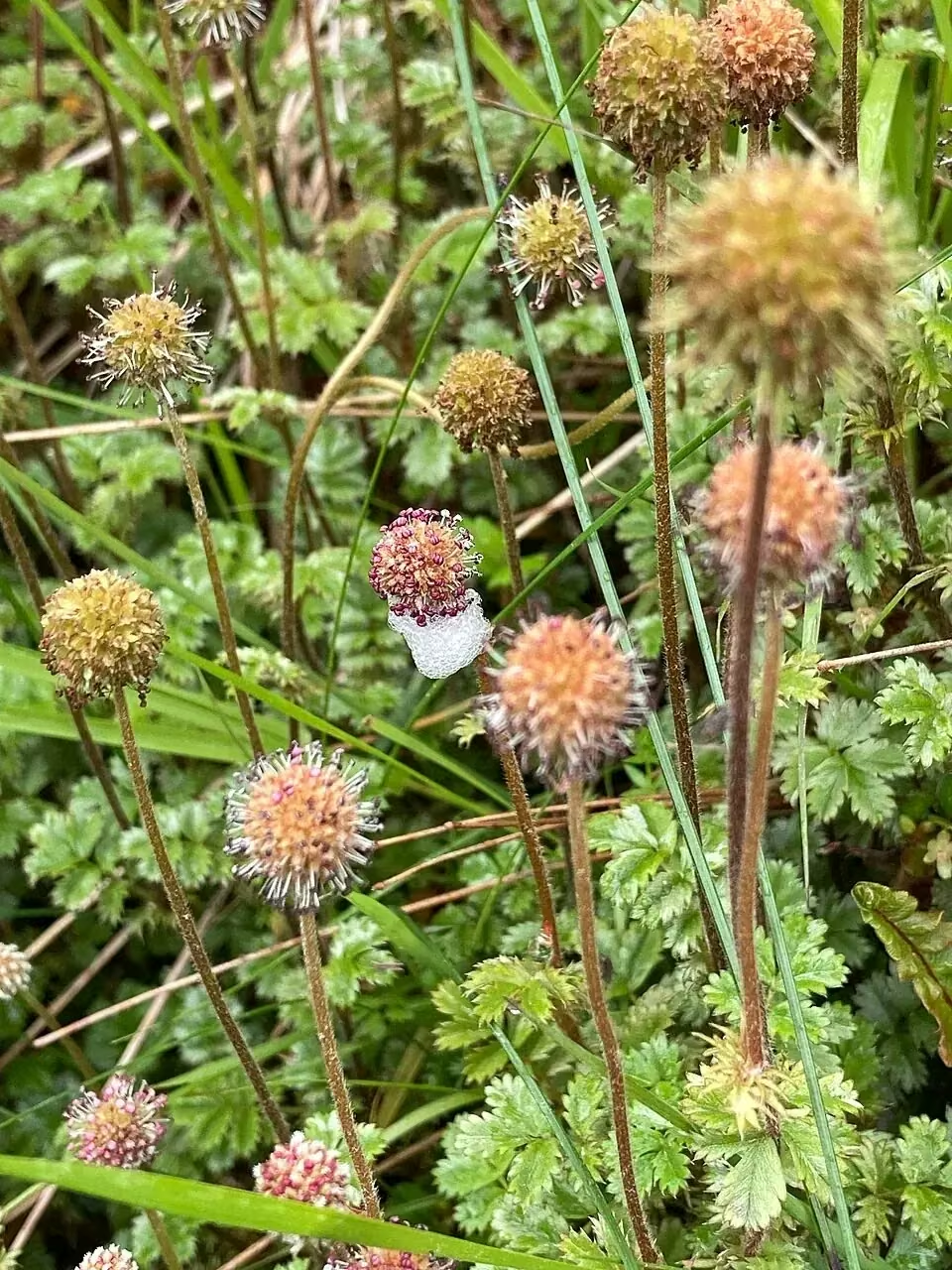
Bidibid
Acaena anserinifolia
Last updated:
Bidibid (Acaena anserinifolia) is a prostrate, mat-forming perennial ground cover native to New Zealand. It grows 10 to 15 cm tall and spreads up to 1 metre, its reddish-brown stems rooting at the nodes as they creep. The pinnate leaves carry 9 to 13 sharply toothed leaflets, dull green to bluish-green above and paler, often silvery, beneath. From October to January it bears small white, pink or red flower clusters that ripen into the hooked, spiny burrs Māori call piripiri. Found from lowland forest margins and grasslands to coastal sites, it is frost hardy, moderately salt tolerant and widely used to bind soil and suppress weeds. Explore more native ground covers in our native plant guide.
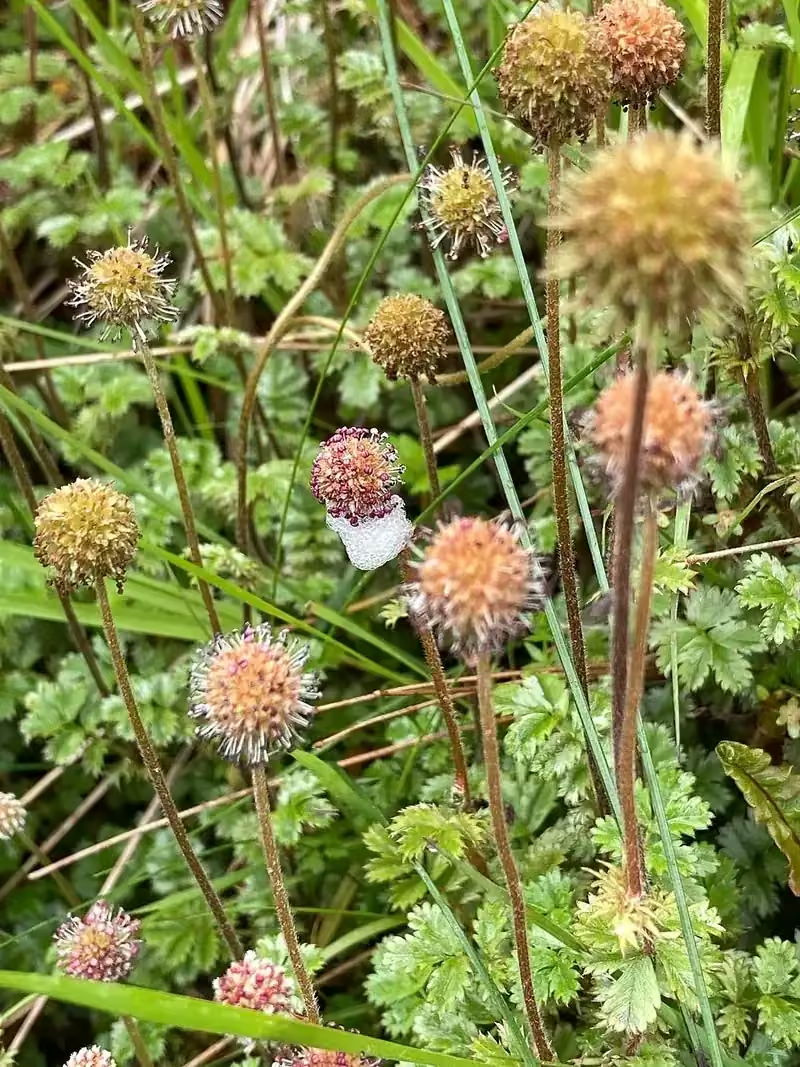
Plant Description
Identification and Physical Characteristics
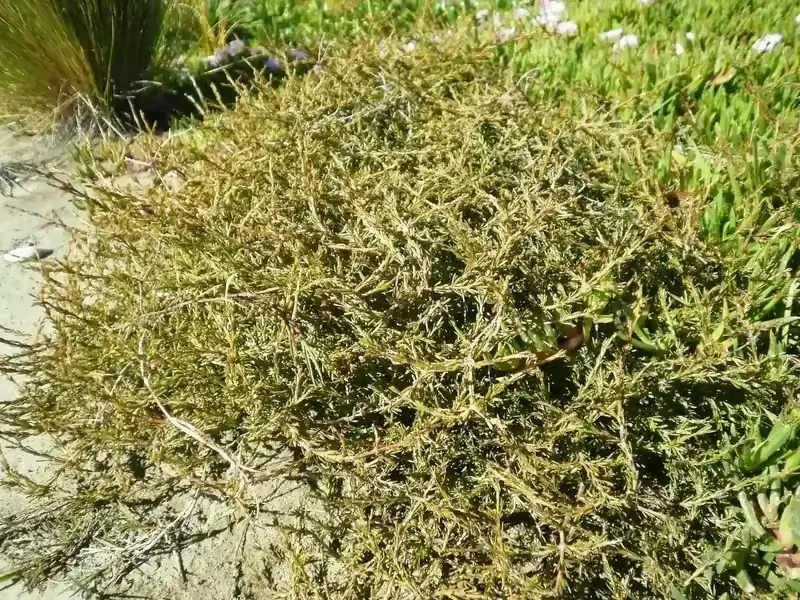
Acaena anserinifolia is a prostrate perennial herb that forms diffuse to dense, spreading mats, often covering large areas. Its stems are reddish-brown and root at the nodes as it creeps along the ground. The leaves are pinnately divided, typically 10-75 mm long, and consist of 9-13 sharply toothed leaflets. The upper surface of the foliage ranges from dull green to bluish-green, while the underside is paler, often silvery, and covered in silky hairs, with a distinctive tuft of brush-like hairs at the tips of the leaf teeth. Inconspicuous white, pink, or red globular flower clusters appear from October to January on long stalks. These mature into clusters of hooked, spiny burrs, approximately 10-20 mm in diameter, which are designed to cling to clothing or animal fur for dispersal.
Quick Facts
| Scientific Name | Acaena anserinifolia |
|---|---|
| Height | 10-15 cm (Ground Cover) |
| Spread | Up to 1 m |
| Water Needs | Moderate |
| Light | Full Sun to Partial Shade |
| Frost Tolerance | High |
| Salt Tolerance | Moderate |
| Growth Rate | Fast (Creeping) |
| Lifespan | Perennial |
Climate Best Suited to
Bidibid is exceptionally adaptable to a wide range of New Zealand climates, from lowland coastal areas to lower subalpine regions up to 1500 meters above sea level. Its natural distribution spans both the North and South Islands, as well as several offshore islands. It tolerates diverse conditions, including moist and dry sites, and is particularly resilient in exposed environments. This adaptability makes it a valuable plant for various restoration and landscaping projects across the country.
Regional Suitability
| City | Climate Suitability |
|---|---|
| Auckland | Highly Suitable |
| Wellington | Highly Suitable |
| Christchurch | Highly Suitable |
| Dunedin | Highly Suitable |
| Nelson | Highly Suitable |
| Invercargill | Highly Suitable |
Plant Habitat
Natural Occurrence and Ecology
The natural habitat of Acaena anserinifolia is diverse, ranging from lowland forest margins and shrublands to open grasslands and coastal environments. It is a common sight in unimproved pastures and disturbed sites, highlighting its pioneering nature. It thrives in well-drained soil but can tolerate moist conditions. Its ability to colonize a wide variety of habitats, including those with some shade, demonstrates its remarkable ecological flexibility.
Growing Requirements
Soil Requirements
Tolerant of a wide range of soils, from light to heavy, preferring moist, well-drained loam.
- Well-drained loam
- Clay or sandy soils
- Adaptable to most types
Light Requirements
Grows well in full sun to semi-shade. Foliage colour is more vibrant in full sun.
- Full sun for best colour
- Partial shade tolerated
- Minimum 50% sun
Water Requirements
Moderate water needs. Established plants are relatively drought-tolerant but benefit from occasional watering during prolonged dry spells.
- Moderate irrigation
- Drought-tolerant
- Avoid waterlogging
Planting and Establishing
Establishment Guidance
Establishing Bidibid is a relatively easy and rewarding process due to its vigorous growth and adaptability. It's an excellent choice for groundcover, particularly for suppressing weeds, stabilizing soil, and retaining moisture. Plant in spring or autumn to allow it to establish before extreme weather. Dig a hole twice the width of the root ball, ensuring good drainage. Space plants 30-40 cm apart to allow for its spreading habit. Water thoroughly after planting and keep moist for the first few weeks. It can also be propagated directly from fresh seed or by simply dividing existing mats.
Ecological Role
Biodiversity and Ecosystem Impact
Acaena anserinifolia plays a significant role in various New Zealand ecosystems. Its mat-forming habit helps stabilize soil, preventing erosion, particularly on slopes and in coastal environments. Its extensive root system helps bind the soil, and its dense foliage can suppress weed growth. The distinctive spiny burrs serve a crucial ecological function by facilitating seed dispersal, readily attaching to passing animals and birds, thus aiding in the colonization of new areas. It also provides ground-level habitat and foraging opportunities for various invertebrates and small native fauna.
Uses & Significance
Garden Uses
Widely used as an ornamental groundcover in gardens, particularly for difficult areas or slopes. Its variable foliage colour adds visual interest.
- Groundcover
- Erosion control
- Weed suppression
Ecological Value
Vital for soil stabilization and ecological restoration projects. Its burrs aid in seed dispersal, supporting natural regeneration.
- Soil binding
- Habitat for small fauna
- Biodiversity support
Landscaping Uses
In landscaping, Red Bidibidi is commonly used for large-scale groundcover plantings, especially on banks, slopes, and in coastal gardens. Its ability to thrive in challenging conditions makes it suitable for revegetation projects where a robust, fast-spreading plant is needed. It can also be used to create textural contrast with other native plants, particularly when its foliage takes on its reddish hues.
Seasonal Care Calendar
Spring
Active growth period. New stems and leaves emerge. Flowering begins from October.
- Light fertilization
- Monitor for weeds
Summer
Peak growth and fruiting. Burrs develop and mature. Water during dry spells.
- Occasional watering
- Burr management (if needed)
Autumn
Ideal time for planting new specimens or dividing established mats. Foliage often deepens in colour.
- Planting new stock
- Division of clumps
Winter
Growth slows. The plant is evergreen and will maintain its green presence throughout the colder months.
- Minimal care
- Check drainage
When to Prune and How Much
Bidibid requires minimal pruning. It can be trimmed along the edges to maintain its shape or to prevent it from encroaching on other plants.
- Light trimming for shape
- Remove unwanted spread
If the burrs are a nuisance in high-traffic areas, they can be mown or clipped off before they fully ripen in summer.
How to Grow Bidibid
Growing Bidibid ( Acaena anserinifolia ) is a straightforward process, making it an excellent choice for both novice and experienced gardeners. Its vigorous growth habit and adaptability to a wide range of conditions ensure a high success rate. This plant is particularly valued for its ability to quickly form dense, weed-suppressing mats, making it ideal for groundcover, erosion control on banks, and large-scale landscaping. Its ability to root at the nodes means that established plants can naturally expand their territory, providing excellent coverage over time.
From Cuttings
Cuttings are an extremely effective and easy method for propagating Bidibid, especially from stems that have already rooted naturally.
Take semi-hardwood cuttings in late summer or autumn for the best results.
- Select healthy, vigorous stems that show signs of new growth or aerial roots.
- Cut sections approximately 10-15 cm long, ensuring each cutting has several leaf nodes.
- Remove the lower leaves and lightly wound the base. Rooting hormone is optional but can speed up the process.
- Plant into a well-draining potting mix, such as a blend of sand and peat.
- Keep in a warm, sheltered spot with indirect light and maintain consistent moisture without waterlogging.
- Roots should establish within a few weeks, after which the new plants can be hardened off and planted in their final location.
From Seed
Seed propagation is also a successful method, particularly for larger projects where many plants are required.
Collect the dry, brown burrs in late summer or autumn.
- Remove the barbed spines from the burrs to extract the seeds. Wear gloves to protect your hands.
- A cold stratification period of 4-6 weeks can significantly improve germination rates.
- Sow the seeds onto the surface of a sandy seed-raising mix.
- Lightly cover with a fine layer of sand or grit and water gently.
- Place in a protected outdoor area; germination usually occurs in spring.
- Prick out seedlings once they are large enough to handle and grow them on in individual pots.
By Division
Division is the quickest and easiest method for expanding existing mats. Simply use a sharp spade or knife to cut a section of an established plant, ensuring each piece has roots attached. Replant immediately in a prepared site and water well. This can be done almost any time of year, though spring and autumn are ideal for optimal establishment and to minimize stress on the parent plant.
Pests & Diseases
Bidibid is a remarkably robust plant, rarely affected by serious pests or diseases. It is quite resistant to grazing from deer and rabbits. In very humid or poorly drained conditions, it may occasionally suffer from minor fungal leaf spots, but these rarely impact the overall health of the plant. Ensuring good air circulation and avoiding excessive watering will help keep the plant in prime condition.
Cultural Significance
The Māori names 'Bidibid' or 'Piripiri' refer to the plant's sticky burrs, which were traditionally used to attach things or to create playful games for children. Acaena anserinifolia is a familiar and iconic plant of the New Zealand landscape, particularly in coastal areas. Its presence is a reminder of the toughness and adaptability of native flora, thriving in diverse and often challenging environments. The burrs are a nostalgic part of the New Zealand childhood experience, readily clinging to clothing and socks during walks through the bush or dunes.
- Iconic coastal plant
- Cultural games and uses
Bonus Tip
If you are growing Bidibid where foot traffic or pets are present, be aware that the hooked burrs will attach to clothing and fur. To mitigate this, consider mowing the plant before the burrs fully ripen in summer. This will also encourage denser, more vibrant foliage.
Related Plants
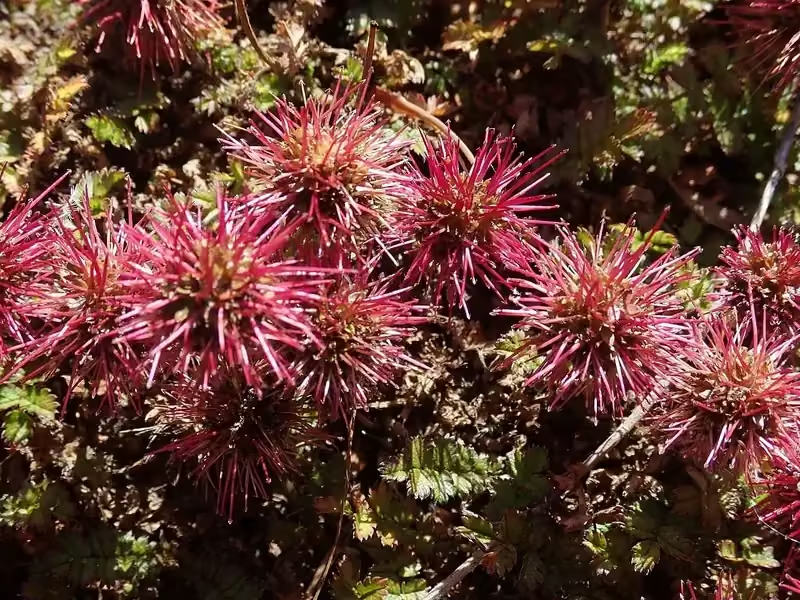
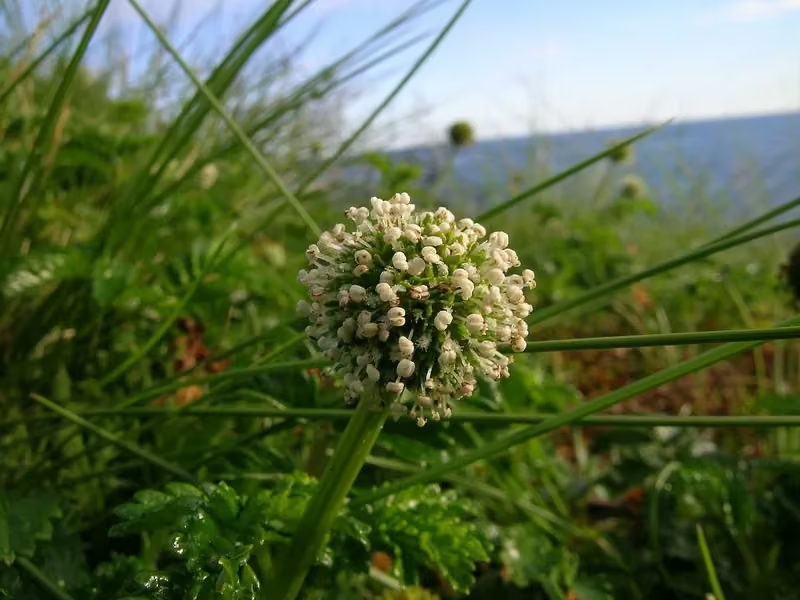
Explore other native plants that share similar characteristics or habitats with Bidibid ( Acaena anserinifolia ), offering further insights into New Zealand's diverse flora. These related species provide context and opportunities for complementary planting in your garden.

Plant Conservation
Conservation Status and Threats
Acaena anserinifolia is currently classified as Not Threatened in New Zealand. It is a widespread and common species, often abundant in suitable habitats. However, local populations can be threatened by intensive development, overgrazing, or competition from aggressive introduced weeds. Protecting its natural habitats, particularly grasslands and open disturbed areas, and promoting its use in appropriate restoration projects are key to ensuring its ongoing success.
Frequently Asked Questions
How tall does Bidibid grow?
It grows 10 to 15 cm tall and spreads up to 1 metre wide.
Is Bidibid suitable for coastal gardens?
Yes, it has moderate salt tolerance and naturally grows in coastal environments.
Does Bidibid tolerate frost?
Yes, it has high frost tolerance and suits cold New Zealand climates.
When does Bidibid flower?
It flowers from October to January, producing burrs that cling to clothing and animals.
Sources and Further Reading
The botanical, growing, and conservation details for Bidibid (Acaena anserinifolia) on this page draw on authoritative New Zealand plant references and citizen-science observation records. Consult the sources below for full technical records and the latest distribution data.