Māori Dock
Rumex flexuosus
Last updated:
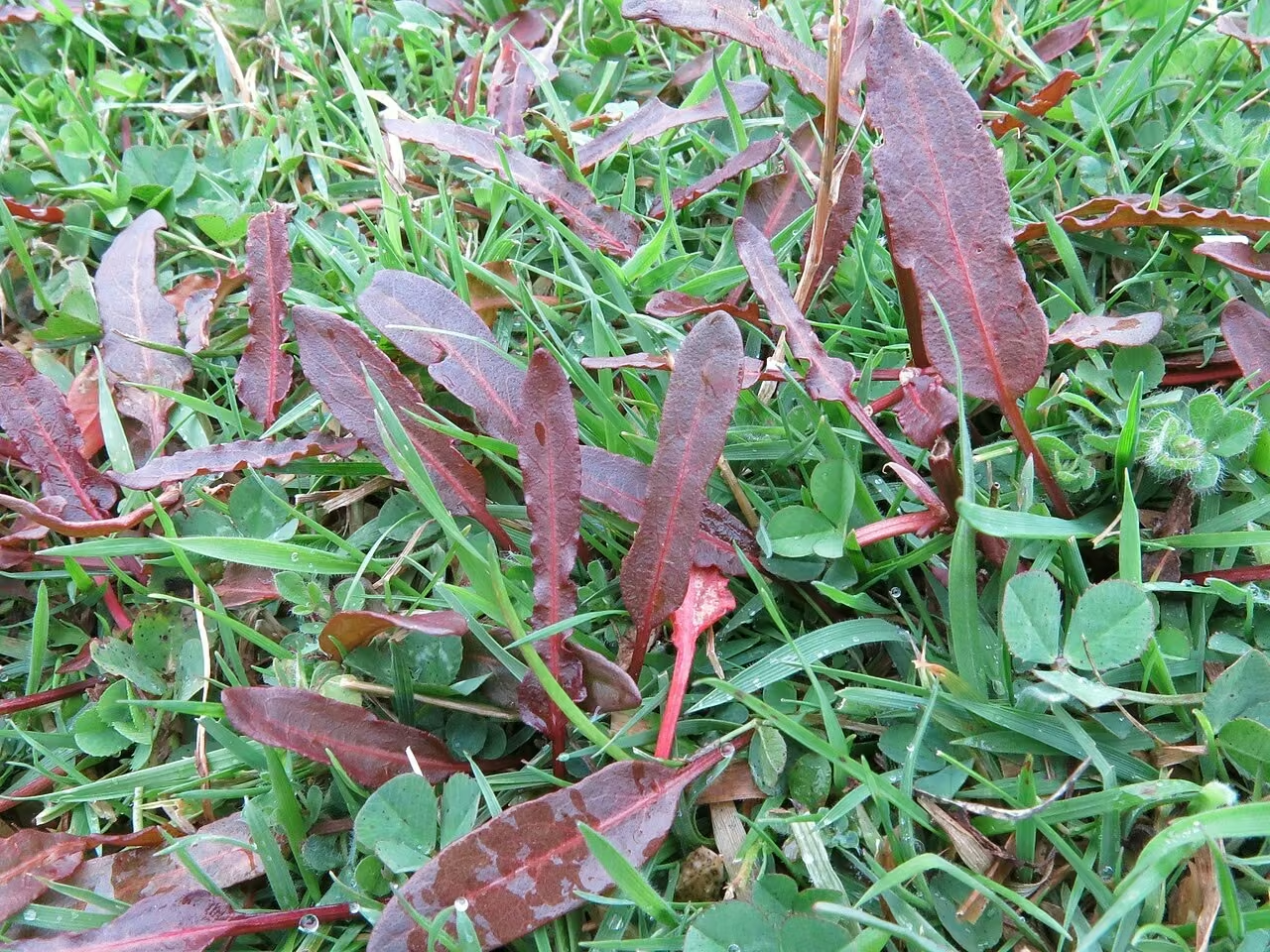
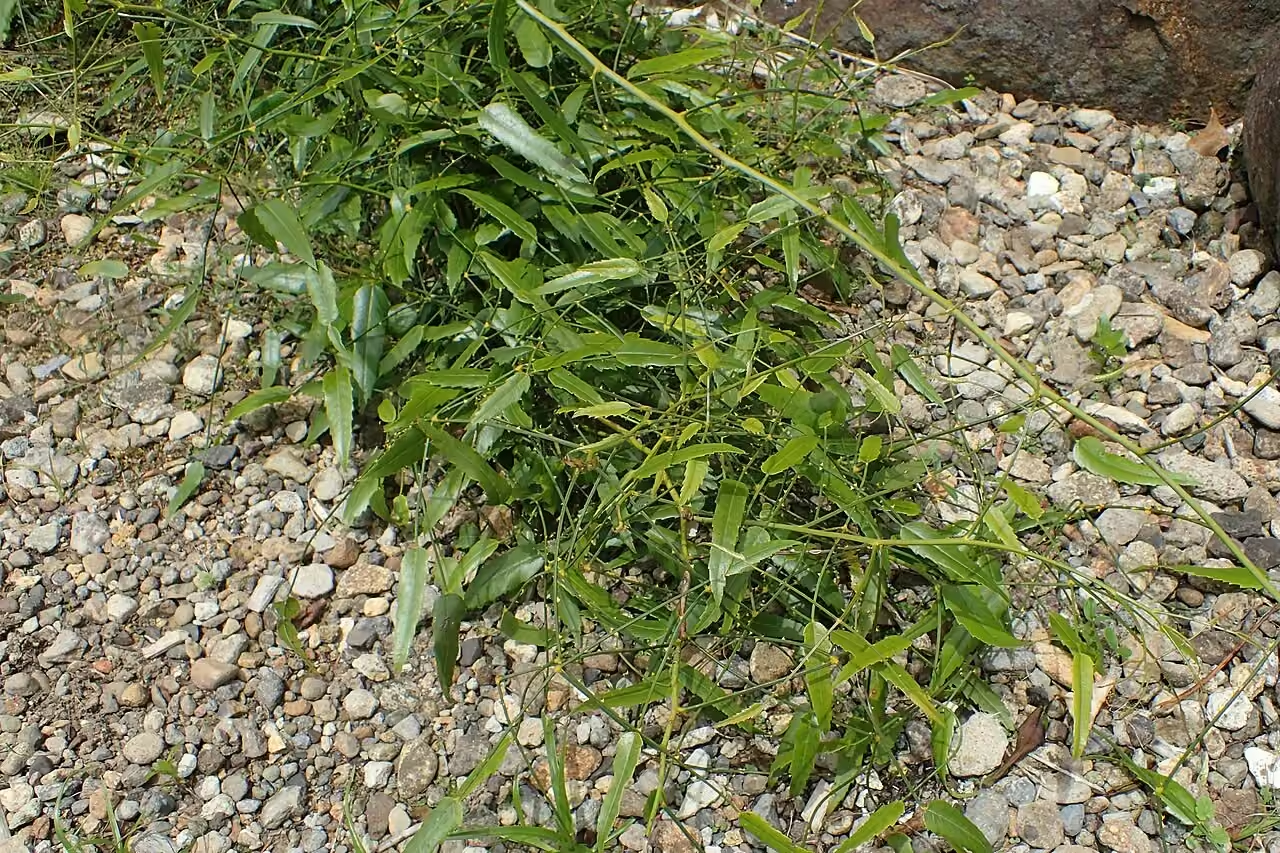
Māori dock (Rumex flexuosus), known to Māori as runa, is an endemic perennial dock grown for its striking bronze-brown foliage. It forms a much-branched, spreading clump from a stout taproot, with slender zigzag branches up to about 50 cm long and narrow, wavy-edged leaves that are usually brown rather than green. Whorls of small greenish flowers appear from November to April. It grows from the central North Island mountains southwards to Stewart Island, in lowland to montane grassland, bogs, wet flushes and lake and stream sides. Its sap and leaves were used by Māori to treat cuts, sores and boils. It is ranked Not Threatened. Explore more native ground covers in our native plant guide.
Plant Description
Rumex flexuosus is a hairless, much-branched herb with a stout taproot. Its slender branches spread outwards in a divaricating, zigzag pattern, together reaching about 50 cm long. The lower leaves have slender stalks and blades 3 to 15 cm long and 0.4 to 2.5 cm wide, linear to narrow-oblong or elliptic, usually brown and only rarely green. Their margins are wavy and often crisped or finely scalloped, and the leaves become gradually smaller up the stems.
The flowers are small and green to yellow, borne in numerous, well-spaced whorls of 6 to 12 along the branches. They are bisexual and shed pollen before the stigmas are receptive. Flowering is recorded from November to April. The fruit is a sharply angled, glossy pale brown nut 1.8 to 2.3 mm long, enclosed by three strongly net-veined valves, each with usually two or three straight teeth along the margin and normally no tubercle.
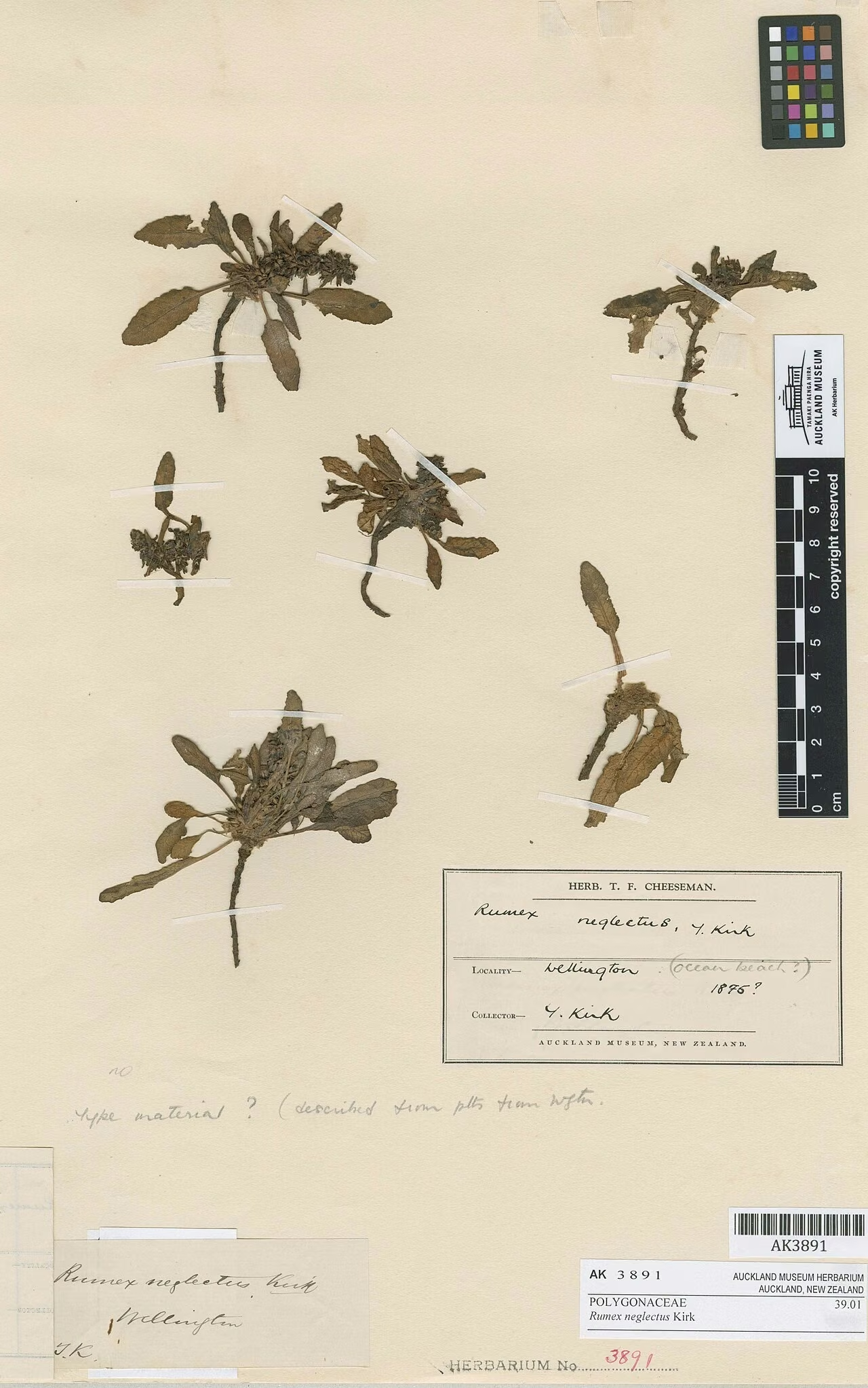
Its narrow brown leaves and wiry, zigzag branching separate it from introduced docks such as broad-leaved dock and curled dock, which have large green leaves and upright flowering stems. Shore dock (Rumex neglectus) is a much smaller, fleshy-leaved coastal plant.
Quick Facts
| Scientific Name | Rumex flexuosus |
|---|---|
| Height | 0.2-0.4 m |
| Spread | Branches up to about 0.5 m long |
| Water Needs | Moderate to high; damp soil |
| Light | Full sun |
| Frost Tolerance | High |
| Salt Tolerance | Low |
| Growth Rate | Moderate |
| Lifespan | Perennial |
Climate Best Suited to
Māori dock suits cool to cold temperate climates and is commonest in the South Island, though it also grows in the central North Island mountains.
Regional Suitability
| City | Climate Suitability |
|---|---|
| Auckland | Low |
| Wellington | Medium |
| Christchurch | High |
| Dunedin | High |
Plant Habitat
Rumex flexuosus is endemic to New Zealand. The Flora records it from the mountains of the central North Island southwards, descending to sea level in parts of the South Island and on Stewart Island, and also from the Chatham Islands. It is mostly uncommon in the north and is now regarded as extinct in the Auckland region.
It grows in lowland to montane grassland and other open places, especially bogs, wet flushes, and the margins of lakes and streams. It is classed as a facultative wetland plant, usually found in wet ground.
Growing Requirements
Soil Requirements
It prefers damp, reasonably fertile soils, and its taproot copes with heavier ground.
- Moist loam, silt or peaty soil
- Tolerates heavier soils
- Avoid very dry, sandy sites
Light Requirements
This is a plant of open grassland and wetland edges, and the leaf colour is richest in full sun.
- Full sun for the best bronze foliage
- Leaves are greener and plants lankier in shade
Water Requirements
Keep the soil moist, especially in summer. It tolerates seasonal wetness but not long periods of drought.
- Water during dry spells
- Suits damp edges of ponds and rain gardens
- A mulch helps retain moisture
Planting and Establishing
Plant Māori dock in spring or autumn in a sunny spot with moist soil, such as the margin of a pond or a damp part of a native grassland planting. Space plants about 40 cm apart so their spreading branches can develop.
It is not commercially available through mainstream nurseries, so plants are usually raised from seed. Avoid introducing seed from outside your region if planting near wild populations.
Ecological Role
Docks are mostly wind-pollinated, and Rumex flexuosus has protandrous flowers that release pollen before the stigmas mature, which encourages cross-pollination. The small seeds, wrapped in toothed valves, fall near the parent or are moved by water and animals.
In wet grasslands and bog margins it forms part of a low herb community. Little has been recorded about the insects that feed on it specifically.
Uses & Significance
Garden Uses
Māori dock is valued as a foliage plant because of its unusual bronze-brown leaves.
- Colour contrast in native borders
- Damp pond edges and rain gardens
- Rongoā or cultural plant collections
- Wetland restoration in its natural range
Ecological Value
It is one of only a few native docks and helps maintain the native component of damp grasslands.
- Seed for small birds
- Part of native bog and flush vegetation
- Keeps space occupied by native rather than introduced docks
Landscaping Uses
Use Māori dock as a coloured filler among green native grasses and sedges such as Carex or Poa, where its bronze leaves and wiry branches stand out. It also pairs well with orange and brown native sedges like Carex testacea for a warm-toned planting.
Plant in groups of three or more so its fine branching reads as a drift of colour rather than a single small clump.
Seasonal Care Calendar
Spring
New bronze leaves emerge from the taproot.
- Plant or sow
- Mulch to keep soil moist
Summer
Whorls of green-yellow flowers appear along the branches from November.
- Water in dry spells
- Remove introduced dock seedlings nearby
Autumn
Flowering continues into April and seed ripens on the branches.
- Collect ripe seed
- Cut back untidy stems after seed is shed
Winter
The plant is frost hardy and may die back partly, regrowing from the taproot.
- Check drainage in very wet sites
- Mark positions to avoid disturbing roots
When to Prune and How Much
Cut back old flowering branches once seed has been shed or collected to keep the plant tidy and encourage fresh foliage from the base.
If you do not want seedlings, remove flowering stems before seed ripens.
How to Grow Māori Dock
NZPCN notes that Rumex flexuosus is not commercially available, so propagation is usually up to the grower. Docks generally germinate readily from seed, and seed is the most practical method for this species. Its stout taproot makes division difficult, although young plants can be lifted and moved with care. Eco-sourcing seed from a nearby population helps preserve local variation.
From Seed
Seed ripens through late summer and autumn inside the dry, net-veined valves. It can be sown fresh in autumn or stored dry and sown in spring. Germination is usually within a few weeks once temperatures are mild. Seedlings soon show the characteristic brown leaf colour, so off-types or weedy dock seedlings that have crept into the tray can be spotted and removed early.
- Collect ripe brown fruit from the branches in late summer or autumn
- Rub off the valves if you wish, though seed can be sown with them
- Sow on the surface of a moist seed-raising mix and cover lightly
- Keep the tray moist and in good light
- Prick seedlings into individual deep pots to allow the taproot to develop
- Plant out when roots fill the pot
Transplanting Young Seedlings
Where established plants self-seed, young seedlings can be lifted while their taproots are still short. Older plants resent disturbance because the taproot is easily damaged.
- Lift seedlings in spring with a deep spade cut
- Keep the full length of the root intact
- Replant at the same depth in moist soil and water in well
Pests & Diseases
Docks can be eaten by slugs, snails and caterpillars, and dock beetles and leaf-mining insects attack introduced Rumex species, so similar damage is possible. Rust fungi also affect docks in damp conditions.
In the wild, competition from introduced pasture grasses and weeds, along with wetland drainage, is a greater concern than pests.
Cultural Significance
Māori names recorded for Rumex flexuosus include runa and rungarunga. The Ngā Tipu Whakaoranga database records that children applied the sap to abrasions (Best 1906); that green leaves were used on boils and renewed from time to time; that the juice of the leaves was used on abrasions, wounds, cuts and pierced ears, and the moist inner shoot on cracked lips; and that it was used as a poultice to draw poison from festered sores and boils (Adams 1945).
A root decoction was also reported to clear the bloodstream and help with varicose veins (Collier 1959). The name runa has been explained as referring to the water or juice from the dock plant.
Bonus Tip
Grow Māori dock in full sun and fairly lean, moist soil. Rich soil and shade make the leaves greener and the plant floppy, while sun brings out the deep bronze colour that makes it worth growing.
Related Plants
Explore other native plants that share similar characteristics or habitats with Māori Dock (Rumex flexuosus), offering further insights into New Zealand's diverse flora. These related species provide context and opportunities for complementary planting in your garden.
Plant Conservation
Rumex flexuosus is ranked Not Threatened in the 2023 New Zealand Threat Classification. Regionally, it is considered extirpated in Auckland and Regionally Naturally Uncommon in the Wellington and Otago regions.
Draining of bogs and wet flushes, conversion of tussock grassland to pasture, and competition from introduced docks and grasses reduce its habitat. Protecting wetlands and using it in restoration plantings helps.
Frequently Asked Questions
Is Māori dock a native plant?
Yes. Rumex flexuosus is endemic to New Zealand, unlike the many weedy docks that were introduced from Europe.
How did Māori use runa?
Recorded uses include applying the sap or juice of the leaves to abrasions, cuts and pierced ears, using green leaves on boils, and using the leaves as a poultice to draw poison from festered sores.
Why are Māori dock leaves brown?
The leaves of Rumex flexuosus are naturally brownish or bronze, and only rarely green. This colouring is normal and is the main reason gardeners grow it.
How do you tell Māori dock from introduced docks?
Look for its divaricately spreading, zigzag branches, narrow wavy brown leaves and fruit valves with two or three straight teeth on each margin, usually without a swelling (tubercle).
Sources and Further Reading
The botanical, growing, and conservation details for Māori Dock (Rumex flexuosus) on this page draw on the New Zealand plant references below. Consult them for full technical records and the latest distribution data.