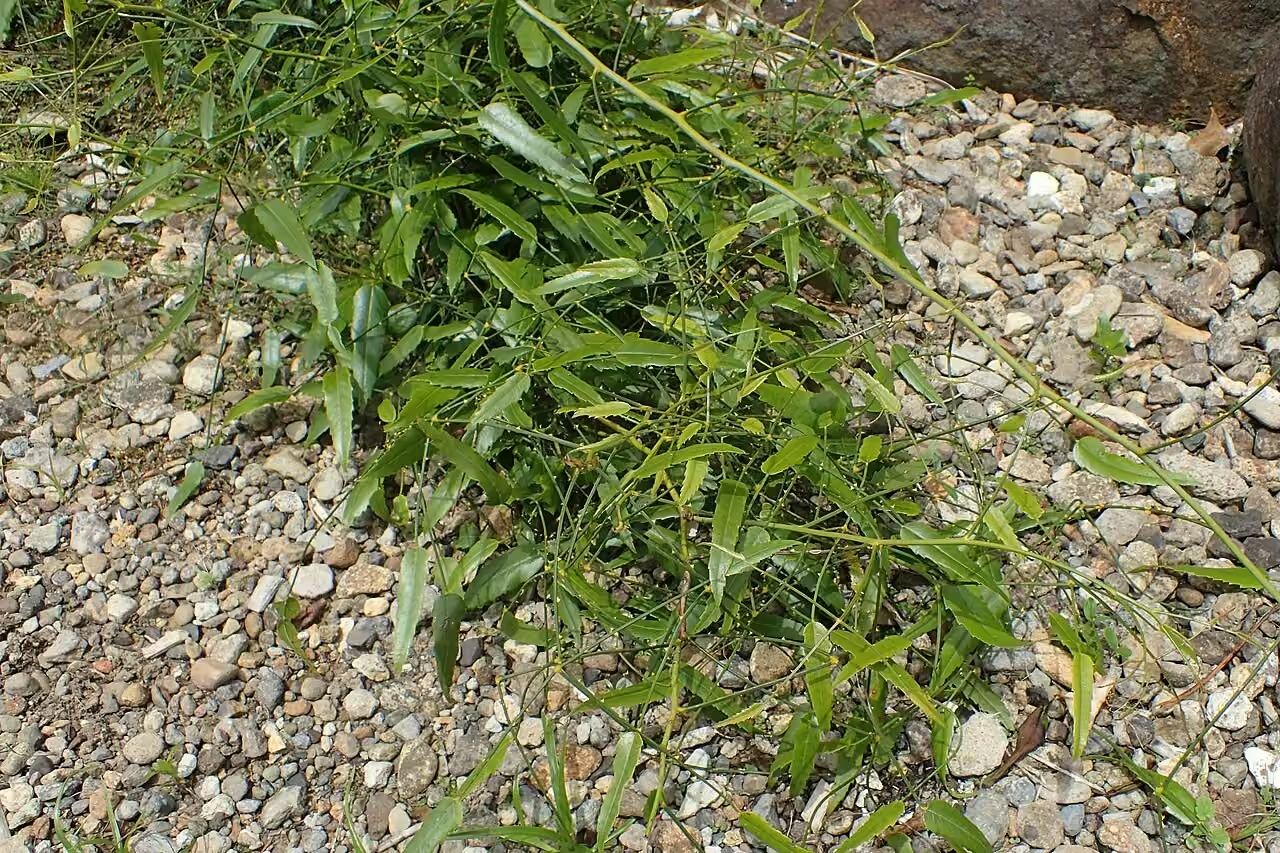
Leafless Lawyer
Rubus squarrosus
Last updated:
Leafless lawyer (Rubus squarrosus), also called yellow-prickled lawyer, is an extremely prickly, usually leafless scrambling vine endemic to New Zealand. Its stems, leaf stalks and midribs bristle with conspicuous yellow prickles, and in exposed sites it forms a low, tangled bush of intertwining branchlets. White flowers in sprays up to 20 cm long appear from October to December, followed by small red to red-orange fruit. It grows from Ahipara southwards in open coastal to montane habitats such as dunes, grey scrub, river beds and boulder slopes, mostly in the east. It is Not Threatened nationally but rare in the north. Explore more native climbers in our native plant guide.
Plant Description
Rubus squarrosus is a liane with slender to stout stems that are hairy when young. In exposed sites it forms a low, tangled bush of intertwining branchlets, but where it can reach surrounding shrubs it scrambles up through them. The stems, leaf stalks, leaflet stalks and leaf midribs are covered in short, curved to almost straight, conspicuously yellow prickles.
The leaves are compound with three to five lance-shaped, deeply toothed leaflets, but the leaflet blades are usually so reduced or absent that the plant appears leafless, especially in open sites. White flowers are carried in panicles up to 200 mm long from October to December, and small red to red-orange fruits ripen from about December to March.
It can be told from introduced brambles by its virtually hairless older stems and branchlets, much-reduced leaves, bright yellow prickles and smaller flowers and fruit. Other native bush lawyers such as Rubus cissoides and Rubus australis have well-developed leaflets and are forest climbers.
Quick Facts
| Scientific Name | Rubus squarrosus |
|---|---|
| Height | 0.5-2 m as a low bush; higher when scrambling through shrubs |
| Spread | 1-3 m |
| Water Needs | Low; drought tolerant once established |
| Light | Full sun to light shade |
| Frost Tolerance | High |
| Salt Tolerance | Moderate; grows in coastal dune fields |
| Growth Rate | Moderate |
| Lifespan | Perennial |
Climate Best Suited to
Leafless lawyer suits drier, sunny eastern climates with cold winters, and tolerates both drought and frost.
Regional Suitability
| City | Climate Suitability |
|---|---|
| Auckland | Medium |
| Wellington | High |
| Christchurch | High |
| Dunedin | High |
Plant Habitat
Rubus squarrosus is endemic to the North and South Islands, from Ahipara in the far north southwards. It is scarce north of the Manawatū and occurs mostly in eastern districts, except in Northland where it is rare. It is uncommon in many parts of its potential range.
Its habitats range from coastal to montane and are mostly open: dune fields, grey scrub, shrubland, open forest, river beds, cliff faces, talus and boulder slopes.
Growing Requirements
Soil Requirements
It thrives in open, free-draining soils, including sand, gravel and rocky ground.
- Free-draining sand, gravel or stony loam
- Tolerates low fertility
- Avoid heavy, waterlogged soils
Light Requirements
Leafless lawyer is a plant of open habitats and keeps its most compact, leafless form in full sun.
- Full sun preferred
- Becomes more leafy and scrambling in partial shade
Water Requirements
Once established it is drought tolerant, reflecting its dry eastern habitats.
- Water regularly during the first summer
- Little irrigation needed afterwards
- Good drainage is more important than extra water
Planting and Establishing
Plant in autumn or spring into a sunny, free-draining site such as a rockery, dry bank or coastal garden. Give it room, as stems spread and can grow up through neighbouring shrubs.
Wear thick gloves when planting and handling. Position it away from paths and play areas unless you want a deterrent barrier.
Ecological Role
The white flowers in long sprays attract native insects, and the red fruit is eaten by birds and probably lizards, which spread the seeds. In dunes and on rocky slopes its prickly, tangled growth provides protected shelter for lizards, insects and small birds.
As a plant of open, disturbed sites such as river beds and talus, it is part of the early successional vegetation that helps stabilise loose ground. Its yellow prickles and reduced leaves are typical of the divaricating and leafless forms common in New Zealand's dry eastern shrublands.
Uses & Significance
Garden Uses
NZPCN describes it as an unusual garden ornamental whose yellow prickles and leafless appearance add to its appeal.
- Feature plant in rock and gravel gardens
- Deterrent barrier along boundaries
- Coastal and dry-land restoration in its natural range
- Lizard-friendly gardens
Ecological Value
It gives shelter and food to wildlife in open dry habitats where cover is scarce.
- Protected refuges for lizards and invertebrates
- Fruit for birds
- Nectar for insects in spring
- Ground stabilisation on dunes and slopes
Landscaping Uses
Grow leafless lawyer as a sculptural feature where its golden prickles catch low sunlight, for example against a dark rock or wall. It also works well woven through other drought-tolerant natives such as Coprosma propinqua or Muehlenbeckia astonii in a dry garden.
In larger plantings it can be used to discourage people from cutting across garden beds.
Seasonal Care Calendar
Spring
Flowering begins in October, with sprays of small white flowers.
- Plant new stock
- Apply a light mulch
Summer
Flowering finishes in December and small red to red-orange fruit develops, ripening into late summer.
- Water young plants in drought
- Watch birds feeding on the fruit
Autumn
Fruiting finishes and growth slows; the yellow prickles remain conspicuous.
- Take semi-hardwood cuttings
- Collect seed from late fruit
Winter
Plants tolerate hard frosts and keep their striking prickly framework.
- Prune if it has outgrown its space
- Check drainage
When to Prune and How Much
Pruning is rarely needed. If it scrambles too far, cut back unwanted stems in late winter with long-handled loppers, wearing heavy gloves and eye protection.
Removing older stems at the base occasionally keeps a plant grown as a low bush compact and dense.
How to Grow Leafless Lawyer
According to NZPCN, leafless lawyer is easily grown from layered stems and semi-hardwood cuttings. These vegetative methods are quicker and more reliable than seed, and they reproduce the parent plant exactly, which is useful if you have a particularly compact or richly coloured individual. Seed can also be used where larger numbers of genetically diverse plants are needed for restoration, preferably collected from local populations to keep regional character.
From Cuttings
Semi-hardwood cuttings are taken from the current season's growth once it has begun to firm, usually from late summer into autumn. The prickles make handling awkward, so use gloves and tongs.
- Cut 10 to 15 cm lengths of firm current-season stem
- Trim just below a node at the base
- Dip the base in rooting hormone if available
- Insert into a free-draining mix of bark and pumice or sand
- Keep in a sheltered, bright spot and lightly moist
- Pot on once roots form, usually after several weeks
- Harden off in a sunny spot before planting out the following season
By Layering
Stems that touch the ground can be encouraged to root while still attached to the parent plant. This is a simple, reliable method for home gardeners.
- Bend a low stem down to the soil in spring
- Pin it in place with a wire hoop and cover the node with soil
- Keep the area moist through summer
- Sever and transplant the rooted layer in autumn
- Water the new plant in well and protect it from drying winds until established
Pests & Diseases
Leafless lawyer has few pest problems. Scale insects may occasionally infest stems, and birds take the fruit.
In the wild its main threats are competition from introduced weeds, including invasive brambles, gorse and grasses, and habitat loss in the north of its range.
Cultural Significance
No Māori name or traditional use specific to Rubus squarrosus was found in the sources consulted. The name tātarāmoa is applied to New Zealand bush lawyers as a group, and early European settlers made jams and jellies from lawyer berries generally.
The common name lawyer comes from the idea that once the hooked prickles catch you, they will not let go. Squarrosus refers to the rough, spreading appearance of the plant.
Bonus Tip
Grow leafless lawyer where it will be backlit by low morning or evening sun. The masses of yellow prickles glow golden in that light, turning a seemingly bare tangle of stems into one of the most eye-catching native plants in a dry garden.
Related Plants
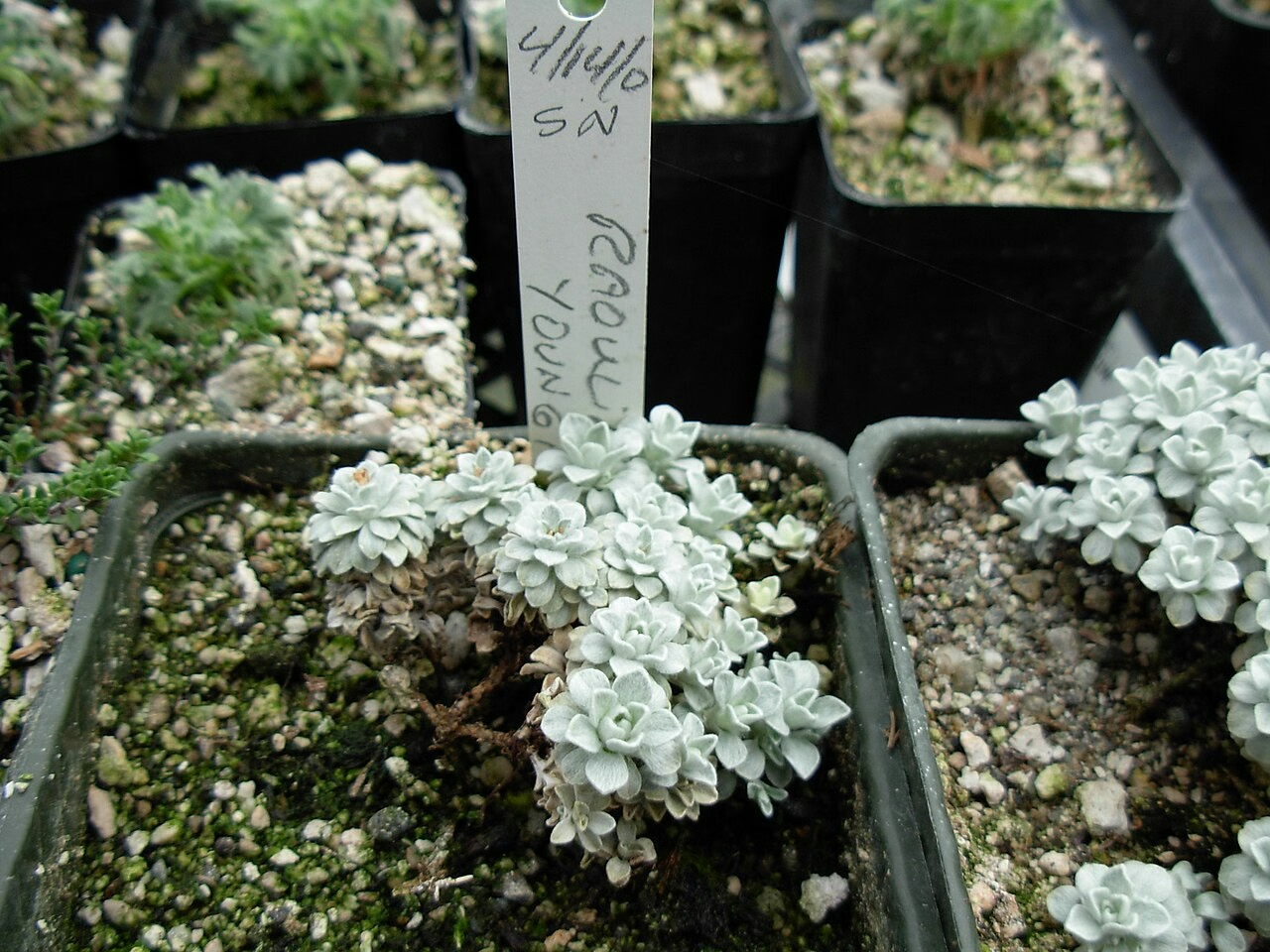
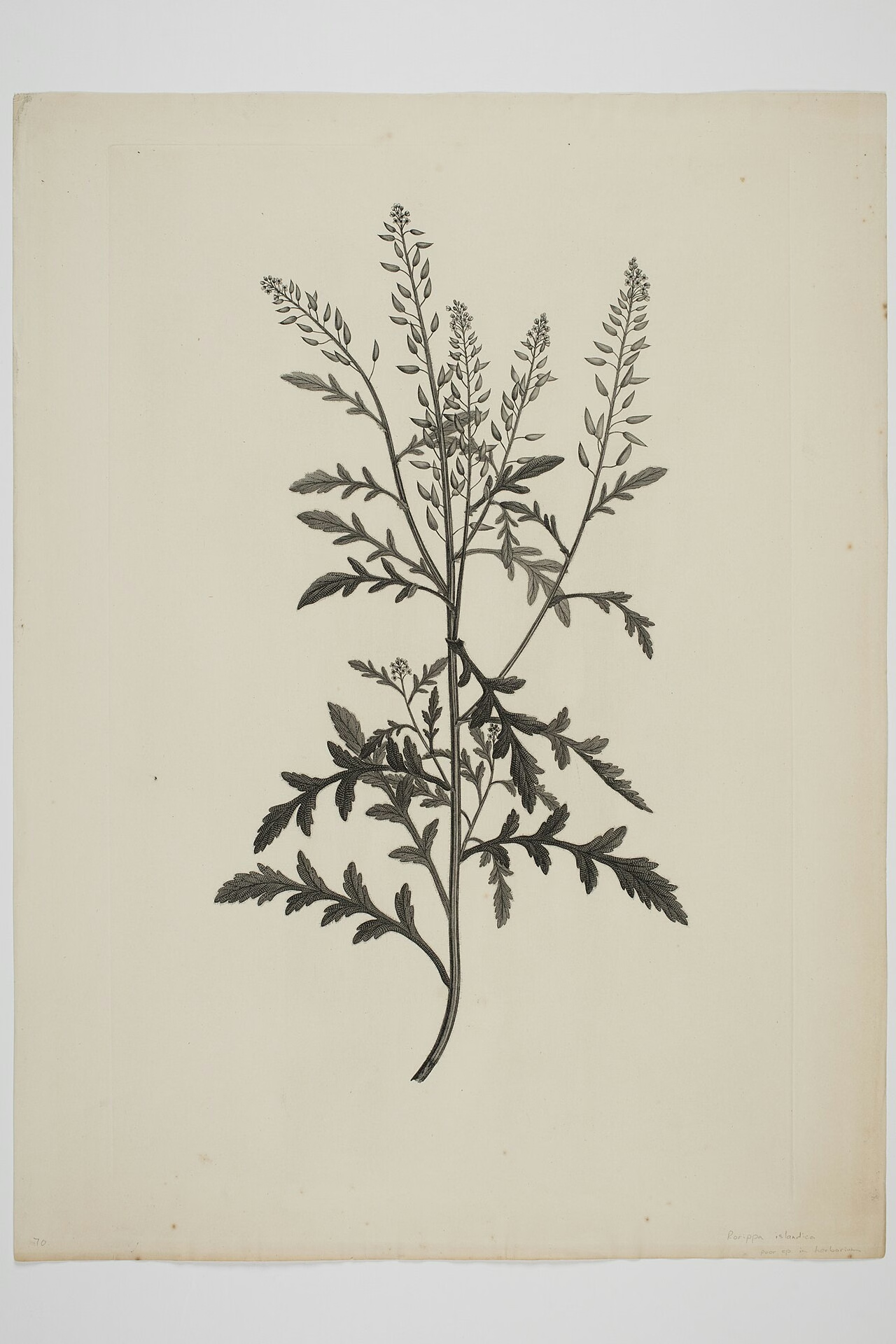
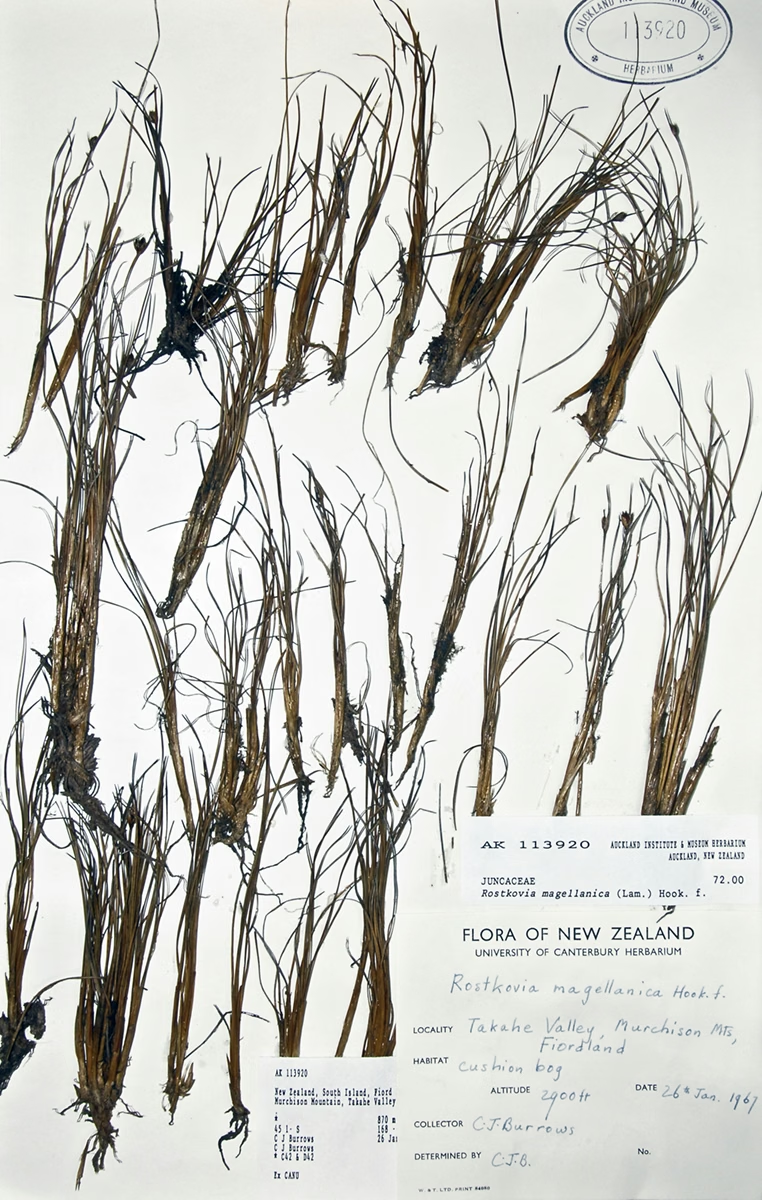
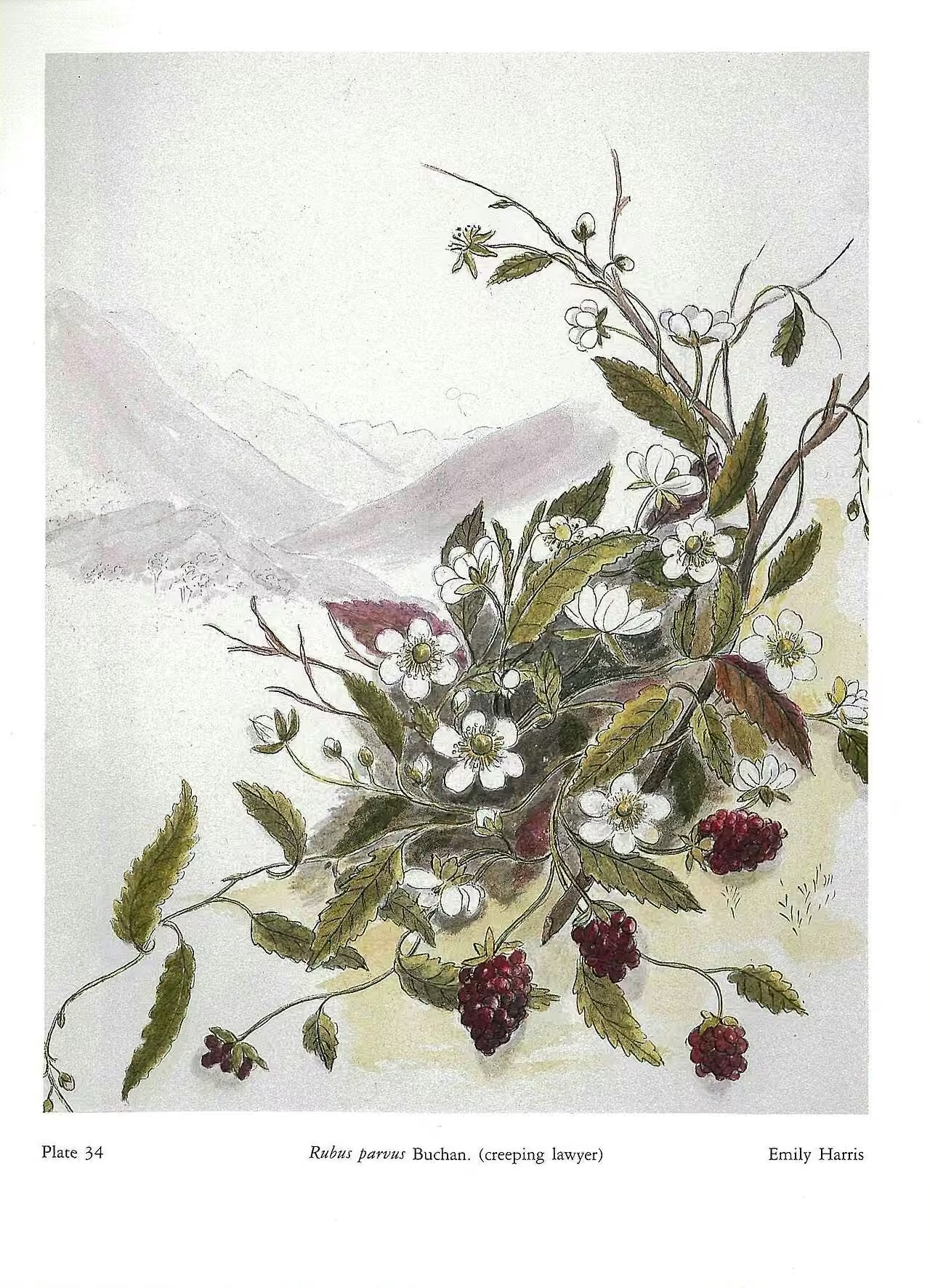
Explore other native plants that share similar characteristics or habitats with Leafless Lawyer (Rubus squarrosus), offering further insights into New Zealand's diverse flora. These related species provide context and opportunities for complementary planting in your garden.
Plant Conservation
Rubus squarrosus is ranked Not Threatened nationally (2023), but regional assessments list it as Regionally Critical in Auckland and Regionally Naturally Uncommon in Northland, Wellington and Otago.
Northern populations are vulnerable to habitat destruction, and dune and riverbed habitats are under pressure from development and weed invasion. Protecting remnant scrub and planting eco-sourced stock in restoration projects helps.
Frequently Asked Questions
Why does leafless lawyer have no leaves?
Its compound leaves are much reduced, often to little more than prickly stalks and midribs, so the plant looks leafless. This form is typical of plants growing in the dry, open, exposed sites where it is found.
Is Rubus squarrosus a good hedge plant?
NZPCN notes it can be an effective deterrent barrier because of its dense yellow prickles, and it tolerates drought and frost in open, free-draining soils.
Can you eat leafless lawyer fruit?
The red to red-orange fruits are edible, but NZPCN describes them as small and insipid, so it is grown more for its unusual form than for fruit.
Where is leafless lawyer found?
It occurs on the North and South Islands from Ahipara southwards, scarce north of the Manawatū and mostly in the east, in dunes, scrub, riverbeds, cliffs and talus slopes.
Sources and Further Reading
The botanical, growing, and conservation details for Leafless Lawyer (Rubus squarrosus) on this page draw on the New Zealand plant references below. Consult them for full technical records and the latest distribution data.