Marsh Yellow Cress
Rorippa palustris
Last updated:
Marsh yellow cress (Rorippa palustris), known to Māori as poniu, hānea and kōwhitiwhiti, is a taprooted wetland herb in the cabbage family. It usually grows 20 to 40 cm tall, occasionally to 1 m, with lobed, toothed leaves and clusters of small yellow four-petalled flowers in late spring and summer. It is indigenous to the North, South and Chatham Islands and also occurs naturally across much of the world. Almost always found in swampy ground, it is ranked Not Threatened nationally. Its leaves were boiled and eaten as a green vegetable by Māori and it was valued as a remedy for scurvy. Explore more native flowering plants in our native plant guide.
Plant Description
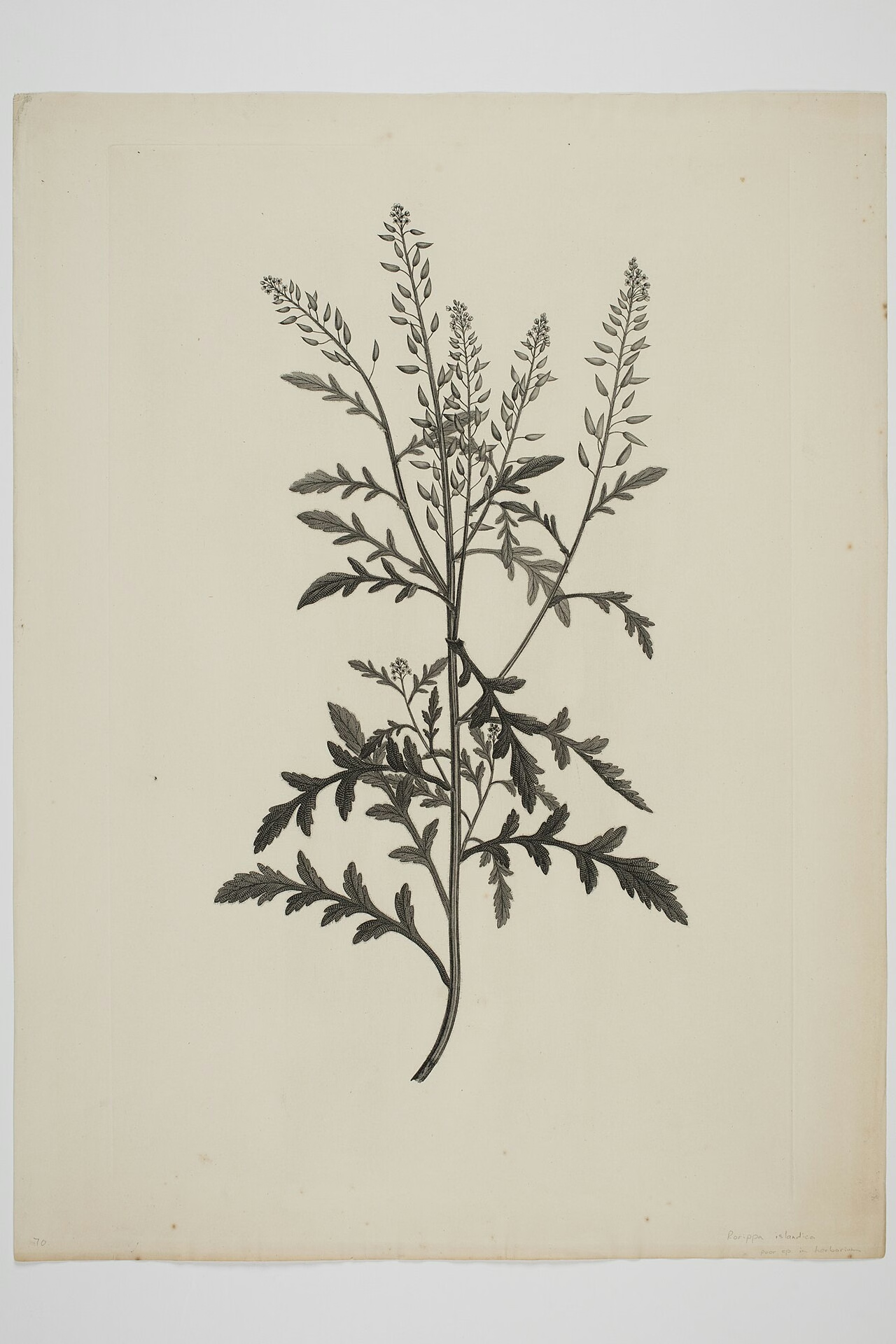
Marsh yellow cress is a herb with a taproot and erect, sometimes sprawling stems that are hairless or slightly hairy, usually 20 to 40 cm tall but ranging from 3 cm to 1 m depending on conditions. The leaves are deeply lobed to toothed, with the lower leaves forming a loose rosette and the stem leaves clasping the stem.
The flowers are small and yellow with four petals, typical of the cabbage family (Brassicaceae), and are carried in elongating clusters. They are followed by short, plump seed pods. In New Zealand it flowers mainly from December to January, occasionally from October to February, and fruits mostly from January to February, with some pods into May.
It can be confused with introduced Rorippa species and with watercress (Nasturtium officinale), which has white flowers and grows in flowing water. The yellow flowers, taproot and short pods help separate marsh yellow cress from these relatives.
Quick Facts
| Scientific Name | Rorippa palustris |
|---|---|
| Height | 0.2-0.4 m (occasionally to 1 m) |
| Spread | 0.2-0.3 m |
| Water Needs | High; wet or seasonally flooded ground |
| Light | Full sun to light shade |
| Frost Tolerance | Moderate to high |
| Salt Tolerance | Low; a freshwater wetland plant |
| Growth Rate | Fast |
| Lifespan | Perennial, rarely annual |
Climate Best Suited to
Marsh yellow cress tolerates a wide climatic range across New Zealand, from warm northern lowlands to cold southern wetlands, provided its roots stay wet through the growing season.
Regional Suitability
| City | Climate Suitability |
|---|---|
| Auckland | Medium |
| Wellington | Medium |
| Christchurch | High |
| Dunedin | High |
Plant Habitat
In New Zealand, Rorippa palustris is recorded from the North, South and Chatham Islands. Outside New Zealand it is widespread through the temperate regions of the world. It is uncommon in Northland, where it is ranked Regionally Naturally Uncommon, and scarce in the Wellington region, where it is ranked Regionally Vulnerable.
It is classed as an obligate wetland plant, almost always found in wet places. Typical sites are swamps, muddy lake and pond margins, damp hollows that flood in winter, and the banks of slow streams, where it colonises open, disturbed mud.
Growing Requirements
Soil Requirements
It favours wet, muddy or silty soils that are periodically flooded and often recently disturbed.
- Wet silt, mud or peaty loam
- Tolerates seasonal inundation
- Moderate fertility suits it
Light Requirements
As a colonist of open mud and wetland margins, it grows best in sun.
- Full sun preferred
- Tolerates light shade from taller wetland plants
Water Requirements
Constant moisture is essential. It will not thrive in ordinary dry garden soil.
- Keep soil wet or saturated
- Suits pond margins and bog gardens
- Can tolerate shallow seasonal flooding
Planting and Establishing
Plant marsh yellow cress at the edge of a pond, in a bog garden or in a damp hollow where water collects. Seedlings or young plants can go in from spring onwards, spaced about 20 cm apart, directly into wet mud.
It is not commercially available, so it is usually raised from seed collected from a local wild population with the landowner's permission. Because it is fast-growing and short-lived in many situations, allow it to self-seed to keep it present in a wetland planting.
Ecological Role
The small yellow flowers are visited by flies, small native bees and other insects, and the plant can also set seed by self-pollination. Plants produce plenty of tiny seeds that are spread by water and in mud, which allows it to quickly colonise freshly exposed wetland margins.
As an early coloniser of bare mud, it fills a pioneer role in wetland succession before being overtopped by sedges and rushes. Like other members of the cabbage family, it may host the caterpillars of white butterflies.
Uses & Significance
Garden Uses
Marsh yellow cress is a useful native component of restored wetlands and naturalistic pond plantings.
- Pond and stream margins
- Bog gardens and rain gardens that stay wet
- Wetland restoration in its natural range
- A traditional Māori food plant for educational gardens
Ecological Value
It contributes to the native flora of muddy wetland edges, a habitat often taken over by introduced weeds.
- Pioneer cover on bare wetland mud
- Flowers for small insects in summer
- Seeds that are food for wetland birds
Landscaping Uses
Use marsh yellow cress in drifts along the shallow edge of a pond where its yellow flowers brighten the waterline in summer. It combines well with low native wetland plants such as Lobelia angulata and native sedges.
Because it is fairly short-lived and seeds freely, treat it as a self-renewing filler rather than a permanent feature plant.
Seasonal Care Calendar
Spring
New rosettes grow from the taproot or from seed as wetland margins warm.
- Sow seed or plant out young plants
- Remove competing weeds from the mud
Summer
Peak flowering is December to January, with pods forming from January.
- Keep the soil wet in dry spells
- Watch for white butterfly caterpillars
Autumn
Seed pods ripen and plants begin to die back.
- Collect seed for sowing
- Let some seed fall to self-sow
Winter
Plants are dormant or survive as small rosettes, tolerating flooding and frost.
- No care needed
- Mark the area so it is not disturbed
When to Prune and How Much
No pruning is needed. Spent stems can be cut back after seed has been shed, or left to collapse naturally into the wetland.
If you are harvesting leaves to eat, pick young leaves before flowering, when they are most tender.
How to Grow Marsh Yellow Cress
Marsh yellow cress is easy to raise from seed, which is produced in large numbers in short pods through summer. No commercial supply exists, so collect seed from a nearby wild population, with permission, to keep local genetic stock. Established plants with a taproot do not divide well, but young plants and self-sown seedlings transplant readily into wet ground.
From Seed
The seeds are tiny and need light and constant moisture to germinate. Sowing in a tray that sits in a saucer of water mimics the wet mud where seedlings appear in the wild. Fresh seed sown in autumn or in spring usually germinates within a few weeks once temperatures rise.
- Collect pods in late summer when they turn yellow-brown and begin to split
- Dry them in a paper bag and shake out the small seeds
- Sow thinly on the surface of a moist seed-raising mix without covering
- Stand the tray in a shallow dish of water so the mix stays wet
- Prick out seedlings into small pots when they have four true leaves
- Plant out into wet ground once roots fill the pot
Transplanting Self-Sown Seedlings
Where marsh yellow cress is already growing in a garden wetland, it will usually self-seed onto bare mud. Young seedlings can be lifted with a ball of mud and moved to new positions, which is quicker than raising plants in trays.
- Lift small seedlings in spring with plenty of mud around the roots
- Replant immediately into wet soil at the same depth
- Keep them saturated until new growth appears
Pests & Diseases
As a member of the cabbage family, marsh yellow cress can be eaten by caterpillars of the small white butterfly and diamondback moth, and by aphids. Damage is rarely serious in wetland settings.
The bigger threat is competition: introduced weeds such as Mercer grass, reed sweet grass and willows can overrun the open mud where it grows.
Cultural Significance
Māori names recorded for Rorippa palustris include hānea, kōwhitiwhiti, poniu and panapana. According to the Ngā Tipu Whakaoranga database, the leaves were boiled and eaten as cabbage, and they were eaten by the Tāmaki people among others.
It was also valued as an antiscorbutic, a plant that prevents scurvy, and a French account from the 1769 to 1773 voyages possibly refers to this plant being gathered for ship crews. Several of its Māori names are shared with other cresses, reflecting their similar uses as greens.
Bonus Tip
If your pond edge has bare mud each summer as water levels drop, scatter marsh yellow cress seed there in autumn. It is one of the few native plants that will colonise that zone quickly, and it helps stop introduced weeds claiming the space first.
Related Plants
Explore other native plants that share similar characteristics or habitats with Marsh Yellow Cress (Rorippa palustris), offering further insights into New Zealand's diverse flora. These related species provide context and opportunities for complementary planting in your garden.
Plant Conservation
Nationally, Rorippa palustris is ranked Not Threatened (2023). Regional assessments rate it as Regionally At Risk - Regionally Naturally Uncommon in Northland and Regionally Threatened - Regionally Vulnerable in the Wellington region.
Drainage of wetlands, stock trampling and invasion by introduced wetland weeds reduce its habitat. Protecting and fencing wetlands, controlling weeds and maintaining natural fluctuations in water level all help it persist.
Frequently Asked Questions
Is marsh yellow cress native to New Zealand?
Yes. Rorippa palustris is indigenous to the North, South and Chatham Islands, but it is not endemic because the same species occurs naturally in many other parts of the world.
Can you eat marsh yellow cress?
Māori boiled the leaves and ate them like cabbage, and the plant was used as an antiscorbutic to prevent scurvy. Only eat wild plants you have identified with certainty and that come from clean water.
What is the Māori name for marsh yellow cress?
Recorded names are poniu, hānea, kōwhitiwhiti and panapana. Kōwhitiwhiti is also used for watercress and panapana for bitter cress, so the names are not exclusive to this plant.
Where does Rorippa palustris grow?
It is an obligate wetland plant, almost always found in swamps, damp hollows and the muddy margins of lakes, ponds and streams.
Sources and Further Reading
The botanical, growing, and conservation details for Marsh Yellow Cress (Rorippa palustris) on this page draw on the New Zealand plant references below. Consult them for full technical records and the latest distribution data.