Mat Daisy
Raoulia youngii
Last updated:
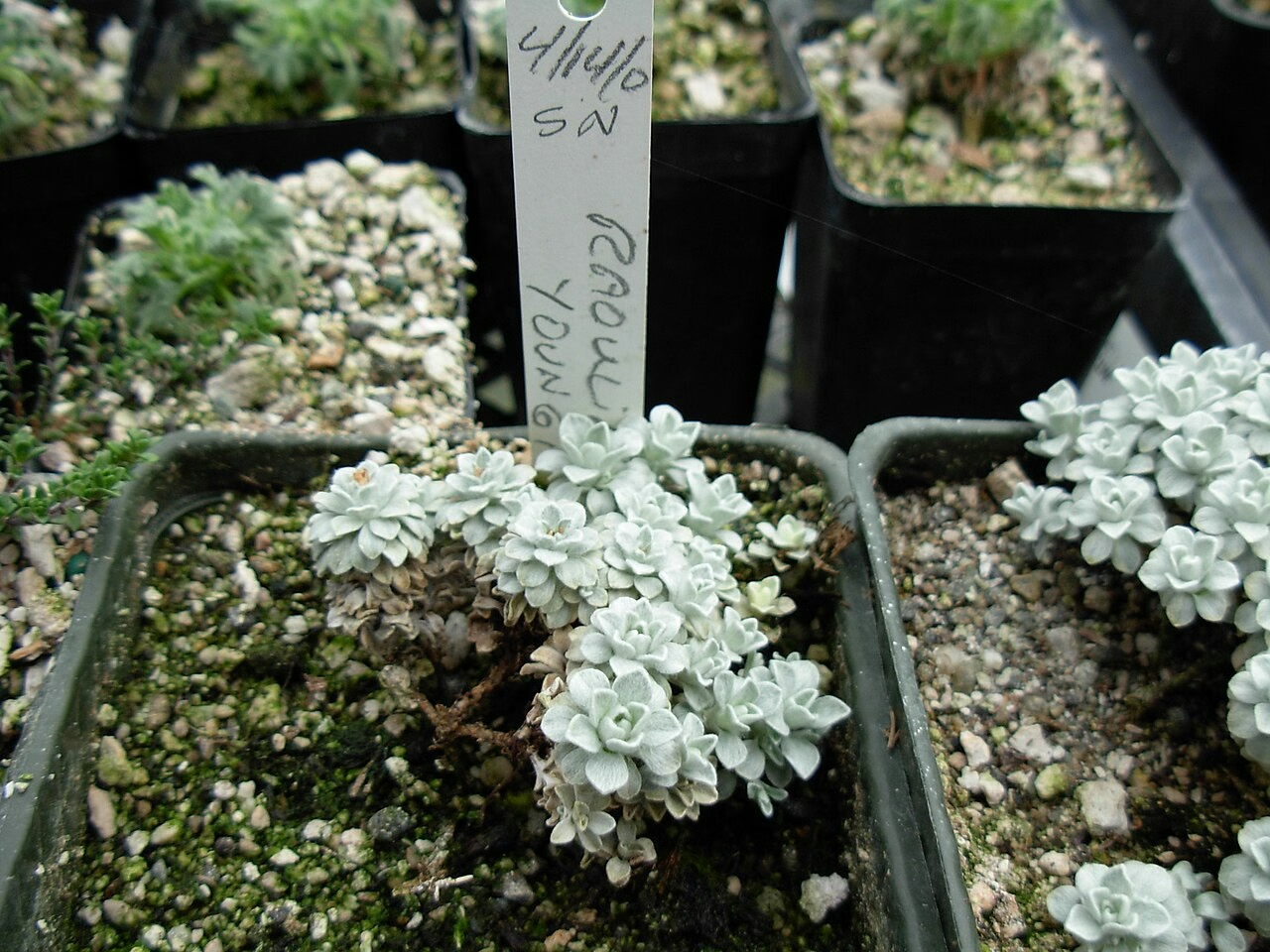
Raoulia youngii is a small alpine daisy endemic to the South Island of New Zealand. Its tufted branches form soft, woolly patches up to about 10 cm across and 5 cm tall, the tiny leaves densely covered in buff to white hairs. For such a small plant it carries surprisingly large flower heads, up to 1.5 cm across, ringed with white radiating bract tips. Herbarium collections come from high-altitude fellfield in Canterbury and Otago, at around 1900 m on the St Marys Range. It is ranked Not Threatened nationally but is regionally uncommon in Otago, and it is a plant for alpine enthusiasts rather than ordinary gardens. Explore more native ground covers in our native plant guide.
Plant Description
Raoulia youngii is a low, tufted perennial in the daisy family (Asteraceae). Its short branches are packed together into soft patches up to about 10 cm in diameter and 5 cm tall. The leaves overlap tightly along the shoots and spread a little at their tips; each is 3.5 to 6.5 mm long and 2 to 2.5 mm wide, obovate-oblong with three nerves, and densely clad on both surfaces in soft buff to white tomentum, giving the whole plant a felted, pale look.
The flower heads (capitula) are large for the size of the plant, reaching about 1.5 cm across. The inner bracts surrounding each head are linear-oblong and end in white radiating tips up to 5 mm long, which act like petals. Each head holds 25 to 50 or more florets, with female and bisexual florets in roughly equal numbers, and the seeds are carried on a pappus of fine bristles.
Its showy, white-rayed heads separate it from most other Raoulia species, which have small, inconspicuous heads buried in the mat. The woolly, loosely tufted habit is also quite different from the hard, domed cushions of the vegetable sheep such as Raoulia eximia. It was formerly known as Gnaphalium youngii, Helichrysum youngii and Psychrophyton youngii.
Quick Facts
| Scientific Name | Raoulia youngii |
|---|---|
| Height | Up to about 5 cm |
| Spread | Patches up to about 10 cm across |
| Water Needs | Moist but very sharply drained |
| Light | Full sun, open alpine sites |
| Frost Tolerance | Very high; an alpine fellfield species |
| Salt Tolerance | No information available; an inland alpine plant |
| Growth Rate | Slow |
| Lifespan | Perennial |
Climate Best Suited to
Raoulia youngii belongs to the cold, high-altitude climate of the eastern South Island mountains, with hard frosts, snow cover in winter, strong winds and intense summer sun.
Regional Suitability
| City | Climate Suitability |
|---|---|
| Auckland | Low |
| Wellington | Low |
| Christchurch | Low |
| Dunedin | Low |
Plant Habitat
This species is endemic to the South Island. Herbarium records held by Manaaki Whenua come mainly from Canterbury and Otago, with collections from the Craigieburn Range, Mt Wakefield in Aoraki/Mount Cook National Park and the Awakino skifield area of the St Marys Range in North Otago. Published habitat information is limited, but specimen labels describe it growing on flat alpine fellfield at about 1920 m.
Fellfield is a sparse, stony alpine habitat where plants grow scattered among rock fragments, exposed to wind, frost heave and long snow lie. Small woolly mat plants like this one survive by staying low and trapping a layer of still air among their hairy leaves.
Growing Requirements
Soil Requirements
In the wild it grows in thin, stony mineral soils among rock debris. In cultivation it would need a very gritty, free-draining mix that never stays waterlogged.
- Stony, gravelly alpine soil with low fertility
- Excellent drainage is essential
- Avoid rich garden soil or added fertiliser
Light Requirements
Fellfield is open ground with no shade, so the plant is adapted to full sun and high ultraviolet light.
- Full sun
- Open, airy position with good air movement
Water Requirements
Alpine fellfield is moistened by snowmelt and frequent rain or cloud, but water drains away quickly through the stones. Woolly alpine plants tend to rot when kept wet and warm.
- Steady moisture at the roots during the growing season
- Keep the woolly foliage dry; water from below
- Protect from winter wet at low altitude
Planting and Establishing
Raoulia youngii is not available from commercial nurseries and should not be collected from the wild. If plants become available from a specialist alpine grower, they are best grown in an alpine house, trough or crevice garden in a very gritty mix, with a collar of stone chips around the neck to keep the woolly foliage off damp soil.
Its natural home is cold and high, so lowland gardens in the North Island are a poor match. Gardeners in cooler parts of the South Island have the best chance, and even there it should be treated as a challenging plant for experienced alpine growers.
Ecological Role
Little has been published on the ecology of Raoulia youngii specifically. Like other alpine daisies, its open flower heads are likely visited by native flies, small bees and moths, which are the main pollinators of New Zealand alpine flora, and its bristly-pappus seeds are dispersed by wind across the fellfield.
Small mat plants help stabilise loose stony ground and create sheltered microsites where other alpine herbs and invertebrates can establish. Its woolly leaves reduce water loss and buffer the plant from cold and wind.
Uses & Significance
Garden Uses
This is a plant for specialist alpine collections rather than general gardens.
- Alpine house or trough planting
- Crevice gardens with deep gritty root runs
- Educational alpine plant displays
Ecological Value
It is part of the specialised endemic flora of South Island fellfield.
- Nectar and pollen for alpine insects in summer
- Contributes to ground cover on unstable stony slopes
- Part of the high diversity of New Zealand's endemic Raoulia genus
Landscaping Uses
In a rock garden setting, Raoulia youngii would be planted between flat stones where its pale felted patches contrast with dark rock. Pair it with other small alpine plants that share the same need for sharp drainage, and keep vigorous neighbours well away so it is not smothered.
Because its flower heads are large relative to the plant, it gives a striking display when in bloom despite its small size.
Seasonal Care Calendar
Spring
In the wild, plants emerge from snow cover in late spring and begin new growth.
- Check for rot after winter
- Top up stone chips around the neck
Summer
Summer is the flowering season in the mountains, when the white-rayed heads open above the woolly patches.
- Keep roots moist but foliage dry
- Provide good ventilation in an alpine house
Autumn
Seed is shed and growth slows as temperatures fall.
- Collect ripe seed heads for sowing
- Reduce watering
Winter
In its natural habitat it rests under snow. In cultivation the main danger is cold, wet conditions rather than frost.
- Shelter from heavy winter rain
- Keep the potting mix on the dry side
When to Prune and How Much
No pruning is needed. Gently remove spent flower heads and any dead or browned shoots with fine tweezers to reduce the chance of fungal rot spreading into the patch.
Avoid cutting into the living mat, as small alpine daisies recover slowly from damage.
How to Grow Mat Daisy
There is no published propagation guide for Raoulia youngii, and the NZPCN does not list it as commercially available. The methods below are those generally used by alpine plant growers for Raoulia and should be regarded as untested for this particular species. Material should only come from cultivated plants or from collections made with the necessary permits, never from casual collection on conservation land.
From Seed
Raoulia seed is small and carried on a fine bristly pappus, and viability is often low, so sow generously and expect patchy results. Alpine daisies often germinate best after a period of cold, so sowing fresh seed in autumn and leaving the pots outdoors over winter is a sensible approach.
- Collect seed heads when they turn fluffy in late summer or autumn
- Sow on the surface of a very gritty seed mix and cover lightly with fine grit
- Leave pots outside in a cold, sheltered spot over winter
- Keep evenly moist but never waterlogged
- Prick out seedlings carefully into individual pots once they have several leaves
From Cuttings
Small rosette cuttings taken from the edge of a cultivated patch are the usual way to multiply mat-forming Raoulia. Use pure pumice or coarse sand so the woolly shoots do not rot before roots form, and keep them cool and shaded.
- Take short shoot tips from the edge of the patch in late spring or early summer
- Insert into pumice or sharp sand without burying the woolly leaves
- Keep cool, bright and humid but well ventilated
- Pot on into gritty alpine mix once rooted
Pests & Diseases
No specific pest problems are recorded for this species. In cultivation the greatest risk is fungal rot of the woolly foliage in warm, humid or wet conditions, which can kill a patch quickly. Good ventilation and grit around the neck are the main defences.
In the wild, alpine fellfield plants can be damaged by browsing hares and by trampling, and slugs may graze seedlings in cultivation.
Cultural Significance
No Māori name or traditional use is recorded for Raoulia youngii. The genus Raoulia honours Étienne Raoul, a French naval surgeon who collected plants in New Zealand in the 1840s and published Choix de plantes de la Nouvelle-Zélande in 1846.
The species was first described by Joseph Hooker as Gnaphalium youngii. The person honoured by the epithet could not be confirmed from the sources consulted.
Bonus Tip
If you see a small woolly daisy in Canterbury or Otago fellfield with surprisingly big white-rayed flower heads, compare it with Raoulia youngii: the large capitula with white radiating bract tips are its quickest field character, and a photograph posted to iNaturalist NZ helps fill gaps in what is known about its range.
Related Plants
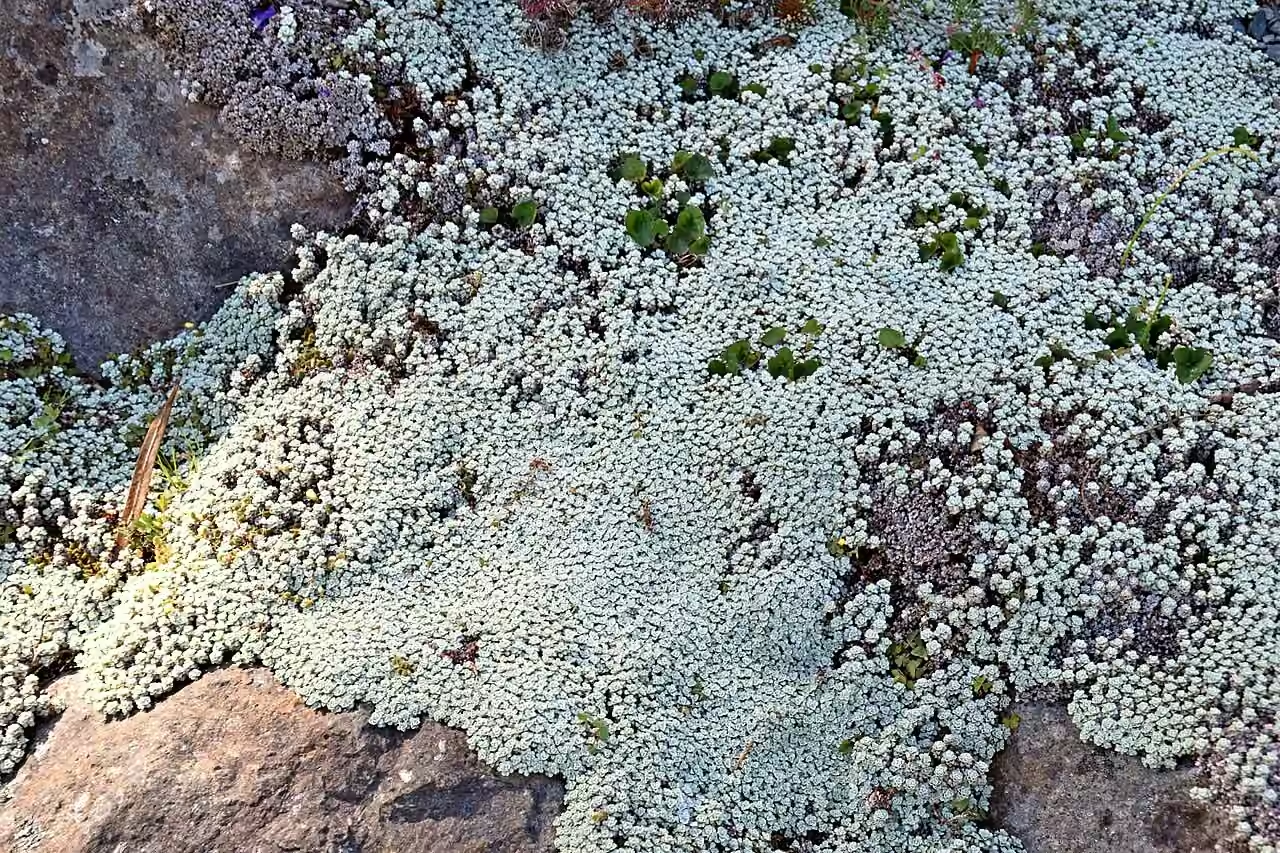
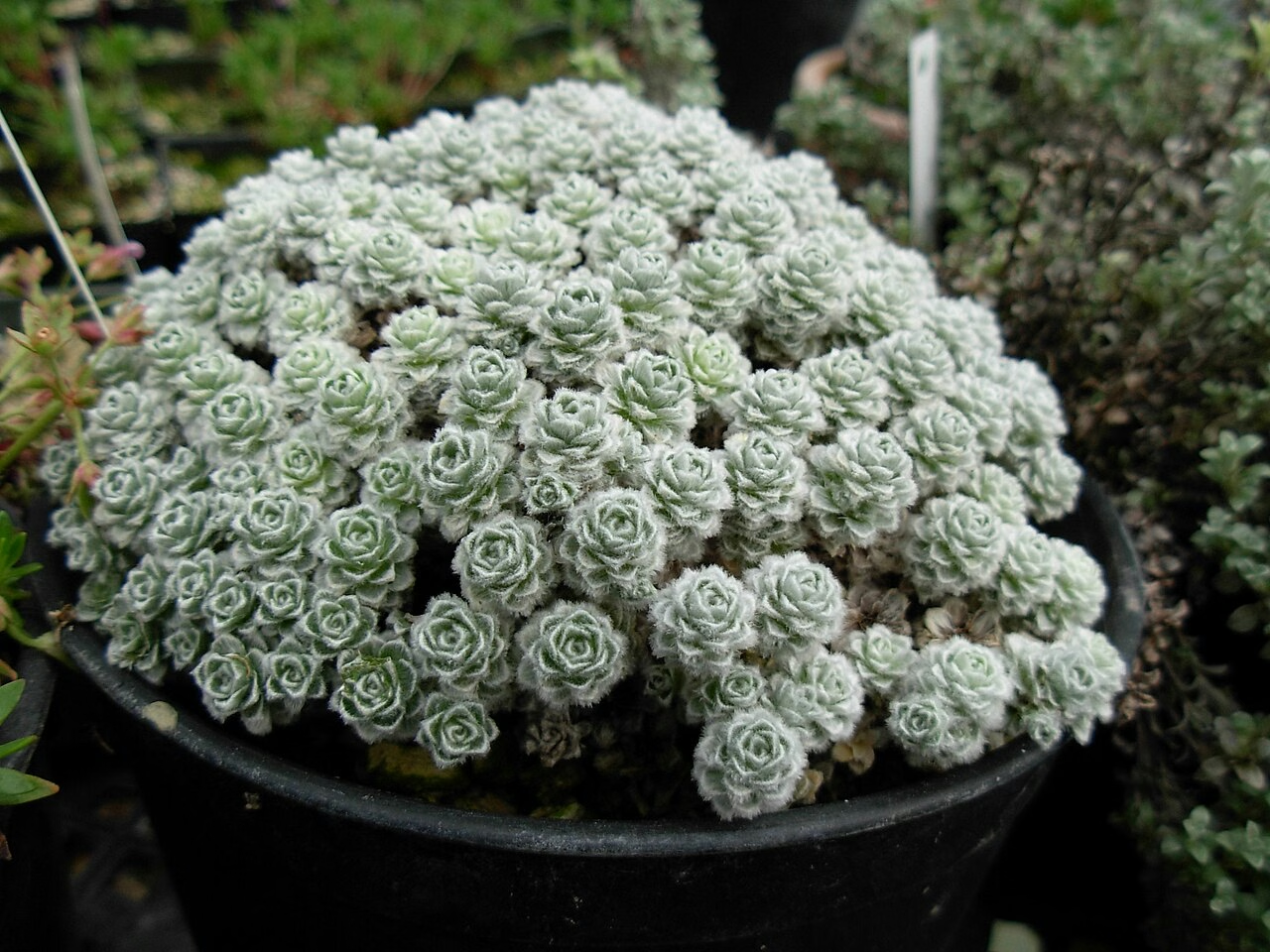
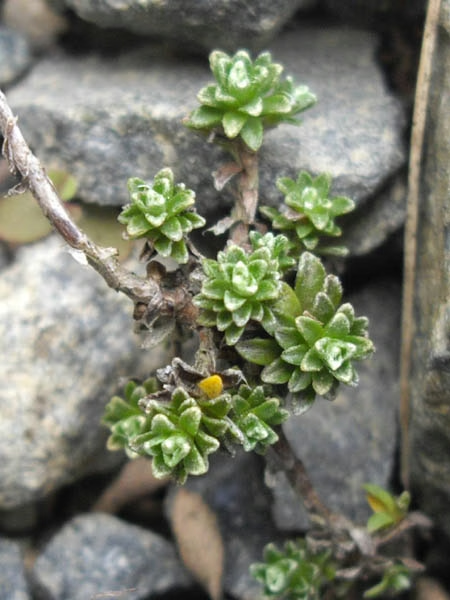
Explore other native plants that share similar characteristics or habitats with Mat Daisy (Raoulia youngii), offering further insights into New Zealand's diverse flora. These related species provide context and opportunities for complementary planting in your garden.
Plant Conservation
Raoulia youngii is assessed as Not Threatened in the 2023 New Zealand Threat Classification, and it has held that ranking since at least 2004. Regionally, the 2025 Otago assessment lists it as Regionally At Risk - Regionally Naturally Uncommon, reflecting its limited occurrence there.
Its alpine habitat is relatively secure, but trampling around ski fields and tracks, browsing animals and climate warming that shortens snow cover could affect local populations. Leave plants undisturbed and report sightings to help clarify its distribution.
Frequently Asked Questions
Where does Raoulia youngii grow?
It is endemic to the South Island mountains. Herbarium specimens come from alpine fellfield in Canterbury and Otago, including the Craigieburn Range, Mt Wakefield near Aoraki/Mount Cook and the St Marys Range at about 1920 m.
Does Raoulia youngii have a common name?
No widely used common name is recorded for it. It belongs to the mat daisy genus Raoulia, but is usually referred to simply by its scientific name.
How do you recognise Raoulia youngii?
Look for small soft patches of overlapping leaves 3.5 to 6.5 mm long, thickly covered in buff to white wool, topped by relatively large flower heads up to 1.5 cm across with white radiating tips to the inner bracts.
Is Raoulia youngii rare?
Nationally it is ranked Not Threatened (2023), but the Otago regional assessment lists it as Regionally Naturally Uncommon because it occupies a restricted alpine habitat there.
Sources and Further Reading
The botanical, growing, and conservation details for Mat Daisy (Raoulia youngii) on this page draw on the New Zealand plant references below. Consult them for full technical records and the latest distribution data.