Vegetable Sheep
Raoulia buchananii
Last updated:
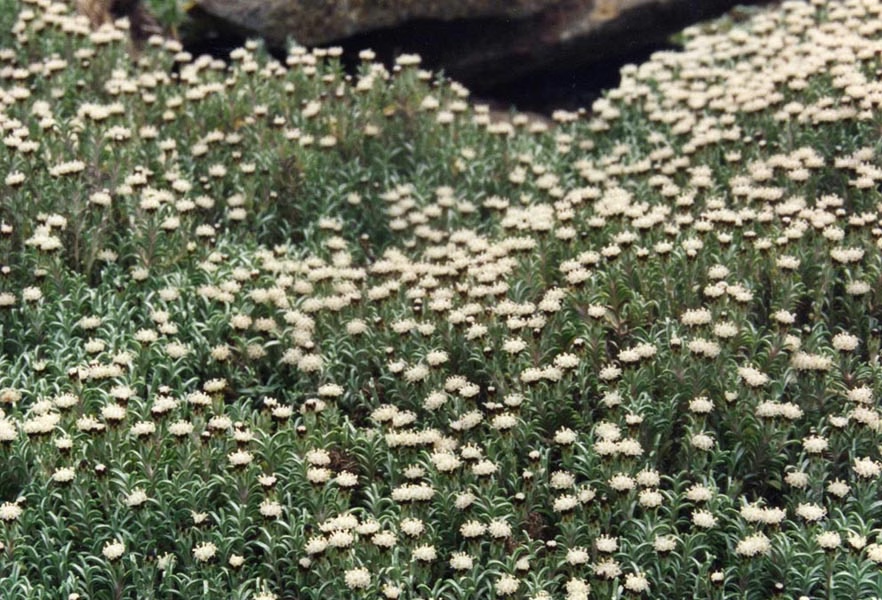
Raoulia buchananii is a small cushion-forming daisy endemic to the mountains of the southern South Island. A stout woody stock carries tightly packed branches that build firm cushions about 15 cm or more across and 5 cm or more tall. Flora of New Zealand records it on subalpine and alpine rocks and fellfield between latitudes 44 and 45 degrees south, the country around Fiordland and western Otago. Its tiny wedge-shaped leaves carry brushes of hairs, and its flower heads have dark crimson florets, a striking colour for such a compact plant. It is ranked Not Threatened, but like other cushion Raoulia it is hard to grow and is best admired in the wild. Explore more native ground covers in our native plant guide.
Plant Description
Raoulia buchananii has a stout, woody stock and branches that are woody in their lower parts and densely compacted into a firm cushion. Flora of New Zealand describes cushions up to 15 cm or more in diameter and 5 cm or more tall. The leaves are densely overlapping, 2.5 to 4 mm long and 2 to 3 mm wide, broadly wedge-shaped (cuneate) with a squared-off (truncate) tip ending in a small point, and have a single nerve. Brushes of hairs on both leaf surfaces give the cushion its soft, felted appearance.
The flower heads sit among the shoot tips and reach up to 6 mm across. Each contains 10 to 15 florets with dark crimson corollas. The seeds (achenes) are minute and hairy, carried away by a pappus of fine bristles.
Among the cushion Raoulia it is recognised by its broad, truncate, wedge-shaped leaves and dark crimson florets. Raoulia rubra of the northern South Island and Tararua Range also has crimson to purplish florets but narrower, rounded leaves, while Raoulia mammillaris and Raoulia eximia form far larger cushions with white-tipped flower heads. Flora of New Zealand notes that hybrids are known within the genus, so intermediate plants are possible where species meet.
Quick Facts
| Scientific Name | Raoulia buchananii |
|---|---|
| Height | About 5 cm or more |
| Spread | Cushions about 15 cm or more across |
| Water Needs | Moist alpine conditions with sharp drainage |
| Light | Full sun, open rocky sites |
| Frost Tolerance | High; a subalpine to alpine species |
| Salt Tolerance | No information available; not a coastal plant |
| Growth Rate | Very slow |
| Lifespan | Perennial |
Climate Best Suited to
It suits a cold, cloudy and often wet southern alpine climate with long snowy winters, short cool summers and strong winds.
Regional Suitability
| City | Climate Suitability |
|---|---|
| Auckland | Low |
| Wellington | Low |
| Christchurch | Low |
| Dunedin | Low |
Plant Habitat
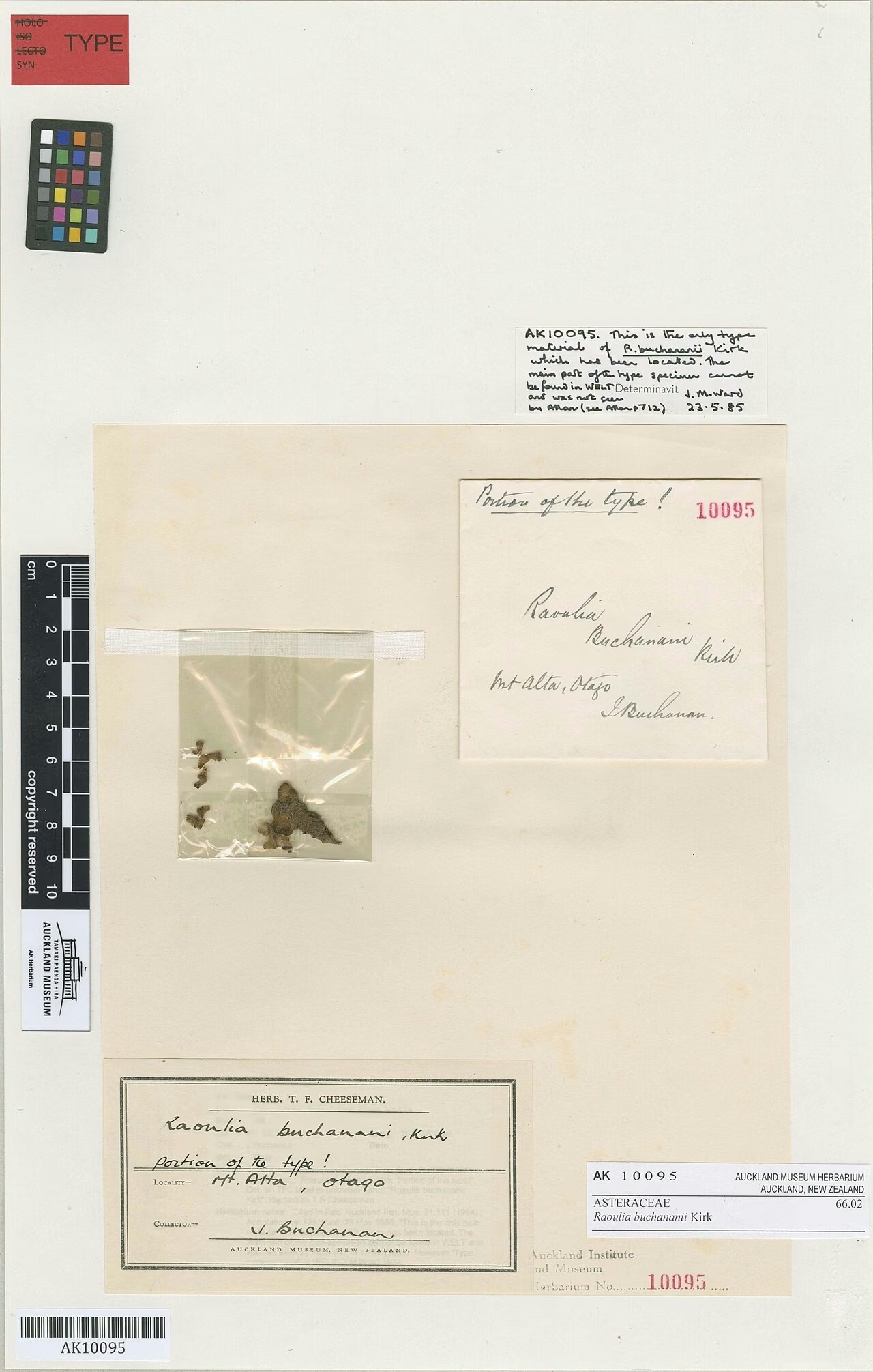
Raoulia buchananii is confined to the South Island. Flora of New Zealand gives its range as subalpine and alpine rocks and fellfield from latitude 44 degrees to 45 degrees south, which covers the mountains of northern Fiordland and the adjoining ranges of western Otago. The type specimen was collected on Mount Alta, near Lake Wānaka.
It grows on exposed rock outcrops, ledges and stony fellfield where taller vegetation cannot establish. These sites are swept by wind, frozen for much of the winter and receive abundant rain and snow, and the compact cushion shape helps the plant hold moisture and warmth among the rocks.
Growing Requirements
Soil Requirements
In the wild it roots into thin, stony alpine soils and rock crevices that are cold and moist but never waterlogged.
- Very low-fertility, gritty or rocky substrate
- Sharp drainage around the neck of the cushion
- Roots that can run deep into cool crevices
Light Requirements
It is a plant of open, unshaded alpine rock and fellfield.
- Full sun and full exposure in the wild
- In cultivation, protect from hot lowland afternoon sun
Water Requirements
Its alpine home is wet and cloudy, yet the rocky ground drains quickly, so the roots stay moist while the cushion surface dries between showers.
- Steady moisture at the roots
- Avoid humid, still air around the cushion
- Never leave standing water around the plant
Planting and Establishing
Raoulia buchananii is not grown commercially and there is no practical way for most gardeners to obtain it legally. It should not be collected from the wild. Alpine plant specialists who hold material in cultivation generally grow cushion Raoulia in deep clay pots or tufa in an alpine house, using a mix that is mostly grit or pumice.
If a plant is available, set it into a crevice or a gritty scree bed with stones packed around the neck, keep it in a cool position with good air movement and water from below in dry spells. Expect slow growth and occasional sudden losses.
Ecological Role
The cushion form traps heat and moisture and builds up a store of dead leaves and organic matter inside, creating a sheltered microhabitat for tiny invertebrates in an otherwise harsh environment. The small crimson florets are presumably visited by the flies, moths and native bees that pollinate most alpine daisies, although no species-specific pollinator studies were found.
The minute hairy seeds are dispersed by wind. Cushions of this kind are slow-growing and long-lived, and they can help stabilise fine material on rock ledges and fellfield where few other plants can establish.
Uses & Significance
Garden Uses
This is a specialist alpine house or trough plant rather than a garden plant, and it is rarely, if ever, available.
- Alpine house pot or tufa block for experienced growers
- Botanical collections focused on alpine Asteraceae
- Best appreciated in the wild on southern alpine walks
Ecological Value
As a long-lived cushion plant of open rock and fellfield it contributes to the distinctive alpine plant communities of the southern South Island.
- Shelters invertebrates inside its dense cushion
- Provides nectar and pollen for small alpine insects
- Helps hold fine soil on rocky ground
Landscaping Uses
Raoulia buchananii has no realistic role in ordinary landscaping. In a specialist rock garden, a cushion set between flat stones in a raised scree bed, alongside other southern alpine plants, gives the best impression of how it grows in the mountains.
Visitors to the Fiordland and western Otago tops are more likely to see it as part of a mosaic of cushions, mat daisies and small herbs on rocky ground, and it is best enjoyed there without disturbance.
Seasonal Care Calendar
Spring
Snow melts off the rocks and the cushion begins new growth at its shoot tips.
- Leave wild plants undisturbed
- Begin careful watering of cultivated plants as growth starts
Summer
The flowering season was not recorded in the sources consulted, but like other alpine Raoulia it flowers in the short alpine summer, when the dark crimson heads appear among the shoot tips.
- Look for crimson florets on rocky alpine ground
- Shade cultivated plants from hot afternoon sun
Autumn
Seed matures and is released on the wind before the first snow.
- Do not collect seed from wild plants
- Reduce watering of cultivated plants as nights cool
Winter
The cushions sit under snow or exposed to hard frost with little or no growth.
- No action needed in the wild
- Keep cultivated plants cold, bright and dry at the neck
When to Prune and How Much
No pruning is needed or advisable. The cushion is built from tightly packed shoots and cutting into it opens the surface to rot.
On cultivated plants, carefully remove any dead or browning patches with tweezers and fill the gap with fine grit to keep the surface dry.
How to Grow Vegetable Sheep
No published propagation protocol for Raoulia buchananii was found in the sources consulted, and NZPCN does not give propagation notes for this species. Related cushion Raoulia such as Raoulia mammillaris and Raoulia rubra are described by NZPCN as difficult to propagate and not to be removed from the wild, and the same caution applies here. The methods below describe the general approach alpine specialists use for cushion-forming Raoulia, not proven techniques for this species, and they should only be attempted with legally held material.
From Seed
The seeds are minute, hairy and carried on a pappus, so they blow away quickly once ripe. Seed from cultivated plants is the only appropriate source. Fresh seed sown on a gritty surface and kept cool gives the best chance, although germination and seedling survival of cushion Raoulia are often poor.
- Collect ripe seed heads from cultivated plants as soon as the pappus begins to fluff
- Sow thinly on the surface of a mix of fine pumice and a little sieved peat-free compost
- Cover with a dusting of fine grit and stand the pot outdoors in a cold, bright place
- Keep evenly moist and watch for germination the following spring
- Grow seedlings on in individual pots, potting on only when roots fill the pot
From Cuttings
Small shoot clusters can be taken from the edge of an established cultivated cushion. Rooting is slow and losses are common, so take several pieces and keep them in cool, airy conditions.
- In late spring, remove a small cluster of shoots from the margin of a cultivated cushion
- Insert into pure pumice or coarse sand kept just moist
- Place in bright shade with good air movement, out of hot sun
- Pot on carefully into a deep pot of gritty mix once roots have formed
Pests & Diseases
No specific pest problems are recorded for Raoulia buchananii. In cultivation the main risks for cushion Raoulia are rot caused by humidity or wet conditions around the cushion and drought when the roots dry out in a pot.
Aphids and mealybugs can occasionally hide inside cultivated cushions, and birds may pull at cushions in search of insects. Good drainage, free air movement and a grit collar around the neck are the best protection.
Cultural Significance
No Māori name or traditional Māori use is recorded for Raoulia buchananii in the sources consulted.
The species was named by Thomas Kirk in honour of John Buchanan (1819-1898), a New Zealand botanist, scientific artist and fellow of the Linnean Society. The genus honours Étienne Raoul, a French naval surgeon who published on New Zealand plants in the 1840s. It was briefly placed in the genus Psychrophyton as Psychrophyton buchananii, a name that is not accepted today.
Bonus Tip
When looking for this species on rocky tops between the Haast and Fiordland, check the leaf tips and flower colour: broad, squared-off hairy leaves and dark crimson florets in a small, firm cushion point to Raoulia buchananii rather than the larger white-flowered vegetable sheep.
Related Plants
Explore other native plants that share similar characteristics or habitats with Vegetable Sheep (Raoulia buchananii), offering further insights into New Zealand's diverse flora. These related species provide context and opportunities for complementary planting in your garden.
Ranunculus recens
Ranunculus recens
Eyre Mountains Buttercup
Ranunculus scrithalis
Ranunculus simulans
Ranunculus simulans
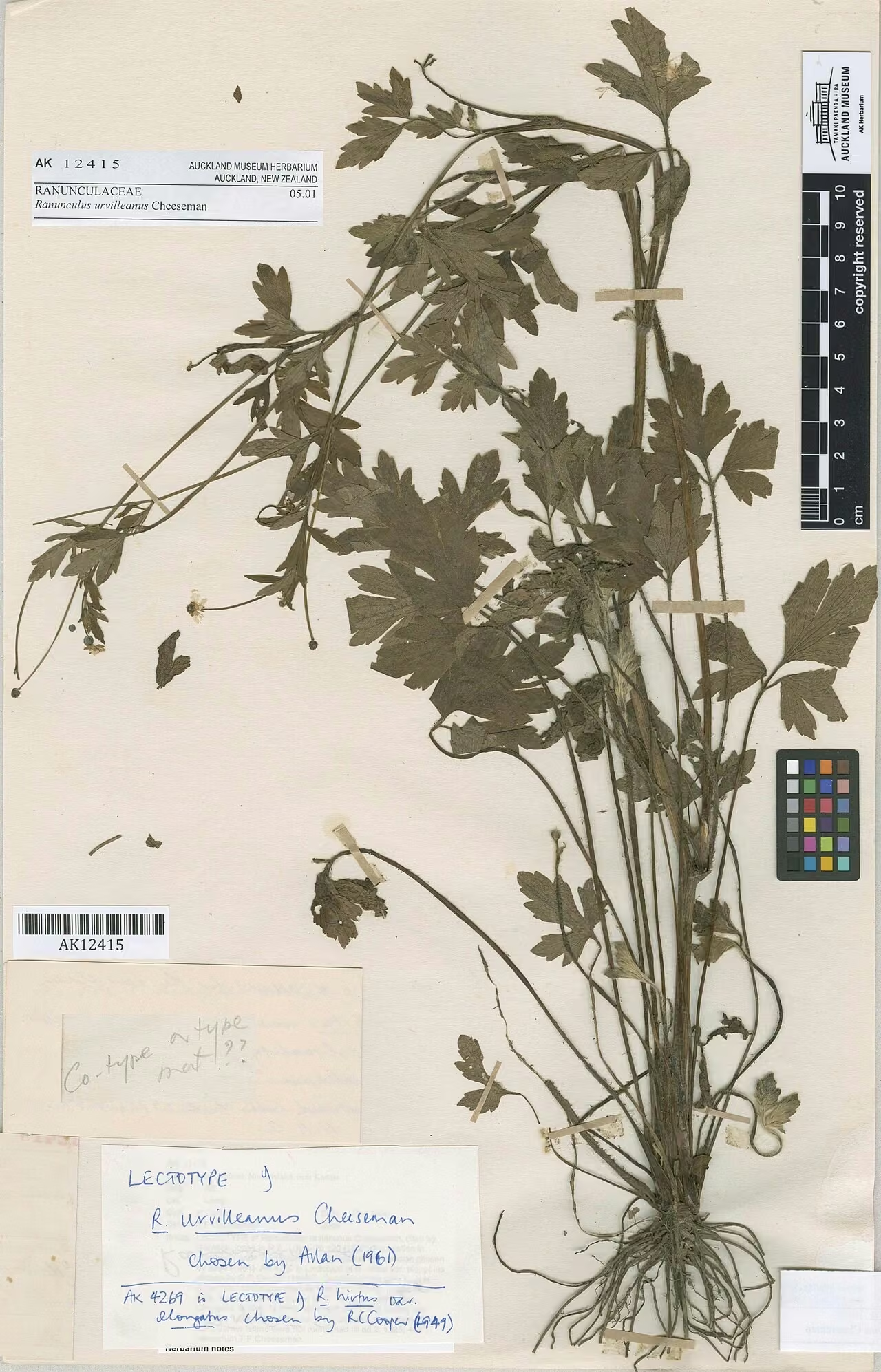
Ranunculus urvilleanus
Ranunculus urvilleanus
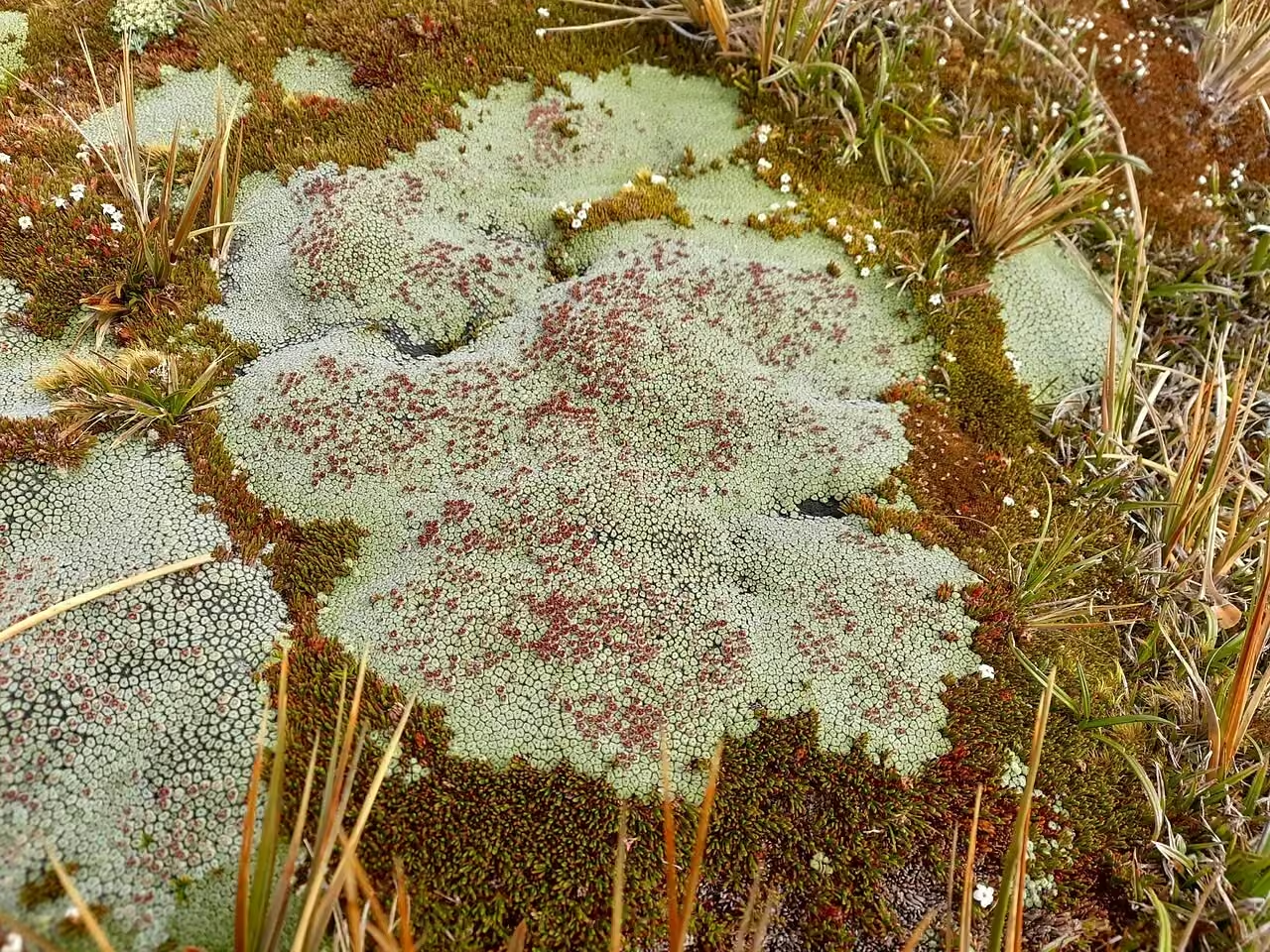
Stewart Island Vegetable Sheep
Raoulia goyenii
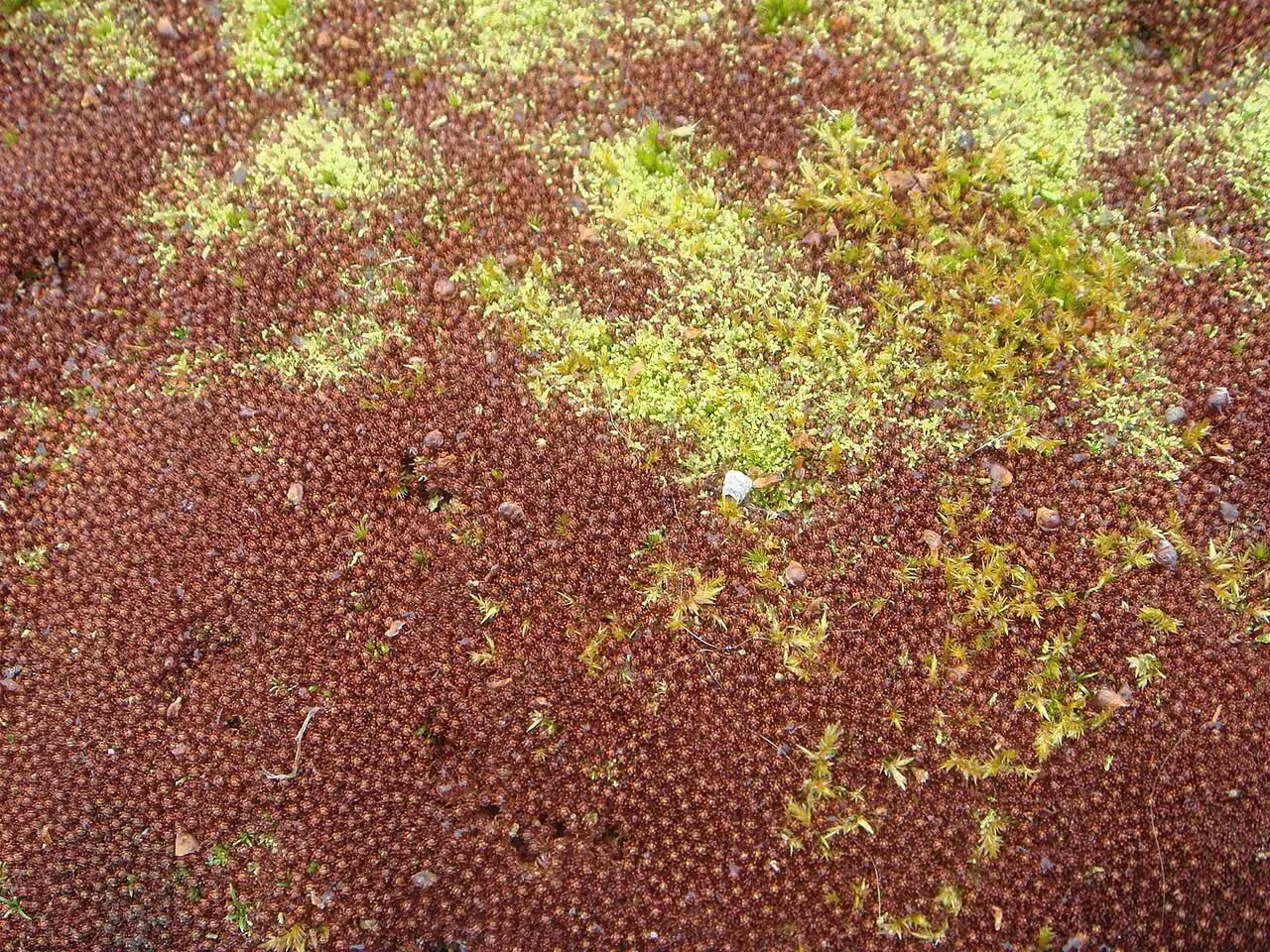
Green Vegetable Sheep
Raoulia haastii
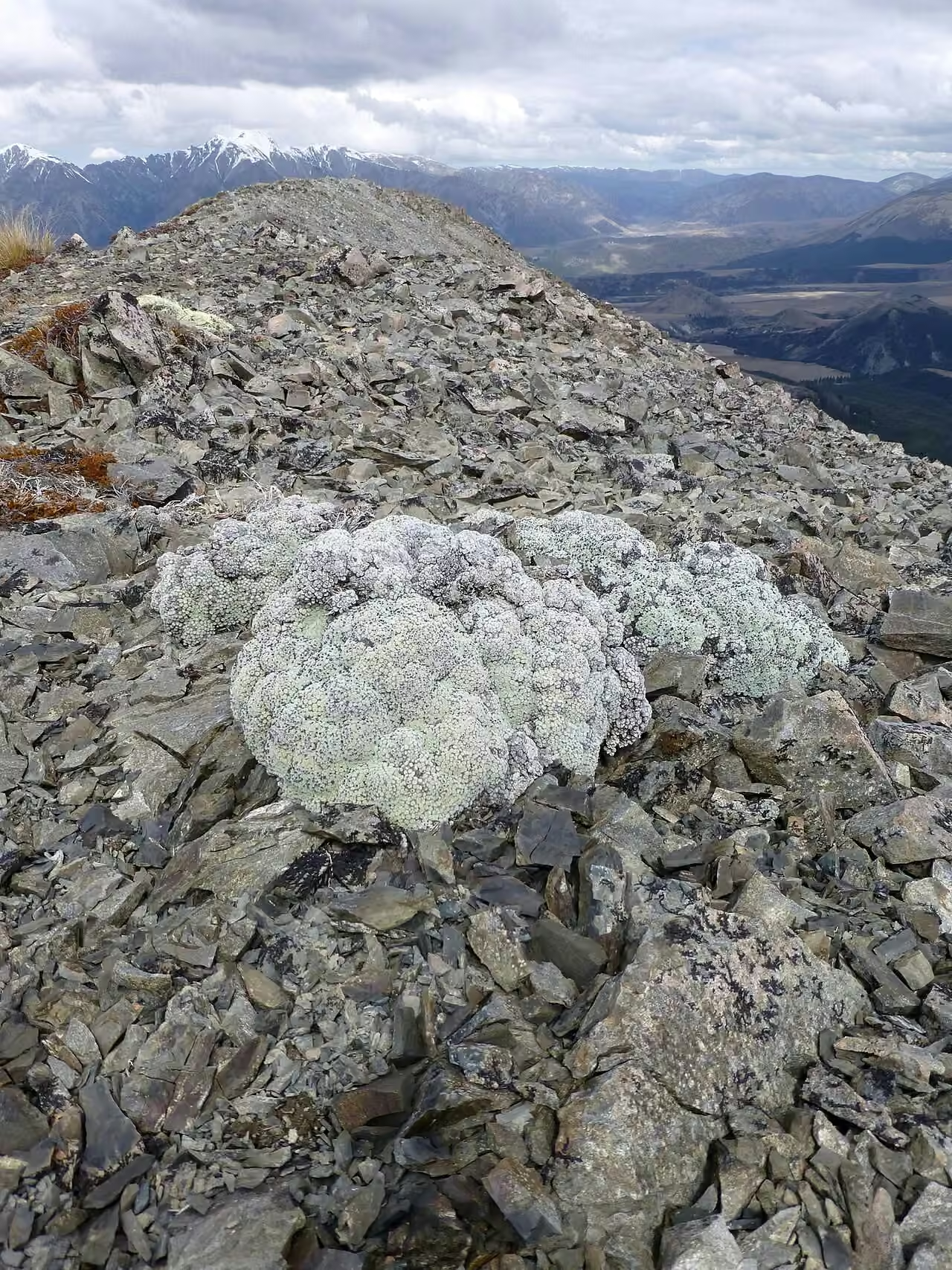
Raoulia mammillaris
Raoulia mammillaris
Fan-Leaved Mat Daisy
Raoulia monroi
Plant Conservation
Raoulia buchananii is ranked Not Threatened in the 2023 New Zealand Threat Classification, and has held that ranking in every assessment since 2004. It is also ranked Regionally Not Threatened in Otago (2025). Much of its range lies within Fiordland and Mount Aspiring National Parks.
Like all slow-growing cushion plants, individual cushions take many years to form and are easily damaged by trampling or removal. Staying on tracks where possible and never collecting plants or cuttings from the wild helps protect it.
Frequently Asked Questions
Where does Raoulia buchananii grow?
Flora of New Zealand records it on subalpine and alpine rocks and fellfield in the South Island between latitudes 44 and 45 degrees south, roughly the Fiordland and western Otago mountains. Its type specimen came from Mount Alta.
What colour are the flowers of Raoulia buchananii?
Each flower head is up to 6 mm across and holds 10 to 15 florets with dark crimson corollas, which stand out against the pale hairy foliage of the cushion.
Is Raoulia buchananii a vegetable sheep?
It belongs to the same cushion-forming group of Raoulia as the vegetable sheep, but its cushions are much smaller, usually around 15 cm across, rather than the large sheep-sized mounds of Raoulia eximia or Raoulia mammillaris.
Sources and Further Reading
The botanical, growing, and conservation details for Vegetable Sheep (Raoulia buchananii) on this page draw on the New Zealand plant references below. Consult them for full technical records and the latest distribution data.