Green Vegetable Sheep
Raoulia haastii
Last updated:
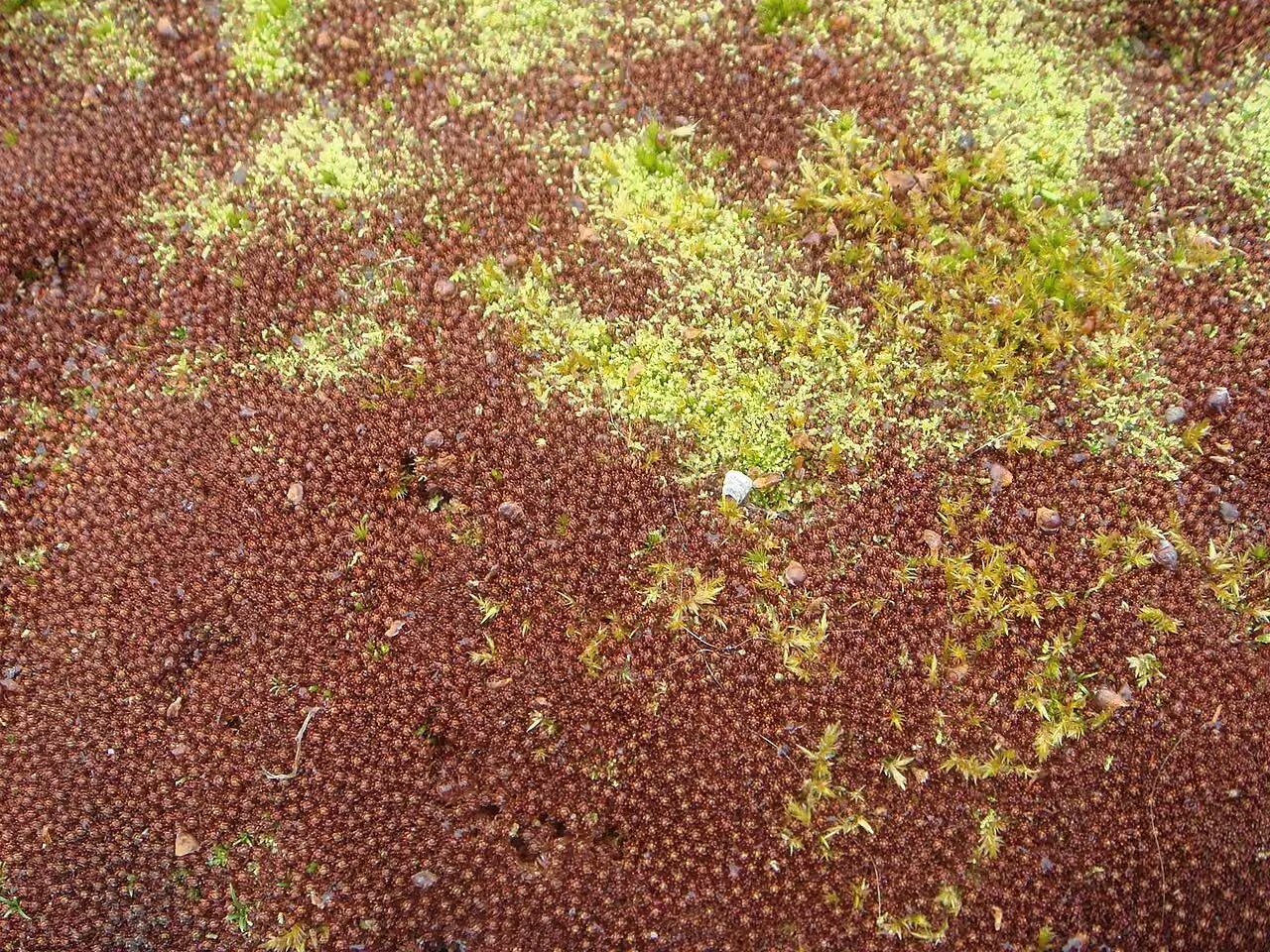
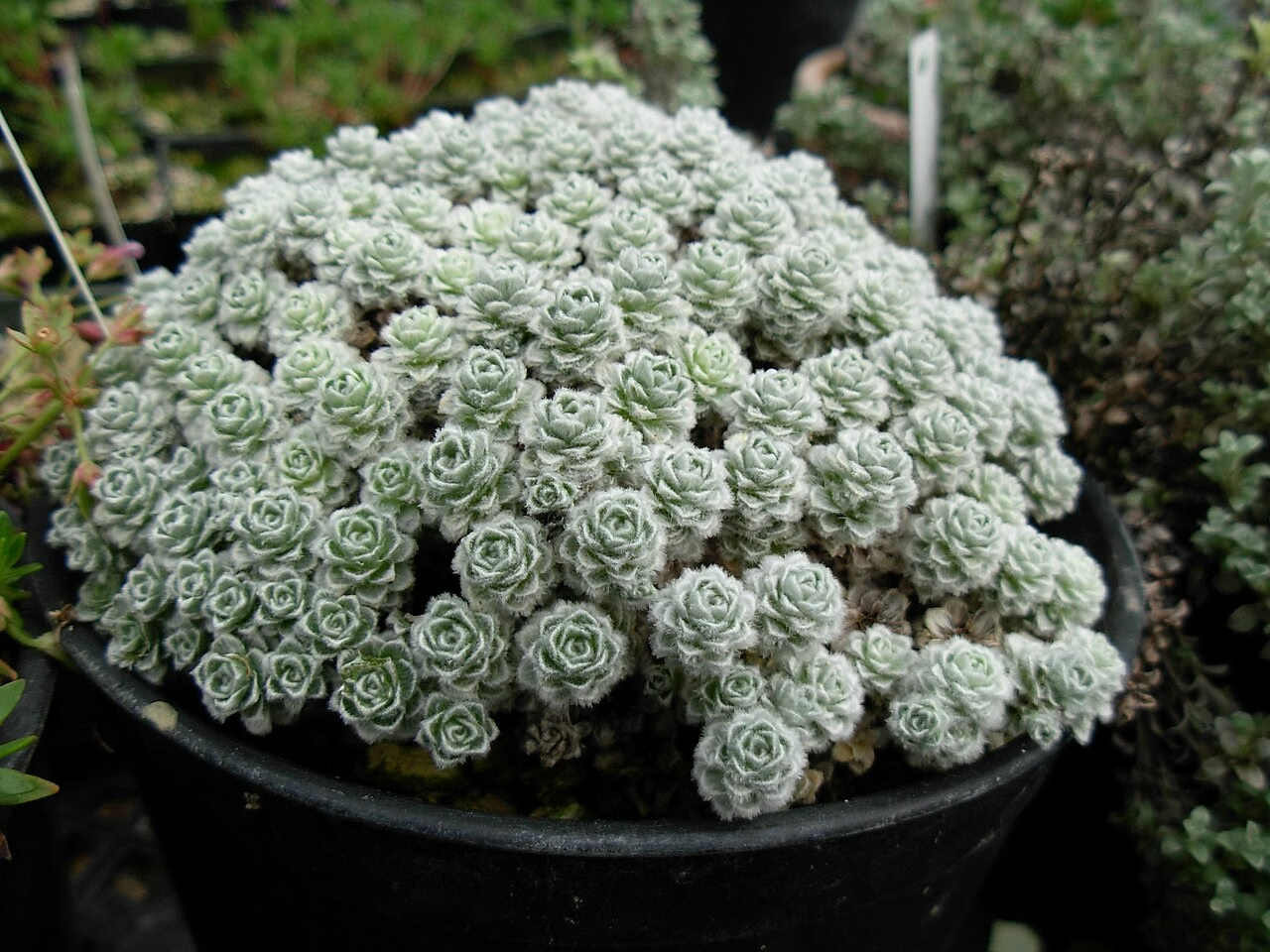
Green vegetable sheep (Raoulia haastii) is a cushion-forming daisy endemic to the eastern South Island. Its creeping, rooting stems carry thousands of tightly packed, silky-leaved shoots that build hard, bright green cushions up to 1 m or more across and up to 30 cm tall. It grows on montane to lower subalpine riverbeds east of the main divide, from North Canterbury to Otago, where its moss-like mounds stand out among the grey shingle. The cushions take on a brown colour in winter before greening again in spring. It is ranked Not Threatened and is one of the easier cushion Raoulia to grow in a gravel garden. Explore more native ground covers in our native plant guide.
Plant Description
Raoulia haastii has creeping stems that root as they spread, carrying countless densely packed branches with erect or ascending, very close-set branchlets. Together these build hard cushions that Flora of New Zealand records as up to 1 m or more in diameter and 30 cm or more tall, though young plants are low mats only a couple of centimetres high. The tiny leaves are very densely overlapping in about five rows, with a papery base and a covering of silky hairs.
The flower heads are small, up to 5 mm across, each with 4 to 10 florets, about half of them female. NZPCN gives the flower colour as cream and white. Seeds are tiny and carried on the wind by a pappus of fine hairs.
Its bright green colour separates it from the grey or white woolly vegetable sheep such as Raoulia eximia and Raoulia mammillaris, which grow on alpine rock and scree rather than riverbeds. On the same river terraces the common scabweeds such as Raoulia australis and Raoulia tenuicaulis form flat silver or green mats rather than raised, hard cushions.
Quick Facts
| Scientific Name | Raoulia haastii |
|---|---|
| Height | Usually a few centimetres; old cushions up to 0.3 m |
| Spread | Up to 1 m or more |
| Water Needs | Low to moderate; roots need moisture below dry gravel |
| Light | Full sun |
| Frost Tolerance | High |
| Salt Tolerance | No information available; not a coastal plant |
| Growth Rate | Slow |
| Lifespan | Perennial |
Climate Best Suited to
It suits the dry, continental climate of the eastern South Island high country, with hot summers, hard frosts and cold winters, and copes with wind and sun on open shingle.
Regional Suitability
| City | Climate Suitability |
|---|---|
| Auckland | Low |
| Wellington | Low |
| Christchurch | Medium |
| Dunedin | Medium |
Plant Habitat
Green vegetable sheep is endemic to the South Island, where Flora of New Zealand records it on montane to lower subalpine riverbeds east of the main divide from latitude 42 degrees 30 minutes to 46 degrees south. This covers the braided rivers of North Canterbury, Canterbury and the Mackenzie Basin south into Otago. The type was collected from the Kowai River by Sinclair and Haast in 1860 to 1861.
It grows on stable shingle, gravel bars and stony river terraces that are not disturbed by every flood. These sites are open and sunny, with stony, fast-draining ground that dries at the surface but holds moisture below, and they experience heavy frosts and strong winds.
Growing Requirements
Soil Requirements
It needs stony, gravelly ground with very sharp drainage, imitating river shingle.
- Coarse gravel, shingle or scoria
- Low fertility; no added fertiliser
- Moisture available deep in the gravel
Light Requirements
A sun-loving plant of open riverbeds that becomes loose and weak in shade.
- Full sun all day
- Avoid overhanging plants that drip on the cushion
Water Requirements
In the wild the roots run down into damp gravel while the cushion surface stays dry.
- Water deeply in prolonged drought, then let the surface dry
- Avoid overhead watering in humid weather
- Never let water pool around the cushion
Planting and Establishing
Plant in spring in a gravel garden, scree bed, rock garden or large trough filled with a mix that is mostly gravel or grit. Set the plant so the neck sits at or slightly above the surface, and spread fine gravel around and under the edges of the cushion so it never rests on damp soil.
Choose an open, sunny site with good air movement. In humid northern districts it is best grown in a pot or trough that can be moved under cover in long wet spells. Water in after planting and then only when the gravel has dried well down.
Ecological Role
Green vegetable sheep is part of the specialised plant community of braided riverbeds, where cushions and mats colonise stable shingle between floods. The dense cushion traps fine silt and organic matter and gives shelter to small invertebrates. The small cream and white flower heads provide nectar and pollen for native flies, moths and bees, although specific pollinator studies were not found.
Seed is dispersed by wind. Braided riverbed habitats are increasingly invaded by weeds such as broom, gorse, lupins and introduced grasses, which can smother low cushion plants and alter the open conditions they depend on.
Uses & Significance
Garden Uses
A distinctive feature plant for gravel and rock gardens, where its bright green mounds contrast with stones and silver plants.
- Gravel gardens and dry river-bed style plantings
- Rock gardens, scree beds and troughs
- Educational plantings of Canterbury braided river flora
Ecological Value
It is a characteristic plant of eastern South Island braided rivers, a habitat with many specialised and threatened species.
- Stabilises shingle and traps fine sediment
- Shelters small invertebrates within the cushion
- Supplies nectar and pollen for native insects
Landscaping Uses
Use green vegetable sheep as a living boulder in a dry riverbed garden, partnering it with grey river stones, silver Raoulia mats, small tussocks such as blue tussock (Poa colensoi) and low shrubs from the same habitat. Its green colour gives year-round structure and the winter browning adds seasonal interest.
Because cushions take years to expand, place them where they will not be crowded, and avoid planting fast-spreading groundcovers that will overrun them.
Seasonal Care Calendar
Spring
The cushion greens up again after its winter brown phase, and the nursery source describes spring flowering with small cream to white heads.
- Top up gravel around the cushion
- Remove weeds seeding into the edges
Summer
Growth continues in warm, dry weather and seed is released on the wind.
- Water deeply in long droughts
- Keep surrounding plants from shading it
Autumn
Growth slows as nights cool and the cushion starts to darken.
- Collect seed from garden plants for sowing
- Reduce watering
Winter
The cushion turns a deep brown and sits dormant through frosts and snow.
- No need to protect from frost
- Keep it out of standing water
When to Prune and How Much
Green vegetable sheep needs no pruning. Cutting into the tight cushion surface simply creates gaps that may rot.
If a patch dies back, gently remove the dead shoots and pack the gap with fine gravel so the surrounding shoots can grow over it.
How to Grow Green Vegetable Sheep
NZPCN gives no propagation notes for Raoulia haastii, but nursery growers describe it as one of the easier Raoulia species to cultivate, raising it from fresh seed or by division. Its creeping stems root as they spread, which makes division practical on established garden plants. Seed germinates without pre-treatment, but four weeks of cold stratification is reported to speed germination. Never take plants or pieces from wild riverbed populations; propagate only from cultivated stock.
From Seed
Collect seed as soon as the tiny fluffy heads ripen, as the pappus lets it blow away quickly. Fresh seed gives the best results.
- Collect ripe seed heads from cultivated plants in summer
- Mix the seed with moist sand and chill in a refrigerator for about four weeks
- Sow thinly on the surface of a gritty seed mix and cover with a dusting of fine grit
- Place in a bright, cool, airy spot and keep evenly moist
- Prick out seedlings into small pots of gravelly mix when large enough to handle
By Division
Because the stems root as they creep, rooted sections can be separated from the edge of a cultivated cushion with minimal disturbance to the parent.
- In spring, find a section at the cushion edge that has rooted into the gravel
- Cut it away cleanly with a sharp knife, keeping as much root as possible
- Pot into a deep pot of gritty mix with the shoots just above the surface
- Keep cool and lightly shaded until new growth shows, then move into full sun
Pests & Diseases
Green vegetable sheep has few pest problems. In the wild the main threats come from weeds invading riverbeds and from vehicles and stock on river terraces.
In gardens the chief risk is rot in wet or humid conditions, especially if leaves and debris settle on the cushion. Birds sometimes peck at cushions looking for insects. Keep the surface clear of fallen leaves and ensure free drainage.
Cultural Significance
No Māori name or traditional Māori use is recorded for Raoulia haastii in the sources consulted.
The species was named by Joseph Hooker in 1864 in honour of Julius von Haast (1822-1887), the geologist and explorer who, with Andrew Sinclair, collected the type specimen from the Kowai River in Canterbury. The large cushions of Raoulia and Haastia gave rise to the name vegetable sheep, reputedly because shepherds mistook them for sheep from a distance.
Bonus Tip
To keep a garden cushion bright green and healthy, mulch only with river gravel and tuck gravel right under the cushion edges. This mimics riverbed shingle, keeps the shoots dry in wet weather and lets the creeping stems root into the gravel as the cushion expands.
Related Plants
Explore other native plants that share similar characteristics or habitats with Green Vegetable Sheep (Raoulia haastii), offering further insights into New Zealand's diverse flora. These related species provide context and opportunities for complementary planting in your garden.
Ranunculus simulans
Ranunculus simulans
Ranunculus urvilleanus
Ranunculus urvilleanus
Raoulia buchananii
Raoulia buchananii
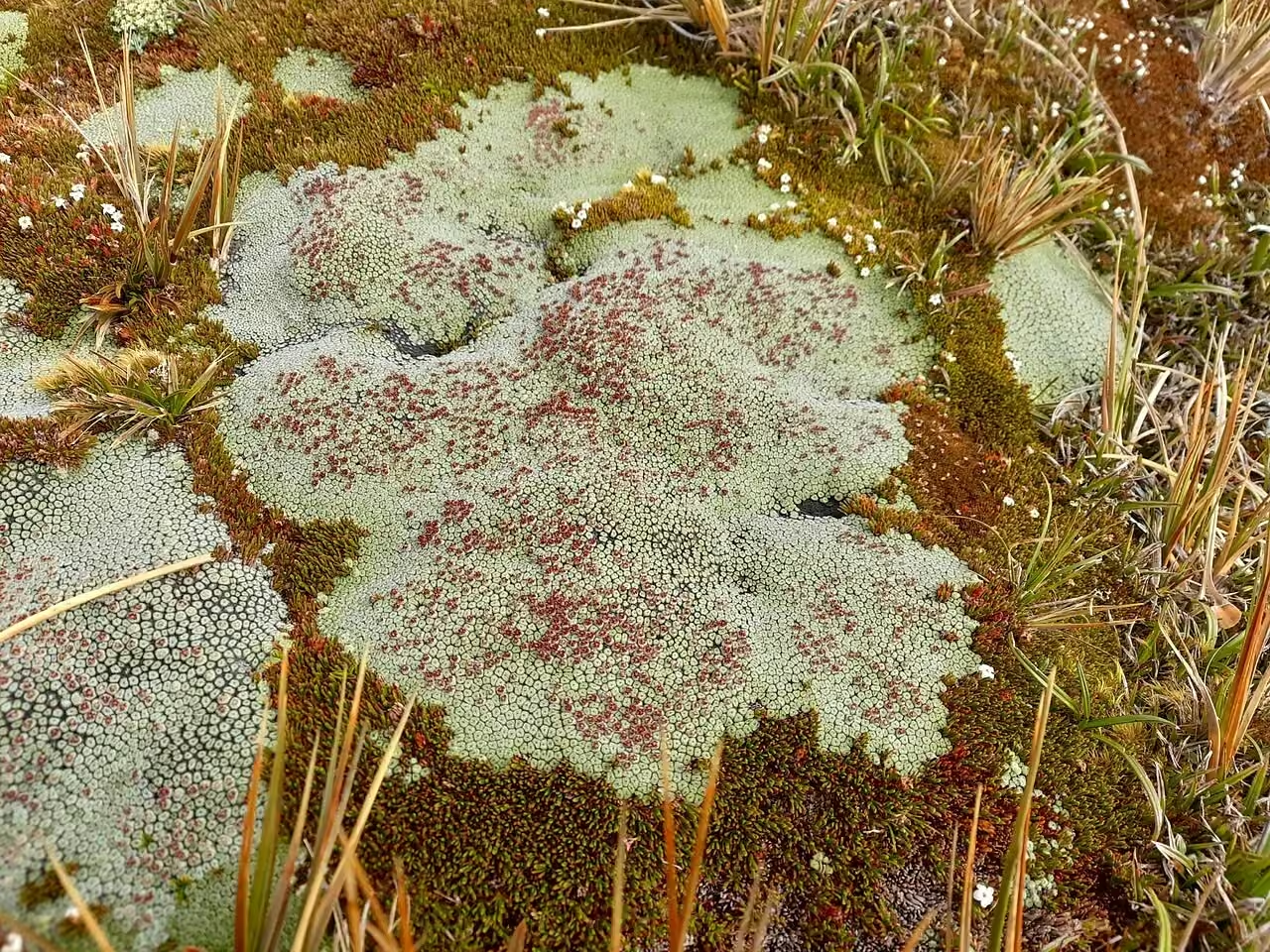
Stewart Island Vegetable Sheep
Raoulia goyenii
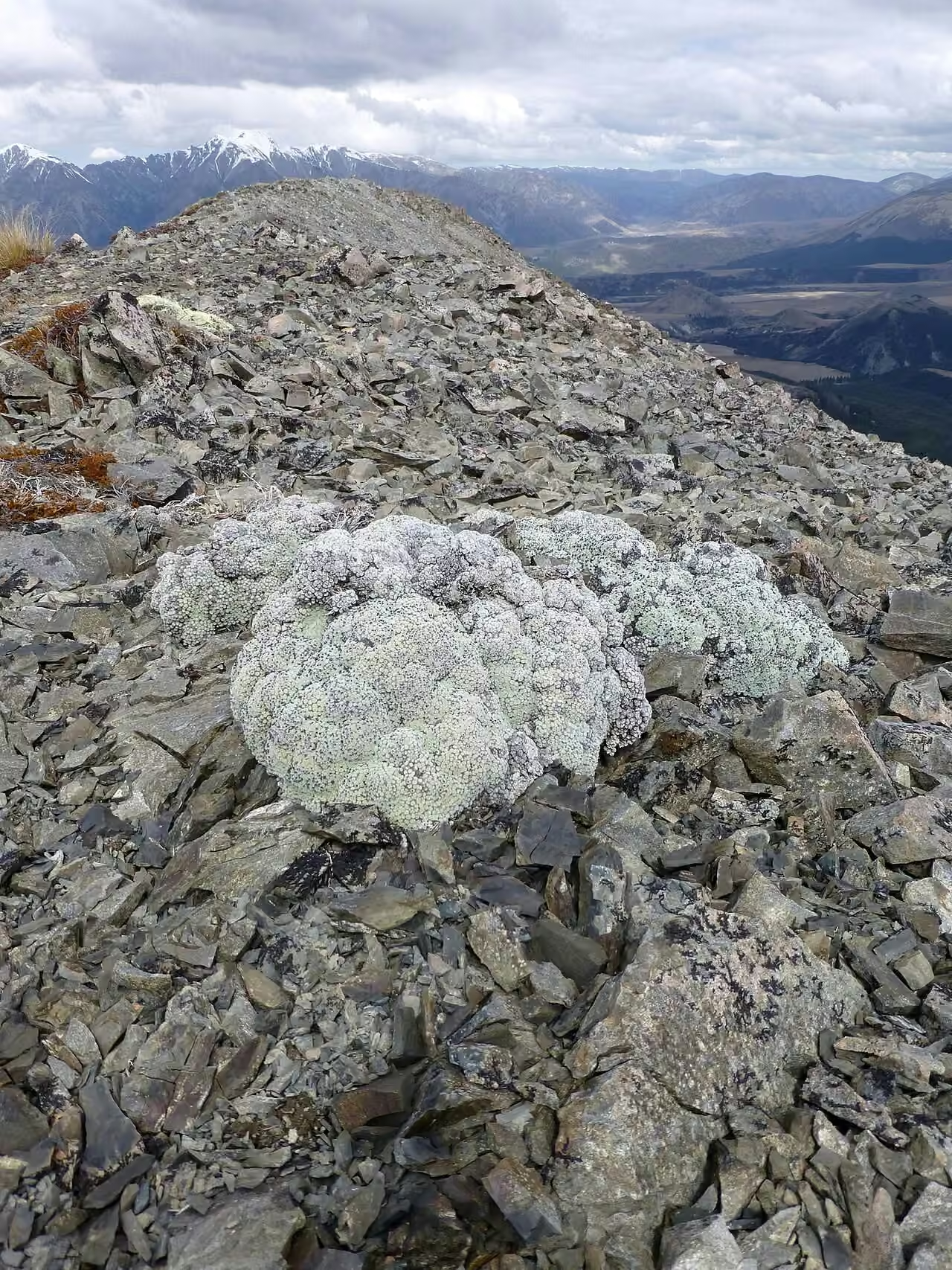
Raoulia mammillaris
Raoulia mammillaris
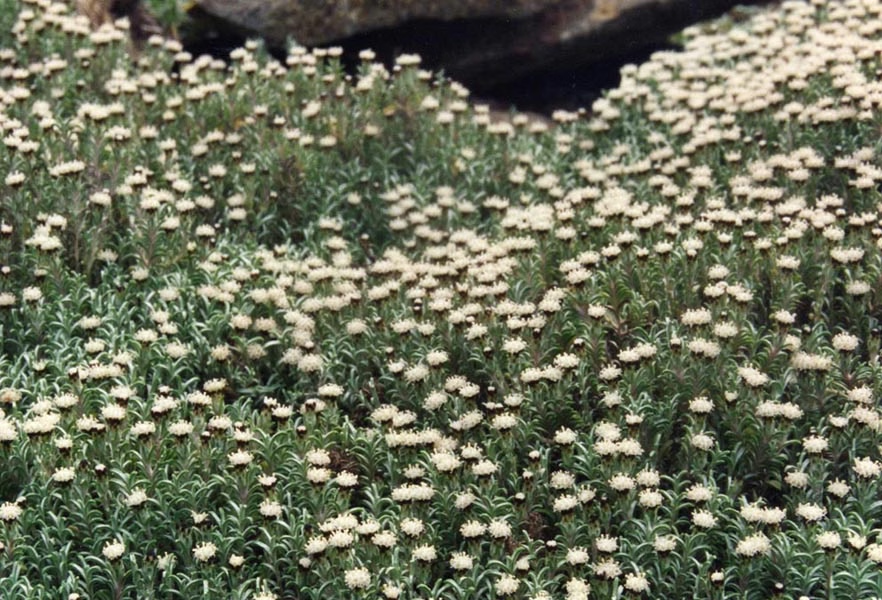
Fan-Leaved Mat Daisy
Raoulia monroi
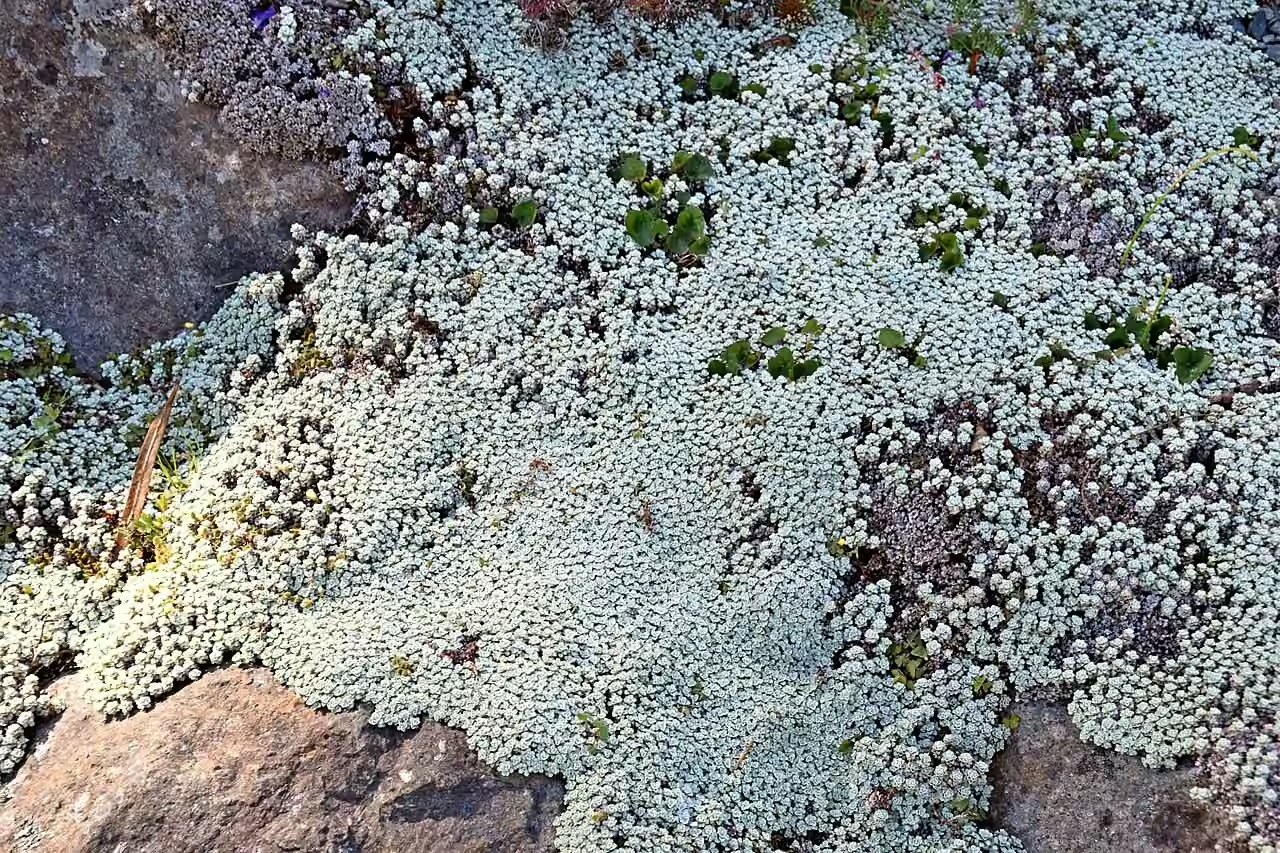
Celadon Mat Daisy
Raoulia parkii
Raoulia rubra
Raoulia rubra
Plant Conservation
Raoulia haastii is ranked Not Threatened nationally in the 2023 New Zealand Threat Classification, as in every assessment since 2004. In Otago it is ranked Regionally Naturally Uncommon (2025), reflecting its limited range in that region.
Its braided river habitat faces pressure from weed invasion, gravel extraction, flood control works, irrigation development and vehicles driving on riverbeds. Weed control, keeping vehicles off stable river terraces and protecting riverbed reserves all help this and other riverbed specialists.
Frequently Asked Questions
Why is Raoulia haastii called green vegetable sheep?
Its large rounded cushions resemble resting sheep from a distance, like the woolly grey vegetable sheep of the mountains, but this species is bright green rather than white, hence the name green vegetable sheep.
Why does green vegetable sheep turn brown in winter?
The cushions change from bright green in the growing season to a deep brown over winter, a seasonal colour change noted by growers, and green up again as growth resumes in spring.
Where can I see green vegetable sheep in the wild?
Flora of New Zealand records it on montane to lower subalpine riverbeds east of the divide between latitudes 42 degrees 30 minutes and 46 degrees south, such as the braided rivers of Canterbury. The type locality is the Kowai River.
Can I grow green vegetable sheep in my garden?
Yes, with care. Growers describe it as one of the easier Raoulia to cultivate, needing full sun, gravelly free-draining soil and good air movement, and it can be raised from fresh seed or division.
Sources and Further Reading
The botanical, growing, and conservation details for Green Vegetable Sheep (Raoulia haastii) on this page draw on the New Zealand plant references below. Consult them for full technical records and the latest distribution data.