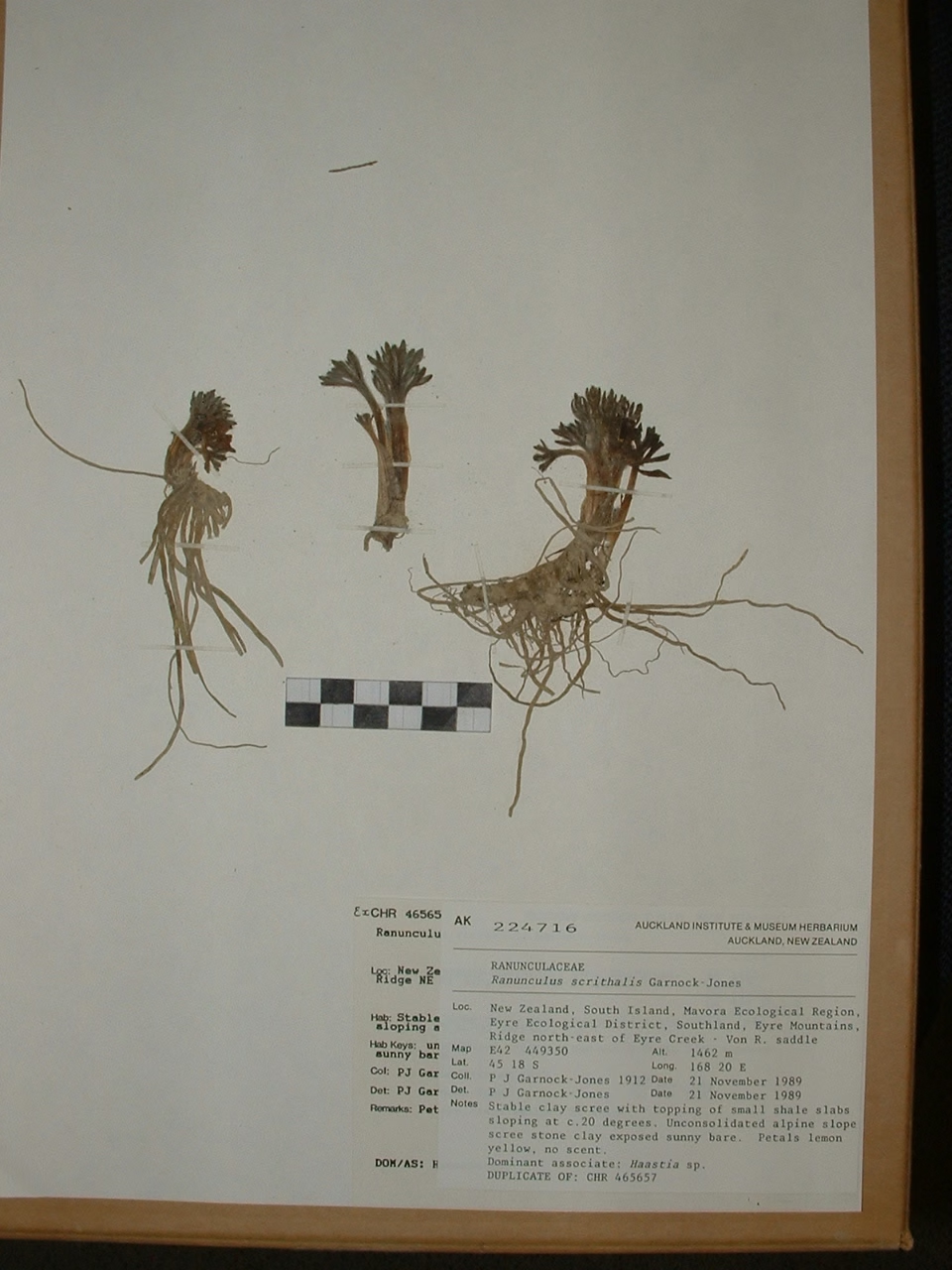
Eyre Mountains Buttercup
Ranunculus scrithalis
Last updated:
The Eyre Mountains buttercup (Ranunculus scrithalis) is a rare alpine buttercup found only in the Eyre Mountains between Lake Wakatipu and northern Southland. It forms small, solitary tufts from stout, fleshy rhizomes, with finely divided, silky-haired, glaucous grey-green leaves tipped reddish, and single lemon-yellow flowers 2 to 3 cm across with 12 to 15 narrow petals. It grows at 1100 to 1900 m in fine, moist clay beneath shingle slides and in stable scree. Described only in 1987, it is ranked At Risk - Naturally Uncommon and is thought to be threatened by browsing animals. Explore more native flowering plants in our native plant guide.
Plant Description
Ranunculus scrithalis is a stout perennial forming small, solitary tufts from stout, fleshy, ascending rhizomes. The Flora of New Zealand describes it as 2 to 5 cm tall, while NZPCN gives tufts up to 200 mm. The leaves, 30 to 150 mm long including the stalk, are broadly ovate in outline and deeply cut two or three times into threes, ending in narrow, linear, slightly pointed lobes. They are dark glaucous grey to glaucous green with reddish tips and covered in silky hairs.
Each flowering stem carries a single flower 20 to 30 mm across, with 12 to 15 narrow, lemon-yellow petals. The Flora notes annular nectaries about 6 mm above the petal base. Flowering is from December to January, and the fruit, a head of numerous plump, sparsely silky achenes, ripens from February to April.
It belongs to the group of fleshy scree buttercups that includes R. haastii and R. buchananii. It differs from both in having yellow flowers and a hairless receptacle, and from R. buchananii, which has white flowers, in having the middle leaf segment unstalked.
Quick Facts
| Scientific Name | Ranunculus scrithalis |
|---|---|
| Height | 0.02-0.2 m |
| Spread | Small solitary tufts, about 0.1-0.2 m across |
| Water Needs | Moist clay beneath free-draining scree |
| Light | Full sun |
| Frost Tolerance | Very high; alpine |
| Salt Tolerance | No information available; an inland alpine plant |
| Growth Rate | Slow |
| Lifespan | Perennial |
Climate Best Suited to
It suits a cold mountain climate with heavy winter snow, short summers and strong temperature swings on exposed scree.
Regional Suitability
| City | Climate Suitability |
|---|---|
| Auckland | Low |
| Wellington | Low |
| Christchurch | Low |
| Dunedin | Low |
Plant Habitat
The Eyre Mountains buttercup is endemic to the Eyre Mountains, a range of the southern South Island lying south-west of Lake Wakatipu on the border of Otago and Southland. NZPCN describes it as apparently very local in distribution.
It grows in the alpine zone at 1100 to 1900 m, rooting into fine, moist clay beneath shingle slides and within stable scree. The loose stones on the surface protect a cool, damp layer beneath where its fleshy rhizomes and roots grow.
Growing Requirements
Soil Requirements
Its roots run through fine, moist clay that underlies coarse shingle, a combination of excellent surface drainage and steady moisture below.
- Deep stony scree over moist clay
- Low fertility
- Cool root run
Light Requirements
Alpine scree is fully open to sun and wind.
- Full sun
- Exposed sites with little competition
Water Requirements
Snowmelt and rain keep the clay beneath the scree moist through the short growing season.
- Moist root zone in summer
- Fast-draining surface around the crown
- Dormant under winter snow
Planting and Establishing
NZPCN describes this species as difficult to propagate and says it should not be removed from the wild. It is not available in the nursery trade.
It is a plant to seek out on the Eyre Mountains rather than to grow. Gardeners interested in scree buttercups should choose cultivated species instead.
Ecological Role
Its lemon-yellow flowers open in early summer and provide nectar and pollen for alpine insects such as native flies and moths on the Eyre Mountains screes.
As a scree plant it has few competitors, but its fleshy, silky leaves are attractive to browsing animals. NZPCN suggests browsing is probably the main threat to the species.
Uses & Significance
Garden Uses
It has no realistic garden use. Its importance is as a narrow endemic of the Eyre Mountains.
- Botanical interest
- Alpine photography in the Eyre Mountains
- Indicator of intact scree flora
Ecological Value
It is one of several specialised plants of the Eyre Mountains, a range with a distinctive and partly endemic alpine flora.
- Endemic to a single range
- Nectar for alpine insects
- Part of stable scree communities
Landscaping Uses
This species is not suitable for landscaping.
On the mountains, walkers can help by not dislodging scree above plants, since moving stones damage the shallow crowns.
Seasonal Care Calendar
Spring
Plants remain under snow for much of spring.
- Dormant rhizomes
- Growth begins as snow clears
Summer
Flowering runs from December to January.
- Lemon-yellow flowers
- Silky grey leaves fully expanded
Autumn
Achenes ripen from February to April.
- Seed shed into the scree
- Leaves die back with frost
Winter
The plant is dormant beneath snow.
- Rhizomes rest in moist clay
- No visible growth
When to Prune and How Much
There is no pruning for this wild alpine herb; the foliage dies back naturally each autumn.
In any research collection, remove withered leaves so they do not rot over the crown.
How to Grow Eyre Mountains Buttercup
NZPCN rates propagation of the Eyre Mountains buttercup as difficult and advises that it should not be removed from the wild. Because it is known only from one range, propagation should be left to authorised conservation or research programmes. The methods below follow the general practice for fleshy scree buttercups and are not proven for this species. Collecting seed or plants in the Eyre Mountains requires permission from the Department of Conservation, which manages most of the range as conservation land.
From Seed
Scree buttercups are usually raised from fresh seed given a long, cold, moist period over winter. Germination may be slow, and seedlings need deep pots and cool summer conditions to survive.
- Obtain seed only through an authorised programme
- Sow fresh achenes in autumn in deep pots of very gritty mix
- Top-dress with fine shingle to mimic scree
- Leave outdoors over winter in a cold site, or refrigerate moist for several months
- Keep the base of the pot moist and the surface well drained
- Move seedlings on carefully into tall pots without disturbing the roots
By Rhizome Division
Cultivated plants with more than one crown could be divided, but the species forms solitary tufts and division is unlikely to be practical. There is no recorded experience of dividing it.
- Attempt only with established cultivated plants
- Cut so each piece has a crown and fleshy roots
- Replant into deep gritty mix and keep cool and shaded
Pests & Diseases
NZPCN notes the species is probably threatened by browsing animals. Deer, chamois, hares and possums are present in the mountains of Southland and Otago and graze palatable alpine herbs.
No diseases are specifically recorded for it.
Cultural Significance
No Māori name or traditional use is recorded for the Eyre Mountains buttercup in the sources consulted.
It was formally described by Phil Garnock-Jones in 1987 and included in the Flora of New Zealand Volume IV (1988). Its common name refers to the Eyre Mountains, where it is found.
Bonus Tip
When searching Eyre Mountains screes, look for the reddish tips on otherwise grey, silky leaves; this colour combination makes the small tufts easier to spot against the grey shingle before the lemon-yellow flowers open.
Related Plants
Explore other native plants that share similar characteristics or habitats with Eyre Mountains Buttercup (Ranunculus scrithalis), offering further insights into New Zealand's diverse flora. These related species provide context and opportunities for complementary planting in your garden.
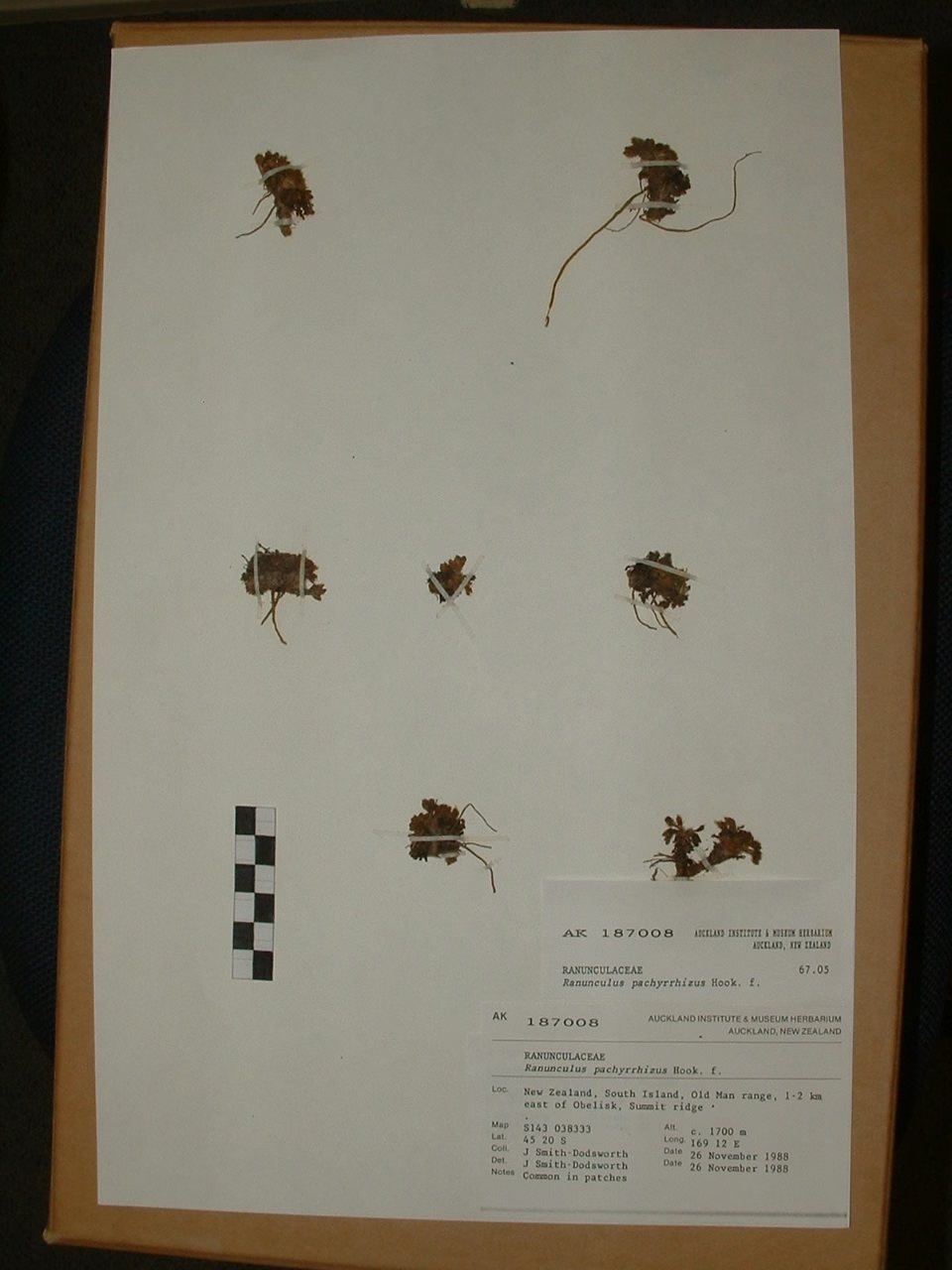
Ranunculus pachyrrhizus
Ranunculus pachyrrhizus
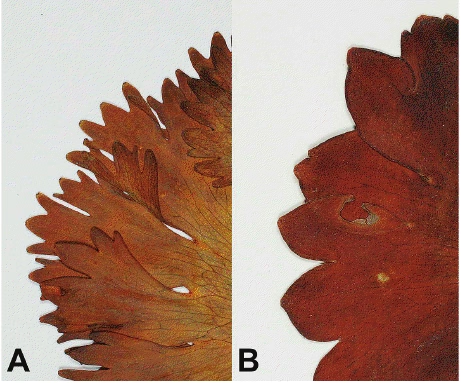
Ranunculus pilifer
Ranunculus pilifer
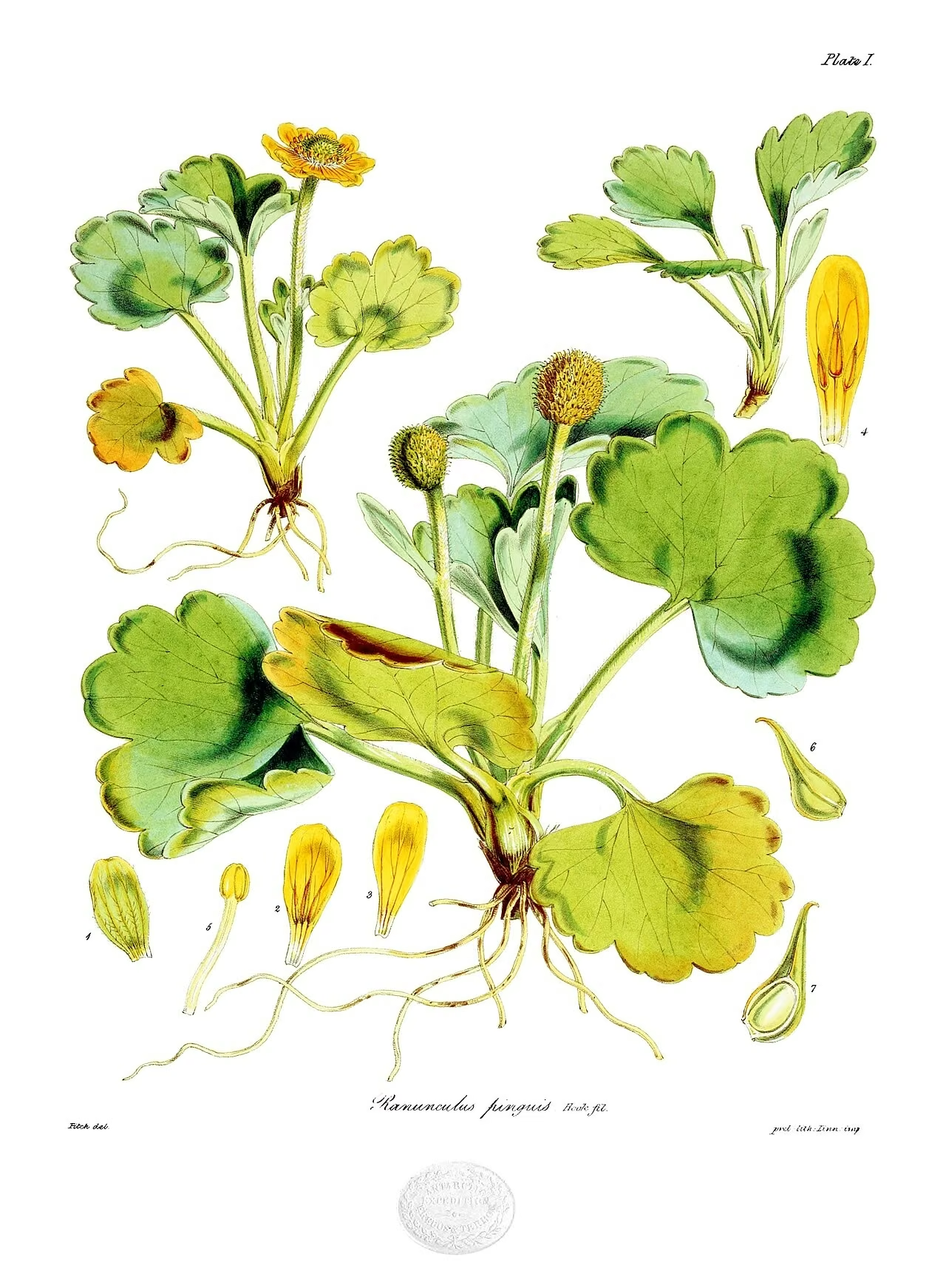
Ranunculus pinguis
Ranunculus pinguis
Ranunculus recens
Ranunculus recens
Ranunculus simulans
Ranunculus simulans
Ranunculus urvilleanus
Ranunculus urvilleanus
Raoulia buchananii
Raoulia buchananii
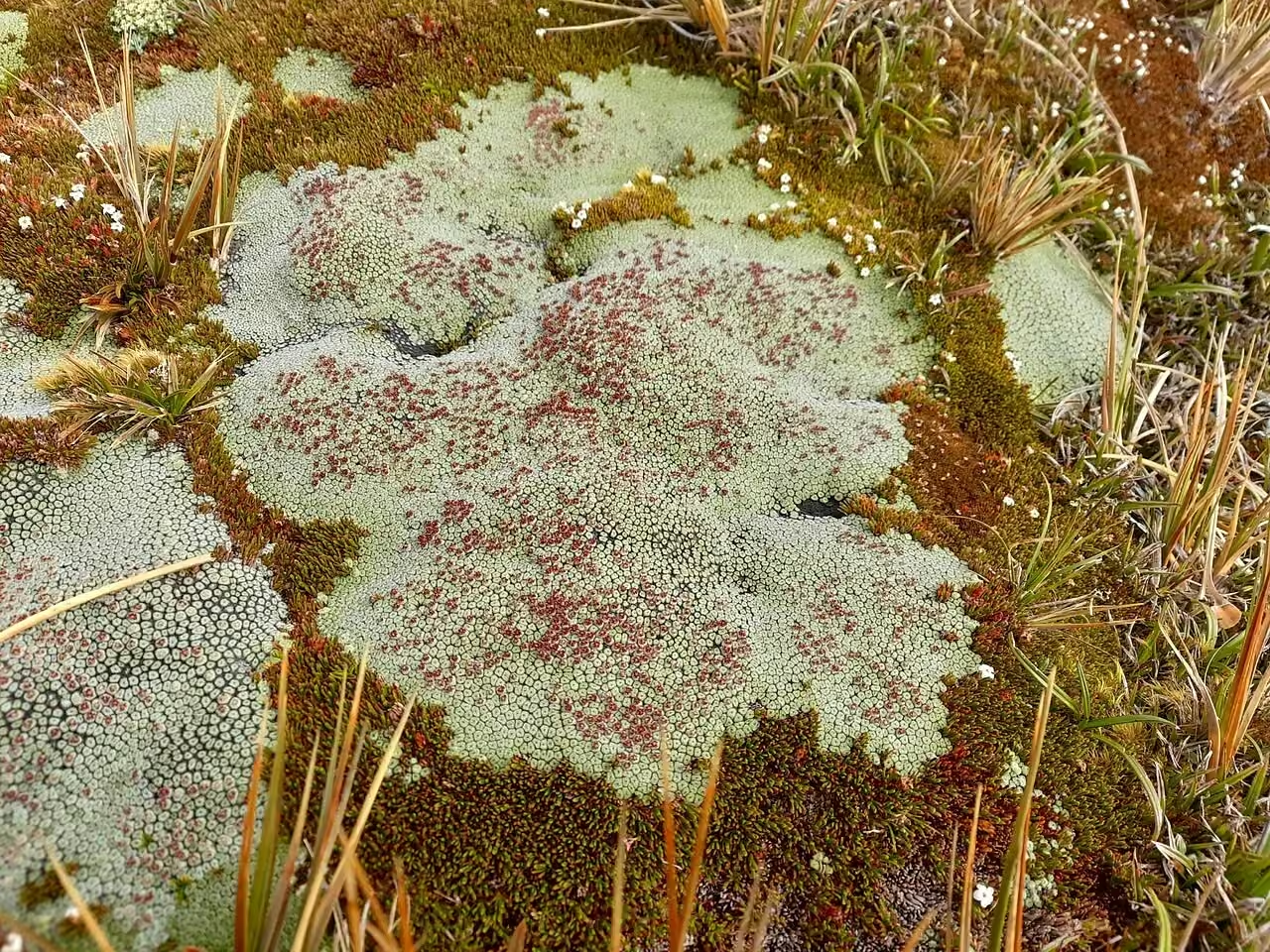
Stewart Island Vegetable Sheep
Raoulia goyenii
Plant Conservation
Ranunculus scrithalis is ranked At Risk - Naturally Uncommon (NZTCS 2023) with qualifiers Sp (sparse), DPS (data poor size), DPT (data poor trend) and RR (range restricted). NZPCN describes it as apparently very local and probably threatened by browsing animals.
Surveying and monitoring populations to fill the data gaps, together with control of deer, chamois and other browsers in the Eyre Mountains, are the main ways to secure it.
Frequently Asked Questions
Where is the Eyre Mountains buttercup found?
Only in the Eyre Mountains of the southern South Island, between Lake Wakatipu and northern Southland, at about 1100 to 1900 m on shingle slides and stable scree.
How is Ranunculus scrithalis different from Ranunculus haastii?
NZPCN notes it resembles R. haastii and R. buchananii but has yellow flowers with a hairless receptacle, and its middle leaf segment is unstalked rather than stalked as in R. buchananii.
When was the Eyre Mountains buttercup named?
It was described by the botanist Phil Garnock-Jones in 1987, making it one of the more recently recognised New Zealand alpine buttercups.
Sources and Further Reading
The botanical, growing, and conservation details for Eyre Mountains Buttercup (Ranunculus scrithalis) on this page draw on the New Zealand plant references below. Consult them for full technical records and the latest distribution data.