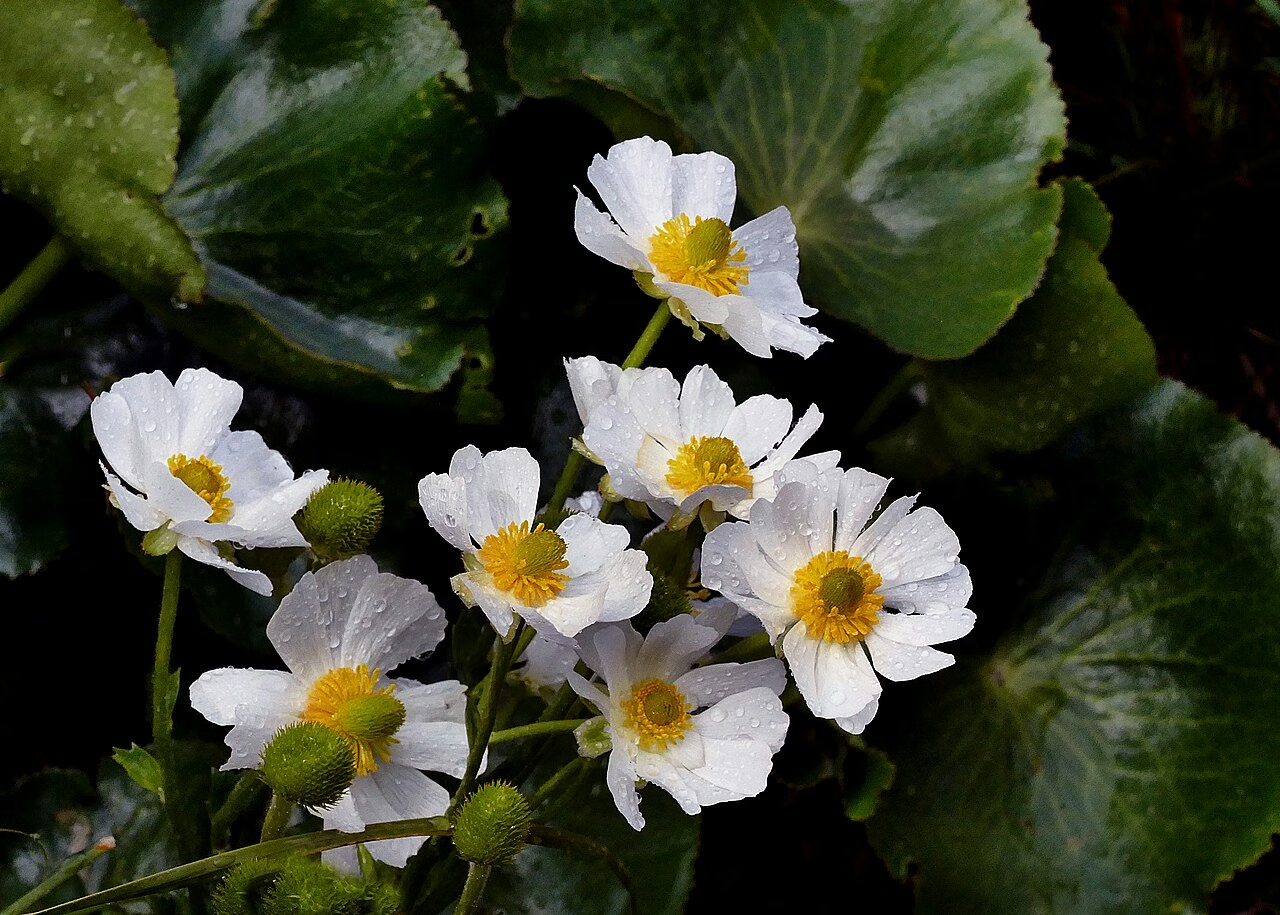
Mount Egmont Buttercup
Ranunculus nivicola
Last updated:
Mount Egmont buttercup (Ranunculus nivicola), also called mountain buttercup, is a robust endemic buttercup of the North Island high country. From a stout rhizome it raises fleshy, rounded, deeply lobed basal leaves 5 to 15 cm across and erect, hairy stems 50 to 80 cm tall carrying up to seven golden flowers 2.5 to 3.5 cm wide. It grows in subalpine scrub, tussock grassland and fine scoria on Taranaki, Ruapehu, Tongariro and Ngauruhoe, and in the Kaimanawa, Kaweka and Raukumara ranges. The species name means snow dweller. It is ranked Not Threatened. Explore more native flowering plants in our native plant guide.
Plant Description
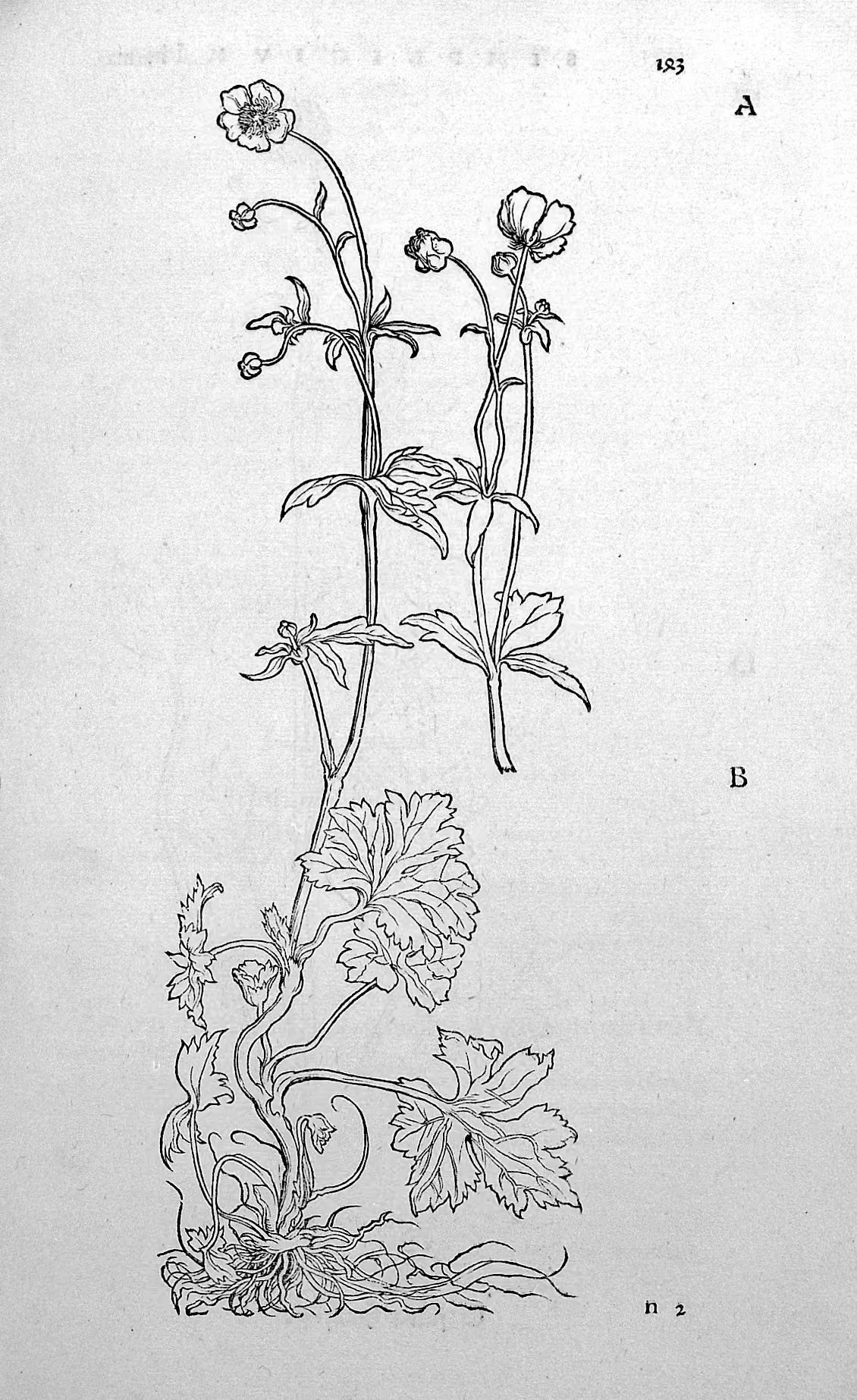
Ranunculus nivicola is a tufted perennial herb arising from a short, stout rhizome. Its basal leaves are rounded in outline, fleshy, hairless to sparsely hairy and mostly 5 to 15 cm across. Each is cut about three quarters of the way into three main lobes, and these lobes are again divided and finished with blunt teeth or rounded scallops. Leaves on the flowering stem are roughly kidney shaped, and the uppermost ones have narrow, untoothed lobes.
The erect flowering stems are sparsely hairy and reach 50 to 80 cm, making this one of the taller native buttercups. Each stem carries one to three, occasionally up to seven, glossy yellow flowers 2.5 to 3.5 cm across, with hairy flower stalks and hairy, spreading sepals. There are 8 to 15 narrow petals, each with a single nectary 1 to 2 mm above its base. The fruit is a head of numerous unflattened achenes with bodies 2.5 to 3 mm long and straight beaks 3 to 5 mm long.
Within its North Island range it is the only large, tall-stemmed yellow buttercup of the subalpine zone. The introduced meadow and creeping buttercups that invade roadsides and huts are much smaller in flower and leaf, have thin rather than fleshy leaves, and lack the many narrow petals of R. nivicola. The South Island giant buttercups such as R. lyallii have white flowers and undivided, peltate leaves.
Quick Facts
| Scientific Name | Ranunculus nivicola |
|---|---|
| Height | Flowering stems 0.5-0.8 m |
| Spread | Clumps about 0.2-0.4 m across |
| Water Needs | Moist but free-draining |
| Light | Full sun to light shade |
| Frost Tolerance | High; a subalpine species that is snow covered in winter |
| Salt Tolerance | Low; an inland mountain plant |
| Growth Rate | Slow to moderate |
| Lifespan | Long-lived perennial |
Climate Best Suited to
It suits cool, wet mountain climates with heavy winter snow and reliable summer moisture. Hot, humid lowland summers do not suit it.
Regional Suitability
| City | Climate Suitability |
|---|---|
| Auckland | Low |
| Wellington | Low |
| Christchurch | Low |
| Dunedin | Medium |
Plant Habitat
NZPCN records Ranunculus nivicola from the Raukumara Range (Mt Honokawa), the Kaweka and Kaimanawa ranges, the Central Volcanic Plateau and Mt Taranaki/Egmont. The Flora of New Zealand cites Tongariro, Ngauruhoe and Ruapehu specifically, and older treatments also mention Mt Holdsworth in the Tararua Range and a single South Island record from Mt Stokes in the Marlborough Sounds.
It grows in subalpine scrub, montane to subalpine tussock grassland and on fine volcanic scoria, generally between 1200 and 1850 m. On the volcanoes it often sits in sheltered hollows and along gullies where snow lies late and the ground stays moist through summer.
Growing Requirements
Soil Requirements
In the wild it roots into gritty volcanic scoria, ash and pumice soils that are low in nutrients but hold moisture below the surface.
- Use a free-draining gritty mix, such as pumice or scoria with some compost
- Keep the root zone cool and evenly moist
- Avoid heavy clay that stays wet and airless in winter
Light Requirements
On the mountain it grows in open tussock and among low subalpine shrubs, so it receives strong light but some shelter.
- Full sun in cool districts
- Light afternoon shade in warmer gardens
- Good air movement to keep the fleshy leaves healthy
Water Requirements
Snowmelt and frequent mountain cloud keep its habitat moist through the growing season, and it does not tolerate drought.
- Water regularly from spring to late summer
- Do not let pots dry out completely
- Reduce watering when the plant dies back in autumn
Planting and Establishing
This is a specialist plant for alpine gardeners rather than a general garden subject. Grow it in a deep pot or a raised scree bed filled with pumice or scoria-based mix, setting the rhizome just at soil level so the crown does not sit in water.
Plant in autumn or early spring and place it where it gets bright light and cool roots. In lowland North Island gardens it struggles with summer heat and humidity, so a cold frame or shaded alpine house gives it the best chance.
Ecological Role
Like other large-flowered native buttercups, its open yellow flowers offer nectar and pollen to the native flies, small bees and other insects active on the mountains in spring. The petal nectaries are close to the base, where short-tongued visitors can reach them.
The achenes have no fleshy coat or plume and fall close to the parent, so the plant spreads slowly by seed down gullies and across scoria fields. It is part of the subalpine herbfield community that recolonises volcanic ground between the tussocks and shrubs.
Uses & Significance
Garden Uses
It makes a striking specimen for a cool rock garden or alpine collection, where its tall stems of golden flowers stand well above the leaves.
- Alpine house or cold frame collections
- Large pots of gritty mix
- Scree beds in cool, moist districts
- Display of North Island mountain flora
Ecological Value
It is a characteristic flower of the North Island volcanic high country and a nectar source for alpine insects early in the season.
- Spring nectar and pollen for native insects
- Part of subalpine scoria and tussock communities
- Endemic to North Island mountains
Landscaping Uses
In a planted scree garden it pairs naturally with low tussocks, Celmisia daisies and small Hebe shrubs from the same zone. Place it where the stems can rise against a dark background of rock or tussock so the flowers show clearly.
Because it dies back to the rhizome in winter, mark its position so the crown is not disturbed while dormant.
Seasonal Care Calendar
Spring
New fleshy leaves unfold and flowering begins from September.
- Begin regular watering
- Watch for slugs on new growth
Summer
Flowering finishes by late spring and seed heads ripen from November to January.
- Collect ripe achenes
- Keep roots cool and moist
Autumn
Leaves yellow and the plant prepares for dormancy.
- Sow fresh seed outdoors
- Reduce watering
Winter
The plant rests below ground, protected by snow in the wild.
- Keep pots cold but not waterlogged
- Avoid disturbing the crown
When to Prune and How Much
No pruning is needed. Remove old flowering stems once seed has been collected and clear away dead leaves in autumn so they do not rot over the crown.
Avoid cutting into the fleshy rhizome, which stores the plant's reserves through the long mountain winter.
How to Grow Mount Egmont Buttercup
Ranunculus nivicola is seldom offered by nurseries and is grown mainly by alpine plant enthusiasts. Seed is the most practical way to raise it, and established clumps can sometimes be divided. Plants and seed should come from cultivated stock or from collection under permit, because the wild populations are in national parks where collecting is not allowed without authorisation.
From Seed
Alpine buttercup seed usually needs a period of cold before it germinates, and fresh seed sown in autumn and left outdoors over winter tends to come up in spring. Germination can be slow and uneven, sometimes spread over more than one season, so do not discard trays too early.
- Collect achenes when the seed head turns brown and they come away easily, usually December or January
- Sow fresh seed on a gritty seed mix and cover lightly with fine pumice
- Leave the tray outdoors in a cold, shaded position over winter
- Keep the mix moist but never waterlogged
- Prick out seedlings into deep individual pots once two true leaves have formed
- Grow on for at least a year before planting out
By Division
Mature clumps with several crowns can be split in early spring as growth begins, keeping a good piece of fleshy rhizome and roots with each crown.
- Lift the clump carefully in early spring
- Separate crowns with a clean knife, each with its own roots
- Dust cut surfaces lightly and pot into gritty mix
- Keep in a cool, shaded spot until new leaves appear
Pests & Diseases
Slugs and snails are the main problem in cultivation and can quickly destroy new leaves and flower buds. In the wild, browsing by deer and hares in the Kaimanawa and Kaweka ranges may damage plants, although it is not listed as a threat to the species.
In warm, humid conditions the fleshy crown can rot, so good drainage and air movement matter more than any spray.
Cultural Significance
No specific Māori name or traditional use is recorded for Ranunculus nivicola in the sources consulted. The mountains where it grows, including Taranaki, Ruapehu, Tongariro and Ngauruhoe, are of great importance to their iwi.
The species was described by Joseph Dalton Hooker in 1844, making it one of the earliest New Zealand alpine buttercups named, and its common name recalls the old European name for Mt Taranaki.
Bonus Tip
If you want to see it in flower, walk the tracks above the tree line on Mt Taranaki or Ruapehu in late October and November, when the tall golden stems stand out among the tussock and are easy to photograph without leaving the track.
Related Plants
Explore other native plants that share similar characteristics or habitats with Mount Egmont Buttercup (Ranunculus nivicola), offering further insights into New Zealand's diverse flora. These related species provide context and opportunities for complementary planting in your garden.
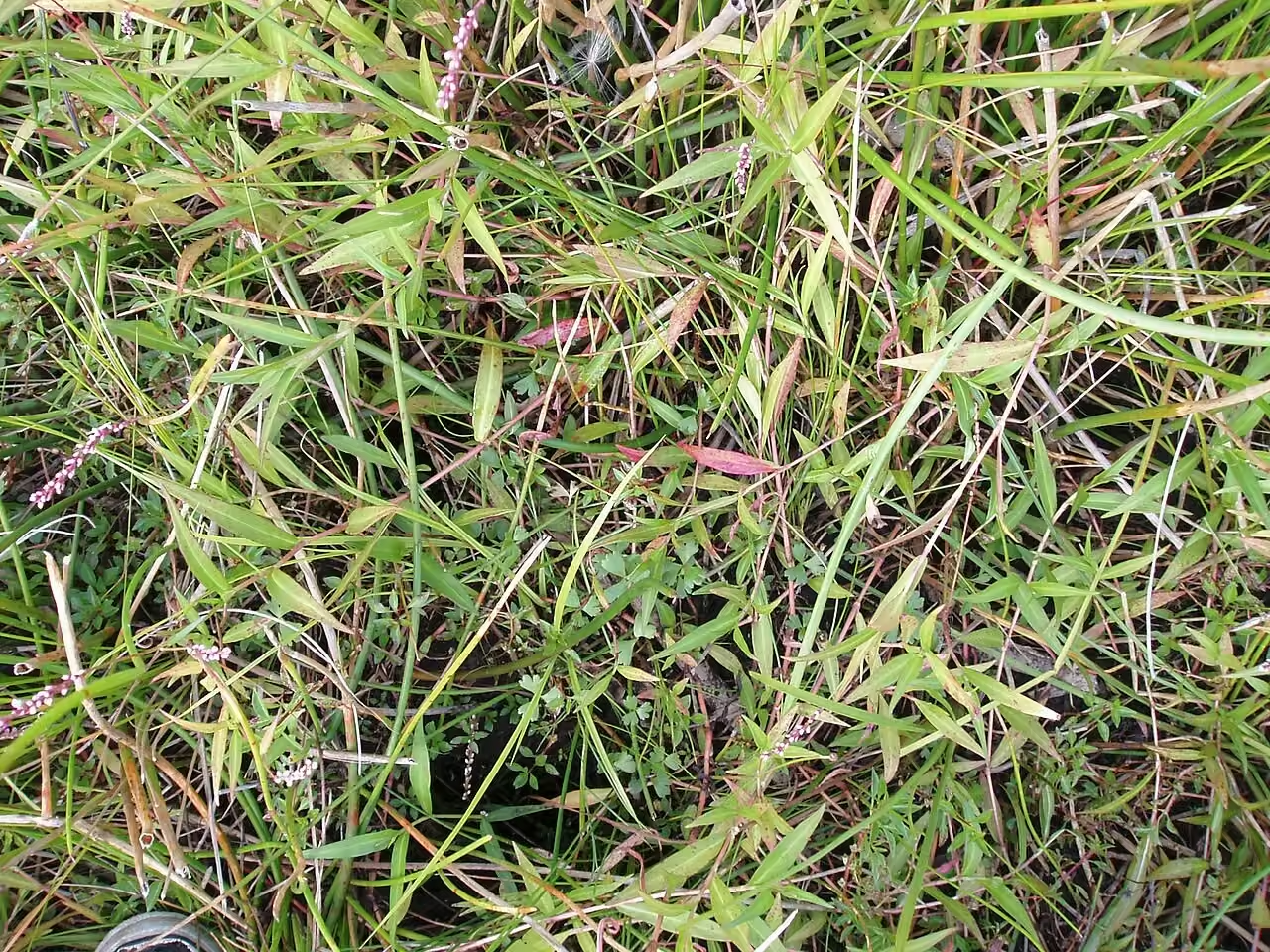
Swamp Buttercup
Ranunculus macropus
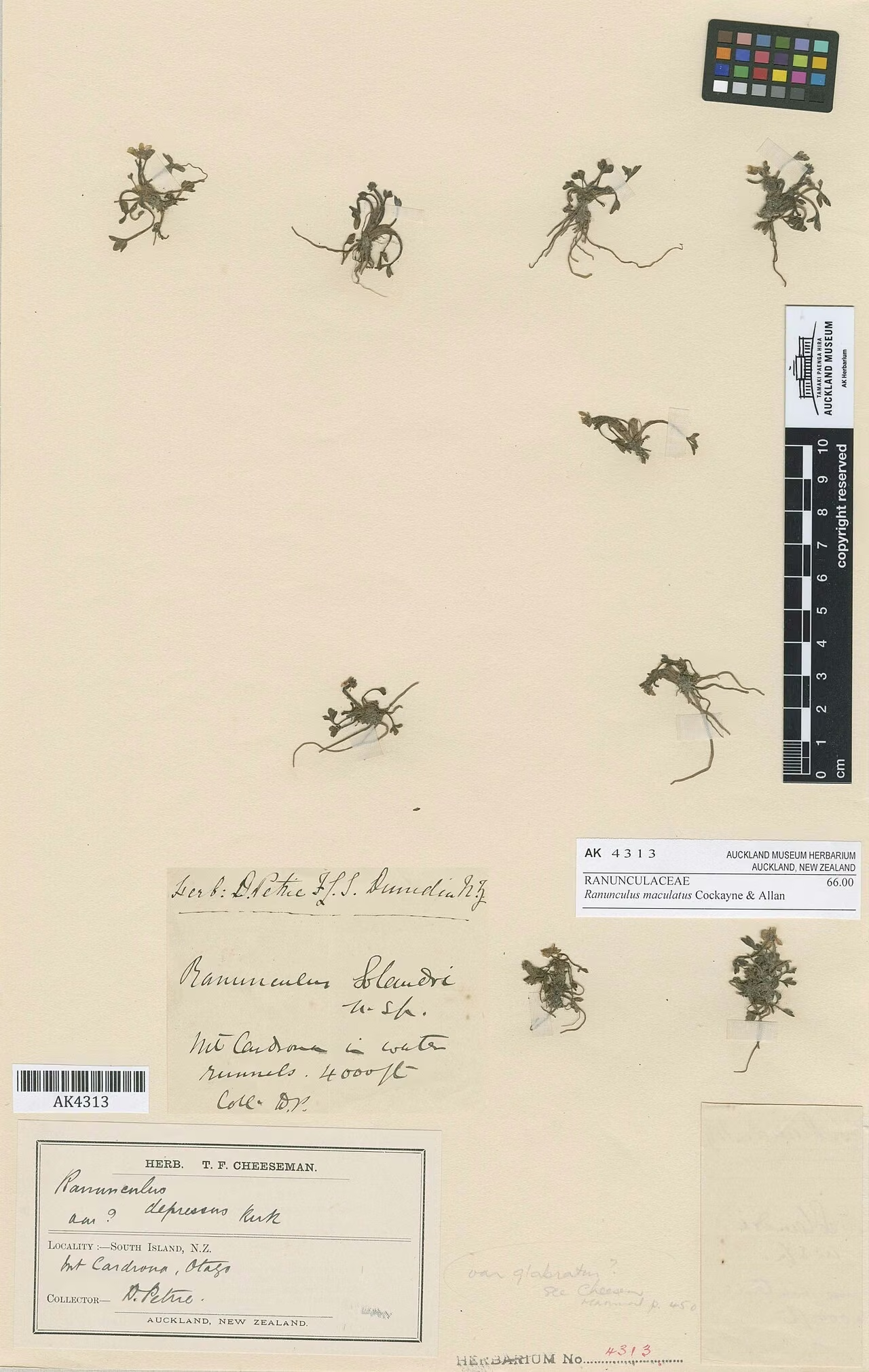
Ranunculus maculatus
Ranunculus maculatus
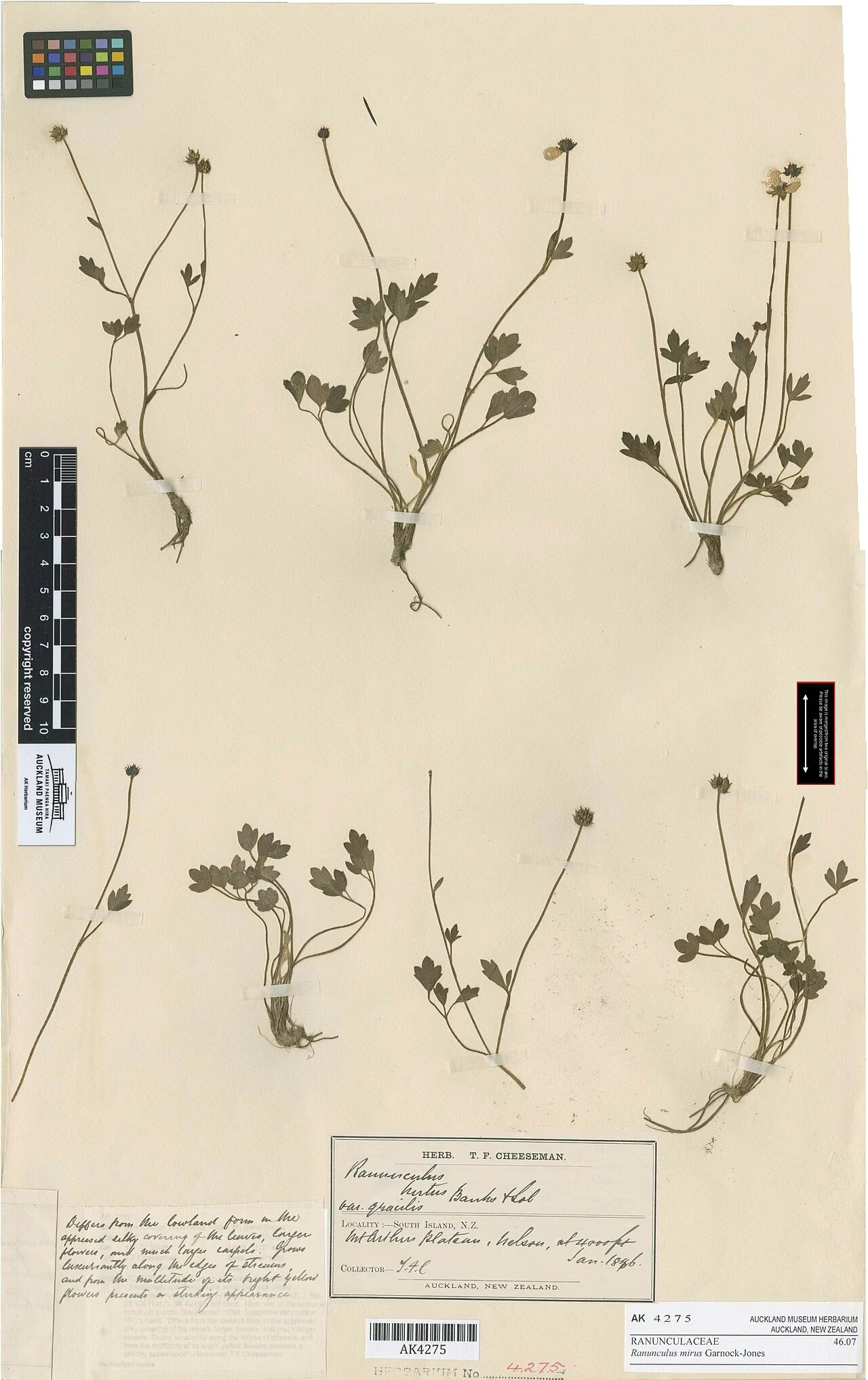
Ranunculus mirus
Ranunculus mirus
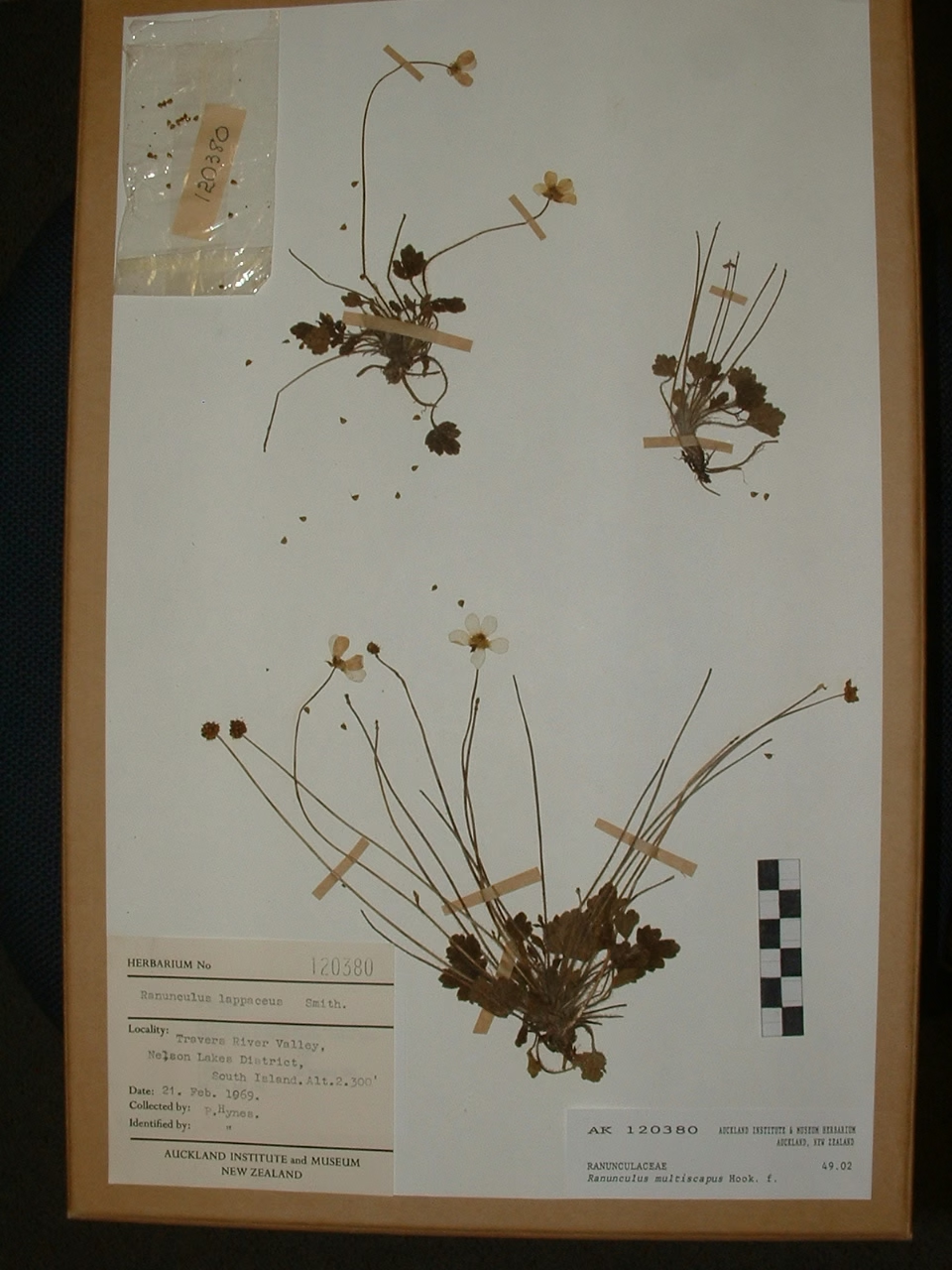
Grassland Buttercup
Ranunculus multiscapus
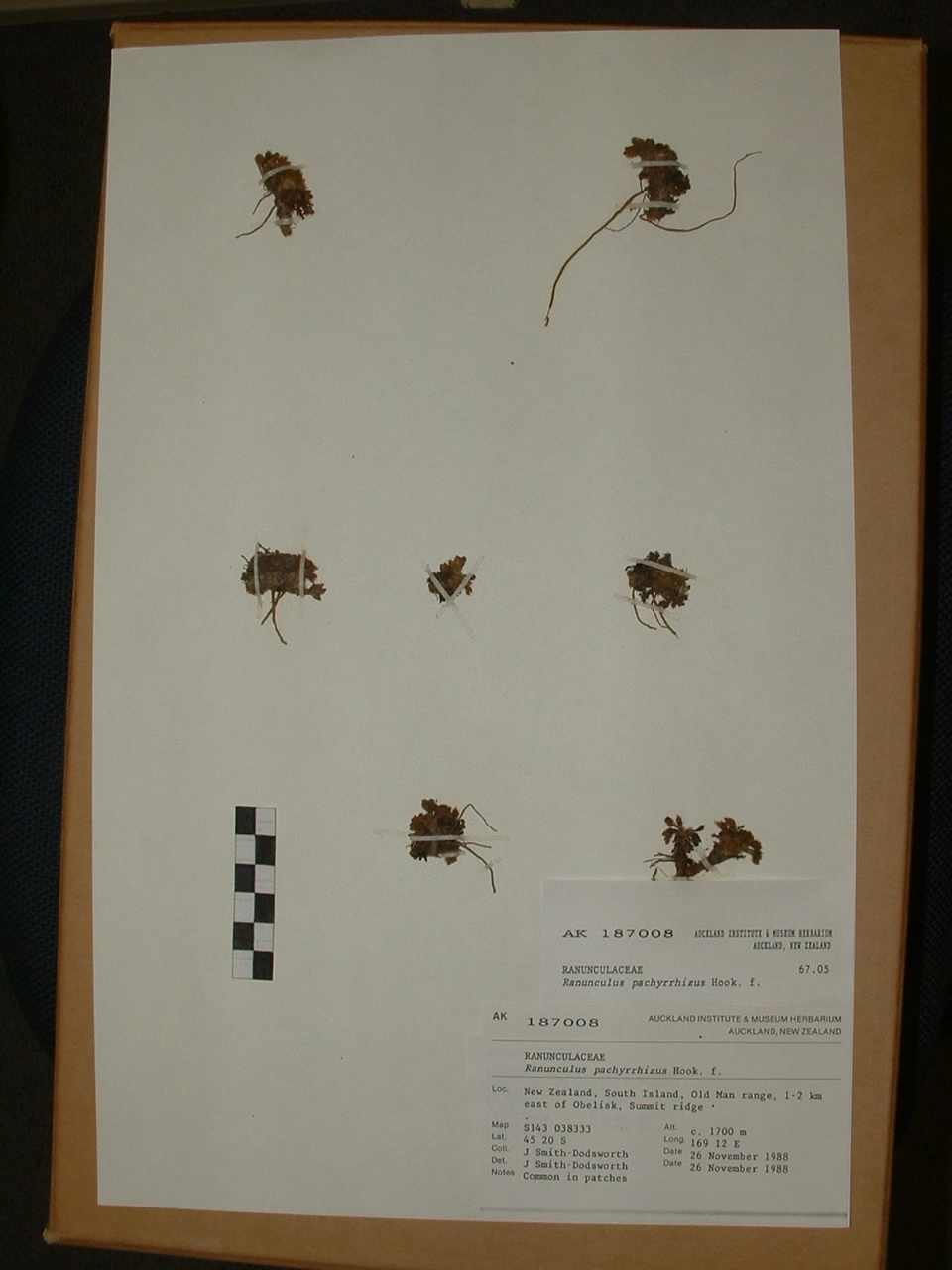
Ranunculus pachyrrhizus
Ranunculus pachyrrhizus
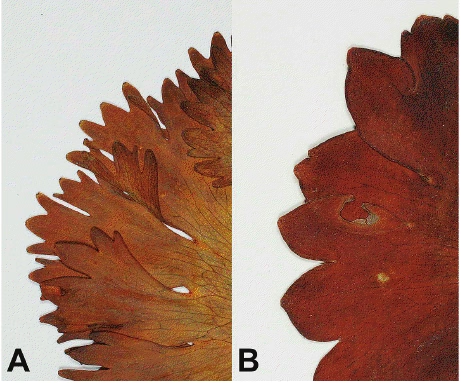
Ranunculus pilifer
Ranunculus pilifer
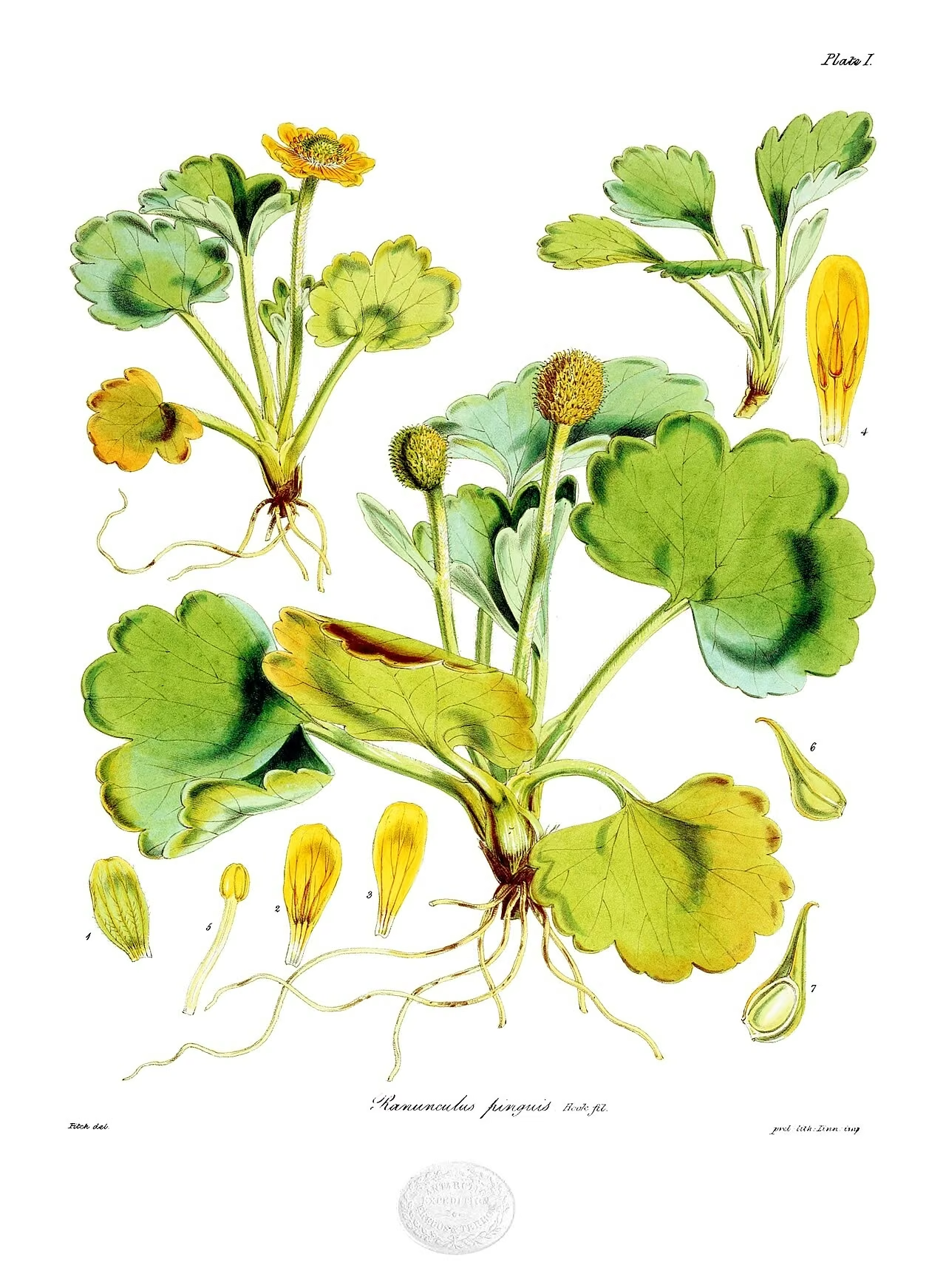
Ranunculus pinguis
Ranunculus pinguis
Ranunculus recens
Ranunculus recens
Plant Conservation
Ranunculus nivicola is ranked Not Threatened (NZTCS 2023) and has held that ranking since 2004. Most of its habitat lies within Egmont and Tongariro national parks and the Kaimanawa and Kaweka forest parks.
Local pressures include browsing animals, trampling near popular tracks and weeds such as heather on the Central Plateau, so staying on tracks and supporting pest control helps protect the mountain herbfields where it grows.
Frequently Asked Questions
Where does Ranunculus nivicola grow?
It is endemic to the North Island, on Mt Taranaki, the Central Volcanic Plateau (Ruapehu, Tongariro and Ngauruhoe), and the Kaimanawa, Kaweka and Raukumara ranges, mostly between about 1200 and 1850 m.
What does the name nivicola mean?
Nivicola means snow dweller, a reference to the snowy subalpine and alpine slopes of the North Island volcanoes where this buttercup grows.
When does the Mount Egmont buttercup flower?
The Flora of New Zealand gives flowering from September to November, with fruit ripening from November to January.
Is the Mount Egmont buttercup threatened?
No. It has been ranked Not Threatened in every national assessment since 2004, including the 2023 New Zealand Threat Classification System listing.
Sources and Further Reading
The botanical, growing, and conservation details for Mount Egmont Buttercup (Ranunculus nivicola) on this page draw on the New Zealand plant references below. Consult them for full technical records and the latest distribution data.