Haast's Buttercup
Ranunculus haastii
Last updated:
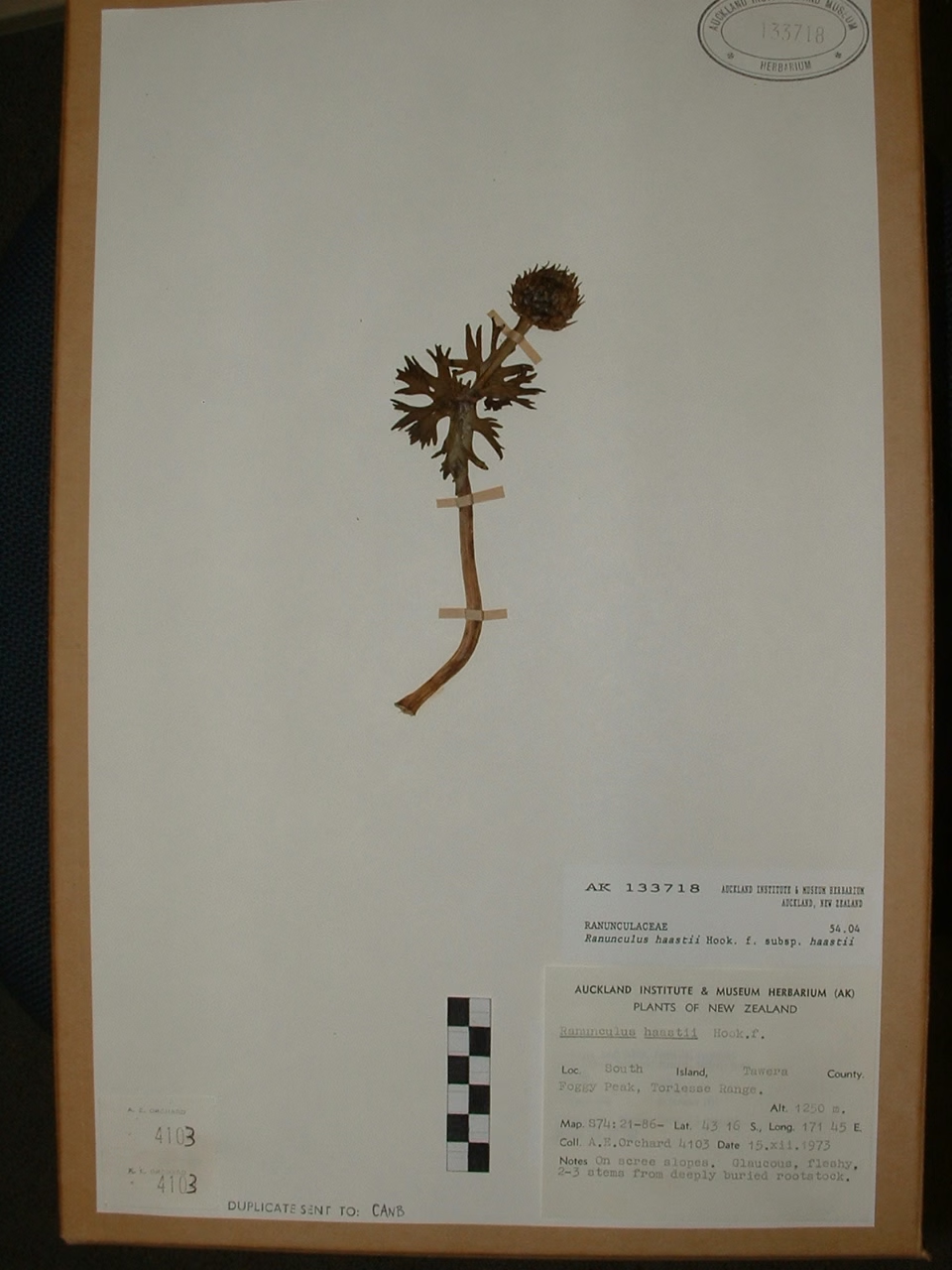
Haast's buttercup (Ranunculus haastii) is a stout, fleshy, blue-grey alpine buttercup endemic to the eastern South Island mountains, from southern Marlborough through Canterbury to the Ben Ohau Range. It grows 5 to 15 cm tall on loose, fine-grained shingle screes, anchored by a long fleshy rhizome and deep roots that let it survive on moving stone. From September to December it bears glossy yellow flowers 2 to 5 cm across with 10 to 16 narrow petals. It is ranked At Risk - Declining and is one of the signature plants of Canterbury's greywacke screes. Explore more native flowering plants in our native plant guide.
Plant Description
Ranunculus haastii is a stout, fleshy, glaucous herb that dies back to its rhizome each winter. All parts are thick and leathery and almost entirely hairless, except for fine hairs on the margins of the leaf sheaths. The rhizome is 150 to 200 mm long and 10 to 20 mm thick, often branched and scarred by old leaf bases, and it oozes a sticky, milky latex when broken. Stout roots run 500 to 800 mm deep before branching.
The leaves are round to kidney-shaped, blue-grey and deeply incised, each segment divided again into five to seven lobes. One to five flowers are carried per stem, each 2 to 5 cm across with 10 to 16 narrow, wedge-shaped yellow petals. The achenes are hairless, 4 to 5.5 mm long, dull pale to dark brown tinted orange and purple-brown, with a curved beak about as long as the body.
NZPCN distinguishes it by the combination of mobile scree habitat, glaucous hairless deeply incised leaves with fine hairs only on the sheaths, and segments divided into five to seven lobes. Graham's buttercup (R. grahamii) of Aoraki/Mount Cook grows in rock crevices instead and has less divided leaves, while the scree buttercups of Otago and Southland formerly lumped with R. haastii are now treated as separate species.
Quick Facts
| Scientific Name | Ranunculus haastii |
|---|---|
| Height | 0.05-0.15 m |
| Spread | 0.1-0.2 m |
| Water Needs | Moist subsurface scree with fast surface drainage |
| Light | Full sun |
| Frost Tolerance | Very high; high-alpine species |
| Salt Tolerance | None recorded; an inland alpine plant |
| Growth Rate | Slow |
| Lifespan | Long-lived perennial (summer-green) |
Climate Best Suited to
It suits a cold, continental mountain climate east of the main divide: dry, sunny summers, hard frosts and winter snow. Humid lowland gardens are unsuitable.
Regional Suitability
| City | Climate Suitability |
|---|---|
| Auckland | Low |
| Wellington | Low |
| Christchurch | Low |
| Dunedin | Low |
Plant Habitat
Haast's buttercup is endemic to the eastern side of the South Island's main divide, from southern Marlborough south through Canterbury to the Ben Ohau Range near Twizel.
It is a high-alpine specialist of fine-grained shingle slides and greywacke screes, where the surface stones are constantly on the move. The plant's deep rhizome and roots lie in the cooler, damper fines beneath the surface, a habitat that only a small group of specialised plants can occupy.
Growing Requirements
Soil Requirements
It grows in loose, fine-grained shingle with a moist, stable layer of finer material below the surface stones.
- Mobile greywacke scree with no topsoil
- Deep, cool, moist fines for the long roots
- Very low fertility and perfect drainage
Light Requirements
Screes are fully open, sunny and exposed to wind and strong alpine UV.
- Full sun
- The glaucous leaf coating helps reduce water loss in bright, drying conditions
Water Requirements
Surface stones dry quickly, but snowmelt and rain percolate down to keep the deeper layers damp through spring and early summer.
- Deep, steady moisture at root level
- No standing water around the crown
Planting and Establishing
Haast's buttercup should not be dug from the wild; its deep roots make transplanting fatal in practice, and NZPCN advises against removal. It is not available commercially.
Specialist alpine growers who obtain legitimately sourced seed generally use very deep pots or scree beds of coarse grit to accommodate the long roots, and keep plants cool and dry over winter.
Ecological Role
Its large, glossy flowers appear from September to December, early in the alpine season, and offer nectar to the flies, native bees and other insects active on the screes. Achenes ripen from November to January and fall onto the scree, where movement of stones helps bury them.
As a pioneer of unstable ground, it is part of a small and highly specialised scree community. The reasons for its decline are not spelled out in the fact sheet, but any loss of this specialist reduces the already sparse plant cover on these screes.
Uses & Significance
Garden Uses
It has no realistic garden use outside specialist alpine collections in cold climates.
- Scree bed or alpine house for experienced growers only
- Better enjoyed on alpine walks in the eastern South Island ranges in late spring
Ecological Value
It is one of a handful of flowering plants able to colonise mobile scree, a habitat few others can use.
- Early-season nectar for alpine insects
- Its roots help bind loose scree fines
- A characteristic species of eastern South Island scree communities
Landscaping Uses
There is no landscaping role for this species. In a cold, dry-summer climate a specialist could attempt a deep scree bed of angular grit over a moist sand layer to imitate its habitat, but success is not assured.
For a buttercup effect in gardens, adaptable lowland species are more realistic, and Haast's buttercup is better left as a reason to visit the Canterbury mountains in late spring.
Seasonal Care Calendar
Spring
Fleshy blue-grey leaves push up through the scree as snow melts, and flowering begins in September.
- Peak flowering October to December
- Avoid walking across scree where plants are growing
Summer
Achenes ripen between November and January as the leaves reach full size.
- Seed falls onto the scree around the parent
- Plants are most visible in early summer
Autumn
The summer-green leaves wither and the plant retreats to its rhizome deep in the scree.
- No visible growth late in the season
- Cultivated plants should be kept on the dry side
Winter
Dormant under snow or frozen scree, protected by the depth of its rhizome.
- No action needed
- Protect cultivated plants from winter wet
When to Prune and How Much
No pruning is needed. The leaves die back naturally each autumn and the plant re-grows from its buried rhizome.
In cultivation, remove withered leaves once fully dead to reduce the chance of fungal rot around the crown.
How to Grow Haast's Buttercup
NZPCN describes Haast's buttercup as difficult to propagate and states that it should not be removed from the wild. There is no published nursery protocol, and the following notes outline the general approach that specialist growers use for large scree buttercups, adapted to this species' biology. Its deep root system is the biggest challenge: seedlings resent root disturbance and soon need very deep containers. Any seed collection on public conservation land needs authorisation from the Department of Conservation, and only a small share of a population's seed should ever be taken.
From Seed
Fruit ripens from November to January. Alpine buttercup seed generally germinates more reliably when sown fresh and given a cold, moist period, which imitates winter under snow.
- Collect ripe achenes from legally held plants or under permit
- Sow fresh in deep pots of coarse grit and a little fine bark
- Leave the pots outside over winter to receive natural cold
- Keep cool and bright once seedlings appear in spring
- Move seedlings to long tubes early, before the taproot lengthens
By Division of the Rhizome
Established cultivated plants with branched rhizomes can sometimes be split, but the fleshy tissue bleeds latex and rots easily, so this is a last resort.
- Lift a cultivated plant when growth starts in spring
- Cut a rhizome branch with its own leaves and roots
- Let the cut dry before replanting in pure grit
- Water sparingly until new growth shows
Pests & Diseases
The NZPCN fact sheet does not list specific threats in the wild, although browsing by introduced mammals is a general pressure on alpine herbs in the eastern ranges. The species has been assessed as declining in every threat listing since 2009.
In cultivation, slugs and snails readily damage the fleshy leaves, and warm, humid conditions lead to powdery mildew and rhizome rot.
Cultural Significance
No Māori name or traditional Māori use is recorded for Ranunculus haastii in the sources consulted.
The species honours Sir Julius von Haast (1822-1887), the German-born geologist and explorer who surveyed much of Canterbury's high country and founded the Canterbury Museum. The species was described by Joseph Dalton Hooker, and it remains one of the best-known plants of the Canterbury screes.
Bonus Tip
When photographing Haast's buttercup on scree, keep to the edges or to established routes and avoid sliding through the scree itself. A single boot-slide can bury or snap the fleshy rhizome, and the plant's milky latex is a sign that tissue has been damaged.
Related Plants
Explore other native plants that share similar characteristics or habitats with Haast's Buttercup (Ranunculus haastii), offering further insights into New Zealand's diverse flora. These related species provide context and opportunities for complementary planting in your garden.
Ranunculus enysii
Ranunculus enysii
Yellow Alpine Buttercup
Ranunculus godleyanus
Ranunculus gracilipes
Ranunculus gracilipes
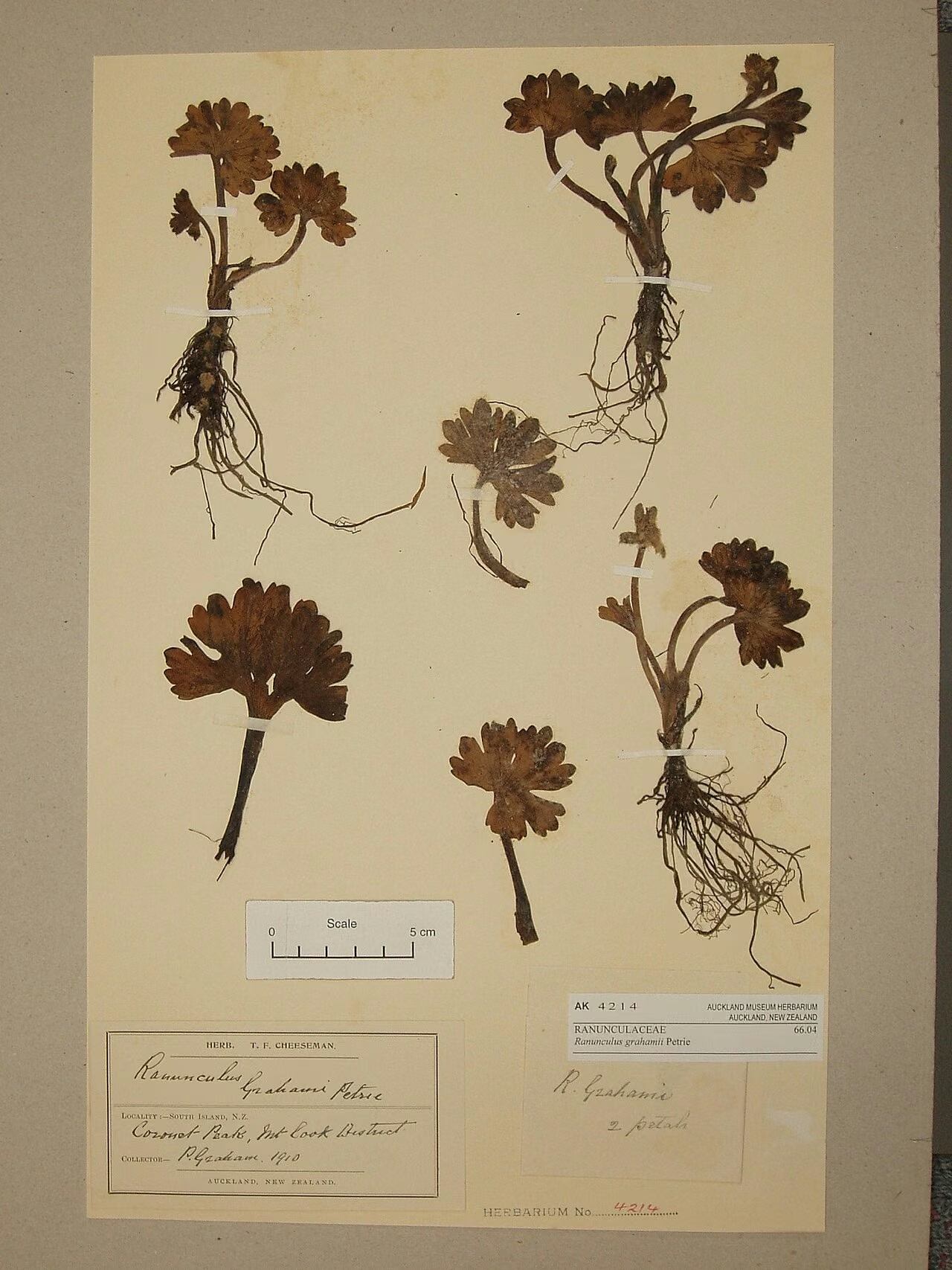
Graham's Buttercup
Ranunculus grahamii
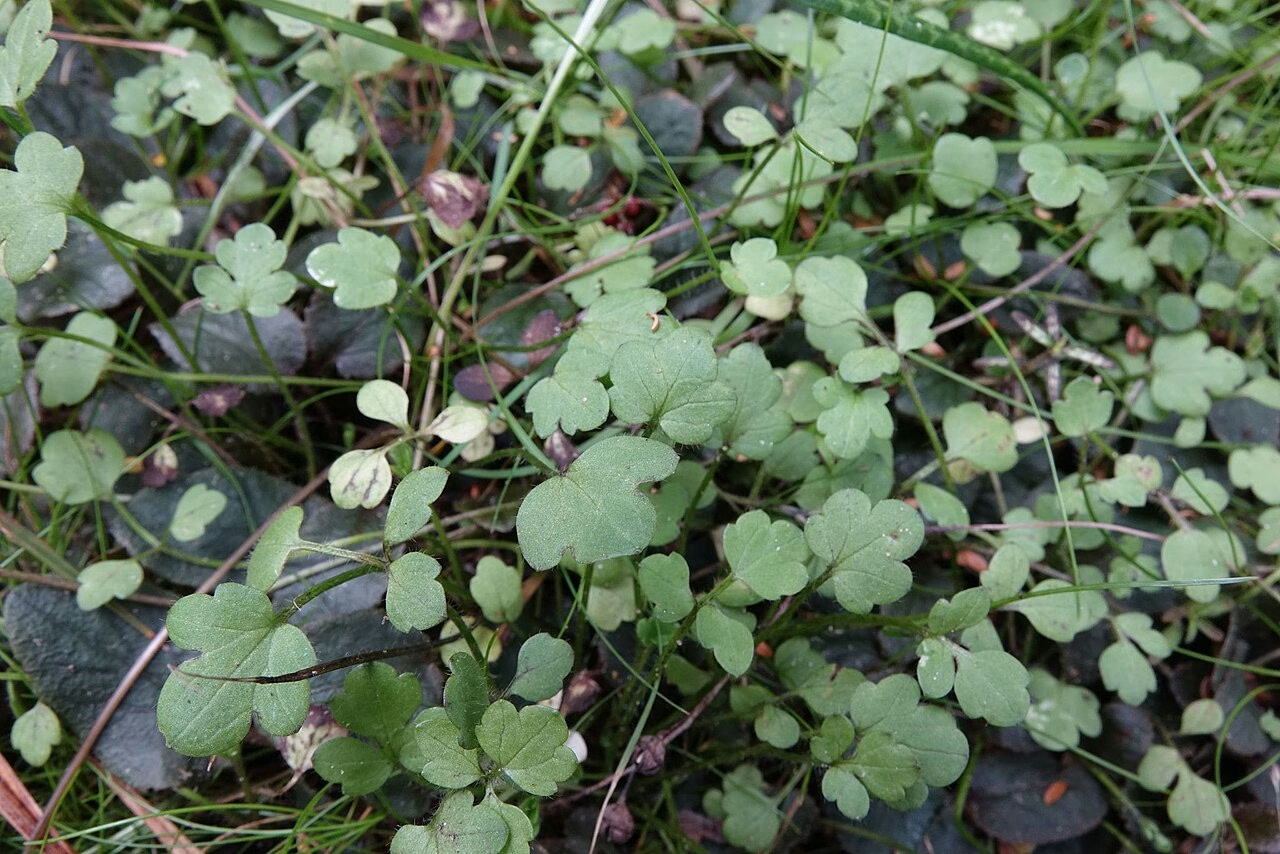
Ranunculus kirkii
Ranunculus kirkii
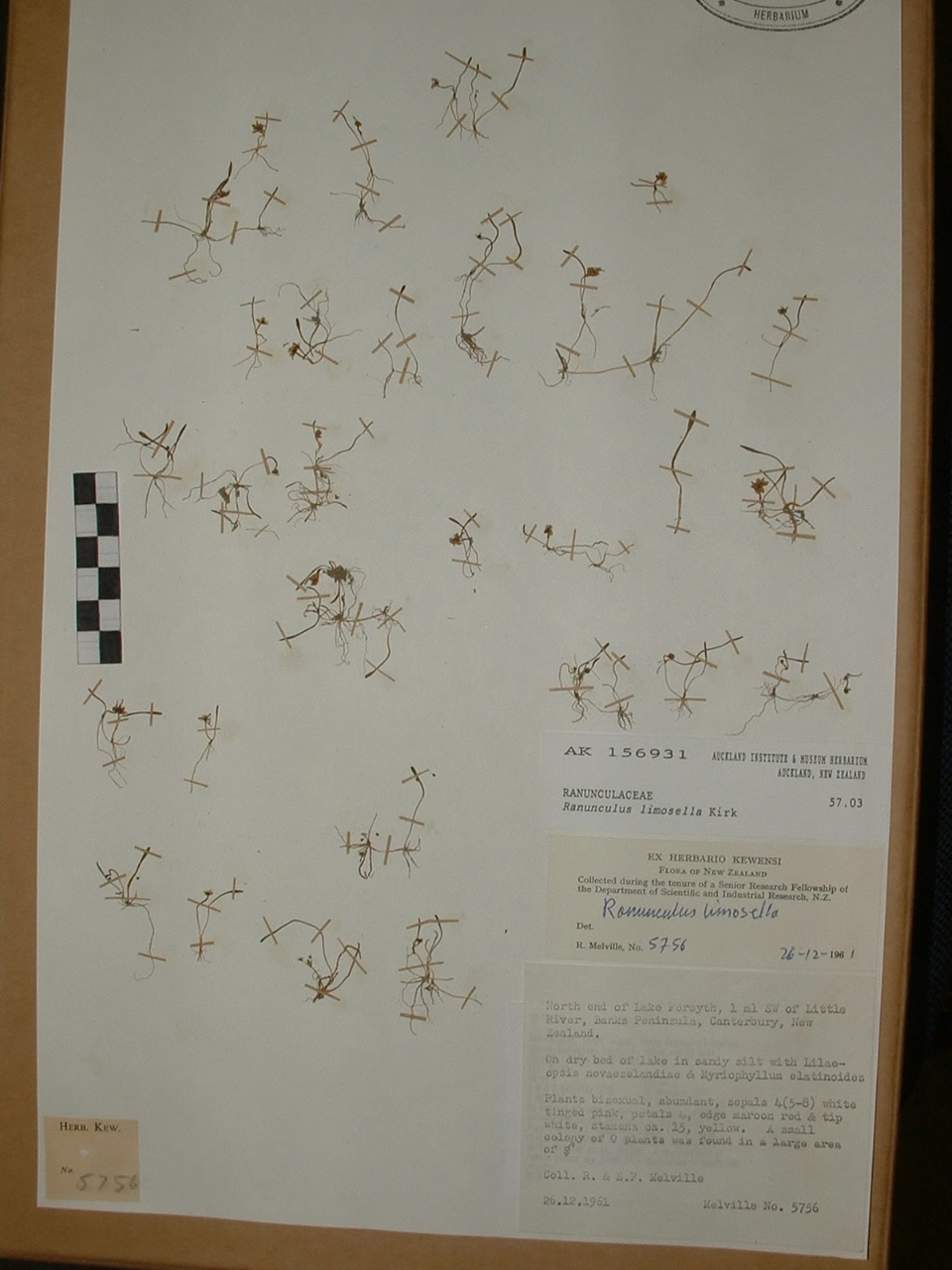
Mud Buttercup
Ranunculus limosella
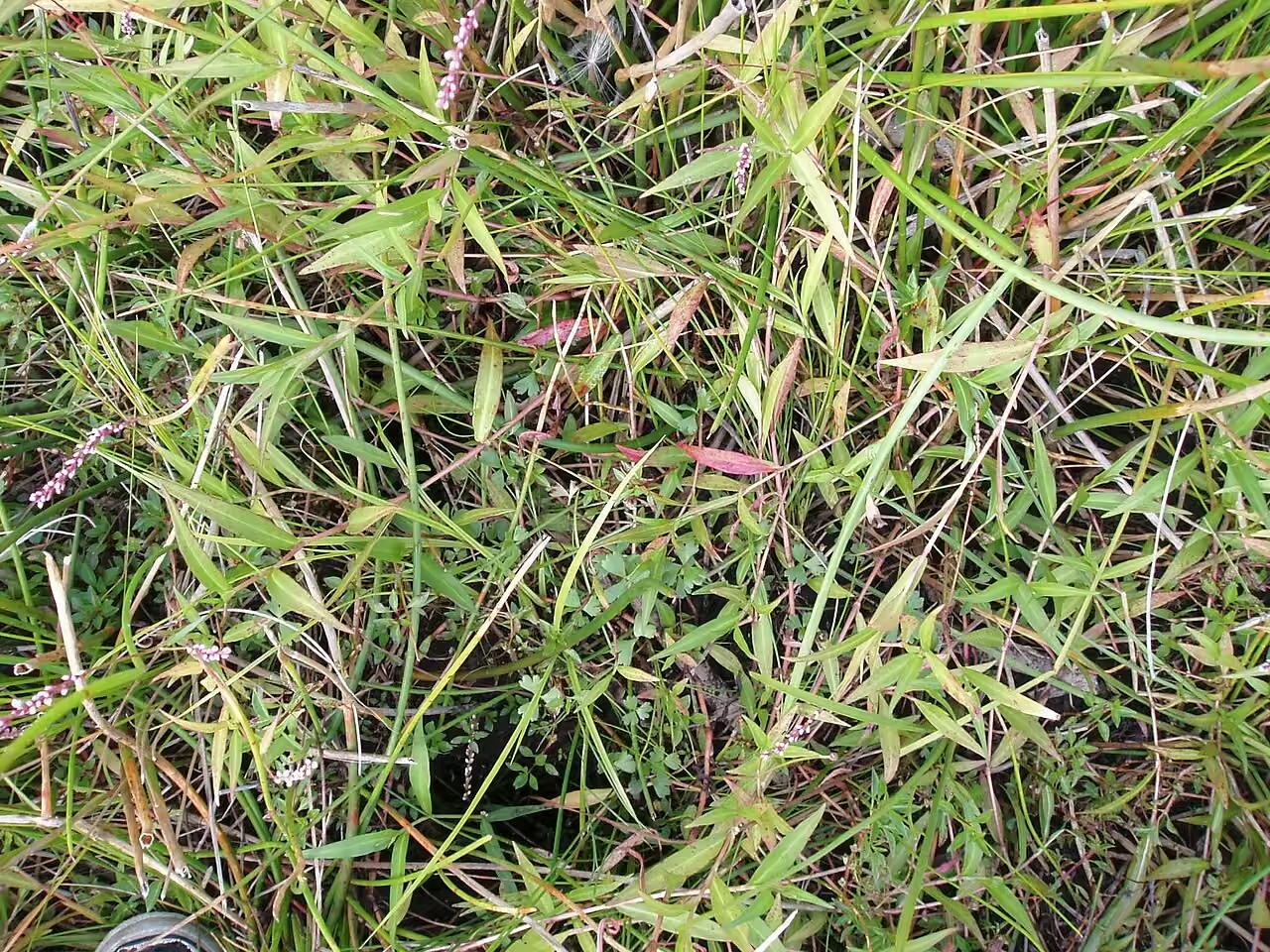
Swamp Buttercup
Ranunculus macropus
Ranunculus maculatus
Ranunculus maculatus
Plant Conservation
Ranunculus haastii is ranked At Risk - Declining in the 2023 New Zealand Threat Classification, with qualifiers indicating data-poor information on population size and trend. It was considered Not Threatened in 2004 but has been listed as declining in every assessment since.
Control of browsing animals across eastern South Island ranges and reducing trampling of popular screes would help. Recording sightings on iNaturalist NZ improves knowledge of where healthy populations remain.
Frequently Asked Questions
Where can you see Haast's buttercup?
On high-alpine shingle screes east of the main divide in the South Island, from southern Marlborough through the Canterbury ranges to the Ben Ohau Range.
How does Ranunculus haastii survive on moving scree?
It has a fleshy rhizome 15 to 20 cm long and stout roots up to 80 cm long that reach the moist, stable layer beneath the loose surface stones, while the leaves die back each winter.
Does Haast's buttercup have milky sap?
Yes. NZPCN notes that the rhizome oozes a sticky, milky latex when damaged, an unusual feature among New Zealand alpine buttercups.
Can I grow Haast's buttercup at home?
NZPCN rates it as difficult to propagate and advises that it should not be removed from the wild. It is not available from nurseries.
Sources and Further Reading
The botanical, growing, and conservation details for Haast's Buttercup (Ranunculus haastii) on this page draw on the New Zealand plant references below. Consult them for full technical records and the latest distribution data.