Pomaderris
Pomaderris edgerleyi
Last updated:
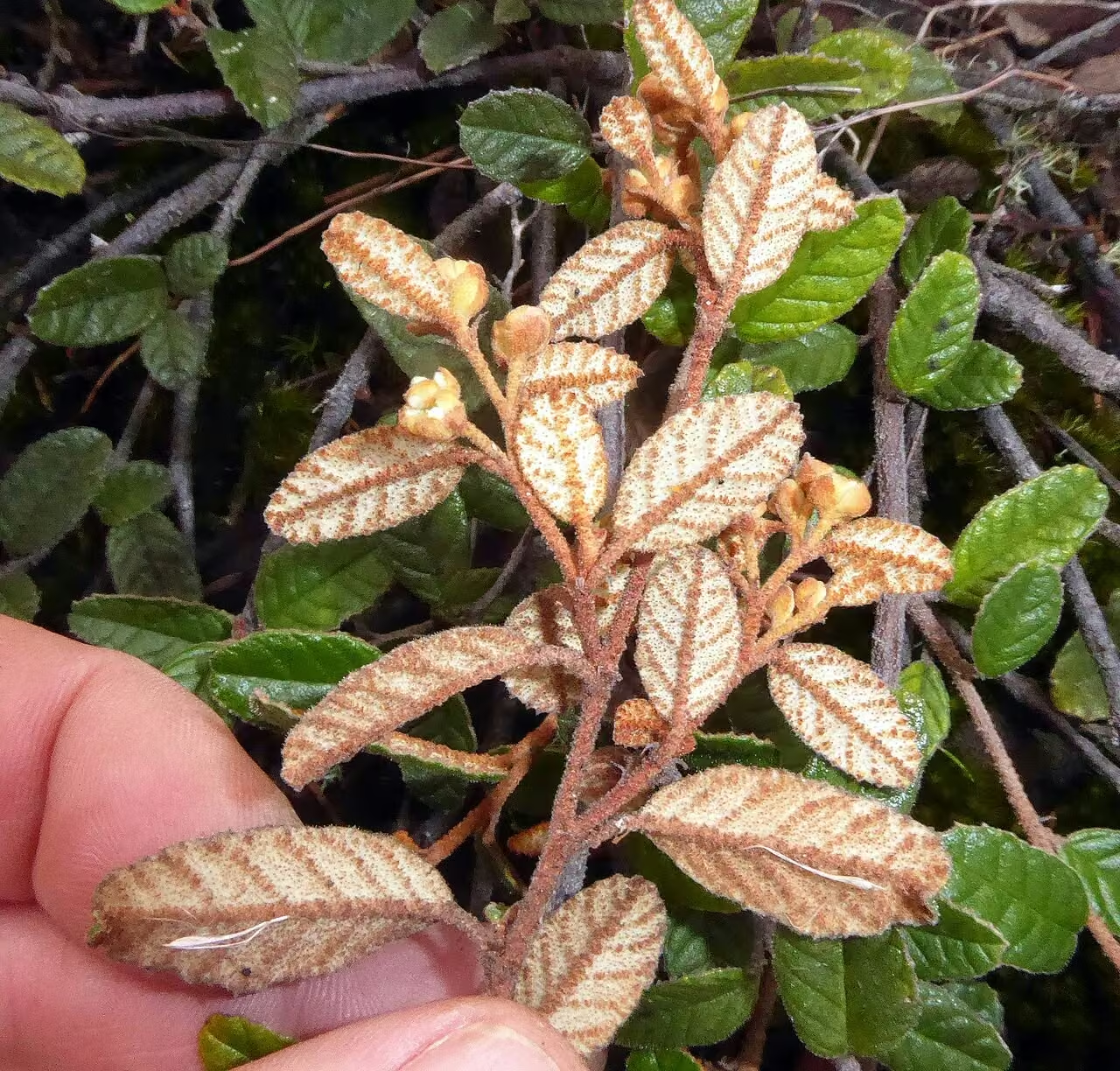
Pomaderris edgerleyi is a low-growing or straggling shrub rarely more than 1 m tall, endemic to Northland from Te Paki south to about Dargaville. Its branchlets are clothed in tiny rusty-brown hairs that contrast with dark green, wrinkled, leathery leaves 15-25 mm long, which are white-felted beneath. Compact clusters of small cream to pale yellow flowers appear in October. It grows on open ground in impoverished soils, especially low scrub on clay gumland and on cliffs, often creeping over rock and soil. It is ranked At Risk - Declining. Explore more native shrubs in our native plant guide.
Plant Description
Pomaderris edgerleyi is a low-growing or straggling shrub, rarely reaching 1 m and often creeping close to the ground over rock and soil. The branchlets are covered in tiny rusty-brown hairs.
The leaves tend to lie in one plane and are broad-elliptic to elliptic-oblong, 15-25 mm long (occasionally 30 mm) and 7-10 mm wide, on stalks 3-5 mm long. The upper surface is dark green, wrinkled with sunken veins and rough with stiff hairs; the underside has a close white cover of star-shaped hairs with rusty hairs on the raised veins. Margins are slightly toothed and not rolled under.
Flowers are pale cream to yellowish, about 3-4 mm across, without petals, and clustered in compact, short-stalked rounded heads in the leaf axils or at branch tips. They appear in October, followed by small dry capsules about 3 mm long from November to January. Its broad, flat, wrinkled leaves separate it from tauhinu (Pomaderris amoena), which has tiny rolled leaves, and its low habit and small leaves separate it from the larger kūmarahou (Pomaderris kumeraho).
Quick Facts
| Scientific Name | Pomaderris edgerleyi |
|---|---|
| Height | Low-growing; rarely to 1 m |
| Spread | About 1 m; nearly prostrate on exposed sites |
| Water Needs | Low; drought tolerant once established |
| Light | Full sun |
| Frost Tolerance | Light frosts only; a far northern species |
| Salt Tolerance | Good; grows on coastal cliffs |
| Growth Rate | Moderate |
| Lifespan | Perennial |
Climate Best Suited to
It suits the warm, mild, frost-light climate of Northland, including exposed coastal sites with wind and salt spray.
Regional Suitability
| City | Climate Suitability |
|---|---|
| Auckland | High |
| Wellington | Low |
| Christchurch | Low |
| Dunedin | Low |
Plant Habitat
Pomaderris edgerleyi is endemic to the North Island, ranging from Te Paki in the far north south to about Dargaville and the northern head of the Kaipara Harbour. It is ranked Regionally Vulnerable in Northland.
It grows on open ground with impoverished soils, typically in low scrub on clay gumland and on cliffs, where it may sprawl across rock surfaces.
Growing Requirements
Soil Requirements
It thrives in nutrient-poor, well-drained soils, including gumland clays.
- Low-fertility clay or gravelly soil
- Good drainage
- No fertiliser
Light Requirements
A plant of open, sunny, exposed sites.
- Full sun
- Exposed banks and slopes
Water Requirements
Tolerant of drought once established, and intolerant of waterlogging.
- Water only while establishing
- Avoid poorly drained sites
Planting and Establishing
Plant in a sunny, open position with poor, free-draining soil, such as a dry bank, rockery or coastal garden. It is useful in difficult spots where other plants struggle.
Avoid enriching the soil, and keep taller plants from shading it out. In cooler districts south of Auckland it may need a warm, sheltered spot.
Ecological Role
Pomaderris edgerleyi belongs to the distinctive gumland and coastal cliff flora of Northland, where low-nutrient soils favour small-leaved shrubs. Its open, low habit means it needs habitat that stays open rather than closing over with taller scrub.
Its small flowers are visited by insects such as bees. No detailed studies of its pollinators, seed dispersal or associated insects were found in the sources consulted.
Uses & Significance
Garden Uses
A low, spreading shrub or ground cover for dry, sunny, poor-soil sites in the north.
- Ground cover on dry banks
- Coastal and rock gardens
- Gumland restoration plantings
Ecological Value
It is part of Northland's threatened gumland shrubland communities.
- Endemic to a small part of Northland
- Flowers support insects
- Covers bare, infertile ground
Landscaping Uses
The rusty-haired stems and dark, wrinkled leaves give a textured look that works well spilling over rocks or down a bank. On exposed sites it stays almost flat.
Combine it with other Northland gumland plants such as mānuka and tauhinu to create a low, naturalistic scrub planting.
Seasonal Care Calendar
Spring
Small cream flowers appear in October.
- Enjoy flowering
- Check new plantings are not shaded
Summer
Small dry capsules ripen from November to January.
- Collect ripe seed
- Water young plants in prolonged drought
Autumn
Growth slows; a good time to plant in the north.
- Plant new shrubs
- Take cuttings
Winter
Plants are largely dormant.
- Keep drainage clear
- Protect from frost outside Northland
When to Prune and How Much
Little pruning is required. A light trim after fruiting can tidy straggly stems and keep the plant dense.
Avoid hard pruning into old wood, which may not reshoot well.
How to Grow Pomaderris
Pomaderris edgerleyi is occasionally sold by specialist native plant nurseries. NZPCN gives no propagation details, but a nursery that grows it reports that seed germinates readily without pretreatment and that cuttings also strike successfully. Because the species is At Risk - Declining, seed or cuttings should come from cultivated plants or be collected from the wild only with permission, ideally as part of a local restoration project so the material is eco-sourced from Northland. Once plants are rooted or germinated, grow them on in a sunny, airy spot in a low-fertility mix, and plant them out while young into a hot, open site with poor, free-draining soil, as they establish best before the roots fill the pot.
From Seed
Capsules ripen from November to January. Seed can be sown directly without pretreatment and kept moist until germination is complete.
- Collect ripe capsules in early summer
- Sow seed on a free-draining, low-fertility seed mix
- Cover lightly and keep evenly moist
- Prick out seedlings into small pots once large enough to handle
From Cuttings
Cuttings are a reliable way to multiply a good plant. Semi-hardwood material from current growth is the usual choice for Pomaderris.
- Take semi-hardwood cuttings in late summer or autumn
- Remove the lower leaves
- Insert into a free-draining propagating mix
- Keep humid and lightly shaded until rooted
- Pot on into a low-nutrient mix and harden off in full sun
Pests & Diseases
No specific pests or diseases of Pomaderris edgerleyi are documented in the sources consulted. In gardens, rich or wet soil and shading are the most likely causes of failure.
In the wild its decline is linked to loss and fragmentation of its gumland and scrub habitat; weeds that invade open gumland are a likely additional pressure.
Cultural Significance
No Māori name or traditional Māori use is recorded for this species in the sources consulted.
It was named by Joseph Hooker after John Edgerley (1814-1849), a plant collector and gardener who spent time in New Zealand and Australia and settled in Auckland. It was later treated as a variety of Pomaderris prunifolia before being restored as a species.
Bonus Tip
Use Pomaderris edgerleyi as a living ground cover on a hot, dry, clay bank in Northland or Auckland: it tolerates poor soil, wind and salt, and on exposed sites it hugs the ground.
Related Plants
Explore other native plants that share similar characteristics or habitats with Pomaderris (Pomaderris edgerleyi), offering further insights into New Zealand's diverse flora. These related species provide context and opportunities for complementary planting in your garden.
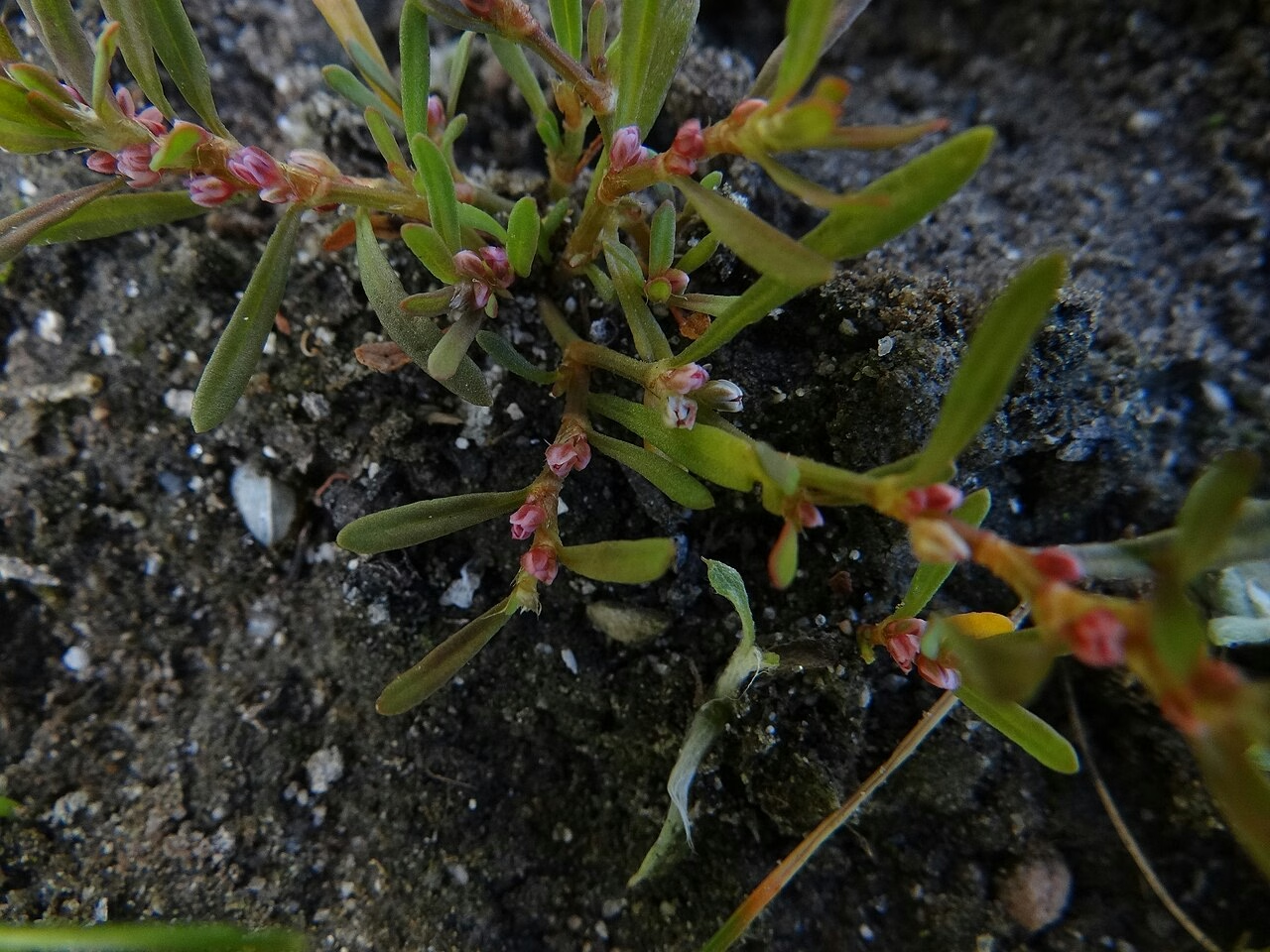
Small Knotweed
Polygonum plebeium
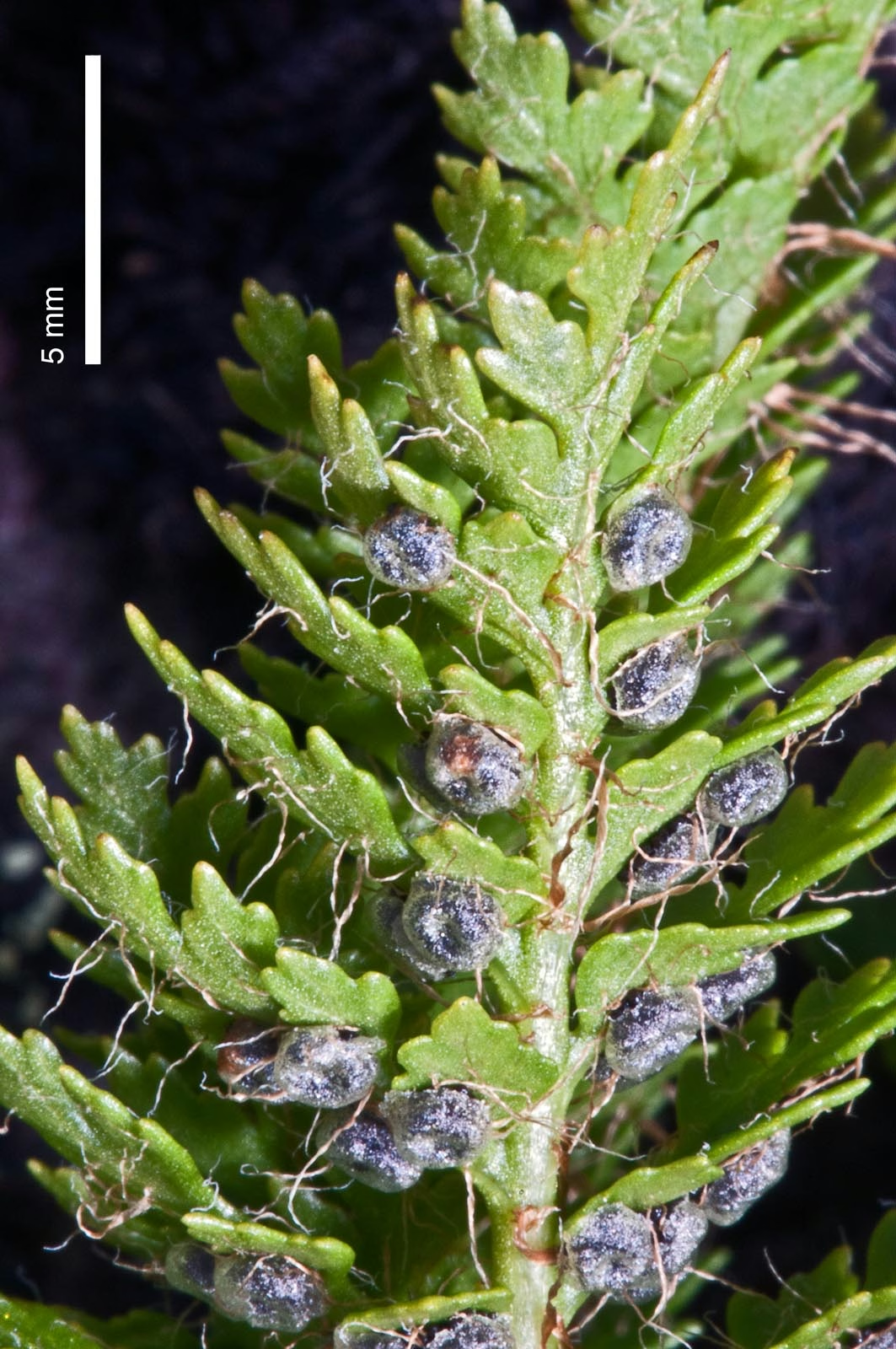
Alpine Shield Fern
Polystichum cystostegia
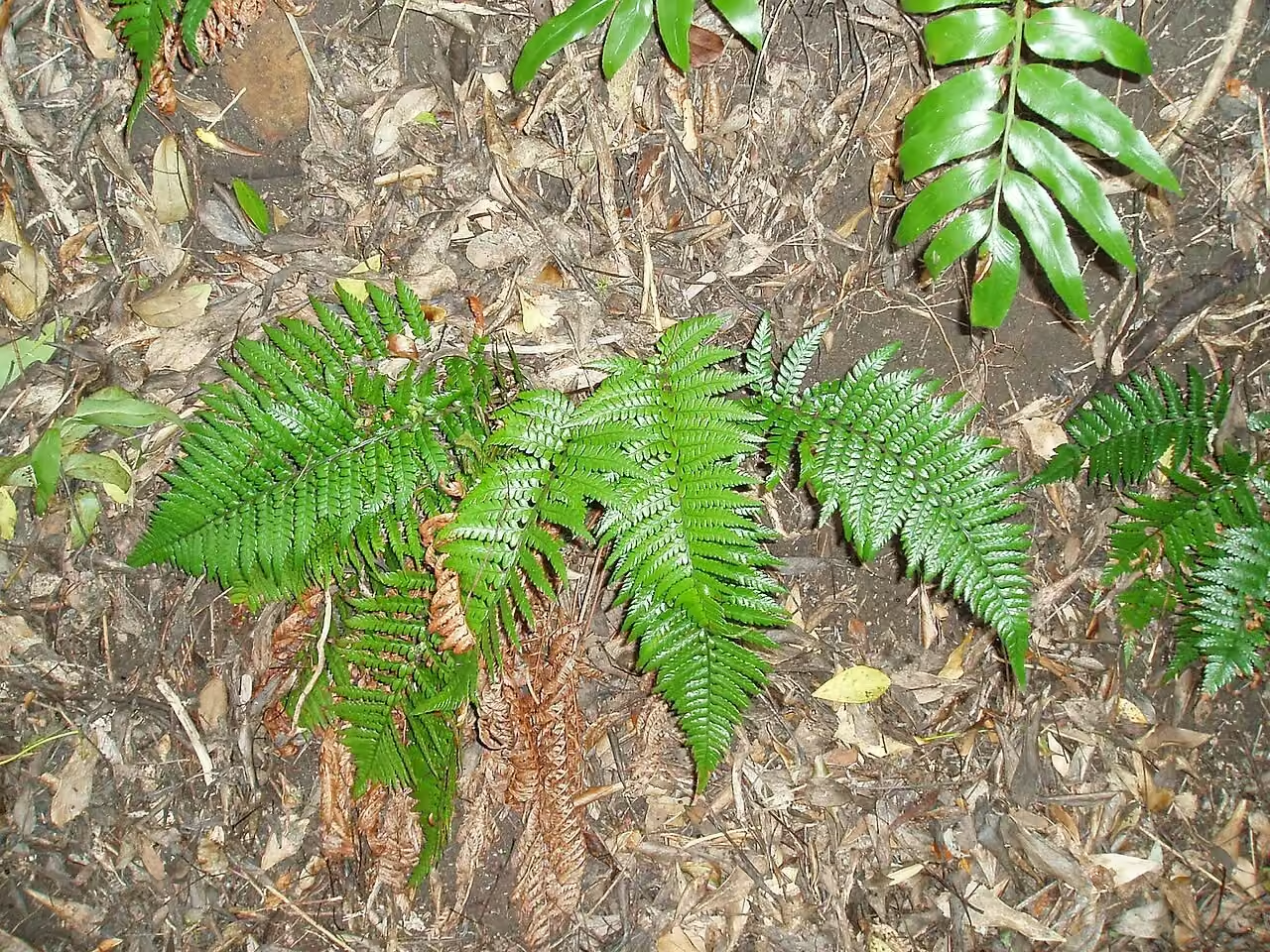
Polystichum wawranum
Polystichum wawranum
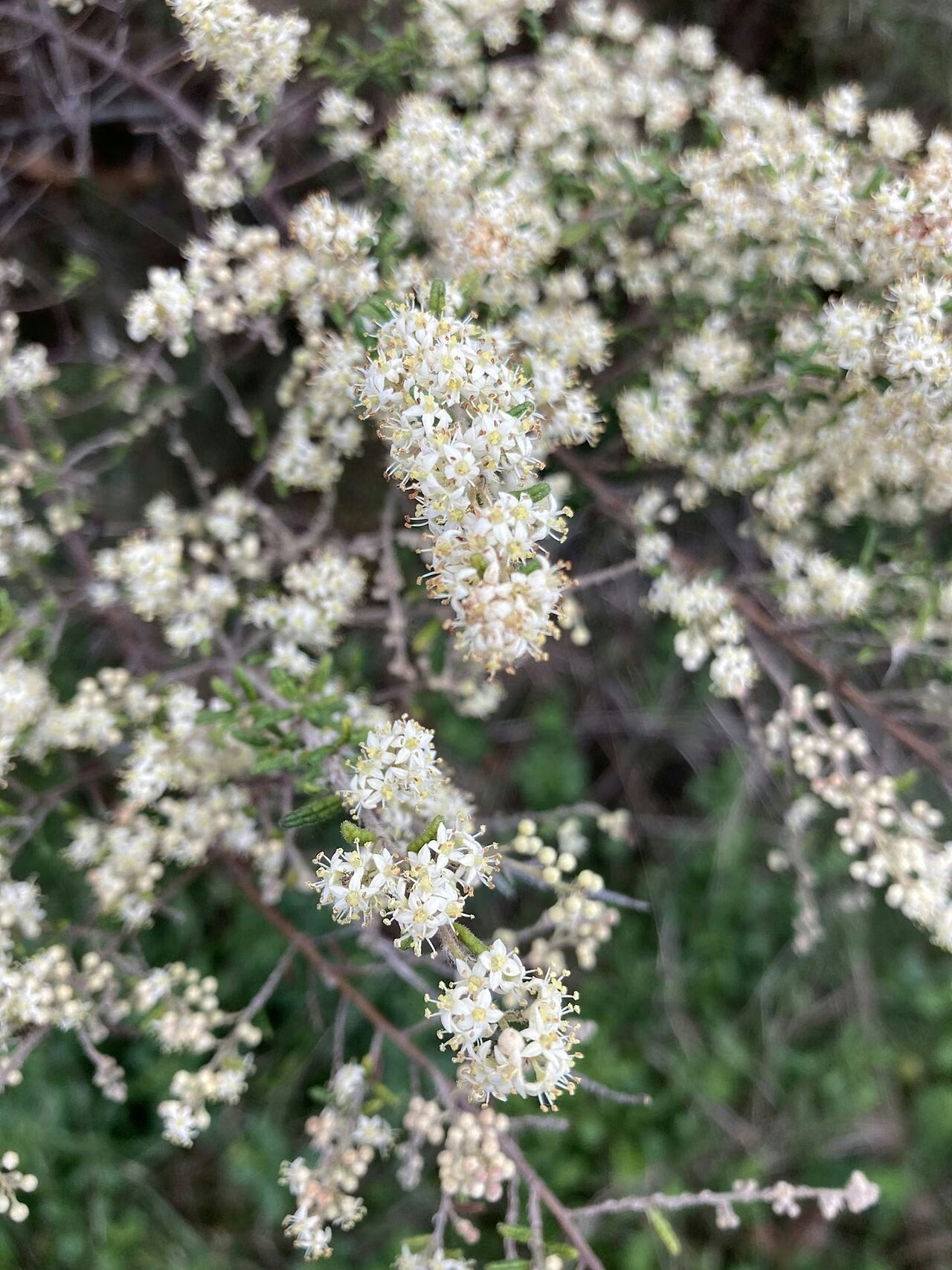
Pomaderris amoena
Pomaderris amoena
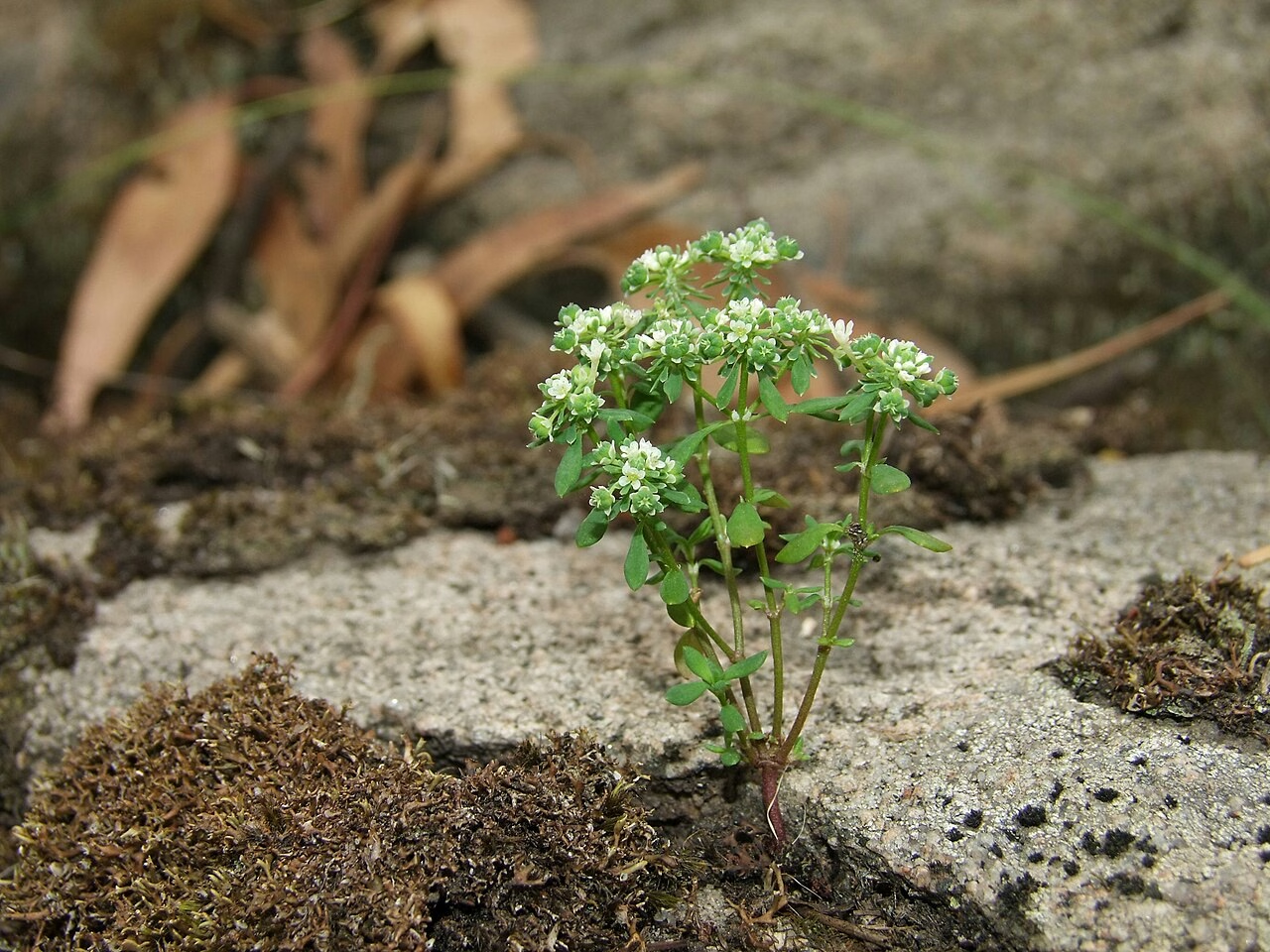
Small Poranthera
Poranthera microphylla
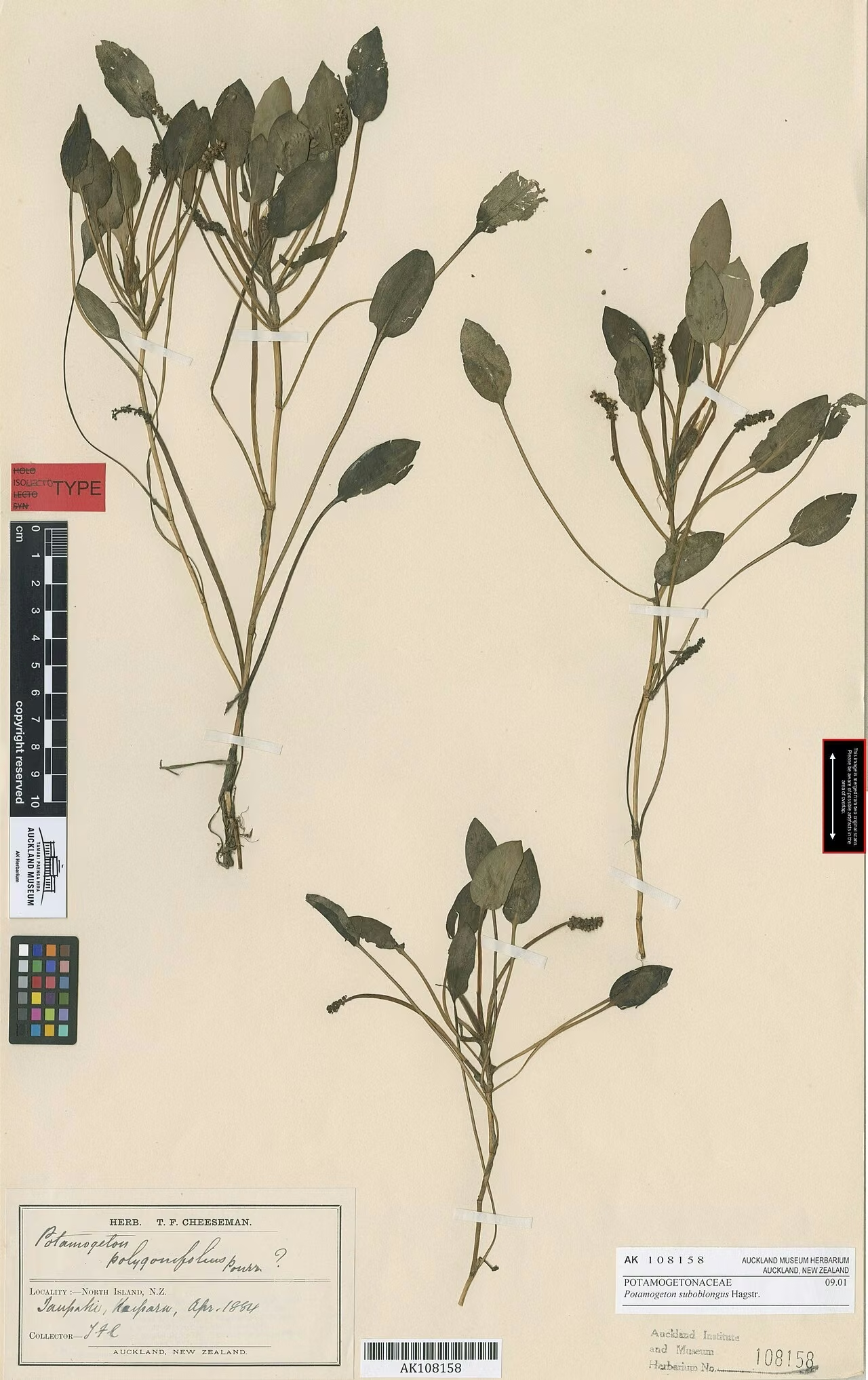
Mud Pondweed
Potamogeton suboblongus
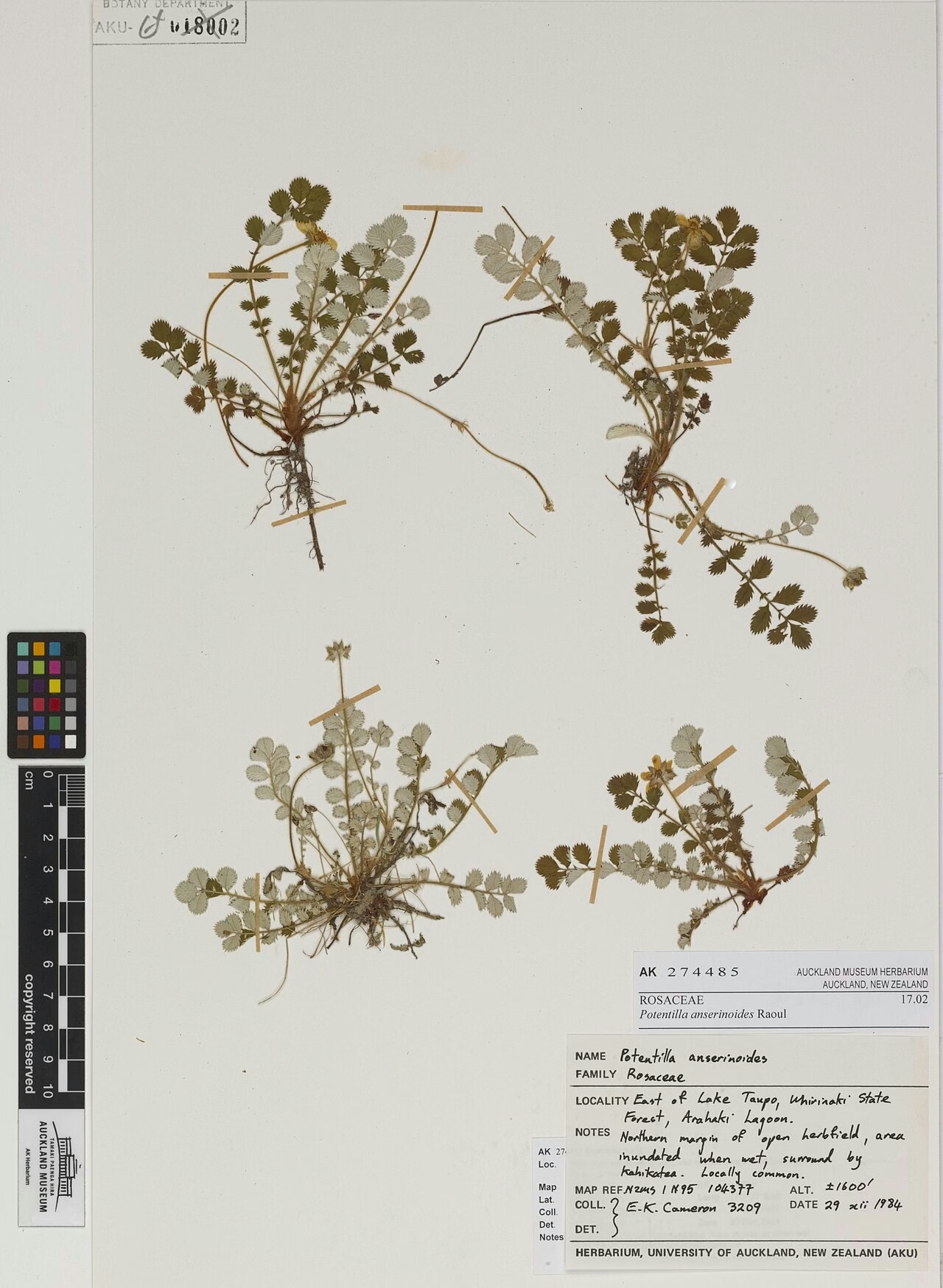
Argentina anserinoides
Argentina anserinoides
Kermadec Nettle-Tree
Pouzolzia australis
Plant Conservation
Pomaderris edgerleyi was ranked At Risk - Declining in 2023 (qualifiers DPS, DPT and PF), having been Not Threatened up to 2012. In Northland it is Regionally Vulnerable.
Protecting remaining gumland and coastal scrub between Te Paki and Dargaville, controlling weeds, and growing eco-sourced plants for restoration all help this restricted endemic shrub.
Frequently Asked Questions
Where is Pomaderris edgerleyi found?
It is endemic to the northern North Island, from Te Paki near North Cape south to about Dargaville and the northern head of the Kaipara Harbour.
How do you recognise Pomaderris edgerleyi?
Look for a low or prostrate shrub with rusty-hairy twigs and small, wrinkled, dark green oval leaves 15-25 mm long that are rough above and white-felted with rusty hairs on the veins below.
Is Pomaderris edgerleyi threatened?
It is ranked At Risk - Declining (2023) and Regionally Vulnerable in Northland, with qualifiers noting declining, fragmented populations.
Can I grow Pomaderris edgerleyi in my garden?
Yes, it is occasionally sold by specialist native nurseries and suits sunny, exposed sites with poor, well-drained soil, where it can form a low ground cover.
Sources and Further Reading
The botanical, growing, and conservation details for Pomaderris (Pomaderris edgerleyi) on this page draw on the New Zealand plant references below. Consult them for full technical records and the latest distribution data.