Silverweed
Argentina anserinoides
Last updated:
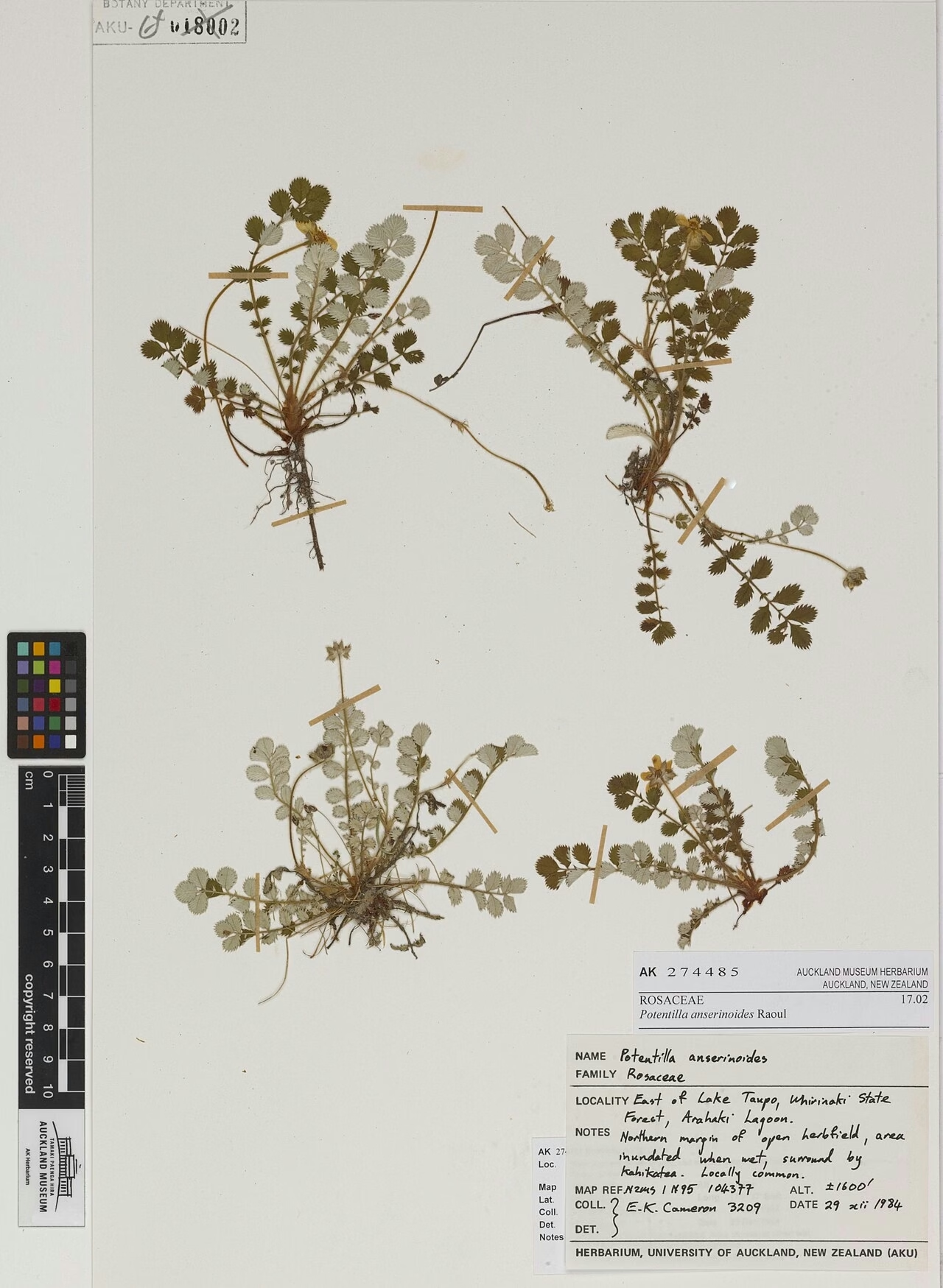
Silverweed (Argentina anserinoides, formerly Potentilla anserinoides) is a low, endemic perennial herb in the rose family that spreads by slender, hairy runners. Its leaves form rosettes and are divided into up to seven pairs of toothed leaflets that are green above and silvery-felted beneath, giving the plant its name. Single bright yellow, five-petalled flowers up to about 2 cm across appear from September to January. It grows in damp grassland, bogs and wetland margins from lowland to montane levels in the North Island south of about Auckland, the South Island and the Chatham Islands. Explore more native ground covers in our native plant guide.
Plant Description
Silverweed is a sprawling perennial arising from a stout rootstock, usually about 10 cm tall but up to 30 cm when flowering. It sends out slender, brownish-green, hairy runners (stolons) that bear rosettes of leaves at the base and at the nodes.
The leaves are up to 150 mm long (occasionally 350 mm) and pinnate, with up to seven pairs of main leaflets and smaller leaflets between them. Each leaflet is elliptic to obovate or almost round, up to 20-35 mm long, toothed, green above and covered in silvery felt beneath.
The flowers are solitary on stalks from the leaf axils, with rounded yellow petals up to 10 mm long, and appear from September to January. They are followed by small dry achenes from October to March. Its silver-backed, ladder-like leaves and hairy runners are distinctive among New Zealand wetland herbs; it closely resembles the Northern Hemisphere silverweed, after which it is named.
Quick Facts
| Scientific Name | Argentina anserinoides |
|---|---|
| Height | 10 cm, up to 30 cm when flowering |
| Spread | Spreads by runners to form patches |
| Water Needs | Moist to wet; a facultative wetland plant |
| Light | Full sun to light shade |
| Frost Tolerance | High; grows to montane levels |
| Salt Tolerance | No reliable information available |
| Growth Rate | Moderate to fast by runners |
| Lifespan | Perennial |
Climate Best Suited to
Silverweed suits cool to mild temperate climates with reliable moisture, from lowland to montane areas. It is scarce at the warm northern end of the country.
Regional Suitability
| City | Climate Suitability |
|---|---|
| Auckland | Low |
| Wellington | Medium |
| Christchurch | High |
| Dunedin | High |
Plant Habitat
Silverweed is endemic to New Zealand. It is found in the North Island from about latitude 37 degrees south, through the South Island and on the Chatham Islands. It is now regionally extirpated in Auckland and Regionally Naturally Uncommon in the Wellington region, but Not Threatened in Otago.
It grows in grassland and bogs from lowland to montane levels, in places such as lake margins and swampy ground. It is rated a facultative wetland plant: usually found in wetlands but occasionally in drier ground.
Growing Requirements
Soil Requirements
It favours moist, fertile to peaty soils that stay damp, including lake margins and swampy grassland.
- Damp or seasonally wet soils
- Peat, silt and loam
- Tolerates occasional brief flooding
Light Requirements
An open-ground plant that does best with plenty of light.
- Full sun
- Light shade tolerated
- Declines under tall, dense vegetation
Water Requirements
It needs consistent moisture and is usually found in wetlands, though it can persist in damp upland grassland.
- Keep soil moist year round
- Ideal for pond and stream edges
Planting and Establishing
Plant silverweed at the damp margin of a pond, in a bog garden or in a low-lying part of a lawn or meadow that stays wet. Give each plant room to spread by runners.
Keep taller grasses and weeds trimmed around young plants so they are not smothered while establishing.
Ecological Role
Silverweed forms low patches in wetland and grassland turf, spreading vegetatively by runners. Its open yellow flowers are accessible to a wide range of small insect visitors, although no New Zealand pollination studies were found.
As a turf-forming herb of damp ground it is part of the diverse low-growing wetland flora that is often lost when wetlands are drained or invaded by tall exotic grasses.
Uses & Significance
Garden Uses
A pretty ground cover for damp, sunny spots, with silver-backed foliage and bright yellow flowers.
- Pond and stream margins
- Bog gardens
- Damp meadows and wetland restoration
Ecological Value
It is a component of native wetland and damp grassland turf communities.
- Flowers support small insects
- Ground cover that binds wet soil
- Endemic wetland indicator plant
Landscaping Uses
Use silverweed as a low carpeting plant along the edge of a natural pond or swale, where its runners will knit together into a patch. The silvery leaf undersides catch the light when stirred by wind.
Pair it with native sedges, rushes and other low wetland herbs for a naturalistic wetland edge.
Seasonal Care Calendar
Spring
Flowering begins in September as new rosettes and runners develop.
- Weed around young plants
- Peg down runners where you want it to spread
Summer
Flowering continues until January and fruit forms from October.
- Keep soil moist in dry spells
- Collect ripe fruit for sowing
Autumn
Fruiting continues to March and runners root at the nodes.
- Lift and pot rooted runners
- Good time to plant
Winter
Growth slows and some leaves die back.
- No action required
- Keep competing grasses in check
When to Prune and How Much
No pruning is required. Trim back runners if they spread beyond where they are wanted.
Remove old, tatty leaves in late winter to tidy the rosettes before new growth begins.
How to Grow Silverweed
NZPCN gives no specific propagation notes for silverweed, but the plant's growth habit makes it straightforward: it spreads by stolons that bear leaf rosettes at the nodes, so rooted runners can be separated to make new plants, and it also sets seed after flowering. Because it has disappeared from the Auckland region and is uncommon around Wellington, source material from cultivated plants or eco-sourced local stock, and do not move plants into areas where it has not been recorded. Make sure plants are correctly identified as the native species rather than a garden-sourced Northern Hemisphere silverweed. Both methods work best in spring or autumn.
By Division of Runners
Runners produce rosettes at their nodes, which root into moist soil. These rooted plantlets are the simplest way to multiply silverweed.
- In late summer or autumn, find a runner rosette with roots
- Cut the runner on either side of the rosette
- Pot it into a moist, peaty or loamy mix
- Keep it moist and in good light until new leaves appear
- Plant out in damp ground the following spring
From Seed
Fruit (small achenes) forms from October to March. Seed can be collected and sown fresh, although germination details for this species are not documented.
- Collect ripe achenes from spent flower heads in summer
- Sow on the surface of a moist seed mix
- Cover lightly and stand the tray in a saucer of water
- Prick out seedlings when large enough to handle
Pests & Diseases
No specific pests or diseases of silverweed are documented in the sources consulted. Slugs and snails may graze young rosettes in damp gardens.
The main threats in the wild are wetland drainage, grazing and pugging by stock, and smothering by tall exotic grasses and weeds.
Cultural Significance
The Flora of New Zealand lists the vernacular names kōhai, kōwhai and kōwhaikura for this plant, alongside silverweed. No traditional Māori use of the plant was found in the sources consulted.
It was described by the French naval surgeon and botanist Étienne Raoul in 1844 from Akaroa, where it was found in wet ground. Its name anserinoides means resembling Potentilla anserina, the European silverweed.
Bonus Tip
To check you have the native silverweed rather than a garden form of the Northern Hemisphere species, turn over a leaf: the native plant has leaflets that are green on top and silvery-felted underneath, with up to seven pairs of leaflets and small ones in between.
Related Plants
Explore other native plants that share similar characteristics or habitats with Silverweed (Argentina anserinoides), offering further insights into New Zealand's diverse flora. These related species provide context and opportunities for complementary planting in your garden.
Pomaderris amoena
Pomaderris amoena
Pomaderris edgerleyi
Pomaderris edgerleyi
Small Poranthera
Poranthera microphylla
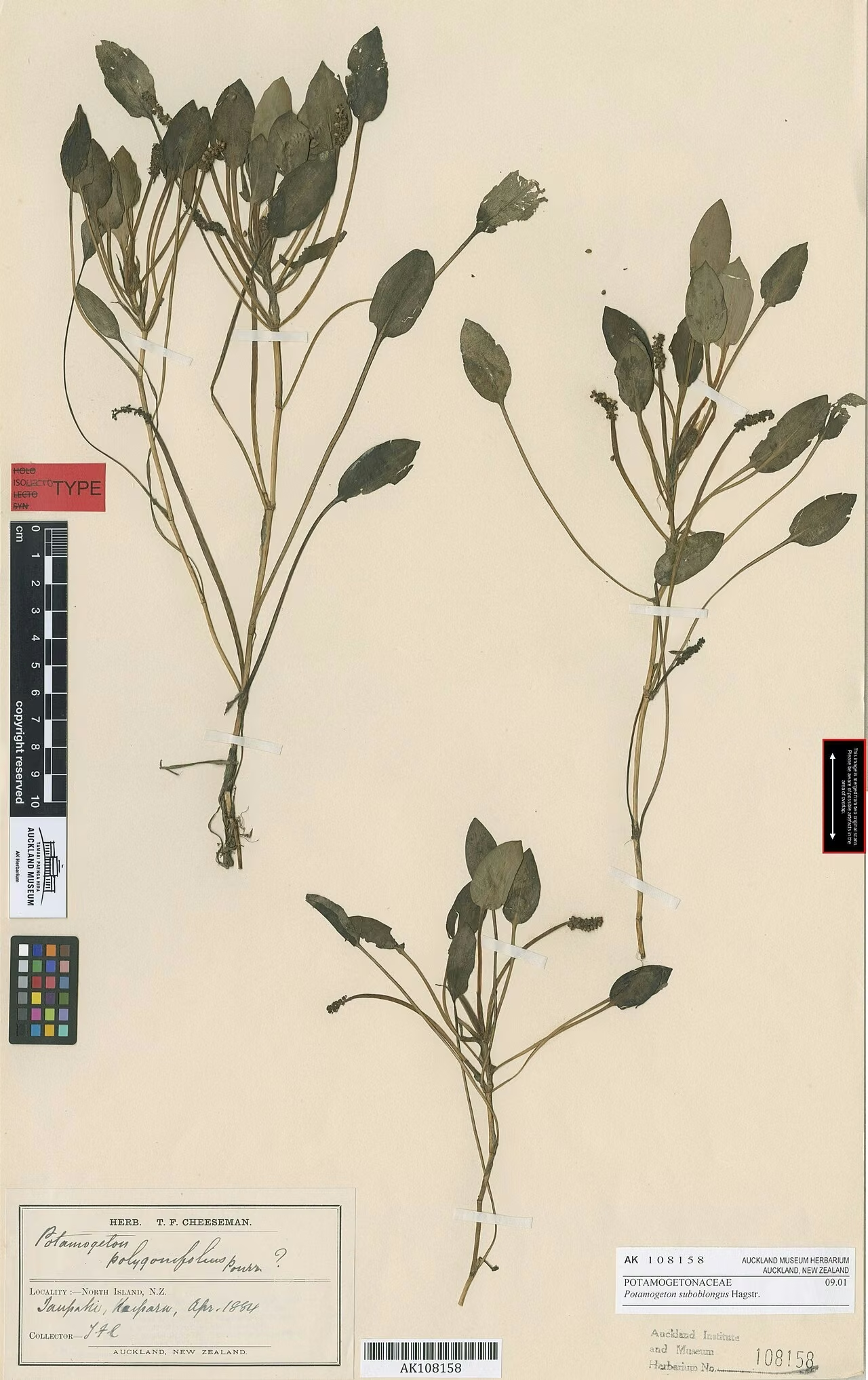
Mud Pondweed
Potamogeton suboblongus
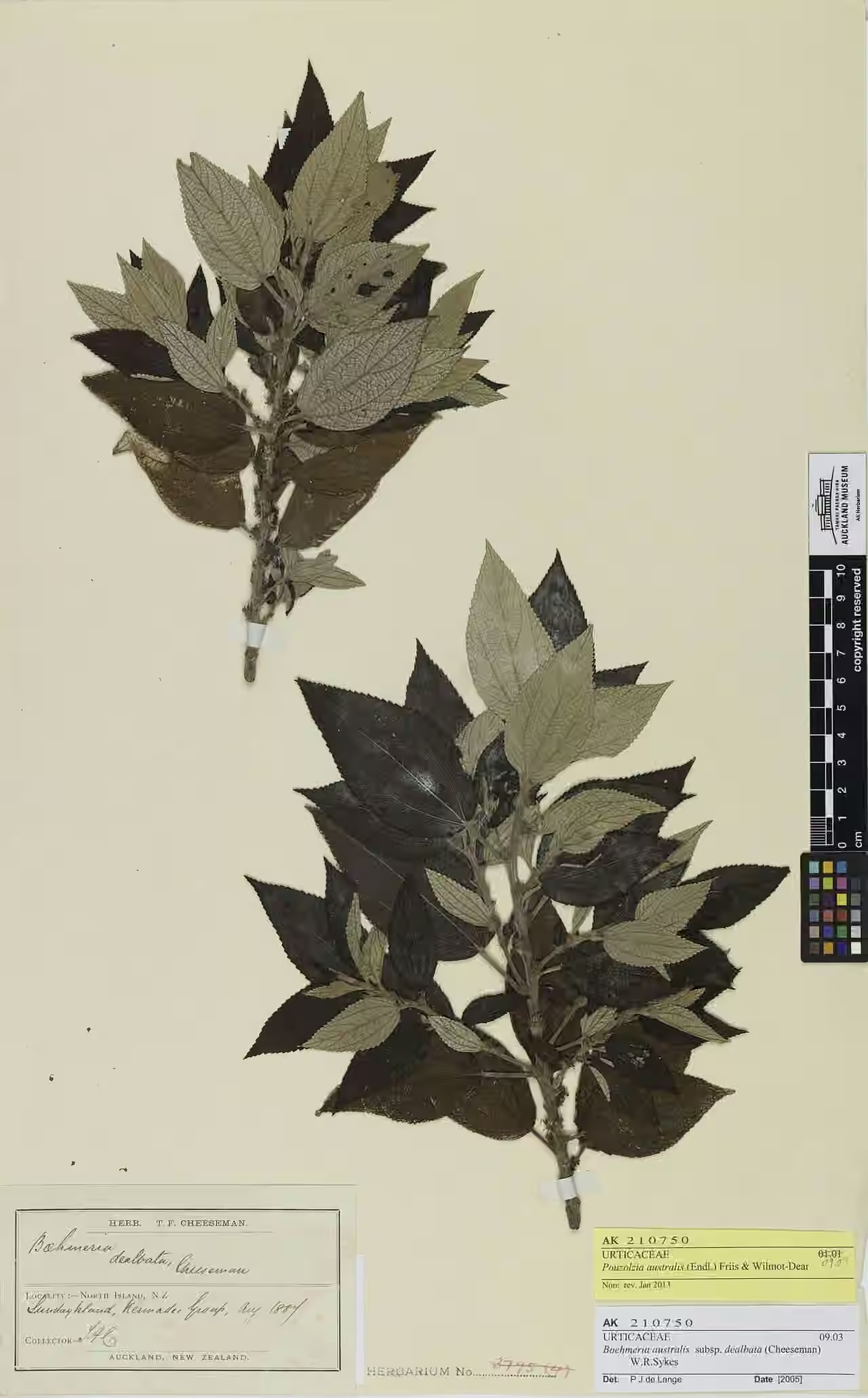
Kermadec Nettle-Tree
Pouzolzia australis
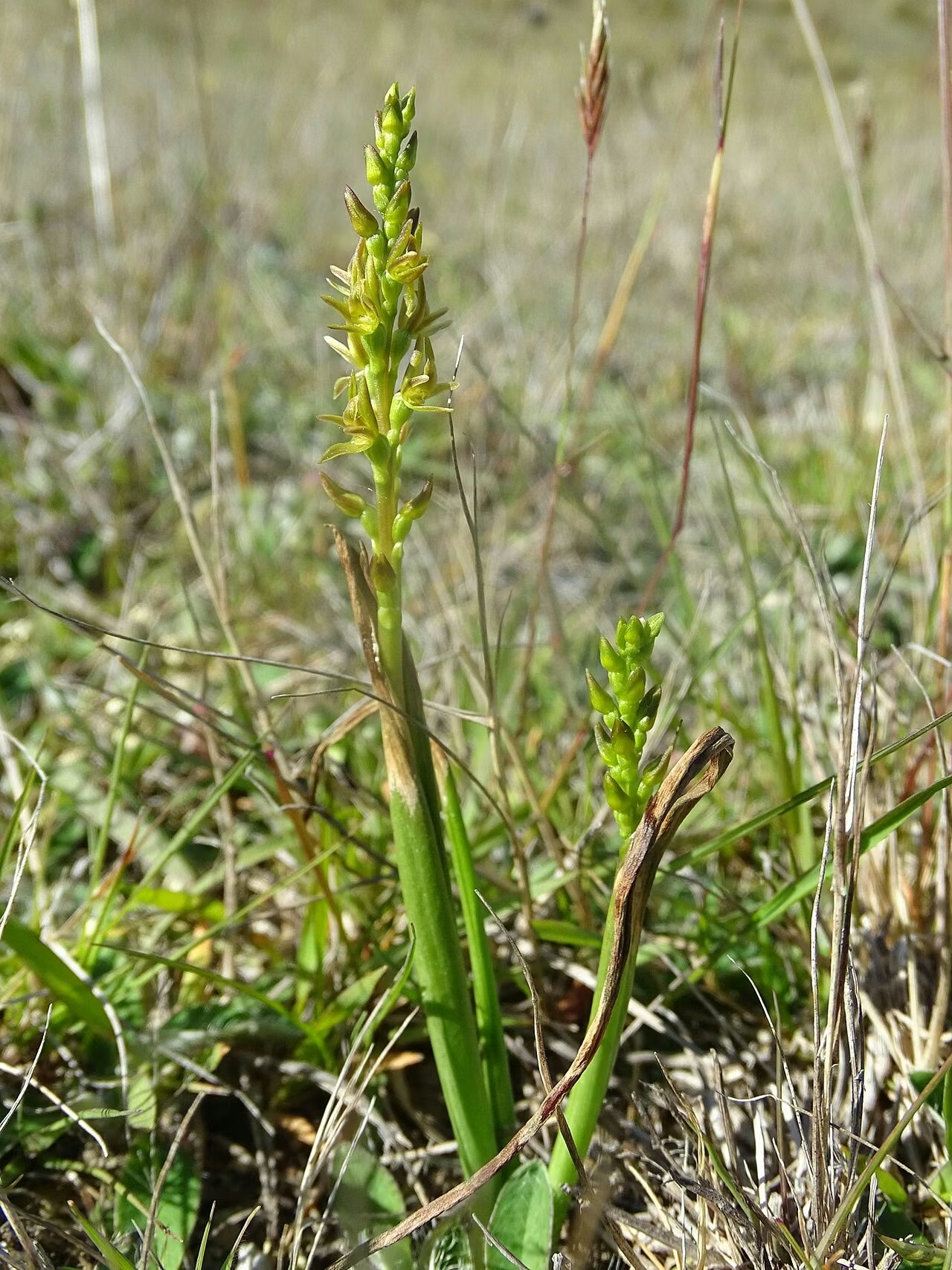
Prasophyllum colensoi
Prasophyllum colensoi
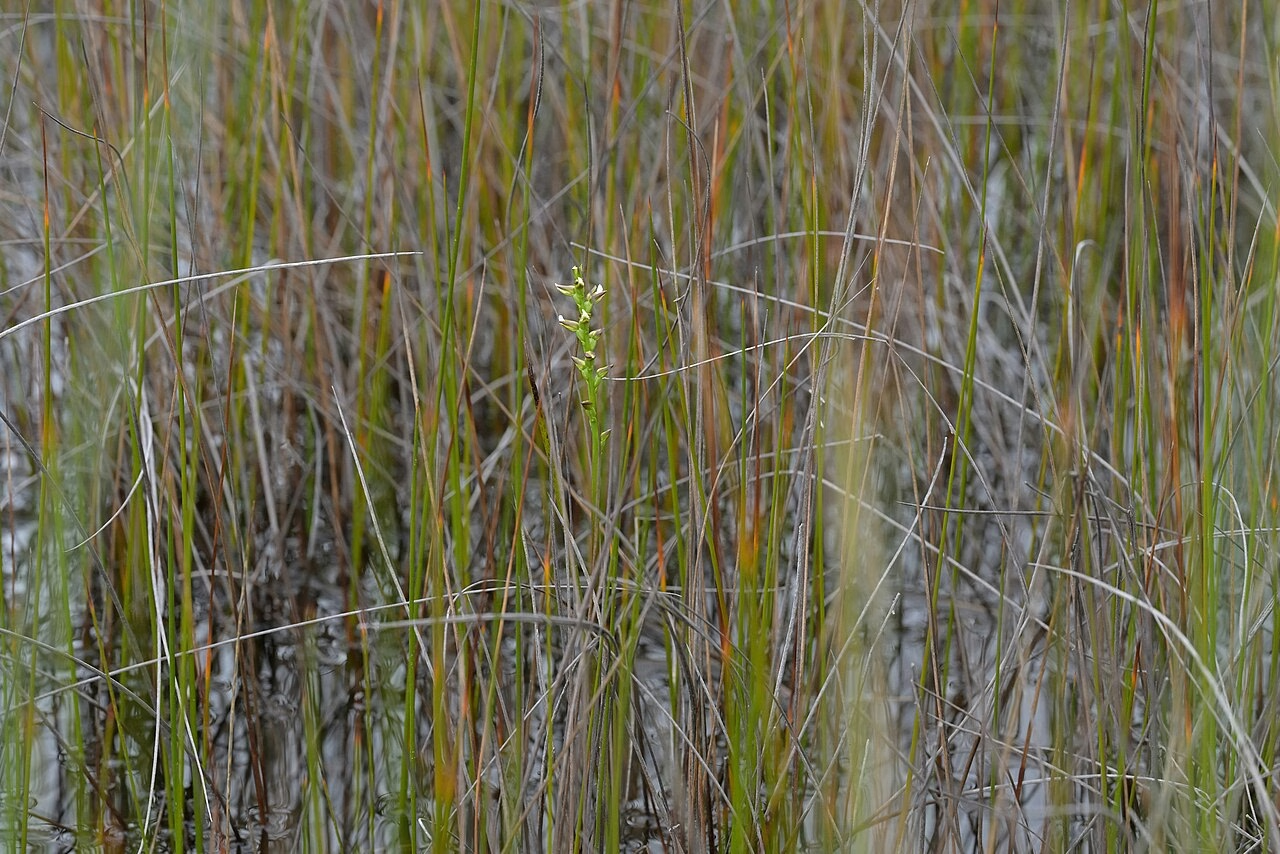
Swamp Leek Orchid
Prasophyllum hectorii
Chatham Island Lancewood
Pseudopanax chathamicus
Plant Conservation
Argentina anserinoides is ranked Not Threatened (2023), with qualifiers DPS (data poor: size) and DPT (data poor: trend). It is regionally extirpated in Auckland, Regionally Naturally Uncommon in the Wellington region and Regionally Not Threatened in Otago.
Loss of wetlands and damp grassland, along with weed invasion, has reduced it in the north. Protecting and restoring lake margins, bogs and wet grasslands, and fencing them from stock, helps it persist.
Frequently Asked Questions
Is New Zealand silverweed the same as Potentilla anserina?
No. The New Zealand plant is an endemic species, Argentina anserinoides, named because it resembles the Northern Hemisphere silverweed (Argentina or Potentilla anserina). Hooker once treated it as a variety of that species.
Why is it now called Argentina anserinoides?
Silverweeds have been moved from Potentilla to the genus Argentina, so NZPCN now lists this plant as Argentina anserinoides (Raoul) Holub, with Potentilla anserinoides Raoul as a synonym.
Where does silverweed grow in New Zealand?
It grows in grassland, bogs and wetlands from lowland to montane levels, in the North Island from about latitude 37 degrees south, the South Island and the Chatham Islands. It is now regionally extirpated in Auckland.
When does silverweed flower?
It flowers from September to January, producing single yellow flowers with rounded petals up to 10 mm long, and fruits from October to March.
Sources and Further Reading
The botanical, growing, and conservation details for Silverweed (Argentina anserinoides) on this page draw on the New Zealand plant references below. Consult them for full technical records and the latest distribution data.