Alpine Shield Fern
Polystichum cystostegia
Last updated:
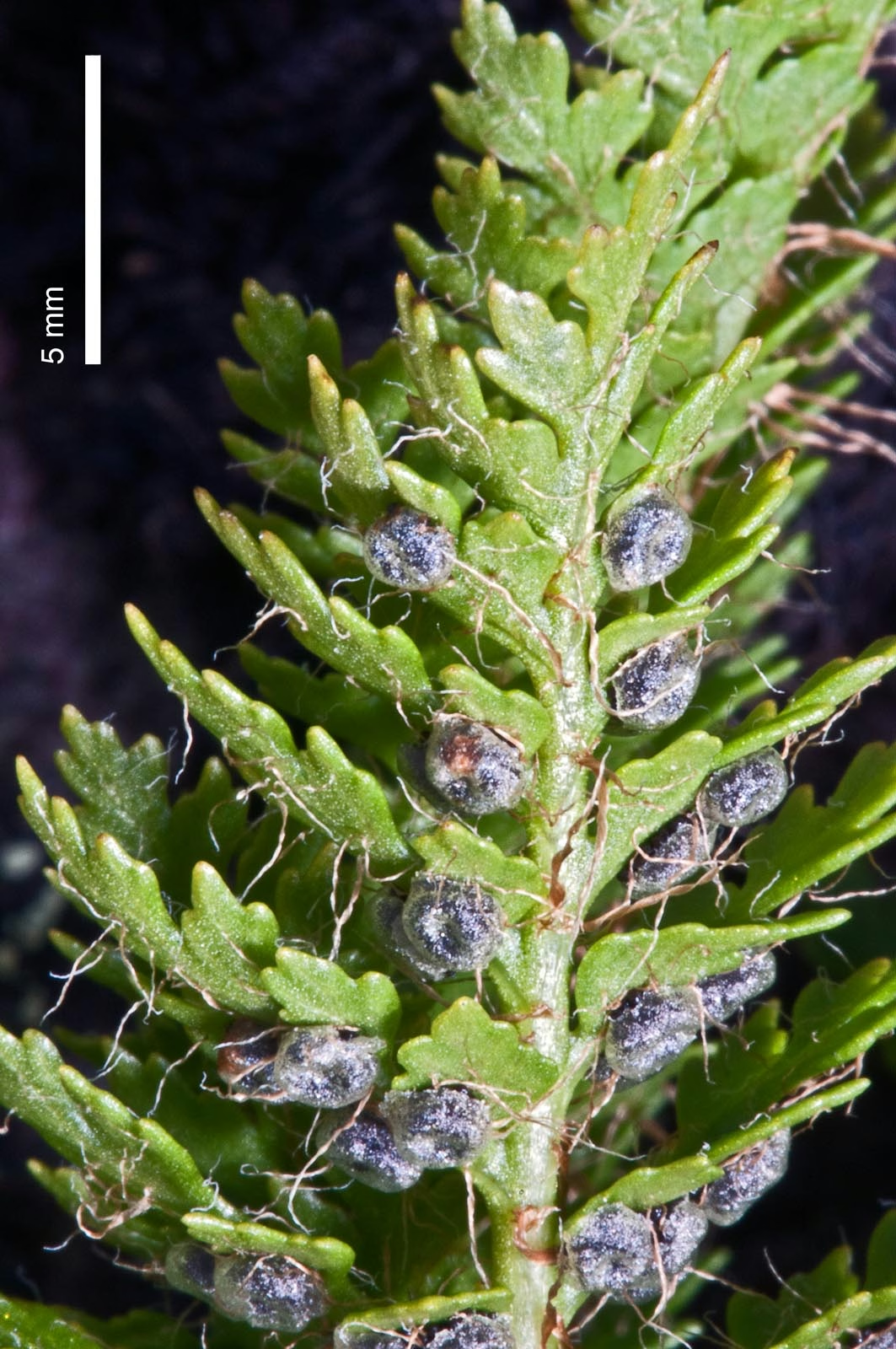
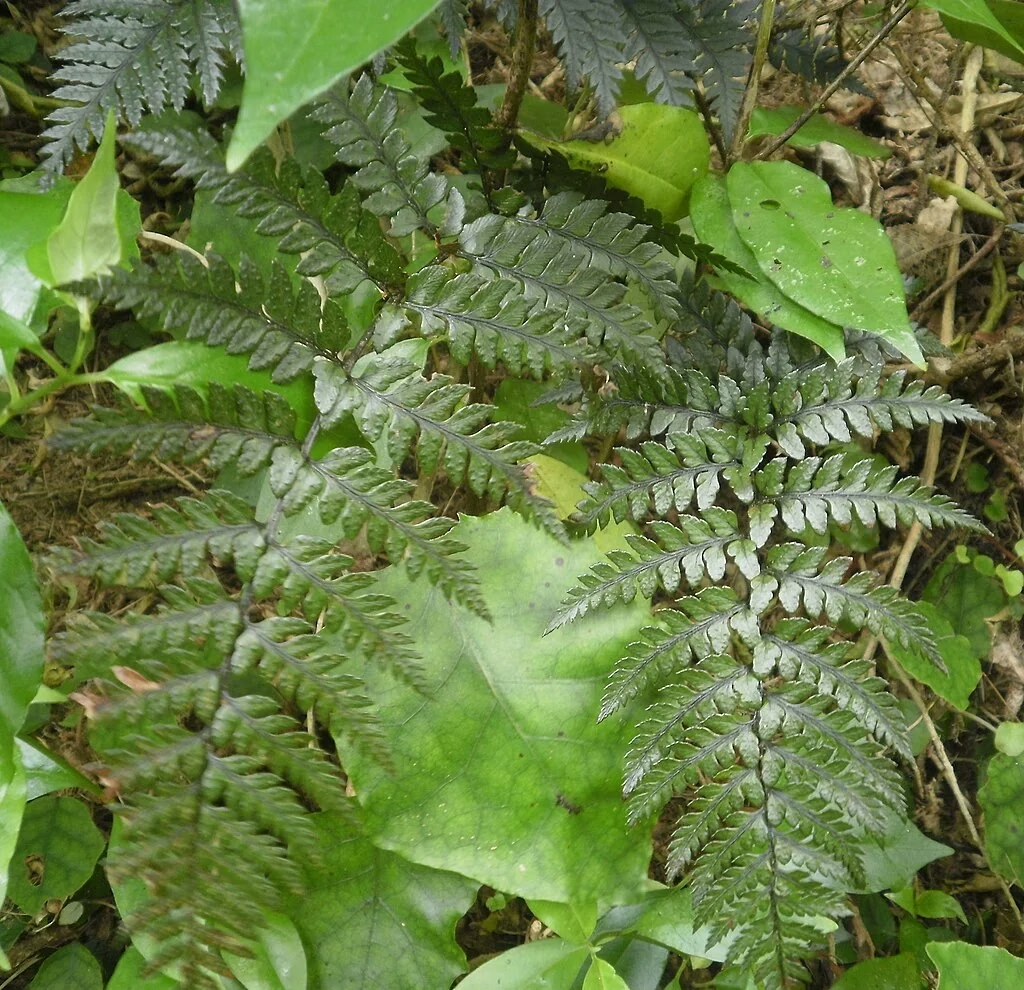
Alpine shield fern (Polystichum cystostegia), also called mountain shield fern, is one of the few truly alpine ferns in New Zealand. It forms tufts of finely divided, light green, leathery fronds usually 4-44 cm long from a short, scaly rhizome, tucked into rock crevices, among boulders and on shingle slips between about 900 and 2150 m. It is endemic, found on Mt Taranaki and Mt Ruapehu in the North Island, through the South Island mountains, and on Stewart Island and the Auckland and Campbell Islands. Its name means 'bladder roof', after the puffed-up indusia that cover its spore clusters. Explore more native ferns in our native plant guide.
Plant Description
Polystichum cystostegia has erect, densely scaly rhizomes that branch underground, allowing a plant to spread through crevices. The stipes and rhizomes carry pale orange-brown scales that are the same colour throughout. Fronds are 40-440 mm long, occasionally to 550 mm.
The blade is narrowly elliptic, 2-3-pinnate, light green and leathery, with 12-27 pairs of primary pinnae below a pinnatifid tip and abundant pale brown scales on the underside. The sori are covered by round, inflated indusia 1.0-1.9 mm in diameter, which look like tiny umbrellas or bladders, and give the species its name.
It is distinguished from other New Zealand shield ferns by its inflated indusia, single-coloured orange-brown scales, alpine habitat and lack of bulbils. Polystichum vestitum, which can grow nearby in subalpine scrub, has two-coloured scales and flat indusia.
Quick Facts
| Scientific Name | Polystichum cystostegia |
|---|---|
| Height | Fronds 4-44 cm long (rarely to 55 cm) |
| Spread | Small tufts, spreading slowly by branching rhizomes |
| Water Needs | Cool, moist root run with sharp drainage |
| Light | Open alpine sites, roots sheltered by rock |
| Frost Tolerance | Very high; grows to 2150 m |
| Salt Tolerance | Low; an inland alpine fern |
| Growth Rate | Slow |
| Lifespan | Long-lived perennial |
Climate Best Suited to
It is adapted to cold, snowy alpine climates with short growing seasons, wind and intense sunlight. It is not suited to warm lowland conditions.
Regional Suitability
| City | Climate Suitability |
|---|---|
| Auckland | Low |
| Wellington | Low |
| Christchurch | Low |
| Dunedin | Medium |
Plant Habitat
Alpine shield fern is endemic to New Zealand. In the North Island it is known only from Mt Taranaki and Mt Ruapehu, from about 900 to 2150 m. In the South Island it is widespread in the mountains of Nelson, Marlborough, Westland, Canterbury, Otago, Southland and Fiordland. It also occurs on Stewart Island and the subantarctic Auckland and Campbell Islands.
It grows in alpine and subalpine herbfield, tussock grassland, flushes, dry creek beds, rock crevices, among boulders, on rock faces and among shingle slips, rarely extending into forest at the treeline. It typically sits in sheltered crevices among rocks, spreading by its branching rhizome.
Growing Requirements
Soil Requirements
It roots into thin, stony, gritty soil and humus in crevices and between boulders.
- Very free-draining rocky or shingly ground
- Cool root run beneath stones
- Low fertility
Light Requirements
It grows on open alpine ground but usually with its base and roots protected by rock.
- Bright, open sites
- Crevices that shelter the crown from drying wind
Water Requirements
Alpine sites receive frequent rain, snowmelt and cloud, and the fern often grows in flushes and creek beds, but water drains away quickly.
- Consistent moisture at the roots
- No stagnant water around the crown
Planting and Establishing
Alpine shield fern is rarely grown and is best left to specialist alpine gardeners. It should not be dug from the wild, especially from national parks.
In cultivation, plant it in a deep crevice in a scree or rock garden, with gritty, humus-rich mix packed around the rhizome and stones over the root zone to keep it cool. A cool southern climate gives the best chance of success.
Ecological Role
As a fern it does not flower, reproducing by spores released from beneath its inflated indusia. Its ability to grow at up to 2150 m makes it one of the highest-growing ferns in New Zealand.
It forms part of alpine rock, scree and herbfield communities, where its tufts trap a little organic matter and moisture among stones. No specific insect associations were found in the sources consulted.
Uses & Significance
Garden Uses
A specialist plant for alpine houses, troughs and scree gardens in cool climates.
- Rock garden crevices
- Alpine troughs
- Collections of New Zealand ferns
Ecological Value
It is a characteristic fern of New Zealand's alpine rock and scree habitats.
- One of very few ferns of the high alpine zone
- Contributes to cover on unstable shingle and rock
Landscaping Uses
This is not a landscaping fern for ordinary gardens. Its value is in a carefully built rock garden or scree bed, where its finely cut, light green fronds contrast with grey stone.
Pair it with other cool-climate alpines rather than lowland plants, and make sure surrounding plants do not overgrow its small tufts.
Seasonal Care Calendar
Spring
New fronds unroll once snow clears from the alpine slopes.
- Keep cultivated plants moist as growth starts
- Avoid disturbing the rhizome
Summer
Fronds mature and sori develop under the round, puffed indusia.
- Shade cultivated plants from hot lowland sun
- Look for the bladder-like indusia on frond undersides
Autumn
Spores are released from mature sori.
- Collect spores from cultivated plants
- Tidy only fully dead fronds
Winter
Wild plants lie under snow, and fronds may brown off in exposed sites.
- Protect cultivated plants from winter wet
- No feeding required
When to Prune and How Much
No pruning is needed beyond removing old, dead fronds from cultivated plants in late winter or early spring.
Cut them close to the crown with care, as the rhizome is shallow and easily disturbed in gritty mixes.
How to Grow Alpine Shield Fern
No specific propagation guidance for Polystichum cystostegia was found in the sources consulted, so the methods below follow standard practice for New Zealand shield ferns adapted to an alpine species. It is slow and challenging in lowland conditions, and material should come from cultivated plants or be collected only with the appropriate permission, since much of its habitat lies within national parks and conservation land. Cool temperatures, high humidity and clean, gritty media give the best results. Sporelings of alpine ferns grow slowly, so allow at least two seasons before they are large enough to plant out, and keep them in a cool, sheltered spot over summer.
From Spores
Spores are produced under the inflated indusia once fronds mature in summer. Fronds with dark, ripe sori can be placed on paper to release spores, which are sown on a sterile surface and kept humid.
- Pick a frond with ripe, dark sori in late summer or autumn
- Dry it on clean paper for a few days to release spores
- Sprinkle spores on sterilised, fine, peaty or gritty mix
- Cover with glass or plastic and keep cool and shaded
- Prick out small sporelings once fronds appear and grow on slowly
By Division
Because the rhizome branches underground, established cultivated clumps can sometimes be split into separate crowns, each with roots.
- Lift a cultivated clump in early spring
- Separate crowns that have their own roots
- Replant into a gritty, humus-rich mix with stones around the crown
- Keep cool and moist until new fronds appear
Pests & Diseases
No significant pests or diseases are recorded for wild plants. In cultivation, the main problem is rot or collapse in warm, humid lowland summers or waterlogged winter conditions.
Slugs and snails may graze young fronds of cultivated plants, and browsing animals may occasionally damage wild plants.
Cultural Significance
No Māori name or traditional Māori use specific to this fern was found in the sources consulted.
It was first described by Joseph Hooker as Aspidium cystostegia and was later moved to Polystichum by Armstrong. The epithet has been spelled both cystostegia and cystostegium, with cystostegia the preferred form.
Bonus Tip
When tramping above the bushline, turn over a frond of any small fern growing in a rock crevice: if the spore clusters are covered with round, puffed-up caps like tiny bladders, you are looking at the alpine shield fern.
Related Plants
Explore other native plants that share similar characteristics or habitats with Alpine Shield Fern (Polystichum cystostegia), offering further insights into New Zealand's diverse flora. These related species provide context and opportunities for complementary planting in your garden.
Plant Conservation
Polystichum cystostegia is ranked Not Threatened (2023) and has held that ranking in every assessment since 2004. It is regionally Not Threatened in Otago and Data Deficient in Wellington.
Most populations are on remote, high-altitude public conservation land. Climate warming that shrinks alpine zones is a potential long-term pressure, and keeping to tracks in fragile scree areas helps protect it.
Frequently Asked Questions
Where does the alpine shield fern grow?
It grows in subalpine and alpine herbfield, tussock grassland, flushes, dry creek beds, rock crevices, among boulders and on shingle slips, mostly between 900 and 2150 m. In the North Island it is only on Mt Taranaki and Mt Ruapehu.
How do you identify Polystichum cystostegia?
Look for 2-3-pinnate light green, leathery fronds with uniformly pale orange-brown scales, round inflated indusia 1-1.9 mm across, no bulbils, and an alpine rocky habitat.
What does cystostegia mean?
It comes from the Greek for bladder and roof or lid, referring to the swollen, bladder-like indusium that covers each cluster of spore cases.
How is alpine shield fern different from prickly shield fern?
Prickly shield fern (Polystichum vestitum) is a larger forest and subalpine fern with two-coloured scales and flat indusia, while alpine shield fern has single-coloured orange-brown scales and inflated indusia.
Sources and Further Reading
The botanical, growing, and conservation details for Alpine Shield Fern (Polystichum cystostegia) on this page draw on the New Zealand plant references below. Consult them for full technical records and the latest distribution data.