Tauhinu
Pomaderris amoena
Last updated:
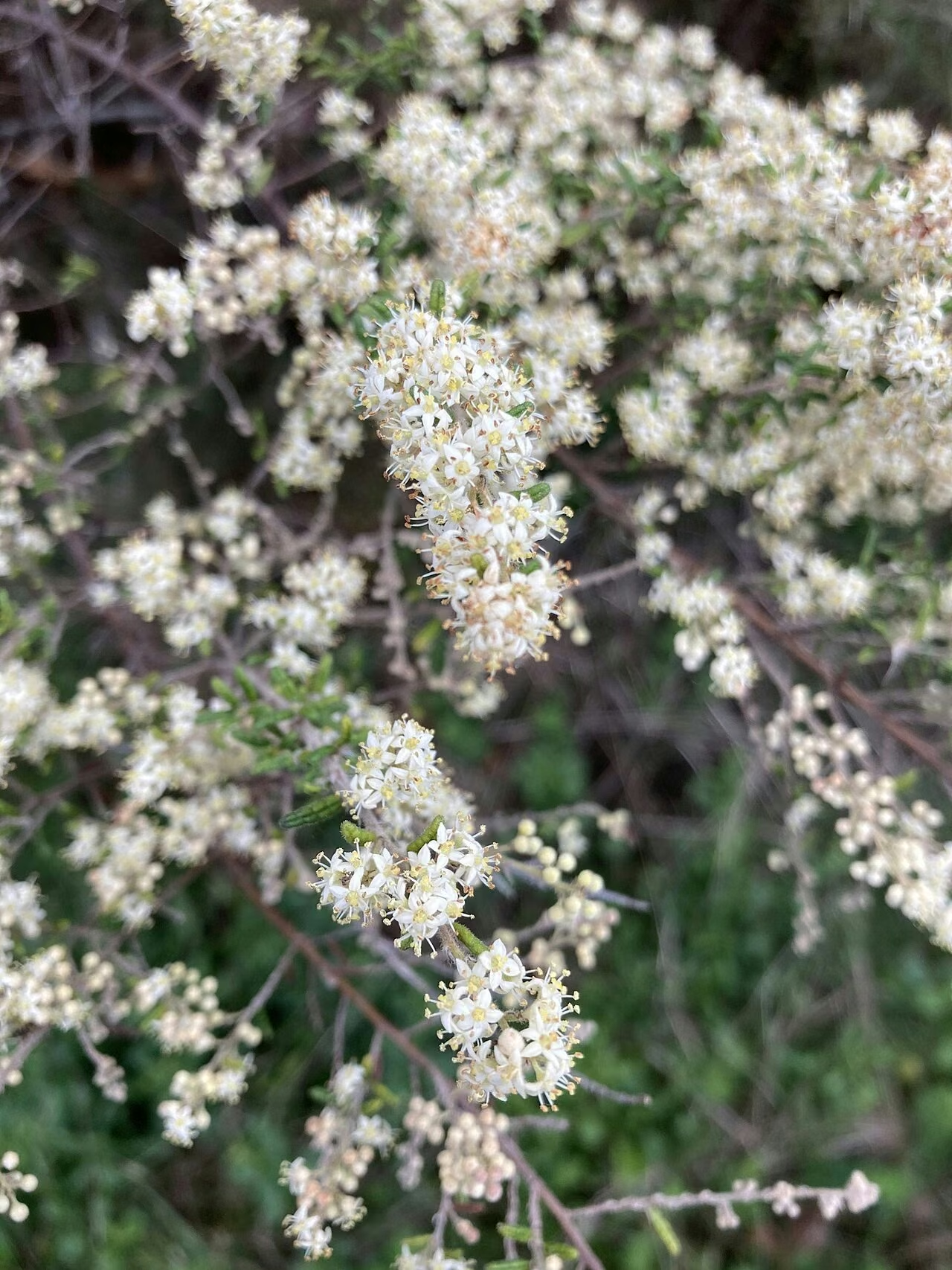
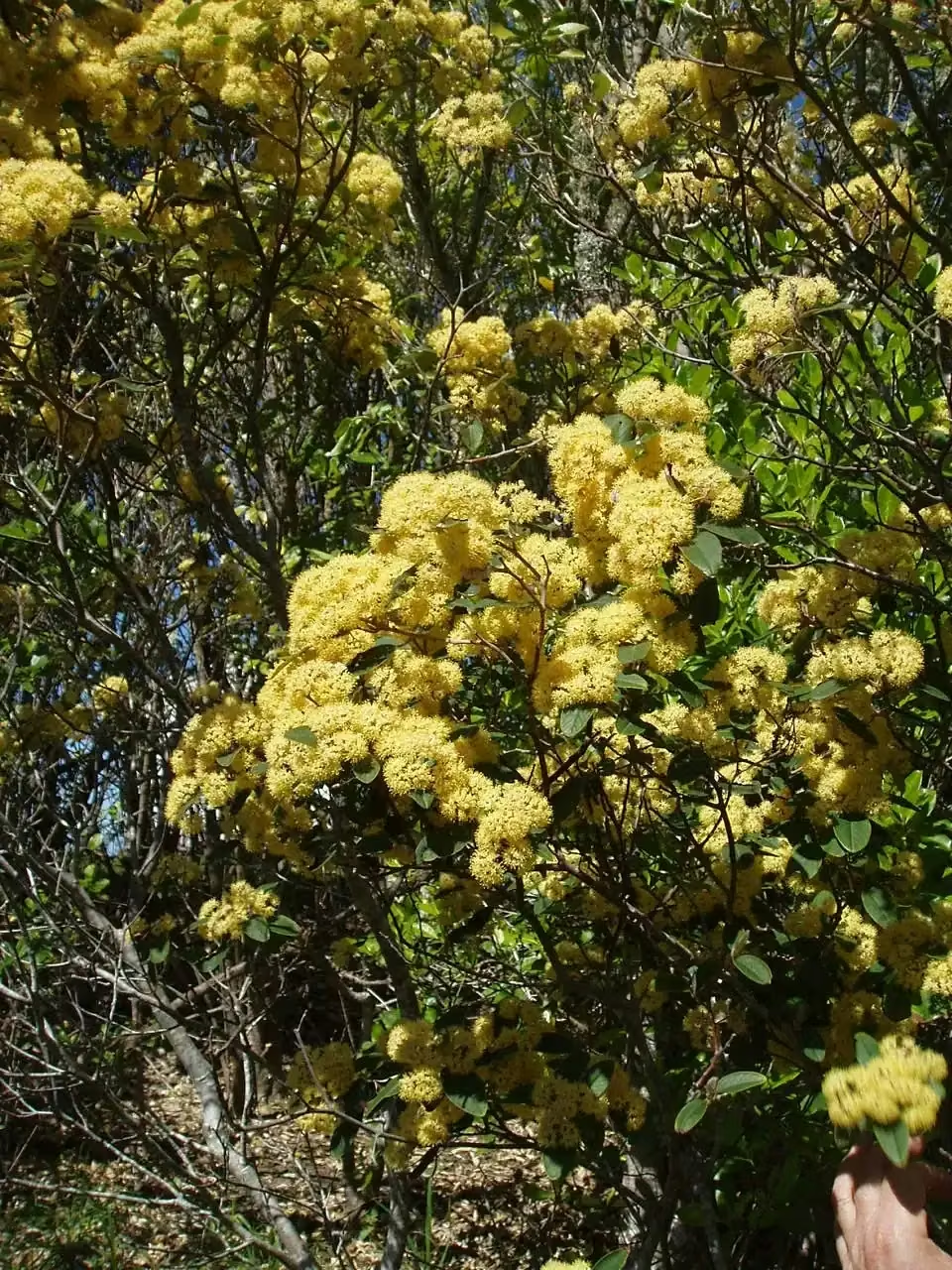
Tauhinu (Pomaderris amoena) is a small endemic shrub to about 1 m tall, with hairy twigs crowded with tiny narrow, wrinkled leaves 5-10 mm long whose margins roll under almost to the midrib. In spring and early summer it is smothered in clusters of small cream to pale yellow flowers. It grows in coastal and lowland open shrubland, gumland scrub, sand country, rocky headlands and gravel river terraces from the Three Kings Islands south, and is locally very common in the north. It is a plant of successional vegetation, thriving on poor, open, sunny ground. Explore more native shrubs in our native plant guide.
Plant Description
Pomaderris amoena is a sprawling, small shrub to about 1 m tall. Its twigs are hairy and carry masses of small, narrow, bright green wrinkled leaves 5-10 mm long and 1-2 mm wide, with a recessed midrib and margins rolled under so they almost cover the hairy underside.
The flowers are small, about 4 mm across, with five cream to pale yellow sepals and no petals, and five stamens. They are borne in frothy clusters along the branches, making the whole bush look creamy in flower. The fruit is a small, dry capsule.
It can be told from Pomaderris phylicifolia, with which it was once combined, and from other New Zealand Pomaderris such as kūmarahou (Pomaderris kumeraho) by its very small, narrow, strongly rolled leaves. Kūmarahou has much larger, flat, broad leaves.
Quick Facts
| Scientific Name | Pomaderris amoena |
|---|---|
| Height | Up to 1 m |
| Spread | Sprawling, about 0.5-1 m |
| Water Needs | Low; dislikes wet soils |
| Light | Full sun |
| Frost Tolerance | Light frosts |
| Salt Tolerance | Good; grows on coastal headlands and sand country |
| Growth Rate | Moderate |
| Lifespan | Perennial; a successional shrub |
Climate Best Suited to
Tauhinu suits warm, sunny lowland and coastal climates, especially in the northern North Island. It copes with wind and drought but not with wet, heavy ground.
Regional Suitability
| City | Climate Suitability |
|---|---|
| Auckland | High |
| Wellington | Medium |
| Christchurch | Low |
| Dunedin | Low |
Plant Habitat
Pomaderris amoena is endemic to New Zealand. It occurs on the Three Kings Islands and through the North Island, where south of Auckland it is mainly found east of the main ranges. In the South Island it is generally scarce, reaching its southern limit at Eyrewell Forest in Canterbury. It is regionally At Risk - Naturally Uncommon in the Wellington region.
It usually grows in coastal and lowland open shrubland, gumland scrub and sand country, and also on rocky headlands and gravel river terraces, occasionally well inland in montane sites. NZPCN describes it as virtually confined to successional vegetation, so it depends on open, early-stage habitats.
Growing Requirements
Soil Requirements
It needs nutrient-poor, very well-drained soils such as sands, gravels and gumland clays.
- Low-fertility sand, gravel or clay
- Excellent drainage
- Avoid fertiliser and rich garden soil
Light Requirements
A plant of open, sunny sites that declines when overtopped by taller vegetation.
- Full sun
- Open sites free of overhanging trees
Water Requirements
Drought-tolerant once established; overwatering and wet soils are more of a problem than dryness.
- Water only while establishing
- Never plant in poorly drained ground
Planting and Establishing
Plant in autumn in northern districts, choosing a hot, sunny, windy spot with poor, free-draining soil such as a sandy bank or gravel garden. Do not add compost or fertiliser.
Handle the root ball carefully, as plants resent disturbance. Mulch with gravel rather than organic mulch to keep the crown dry.
Ecological Role
Tauhinu is an early-successional shrub of open scrub and gumland, often among mānuka and kānuka. As taller vegetation closes in, it tends to be shaded out, so it relies on fire, erosion or other disturbance to keep habitat open.
Its masses of small flowers are visited by insects, and a nursery source notes it attracts bees. No detailed pollination or seed dispersal studies were found in the sources consulted.
Uses & Significance
Garden Uses
A fine-textured flowering shrub for dry, sunny, low-fertility gardens.
- Coastal and sandy gardens
- Gravel and rock gardens
- Restoration of gumland and dune scrub
Ecological Value
It is a characteristic shrub of northern gumland and coastal successional scrub.
- Nectar and pollen for insects
- Cover on poor, open ground
- Part of distinctive gumland plant communities
Landscaping Uses
Its fine, bright green foliage and froth of cream flowers make it an attractive low shrub for coastal banks, rockeries and dry slopes. Plant it in groups for a soft, mounded effect.
Combine it with other plants of poor soils such as mānuka, kūmarahou and native grasses, and keep surrounding plants low so it is not shaded out.
Seasonal Care Calendar
Spring
Flowering begins from about mid-September, covering the shrub in cream sprays.
- Enjoy peak flowering
- Watch for insect visitors
Summer
Flowering continues into early summer and small dry fruits develop.
- Take semi-hardwood cuttings in late summer
- Avoid watering established plants
Autumn
Growth slows and the plant holds its fine evergreen foliage.
- Good time for planting
- Lightly trim straggly growth after fruiting
Winter
Plants are largely dormant.
- Ensure drainage stays clear
- Protect young plants from hard frost in cooler areas
When to Prune and How Much
Tauhinu needs little pruning. A light trim after flowering keeps plants compact and encourages more flowering stems the following spring.
Avoid cutting into old, bare wood, as regrowth from it can be poor.
How to Grow Tauhinu
NZPCN describes tauhinu as difficult to cultivate. Seed germinates poorly, and the most reliable method is semi-hardwood cuttings struck in untreated sawdust, a technique that suits plants of nutrient-poor soils because it is sterile, free-draining and low in nutrients. Plants grown from either method need a hot, sunny, poor-soil site to thrive afterwards, and should be planted out young to avoid root disturbance. Expect some losses and start more plants than you need. Cuttings and seedlings both resent root disturbance, so grow them in individual pots or tubes rather than communal trays, and handle the root ball gently when planting out into their final position.
From Cuttings
Semi-hardwood cuttings taken after the new season's growth has firmed give the best results. Untreated sawdust is the rooting medium recommended by NZPCN.
- Take 5-8 cm semi-hardwood cuttings in late summer or autumn
- Strip the lower leaves
- Insert into untreated sawdust or a very free-draining sawdust mix
- Keep humid with bottom warmth if available
- Pot on carefully into a low-fertility mix once rooted
From Seed
Seed germinates poorly. Collect it from ripe dry fruits in summer and sow fresh, accepting that only a small proportion may come up.
- Collect ripe dry fruits in early to mid summer
- Sow fresh on a sandy, low-nutrient seed mix
- Cover lightly with grit and keep just moist
- Prick out any seedlings carefully into small pots
Pests & Diseases
No specific pests or diseases of tauhinu are recorded in the sources consulted. The main cause of failure in gardens is root rot from wet or rich soils.
In the wild, the bigger threat is habitat loss and succession to taller vegetation, along with weeds such as gorse and hakea that invade gumland and scrub.
Cultural Significance
Tauhinu is a Māori name used for this shrub, but the same name is also applied to cottonwood (Ozothamnus leptophyllus), and Te Aka Māori Dictionary links it to Pomaderris phylicifolia, the species this plant was once included in. A nursery account says early Māori made fire-hardened fish hooks from the hard roots of tauhinu, but it is unclear which plant was meant, and no documented use specific to Pomaderris amoena was confirmed.
The species was named by William Colenso in 1886; amoena is Latin for delightful or pleasing, a fitting name for a shrub covered in cream flowers.
Bonus Tip
When buying, check the label for Pomaderris amoena rather than just 'tauhinu', since the same common name is used for cottonwood (Ozothamnus leptophyllus), a quite different grey daisy shrub.
Related Plants
Explore other native plants that share similar characteristics or habitats with Tauhinu (Pomaderris amoena), offering further insights into New Zealand's diverse flora. These related species provide context and opportunities for complementary planting in your garden.
Small Knotweed
Polygonum plebeium
Alpine Shield Fern
Polystichum cystostegia
Polystichum wawranum
Polystichum wawranum
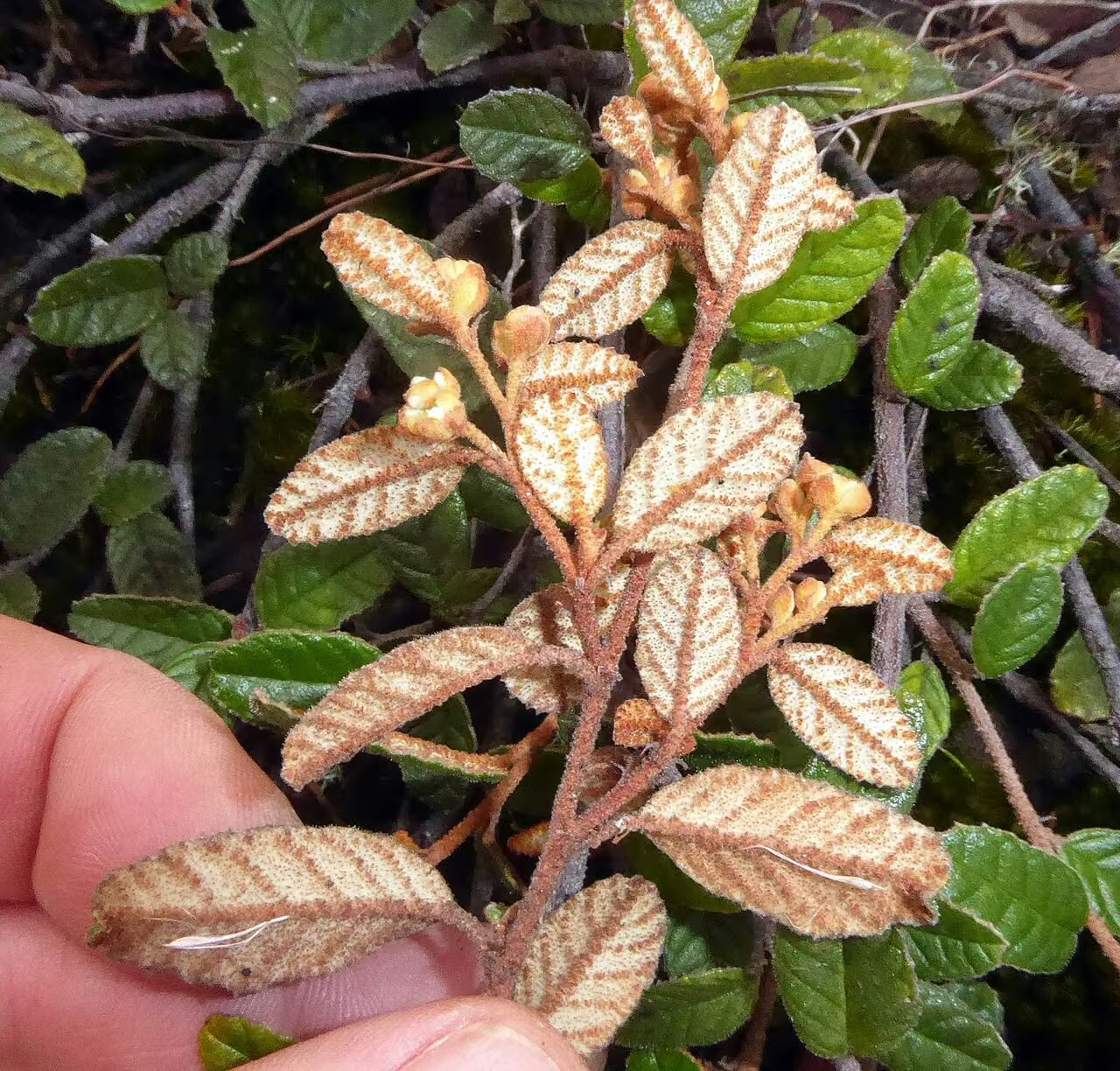
Pomaderris edgerleyi
Pomaderris edgerleyi
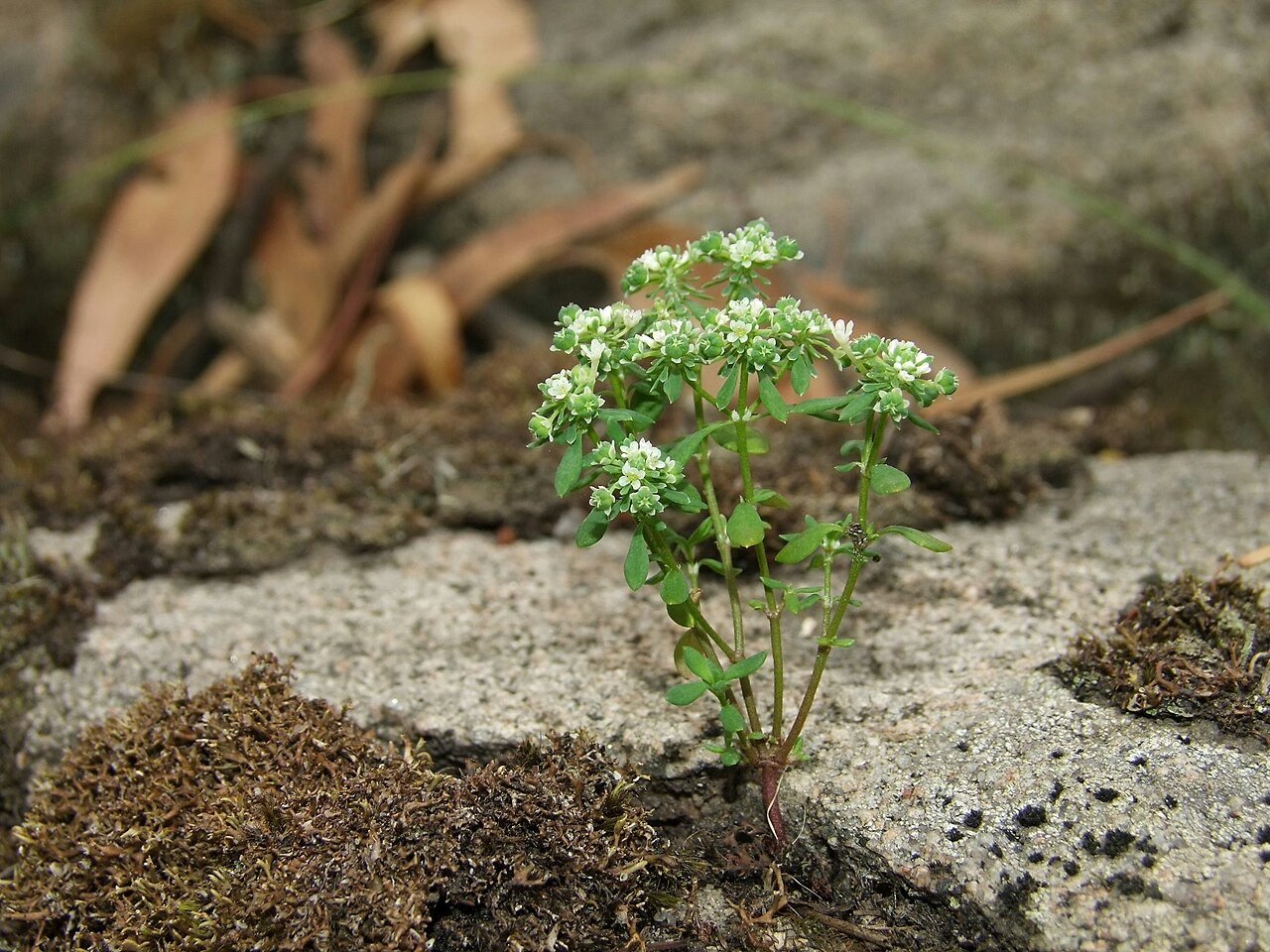
Small Poranthera
Poranthera microphylla
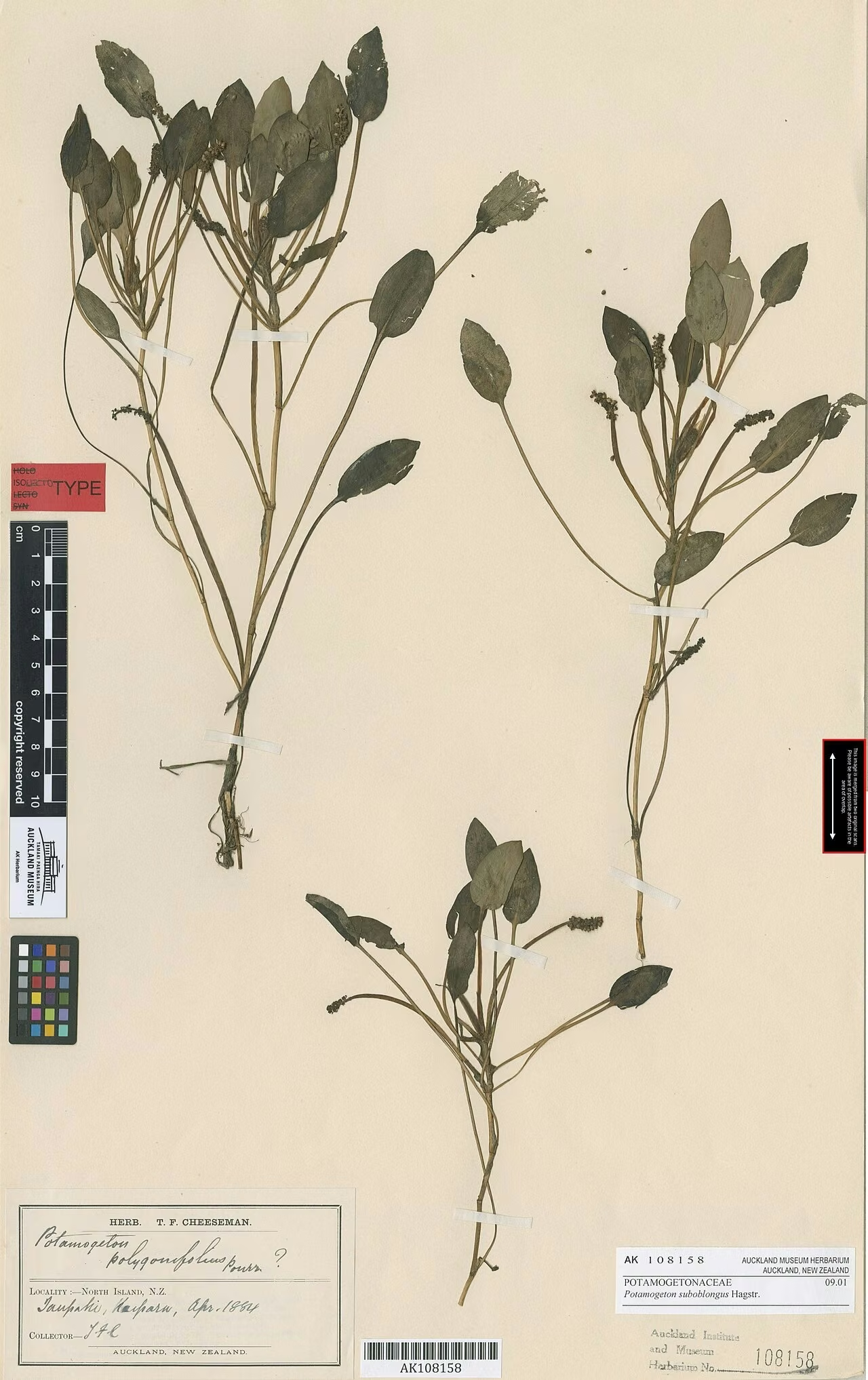
Mud Pondweed
Potamogeton suboblongus
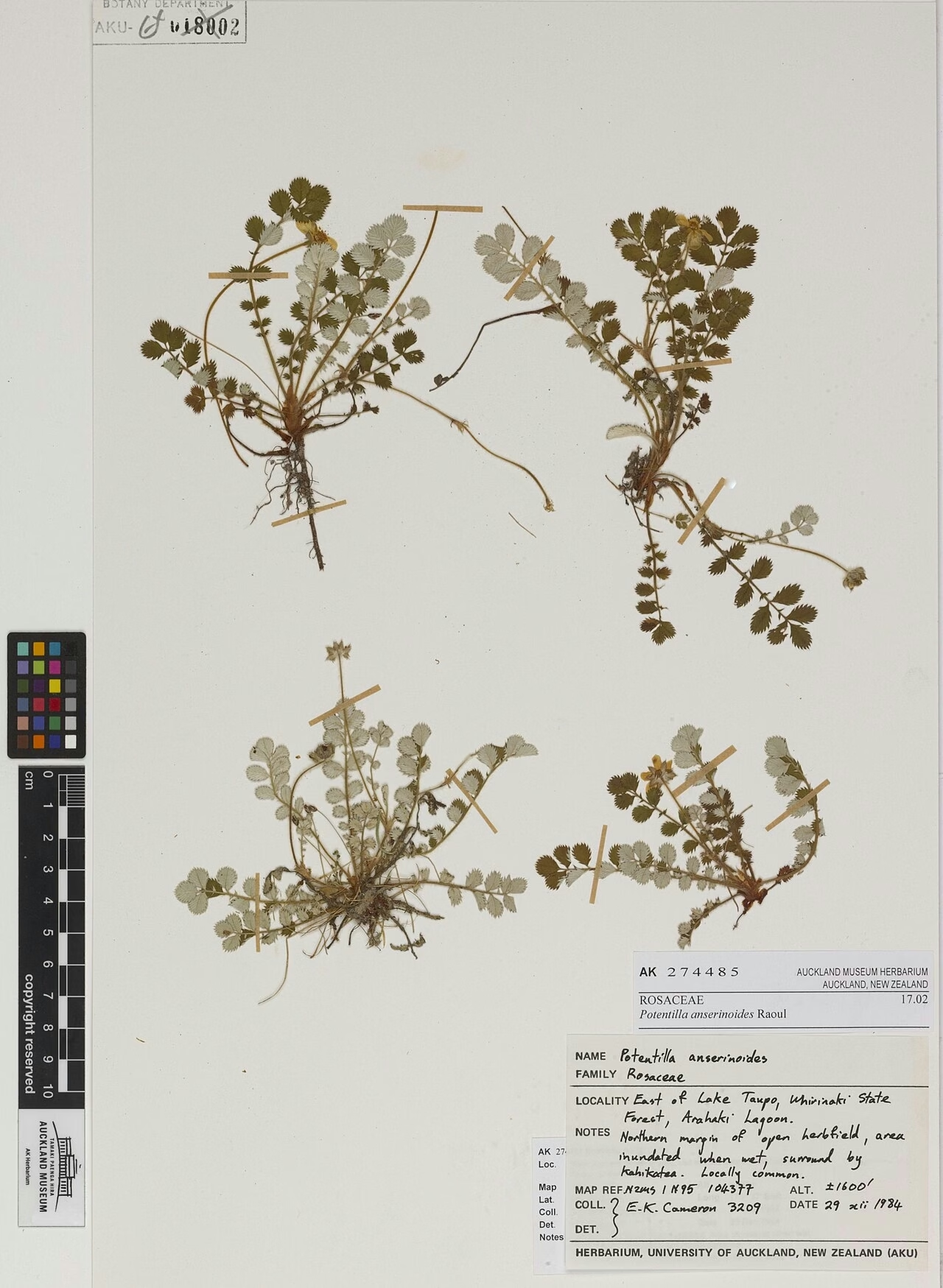
Argentina anserinoides
Argentina anserinoides
Pale Kumerahou
Pale-Flowered Kūmarahou
Plant Conservation
Pomaderris amoena is ranked Not Threatened (2023). Regionally it is Not Threatened in Northland and Auckland, though Auckland's assessment notes declines, and it is At Risk - Naturally Uncommon in the Wellington region.
Because it is almost confined to successional vegetation, it is vulnerable where gumland and coastal scrub are developed, invaded by weeds or allowed to close over. Protecting gumland remnants and keeping some sites open helps it persist.
Frequently Asked Questions
What is tauhinu?
In this case tauhinu is Pomaderris amoena, a small endemic shrub of the buckthorn family with tiny rolled leaves and cream flowers. The Māori name tauhinu is also used for cottonwood (Ozothamnus leptophyllus), a different shrub in the daisy family.
Where does Pomaderris amoena grow?
It grows on the Three Kings Islands and in the North and South Islands, mostly in coastal and lowland open shrubland, gumland and sand country. South of Auckland it is mainly east of the main ranges, and it is scarce in the South Island, reaching its southern limit at Eyrewell Forest in Canterbury.
Is tauhinu easy to grow?
NZPCN describes it as difficult to cultivate. Semi-hardwood cuttings struck in untreated sawdust give the best results, seed germinates poorly, and plants need poor, well-drained soil in full sun.
What was Pomaderris amoena previously called?
It was earlier known as Pomaderris ericifolia and Pomaderris phylicifolia var. ericifolia before being recognised under Colenso's name Pomaderris amoena.
Sources and Further Reading
The botanical, growing, and conservation details for Tauhinu (Pomaderris amoena) on this page draw on the New Zealand plant references below. Consult them for full technical records and the latest distribution data.