Pale Kumerahou
Pomaderris hamiltonii
Last updated:
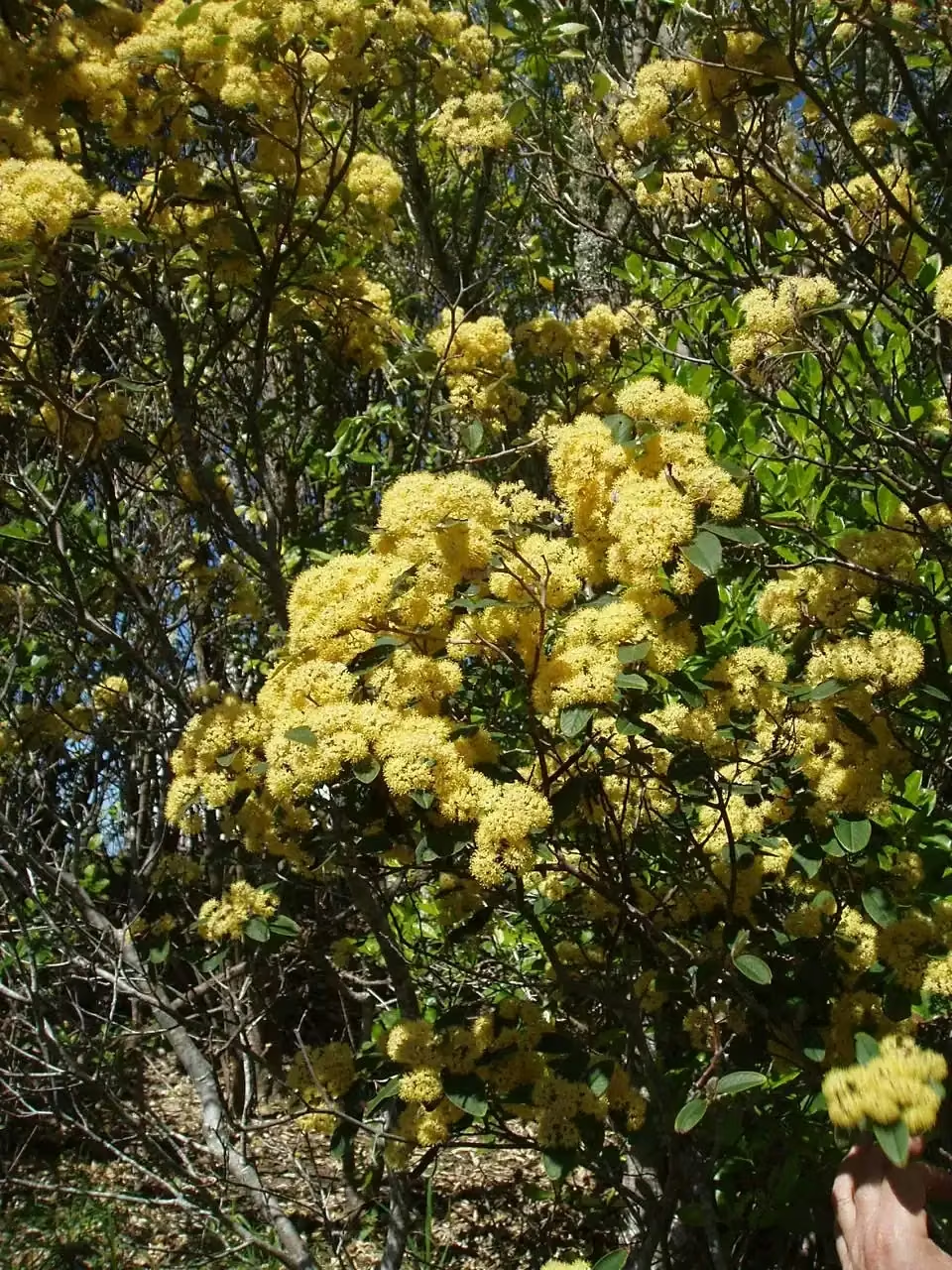
shrubs profile: Pale-Flowered Kūmarahou (Pomaderris hamiltonii) is a threatened endemic New Zealand shrub or small tree. Conservation sources describe it as a rare scrub species with upright dark-barked branches, finely toothed leaves, and pale flowers. It is one of the northern Rhamnaceae shrubs that depend on open, disturbance-prone habitats rather than closed mature forest.
Plant Description
Identification and Physical Characteristics
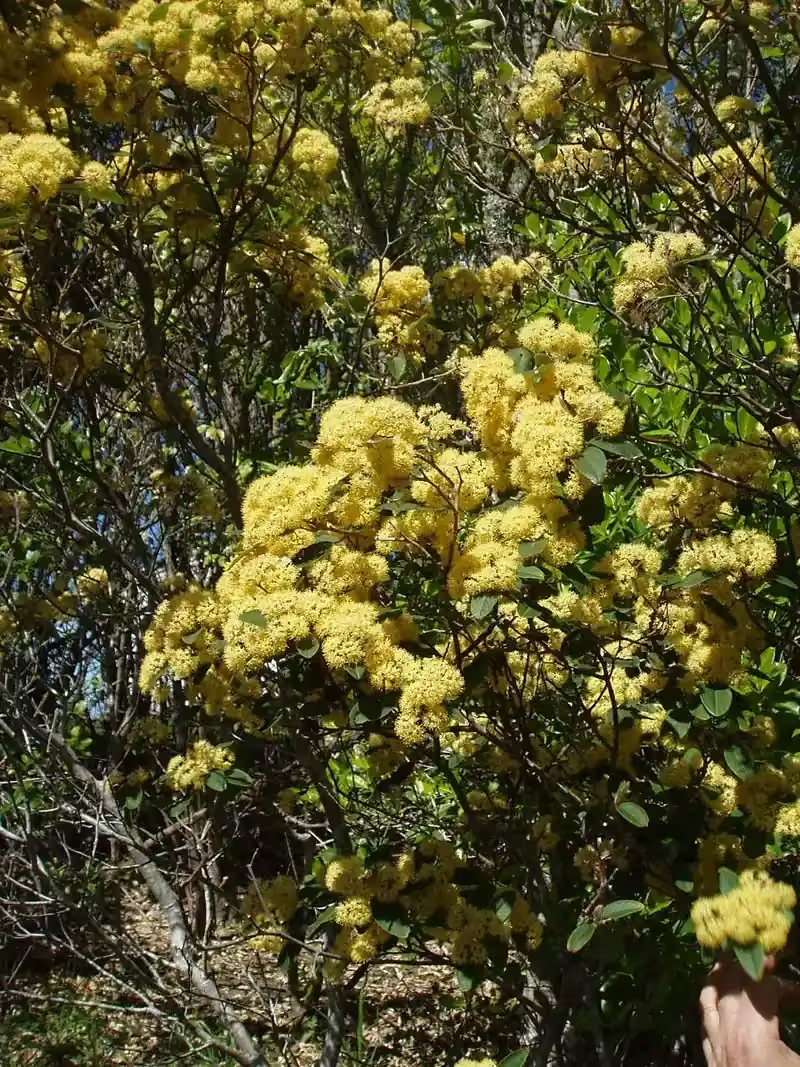
This plant forms an upright shrub or small tree about three to six metres tall. Branches are slender and dark brown, and young leaves are glossy green above and paler beneath with finely toothed margins. Flower clusters are pale compared with the brighter yellow kūmarahou relatives. Its size, upright habit, and pale flowering help distinguish it from lower, more open Pomaderris phylicifolia and from the medicinal kūmarahou, Pomaderris kumeraho.
Quick Facts
| Scientific Name | Pomaderris hamiltonii |
|---|---|
| Height | About 3 - 6 metres |
| Spread | Upright shrub or small tree |
| Water Needs | Low to moderate |
| Light | Full sun to open scrub light |
| Frost Tolerance | Moderate in shelter |
| Salt Tolerance | Moderate near northern coastal scrub |
| Growth Rate | Moderate when young |
| Lifespan | Short to medium-lived shrub or small tree |
Climate Best Suited to
Pale-Flowered Kūmarahou suits mild northern climates and open sunny scrub habitats with lean, well-drained clay or volcanic soils.
Regional Suitability
| City | Climate Suitability |
|---|---|
| Auckland | High in protected northern-style scrub and clay-bank sites |
| Wellington | Low to medium; best as a protected conservation collection plant |
| Christchurch | Low outdoors except in specialist shelter |
| Nelson | Medium in warm open, free-draining conservation plantings |
Plant Habitat
Natural Occurrence and Ecology
Reliable public records place the species among rare New Zealand scrub plants and associate it with northern open scrub, clay banks, disturbed margins, and low-fertility habitats. These are dynamic places where too much shading, roadside spraying, browsing, and development can remove plants even when surrounding vegetation appears intact.
Growing Requirements
Soil Requirements
Lean, free-draining clay or scrub soils suit the plant better than rich wet garden beds.
- Clay banks
- Low-fertility scrub soil
- Free-draining margins
Light Requirements
Open sun or high scrub light is important because heavy canopy shade suppresses this early-successional shrub.
- Full sun
- Open scrub
- Avoid closed shade
Water Requirements
Water young plants to establish, then avoid heavy irrigation that encourages rank competition.
- Moderate establishment water
- Dry-tolerant once rooted
- No waterlogging
Planting and Establishing
Establishment Guidance
Plant Pale-Flowered Kūmarahou only from legally sourced, provenance-tracked nursery material. Use it in conservation plantings, rare-plant collections, or suitable northern scrub restoration where open light can be maintained. Do not tuck it under fast-growing trees that will shade it out within a few years.
Ecological Role
Biodiversity and Ecosystem Impact
This species represents the threatened scrub flora of northern New Zealand. It depends on open light, periodic disturbance, and freedom from browsing or herbicide drift. In suitable scrub, it contributes shrub structure, flowers for small insects, and seed for local regeneration, but it can disappear when succession closes the canopy.
Uses & Significance
Garden Uses
Use in rare-plant gardens, conservation collections, and open scrub restoration with provenance control.
- Threatened plant collections
- Open scrub restoration
- Northern native gardens
Ecological Value
It helps restore threatened scrub diversity and supports open-habitat shrub communities.
- Rare scrub structure
- Pollinator flowers
- Local seed source
Landscaping Uses
Use it as a conservation shrub, not a casual ornamental filler. Pair with mānuka, kānuka, tauhinu, mingimingi, and other open-scrub species that will not rapidly smother it. Keep an open sunny edge around the plant as it matures.
Seasonal Care Calendar
Spring
New growth and flower buds develop in open light.
Summer
Water young plants during extended drought only.
Autumn
Collect seed from authorised cultivated plants when capsules mature.
Winter
Check browse guards and remove shading weeds.
When to Prune and How Much
Prune lightly to maintain open structure and remove damaged wood. Avoid heavy pruning of old plants unless part of an approved conservation management plan.
- Remove damaged branches
- Keep surrounding scrub open
- Avoid severe cuts
Always use clean, sharp tools and avoid disturbing new growth.
How to Grow Pale Kumerahou
From Fresh Seed
Seed propagation should use authorised material with clear source records. Collect mature capsules from cultivated or permitted wild plants, dry them in a contained paper packet, and sow seed into a lean, free-draining native shrub mix. Germination in Pomaderris can be irregular, so keep trays labelled and monitored for an extended period. Young seedlings need bright light, careful watering, and gradual hardening. For conservation work, record parent plants and maintain genetic diversity by collecting from more than one plant where permission and population size allow.
- Collect authorised mature seed
- Sow in lean free-draining mix
- Keep labels with source
- Harden seedlings in bright light
From Semi-Hardwood Cuttings
Semi-hardwood cuttings can help maintain known cultivated plants. Take firm current-season shoots, remove lower leaves, and insert into a gritty propagation mix under humidity. Avoid overly lush material because it may rot. Once roots form, reduce humidity gradually and move plants into brighter shelter. Cuttings are useful for insurance collections, but they should not replace seed-based propagation where genetic diversity is needed. Keep each cutting batch labelled to avoid mixing this rare species with similar Pomaderris taxa.
- Take firm shoots
- Use gritty cutting mix
- Root under humidity
- Keep accession labels
Establishing Conservation Plants
Prepare open sunny habitat before planting. Remove competitive weeds, choose low-fertility free-draining soil, and plant small hardened stock after autumn or spring rain. Mulch lightly and protect from goats, rabbits, and stock. Monitor shading annually because the species needs open light and can be lost as taller shrubs close overhead. Do not fertilise heavily. In restoration, plan for long-term disturbance or canopy-edge management so plants can flower, seed, and recruit naturally rather than being shaded out after one generation.
- Prepare open scrub habitat
- Plant provenance-tracked stock
- Protect from browsing
- Monitor shading annually
Pests & Diseases
Browsing, herbicide drift, weed competition, and canopy closure are the major threats. Seedlings may also be vulnerable to drought and slugs in nurseries.
Cultural Significance
The kūmarahou name links this plant to the broader group of northern Pomaderris shrubs. Its threatened status makes accurate naming and careful source tracking part of respecting that plant heritage.
- Kūmarahou relative
- Northern scrub heritage
- Threatened plant stewardship
Bonus Tip
The best planting site is one you are willing to keep open, not simply one that is open on planting day.
This Pale Kumerahou note is specific to Pomaderris hamiltonii, connecting identification, habitat context, and practical care so the section remains useful for readers comparing New Zealand plant profiles.
Related Plants
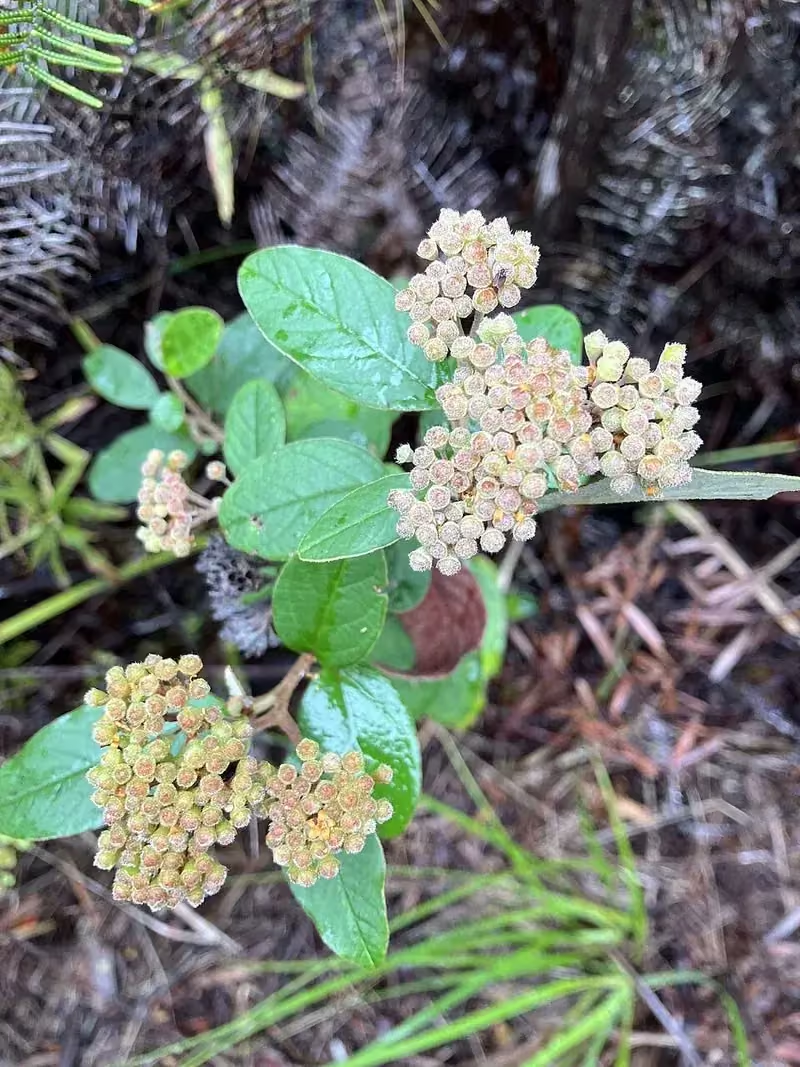
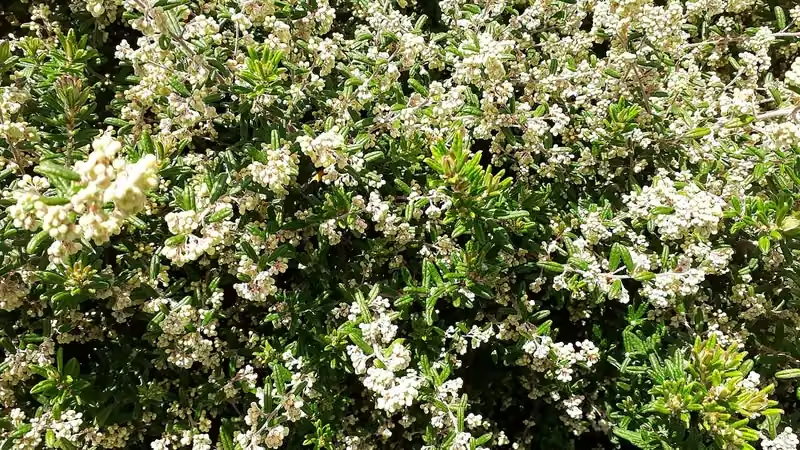
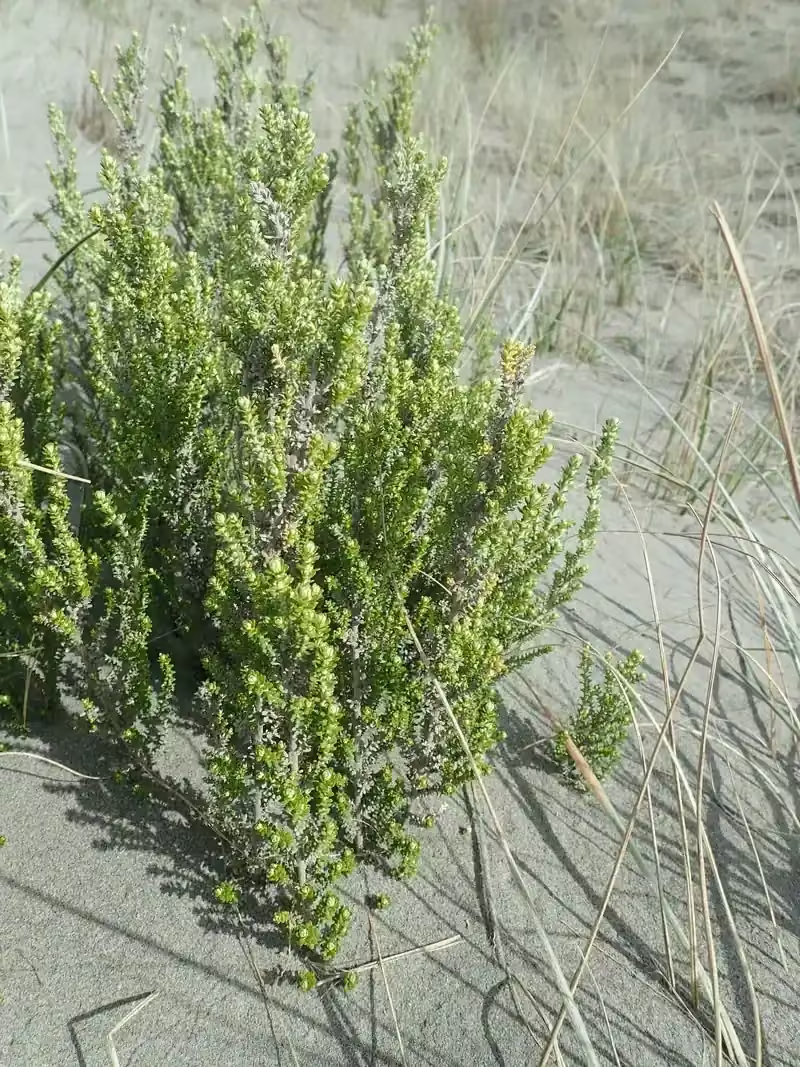
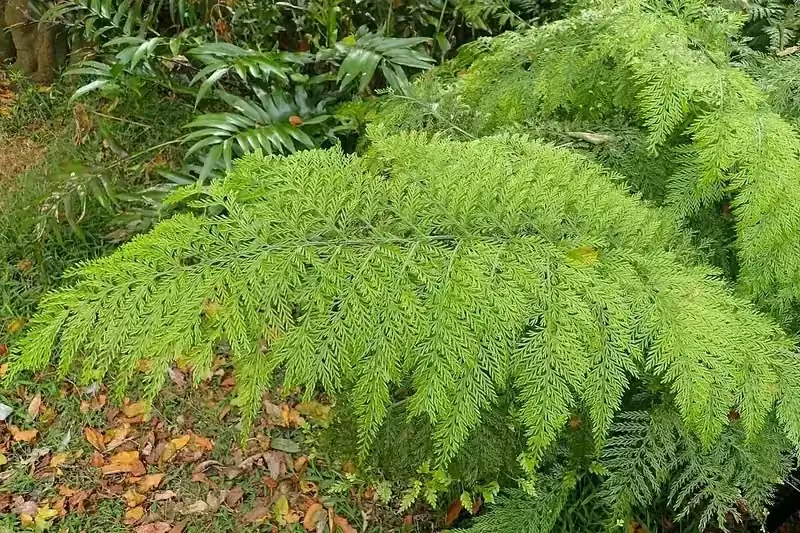
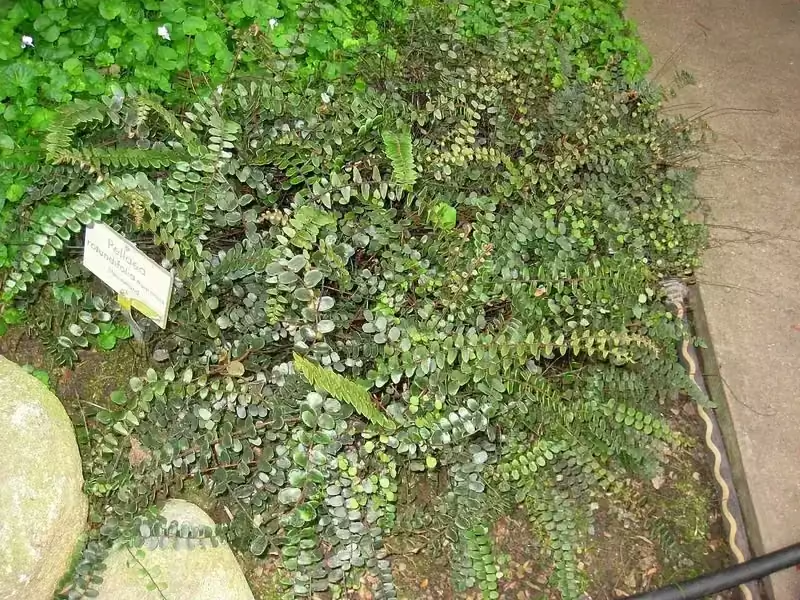
Compare Pale-Flowered Kūmarahou with other New Zealand Rhamnaceae shrubs.



Plant Conservation
Conservation Status and Threats
Pomaderris hamiltonii is treated as Threatened - Nationally Critical. Management priorities include habitat protection, browsing control, avoiding herbicide damage, maintaining open scrub conditions, and using accurately identified, locally sourced plants in recovery work.
Frequently Asked Questions
Is Pale-Flowered Kūmarahou endemic?
Yes. It is an endemic New Zealand shrub.
Why is open habitat important?
The plant can be lost when scrub matures into a closed shaded canopy.
Can I plant it in a home garden?
Only use legally sourced, accurately labelled plants and keep them in open sunny, free-draining conditions.
Sources and Further Reading
The botanical, growing, and conservation details for Pale-Flowered Kūmarahou draw on authoritative New Zealand plant references and taxonomic databases.