Meadow Grass
Poa pusilla
Last updated:
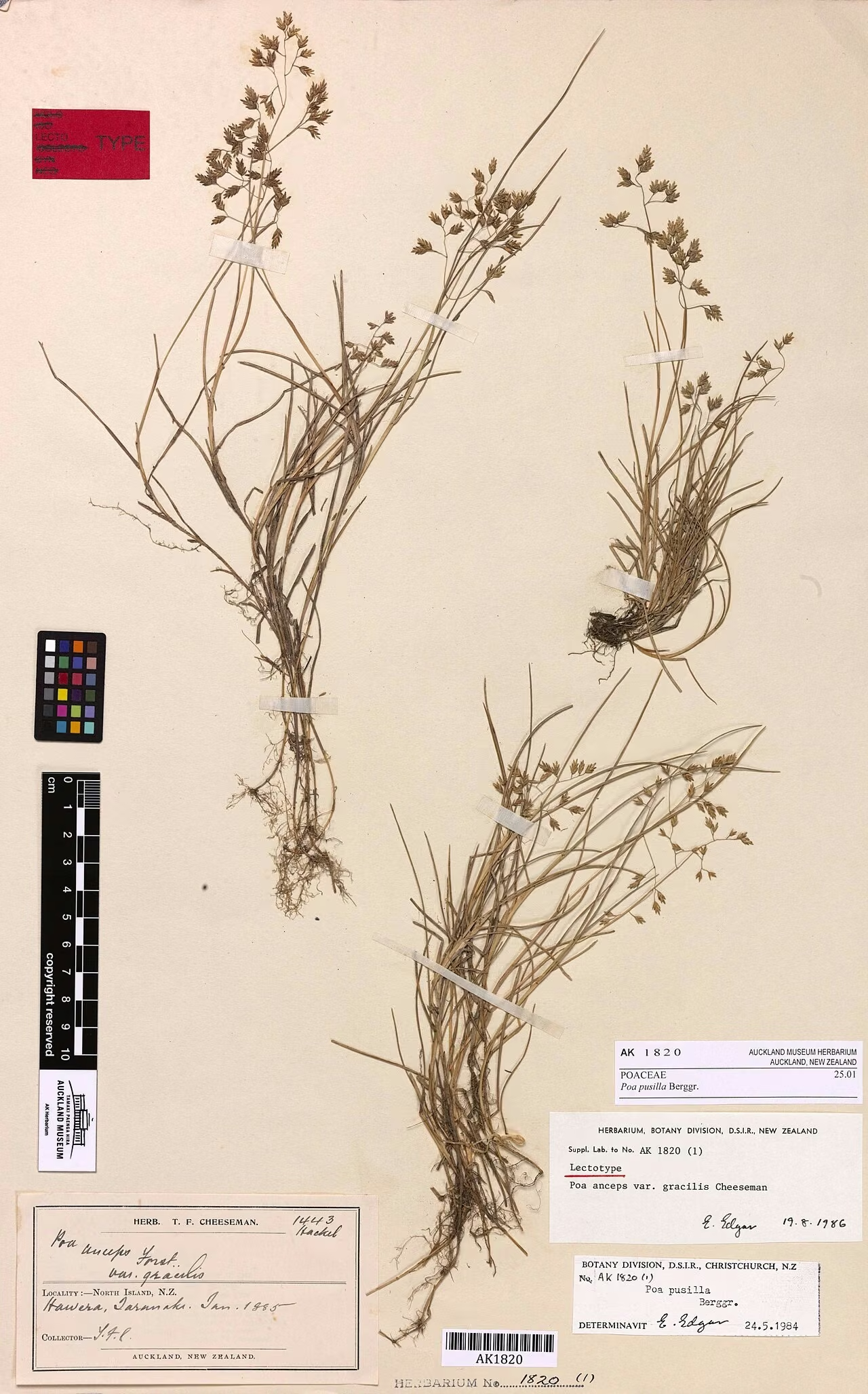
Poa pusilla is a small, slender and often delicate grass endemic to New Zealand. It forms open tufts 5 to about 35 cm tall from a long-creeping, thread-like rhizome, with a few very narrow, soft, bright green leaves. It occurs throughout the North Island, through much of the South Island (though rarely on the eastern plains and dry inland basins), on Stewart Island/Rakiura and on the Three Kings Islands. Its habitats range from lowland to subalpine open forest, scrub and tussock grassland to stony ground and sand dunes. It is Not Threatened nationally but has declined in the Auckland region. Explore more native grasses and flaxes in our native plant guide.
Plant Description
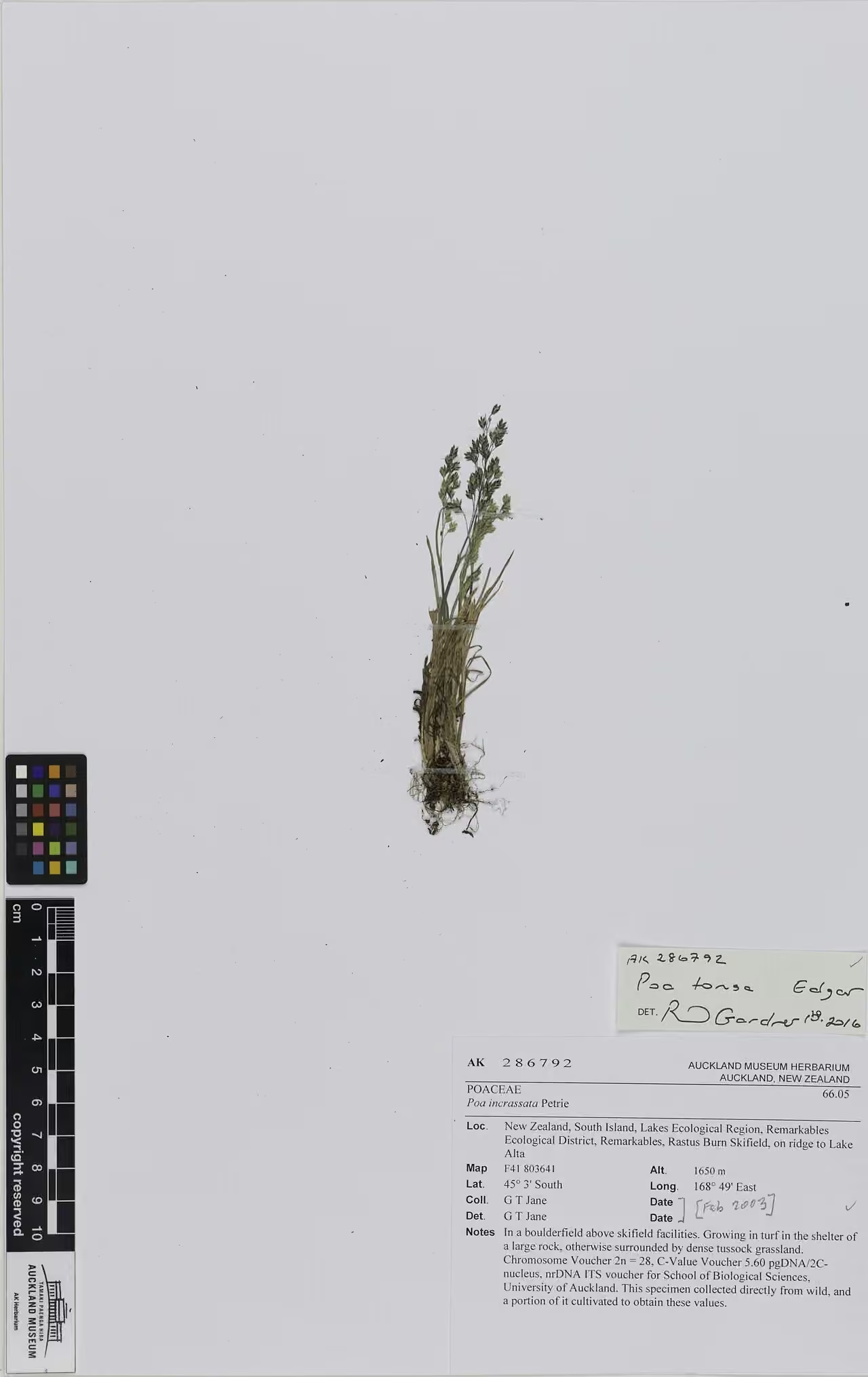
Poa pusilla grows as slender, often delicate, open perennial tufts 5 to about 35 cm tall. The tufts are connected by a slender, long-creeping rhizome, so the plant can appear as scattered shoots rather than a single clump. Each tuft carries only a few very narrow, flaccid, bright green leaves.
The leaf blades are mostly 5 to 15 cm long (ranging from 1 to 25 cm) and only about 0.5 mm wide, almost thread-like. The leaf sheaths are greenish-purple. The small panicle carries yellow-green, faintly purplish spikelets of two to five florets, occasionally up to seven.
A close look at the florets helps to confirm it: the lemma has long, silky, crinkled hairs on its lower half, and the callus at the base of each floret bears a thick tuft of long, silky, crinkled hairs. Combined with the long-creeping rhizome and the few, very fine leaves, these features separate it from other small lowland poas.
Quick Facts
| Scientific Name | Poa pusilla |
|---|---|
| Height | 0.05-0.35 m |
| Spread | Open tufts linked by a slender creeping rhizome |
| Water Needs | Moderate; prefers moister districts |
| Light | Full sun to light shade |
| Frost Tolerance | Good; ranges up to the subalpine zone |
| Salt Tolerance | Some; occurs on sand dunes, but no specific data |
| Growth Rate | Moderate |
| Lifespan | Perennial |
Climate Best Suited to
Suits a wide range of mild to cool, reasonably moist climates from the far north to Stewart Island. It is scarce in the driest eastern and inland South Island districts.
Regional Suitability
| City | Climate Suitability |
|---|---|
| Auckland | High |
| Wellington | High |
| Christchurch | Medium |
| Dunedin | High |
Plant Habitat
Poa pusilla is endemic to New Zealand. It is found throughout the North Island, on the Three Kings Islands off the northern tip, and through the South Island, although it is rarely recorded from the eastern plains and the dry inland basins. It also occurs on Stewart Island/Rakiura.
It ranges from lowland to subalpine altitudes. Typical habitats are open forest, scrub and tussock grassland, stony places and sand dunes. It tends to grow where taller vegetation is open enough to let light reach the ground.
Growing Requirements
Soil Requirements
Its wide habitat range, from sand dunes to stony ground and forest floors, shows tolerance of many soil types provided they are not waterlogged.
- Light, free-draining soils suit it well
- Sandy or stony ground is acceptable
- Avoid heavy, compacted soils
Light Requirements
It grows in open forest and scrub as well as in grassland, so it accepts both sun and light shade.
- Dappled shade beneath open canopy
- Full sun where soil stays moderately moist
Water Requirements
Its rarity on the dry eastern plains and inland basins suggests it prefers reliable rainfall.
- Water during long dry spells
- Do not keep the soil saturated
Planting and Establishing
Plant in autumn or spring in a lightly shaded or open spot where it will not be smothered by vigorous neighbours. Because it is so fine and delicate, it is easily lost among bolder plants and is better placed at the front of a border or among low groundcovers.
It is not commercially available, so plants are usually raised from seed or rhizome pieces from cultivated stock. Plant several close together, about 15 cm apart, to create a visible patch.
Ecological Role
Poa pusilla is wind-pollinated like other grasses. Its creeping rhizome lets it spread slowly through open ground and leaf litter, forming loose colonies.
In dune and stony habitats it is one of the small native grasses that fill gaps between larger plants. Its decline in the Auckland region likely reflects loss of open native habitats to development and invasive weeds, although specific causes are not documented in the sources consulted.
Uses & Significance
Garden Uses
This is a subtle plant for enthusiasts and restoration plantings rather than a bold ornamental.
- Fine-textured filler under open shrubs
- Restoration of native grassland and dune margins
- Woodland edge plantings
Ecological Value
It contributes to the diversity of native grasses in lowland and subalpine communities.
- Native ground layer in open forest and scrub
- Component of dune and stony-ground vegetation
- Regionally important in Auckland and Otago where it is uncommon
Landscaping Uses
Its fine leaves give a soft, misty effect when massed, especially with low light behind them. Grow it in drifts between rocks or along a woodland path where its delicate form can be seen up close.
Combine it with small native groundcovers that will not overwhelm it, such as low-growing herbs, rather than vigorous creeping plants.
Seasonal Care Calendar
Spring
New shoots emerge from the rhizome and the plant greens up.
- Divide or plant out
- Clear competing weeds
Summer
The flowering season is not documented in the sources consulted, but small yellow-green, purplish-tinged panicles are typically seen in the warmer months.
- Water in dry weather
- Collect seed as panicles dry
Autumn
Seed is shed and growth continues while the soil is moist.
- Sow seed
- Plant new tufts
Winter
Growth slows; tufts remain green in mild areas.
- Avoid disturbance
- No feeding required
When to Prune and How Much
No regular pruning is needed. Spent flowering stems can be snipped away once seed has dropped, and any dead foliage teased out gently by hand.
Avoid mowing or heavy trimming, as the few fine leaves on each tuft are needed to keep the plant growing.
How to Grow Meadow Grass
Poa pusilla is not commercially available, and no species-specific propagation notes are published. Its biology suggests two practical methods: seed, which most poas produce freely, and division of the long-creeping rhizome, which naturally forms separate rooted tufts. In Auckland, where it is regionally declining, and in Otago, where it is regionally uncommon, source material from cultivated or plentiful local populations and follow landowner and Department of Conservation rules before collecting any seed.
From Seed
Seed should be sown fresh. The hairy tufts at the base of each floret help the seed catch on the wind and can make cleaning fiddly, so it is easiest to sow whole florets.
- Collect panicles when the spikelets turn straw coloured
- Rub the florets off and sow them on the surface of a fine, free-draining seed mix
- Press in lightly and cover with a dusting of sand or fine grit
- Keep moist in a bright spot without hot direct sun
- Pot seedlings on in small groups to form fuller tufts
By Rhizome Division
Because tufts are joined by a slender rhizome, rooted shoots can be separated without disturbing the whole colony. This is the quickest way to multiply a plant already growing in a garden, and pieces usually establish within a few weeks in mild weather.
- In spring, trace the rhizome between tufts and cut it
- Lift each tuft with its roots and some soil
- Pot into a free-draining mix and keep lightly shaded
- Plant out once new leaves appear
Pests & Diseases
No specific pests or diseases are recorded for Poa pusilla. Its small size makes it vulnerable to being smothered by vigorous weeds and exotic grasses, which is the main practical threat in gardens.
Slugs and snails may graze young seedlings, so protect trays during establishment.
Cultural Significance
No Māori name or traditional use is recorded for Poa pusilla in the sources consulted. The epithet pusilla is Latin for 'small'.
Over time botanists described forms of it under several names, including Poa seticulmis and varieties of Poa anceps, which are now all included in Poa pusilla.
Bonus Tip
When looking for it in the field, check the base of the florets with a hand lens: the thick tuft of long, silky, crinkled hairs on the callus is one of the clearest features of Poa pusilla.
Related Plants
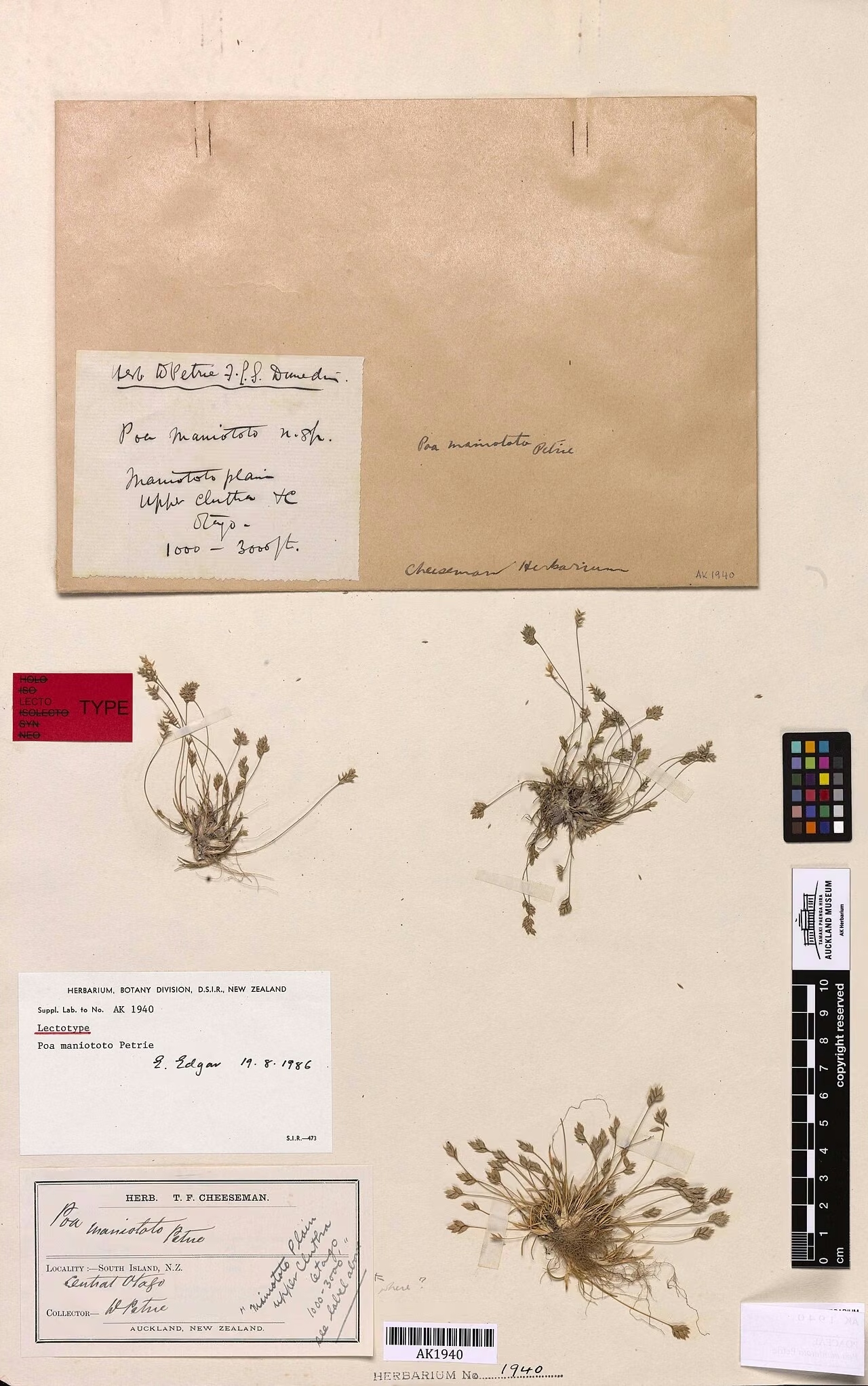
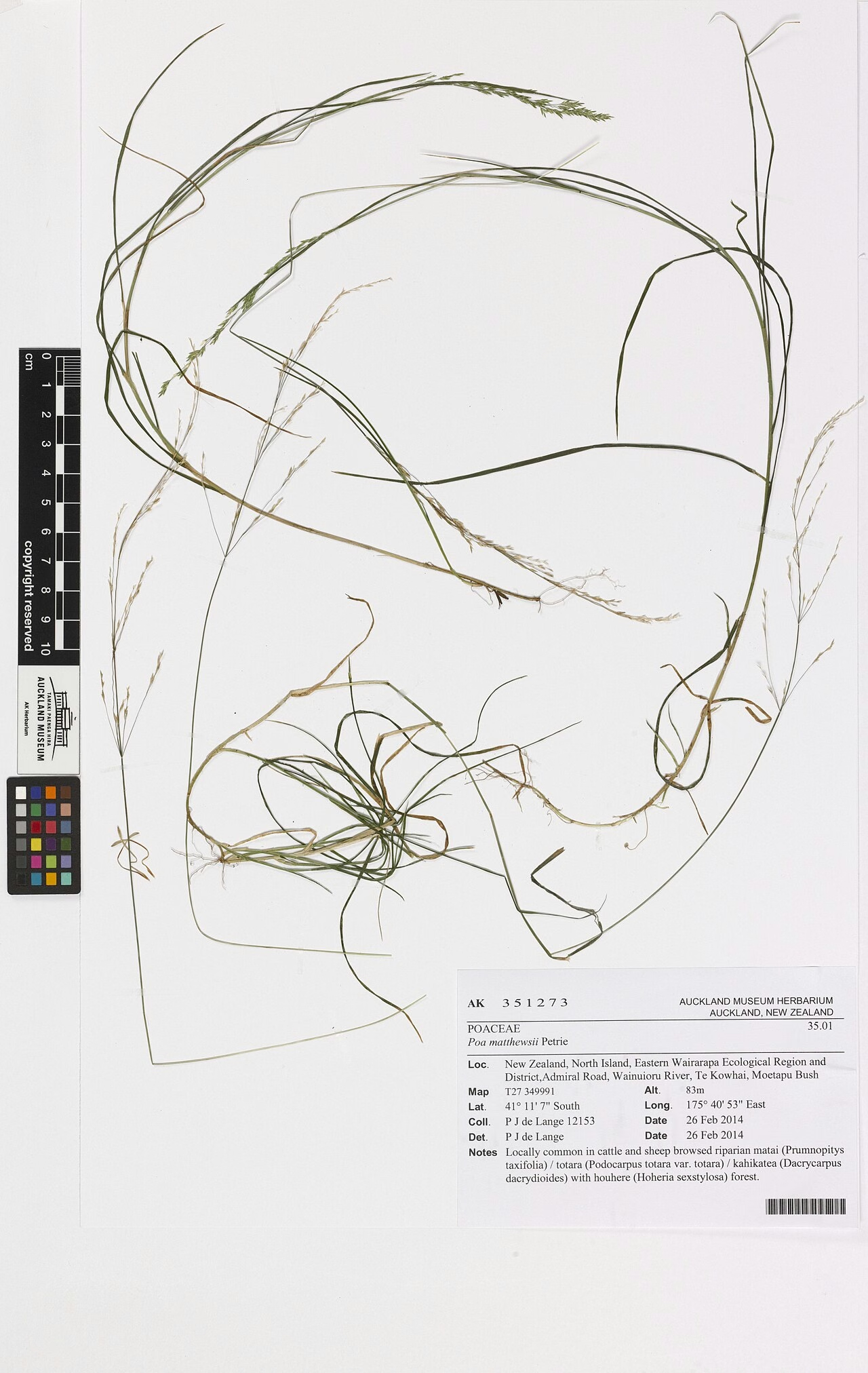
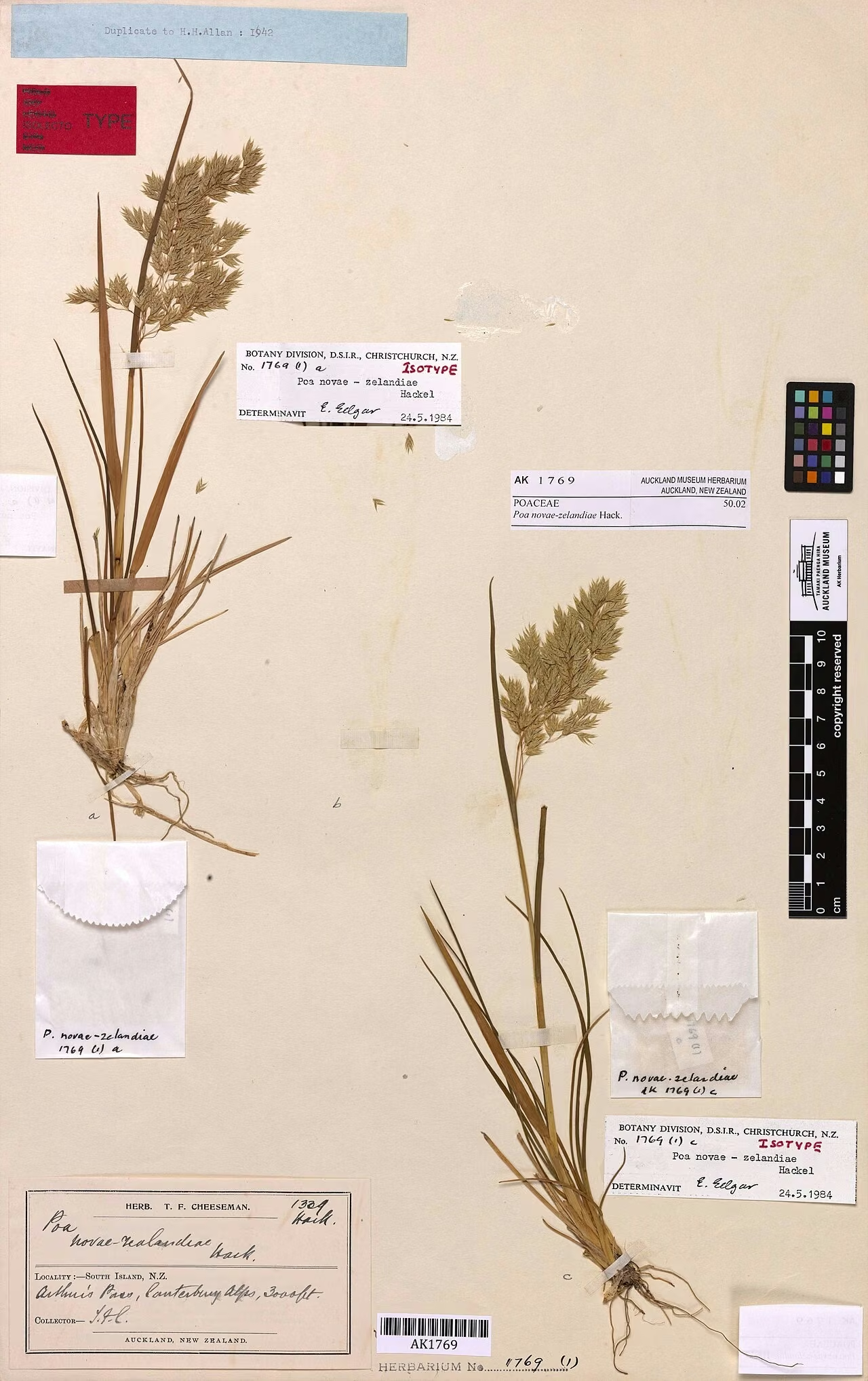
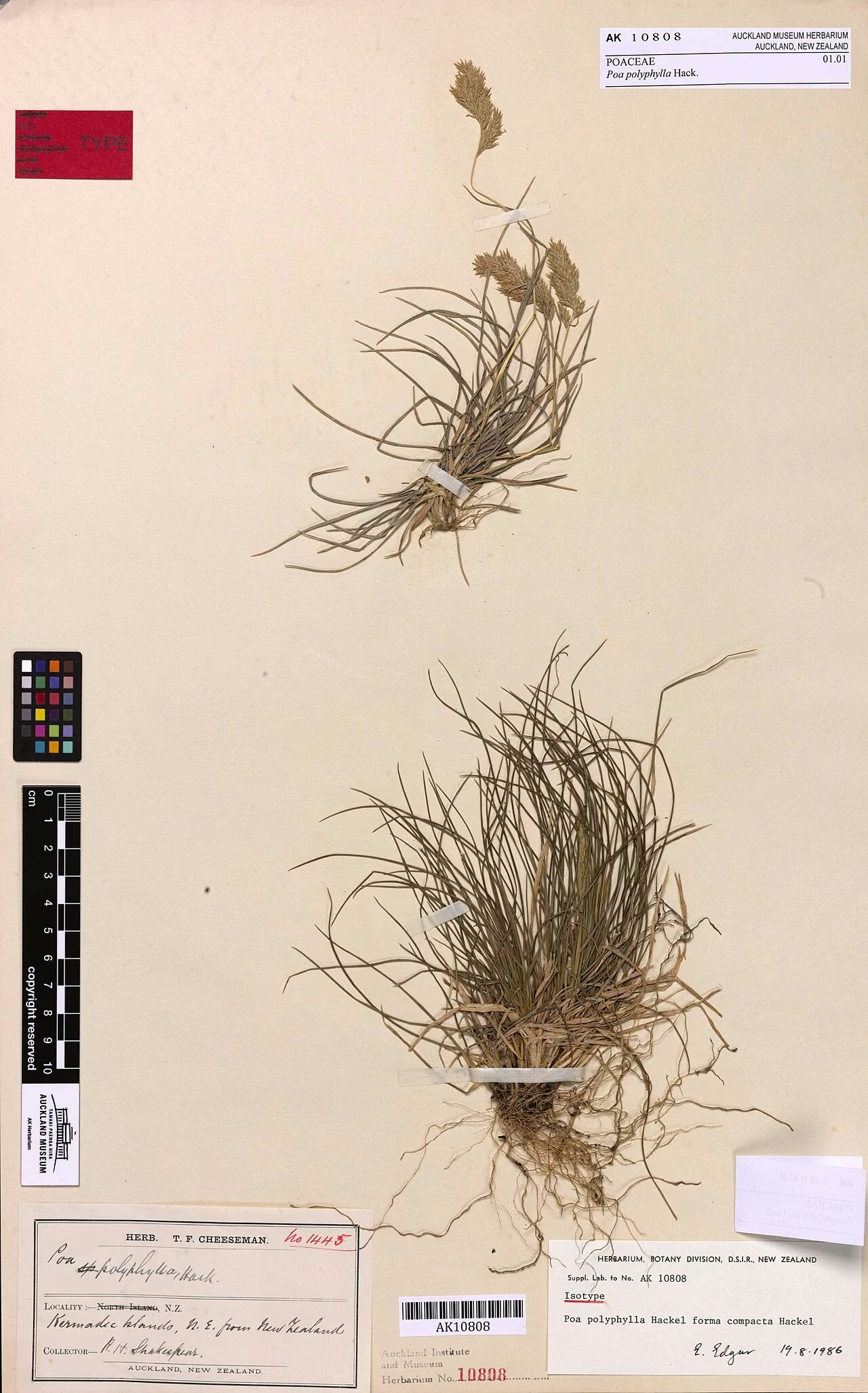
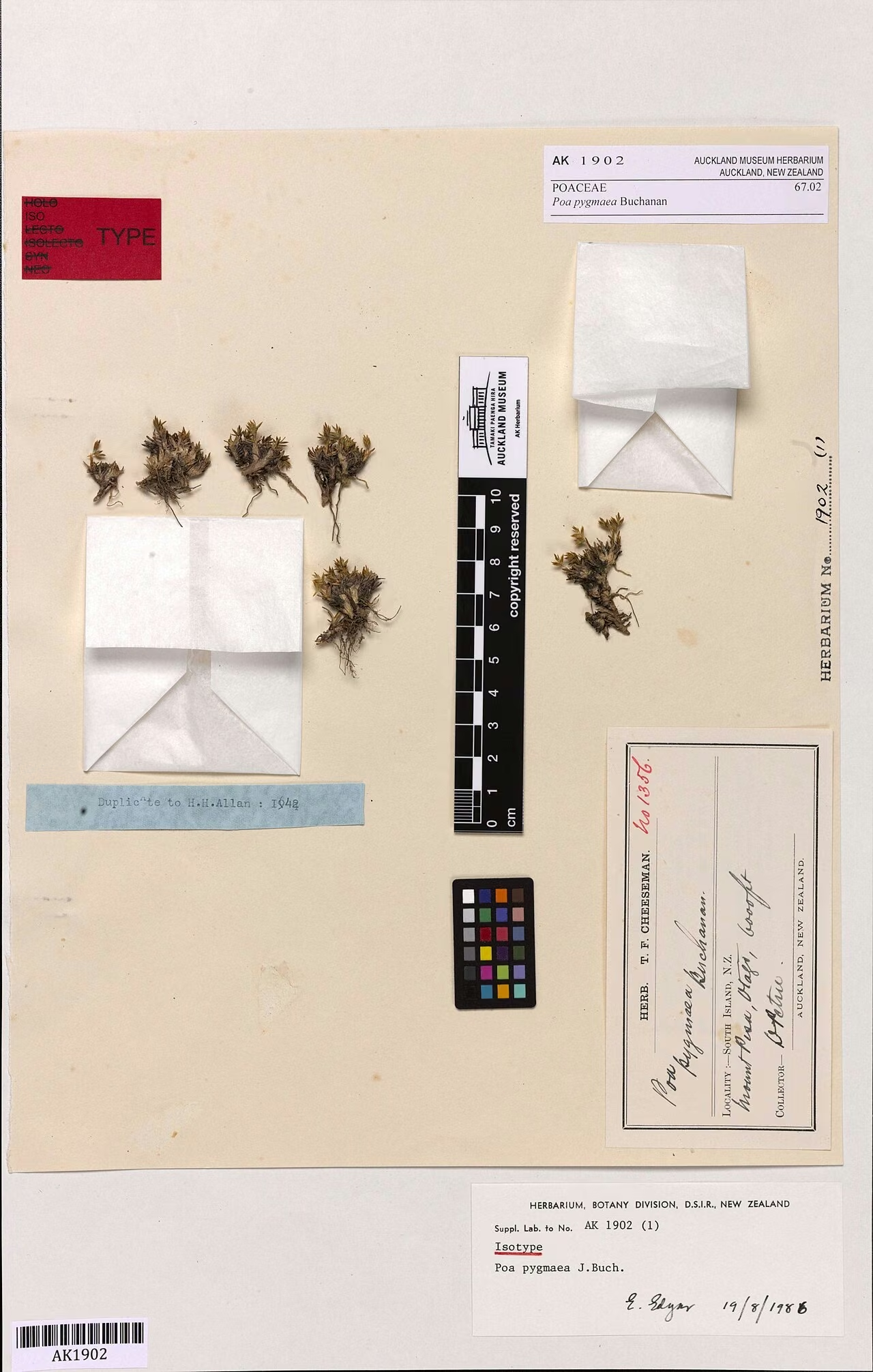
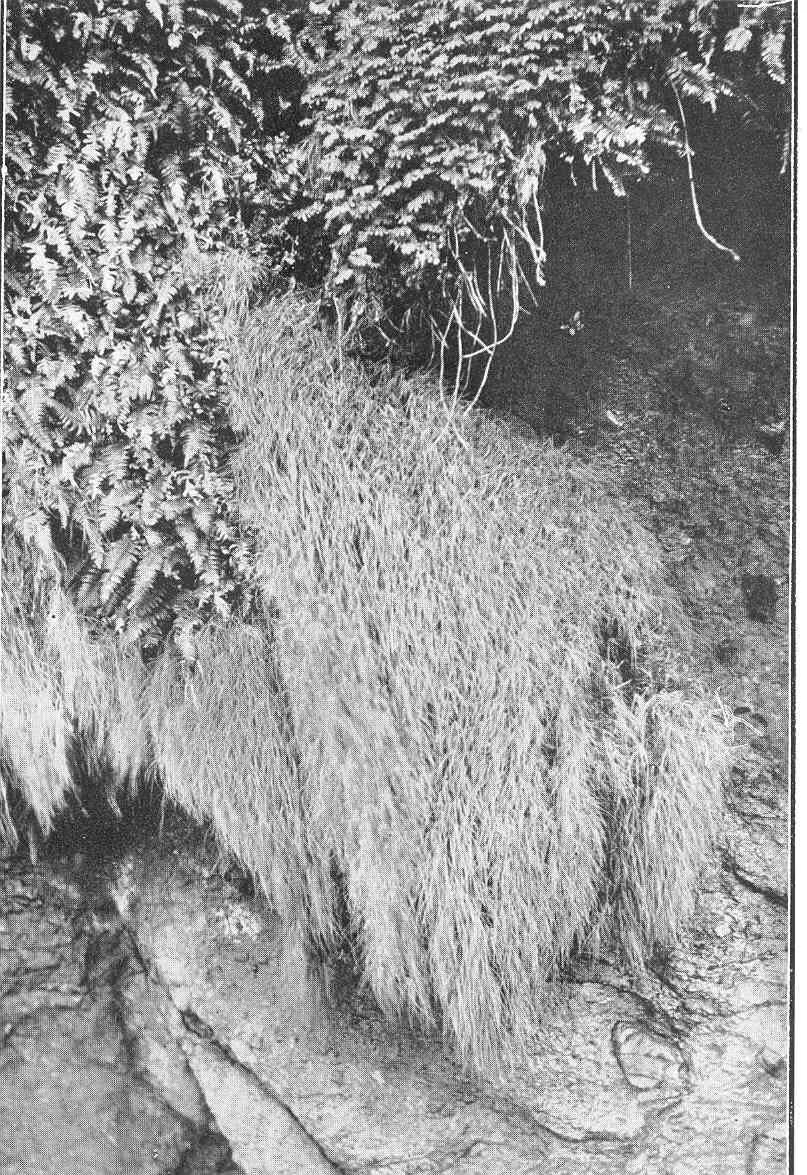
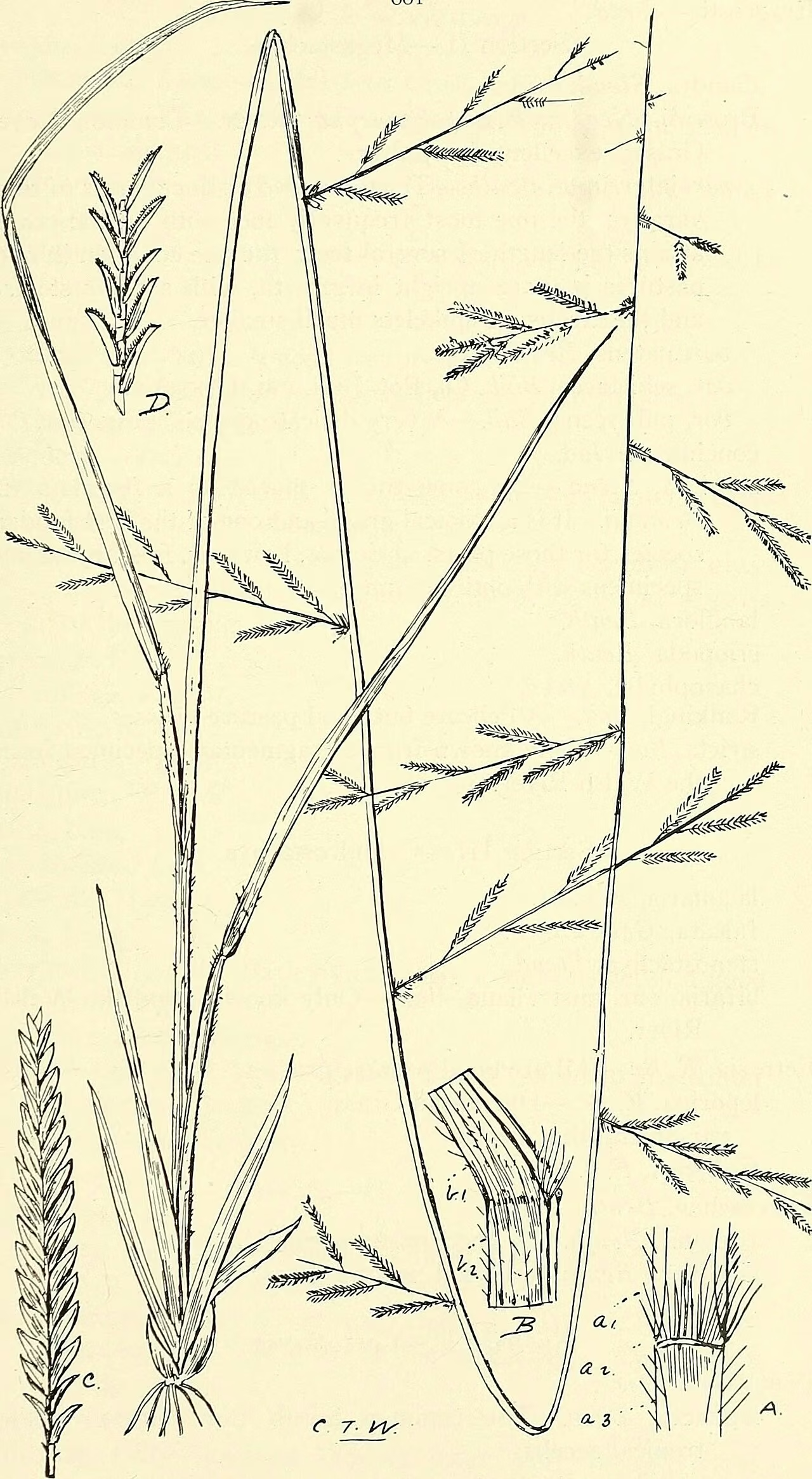
Explore other native plants that share similar characteristics or habitats with Meadow Grass (Poa pusilla), offering further insights into New Zealand's diverse flora. These related species provide context and opportunities for complementary planting in your garden.
Plant Conservation
Poa pusilla is ranked Not Threatened nationally (2023) and has had this status in every assessment since 2004. Regionally it is At Risk - Regionally Declining in Auckland and At Risk - Regionally Naturally Uncommon in Otago, and Data Deficient in the Wellington region.
Protecting remnants of open native forest, scrub, grassland and dune vegetation and controlling invasive weeds that crowd out small grasses will help maintain it, particularly in the Auckland region.
Frequently Asked Questions
What does Poa pusilla look like?
It forms slender, open tufts 5 to about 35 cm tall with a few very narrow, soft, bright green leaves about 0.5 mm wide and small yellow-green panicles that are faintly purplish.
Does Poa pusilla have a common name?
No widely used common name exists. The Latin name pusilla means 'small', which suits this delicate grass.
Where does Poa pusilla grow?
It is found throughout the North Island, the South Island except mostly the dry eastern plains and inland basins, Stewart Island and the Three Kings Islands, from lowland to subalpine levels.
Is Poa pusilla rare?
Nationally it is Not Threatened, but it is ranked Regionally Declining in Auckland and Regionally Naturally Uncommon in Otago.
Sources and Further Reading
The botanical, growing, and conservation details for Meadow Grass (Poa pusilla) on this page draw on the New Zealand plant references below. Consult them for full technical records and the latest distribution data.