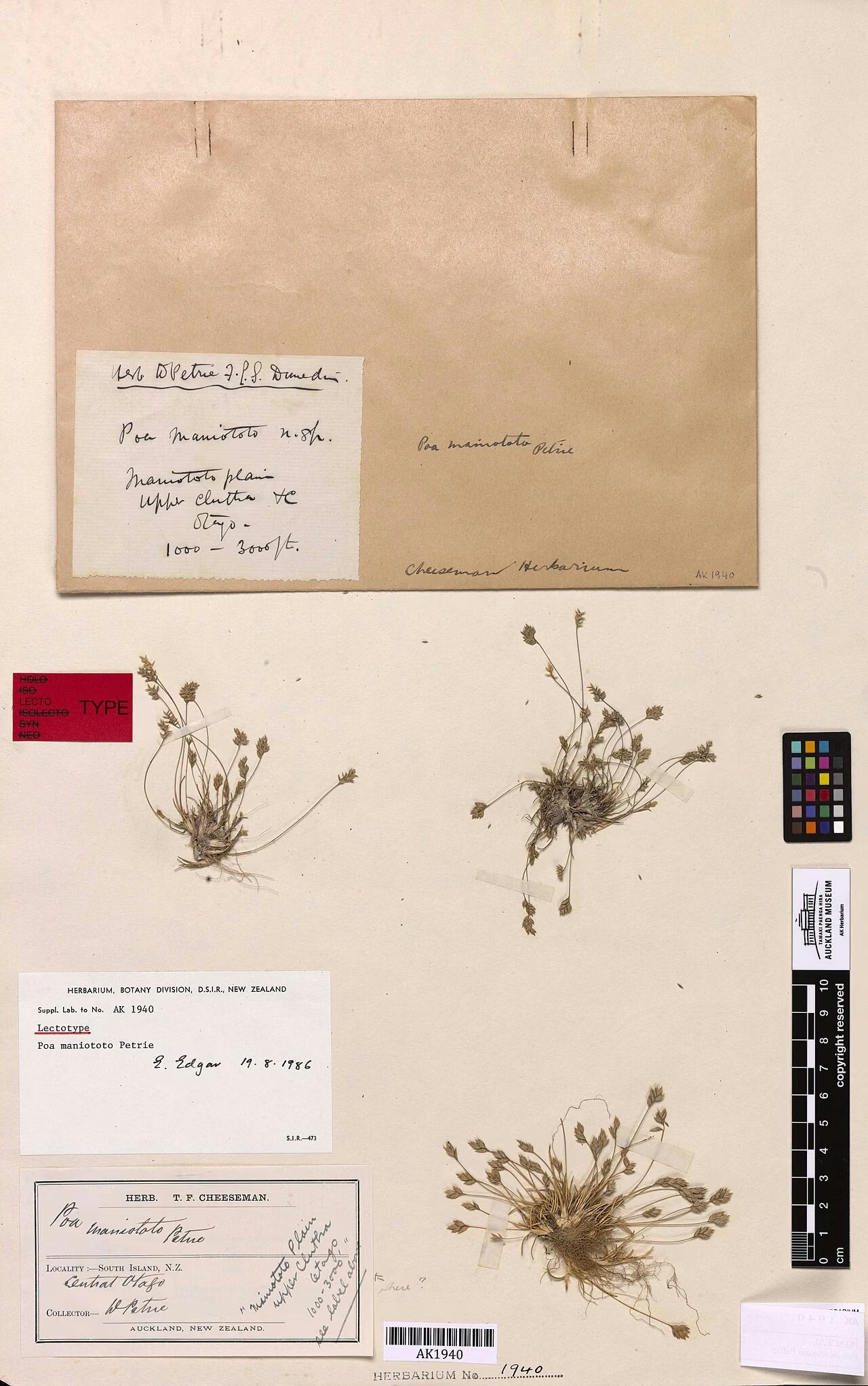
Desert Poa
Poa maniototo
Last updated:
Desert poa (Poa maniototo) is a tiny, compact, greyish grass endemic to the eastern South Island, forming tufts less than 10 cm tall with densely crowded, stiff, inrolled leaves less than 1.5 cm long. Slender flowering stems carry small spike-like heads of silky greyish green to purplish spikelets. It grows from lowland to alpine levels in short-tussock grassland on rocky, stony or depleted ground and takes its name from the Maniototo Plain in Central Otago. It was reclassified as At Risk - Declining in 2023. Explore more native grasses and flaxes in our native plant guide.
Plant Description
Desert poa forms small, compact, greyish perennial tufts less than 10 cm tall, with densely crowded rigid leaves overtopped by slender flowering stems. The leaf sheaths are much wider than the leaf blades, membranous, hairless and ribbed. The leaf blades are only 0.25 to 1.5 cm long, inrolled to about 0.5 mm across, stiff, often curved, grey-green and hairless.
The flowering stems are 1.5 to 8 cm tall and may carry a single leaf midway. The panicle is a compact, oblong, spike-like head 0.5 to 1.5 cm long with very short branches. The spikelets are about 2 to 3.5 mm long, with three to five florets, and are silky greyish green to greyish purple; the lemmas are finely hairy almost throughout.
Its silky spikelets and unusual ligule set it apart. The ligule consists mainly of two membranous lobes at either side of the leaf blade and usually extends as a rim-like contra-ligule on the other side of the stem. Flora of New Zealand notes that a contra-ligule otherwise occurs only occasionally, in Poa acicularifolia. The chromosome number is 2n = 28.
Quick Facts
| Scientific Name | Poa maniototo |
|---|---|
| Height | Under 0.1 m |
| Spread | Small compact tufts |
| Water Needs | Low; a dryland species |
| Light | Full sun |
| Frost Tolerance | High; tolerates hard frosts of inland basins and alpine areas |
| Salt Tolerance | No information available; an inland species |
| Growth Rate | Slow |
| Lifespan | Perennial |
Climate Best Suited to
It suits the continental climate of inland eastern South Island basins and ranges, with hot dry summers, very cold winters, hard frosts and low rainfall. Humid, wet climates are unsuitable.
Regional Suitability
| City | Climate Suitability |
|---|---|
| Auckland | Low |
| Wellington | Low |
| Christchurch | Medium |
| Dunedin | Medium |
Plant Habitat
Desert poa is endemic to the South Island, where it occurs in eastern areas. It is rare in North Canterbury and has not been recorded from Southland. The lectotype was collected on the Maniototo Plain in Otago at 1000 to 3000 ft.
It grows from lowland to alpine altitudes in short-tussock grassland, on rocky, stony or depleted ground. Its ability to live on depleted ground places it among the small native plants of the drylands of Central Otago and inland Canterbury.
Growing Requirements
Soil Requirements
It grows on thin, stony, rocky or depleted soils with sparse vegetation cover.
- Very free-draining stony or gravelly soil
- Low fertility
- Avoid rich or wet soils
Light Requirements
Its short-tussock grassland and stony open ground are fully exposed.
- Full sun
- Must not be overgrown by taller plants
Water Requirements
It is adapted to low rainfall and dry summers.
- Minimal watering once established
- Avoid winter wet around the crown
- Good drainage is essential
Planting and Establishing
Desert poa is not commercially available. If grown, it belongs in a trough or scree with very gritty, low-fertility soil in full sun, where larger plants cannot crowd it.
In Central Otago or inland Canterbury restoration, it is part of the native dryland flora worth protecting where it already occurs, rather than a plant to establish widely.
Ecological Role
Desert poa is part of the low, open vegetation of eastern South Island short-tussock grassland and dryland stony ground, a habitat shared with many small and specialised native herbs and grasses.
Like other Poa species it is wind pollinated. No specific insect or animal associations are documented in the sources consulted.
Uses & Significance
Garden Uses
It is a curiosity for dryland and alpine trough gardens.
- Alpine troughs and scree beds
- Dryland native plant collections
- Conservation collections of Central Otago flora
Ecological Value
It contributes to the distinctive native flora of New Zealand's drylands.
- Covers bare stony ground among short tussocks
- Part of declining dryland plant communities
- A taxonomically distinctive Poa
Landscaping Uses
Its tiny grey tufts are best seen up close in a trough or crevice among schist rocks, alongside other small dryland natives.
It has no role in larger landscaping because of its very small size.
Seasonal Care Calendar
Spring
Growth resumes after the cold inland winter.
- Weed around tufts
- Check drainage
Summer
Small silky spike-like heads appear above the tufts. Exact flowering months are not given in the sources consulted.
- Little or no watering
- Collect ripe seed
Autumn
Seed is shed and plants slow down.
- Sow seed
- Keep competing plants away
Winter
Tufts endure hard frosts and snow.
- Protect from prolonged wet in cultivation
When to Prune and How Much
No pruning is needed for such a small grass. Remove old flowering stems by hand if wanted.
Keep surrounding plants trimmed so they do not shade or smother the tufts.
How to Grow Desert Poa
No propagation records for desert poa were found in the sources consulted, and NZPCN lists it as not commercially available. As a small tufted perennial grass it should be possible to raise from seed and to divide, following practice for other small dryland Poa species, but these methods are untested for this species. Because it is now ranked At Risk - Declining, take only small amounts of seed with landowner or DOC permission, and never dig wild plants.
From Seed
Seed develops in the small, spike-like silky heads after flowering. Dryland grasses generally germinate well in a lean, gritty mix that does not stay wet, and young seedlings dislike competition and damp, still air.
- Collect the spike-like heads when they dry to a straw colour
- Sow seed on a very gritty, low-fertility seed mix
- Cover lightly with fine grit
- Keep just moist in a bright, airy place
- Pot seedlings singly into gritty mix once they can be handled
- Grow on in full sun with careful watering
By Division
Established cultivated plants can be split into small rooted portions in early spring. The tufts are tiny, so expect only a few divisions from each plant.
Seed is the better option for any restoration use.
- Lift a cultivated tuft with its root ball
- Tease apart shoots with roots attached
- Pot into a gritty, free-draining mix
- Water once, then keep only lightly moist until new growth shows
- Plant out into a scree or trough the following autumn
Pests & Diseases
No specific pests or diseases are recorded for desert poa.
In cultivation, the main risks are rot from wet winters or overwatering, and being swamped by faster-growing plants.
Cultural Significance
No Māori name or traditional use is recorded for this grass in the sources consulted. Its scientific name comes from the Maniototo Plain, which NZPCN says derives from the contracted Māori name manaio-o-toto.
It was described by Donald Petrie, the Otago botanist and school inspector who named many South Island grasses.
Bonus Tip
To find desert poa, look at bare stony patches between short tussocks in Central Otago, then check any tiny grey grass with a hand lens: silky, hairy spikelets in a dense spike-like head are the giveaway.
Related Plants
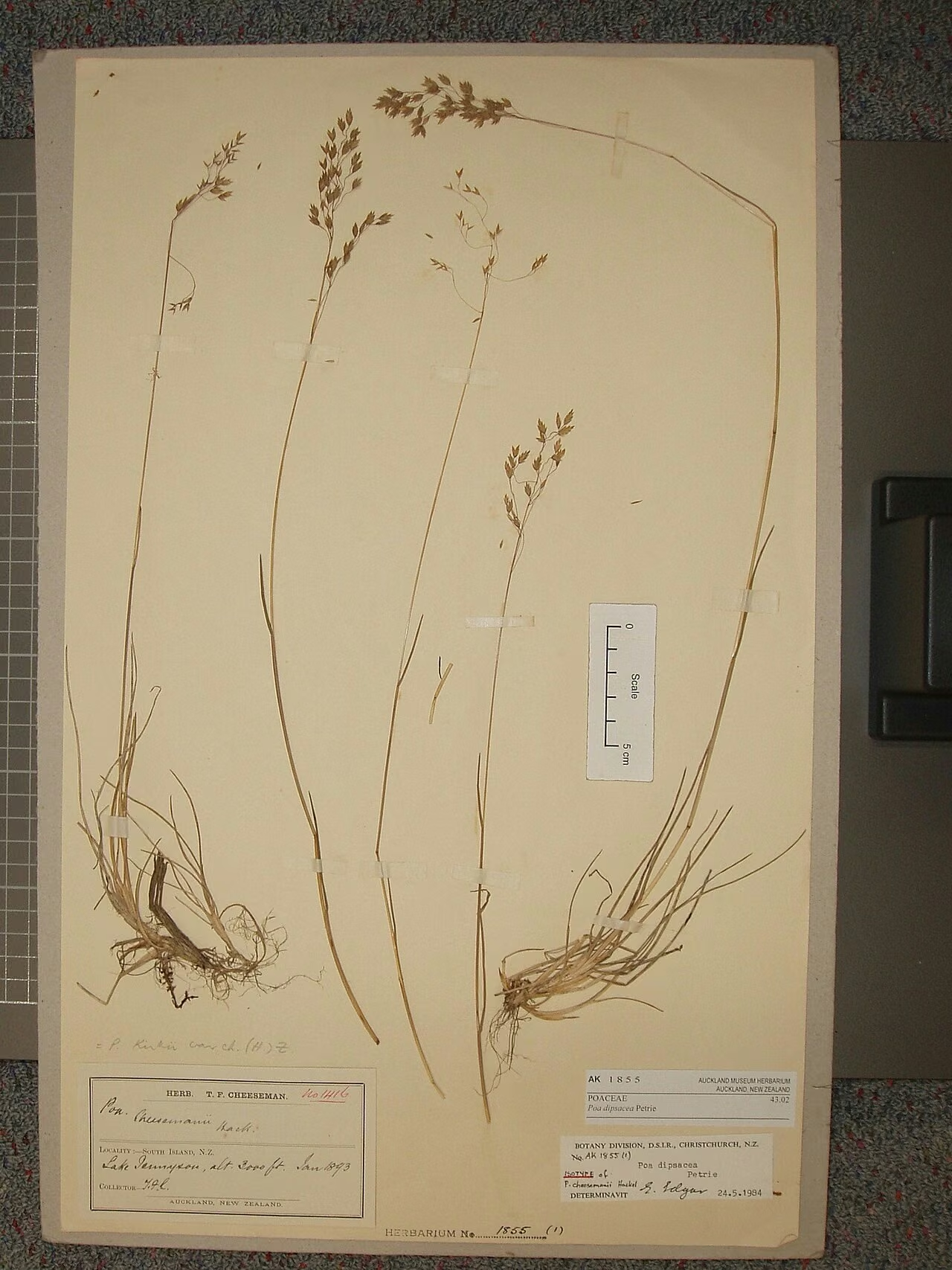
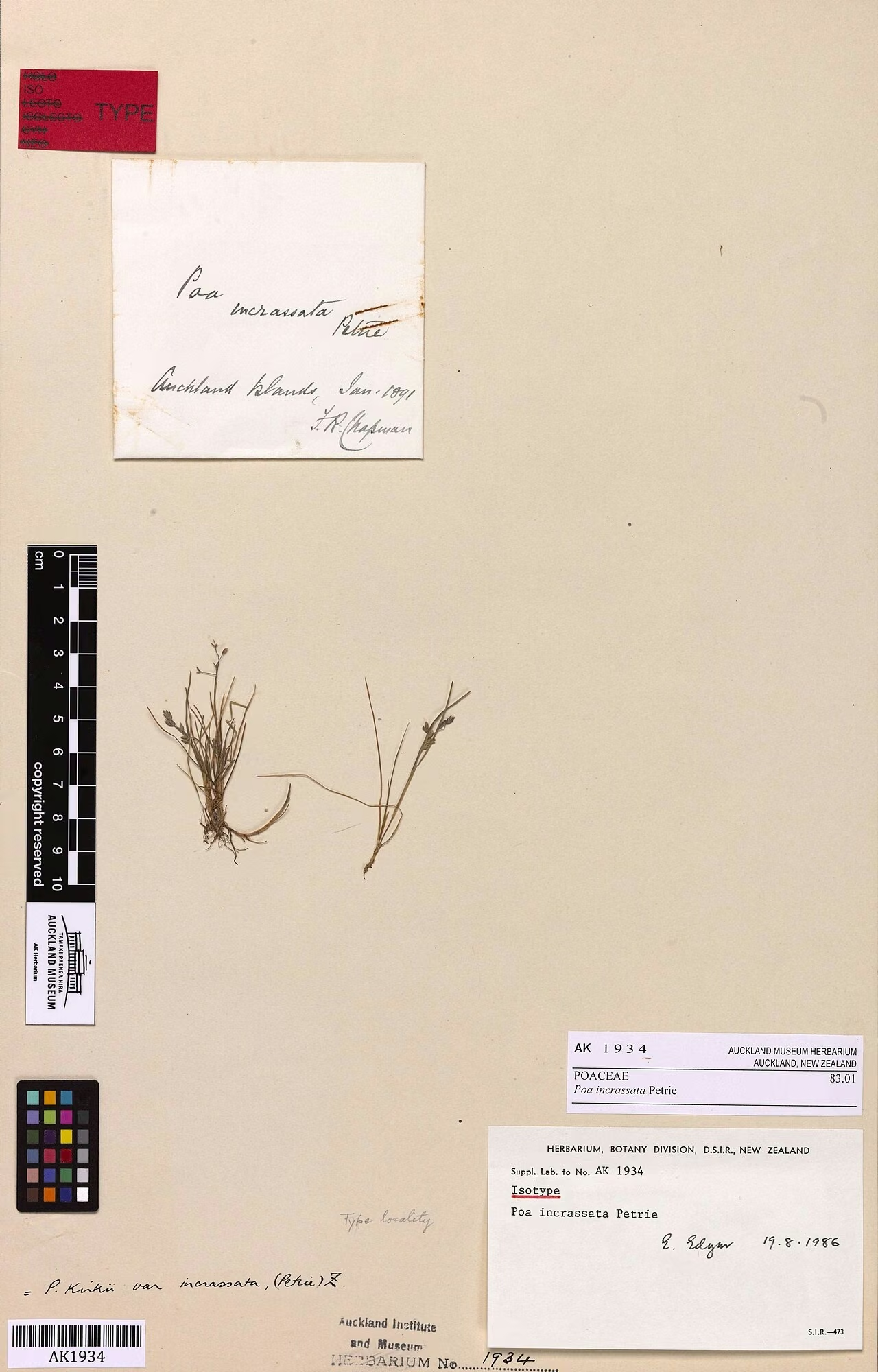
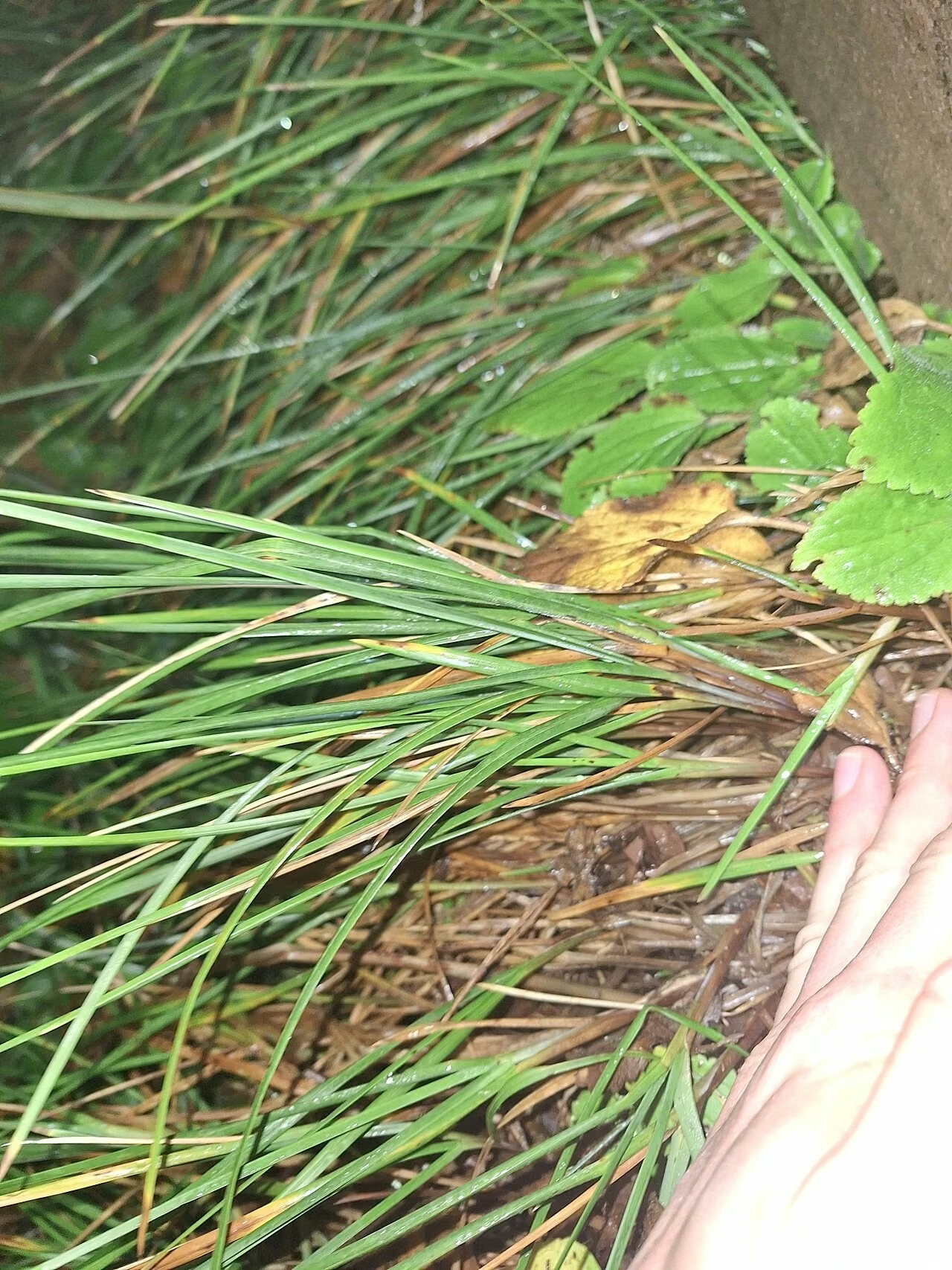
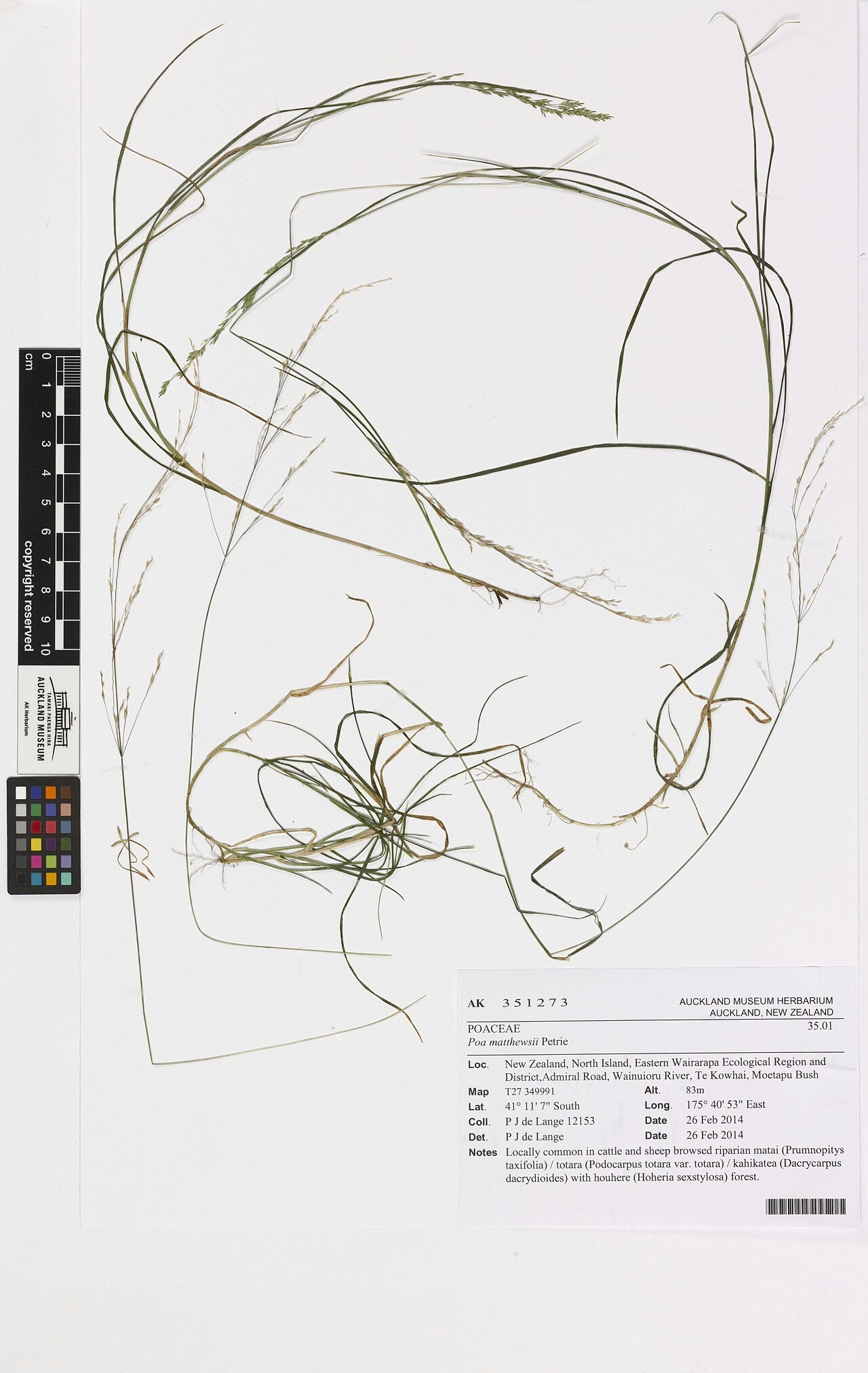
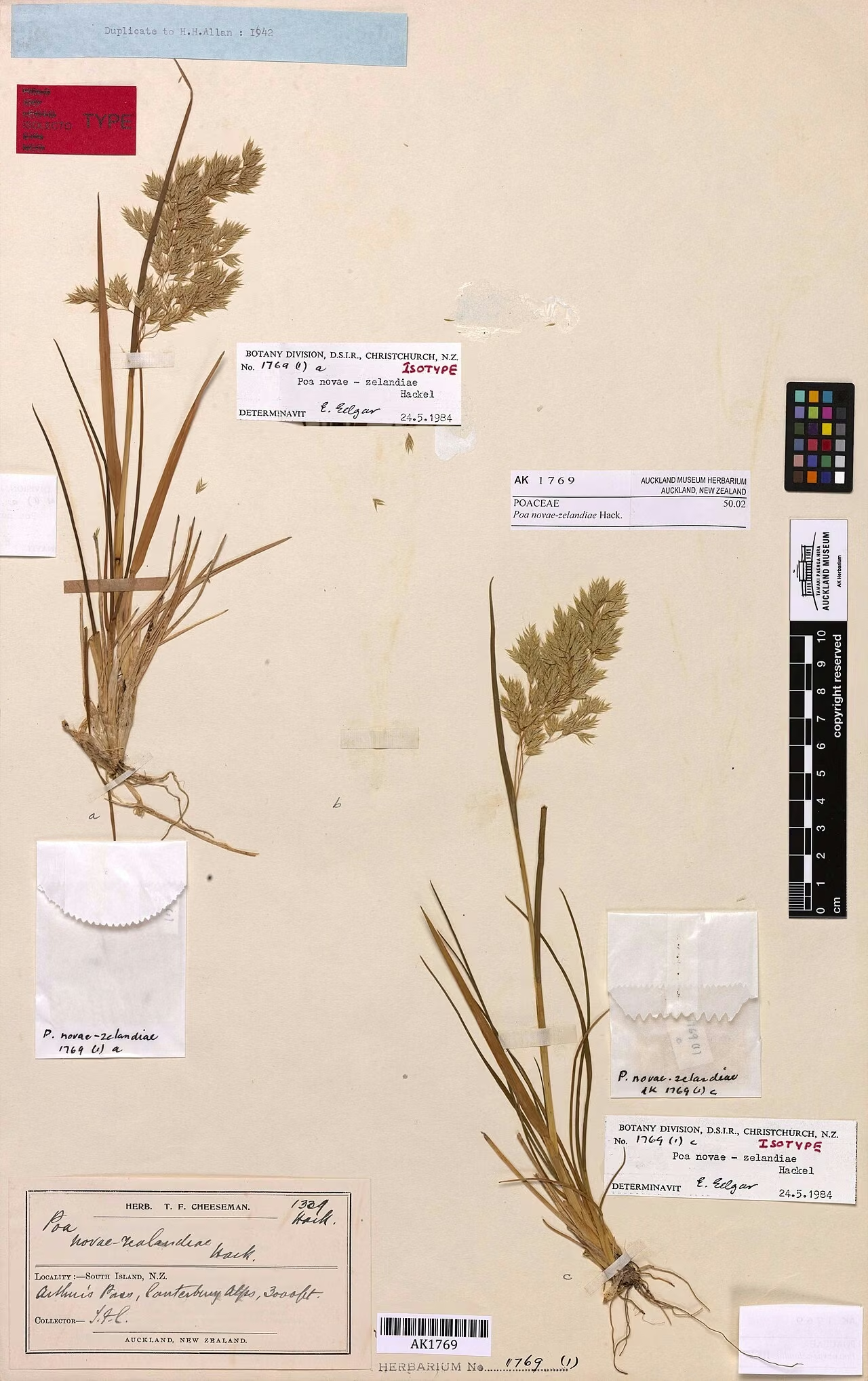
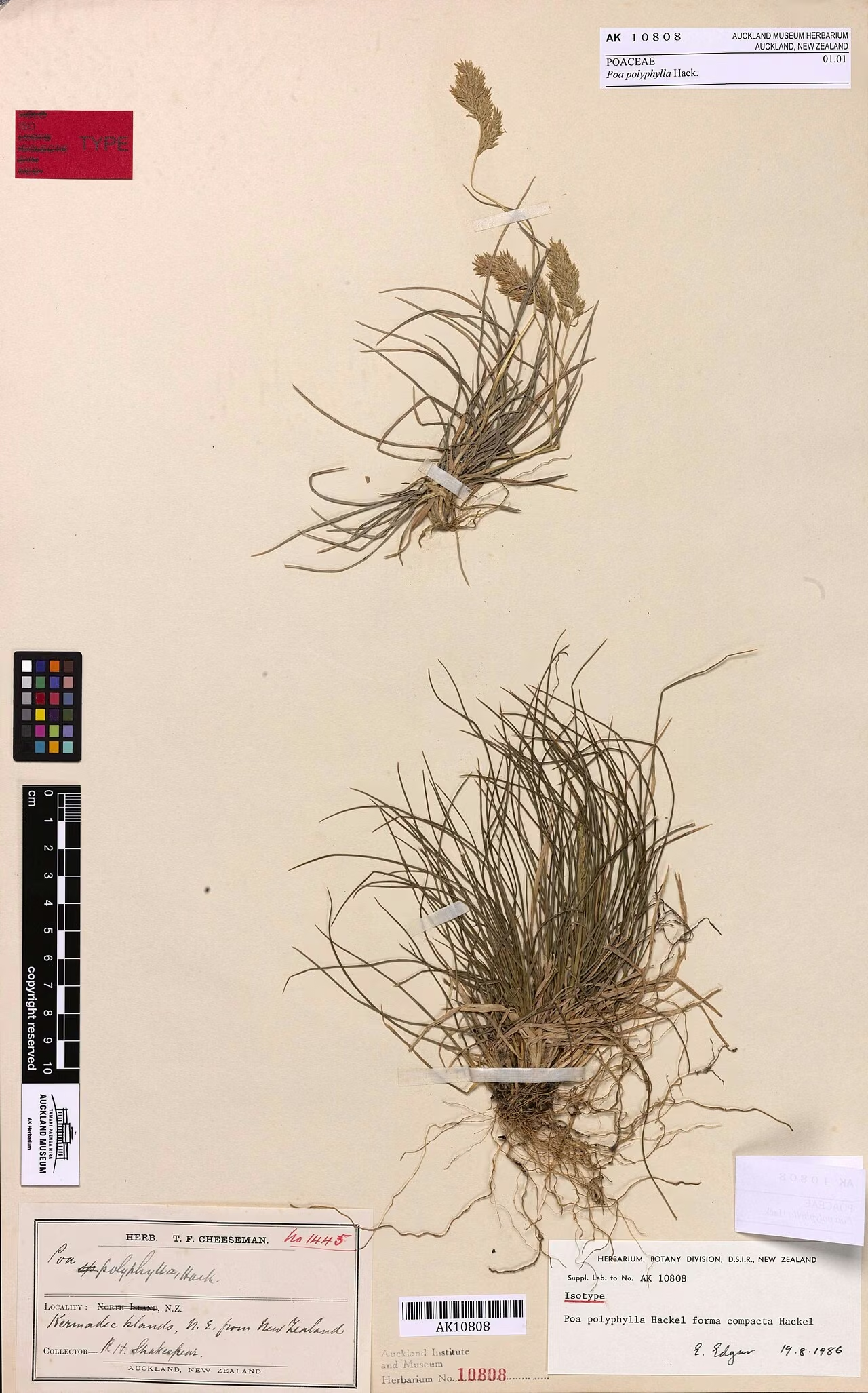
Explore other native plants that share similar characteristics or habitats with Desert Poa (Poa maniototo), offering further insights into New Zealand's diverse flora. These related species provide context and opportunities for complementary planting in your garden.
Plant Conservation
Desert poa is ranked At Risk - Declining (2023) with the qualifier Data Poor Trend, a change from the Not Threatened ranking it held up to 2017. In Otago it is listed as Regionally At Risk - Regionally Declining (2025).
The sources consulted do not name specific threats. Its short-tussock grassland and dryland stony habitats are among the most modified ecosystems in the eastern South Island, so protecting remaining dryland remnants and controlling weeds there is the most useful action.
Frequently Asked Questions
Why is Poa maniototo called desert poa?
It grows on dry, rocky, stony or depleted ground in the short-tussock grasslands of the eastern South Island, including the semi-arid Maniototo Plain of Central Otago, which gives it both its common and scientific names.
How small is desert poa?
It forms compact tufts less than 10 cm tall. Its stiff, grey-green leaves are only 0.25 to 1.5 cm long, and the flowering stems are 1.5 to 8 cm tall.
Is desert poa threatened?
It was ranked Not Threatened until 2017 but was reclassified as At Risk - Declining in 2023, with a note that data on its trend are poor. Otago also lists it as Regionally Declining.
What makes Poa maniototo unusual among grasses?
Flora of New Zealand highlights its silky spikelets and its ligule, made of two side lobes that extend into a rim-like contra-ligule, a feature rare in Poa.
Sources and Further Reading
The botanical, growing, and conservation details for Desert Poa (Poa maniototo) on this page draw on the New Zealand plant references below. Consult them for full technical records and the latest distribution data.