Meadow Grass
Poa pygmaea
Last updated:
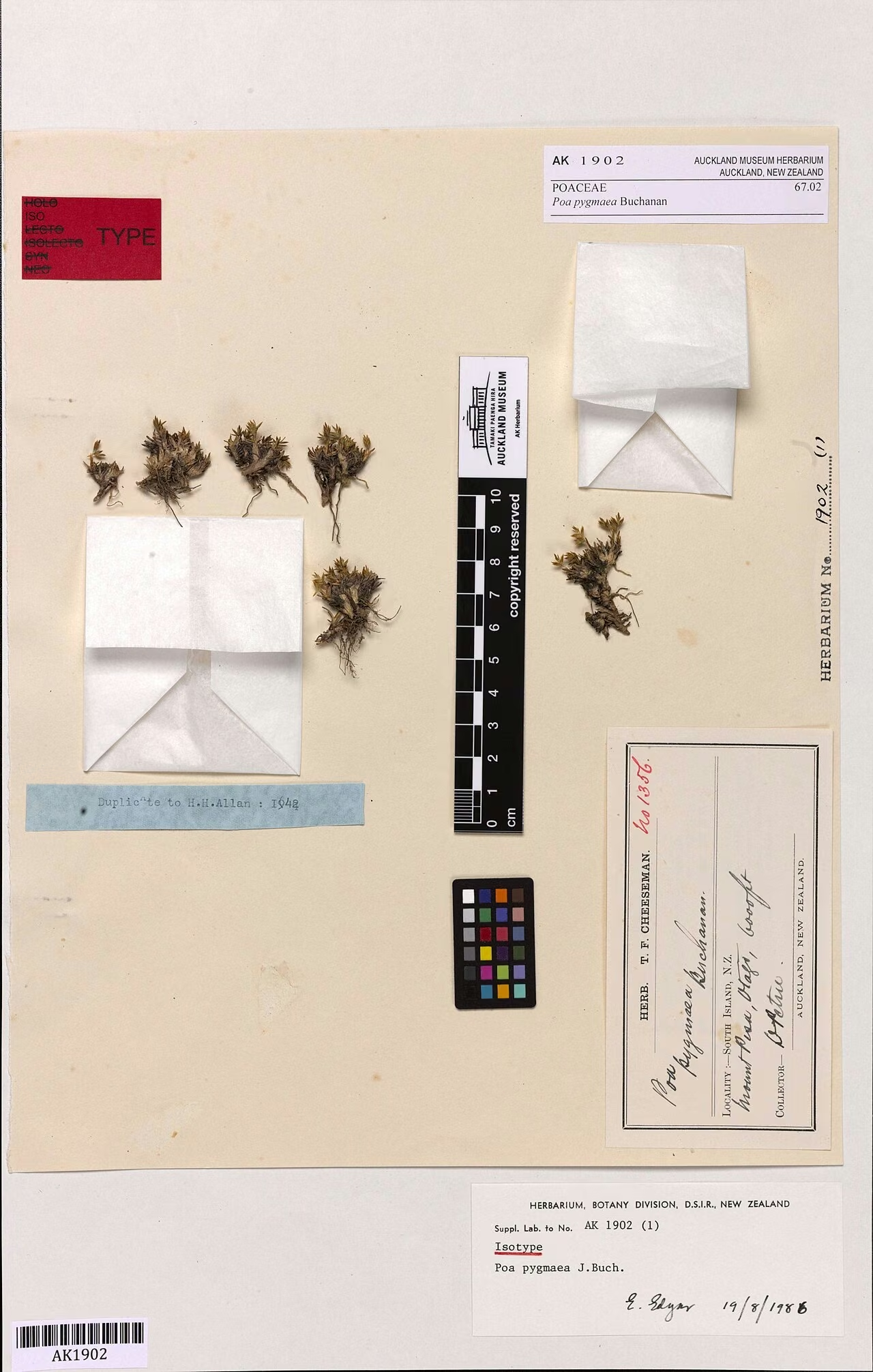
Poa pygmaea is one of New Zealand's smallest grasses, forming compact, rigid, grey-green to dull green cushions only about 10 cm across and 2.5 cm high. Its flowering stems barely rise above the tiny inrolled leaves. It is endemic to Central Otago in the South Island, where it is known from the Pisa Range and Mount St Bathans, growing in subalpine to alpine snow hollows and around tarn and lake margins. It is ranked At Risk - Naturally Uncommon because it occupies very small areas of specialised habitat. It is difficult to grow, needing alpine house conditions. Explore more native grasses and flaxes in our native plant guide.
Plant Description
Poa pygmaea is a small, much-branched perennial whose shoots are so densely packed that the plant forms a compact, rigid cushion up to about 10 cm across and 2.5 cm high. NZPCN describes its colour as grey-green, while the Flora describes it as dull green. The leaf sheaths are pale greyish-brown.
The leaf blades are tiny, only 3 to 7 mm long and 1 to 2 mm wide, and inrolled. The flowering stems scarcely exceed the leaves, so the flower heads sit almost on the surface of the cushion. Each contracted panicle holds just one to three spikelets 4.5 to 5.5 mm long, light green to purplish.
The lemmas carry fine hairs on their lower half while the spaces between the nerves above are smooth. Its rigid cushion habit sets it apart from the tufted poas that grow in the same mountains, and in its snow-hollow habitat it might be mistaken at first glance for a cushion herb rather than a grass.
Quick Facts
| Scientific Name | Poa pygmaea |
|---|---|
| Height | Up to 0.025 m |
| Spread | Cushions to about 10 cm across |
| Water Needs | Constantly moist, as in snow-melt hollows |
| Light | Full sun, open alpine sites |
| Frost Tolerance | Very high; alpine snow-hollow plant |
| Salt Tolerance | None; an inland alpine species |
| Growth Rate | Very slow |
| Lifespan | Long-lived perennial |
Climate Best Suited to
Adapted to the continental alpine climate of Central Otago's block mountains, with long snow cover, hard frosts and short, cool summers. It is unsuited to lowland gardens.
Regional Suitability
| City | Climate Suitability |
|---|---|
| Auckland | Low |
| Wellington | Low |
| Christchurch | Low |
| Dunedin | Low |
Plant Habitat
Poa pygmaea is endemic to the South Island and confined to Central Otago, where it is known from the Pisa Range and Mount St Bathans. Both are schist block mountains with broad, rolling alpine summits.
It grows in the subalpine to alpine zones in snow hollows, where snow lies late into the season, and around lake and tarn margins. These sites have short growing seasons, constant moisture from snowmelt and low, open vegetation in which tiny cushions can persist without being shaded.
Growing Requirements
Soil Requirements
In snow hollows and at tarn margins the substrate is typically thin, wet alpine soil over schist.
- Gritty, low-fertility mix in cultivation
- Constant moisture at the roots with free drainage at the surface
- Avoid rich potting mixes
Light Requirements
It grows in open turf with no overhead cover.
- Full light in an alpine house
- Keep cool; avoid heat build-up under glass
Water Requirements
Snowmelt keeps its habitat wet for much of the growing season.
- Never allow the pot to dry out
- Keep humidity steady; NZPCN notes it dislikes fluctuations
Planting and Establishing
This is not a plant for open garden beds. Grow it in a shallow pan of gritty alpine mix in an alpine house or cold frame, where moisture, temperature and humidity can be kept stable.
Set the cushion so its base sits on a collar of fine grit and water from below where possible to avoid wetting and rotting the dense centre.
Ecological Role
Poa pygmaea flowers from October to November, occasionally into December, and fruits from December to March. Like other grasses it is wind-pollinated, and its flower heads sit almost flush with the cushion surface.
The compact cushion form is an adaptation to the harsh snow-hollow environment, reducing exposure to wind and cold. It forms part of the specialised snowbank and tarn-margin plant communities of the Otago block mountains.
Uses & Significance
Garden Uses
Its use is limited to specialist alpine collections.
- Alpine house pans
- Conservation and research collections
- Displays of New Zealand cushion plants
Ecological Value
As a rare specialist it adds to the distinctive biodiversity of Central Otago's alpine summits.
- Member of snow-hollow plant communities
- Indicator of intact tarn-margin habitat
- Contributes to the endemic flora of the Pisa Range and St Bathans
Landscaping Uses
It has no realistic role in general landscaping. In an alpine house display it can be shown in a small stone trough or pan alongside other miniature cushion plants, where its tight grey-green dome is best appreciated at eye level.
A label explaining that it is a grass usually surprises visitors, as it looks more like a moss or cushion herb.
Seasonal Care Calendar
Spring
Flowering begins in October as the snow melts in the wild.
- Keep evenly moist
- Ventilate the alpine house
Summer
Seed ripens from December onwards.
- Collect fresh seed
- Shade lightly in hot weather to avoid overheating
Autumn
Fruiting finishes by about March and growth slows.
- Sow fresh seed
- Check for rot in the cushion centre
Winter
In the wild it lies under snow; in cultivation it needs a cold, steady rest.
- Keep cool and just moist
- Avoid sudden changes in humidity
When to Prune and How Much
No pruning is required. Remove any dead or browned shoots from the cushion surface carefully with tweezers to prevent fungal rot spreading into the dense centre.
Spent flowering stems are very short and can be left in place.
How to Grow Meadow Grass
NZPCN describes propagation of Poa pygmaea as difficult. It can be grown from fresh seed and from rooted pieces, but only in alpine house conditions, and it dislikes fluctuations in humidity. Because the wild populations are small and confined to two Otago ranges, never collect plants or seed from the wild without permission from the Department of Conservation and landowners. Work only from existing cultivated plants where possible, and take only small amounts of material so the parent cushion is not damaged.
From Seed
Seed ripens between December and March. Sow it fresh, as stored seed of alpine grasses often loses viability. Expect only a few seeds from each cushion, since each panicle carries at most three spikelets.
- Collect the few spikelets from each cushion when they are dry
- Sow on the surface of a fine, gritty alpine mix in a small pot
- Cover with a thin layer of fine grit
- Stand in a cold frame or alpine house and keep moist
- Allow seedlings to form a small cushion before moving them on
From Rooted Pieces (Division)
Small shoots with their own roots can be teased from the edge of a cultivated cushion. This is slow but avoids splitting the whole plant.
- Choose a shoot at the edge of the cushion that has roots
- Separate it carefully with a fine blade
- Pot into pure grit or a very gritty mix
- Keep in stable, cool, humid conditions until it is growing
Pests & Diseases
No specific pests are recorded. In cultivation the main problems are rot of the dense cushion in still, humid air and stress from swings in humidity, which NZPCN notes the plant dislikes.
In the wild, trampling and disturbance of snow hollows and tarn margins, along with invasive weeds where the habitat is disturbed, could damage small populations.
Cultural Significance
No Māori name or traditional use is recorded for Poa pygmaea in the sources consulted. It was first described by John Buchanan in 1880 in his work on the indigenous grasses of New Zealand.
The epithet pygmaea means 'tiny' or 'dwarf', an apt description of its miniature cushions.
Bonus Tip
If you visit the Pisa Range tops in early summer, look closely in late-lying snow hollows: what looks like a small grey moss cushion may be Poa pygmaea in flower, with its spikelets barely raised above the leaves.
Related Plants
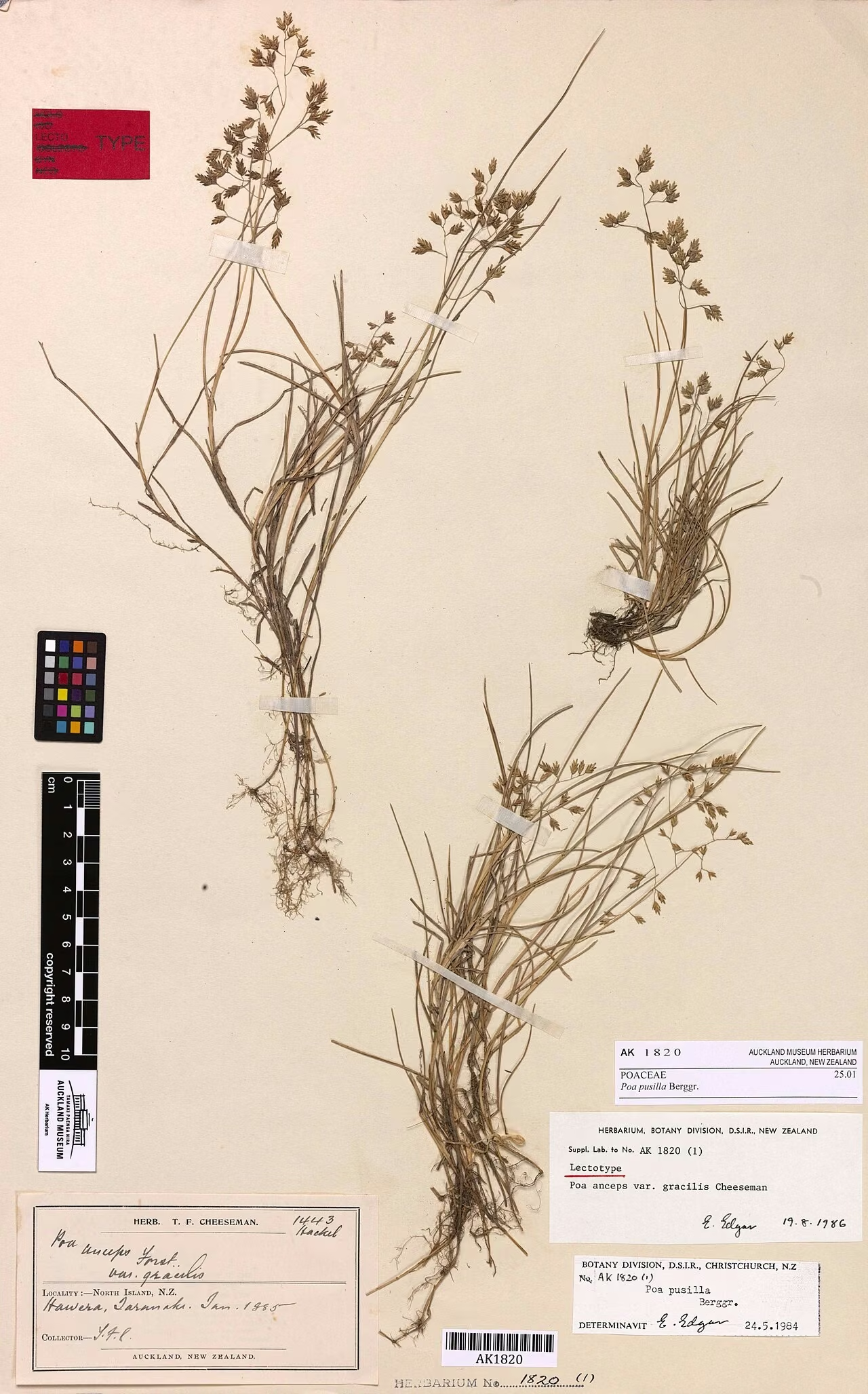
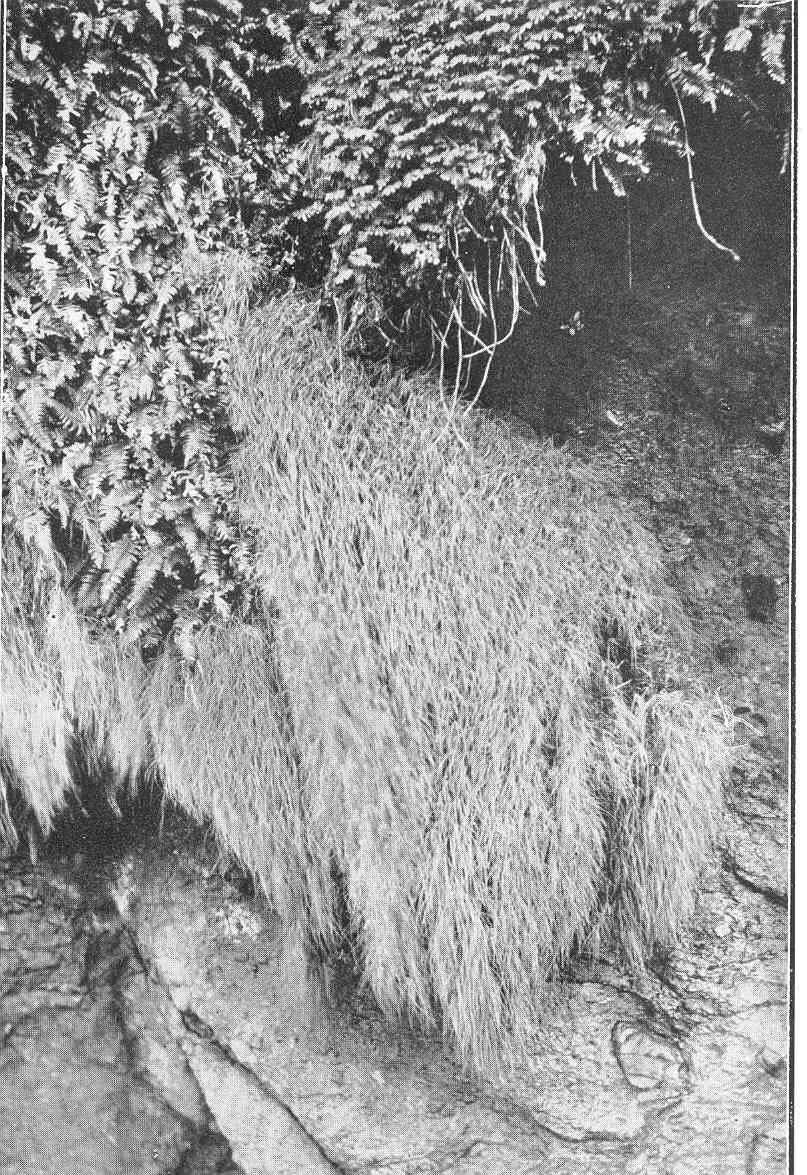
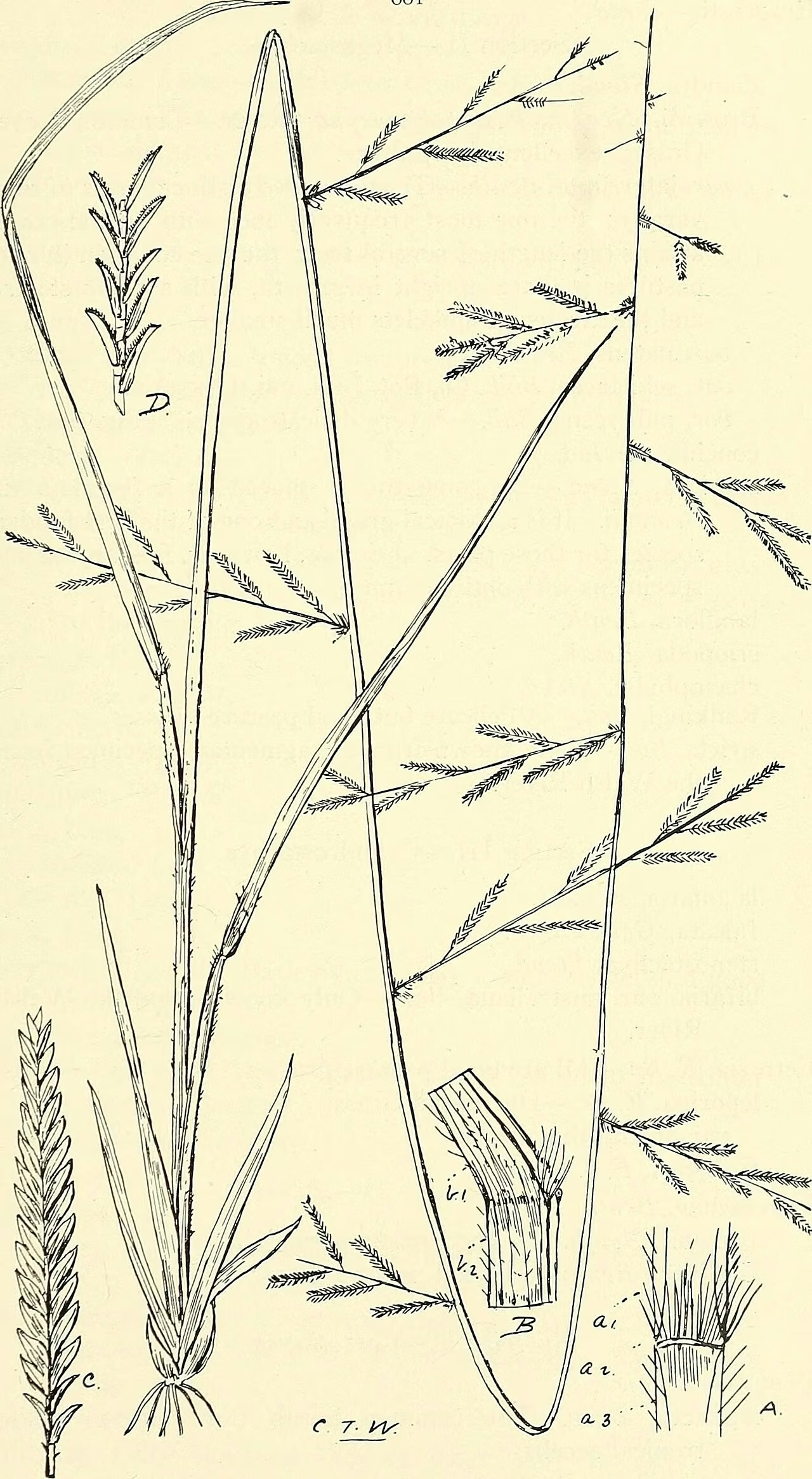
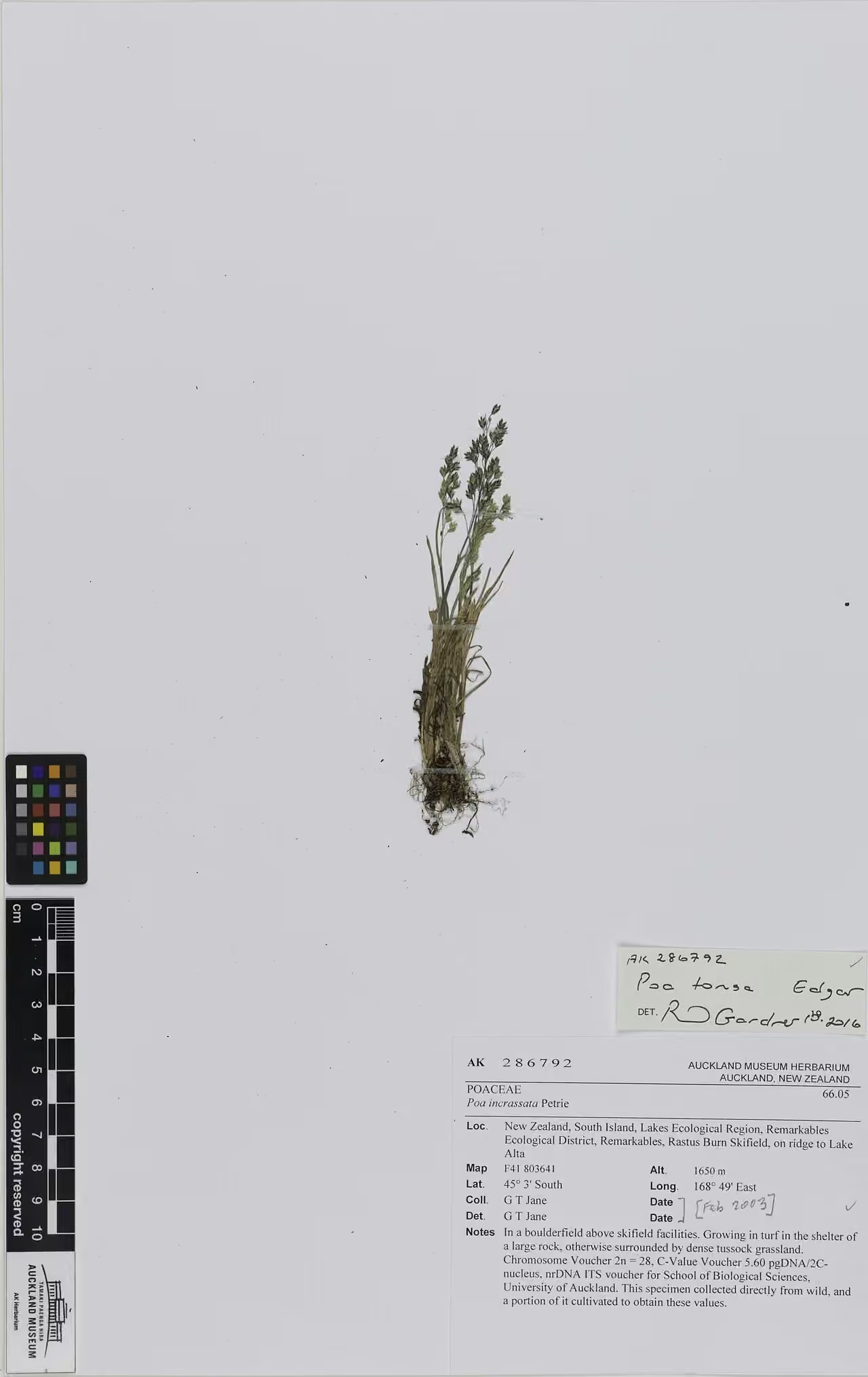
Explore other native plants that share similar characteristics or habitats with Meadow Grass (Poa pygmaea), offering further insights into New Zealand's diverse flora. These related species provide context and opportunities for complementary planting in your garden.
Plant Conservation
Poa pygmaea is ranked At Risk - Naturally Uncommon (2023) with the qualifiers RR (Range Restricted) and Sp (Sparse). NZPCN notes that it is limited to small areas of habitat but is not currently considered threatened.
No specific threats are documented for it, but because every known population sits in a few small snow hollows and tarn margins, any local disturbance there could affect a large share of the species. Keeping these wet alpine sites free of damage and weeds is the most useful protection.
Frequently Asked Questions
How big does Poa pygmaea grow?
It forms compact, rigid cushions up to about 10 cm across and 2.5 cm high, with leaves only 3 to 7 mm long, making it one of the most diminutive New Zealand grasses.
Where is Poa pygmaea found?
It is endemic to Central Otago, recorded from the Pisa Range and Mount St Bathans, in subalpine to alpine snow hollows and on lake margins.
Can Poa pygmaea be grown in a garden?
NZPCN describes it as difficult. It can be raised from fresh seed or rooted pieces in an alpine house, and it dislikes fluctuations in humidity.
Why is Poa pygmaea classed as At Risk?
It is ranked Naturally Uncommon with the qualifiers Range Restricted and Sparse because it is confined to small areas of snow-hollow and lake-margin habitat on two Otago ranges.
Sources and Further Reading
The botanical, growing, and conservation details for Meadow Grass (Poa pygmaea) on this page draw on the New Zealand plant references below. Consult them for full technical records and the latest distribution data.