Pimelea
Pimelea buxifolia
Last updated:
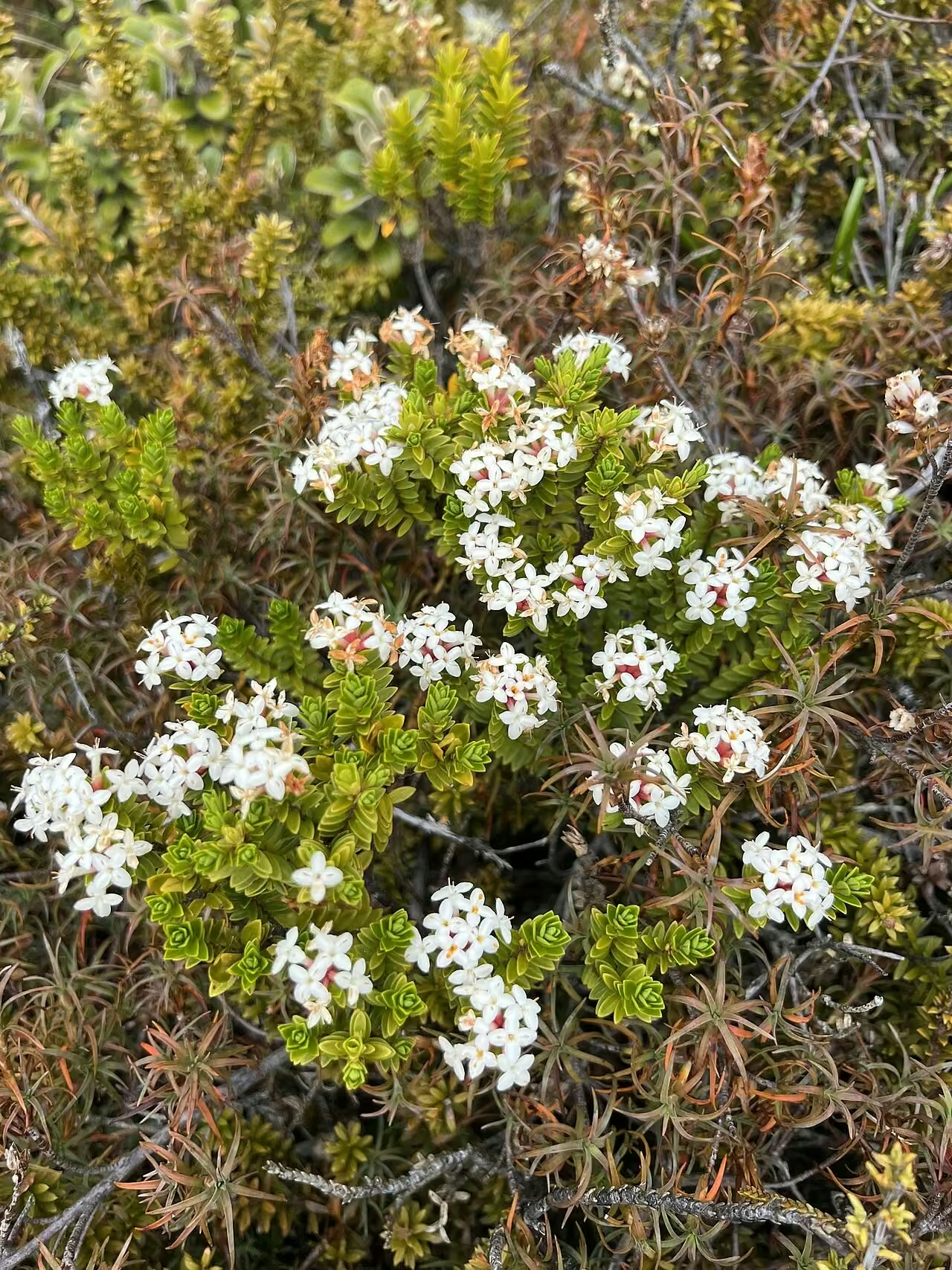
Pimelea buxifolia is a stiff, much-branched native shrub usually up to about 1 m tall, endemic to the mountains of the North Island. Its name means box-leaved, a reference to its small, thick, leathery leaves set in four neat rows along grey-hairy twigs. Clusters of white or faintly pink silky flowers appear over a long season from spring into autumn. It grows from the Coromandel Peninsula and Raukumara Range to the Volcanic Plateau and the Kaimanawa, Kaweka, Ruahine and Tararua ranges, often among tussock on acidic volcanic ground. It is ranked Not Threatened but is fickle in gardens. Explore more native shrubs in our native plant guide.
Plant Description
Pimelea buxifolia is a stout, rigid, bushy and much-branched erect shrub reaching about 1 m tall, often less. Its branchlets are grey-hairy and the older bark is dark. The stems are tough and hard to break, and when bent the bark tends to peel away in strips, a feature of the daphne family (Thymelaeaceae).
The leaves are small, 5 to 10 mm long and 3 to 5 mm wide, oblong-ovate to elliptic-oblong, thick, very leathery and hairless, and arranged in opposite pairs so that they form four neat rows along the stem. Flower heads of 9 to 12 white or faintly pink, silky-hairy flowers about 1 cm across are produced at the branch tips, followed by small dry fruits about 4 mm long each enclosing a black seed.
Out of flower it is most easily confused with the whipcord-like hebes Hebe odora and Hebe venustula, which share its tidy, four-ranked leaves. It can be told by its hairy branchlets, the lack of a sinus (small gap) at the base of the leaf bud that many hebes show, and its tough, peeling bark.
Quick Facts
| Scientific Name | Pimelea buxifolia |
|---|---|
| Height | Up to 1 m, usually less |
| Spread | 0.5-1 m |
| Water Needs | Moderate; must be well drained |
| Light | Full sun |
| Frost Tolerance | High; a montane to alpine species |
| Salt Tolerance | No information available; an inland mountain plant |
| Growth Rate | Slow |
| Lifespan | Perennial, but prone to sudden collapse in cultivation |
Climate Best Suited to
Suits cool, moist montane and subalpine climates with cold winters and clear, sunny days, such as the central North Island high country.
Regional Suitability
| City | Climate Suitability |
|---|---|
| Auckland | Low |
| Wellington | Medium |
| Christchurch | Medium |
| Dunedin | Medium |
Plant Habitat
Pimelea buxifolia is endemic to the North Island, where it grows on the Coromandel Peninsula, on Mt Hikurangi and in the Raukumara Range, on the Volcanic Plateau, and in the Kaimanawa, Kaweka, Ruahine and Tararua ranges.
It is a montane to alpine shrub, usually found on acidic volcanic rocks such as rhyolite and related pyroclastic deposits. It is mainly a dominant or subdominant component of shrubland-grassland, forming sparse scrub within tussock grassland.
Growing Requirements
Soil Requirements
It grows on acidic, free-draining volcanic soils and rocks, and needs sharp drainage in cultivation.
- Acidic, low-fertility soil
- Rhyolite and pumice-derived soils in the wild
- Gritty, well-drained garden soil or raised beds
Light Requirements
A plant of open tussock grassland that needs full sun to stay compact and healthy.
- Full sun all day
- Avoid shading by taller plants
Water Requirements
In the mountains it receives regular rain but never sits in wet soil. In gardens, overwatering and poor drainage are likely causes of collapse.
- Water during long dry spells only
- Never allow waterlogging around the roots
Planting and Establishing
NZPCN notes it is not commercially available and is fickle in cultivation, so it is mainly for enthusiasts. Plant in full sun in a well-drained, gritty soil, ideally on a slope, raised bed or rock garden.
Disturb the roots as little as possible when planting, and mulch with gravel rather than bark to keep the crown dry.
Ecological Role
Pimelea buxifolia is a characteristic shrub of tussock shrubland on the central North Island volcanic country. Its flowers are open over a long season, from September to May, providing nectar for insects in the high country.
The specific pollinators of this species are not documented in the sources consulted. Its fruits are dry rather than fleshy, which suggests it is not mainly bird-dispersed, though the precise dispersal agent has not been recorded.
Uses & Significance
Garden Uses
A tidy small shrub for specialist alpine and rock gardens in cool districts.
- Rock gardens and gravel gardens
- Alpine plant collections
- Contrast with tussocks in a montane-themed planting
Ecological Value
It is a structural component of North Island montane tussock shrubland.
- Long flowering season supports insects
- Contributes to shrub cover in tussock grassland
- An endemic of the central North Island mountains
Landscaping Uses
Its stiff, neat habit and four-ranked leaves give a clipped look without pruning, which suits structured rock gardens and gravel plantings among tussocks such as Chionochloa and Poa.
Because plants can collapse suddenly, use it as a feature among more reliable shrubs rather than as a key structural plant.
Seasonal Care Calendar
Spring
Flowering begins in September with white to faintly pink flower heads.
- Check drainage after winter rain
- Apply a light gravel mulch
Summer
Flowering continues and dry fruits ripen from November.
- Water deeply during prolonged drought
- Take semi-hardwood cuttings later in summer
Autumn
Flowering and fruiting continue to May.
- Collect ripe fruits for seed
- Keep the crown clear of fallen leaves
Winter
Plants rest through the cold months and handle frost well.
- Avoid wet, poorly drained winter soil
- No feeding required
When to Prune and How Much
Pruning is rarely needed because the plant is naturally compact and rigid.
Remove any dead branches promptly and, if shaping is wanted, lightly trim tips after the main flush of flowering. Avoid heavy cuts into old wood, which may not regrow.
How to Grow Pimelea
NZPCN describes the propagation of Pimelea buxifolia as fickle. It can be grown from cuttings, and occasionally seed germinates in garden conditions. Even once established, plants are prone to sudden collapse, so it is wise to keep a few young plants coming on as replacements. It does best in full sun on well-drained soil, and young plants raised from cuttings should be grown in a gritty mix with plenty of air movement. Material should be collected from cultivated plants or, if from the wild, only with permission, and gathered from several plants to keep some genetic variety in garden stock.
From Cuttings
Cuttings are the main way to propagate this species. Semi-hardwood shoots from the current season's growth are the best material, as with other New Zealand Pimelea.
- Take 4 to 6 cm semi-hardwood tip cuttings in late summer or autumn
- Strip the lower leaves carefully, as the bark tears easily
- Insert into a mix of pumice or perlite with a little fine bark
- Keep under light shade with good ventilation to avoid rot
- Pot on in spring once well rooted, using a gritty mix
From Seed
Each dry fruit holds a single black seed. NZPCN notes that seed occasionally germinates in garden conditions, so germination should be regarded as unpredictable.
- Collect dry fruits from November to May
- Sow fresh in a free-draining seed mix
- Leave the tray outdoors in a cool, sheltered spot and be patient
Pests & Diseases
No specific pests are recorded for Pimelea buxifolia. The main problem in cultivation is sudden collapse, which NZPCN notes affects even well-established plants.
Root rot in wet or heavy soils is the usual suspect in such failures, so good drainage is the best defence.
Cultural Significance
No Māori name or traditional use is recorded specifically for Pimelea buxifolia in the sources consulted.
The species was described by Joseph Hooker in 1864. William Colenso later published several further names for plants now included in it between 1887 and 1899, but these are now treated as synonyms. The genus name comes from the Greek pimelē, meaning lard or soft fat.
Bonus Tip
To check whether a small high-country shrub is this pimelea or a hebe, gently bend a twig: Pimelea bark is fibrous and peels away in a strip rather than the twig snapping cleanly. Combined with grey-hairy branchlets, this quickly separates it from look-alike hebes in the Tongariro and Kaimanawa tussock.
Related Plants
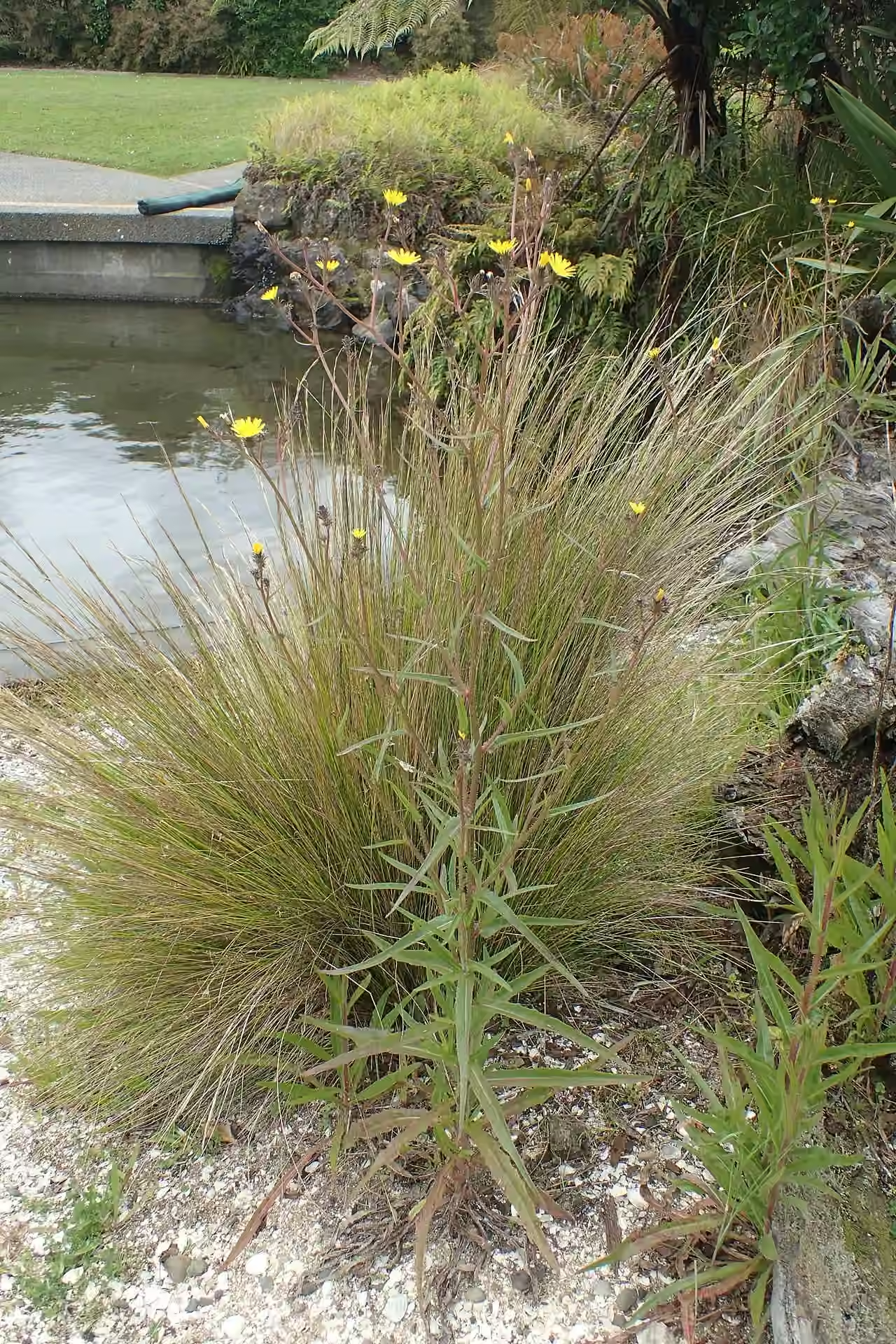
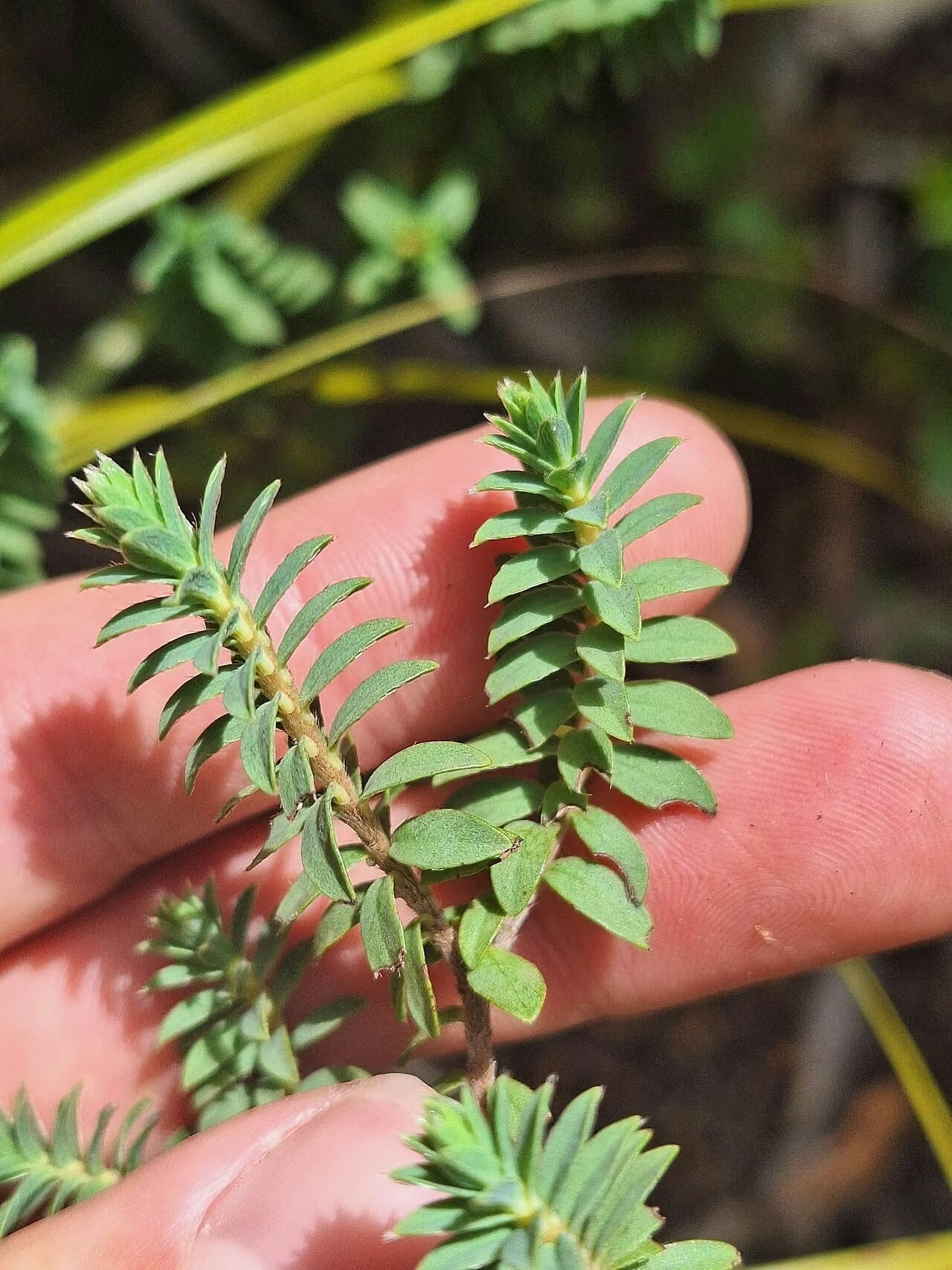
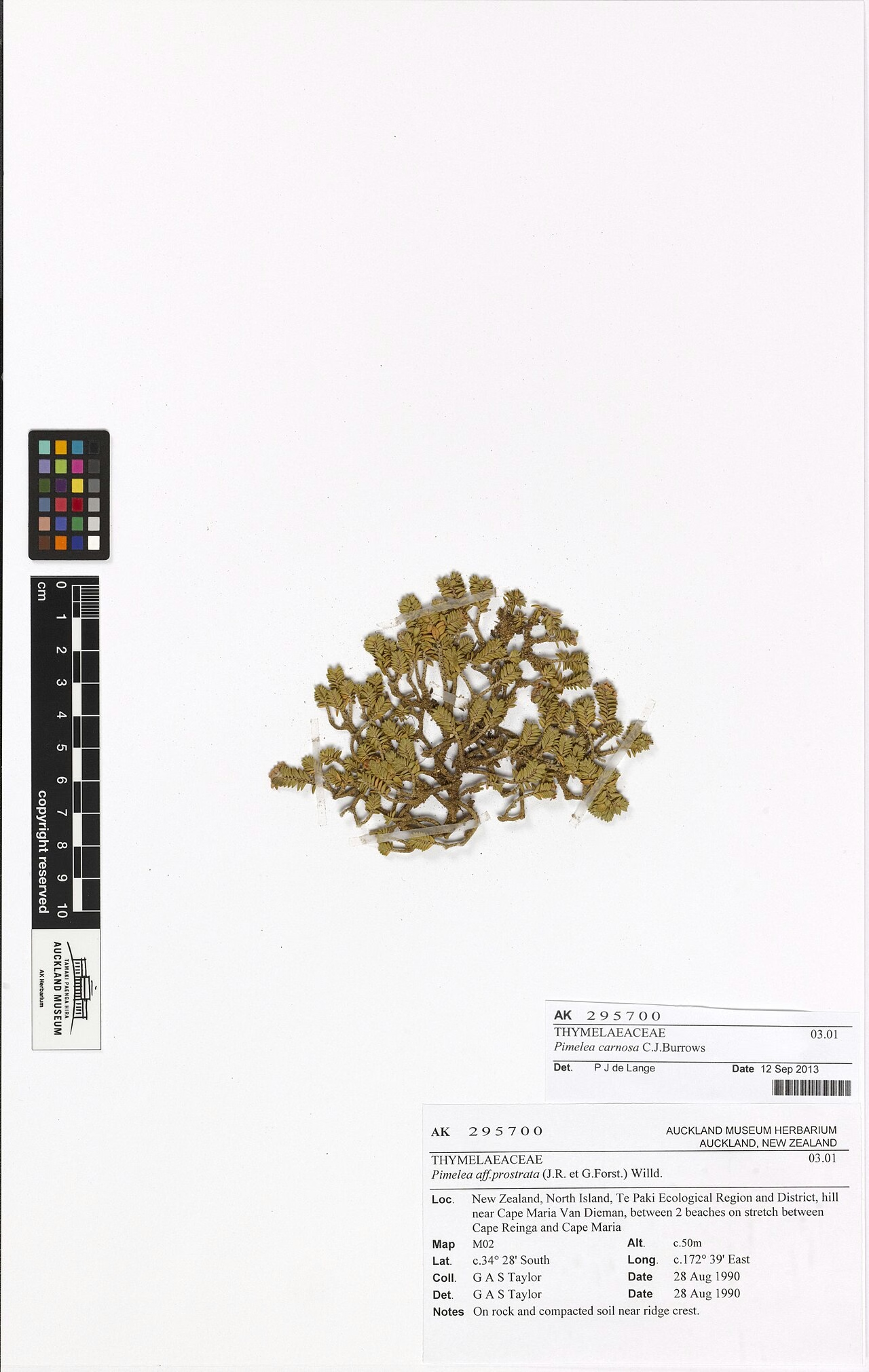
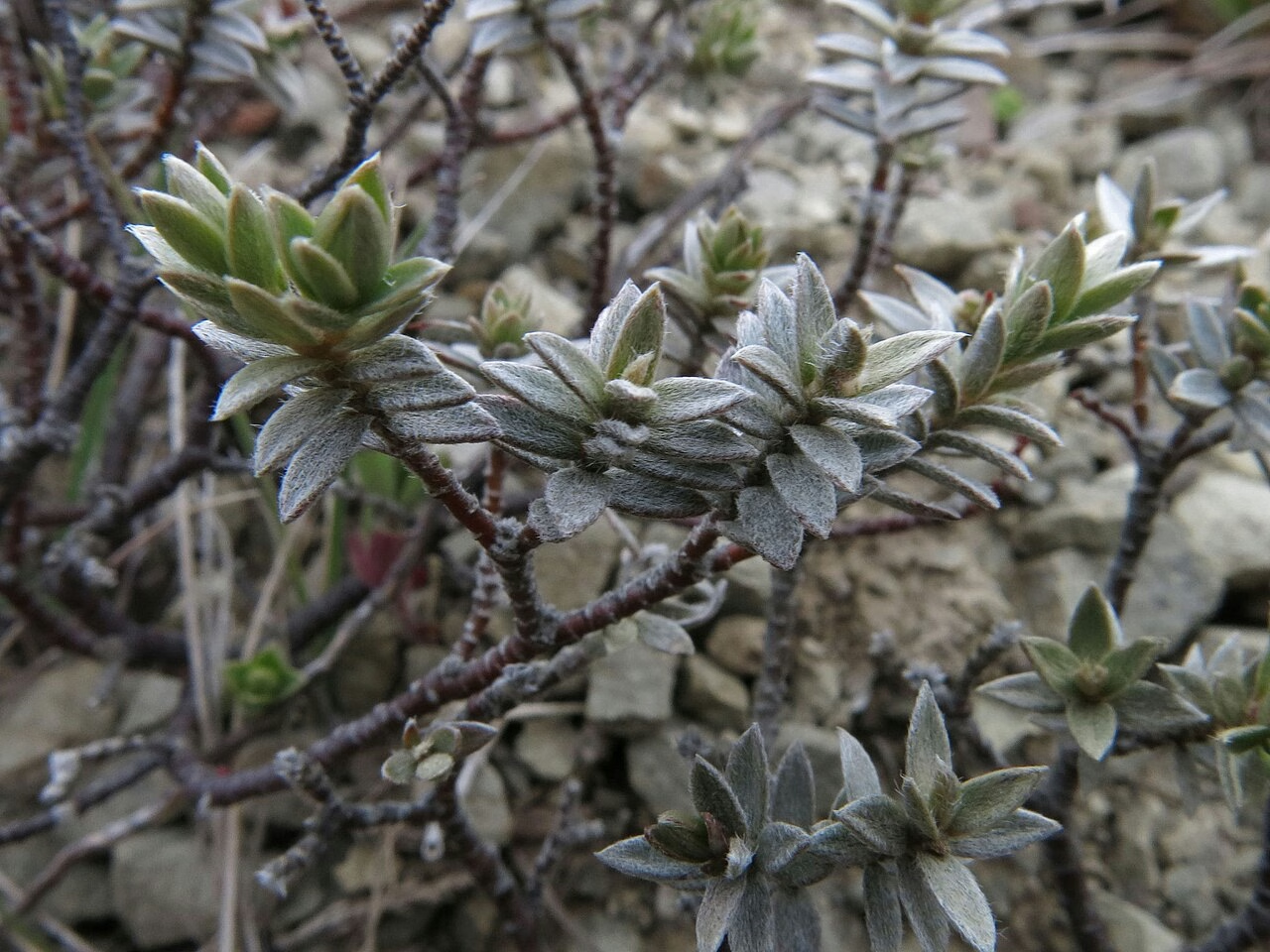
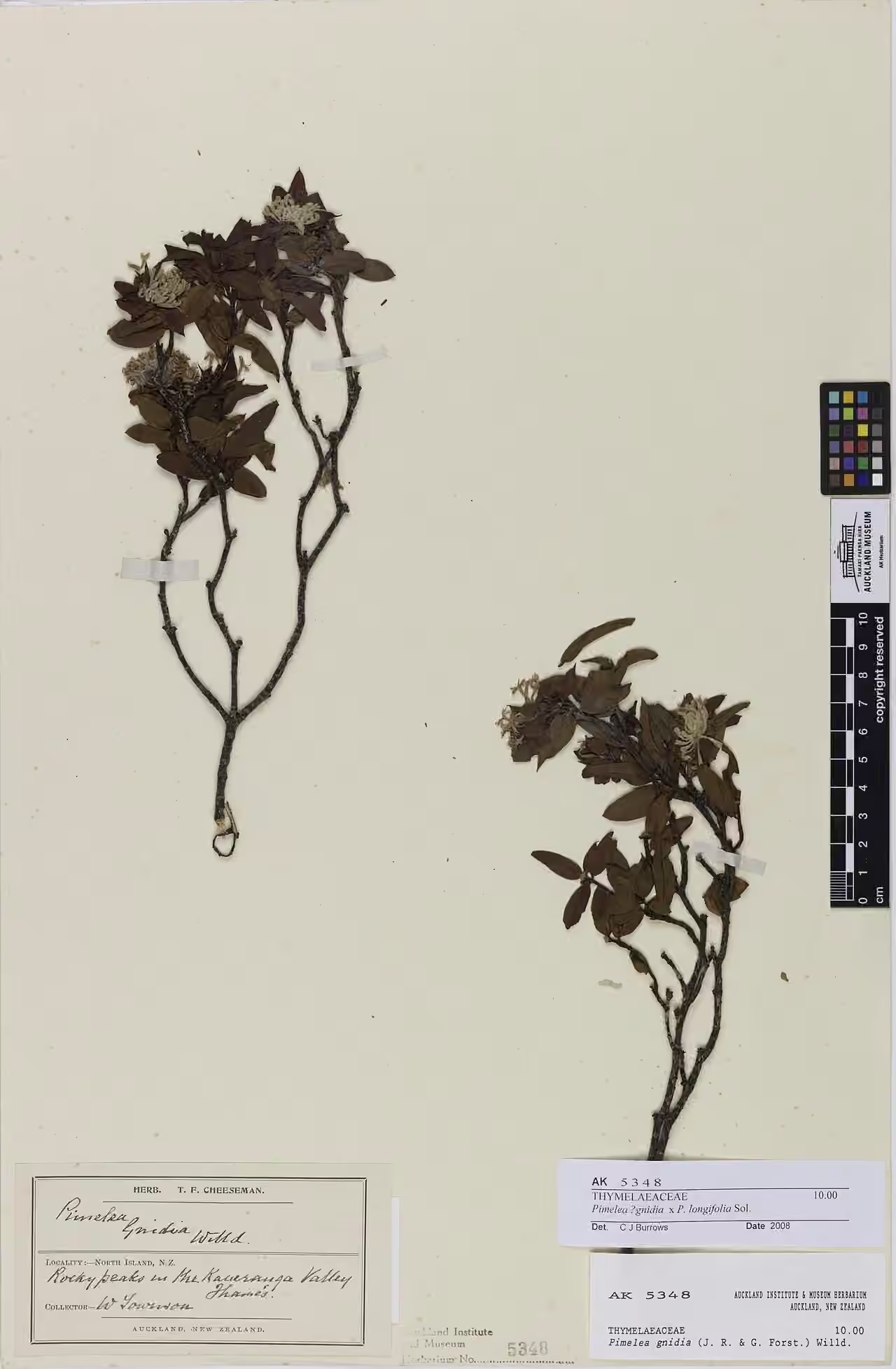
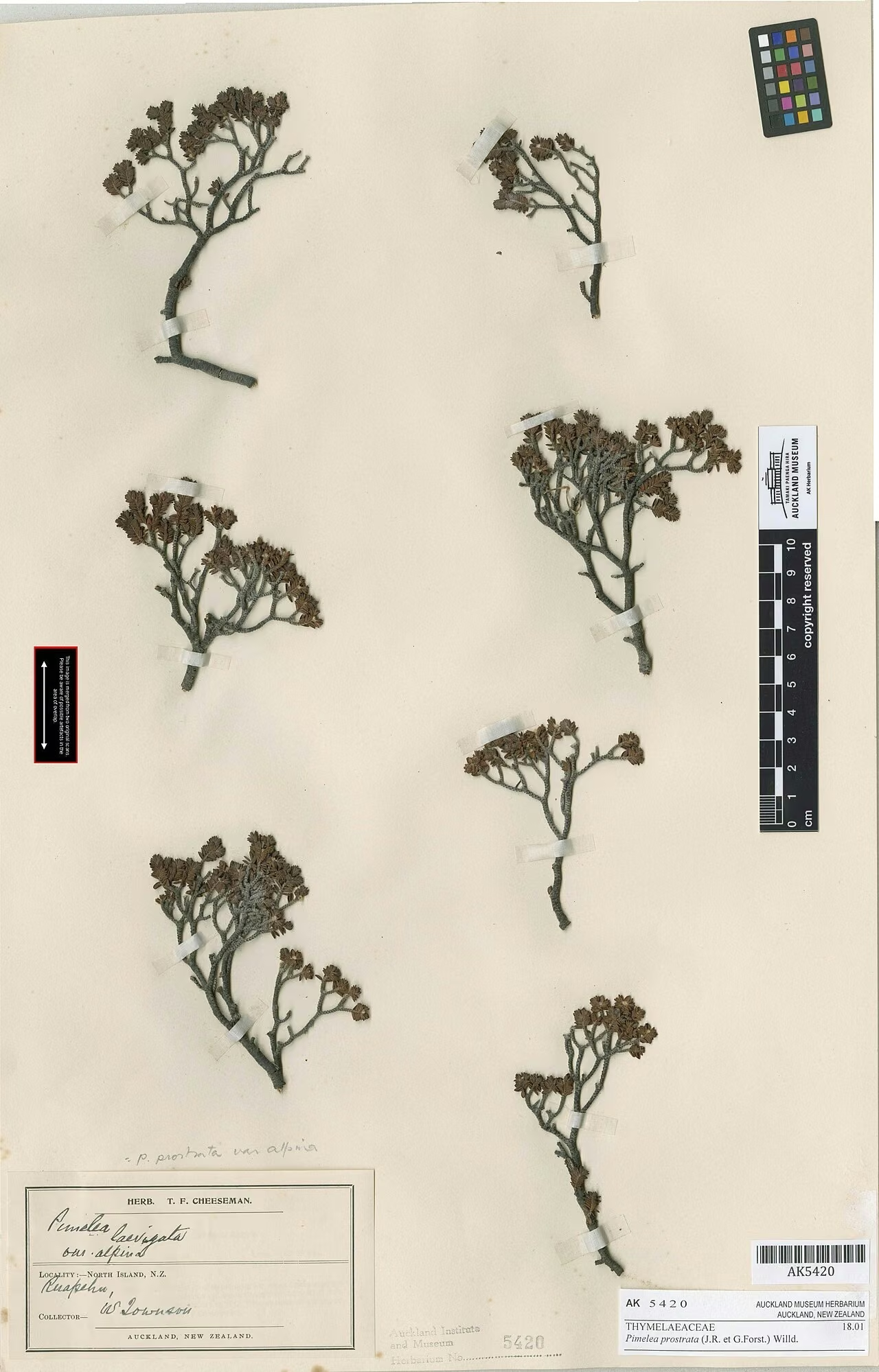
Explore other native plants that share similar characteristics or habitats with Pimelea (Pimelea buxifolia), offering further insights into New Zealand's diverse flora. These related species provide context and opportunities for complementary planting in your garden.

Plant Conservation
Pimelea buxifolia is ranked Not Threatened (2023), a status it has held since at least 2004. Much of its range lies within protected areas such as Tongariro National Park and the Kaimanawa, Kaweka, Ruahine and Tararua forest parks.
Invasive heather and other weeds that crowd out low tussock shrubland are a general threat to this habitat on the Volcanic Plateau, and controlling them helps the whole community.
Frequently Asked Questions
How do you tell Pimelea buxifolia from a hebe?
It is easily confused with Hebe odora and Hebe venustula, but has hairy branchlets, no gap (sinus) at the base of the leaf bud, and tough stems whose bark peels rather than snapping cleanly.
Where does Pimelea buxifolia grow?
It is endemic to the North Island, on the Coromandel Peninsula, Mt Hikurangi and the Raukumara Range, the Volcanic Plateau, and the Kaimanawa, Kaweka, Ruahine and Tararua ranges.
Is Pimelea buxifolia easy to grow?
NZPCN describes it as fickle. It can be grown from cuttings and likes full sun and good drainage, but even well-established plants are prone to sudden collapse.
What does buxifolia mean?
Buxifolia means box-leaved, comparing its small, thick, leathery leaves to those of box (Buxus), the European hedging shrub.
Sources and Further Reading
The botanical, growing, and conservation details for Pimelea (Pimelea buxifolia) on this page draw on the New Zealand plant references below. Consult them for full technical records and the latest distribution data.