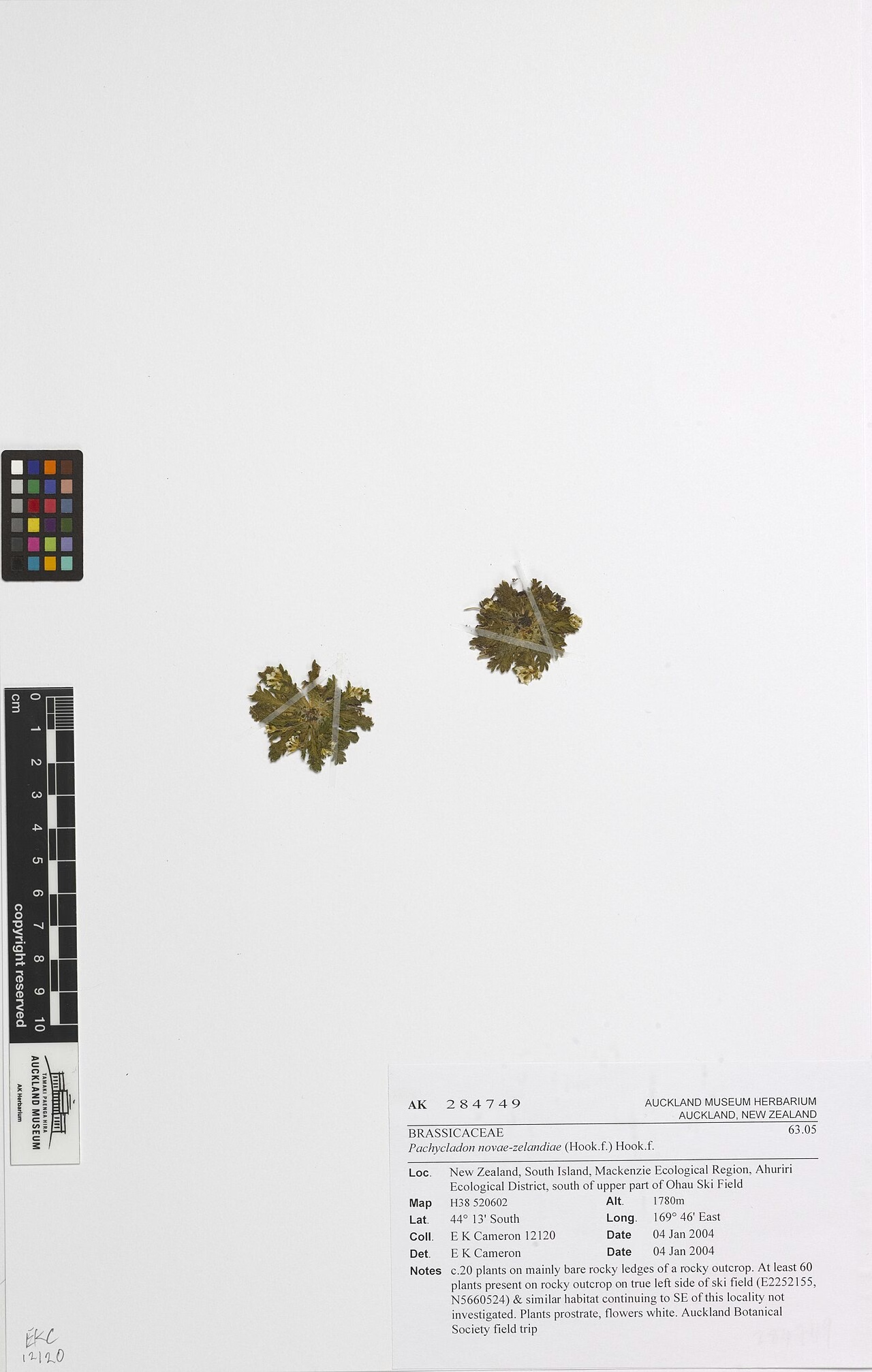
Pachycladon
Pachycladon novae zelandiae
Last updated:
Pachycladon novae-zelandiae is a small endemic alpine herb in the cabbage family, found on subalpine fellfield and schist debris slopes in the southern South Island, mainly Central Otago with outliers in Fiordland. A long fleshy taproot supports a stout stock crowned by a dense rosette of overlapping leaves up to 3 cm long, covered in star-shaped hairs and usually deeply lobed. From November to December it bears tiny white flowers 3 to 4 mm across, followed by short pods. It is ranked Not Threatened nationally but is considered regionally uncommon in Otago. Explore more native flowering plants in our native plant guide.
Plant Description
Pachycladon novae-zelandiae grows from a long fleshy taproot topped by a stout stock that is often branched above. Each branch carries a dense rosette of overlapping basal leaves. The leaves are up to 3 cm long, obovate-oblong and narrowed into a short flat stalk, with blades that range from deeply lobed (pinnatifid) to almost entire, and they are clothed in small star-shaped (stellate) hairs.
Several short flowering stalks arise from each rosette, bearing small white four-petalled flowers only 3 to 4 mm across. The fruits are short siliques 7 to 10 mm long, each valve containing about 3 to 8 egg-shaped seeds. Flowering is recorded from November to December and fruiting from January to March.
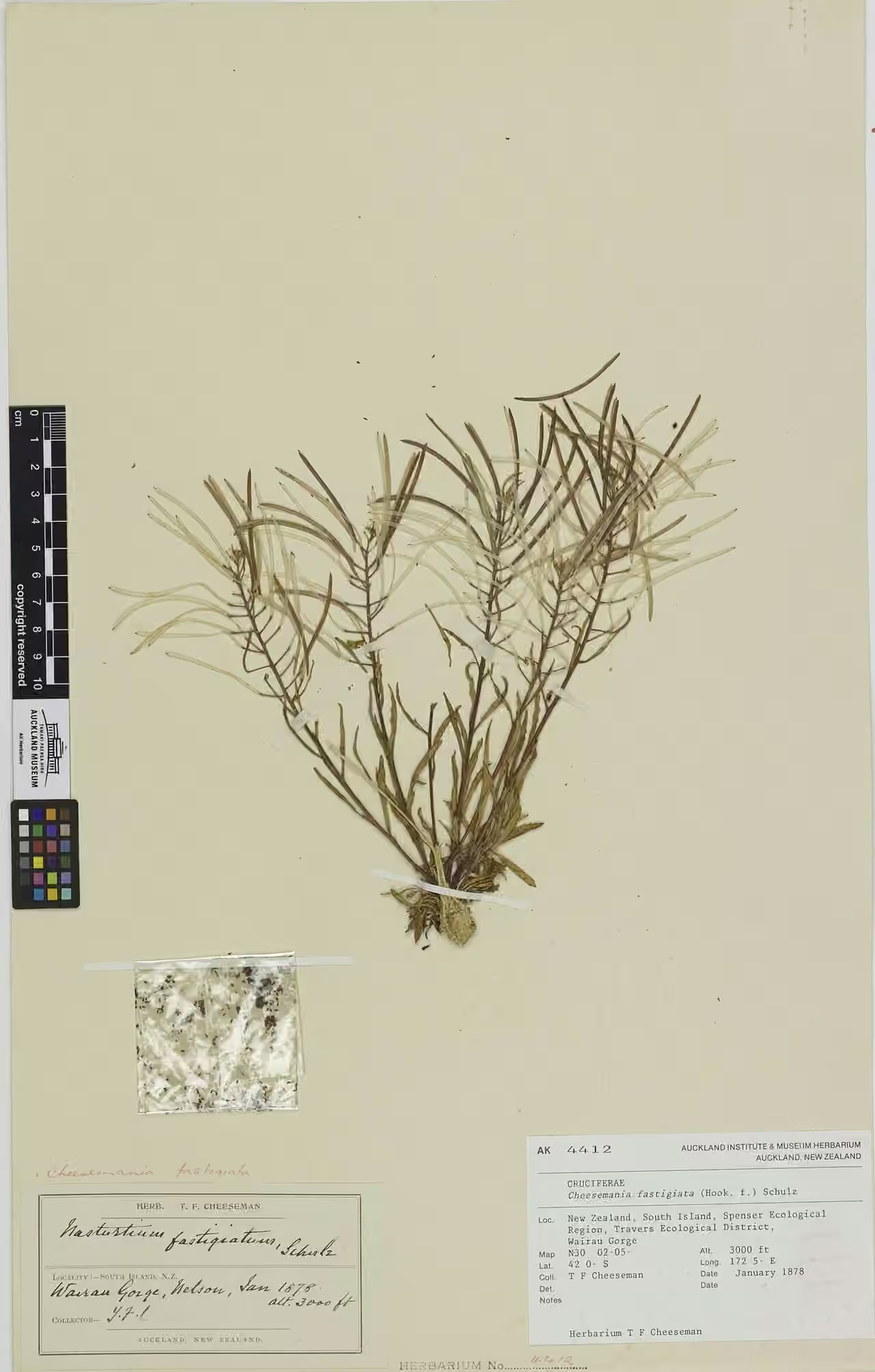
Its tiny flowers and short pods separate it from larger relatives such as Pachycladon fastigiatum, whose hairless, toothed leaves and long pods make it quite different. The Flora of New Zealand also describes a var. glabra with hairless or nearly hairless, larger leaves with longer pointed lobes, from ranges near Lake Ohau and Ben Lomond, noting it was uncertain whether this was a genetic variety or a habitat-induced form.
Quick Facts
| Scientific Name | Pachycladon novae zelandiae |
|---|---|
| Height | Rosette a few centimetres tall; flowering stems short |
| Spread | Leaves to 3 cm long; rosette width not recorded in sources consulted |
| Water Needs | Moderate; well-drained fellfield and scree |
| Light | Full sun in open alpine sites |
| Frost Tolerance | High; grows near persistent snow patches |
| Salt Tolerance | Not recorded; an inland alpine plant, so assume low |
| Growth Rate | Slow |
| Lifespan | Perennial |
Climate Best Suited to
Suited to the continental alpine climate of Central Otago, with cold winters, persistent late snow patches, strong sun and dry summer spells.
Regional Suitability
| City | Climate Suitability |
|---|---|
| Auckland | Low |
| Wellington | Low |
| Christchurch | Medium |
| Dunedin | Medium |
Plant Habitat
This species is endemic to the southern South Island. The Flora of New Zealand records it from latitude 44 to 45 degrees south, common in Central Otago and also occurring in Fiordland. Herbarium collections include the Old Man Range, where it was found in a rocky cleft beside a persistent snow patch, and the Lammerlaw Range, where a site at 840 m was noted as unusually low for the species.
It is a plant of subalpine and alpine fellfield and debris slopes, typically on schist. It grows on schist rubble, in rock clefts and in crevices on rocky summits, where frost heave and wind keep vegetation open and give a small rosette room to establish.
Growing Requirements
Soil Requirements
In the wild it grows in thin, stony soils and schist debris, sending its long fleshy taproot deep among the rocks.
- Coarse, stony, very free-draining substrate
- Low organic content
- Deep root run for the long taproot
Light Requirements
It occupies open fellfield and rocky tops with almost no shade from taller plants.
- Full sun
- Open, airy positions
Water Requirements
Moisture comes from snowmelt and rain, but the stony ground drains quickly. Some sites sit beside snow patches that keep the roots cool and damp into summer.
- Cool, moist root zone with a dry crown
- Never waterlogged
- Tolerates dry summer spells once rooted deeply
Planting and Establishing
Pachycladon novae-zelandiae is not known in commercial cultivation, and no cultivation notes were found in the sources consulted. Wild plants should be left in place.
Anyone growing it from legitimately sourced seed should use a deep pot to accommodate the taproot, a gritty mix such as pumice and crushed schist, full light and good air movement, and keep the rosette above the surface with a collar of grit to prevent rot.
Ecological Role
The small white flowers appear in early summer, when many alpine insects such as small flies and native bees are active, although specific pollinator records were not found. The short pods release only a few seeds each, which fall into nearby gravel and crevices.
As a fellfield species, it is part of the sparse, cold-adapted plant community of the Otago block mountains, together with cushion plants, small herbs and lichens. Its long taproot anchors it in moving debris and reaches moisture below the dry surface.
Uses & Significance
Garden Uses
It has no established garden use and is not sold by nurseries.
- Specialist alpine trough or alpine house
- Botanic garden alpine collections
- Not for general planting
Ecological Value
It contributes to the distinctive endemic flora of Central Otago's high schist ranges.
- Early summer flowers for alpine insects
- Stabilises small pockets of schist debris with its taproot
- Part of the endemic Pachycladon group of cresses
Landscaping Uses
In the wild, the small hairy rosettes scattered across schist rubble are easy to overlook, and they are best enjoyed as part of the wider fellfield landscape of the Old Man Range and nearby mountains.
In a specialist alpine trough it would suit a scree-style planting of flat schist pieces and grit, alongside other small rosette and cushion plants that need a cool, gritty root run.
Seasonal Care Calendar
Spring
Rosettes emerge from snow cover and begin new leaf growth.
- Snow patches persist near many sites
- Avoid trampling fellfield as it thaws
Summer
Flowering runs from November to December, followed by pod development from January.
- Look for tiny white flowers among schist debris
- Record sightings to help regional monitoring
Autumn
Fruiting continues until March, when the short pods split to shed their few seeds.
- Leave wild seed in place
- Sow any cultivated seed fresh
Winter
Plants are dormant under snow or exposed to hard frost on windswept tops.
- No action needed in the wild
- Keep cultivated plants dry at the crown
When to Prune and How Much
No pruning is needed. On cultivated plants, spent flowering stalks can be snipped off at the rosette after seed is shed.
Remove any dead or rotting leaves from the rosette to keep air moving around the crown.
How to Grow Pachycladon
No published propagation information was found for Pachycladon novae-zelandiae, and it is not in commercial cultivation. The guidance below draws on general practice for small alpine cresses and has not been tested for this species. Its long fleshy taproot makes transplanting risky, so raising plants from seed in deep containers is the most sensible approach. Seed should come only from cultivated stock or an approved conservation programme; wild plants in Otago are considered regionally uncommon and should not be disturbed. Because each pod holds few seeds, expect small quantities.
From Seed
Fruiting runs from January to March. The pods are only 7 to 10 mm long and contain about 3 to 8 seeds per valve, so collect them just as they start to dry.
- Collect ripening pods from cultivated plants in late summer
- Sow fresh on a gritty mix of pumice and fine schist
- Cover lightly with grit and expose the pot to winter cold
- Transplant seedlings into deep pots while the taproot is short
- Grow on in full light with careful watering
By Division of Rosettes
Older plants with a branched stock carry several rosettes, and one may be separated with part of the stock, though this risks damaging the taproot.
- Lift a mature cultivated plant carefully in early spring
- Cut away a rosette with a portion of stock attached
- Dust the wound and pot into very gritty mix
- Keep cool and lightly moist until new growth appears
Pests & Diseases
No specific pest records for this species were found in the sources consulted. In cultivation, slugs, snails and cabbage white butterfly caterpillars are likely to attack the leaves, and rot of the fleshy taproot is a risk in wet or humid conditions.
In the wild, grazing by introduced animals such as hares, rabbits and sheep, and trampling of fellfield, are general pressures on small alpine herbs in Central Otago.
Cultural Significance
No Māori name or traditional Māori use is recorded for Pachycladon novae-zelandiae in the sources consulted.
Joseph Hooker described this plant in 1864 as Braya novae-zelandiae, the epithet meaning of New Zealand, and later transferred it to Pachycladon. Pachycladon glabra Buchanan is now treated as a synonym, reflecting more than 150 years of debate over how variable the species is.
Bonus Tip
On the Old Man Range and similar Central Otago tops, check the margins of late-lying snow patches and rocky clefts in early summer. This is where Pachycladon novae-zelandiae has been collected, its starry-haired rosettes tucked among schist where meltwater keeps the root zone cool.
Related Plants
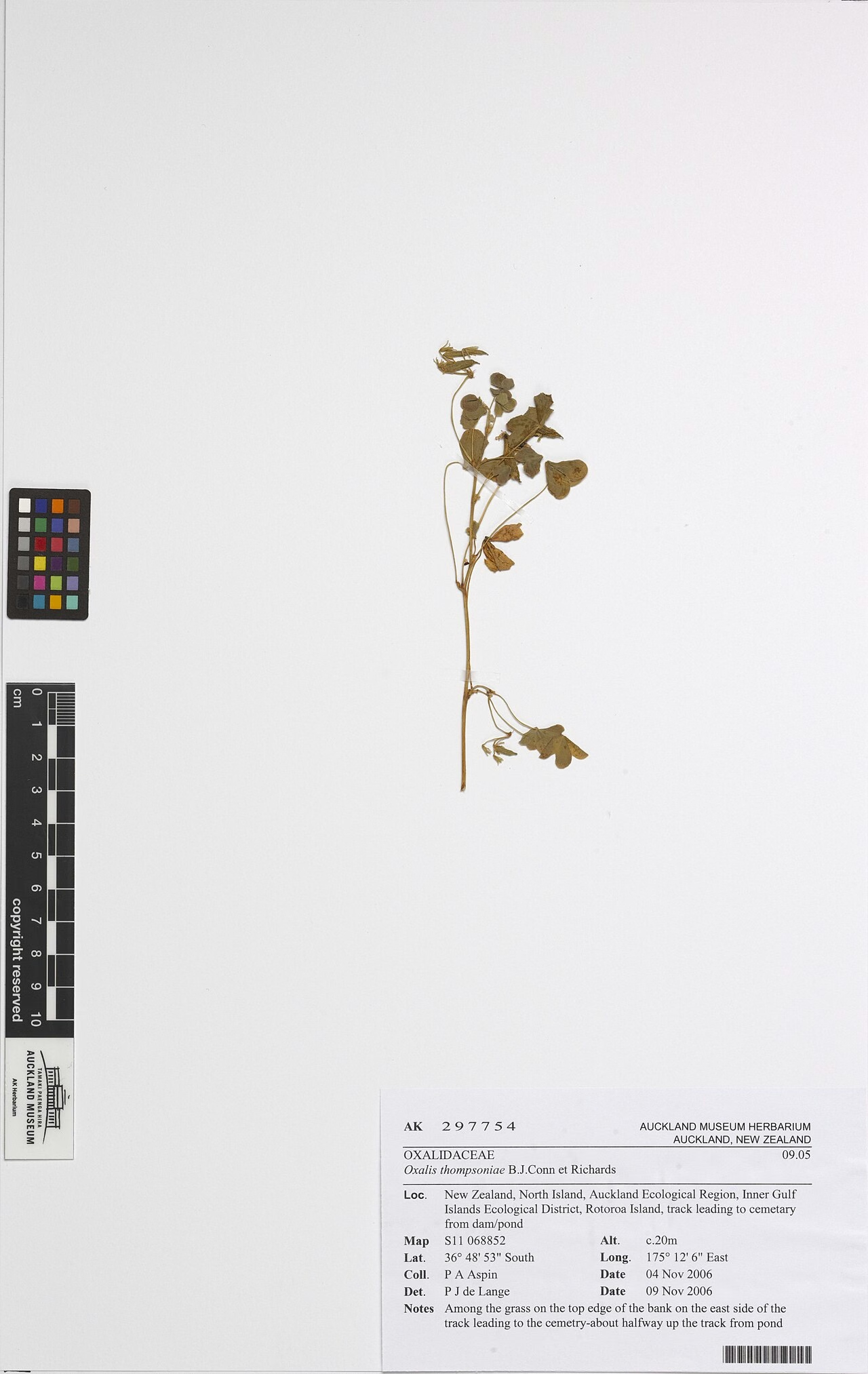
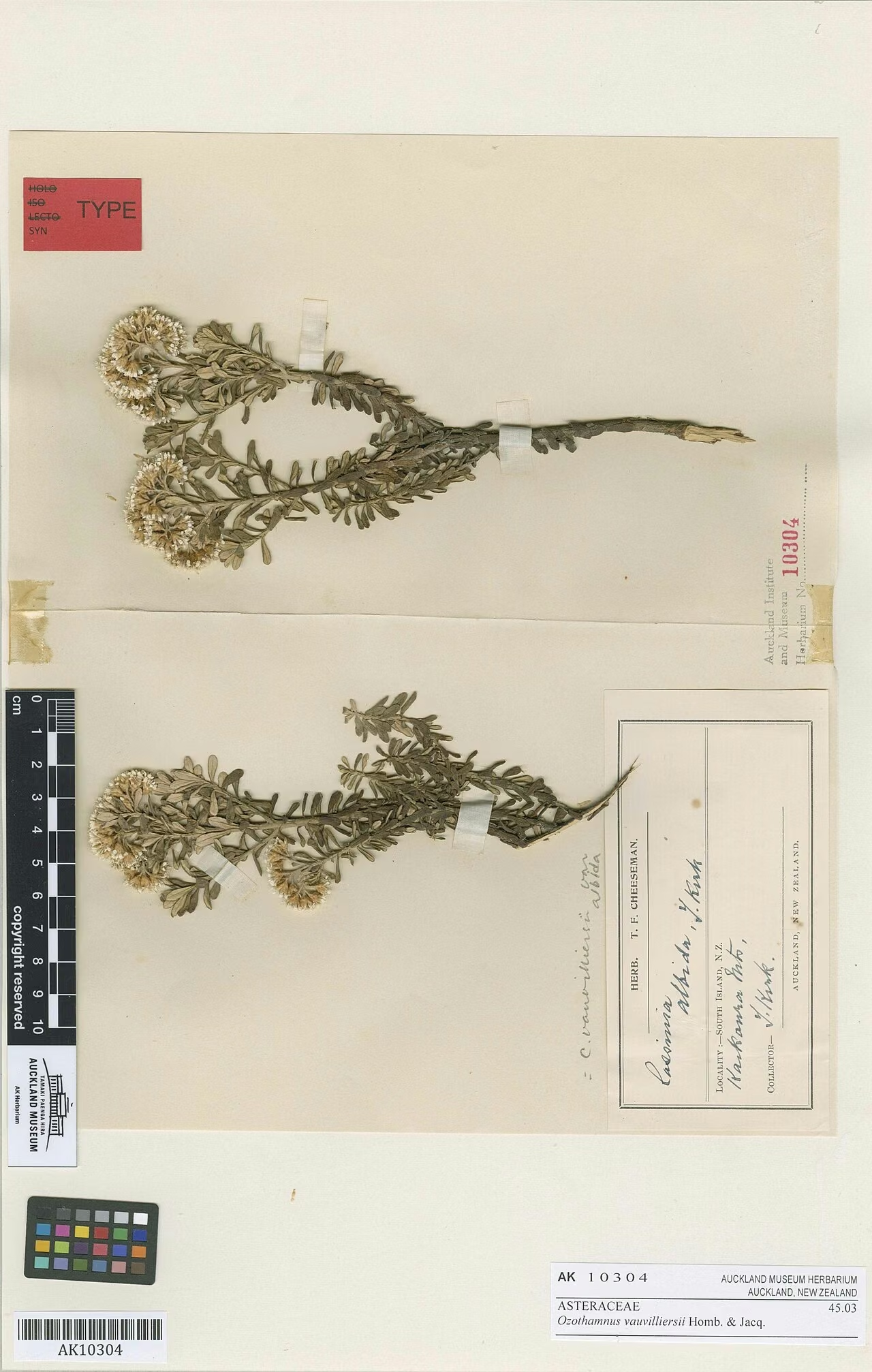
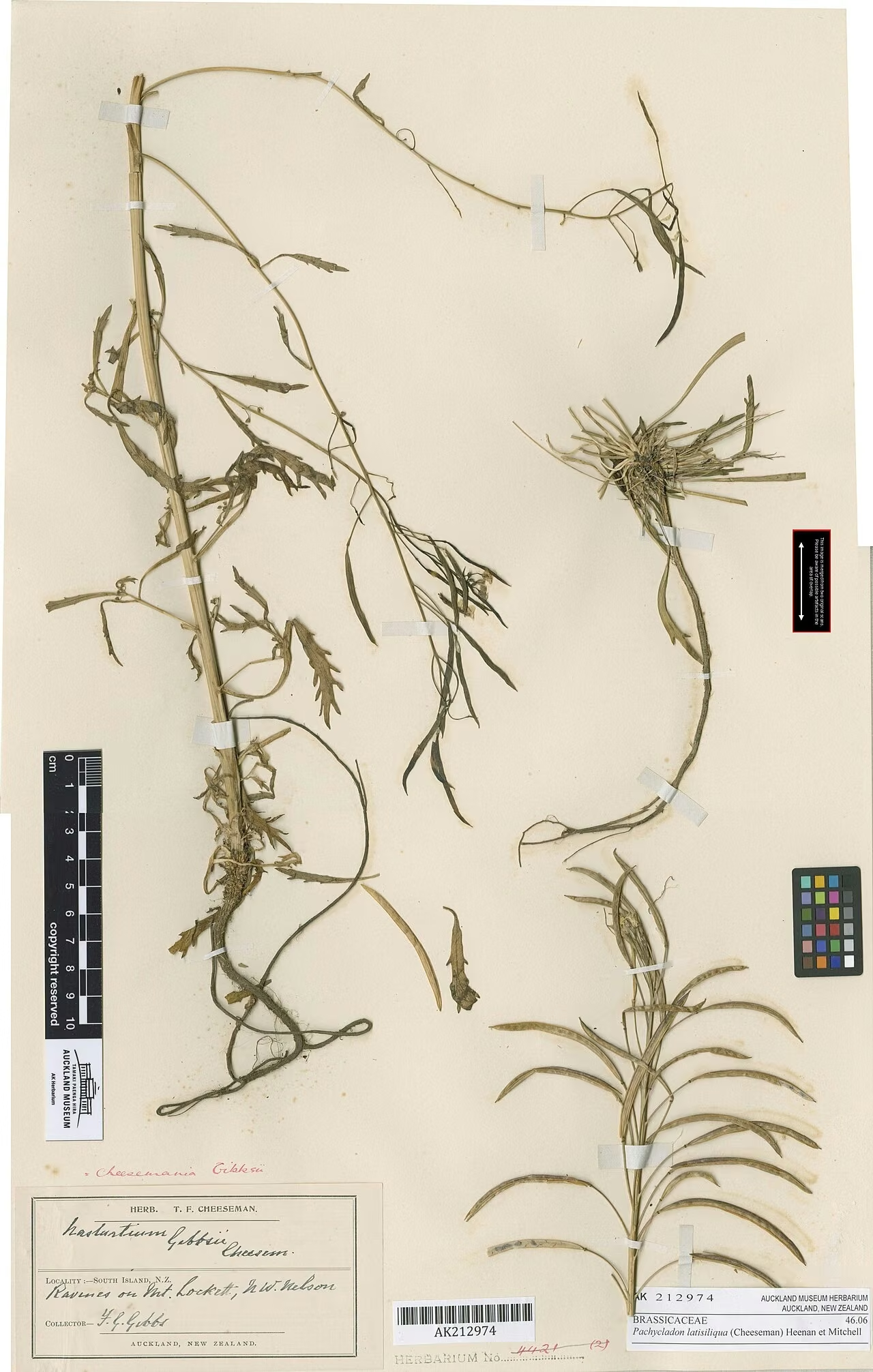
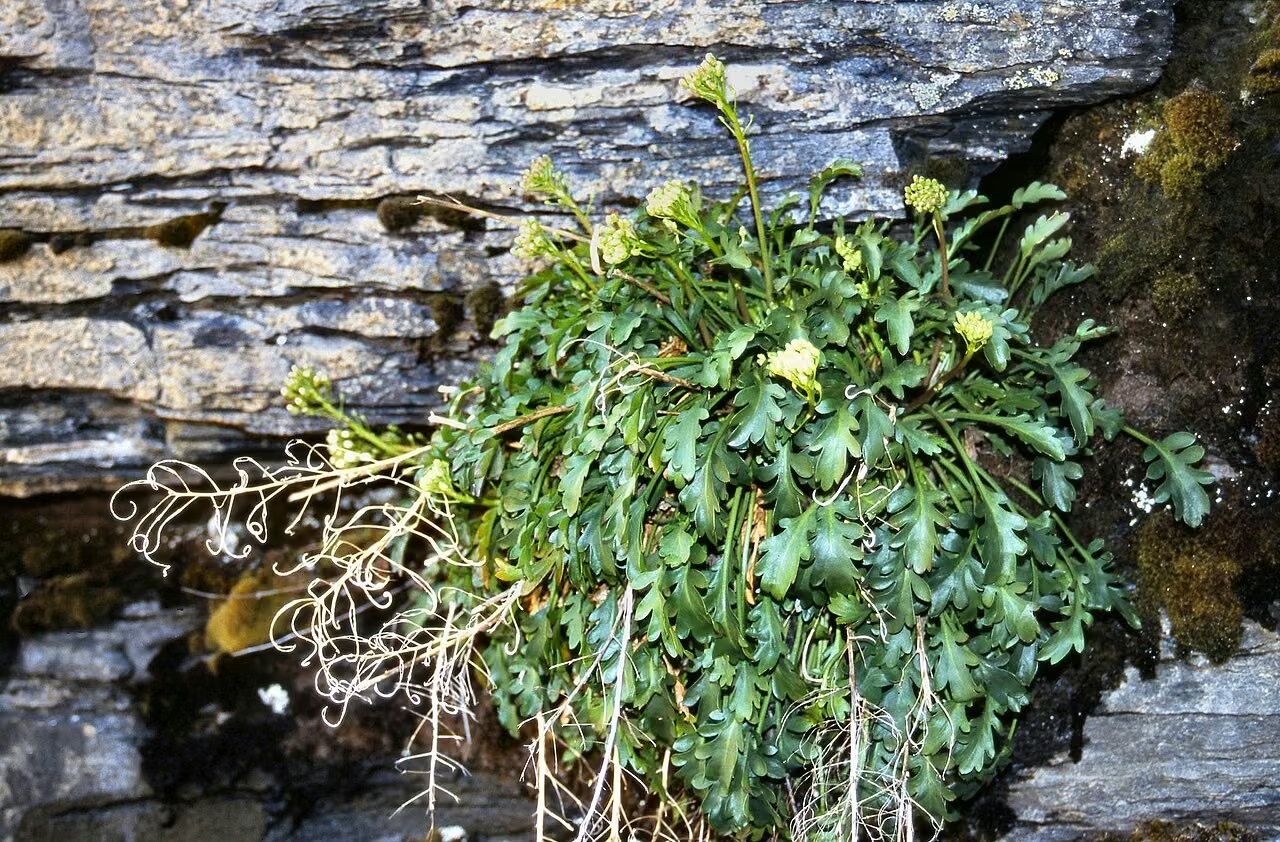
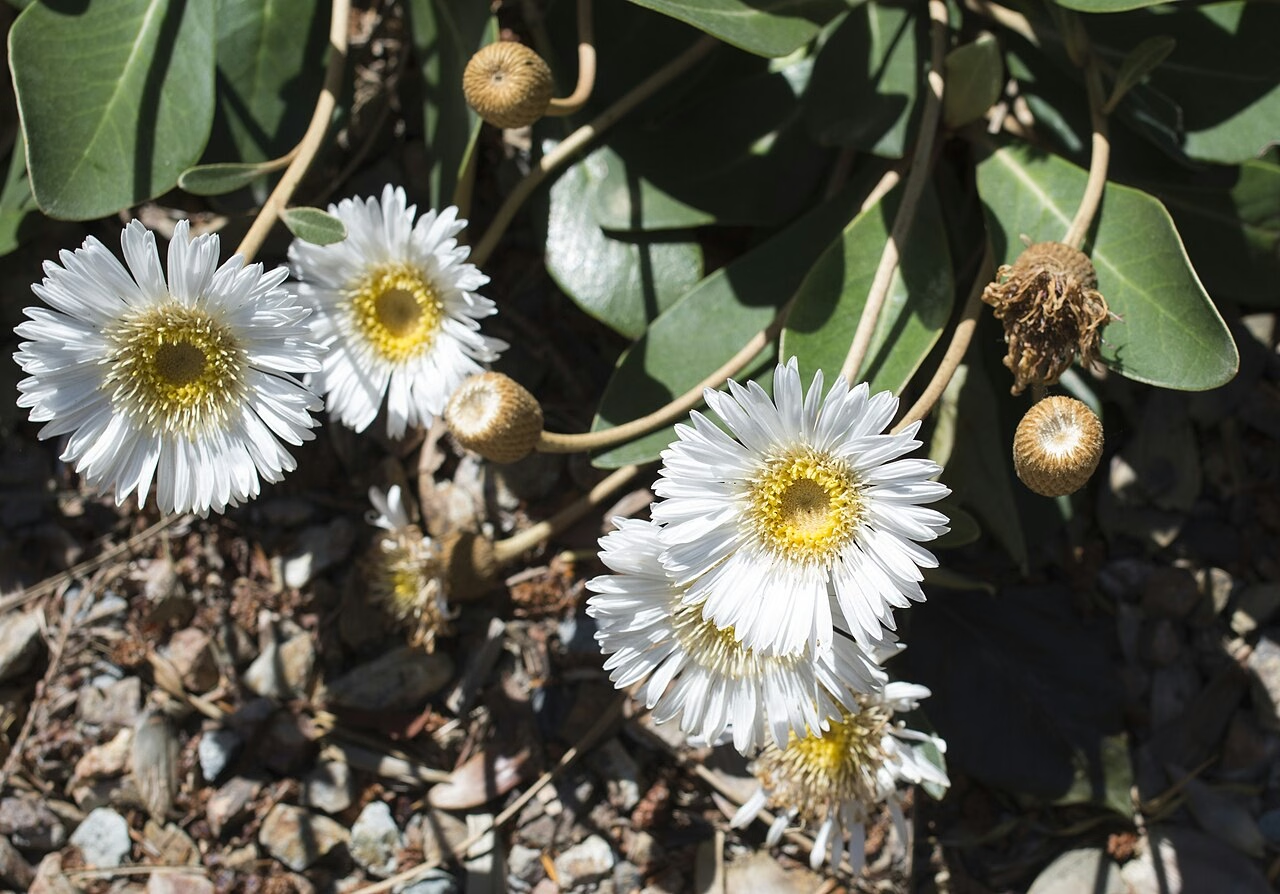
Explore other native plants that share similar characteristics or habitats with Pachycladon (Pachycladon novae zelandiae), offering further insights into New Zealand's diverse flora. These related species provide context and opportunities for complementary planting in your garden.
Plant Conservation
Pachycladon novae-zelandiae has been ranked Not Threatened in national assessments since 2004. The 2025 Otago regional assessment lists it as Regionally At Risk - Regionally Naturally Uncommon, with qualifiers including data poor for size and trend and naturally sparse, reflecting its patchy alpine habitat.
Protecting fellfield from damage by vehicles and trampling, controlling browsing animals, and recording populations to establish trends are the main ways to support it.
Frequently Asked Questions
Where does Pachycladon novae-zelandiae grow?
The Flora of New Zealand gives its range as subalpine fellfield and debris slopes between latitudes 44 and 45 degrees south, common in Central Otago and also present in Fiordland. Its type locality is schist debris on Mount Alta at about 5000 ft.
How do you identify Pachycladon novae-zelandiae?
Look for a tight rosette of small overlapping leaves up to 3 cm long, covered in star-shaped hairs and usually cut into lobes, with tiny white four-petalled flowers and short pods only 7 to 10 mm long.
Is Pachycladon novae-zelandiae threatened?
Nationally it has been ranked Not Threatened since 2004, but the 2025 Otago regional assessment lists it as Regionally At Risk - Regionally Naturally Uncommon because it occupies naturally small, sparse habitats.
Sources and Further Reading
The botanical, growing, and conservation details for Pachycladon (Pachycladon novae zelandiae) on this page draw on the New Zealand plant references below. Consult them for full technical records and the latest distribution data.