White Oxalis
Oxalis magellanica
Last updated:
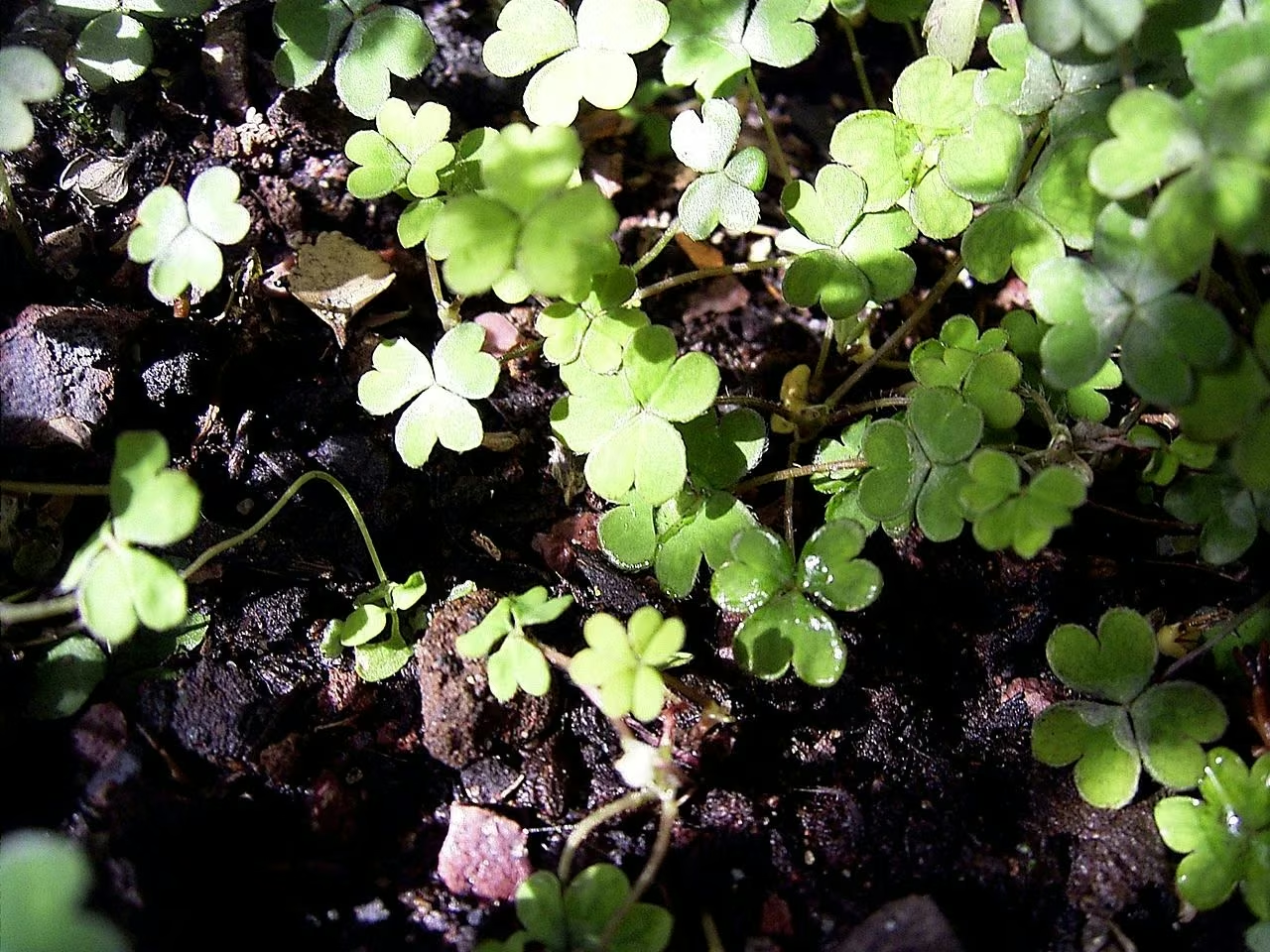
White oxalis (Oxalis magellanica) is a small, creeping native herb that forms dense mats of three-part, clover-like leaves, each leaflet just 2 to 13 mm long, and bears single white flowers from spring through summer. It grows throughout the North, South, Stewart and Chatham Islands from the coast to the mountains, mostly in moist native forest and along stream and river margins. It is also native to Australia and southern South America, which gives it the name magellanica after the Strait of Magellan. Unlike the weedy introduced oxalis species, it is non-invasive and makes a delicate groundcover for shady, damp spots. Explore more native ground covers in our native plant guide.
Plant Description
Oxalis magellanica is a rhizomatous or stoloniferous perennial herb that forms dense patches. Its leaves are divided into three leaflets, each 2 to 13 mm long, broad and heart-shaped, dark green to bluish-green above with fine hairs along the margins and often dark reddish or purple beneath.
The white flowers are borne singly on slender stalks from the leaf axils. They are cup-shaped to open, around 6 to 12 mm across. Flowering is mainly from September to March, but can occur through much of the year, and smooth, hairless capsules follow.
Its white flowers distinguish it from the yellow-flowered native and introduced oxalis species such as Oxalis exilis, Oxalis thompsoniae and the weedy Oxalis corniculata. Introduced pink-flowered oxalis weeds have bulbs and much larger leaves.
Quick Facts
| Scientific Name | Oxalis magellanica |
|---|---|
| Height | 2-8 cm |
| Spread | Forms dense patches; creeping stems to about 15 cm |
| Water Needs | High; permanently moist soil |
| Light | Semi-shade; full sun only if soil stays wet |
| Frost Tolerance | Good; extends to montane and occasionally alpine sites |
| Salt Tolerance | Low |
| Growth Rate | Moderate |
| Lifespan | Perennial |
Climate Best Suited to
It suits cool to mild temperate climates with reliable moisture, from lowland forest to montane and occasionally alpine sites.
Regional Suitability
| City | Climate Suitability |
|---|---|
| Auckland | Medium |
| Wellington | High |
| Christchurch | High |
| Dunedin | High |
Plant Habitat
White oxalis is indigenous to New Zealand and is found on the North, South, Stewart and Chatham Islands. Outside New Zealand it grows in Australia, including Tasmania, and in Chile and Argentina, a widely separated distribution that has long interested botanists.
It occurs from the coast to montane zones, and occasionally into alpine areas, mainly within indigenous forest. It favours moist riparian zones within the flood zones of streams and rivers, and grows in full sun only where the soil stays permanently moist. It has become uncommon in the far north and is ranked Regionally Endangered in Auckland.
Growing Requirements
Soil Requirements
It prefers moist, humus-rich soils such as those found on forest floors and stream banks.
- Damp, organic forest soils
- Silty stream bank soils
- Avoid dry, sandy or compacted ground
Light Requirements
NZPCN advises semi-shade, matching its forest and streamside habitats.
- Semi-shade or dappled light is ideal
- Full sun only in constantly wet soil
- Deep shade reduces flowering
Water Requirements
Permanent moisture is the key to success; it suffers quickly in dry soil.
- Keep soil moist year-round
- Ideal beside streams, ponds or in damp gullies
- Water during dry summer spells
Planting and Establishing
Plant divisions or potted plants in spring or autumn into moist, organic soil in a semi-shaded place. Space plants 15 to 20 cm apart to knit into a mat.
It is a good choice beneath ferns or along a shaded path edge where it will not be overrun by vigorous groundcovers.
Ecological Role
The white flowers attract small insects such as native bees and flies. Oxalis capsules typically split open explosively when ripe, flinging seed a short distance from the parent plant.
It forms part of the low herb layer of damp forest floors and stream margins, helping to cover bare soil in sites that are periodically disturbed by floods.
Uses & Significance
Garden Uses
White oxalis is a dainty native groundcover for shady, damp parts of the garden.
- Groundcover under ferns and shrubs
- Stream and pond margins
- Shady rock gardens and between stepping stones in moist sites
- Container planting in shaded courtyards
Ecological Value
It contributes to native forest floor and riparian plant communities across New Zealand.
- Nectar and pollen for small insects
- Soil cover on flood-prone stream banks
- Regionally important in the north, where it has become uncommon
Landscaping Uses
Use it as a soft green carpet among taller native ferns, Libertia and rengarenga in a shaded woodland garden. The white flowers show up well in low light.
It also suits a cool fernery, pots on a shaded deck, or the damp edge of a rain garden where its small leaves soften stonework.
Seasonal Care Calendar
Spring
Flowering begins in September and new growth spreads across the soil.
- Plant or divide clumps
- Mulch lightly to retain moisture
Summer
Flowering continues to March and capsules ripen.
- Water in dry spells
- Collect seed from ripe capsules
Autumn
Fruiting continues and the mats remain green.
- Good time for division
- Remove fallen leaves smothering the mat
Winter
Growth slows but plants usually remain evergreen in sheltered spots.
- Little care required
- Check for slug damage
When to Prune and How Much
No pruning is necessary. If the mat spreads beyond its space, simply pull up or cut back the edges.
Old, patchy mats can be refreshed by lifting, dividing and replanting the healthiest pieces.
How to Grow White Oxalis
NZPCN notes that white oxalis is easily grown from fresh seed and by division of whole plants, and does best in semi-shade in permanently moist soil. Division gives faster results, while seed is useful for producing larger numbers of plants for restoration. Because fruit can be present for much of the year, there is a long window for collecting seed from cultivated plants.
From Seed
Oxalis capsules can split and scatter their seed suddenly, so collect them just before they are fully ripe and let them finish in a paper bag. Sow the seed fresh for best results.
- Collect plump capsules as they start to turn pale
- Place them in a paper bag to catch the seed as it is released
- Sow thinly on a moist, fine seed-raising mix
- Cover with a very light layer of fine mix
- Keep moist and in semi-shade
- Prick out small clumps of seedlings into pots once they have several leaves
By Division
Because it spreads by rhizomes and stolons, established mats can easily be split into rooted pieces in spring or autumn.
- Lift a section of the mat with a hand fork
- Pull or cut it into pieces, each with roots and several leaves
- Replant directly into moist soil or pot up
- Water in well and keep damp until established
- Space divisions 15 to 20 cm apart for quick cover
- Keep slugs away from fresh divisions until new leaves appear
Pests & Diseases
Slugs and snails may graze the leaves and flowers, particularly in damp, shaded gardens. Otherwise no serious pests are recorded.
The biggest practical issue is confusion with weedy oxalis: make sure purchased plants are true Oxalis magellanica with white flowers and no bulbs.
Cultural Significance
No Māori name or traditional Māori use is recorded for Oxalis magellanica in the sources consulted.
The species was first described in 1789 by Georg Forster, using material from the voyages of Captain Cook. Its occurrence in both Oceania and South America has been studied as a puzzle of plant geography, because the land connection via Antarctica disappeared before its group appears to have diversified.
Bonus Tip
When you buy white oxalis, check the label and the plant: a true Oxalis magellanica has small, heart-shaped leaflets often purplish beneath, white flowers on single stalks and no underground bulbs, which separates it from the invasive bulb-forming oxalis that gardeners rightly avoid.
Related Plants
Explore other native plants that share similar characteristics or habitats with White Oxalis (Oxalis magellanica), offering further insights into New Zealand's diverse flora. These related species provide context and opportunities for complementary planting in your garden.
Hangatere
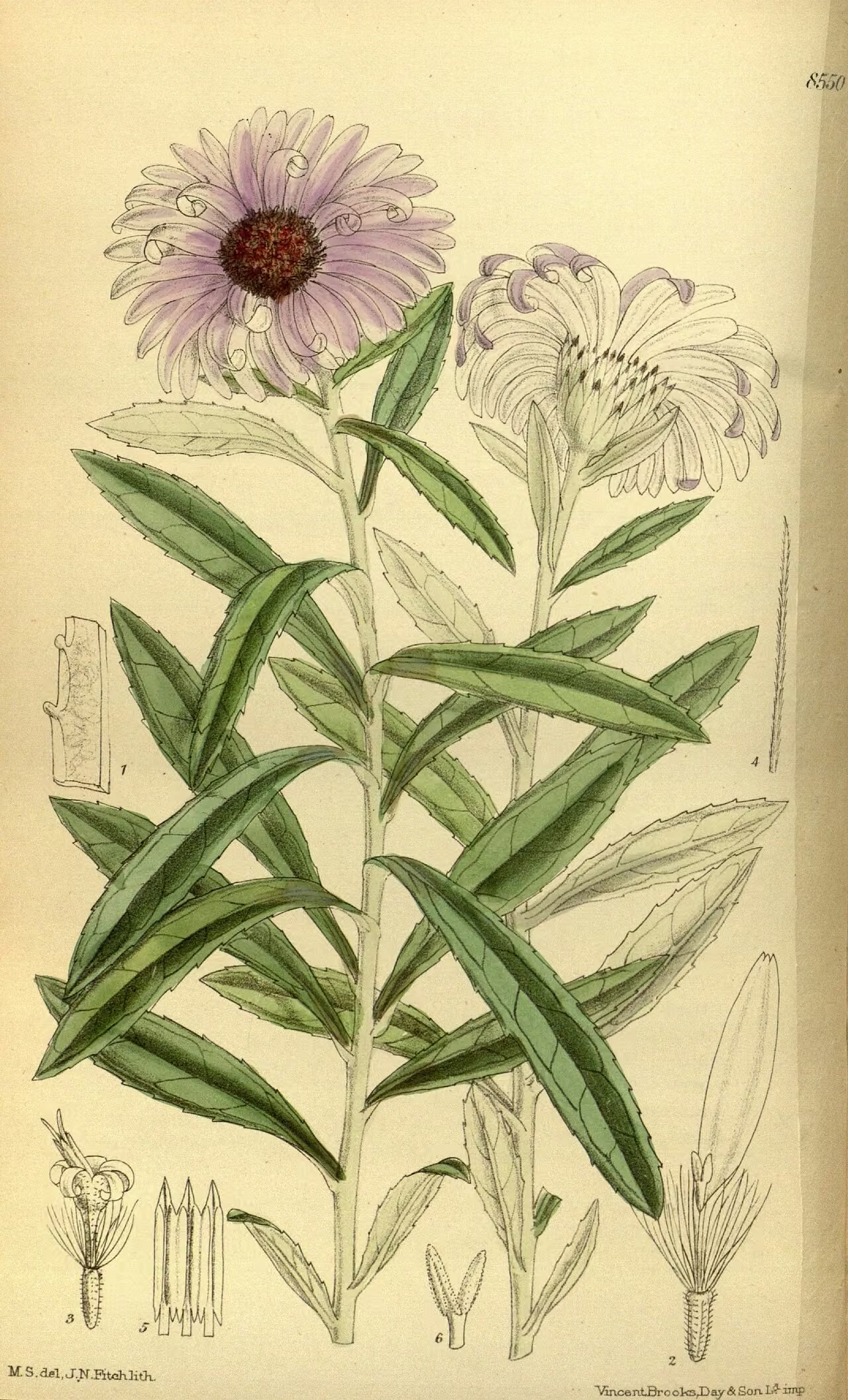
Macrolearia semidentata
Stalked Adder's Tongue Fern
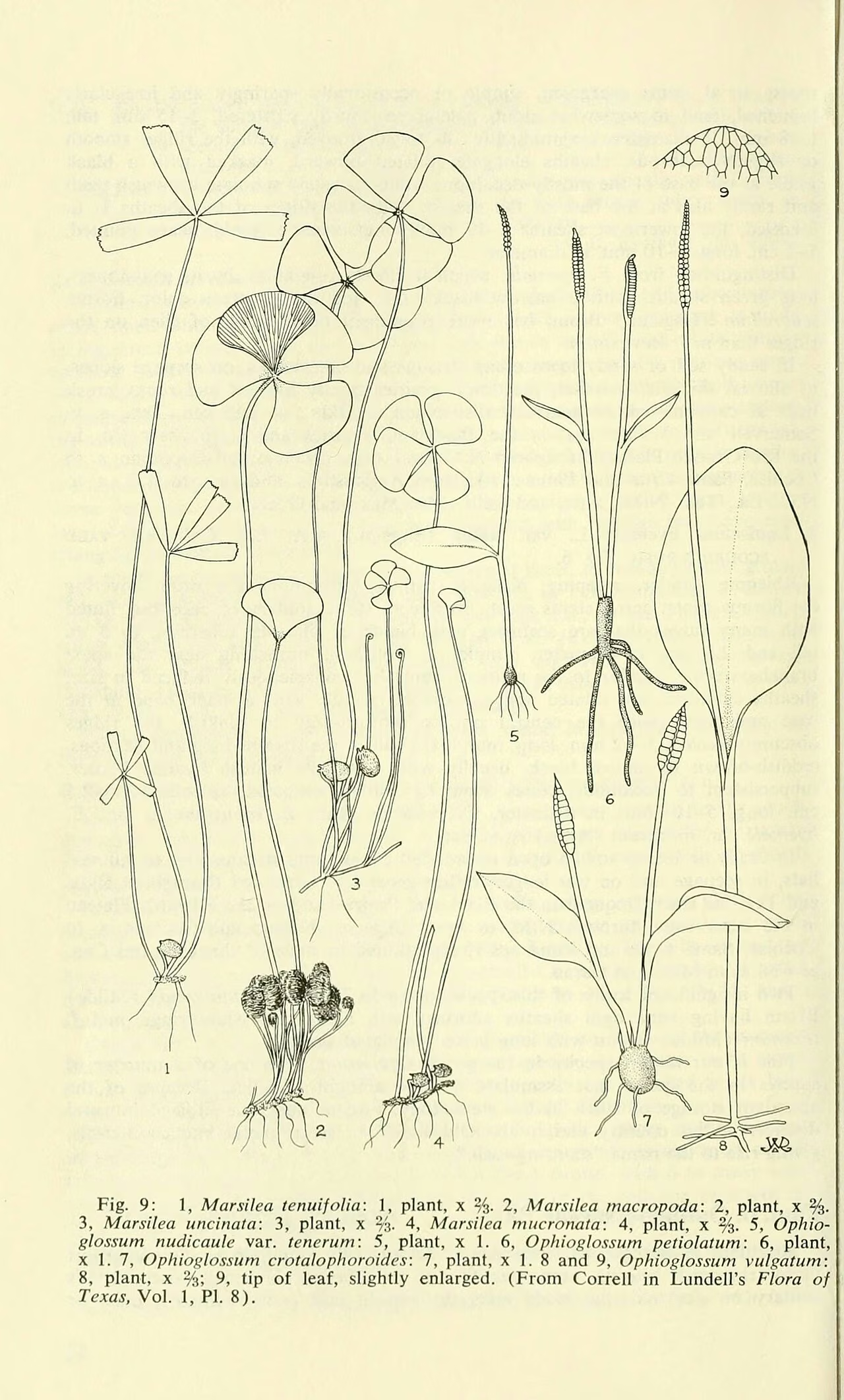
Ophioglossum petiolatum
Oreobolus strictus
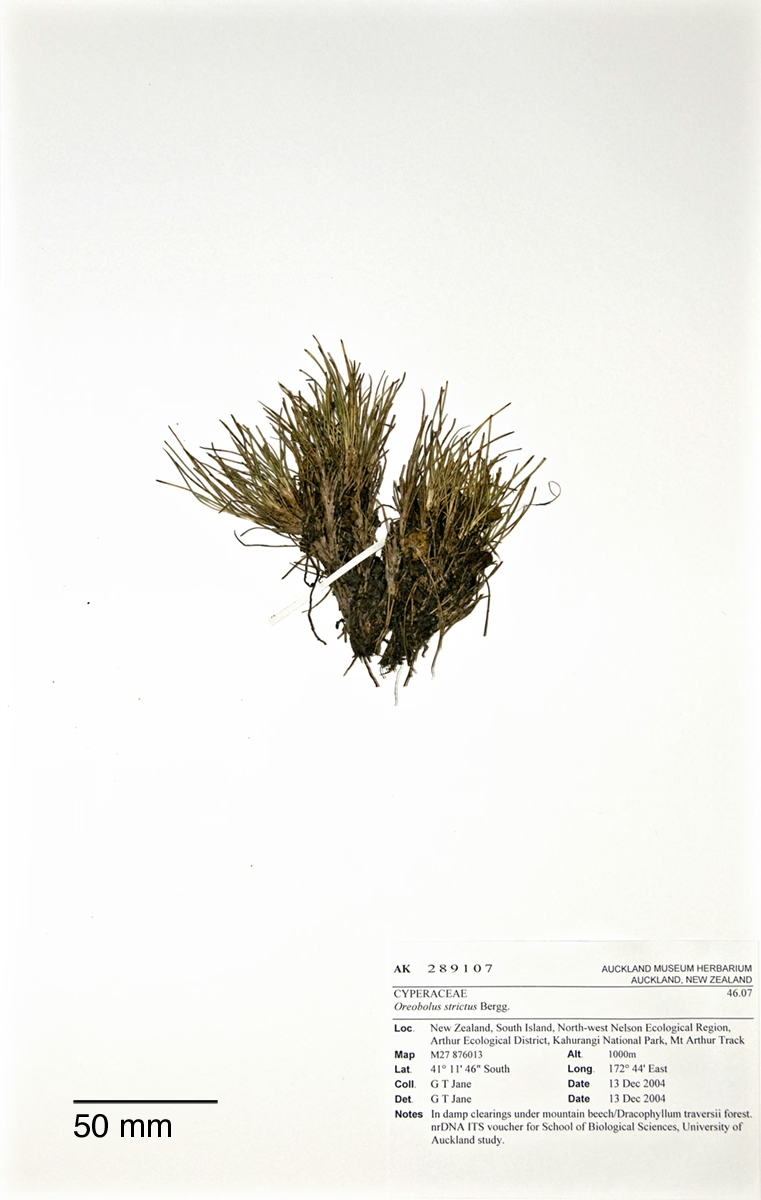
Oreobolus strictus
Stylidium subulatum
Stylidium subulatum
Thompson's Oxalis
Oxalis thompsoniae
Mountain Tauhinu
Ozothamnus vauvilliersii
Hairless Cress
Pachycladon fastigiatum
Pachycladon latisiliquum
Pachycladon latisiliquum
Plant Conservation
Oxalis magellanica is ranked Not Threatened (2023) with the qualifier Secure Overseas. It remains widespread in the south but has become scarce in the north, being ranked Regionally Endangered in Auckland and Regionally Naturally Uncommon in Northland.
In those regions, protecting riparian forest from clearance, stock trampling and invasive weeds helps the remaining populations.
Frequently Asked Questions
Is white oxalis a native plant or a weed?
Oxalis magellanica is a genuine native of New Zealand. NZPCN describes it as non-invasive, unlike several introduced oxalis species that are serious garden weeds.
Where does Oxalis magellanica grow in New Zealand?
It occurs on the North, South, Stewart and Chatham Islands, from the coast to montane areas, mainly in native forest and moist riparian zones along streams and rivers.
Why is it called magellanica?
The name refers to the Strait of Magellan in southern South America, where the species also grows. It is native to Chile, Argentina, Australia including Tasmania, and New Zealand.
Can I grow white oxalis as a groundcover?
Yes. It is easily grown from fresh seed or division and does best in semi-shade in permanently moist soil, where it forms a dense low mat. It is occasionally sold by specialist native nurseries.
Sources and Further Reading
The botanical, growing, and conservation details for White Oxalis (Oxalis magellanica) on this page draw on the New Zealand plant references below. Consult them for full technical records and the latest distribution data.