Hangatere
Macrolearia semidentata
Last updated:
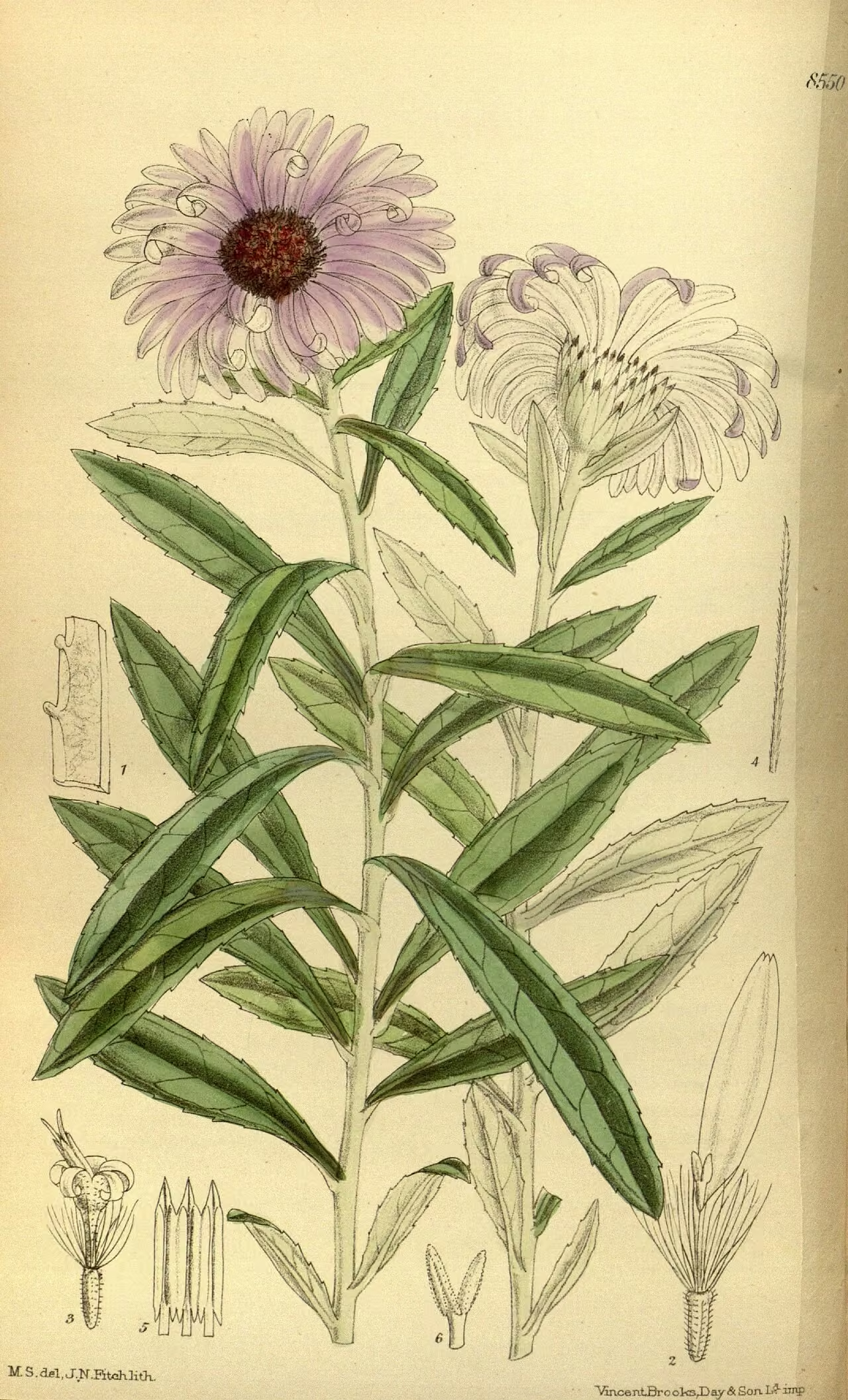
Hangatere, also called Chatham Island aster or swamp aster (Macrolearia semidentata, formerly Olearia semidentata), is a spindly shrub up to 2 m tall found only on the Chatham Islands. It grows in restiad peat bogs, where it is one of only three woody shrubs able to grow among the tall rush Sporadanthus traversii, and it quickly recolonises burnt bog. From November to March it carries large daisy heads 3 to 4 cm across with pinkish-purple rays and violet-purple centres, making it one of the most striking New Zealand daisies. It is ranked At Risk - Naturally Uncommon. Explore more native shrubs in our native plant guide.
Plant Description
Hangatere is a spindly, erect shrub to 2 m tall, with young shoots covered in white woolly felt. Its narrow lanceolate to oblong leaves are 30 to 74 mm long and 6 to 9 mm wide, dark green above and white beneath, with weakly toothed margins carrying 6 to 10 pairs of small teeth, which is the meaning of the name semidentata, partially toothed.
The flower heads are borne in numbers at the tips of the branches and in the leaf axils. Each is 30 to 40 mm across, with pinkish-purple ray florets around a disc of magenta to violet-purple florets. This colouring sets it apart from the white-rayed Macrolearia oporina of Fiordland and Rakiura.
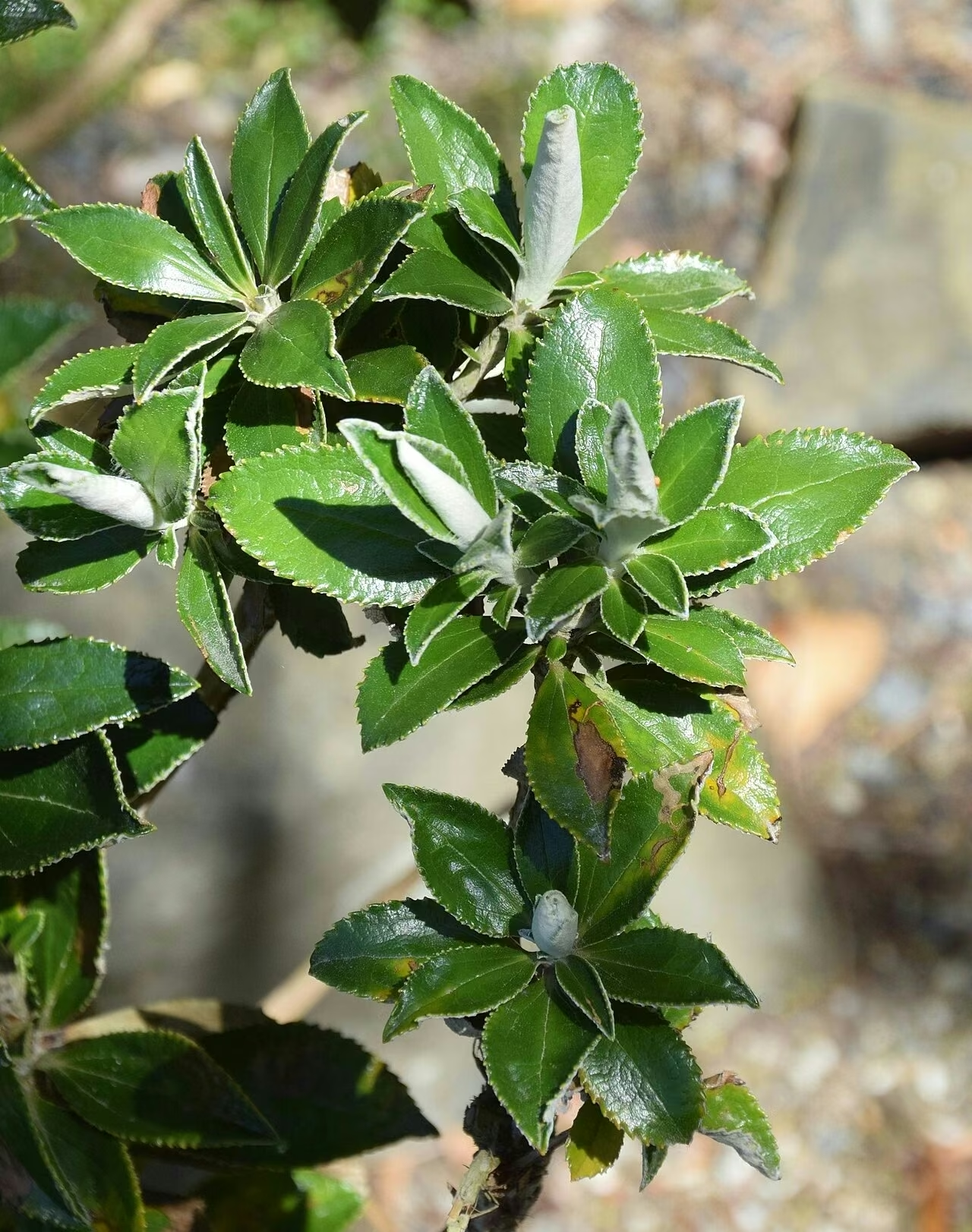
On the Chatham Islands its closest relative is Macrolearia chathamica, which was once treated as a variety of Macrolearia oporina. Hangatere is the bog specialist of the group, and its narrow, weakly toothed leaves and richly purple flower heads are the best features to check.
Quick Facts
| Scientific Name | Macrolearia semidentata |
|---|---|
| Height | Up to 2 m |
| Spread | About 1 m in gardens; rounded and spreading |
| Water Needs | High; a bog plant that likes constant moisture |
| Light | Full sun to part shade |
| Frost Tolerance | Tolerates light frosts |
| Salt Tolerance | Good; grows in windy island conditions |
| Growth Rate | Fast to establish but often short-lived in cultivation |
| Lifespan | Perennial |
Climate Best Suited to
It suits cool, windy, humid oceanic climates with mild winters and reliable rain, like that of the Chatham Islands. Hot, dry summers and humid northern heat are not to its liking.
Regional Suitability
| City | Climate Suitability |
|---|---|
| Auckland | Low |
| Wellington | High |
| Christchurch | Medium |
| Dunedin | High |
Plant Habitat
Macrolearia semidentata is endemic to the Chatham Islands, where it grows mainly on the main island, Rēkohu/Chatham Island. It is a plant of the extensive restiad peat bogs that cover much of the island's interior.
In these bogs it is one of three woody shrubs able to grow among Sporadanthus traversii, a tall restiad rush, and it is a rapid coloniser of peat bog after fire. NZPCN classes it as an obligate wetland plant.
Growing Requirements
Soil Requirements
In nature it grows in wet, acidic peat. Gardeners report that it can also cope with light, stony, free-draining soil as long as moisture is reliable.
- Peaty or humus-rich soil
- Acidic to neutral pH
- Avoid compacted clay that stays waterlogged and airless
- Little fertiliser needed
Light Requirements
Its bog habitat is open and exposed, so it flowers best in full sun, though it tolerates some shade.
- Full sun for the best flowering
- Part shade acceptable in warmer districts
- Avoid deep shade, which makes it leggy
Water Requirements
As an obligate wetland plant it needs reliable moisture, but in gardens the roots also need air, so a damp, well-mulched soil works better than stagnant water.
- Never let the soil dry out completely
- Ideal beside ponds or in damp, sunny hollows
- Water deeply during summer dry spells
Planting and Establishing
Plant in autumn or spring into a moist, sunny site enriched with compost or peat-like organic matter. Firm in well and mulch to keep the roots cool and damp.
Because plants can die suddenly in cultivation, it is worth keeping cuttings going as a back-up. In the Chatham Islands, use locally sourced plants for bog and wetland restoration.
Ecological Role
The showy flower heads provide nectar and pollen for insects, and nurseries list it as attractive to bees. Its seeds are dispersed by wind, helping it colonise open or burnt peat.
As one of the few shrubs in restiad bog, it adds structure to a habitat dominated by rushes and helps begin the return of woody cover after fire.
Uses & Significance
Garden Uses
Hangatere is grown for its abundant purple daisies, one of the most colourful displays of any New Zealand shrub. It has long been popular in mild parts of Britain, where it was introduced in 1910.
- Flowering shrub for damp, sunny gardens
- Pond margins and rain gardens
- Coastal and windy sites
- Riparian and wetland planting
Ecological Value
In the wild it is an important woody component of Chatham Islands peat bogs, a habitat found nowhere else.
- Nectar and pollen for bees and other insects
- Early coloniser of burnt peat bog
- Shelter within open restiad bog
Landscaping Uses
Plant in groups of three in a damp border for a sheet of purple flowers through summer. The white-backed leaves pair well with green flaxes, sedges and other moisture-loving natives.
It also suits the edge of a bog garden or a wet corner where few other flowering shrubs thrive, and makes a loose informal hedge in windy coastal gardens.
Seasonal Care Calendar
Spring
New shoots appear and flower buds form at the branch tips.
- Plant out new stock
- Top up mulch
Summer
Flowering runs from November to March, with the heaviest display in early summer.
- Water during dry weather
- Enjoy the bee activity
Autumn
Seed ripens from January through to June, and the plant may carry late flowers.
- Collect fluffy seed heads
- Take semi-hardwood cuttings
Winter
The plant is evergreen and largely dormant.
- Protect young plants from heavy frost in cold inland gardens
- Check drainage around the roots
When to Prune and How Much
Lightly trim after the main flowering to remove spent heads and keep the plant bushy, as it tends to become spindly. Shorten long shoots by a third rather than cutting into bare wood.
Remove any dead branches promptly. Because the species can collapse suddenly, regular light pruning to encourage new growth may help keep a plant vigorous.
How to Grow Hangatere
Hangatere can be raised from seed or semi-hardwood cuttings. Nelson Natives report that seed germinates without pretreatment, though it can be slow, and that semi-hardwood cuttings work well. Because garden plants are often short-lived, regular propagation is the best insurance. Whichever method you use, label the young plants with their origin, especially if they are intended for restoration work on the Chatham Islands, where local genetic stock should be used.
From Seed
Seed ripens between January and June. A four-week cold stratification can speed germination, but untreated seed will also come up, sometimes taking 9 to 12 months with variable success.
- Collect seed heads once they turn fluffy and brown
- Optionally chill the seed in damp sand in the fridge for 4 weeks
- Sow on the surface of a moist seed-raising mix
- Cover with a thin layer of grit
- Keep moist and be patient, as germination may take many months
- Prick out seedlings into individual pots when large enough to handle
From Cuttings
Semi-hardwood cuttings taken in late summer or autumn root readily and reproduce the parent's flower colour exactly.
- Select healthy non-flowering shoots
- Cut 8 to 10 cm lengths just below a node
- Remove the lower leaves
- Dip in rooting hormone and insert into a free-draining propagating mix
- Keep humid, with bottom heat if available
- Pot on once well rooted and harden off before planting
Pests & Diseases
No major pests are recorded for hangatere in New Zealand. The main problem in gardens is the sudden death of established plants, which both New Zealand and British growers mention; the cause is not documented, so keeping replacement plants is the practical answer.
In the wild, cattle browsing is a recognised threat, so stock exclusion from bogs is important.
Cultural Significance
Ngā Tipu Whakaoranga records two names for this plant, hangatare and makora, citing Beever (1991), and NZPCN uses the spelling hangatere. No traditional uses are recorded in the sources consulted.
Major A. A. Dorrien-Smith introduced it to cultivation in England in 1910, and it became one of the most popular tree daisies in the mild gardens of the British Isles.
Bonus Tip
Because hangatere has a habit of dying without warning in gardens, root a few cuttings every autumn and keep them in pots. If the parent plant collapses, you will have replacements ready, with the same flower colour, for spring planting.
Related Plants
Explore other native plants that share similar characteristics or habitats with Hangatere (Macrolearia semidentata), offering further insights into New Zealand's diverse flora. These related species provide context and opportunities for complementary planting in your garden.
Keketerehe
Macrolearia chathamica
Shawia coriacea
Shawia coriacea
Shawia nummulariifolia
Shawia nummulariifolia
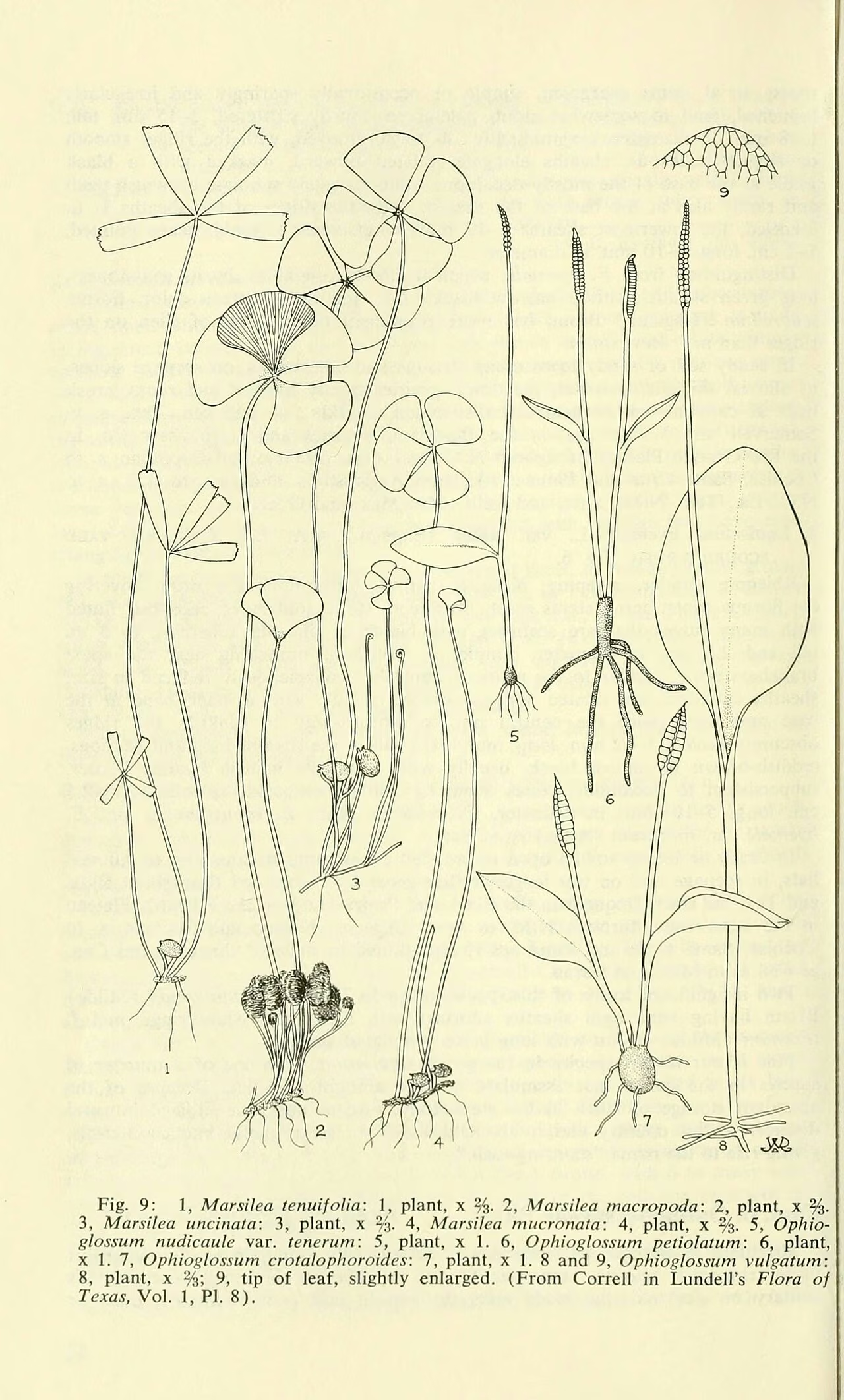
Stalked Adder's Tongue Fern
Ophioglossum petiolatum
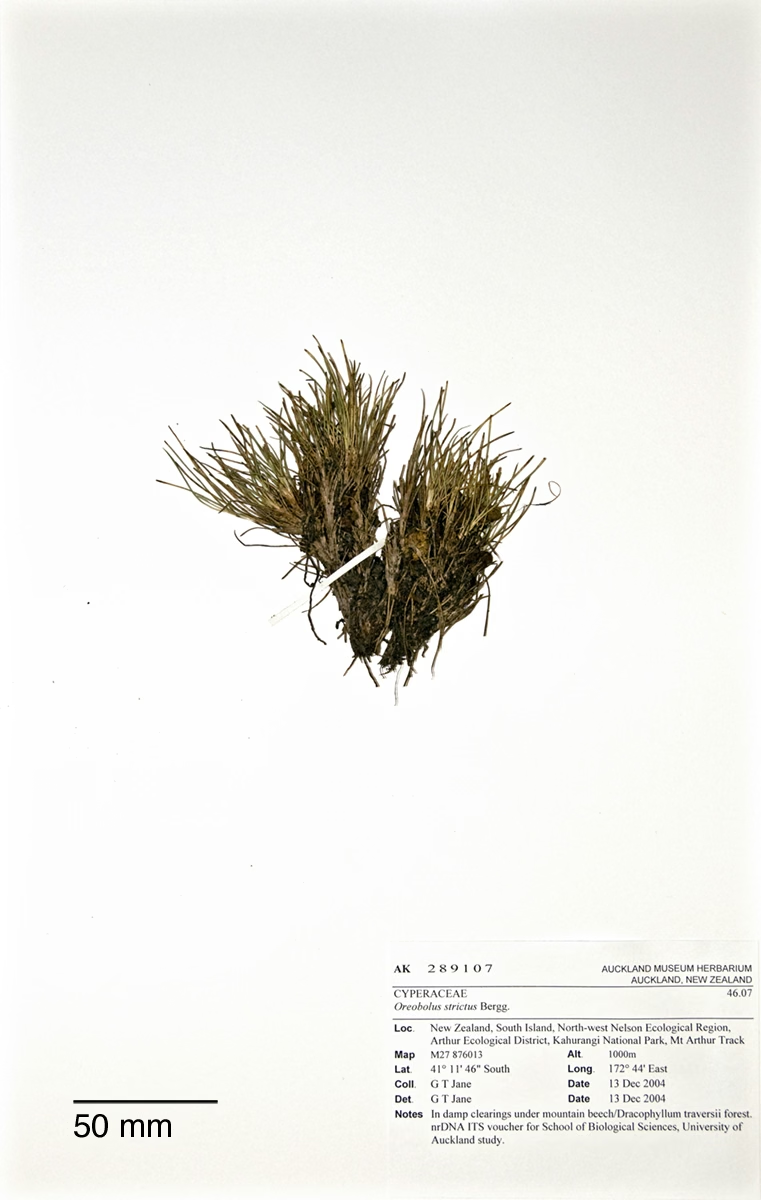
Oreobolus strictus
Oreobolus strictus
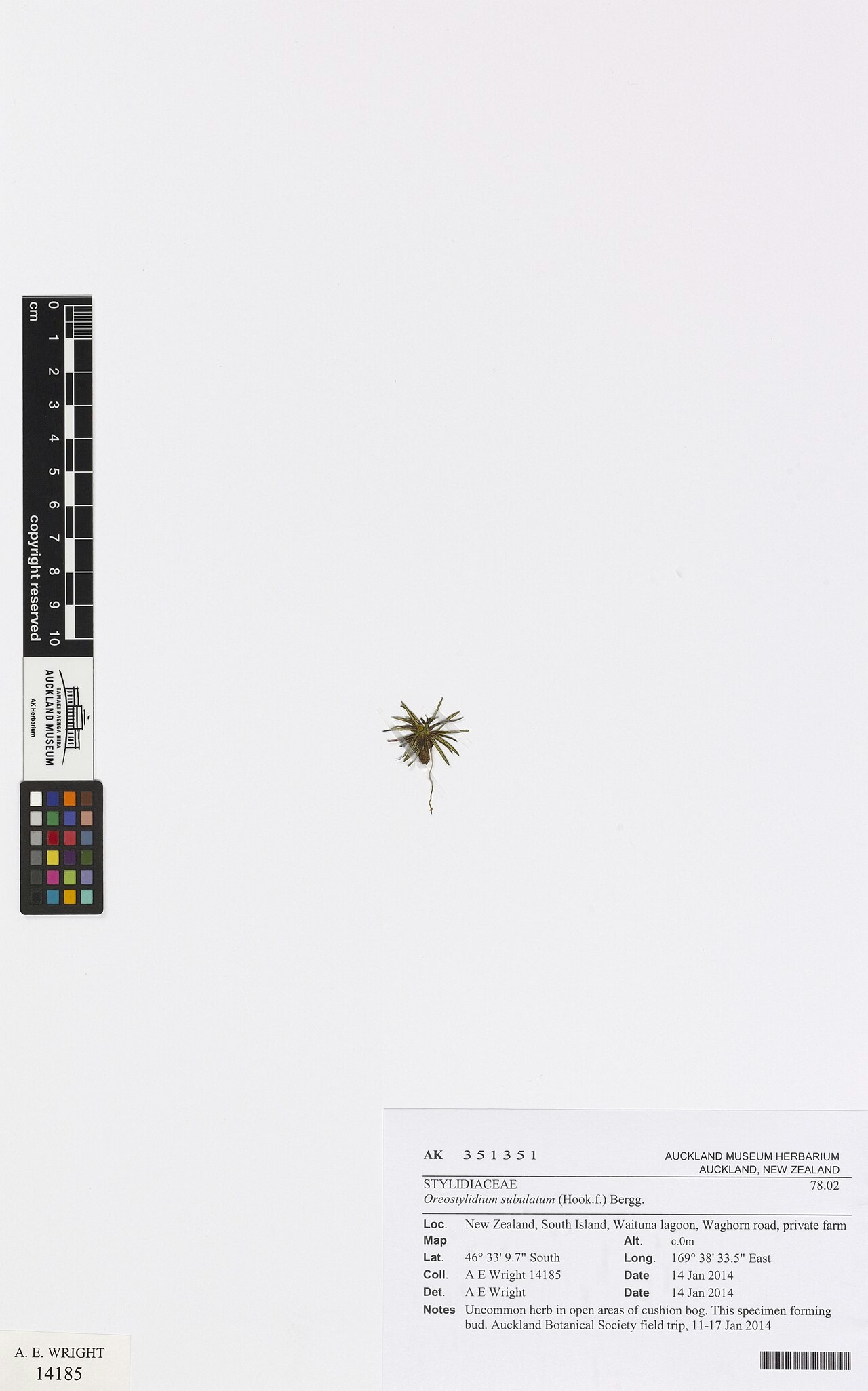
Stylidium subulatum
Stylidium subulatum
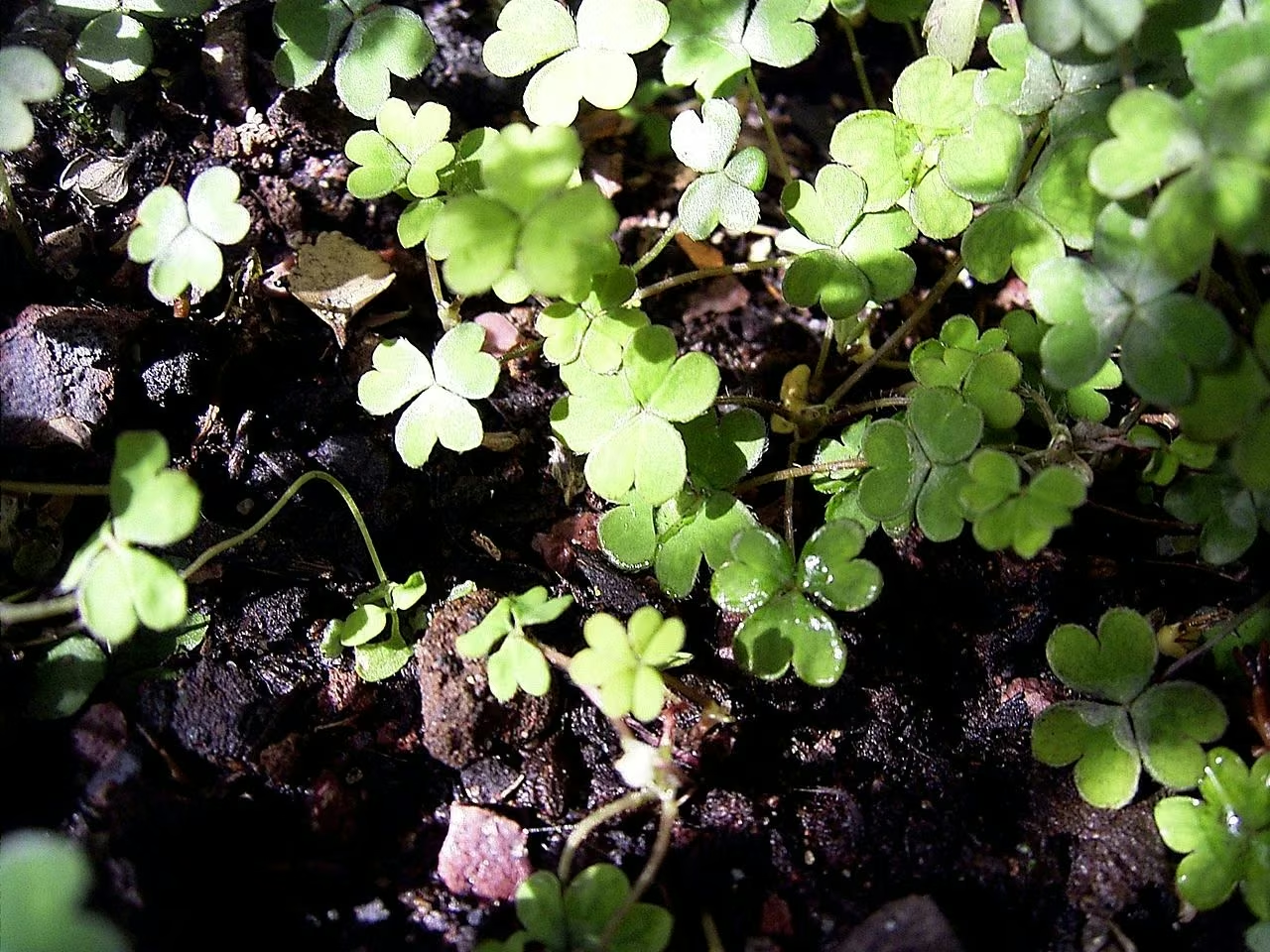
White Oxalis
Oxalis magellanica
Teteaweka
Macrolearia angustifolia
Plant Conservation
Macrolearia semidentata is ranked At Risk - Naturally Uncommon (2023), with the qualifiers Island Endemic and Range Restricted. Its only habitat is Chatham Islands peat bog.
Threats include drainage of peat bogs, repeated burning of restiad bog which dries the peat, and browsing by cattle. Fencing bogs from stock, preventing fires and protecting remaining wetlands are the key actions.
Frequently Asked Questions
Where does the Chatham Island aster grow naturally?
It is endemic to the Chatham Islands, where it grows in restiad peat bogs dominated by Sporadanthus traversii and readily colonises bog that has been burnt.
Is hangatere hard to grow?
It tolerates wind, frost and wet ground, but growers in both New Zealand and Britain report a tendency for plants to die suddenly in cultivation, so it is not a reliably long-lived garden shrub.
When does Macrolearia semidentata flower?
It flowers from November to March, producing many pinkish-purple daisy heads with magenta to violet-purple centres, and fruits from January to June.
What threatens hangatere in the wild?
NZPCN lists drainage of peat bogs, repeated burning of restiad bog with drying of the peat, and browsing by cattle as the main threats.
Sources and Further Reading
The botanical, growing, and conservation details for Hangatere (Macrolearia semidentata) on this page draw on the New Zealand plant references below. Consult them for full technical records and the latest distribution data.