Bead Plant
Nertera ciliata
Last updated:
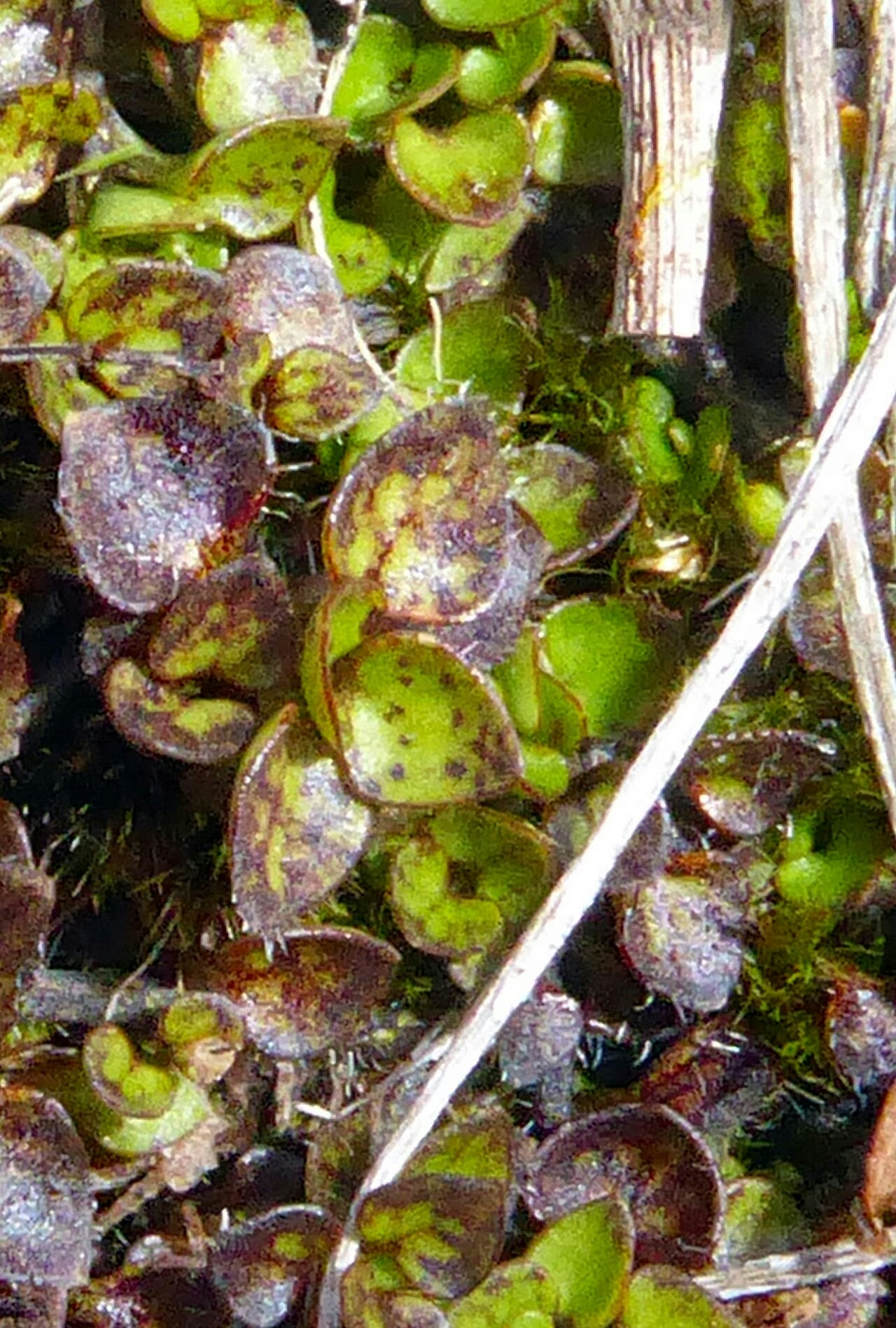
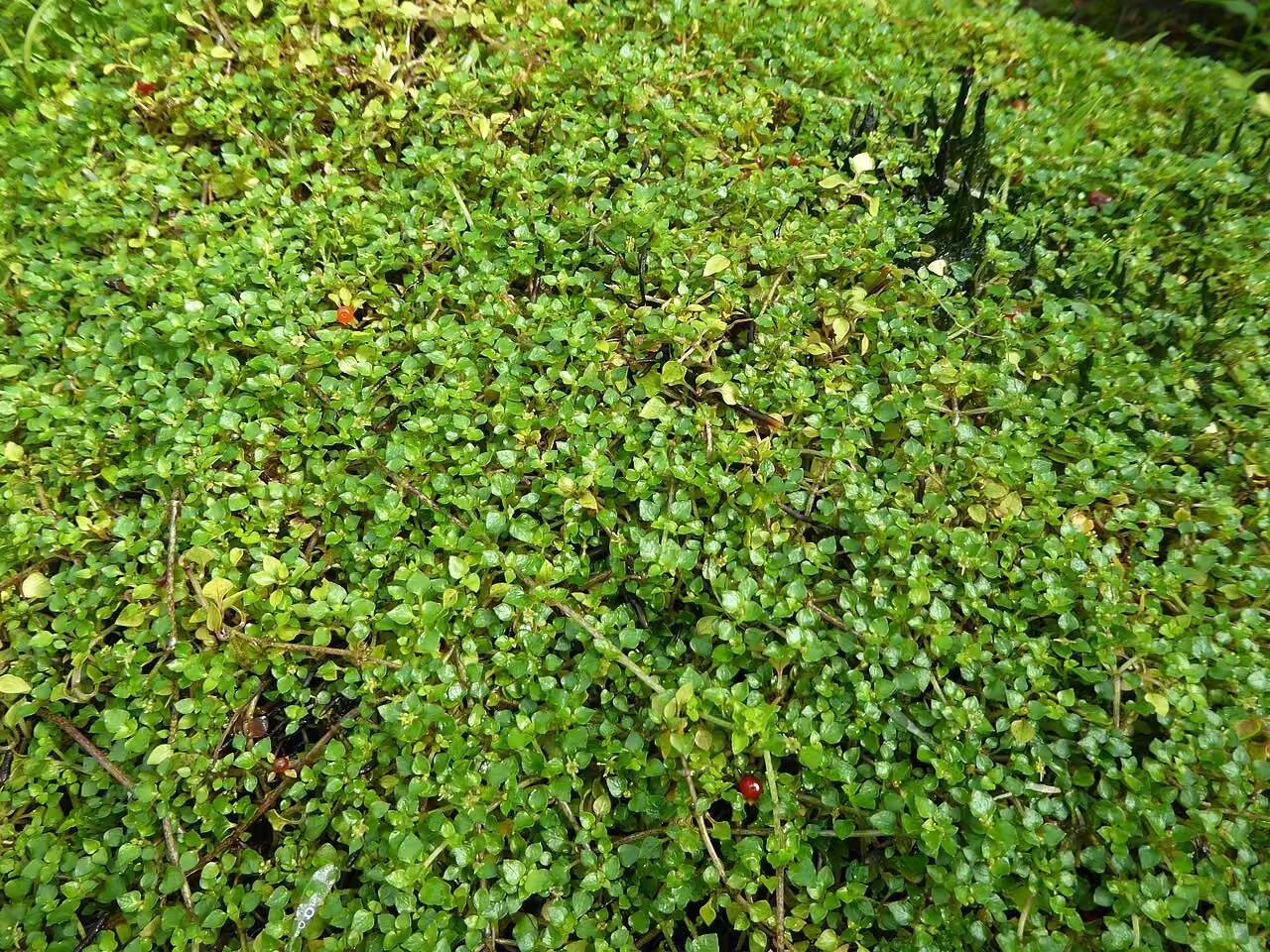
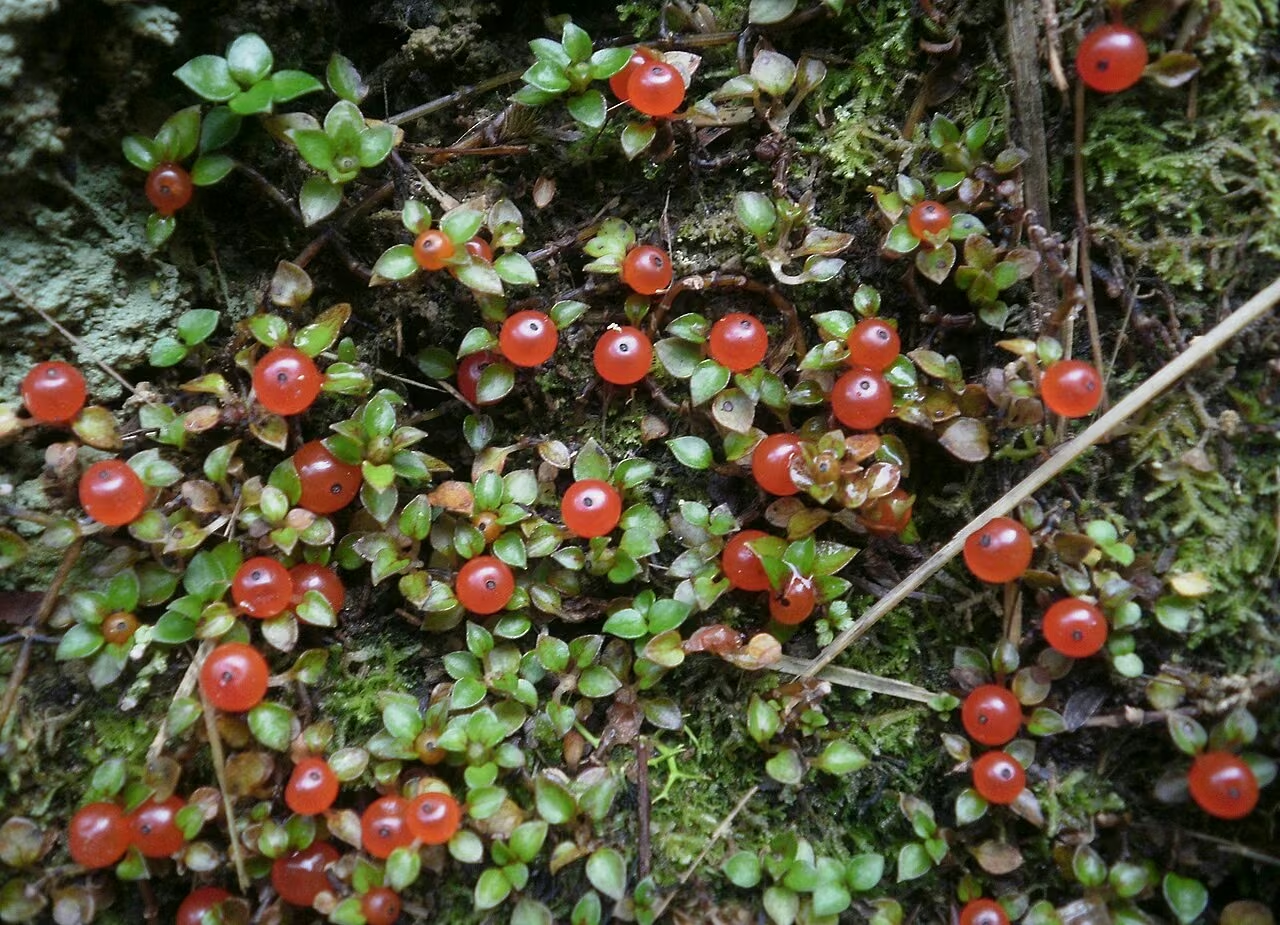
Nertera ciliata is a tiny creeping herb in the coffee family (Rubiaceae), endemic to New Zealand. It roots along its stems to form small patches up to about 20 cm across, with rounded leaves only 3 to 5 mm long whose edges are fringed with fine hairs, the feature behind the name ciliata. Minute yellowish flowers in spring are followed in summer by orange berries about 4 mm across. It grows in lowland to montane forest on the North, South and Stewart Islands from Mt Pirongia southwards. Unlike its common relative Nertera depressa, its leaves have no noticeable smell when crushed. It is ranked Not Threatened. Explore more native ground covers in our native plant guide.
Plant Description
Nertera ciliata is a prostrate, mat-forming perennial herb whose slender to sturdy, hairless stems root at the nodes and build small patches up to about 20 cm across. The leaves are thin, almost membranous, broadly ovate and only 3 to 5 mm long and wide, held on short stalks 1 to 3 mm long that may carry a few fine hairs. The leaf blade is hairless or nearly so, but the margins are fringed (ciliate) with flat, soft, jointed hairs.
The flowers are minute and stalkless, with a funnel-shaped yellowish corolla 3 to 4 mm long divided into four or five narrow lobes. They appear from October to January and are followed from December to March by globose orange drupes about 4 mm across, which are often somewhat hairy.
Several Nertera species share the same creeping habit and bead-like fruit. Nertera depressa is the commonest and is easily separated by the foul smell of its crushed leaves and its red fruit. Nertera villosa has densely hairy leaves, and Nertera dichondrifolia is softly hairy over most of the leaf, whereas Nertera ciliata has hairs mostly confined to the leaf edges.
Quick Facts
| Scientific Name | Nertera ciliata |
|---|---|
| Height | Under 0.1 m |
| Spread | Patches to about 0.2 m across |
| Water Needs | Consistently moist |
| Light | Semi-shade to shade |
| Frost Tolerance | Moderate; tolerates light frosts |
| Salt Tolerance | No information available |
| Growth Rate | Moderate once established |
| Lifespan | Perennial |
Climate Best Suited to
Suits cool, moist temperate climates with reliable rainfall and humid forest conditions, from the central North Island south to Stewart Island.
Regional Suitability
| City | Climate Suitability |
|---|---|
| Auckland | Low |
| Wellington | Medium |
| Christchurch | Medium |
| Dunedin | High |
Plant Habitat
Nertera ciliata is endemic to New Zealand and is recorded from the North, South and Stewart Islands, from Mt Pirongia in the Waikato southwards. The older Flora described it as apparently local, and its type locality is the Bealey Gorge near Arthur's Pass.
It grows on the ground in lowland to montane forest, where moist, mossy soil and shade keep its shallow roots from drying out. NZPCN classes it as facultative for wetland status, meaning it may be found in both damp wetland margins and drier forest floor.
Growing Requirements
Soil Requirements
In forest it roots into moist humus and moss. In cultivation it prefers a light, free-draining but moisture-retentive soil.
- Light, humus-rich soil or leaf litter
- Moist but not waterlogged
- Low to moderate fertility is ample
Light Requirements
As a forest-floor herb it is happiest in dappled light or semi-shade and benefits from shelter from cold, drying winds.
- Semi-shade or dappled light under shrubs
- Avoid hot afternoon sun that dries the mat
Water Requirements
Its stems root only shallowly, so the surface of the soil must stay damp.
- Water during dry spells, especially in pots
- Humid, sheltered spots reduce watering needs
Planting and Establishing
Plant small rooted pieces in spring into a sheltered, semi-shaded pocket of moist, humus-rich soil, such as the edge of a shady path, a fern bed or a rock garden. Press the stems onto the soil surface so they can root at the nodes.
It is also well suited to a shallow pot or trough kept in a shaded, humid place, where its small leaves and orange fruit can be seen at close range.
Ecological Role
Nertera ciliata is one of several small creeping Rubiaceae on the New Zealand forest floor, forming part of the low herb layer among mosses and seedlings. Its bright fleshy drupes are the kind of fruit typically eaten by ground-feeding birds, and nurseries list the genus as a bird food plant, although specific dispersers of this species are not documented in the sources consulted.
Pollination of its minute flowers has not been studied for this species in the sources found.
Uses & Significance
Garden Uses
A fine-textured ground cover for small, shaded, moist corners where larger plants would swamp it.
- Shaded rock gardens and between stepping stones
- Troughs and shallow containers
- Underplanting in fern and forest-floor gardens
Ecological Value
It contributes to the diversity of the low herb layer in southern and central New Zealand forests.
- An endemic forest-floor herb
- Produces fleshy fruit over summer
- Helps bind moist soil on banks and track edges
Landscaping Uses
Use Nertera ciliata as a living mulch in small shaded beds, letting it weave among ferns, small sedges and mosses. Its patches stay small, so it suits detailed planting rather than covering large areas.
In a trough or alpine-style container, combine it with other small natives that like cool, moist conditions, and position the container where the orange fruit can be appreciated in summer.
Seasonal Care Calendar
Spring
Flowering begins in October, with minute yellowish flowers tucked among the leaves.
- Divide or replant patches
- Top up leaf mould around the mat
Summer
Orange fruit ripens from December, and plants need steady moisture through warm weather.
- Water during dry spells
- Collect ripe fruit for sowing
Autumn
The last fruit persists into March as growth slows.
- Clear fallen leaves that smother the mat
- Sow fresh seed
Winter
Plants rest quietly in cool, damp conditions.
- Protect potted plants from hard frost
- Avoid waterlogging in heavy soils
When to Prune and How Much
No pruning is needed. If the mat outgrows its space, simply lift and remove rooted pieces from the edge.
Gently remove leaf litter or weeds that settle on top of the patch, as the small leaves are easily shaded out.
How to Grow Bead Plant
Nertera ciliata is straightforward to increase because its creeping stems root as they grow, and nursery growers report that seed germinates without pre-treatment when sown fresh and kept moist. Division of rooted stems is the quickest way to obtain a decent patch, while seed gives more plants and maintains genetic diversity. Because the species is endemic and wild populations are local, collect material only from plants already in cultivation or with landowner permission, and take only small amounts. Work in spring or early autumn, when temperatures are mild and the humid conditions it likes are easy to provide.
From Seed
The orange drupes ripen from December to March. Each contains small seeds that should be cleaned from the flesh and sown straight away, as freshness improves germination.
- Pick fully coloured, soft orange fruit
- Squash the fruit and rinse away the flesh
- Sow on the surface of a fine, moist seed mix and cover very lightly
- Keep the tray shaded, humid and evenly moist until seedlings appear
- Prick out seedlings into small pots once they have a few leaves
By Division
Stems that have rooted at the nodes can be separated from the parent mat and potted up or replanted directly.
- Choose a section of stem with several rooted nodes
- Cut it free with clean scissors and lift with soil attached
- Pot into a light, humus-rich mix or plant into a shaded bed
- Keep moist and sheltered until new growth appears
Pests & Diseases
No specific pests or diseases are recorded for Nertera ciliata. Slugs and snails can graze the small leaves in damp gardens.
The greatest risks in cultivation are drying out in sun or wind and being smothered by fallen leaves or vigorous neighbouring plants.
Cultural Significance
No traditional Māori name or use is recorded for Nertera ciliata in the sources consulted.
The genus name Nertera comes from Greek meaning lowly or low growing, and ciliata is Latin for fringed with hairs, describing the leaf margins. Some botanists, notably Heads in 1996, have treated it as Coprosma patrickii, reflecting the close relationship between Nertera and Coprosma.
Bonus Tip
If you are unsure which Nertera you have, crush a leaf and sniff it. A strong unpleasant smell points to Nertera depressa; no smell, together with a fringe of fine hairs on the leaf edges visible under a hand lens, points to Nertera ciliata.
Related Plants
Explore other native plants that share similar characteristics or habitats with Bead Plant (Nertera ciliata), offering further insights into New Zealand's diverse flora. These related species provide context and opportunities for complementary planting in your garden.
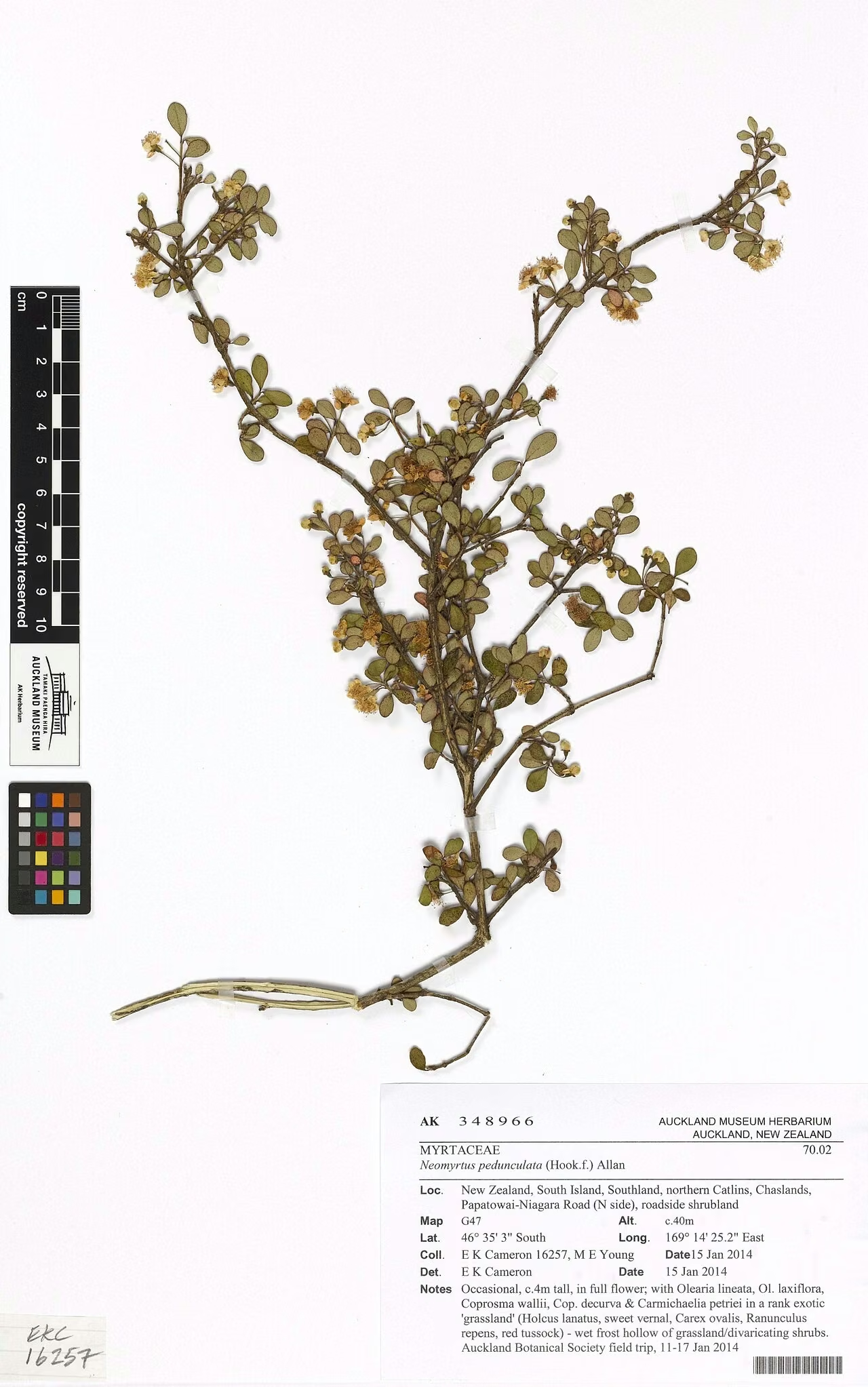
Neomyrtus pedunculata
Neomyrtus pedunculata
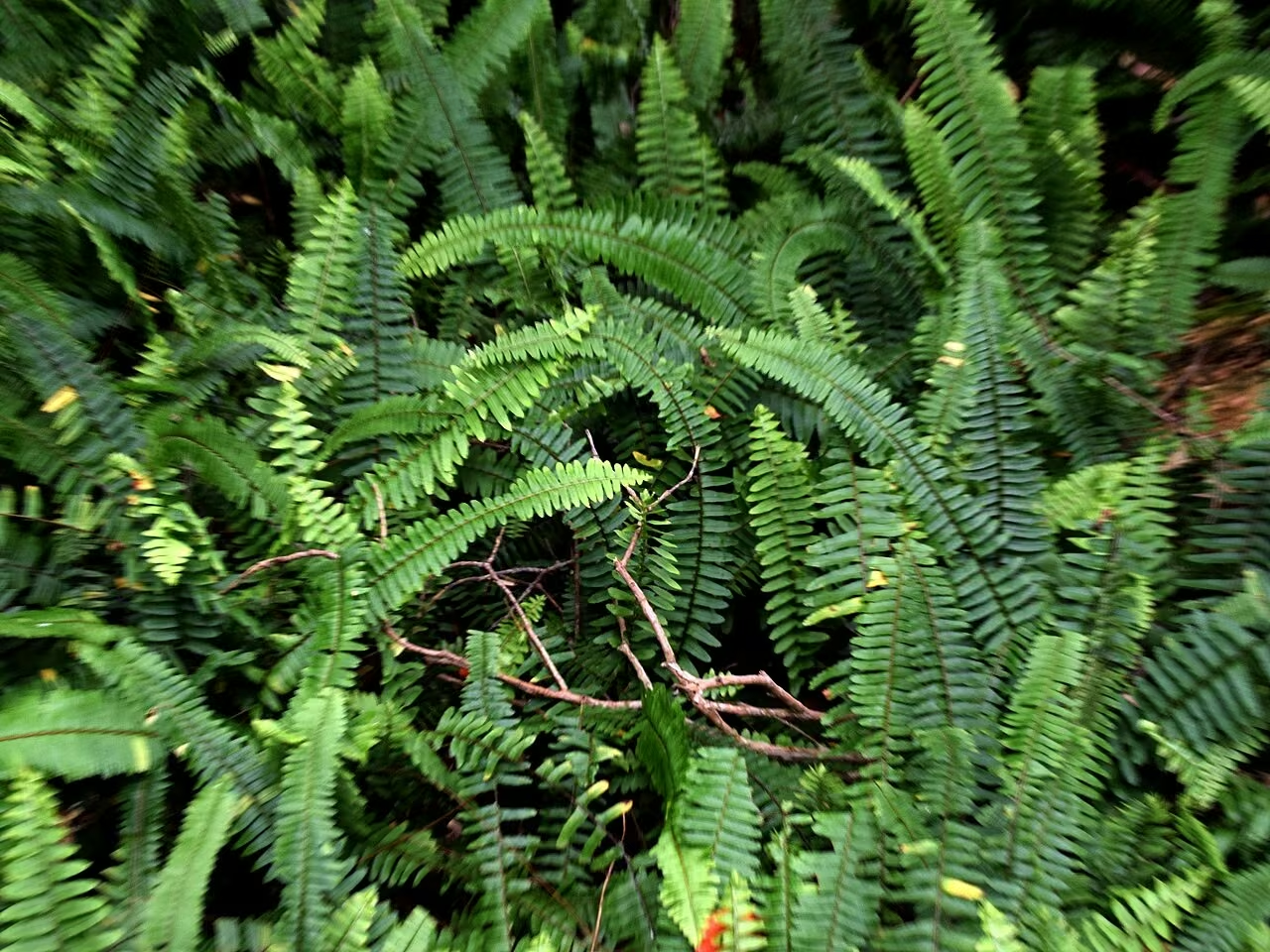
Nephrolepis flexuosa
Nephrolepis flexuosa
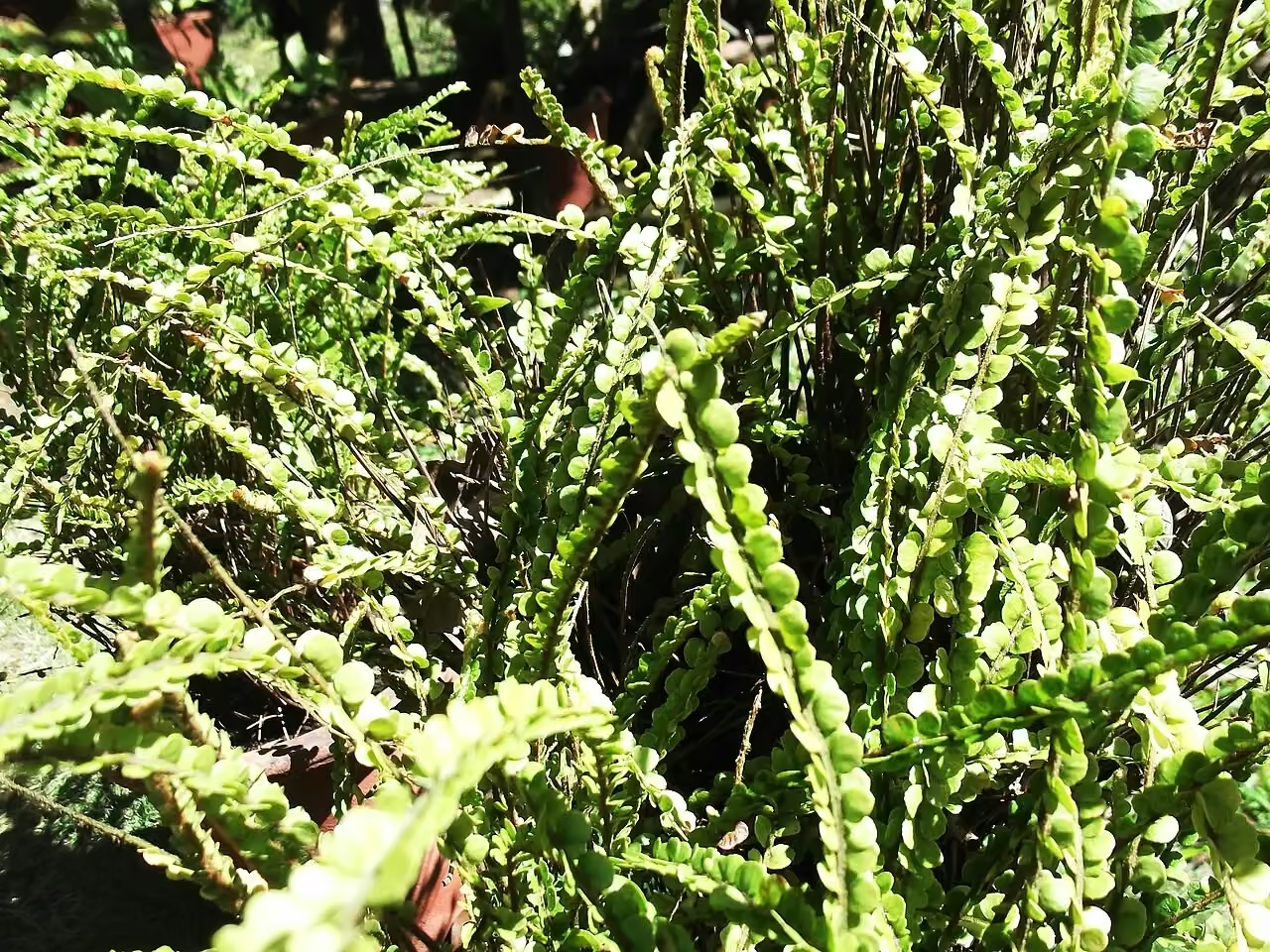
Rough Sword Fern
Nephrolepis brownii
Nertera balfouriana
Nertera balfouriana
Nertera depressa
Nertera depressa
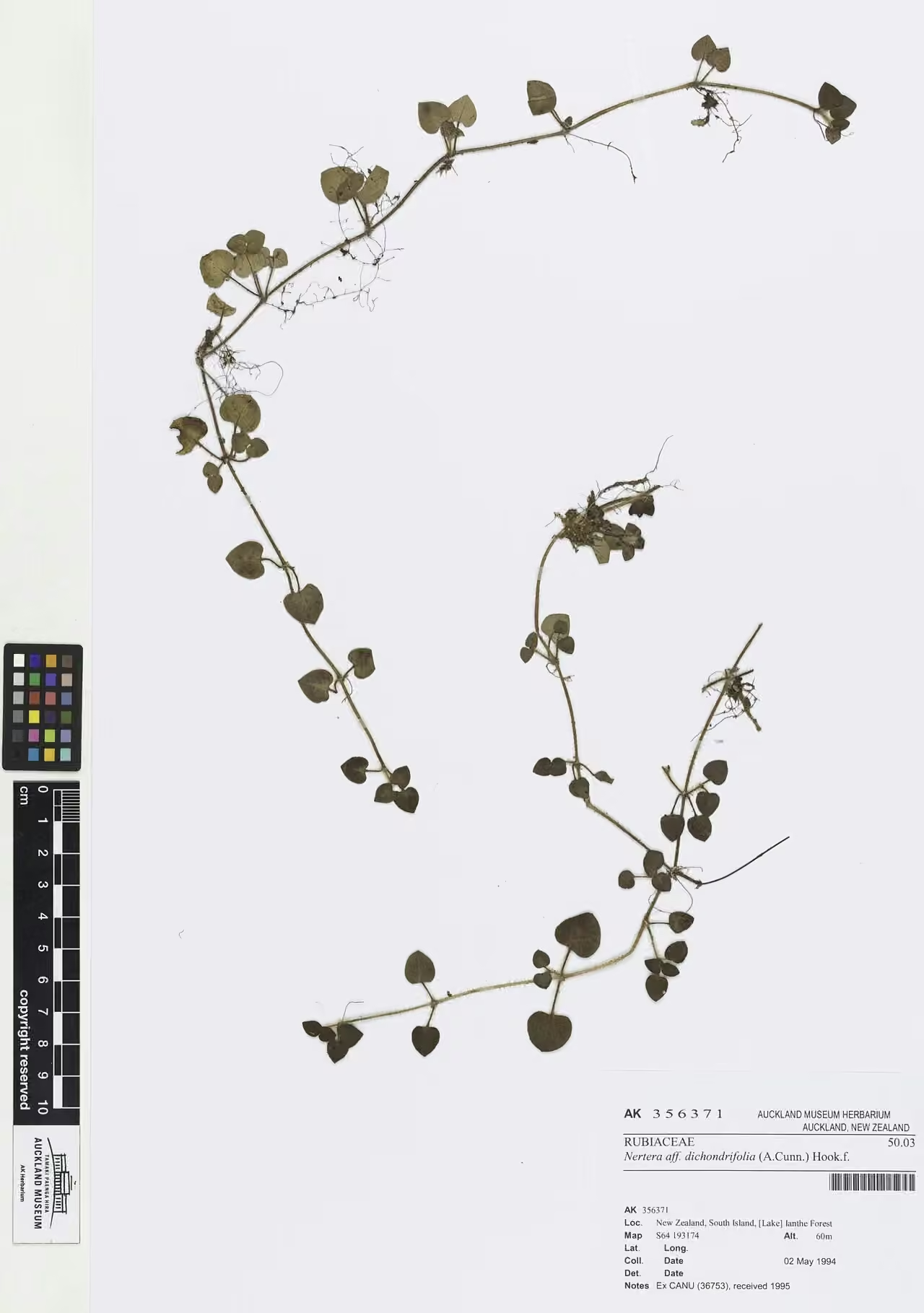
Nertera dichondrifolia
Nertera dichondrifolia
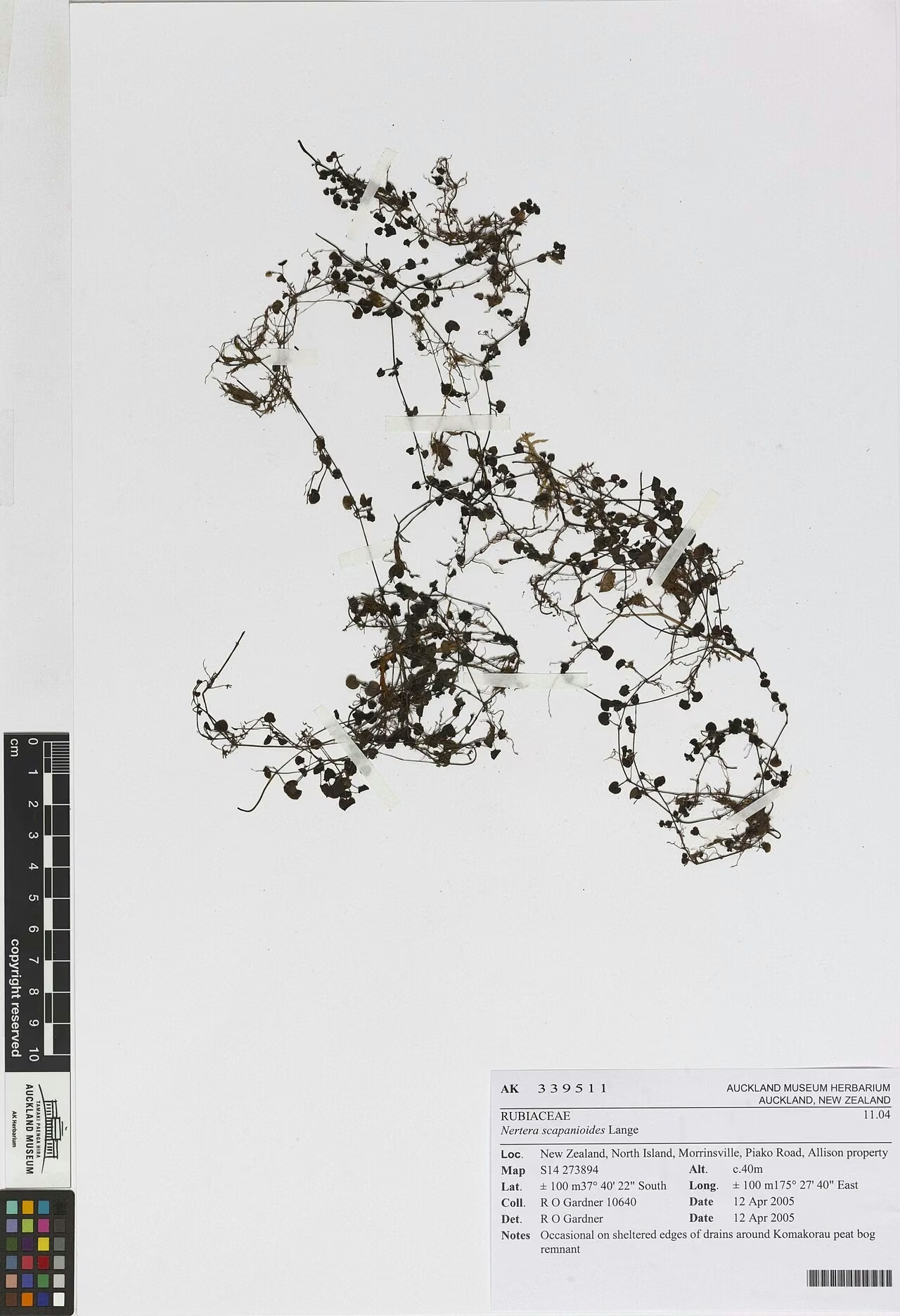
Nertera scapanioides
Nertera scapanioides
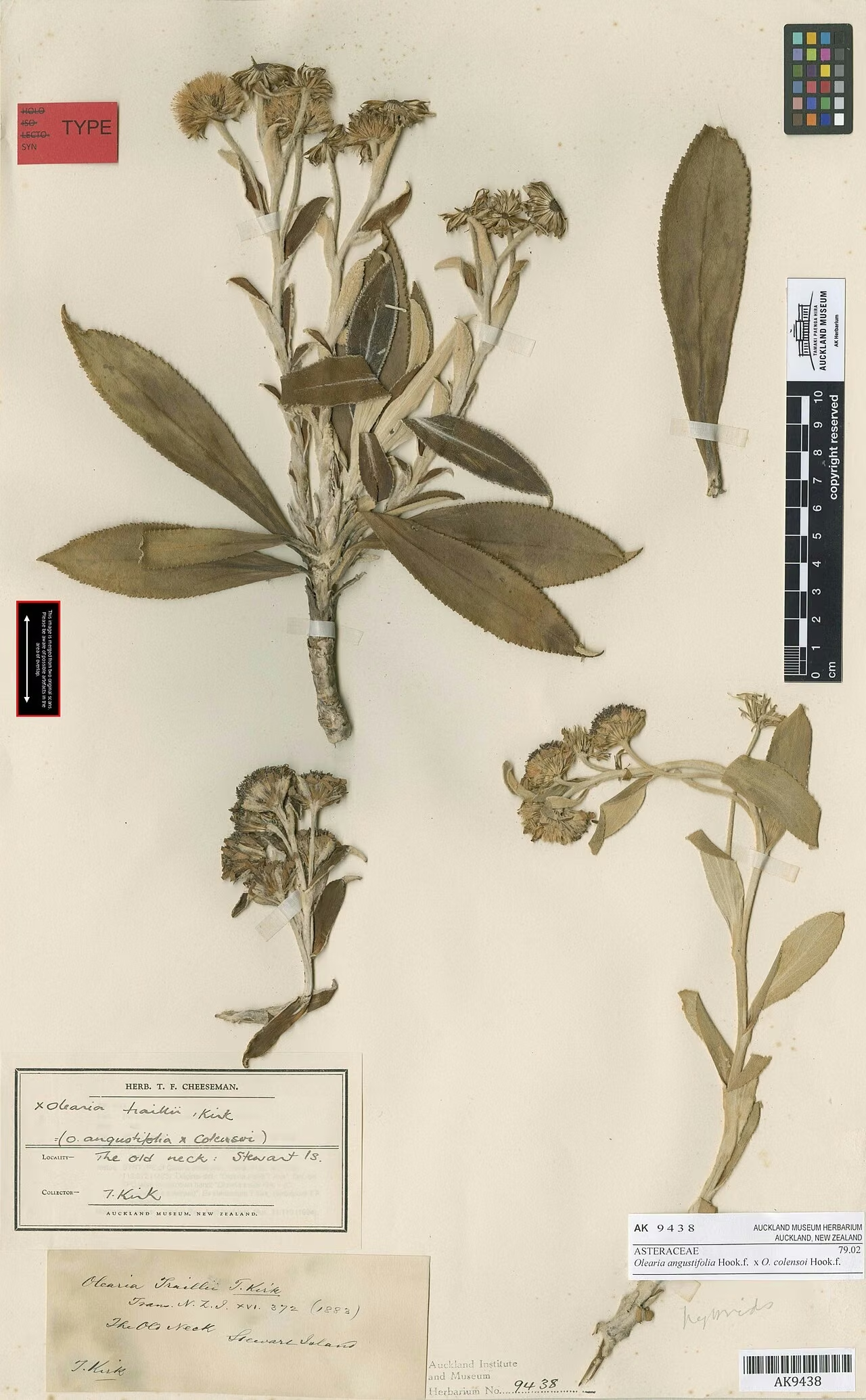
Teteaweka
Macrolearia angustifolia
Plant Conservation
Nertera ciliata is ranked Not Threatened (2023) and has held that ranking in every assessment since 2004. No specific threats are documented for it.
Because it relies on moist forest floor, keeping native forest intact and controlling browsing animals that disturb the ground layer benefits this and other small forest herbs.
Frequently Asked Questions
How do you tell Nertera ciliata from Nertera depressa?
Crush a leaf. Nertera depressa gives off a foul smell like stinkwood (Coprosma foetidissima), while Nertera ciliata has no discernible odour. Nertera ciliata also has fine hairs fringing its leaf margins.
What colour are the berries of Nertera ciliata?
The fruit is an orange, more or less hairy, round drupe about 4 mm across, ripening between December and March.
Where does Nertera ciliata grow in New Zealand?
It is endemic and occurs on the North, South and Stewart Islands from Mt Pirongia southwards, in lowland to montane forest. It is described as fairly local rather than abundant.
Sources and Further Reading
The botanical, growing, and conservation details for Bead Plant (Nertera ciliata) on this page draw on the New Zealand plant references below. Consult them for full technical records and the latest distribution data.