Bead Plant
Nertera balfouriana
Last updated:
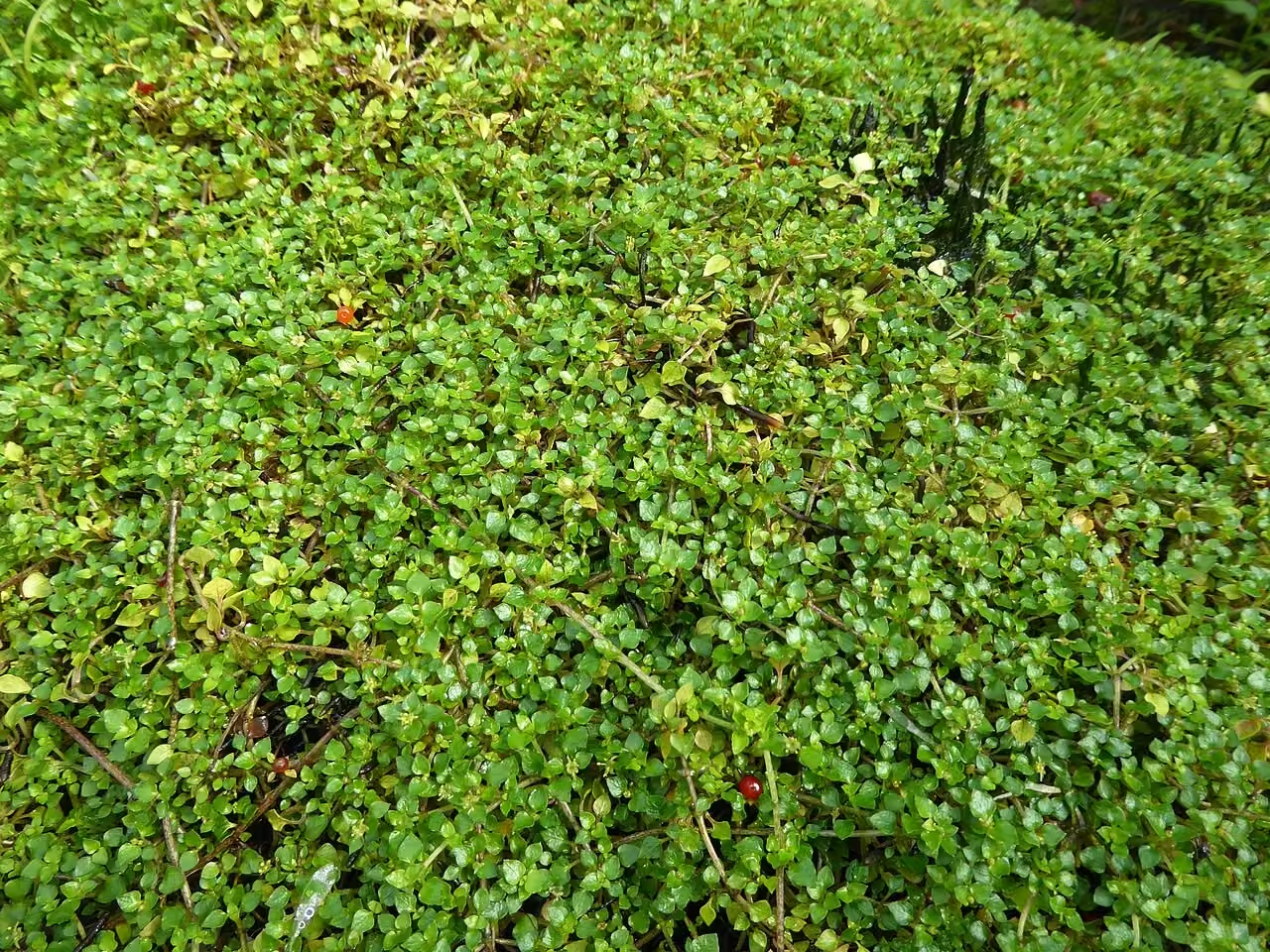
Nertera balfouriana is a small endemic creeping herb in the coffee family (Rubiaceae) that forms dense patches up to about 25 cm across in damp and boggy ground, especially among sphagnum moss. It has slender, rather fleshy stems and tiny leaves only 1.5-5 mm long in a mix of rounded shapes on the same plant. Its most distinctive feature is its fruit: a pear-shaped drupe 6.5-9 mm long, yellow to light orange, unlike the round berries of most other Nertera. It grows from lowland to subalpine areas from the Kaimanawa Range southwards and is ranked Not Threatened. Explore more native ground covers in our native plant guide.
Plant Description
Nertera balfouriana forms more or less dense patches up to about 25 cm across. The stems are slender and somewhat fleshy, sparingly to much branched, with very slender branches and branchlets.
The leaves are tiny, 1.5-5 mm long and 1-4 mm wide, and vary from broadly ovate or oblong to obovate or almost round on the same plant, with blunt tips and rounded to truncate or slightly heart-shaped bases, each on a delicate stalk. The flowers are small and four-lobed, borne in the leaf axils and at the stem tips, and are protogynous: the styles project beyond the anthers and the female parts mature first.
The fruit is a pear-shaped drupe 6.5-9 mm long, yellow to light orange. This pyriform fruit shape, together with the variable leaves, is the best way to tell it from other New Zealand Nertera, which typically have rounded red or orange berries.
Quick Facts
| Scientific Name | Nertera balfouriana |
|---|---|
| Height | A few centimetres; prostrate |
| Spread | Patches up to about 0.25 m across |
| Water Needs | High; boggy ground |
| Light | Full sun to light shade in open bogs |
| Frost Tolerance | Good; reaches the subalpine zone |
| Salt Tolerance | No information available |
| Growth Rate | Slow to moderate |
| Lifespan | Perennial |
Climate Best Suited to
It grows in cool, wet climates from the central North Island mountains south, from lowland bogs to the subalpine zone.
Regional Suitability
| City | Climate Suitability |
|---|---|
| Auckland | Low |
| Wellington | Medium |
| Christchurch | Medium |
| Dunedin | High |
Plant Habitat
Nertera balfouriana is endemic to New Zealand and occurs locally from the Kaimanawa Range southwards. It is regionally Naturally Uncommon in Otago.
Its habitat is damp and boggy ground from lowland to subalpine elevations, especially among sphagnum moss. NZPCN rates it a facultative wetland plant, usually found in wetlands but occasionally elsewhere.
Growing Requirements
Soil Requirements
It grows in wet, acidic, peaty ground, often within sphagnum moss.
- Peat or sphagnum-based mix in pots
- Acidic and low in nutrients
- Never let it dry
Light Requirements
In bogs it grows in open, well-lit sites among low vegetation.
- Full sun to light shade in cool areas
- Avoid hot, dry sun in warm climates
- Keep taller plants from overshadowing it
Water Requirements
Constant moisture is essential for this bog plant.
- Stand pots in a saucer of rainwater
- Use rainwater rather than hard tap water where possible
- Keep humid in summer
Planting and Establishing
Grow it in a shallow pot of sphagnum or peat-based mix, or in a bog garden, kept permanently moist with rainwater. A cool, bright, humid spot suits it best.
Obtain plants from cultivated sources rather than lifting them from wild bogs.
Ecological Role
The bright fleshy fruits of Nertera are thought to be eaten by birds and possibly lizards, though specific dispersers of this species are not documented in the sources consulted.
Its protogynous flowers, which present the female stage first, favour cross-pollination between plants. It is part of the low herb layer of sphagnum bogs.
Uses & Significance
Garden Uses
It is a miniature plant for bog gardens and specialist collections.
- Container bog gardens
- Sphagnum terrariums or troughs
- Wetland restoration in its natural range
Ecological Value
It contributes to the diversity of small herbs in native peat bogs.
- Part of sphagnum bog communities
- Fleshy fruit available to wildlife
- Regionally uncommon in Otago
Landscaping Uses
Plant it at the front of a bog garden or in a trough beside other small bog plants, where its colourful pear-shaped fruit can be seen up close.
It is too small and moisture-dependent for general groundcover use.
Seasonal Care Calendar
Spring
New growth begins in the moss.
- Divide or replant
- Top up sphagnum
Summer
Flowers appear; flowering months were not recorded in the sources consulted.
- Keep constantly wet
- Shade from hot afternoon sun
Autumn
Yellow to orange fruits may be present.
- Collect ripe fruit for seed
- Keep moist
Winter
Growth slows.
- Little care needed
- Protect pots from drying winds
When to Prune and How Much
No pruning is required. Simply weed out grasses and mosses that threaten to overgrow the patch.
Remove any stems that rot in very wet, stagnant conditions.
How to Grow Bead Plant
No propagation notes are given for Nertera balfouriana in the sources consulted, so the methods below follow general practice for small creeping Nertera. The stems are slender and branch freely, and like other members of the genus they can be expected to root where they lie on wet moss, which makes division the simplest approach. Seed from the fleshy fruits is a second option. Only take material from cultivated plants.
By Division
Separate small rooted portions from the edge of an established patch in spring or early summer, when growth is active and the pieces will settle quickly.
- Lift a small section of the patch with its moss or mix attached
- Gently tease it into pieces, each with some roots
- Lay the pieces on a pot of moist sphagnum or peat-based mix
- Pin stems down lightly so they contact the mix
- Keep wet and in bright, cool shade until new growth appears
From Seed
Seed comes from the pear-shaped yellow to orange fruits. Sow it fresh onto a constantly moist surface, as it comes from a bog plant.
Seedlings are tiny and slow, so keep the tray covered with glass or clear plastic to hold humidity, and never let the surface dry out between waterings.
- Collect fully coloured, ripe fruits
- Squash and rinse the seed free of pulp
- Sow on the surface of a moist, fine peat-based mix
- Keep the tray standing in rainwater in cool, bright conditions
- Prick out seedlings into small pots once they are large enough to handle
Pests & Diseases
No specific pests are recorded. Slugs and snails may graze the tender stems and fruit in moist pots, and drying out or stagnant, warm conditions are the main causes of failure.
In the wild, drainage of bogs and invasion by weeds reduce its habitat.
Cultural Significance
No Māori name or traditional use is recorded for Nertera balfouriana in the sources consulted. The genus name Nertera means lowly or low growing.
The species was named by Leonard Cockayne after Balfour of the Royal Botanic Garden Edinburgh.
Bonus Tip
To confirm you have Nertera balfouriana rather than another Nertera, wait for fruit: its pear-shaped yellow to light orange drupes are quite different from the round red or orange beads of the other species.
Related Plants
Explore other native plants that share similar characteristics or habitats with Bead Plant (Nertera balfouriana), offering further insights into New Zealand's diverse flora. These related species provide context and opportunities for complementary planting in your garden.
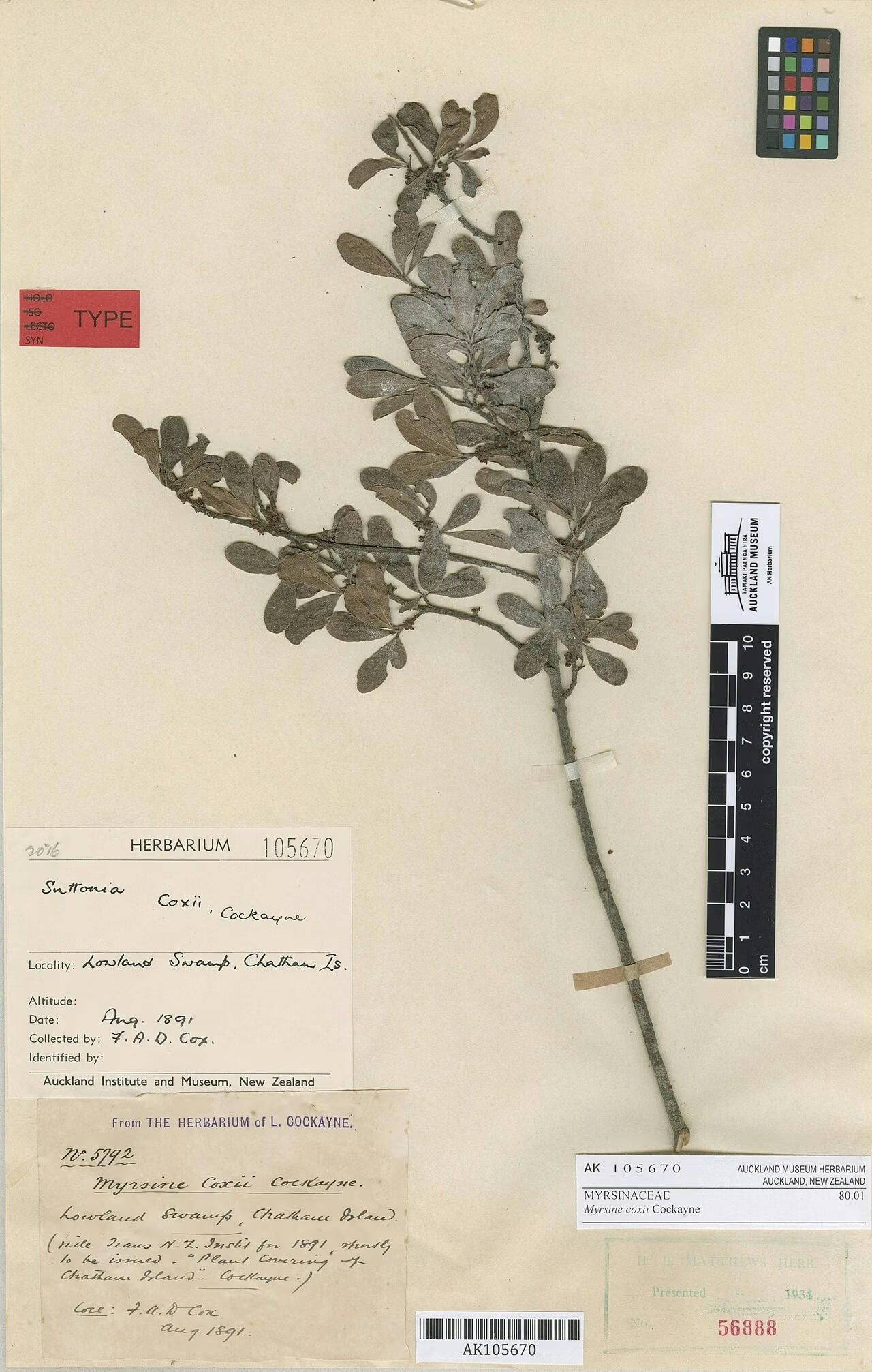
Swamp Mapou
Myrsine coxii
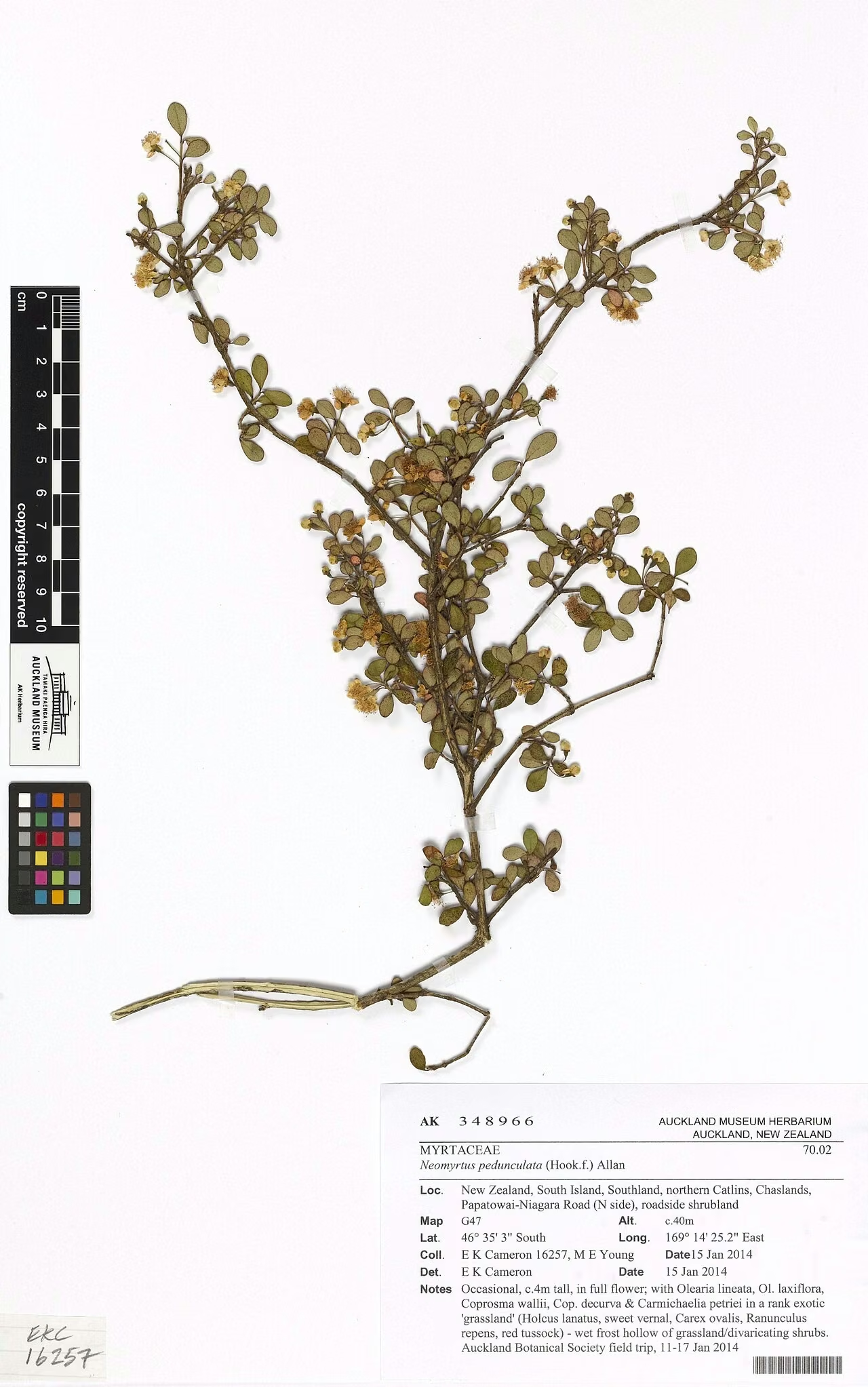
Neomyrtus pedunculata
Neomyrtus pedunculata
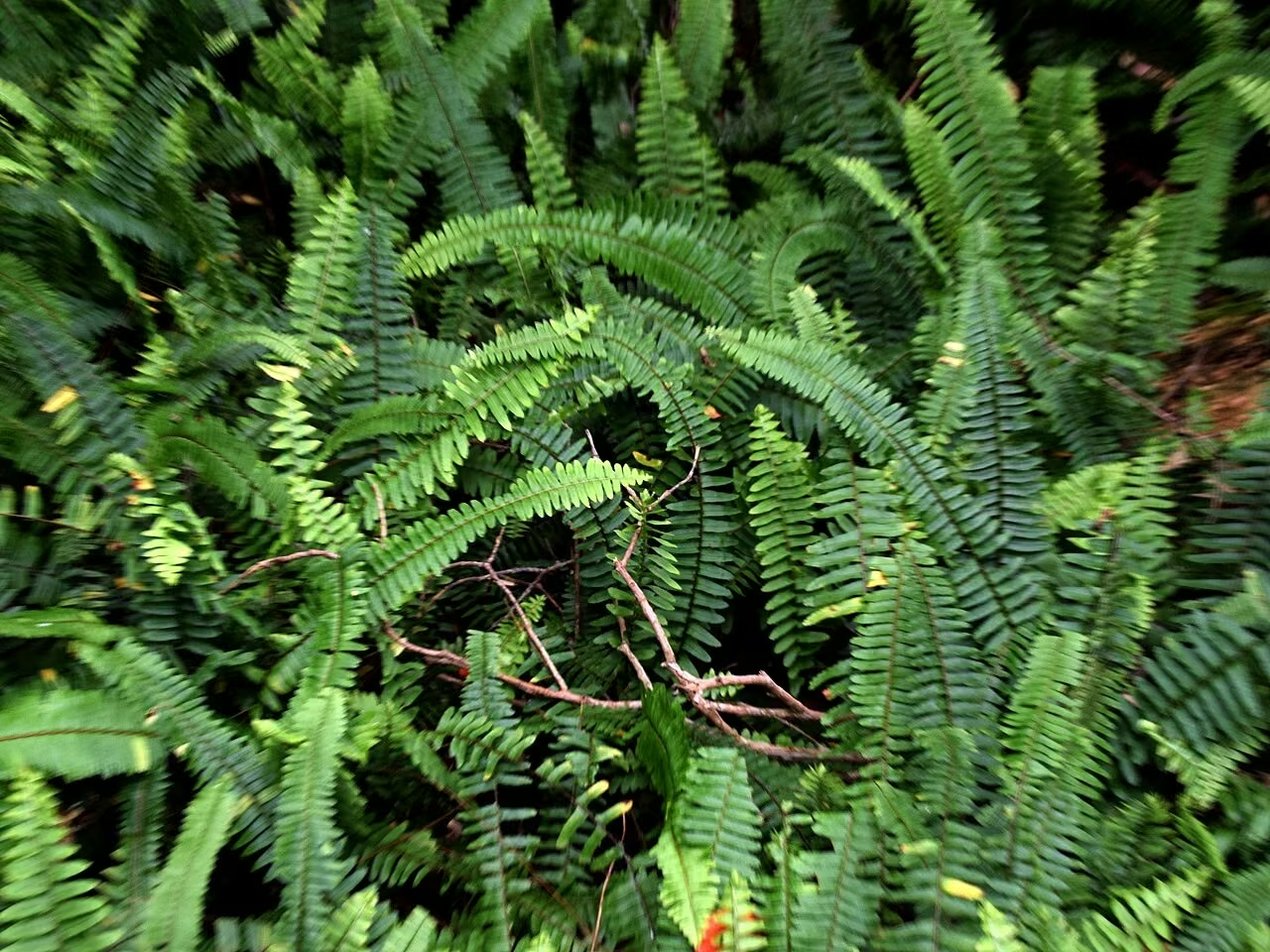
Nephrolepis flexuosa
Nephrolepis flexuosa
Rough Sword Fern
Nephrolepis brownii
Nertera ciliata
Nertera ciliata
Nertera depressa
Nertera depressa
Nertera dichondrifolia
Nertera dichondrifolia
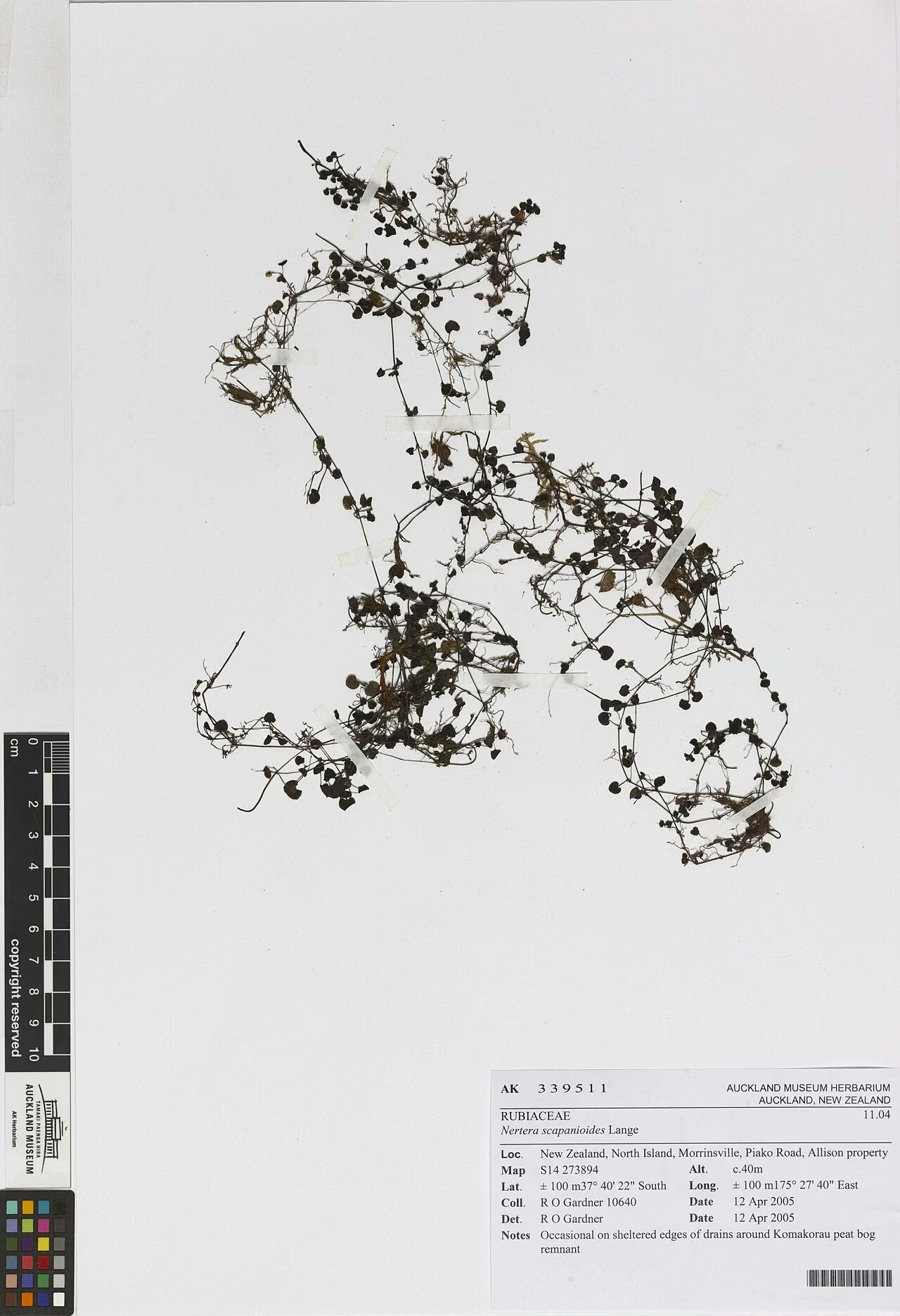
Nertera scapanioides
Nertera scapanioides
Plant Conservation
Nertera balfouriana has been ranked Not Threatened in every national assessment since 2004, but it is regionally Naturally Uncommon in Otago.
Protecting peat bogs and sphagnum wetlands from drainage, fire, stock and commercial moss harvesting helps safeguard this and many other small bog plants.
Frequently Asked Questions
What does Nertera balfouriana look like?
It forms low patches up to about 25 cm across of slender, fleshy stems with tiny rounded leaves 1.5-5 mm long, and bears pear-shaped yellow to light orange fruits 6.5-9 mm long.
How is Nertera balfouriana different from other Nertera?
Its fruit is pear-shaped (pyriform) and yellow to light orange, and its leaves vary in shape on the same plant, whereas most New Zealand Nertera have round orange or red berries.
Where does Nertera balfouriana grow?
It grows in damp and boggy ground from lowland to subalpine zones, especially among sphagnum moss, locally from the Kaimanawa Range southwards.
Sources and Further Reading
The botanical, growing, and conservation details for Bead Plant (Nertera balfouriana) on this page draw on the New Zealand plant references below. Consult them for full technical records and the latest distribution data.