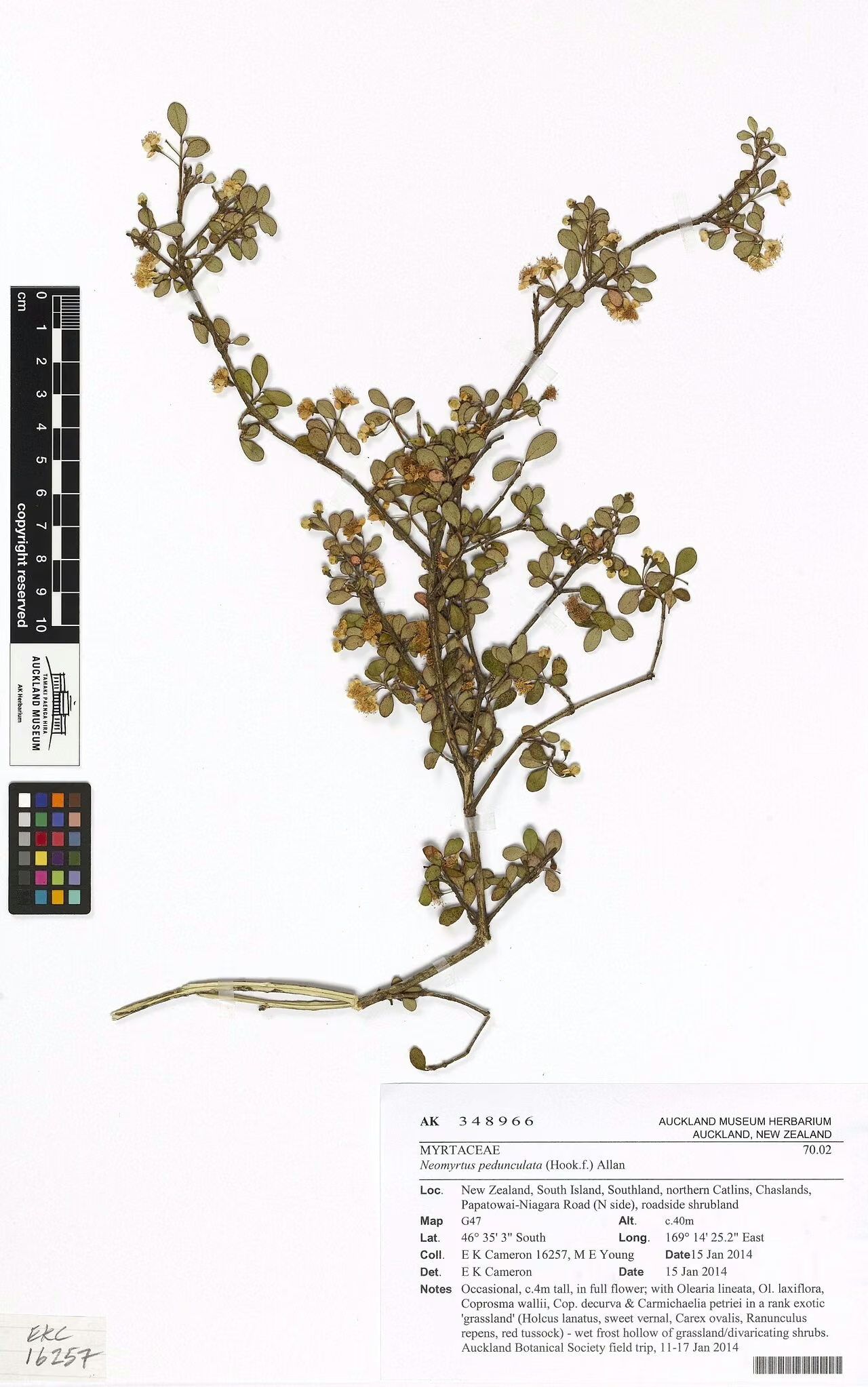
Rōhutu
Neomyrtus pedunculata
Last updated:
Rōhutu (Neomyrtus pedunculata) is an endemic New Zealand shrub or small tree up to 8 m tall and the only member of the genus Neomyrtus in the myrtle family. It has pale grey to silvery, flaking bark, brittle four-angled twigs and small leathery leaves dotted with oil glands. White flowers with many stamens appear from November to April, followed by yellow, orange or red berries. It grows from Northland to Stewart Island in coastal to montane forest and shrubland, and is often prominent in lowland riverside podocarp forest. It is Not Threatened but highly vulnerable to myrtle rust. Explore more native shrubs in our native plant guide.
Plant Description
Rōhutu is a shrub or small tree up to 8 m tall with few to many upright to spreading branches. The bark is pale grey to almost silvery and papery, flaking in small irregular shards. Branchlets are hairless, four-angled and brittle.
The leaves are opposite, leathery and dotted with oil glands, 6-20 mm long and 4-15 mm wide, obovate-oblong to obovate, on stalks 3-6 mm long. The five-parted flowers are white, with rounded petals 5-10 mm long and a prominent brush of 40-80 stamens, each carried on a long stalk, which gives the plant its name pedunculata (flowers stalked).
Flowering runs from November to April and fruiting from February to June. The fruit is a broadly ovoid berry 6-8 mm long, coloured yellow, orange or red. The four-angled brittle branchlets and silvery flaking bark help separate it from other small-leaved shrubs it grows among.
Quick Facts
| Scientific Name | Neomyrtus pedunculata |
|---|---|
| Height | Up to 8 m |
| Spread | No reliable figure available |
| Water Needs | Moderate; drought tolerant once established |
| Light | Semi-shade preferred |
| Frost Tolerance | Good; grows into montane and southern areas |
| Salt Tolerance | No reliable information available |
| Growth Rate | Slow to moderate |
| Lifespan | Perennial; long-lived woody plant |
Climate Best Suited to
It grows from the far north to Stewart Island and from the coast to montane forest, so it suits cool temperate climates and handles frost well. It is scarce in Northland and Auckland.
Regional Suitability
| City | Climate Suitability |
|---|---|
| Auckland | Medium |
| Wellington | High |
| Christchurch | High |
| Dunedin | High |
Plant Habitat
Neomyrtus pedunculata is endemic to New Zealand. It occurs on the North Island from near Kaitaia (Mangamuka) southwards, though it is generally scarce in Northland and Auckland, and throughout the South Island and Stewart Island/Rakiura.
It grows in coastal to montane forest and shrubland. It is often a conspicuous part of the understorey of lowland podocarp forest beside rivers, and in parts of the South Island it is a frequent component of grey scrub.
Growing Requirements
Soil Requirements
NZPCN notes it prefers moist, fertile, well-draining soil.
- Fertile loam with good organic content
- Well drained but moisture retentive
- Mulch to keep roots cool
Light Requirements
As a forest understorey plant it does best in semi-shade.
- Semi-shade is ideal
- Tolerates brighter sites in cool climates
- Shelter from hot afternoon sun in the north
Water Requirements
Keep moist while establishing; mature plants are surprisingly drought tolerant.
- Water regularly in the first two summers
- Mulch to conserve moisture
- Avoid prolonged waterlogging
Planting and Establishing
Plant in autumn or spring in a semi-shaded spot with fertile, free-draining soil. It suits woodland edges and the understorey beneath taller trees.
Buy healthy, rust-free stock, and inspect new plants for yellow powdery myrtle rust spores before planting.
Ecological Role
The open white flowers with their mass of stamens attract insects, and the bright fleshy berries are eaten by native birds, which disperse the seed.
In riverside podocarp forest and South Island grey scrub it is a common part of the small-leaved shrub layer that provides food and shelter for birds and invertebrates.
Uses & Significance
Garden Uses
Rōhutu is an attractive, fine-textured native shrub with ornamental bark and fruit.
- Understorey shrub in native woodland gardens
- Hedging or screening in cool areas
- Bird-attracting fruit
Ecological Value
As the only species in an endemic genus it carries unique evolutionary value, made more pressing by myrtle rust.
- Flowers support pollinating insects
- Berries feed native birds
- Important component of grey scrub and riverside forest
Landscaping Uses
Its silvery flaking bark, small glossy leaves and colourful berries make rōhutu a good specimen shrub near paths where it can be seen up close.
It can be clipped into an informal hedge and combined with other small-leaved natives such as Coprosma and Corokia in a textured planting.
Seasonal Care Calendar
Spring
New growth emerges, and flower buds form late in the season.
- Plant out new stock
- Check new shoots for myrtle rust
Summer
White flowers appear from November onwards.
- Water young plants in dry spells
- Inspect for rust in warm, humid weather
Autumn
Yellow, orange or red berries ripen from February to June.
- Collect fresh fruit for sowing
- Good time to plant
Winter
Growth is slow; the flaking bark is a feature.
- Light shaping if needed
- Little care required
When to Prune and How Much
Rōhutu needs little pruning. Light trimming after flowering keeps it dense, and it tolerates clipping as a hedge.
Remember that its branchlets are brittle, so handle it carefully, and destroy rather than compost any material showing myrtle rust.
How to Grow Rōhutu
NZPCN describes rōhutu as easily grown from fresh seed. It can also be grown from semi-hardwood and hardwood cuttings, though the strike rate can be variable. Raising plants from local seed is a valuable way to maintain the species in gardens and restoration plantings now that myrtle rust threatens wild populations. Do not move plant material from areas where myrtle rust is known to occur, and check all stock for rust before sharing it.
From Seed
Berries ripen from February to June. Sow the seed fresh, as it germinates readily when it has not been allowed to dry out.
Seedlings grow slowly at first, so keep them in pots in a sheltered, lightly shaded spot for a season or two until they are sturdy enough to plant out.
- Collect fully coloured yellow, orange or red berries
- Squash the berries and wash the seed free of pulp
- Sow on a free-draining seed mix and cover lightly
- Keep moist in a sheltered, semi-shaded place
- Prick out seedlings into individual pots once they have true leaves
From Cuttings
Semi-hardwood or hardwood cuttings can root, but results vary, so take plenty.
Handle cutting material gently, as the four-angled branchlets snap easily.
- Take 8-12 cm cuttings of semi-hardwood in late summer or hardwood in winter
- Remove the lower leaves and wound the base lightly
- Dip in rooting hormone and insert in a free-draining propagating mix
- Keep humid and out of direct sun
- Pot on once a good root system has formed
Pests & Diseases
Myrtle rust (Austropuccinia psidii) is the serious threat to rōhutu. It appears as bright yellow powdery pustules on new leaves, shoots, flowers and fruit, and can deform growth and kill susceptible plants. Report suspected infections to the Ministry for Primary Industries.
Otherwise no particular pests are recorded in the sources consulted. Keep young plants mulched and watered so they are not stressed while establishing.
Cultural Significance
Rōhutu is the Māori name for this plant, a name also used for Lophomyrtus obcordata. No specific traditional uses are documented in the sources consulted.
The genus Neomyrtus, meaning new myrtle, was established by Max Burret in 1941 for this one species, previously known as Myrtus pedunculata and Eugenia vitis-idaea.
Bonus Tip
Grow rōhutu from seed collected from several local plants rather than cloning one plant from cuttings, to keep the genetic variety that may help the species cope with myrtle rust.
Related Plants
Explore other native plants that share similar characteristics or habitats with Rōhutu (Neomyrtus pedunculata), offering further insights into New Zealand's diverse flora. These related species provide context and opportunities for complementary planting in your garden.
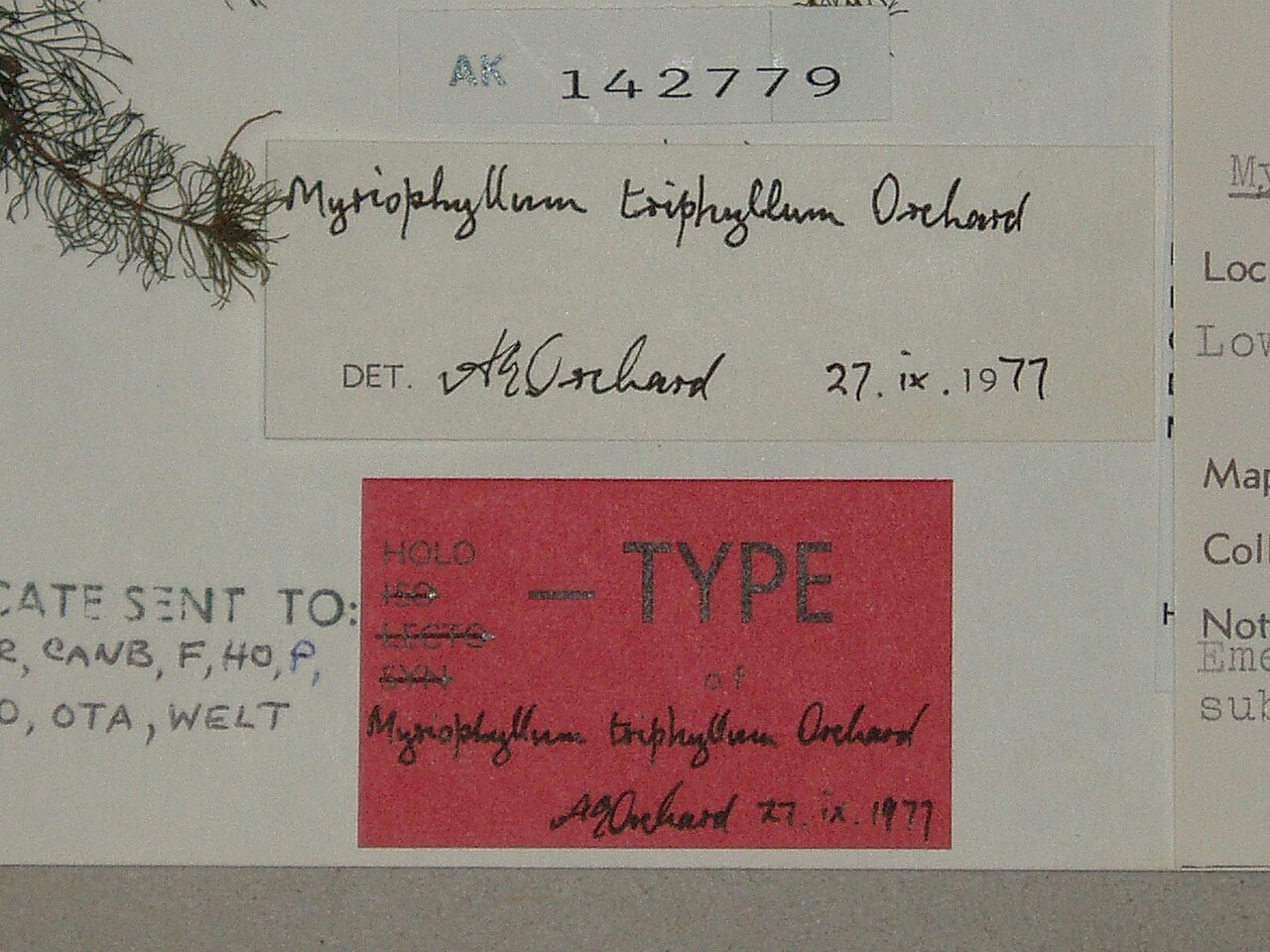
Myriophyllum triphyllum
Myriophyllum triphyllum
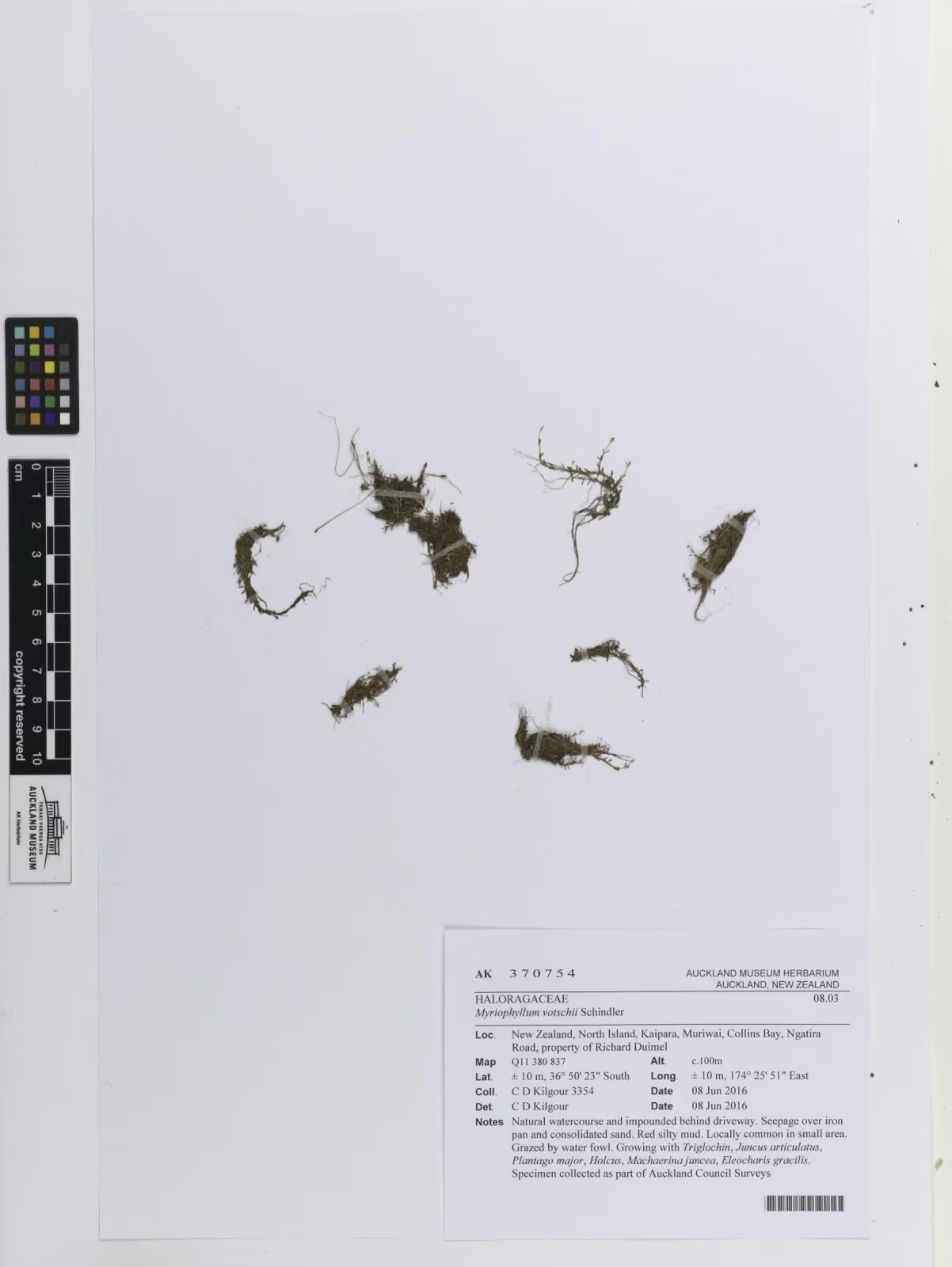
Small Water Milfoil
Myriophyllum votschii
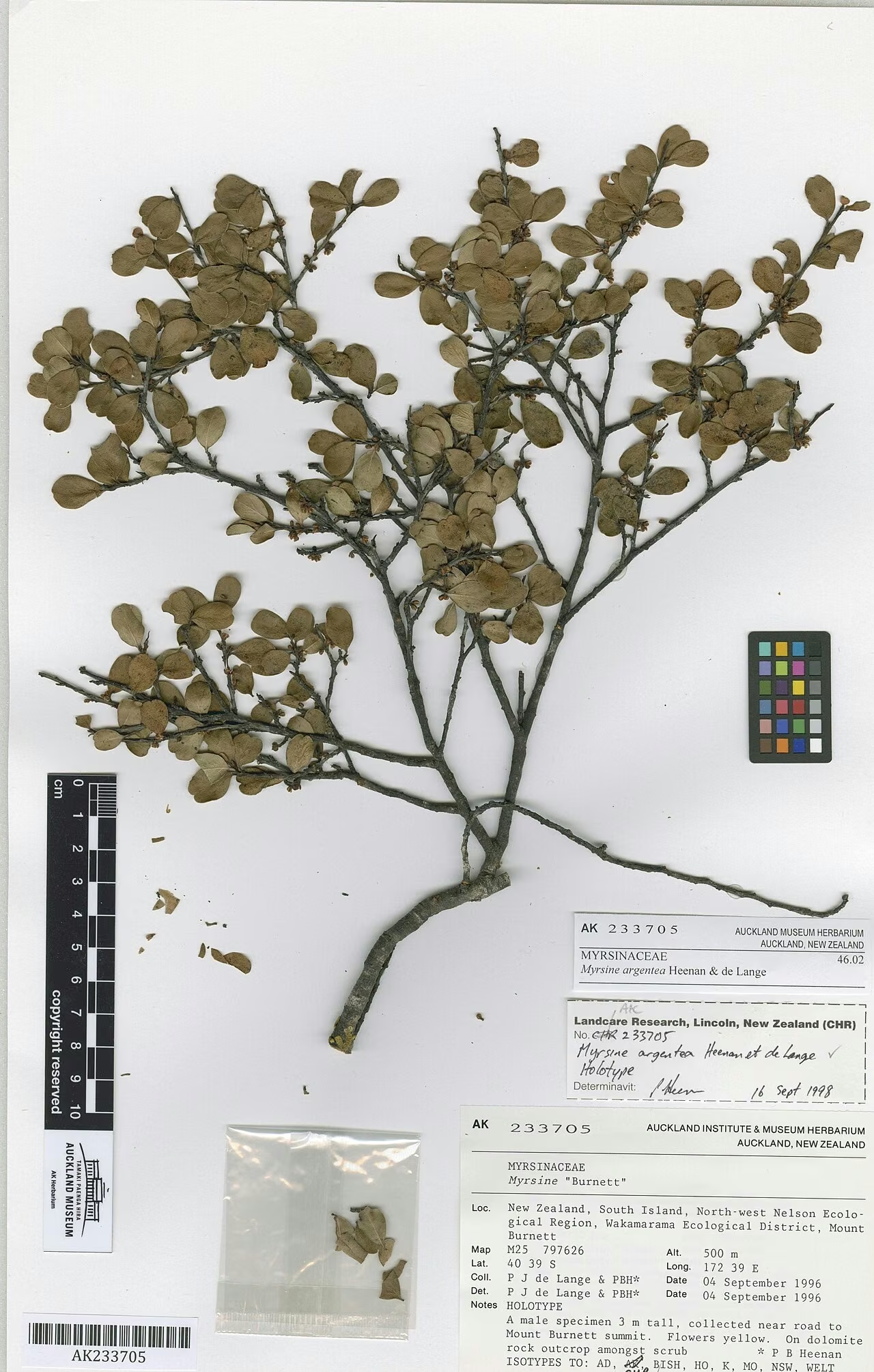
Mt Burnett Matipo
Myrsine argentea
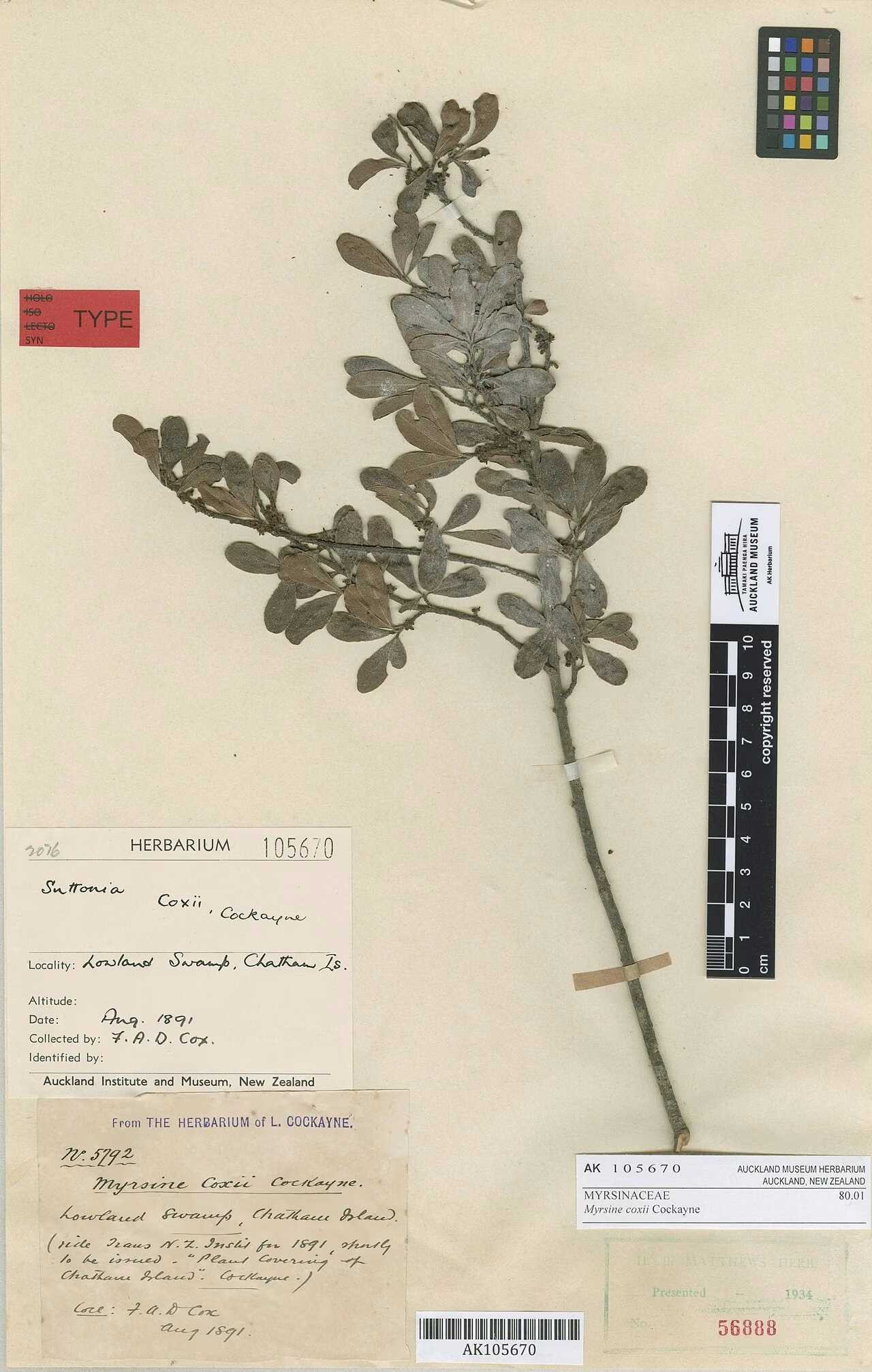
Swamp Mapou
Myrsine coxii
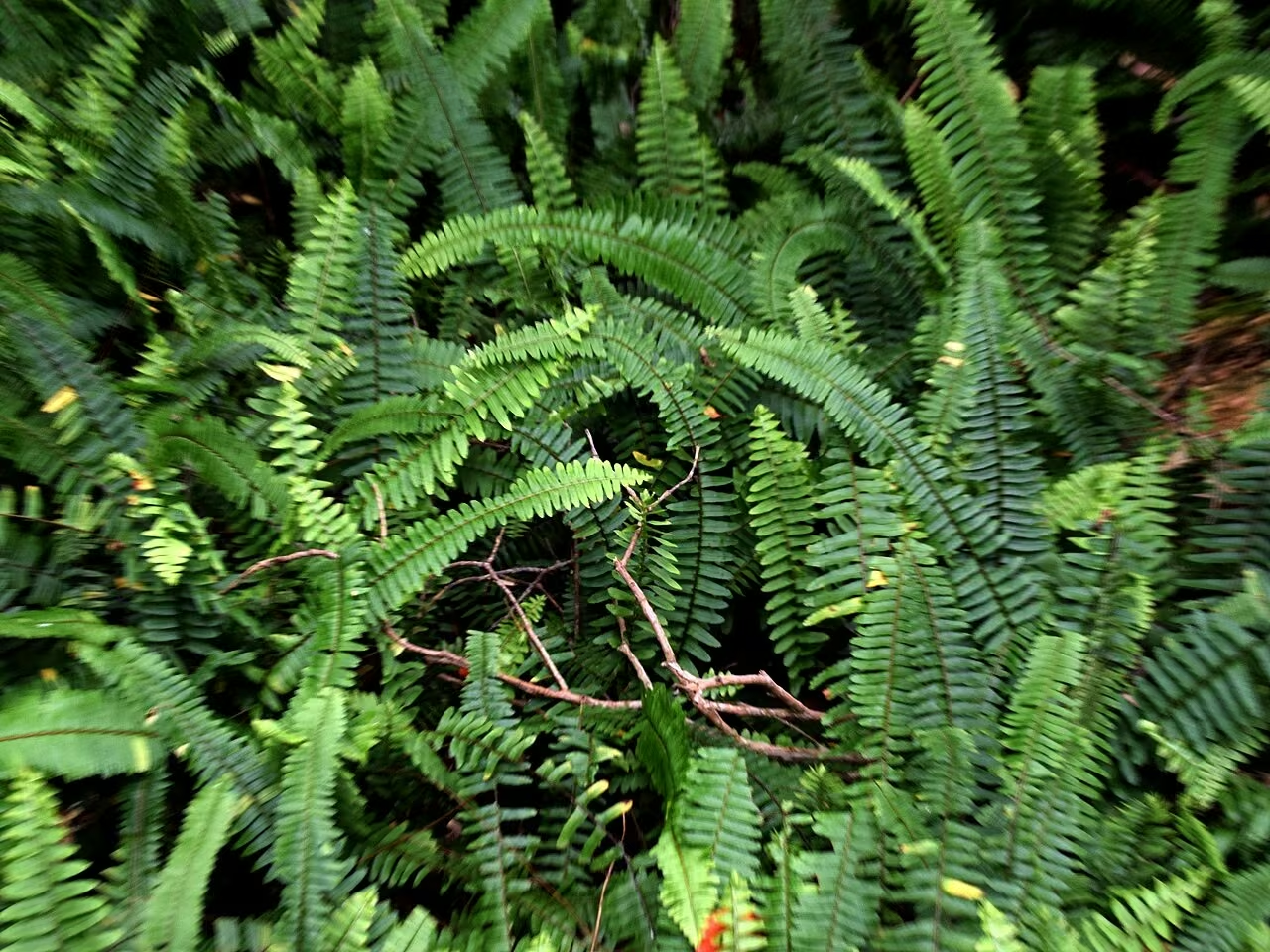
Nephrolepis flexuosa
Nephrolepis flexuosa
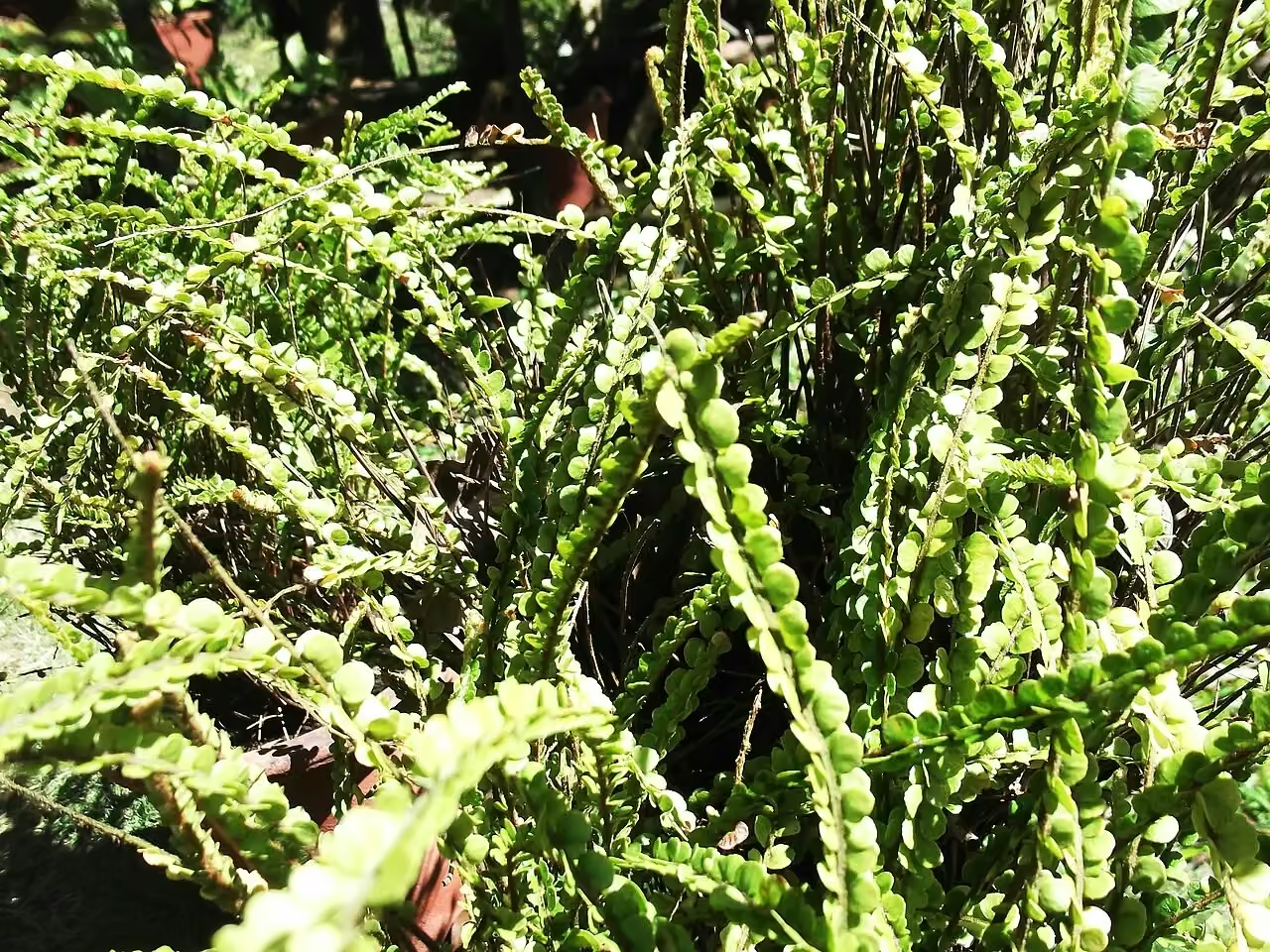
Rough Sword Fern
Nephrolepis brownii
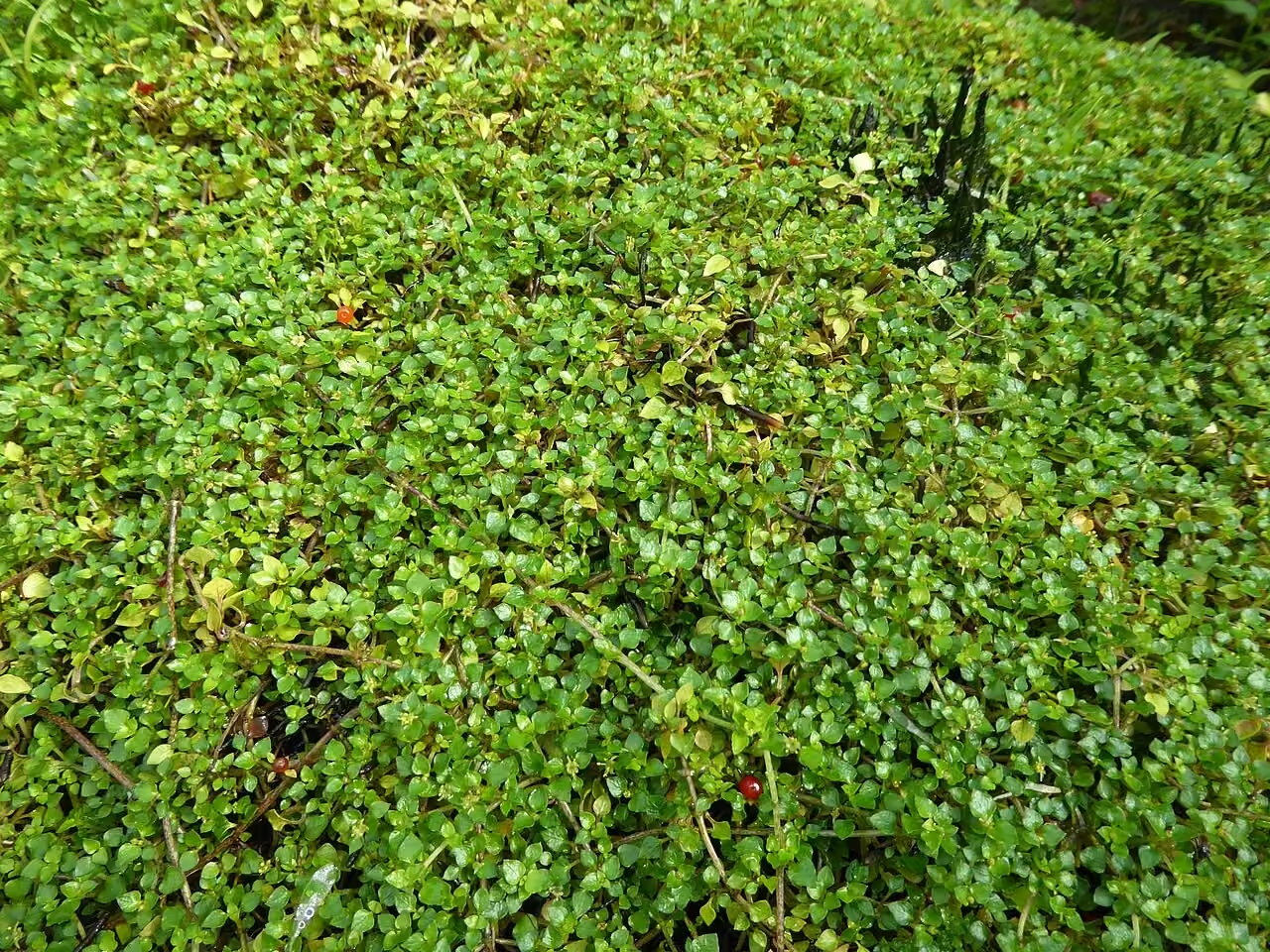
Nertera balfouriana
Nertera balfouriana
Nertera ciliata
Nertera ciliata
Plant Conservation
Neomyrtus pedunculata is ranked Not Threatened (2023), but NZPCN highlights myrtle rust as a serious risk. Because it is the only species in its genus, its loss would remove a whole lineage from the New Zealand flora.
Seed banking, monitoring for myrtle rust and growing plants from diverse seed sources are important safeguards.
Frequently Asked Questions
What is rōhutu?
Rōhutu is Neomyrtus pedunculata, an endemic New Zealand shrub or small tree in the myrtle family with silvery flaking bark, white flowers and orange to red berries.
How can you identify Neomyrtus pedunculata?
Look for brittle, hairless four-angled branchlets, pale silvery bark flaking in small shards, small gland-dotted opposite leaves, and white flowers carried on long stalks, which the name pedunculata refers to.
Is rōhutu affected by myrtle rust?
Yes. NZPCN identifies myrtle rust (Austropuccinia psidii) as a serious risk to Neomyrtus pedunculata, which is the only species in its genus.
Is rōhutu drought tolerant?
NZPCN says it prefers moist, fertile, well-drained soil in semi-shade but is surprisingly drought tolerant once established.
Sources and Further Reading
The botanical, growing, and conservation details for Rōhutu (Neomyrtus pedunculata) on this page draw on the New Zealand plant references below. Consult them for full technical records and the latest distribution data.