Teteaweka
Macrolearia angustifolia
Last updated:
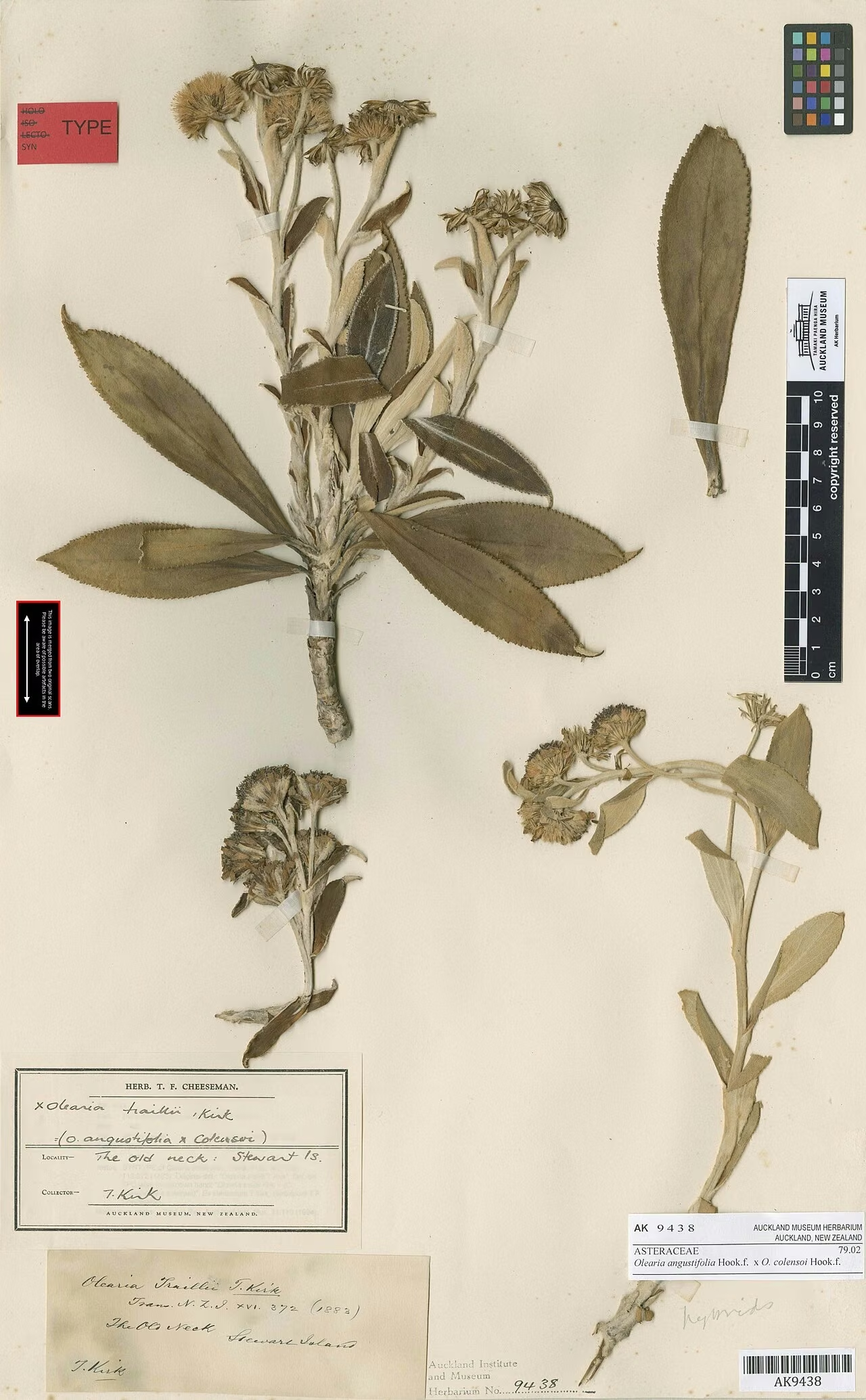
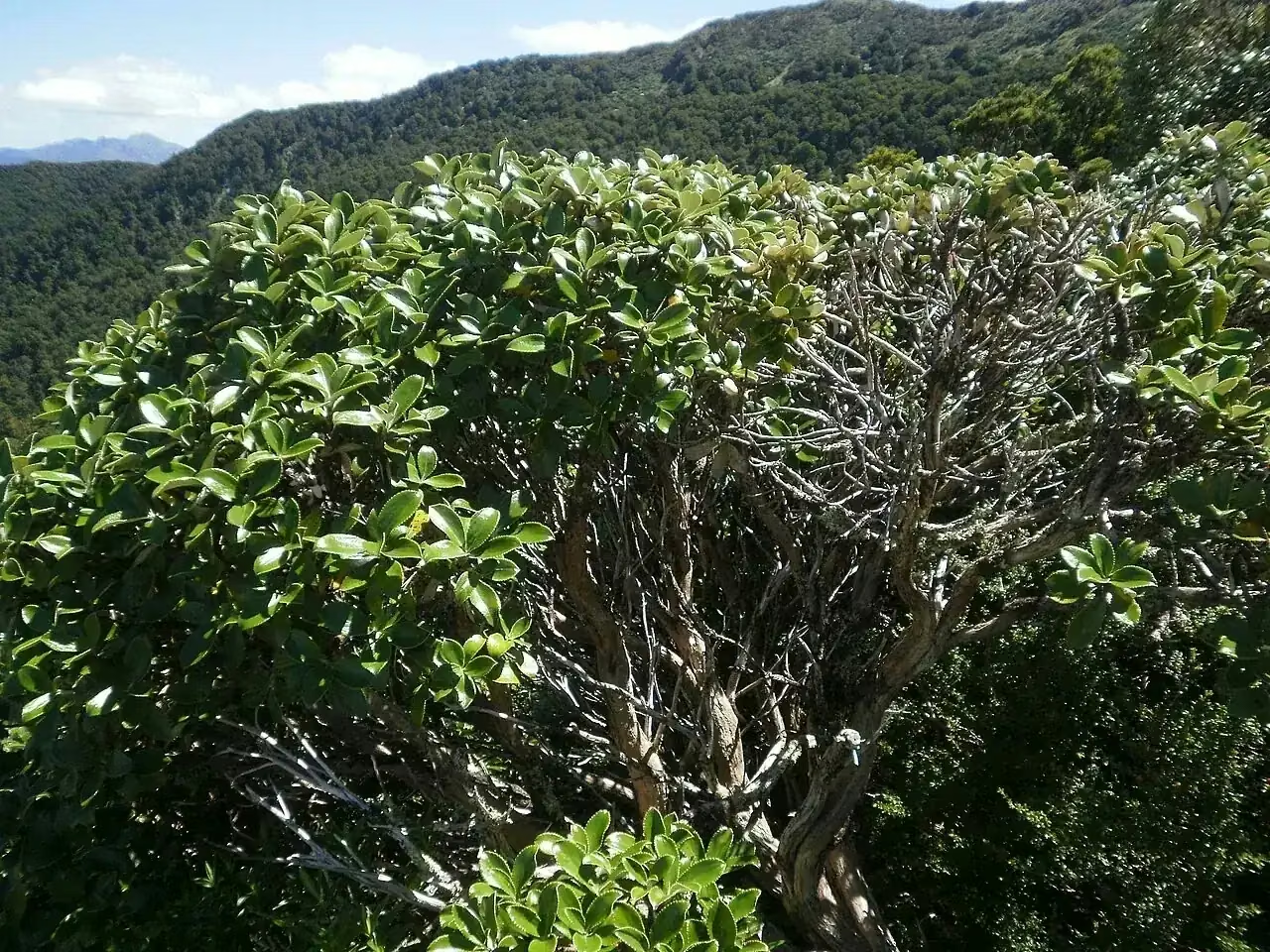
Teteaweka (Macrolearia angustifolia, now Macrolearia angustifolia) is a bushy shrub or small tree up to 6 m tall, endemic to the far south of New Zealand. It grows on the Bluff Peninsula and more abundantly on Stewart Island/Rakiura and its surrounding islets, always close to the sea in the peaty coastal scrub known as muttonbird scrub. Its narrow, leathery, finely toothed leaves are dark green above and white-felted beneath, and from October to January it produces some of the largest flower heads of any New Zealand tree daisy: white rays around a purple centre, 3.5 to 5 cm across. It is ranked At Risk - Naturally Uncommon. It was previously known as Olearia angustifolia. Explore more native shrubs in our native plant guide.
Plant Description
Teteaweka is a bushy shrub or small tree up to 6 m tall. Its branchlets, the undersides of its leaves and its flower stalks are clothed in soft white tomentum. The leaves are leathery, narrow-lanceolate, 7 to 15 cm long and only 1 to 2 cm wide, tapering to a long fine point and almost stalkless. The upper surface is dark green and hairless at maturity, and the margins are finely toothed, each tooth tipped with a small callus.
The flower heads are borne singly and are large for a tree daisy, 3.5 to 5 cm across, with white ray florets surrounding a dark purple disc. The bracts beneath the head are in two rows with woolly backs. Flowering is from October to January, sometimes into March, and fruiting from November to April, when the narrow, grooved, hairy seeds are dispersed on slender pappus hairs.
Its closest relatives are Olearia oporina and Olearia chathamica, which also have large purple-centred heads. Teteaweka is distinguished by its long, narrow leaves, only 1 to 2 cm wide. Keketerehe (Olearia chathamica) of the Chatham Islands has shorter, broader leaves.
Quick Facts
| Scientific Name | Macrolearia angustifolia |
|---|---|
| Height | Up to 6 m |
| Spread | Bushy crown; no published spread figure |
| Water Needs | Moist; dislikes drought |
| Light | Full sun to partial shade |
| Frost Tolerance | Moderate; a cool southern coastal species |
| Salt Tolerance | High; grows close to the sea |
| Growth Rate | Moderate |
| Lifespan | Long-lived perennial |
Climate Best Suited to
Suits a cool, moist, windy maritime climate with mild summers and few hard frosts, as found on Rakiura and the Southland coast.
Regional Suitability
| City | Climate Suitability |
|---|---|
| Auckland | Low |
| Wellington | Medium |
| Christchurch | Low |
| Dunedin | High |
Plant Habitat
Teteaweka is endemic to the far south of New Zealand. It occurs on the Bluff Peninsula at the southern tip of the South Island and more abundantly on Stewart Island/Rakiura and the many islets around it, including the Tītī (Muttonbird) Islands.
It is a lowland species, growing from sea level to about 400 m, and is never far from the sea. Its usual habitat is coastal muttonbird scrub, the dense, wind-shorn shrubland that develops over peat on islands used by burrowing seabirds.
Growing Requirements
Soil Requirements
In the wild it grows mostly on peat or peaty soils enriched by seabird colonies.
- Peaty, humus-rich soil
- Moist but well drained
- Tolerates acidic conditions
Light Requirements
In coastal scrub it grows in full exposure or in the partial shade of other shrubs.
- Full sun to partial shade
- Copes with exposure to strong wind
Water Requirements
It comes from a cool, rainy climate and NZPCN notes that it dislikes drought.
- Water through dry summers
- Mulch to keep roots cool and moist
Planting and Establishing
Plant teteaweka in a cool, airy coastal position with moist, peaty or humus-rich soil. Good air movement matters, as the species dislikes humid, stagnant conditions as much as it dislikes drought.
It is best suited to gardens in Southland, coastal Otago and similar cool maritime districts. In warmer, more humid northern climates it is unlikely to thrive.
Ecological Role
Teteaweka is a component of the muttonbird scrub that covers many of the islands around Rakiura, where burrowing seabirds such as tītī (sooty shearwater) nest beneath the shrub canopy. The scrub provides shelter for the burrows, and the birds in turn fertilise the peaty soil.
Its large, conspicuous flower heads are likely visited by insects, but specific pollinators are not documented in the sources consulted. The seeds are wind-dispersed on a pappus.
Uses & Significance
Garden Uses
A striking flowering shrub for cool coastal gardens in the far south, admired for its large daisies.
- Specimen shrub in southern coastal gardens
- Shelter planting in cool exposed sites
- Botanic garden displays of threatened flora
Ecological Value
A key shrub of the coastal scrub around Rakiura, with a very restricted natural range.
- Shelters seabird burrows in muttonbird scrub
- Endemic to Bluff and the Rakiura region
- Produces large nectar-bearing flower heads in spring and summer
Landscaping Uses
Use teteaweka as a focal shrub where its large white and purple daisies can be seen up close, for example near an entrance or seat in a sheltered coastal garden in the south.
It combines well with other southern coastal natives such as muttonbird scrub (Brachyglottis rotundifolia), kōkōmuka and harakeke, recreating the dense coastal scrub of its home islands.
Seasonal Care Calendar
Spring
Flowering begins in October, with large white daisies and purple centres.
- Apply mulch before the soil dries
- Take semi-hardwood cuttings later in the season
Summer
Flowering continues into January and sometimes March, and seed starts ripening from November.
- Water during dry spells
- Collect fresh seed as heads turn fluffy
Autumn
Seed dispersal finishes by about April.
- Light tidy prune after flowering
- Sow fresh seed
Winter
The evergreen foliage persists through the cool southern winter.
- Protect young plants from hard frost in inland gardens
- Check for waterlogging
When to Prune and How Much
Teteaweka needs little pruning. Lightly trim after flowering to remove spent heads and keep the shrub compact, cutting just above a leafy shoot.
Avoid heavy cutting into old wood, which daisy shrubs often regrow from slowly.
How to Grow Teteaweka
NZPCN describes teteaweka as easy to propagate from fresh seed and from cuttings, but very difficult to maintain in cultivation because it dislikes both humidity and drought. Raising plants is therefore the easy part; keeping them alive requires cool temperatures, good air movement and soil that never dries out. Seed is available from November to April, and semi-hardwood cuttings root well from late summer to autumn. Because the species is At Risk and has a small natural range, collect seed or cuttings only from cultivated plants or with permission from the Department of Conservation and the landowner.
From Seed
Fresh seed germinates readily. Collect heads as they become fluffy and sow without delay.
- Collect seed heads as the pappus fluffs out
- Sow on the surface of a free-draining seed mix and cover lightly
- Keep the tray in a cool, bright, well-ventilated place
- Prick out seedlings into individual pots
- Grow on in cool, airy conditions and avoid overwatering
From Cuttings
Semi-hardwood cuttings of the current season's growth strike readily. Taking cuttings from several different plants keeps the genetic base of cultivated stock broad.
- Take 10 to 15 cm cuttings from firm new shoots in late summer or autumn
- Remove the lower leaves and trim the remaining ones by half
- Insert into a mix of bark and pumice or perlite
- Keep in a cool propagating area with good ventilation until rooted
- Harden off gradually before planting out
Pests & Diseases
In the wild, teteaweka is browsed by possums, deer, goats and livestock, which damage foliage and prevent seedlings from establishing. Trampling also harms plants in accessible coastal sites.
In cultivation, plants commonly fail through root problems when the soil dries out or stays humid and stagnant. No specific insect pests are recorded for this species in the sources consulted.
Cultural Significance
Teteaweka is the recorded Māori name for this species. It grows on the Tītī (Muttonbird) Islands around Rakiura, where Rakiura Māori have harvested tītī for generations, and the scrub it helps form is named after those birds. No specific traditional use of the plant itself is recorded in the sources consulted.
The species was described by Joseph Hooker. The newer genus name Macrolearia means large head, and angustifolia means narrow-leaved.
Bonus Tip
If you garden in a warm or humid district, do not expect teteaweka to last. Southern gardeners have the best chance: grow it in an open, breezy spot near the coast and keep the root zone moist with a thick organic mulch through summer.
Related Plants
Explore other native plants that share similar characteristics or habitats with Teteaweka (Macrolearia angustifolia), offering further insights into New Zealand's diverse flora. These related species provide context and opportunities for complementary planting in your garden.
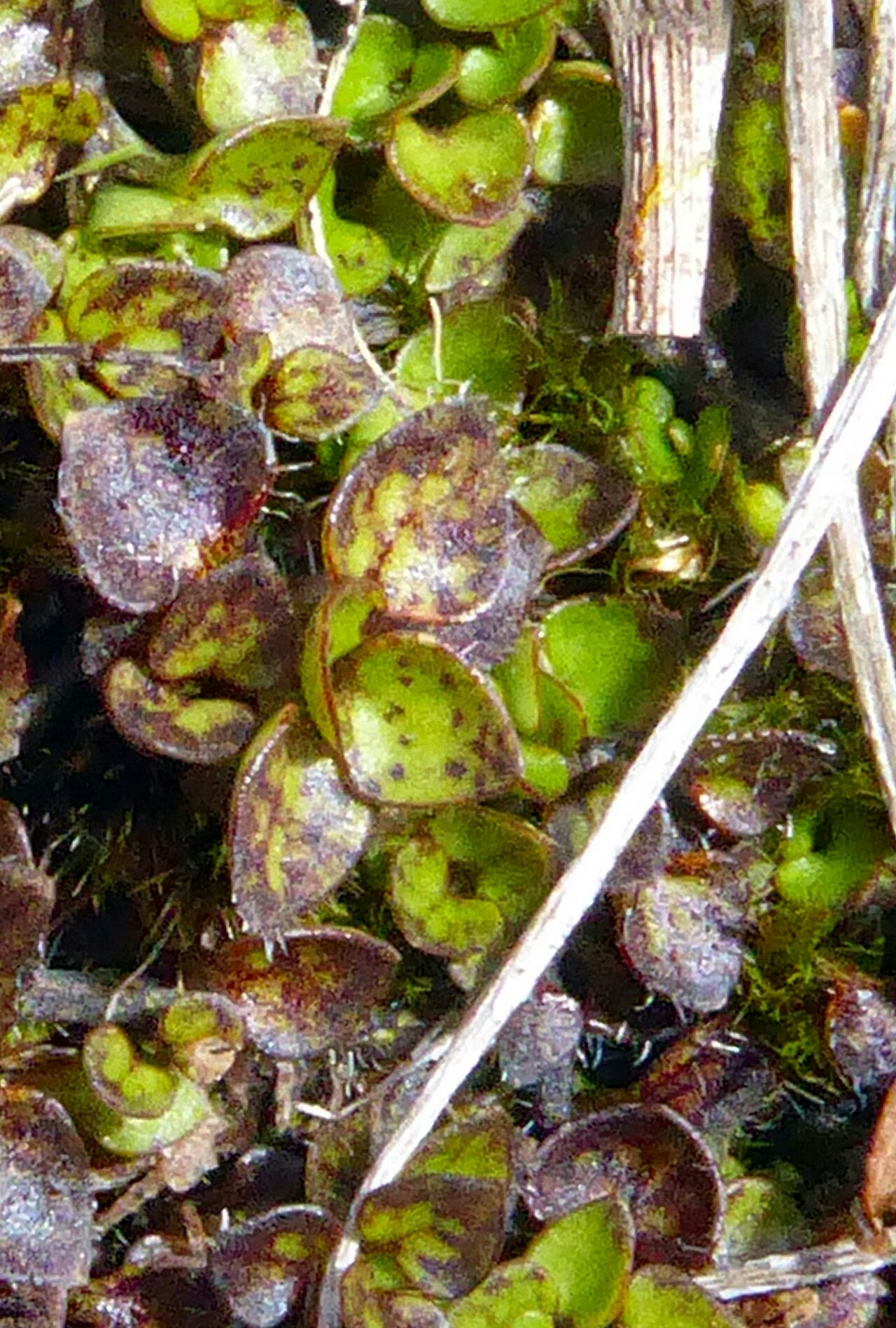
Nertera ciliata
Nertera ciliata
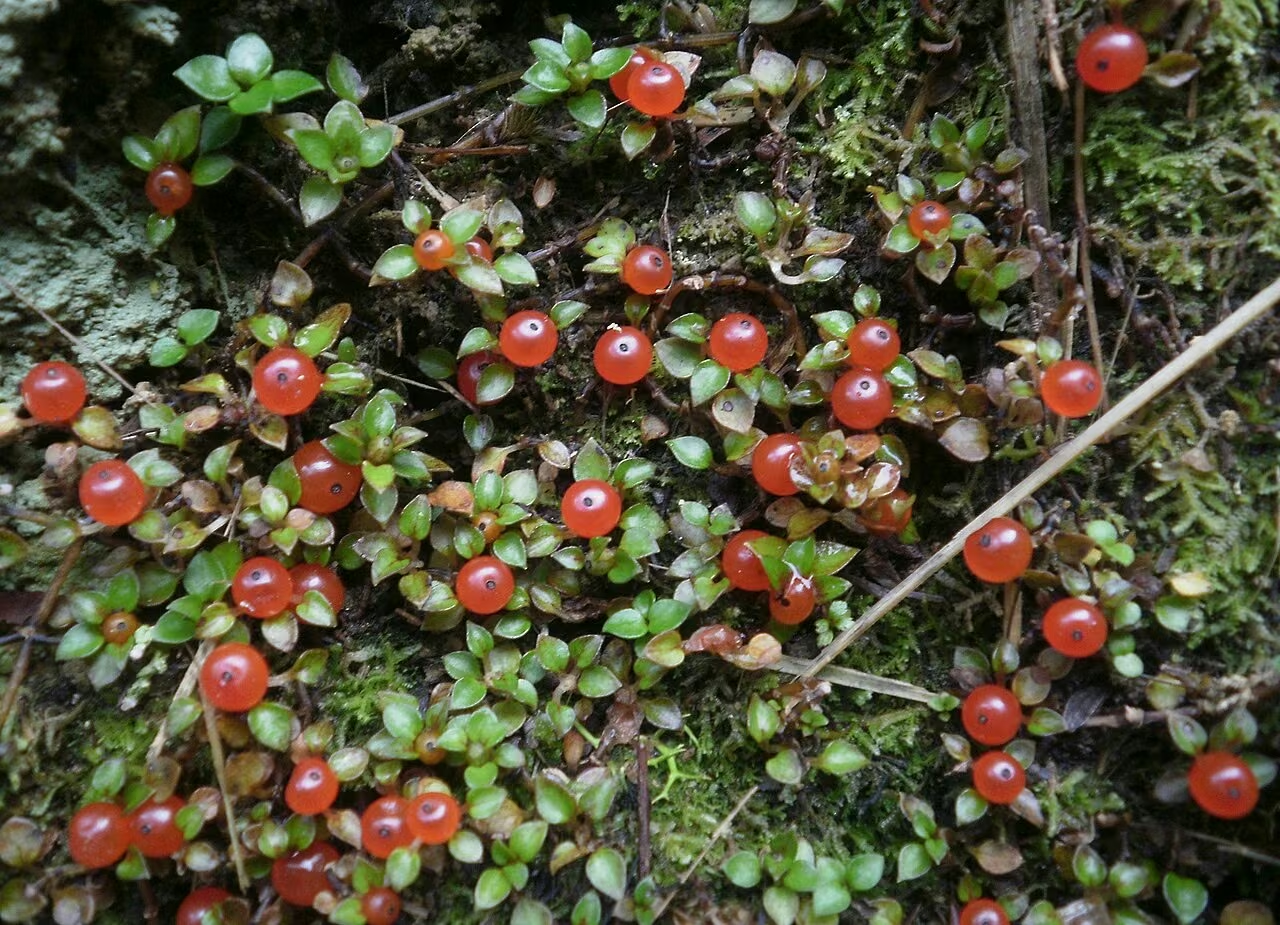
Nertera depressa
Nertera depressa
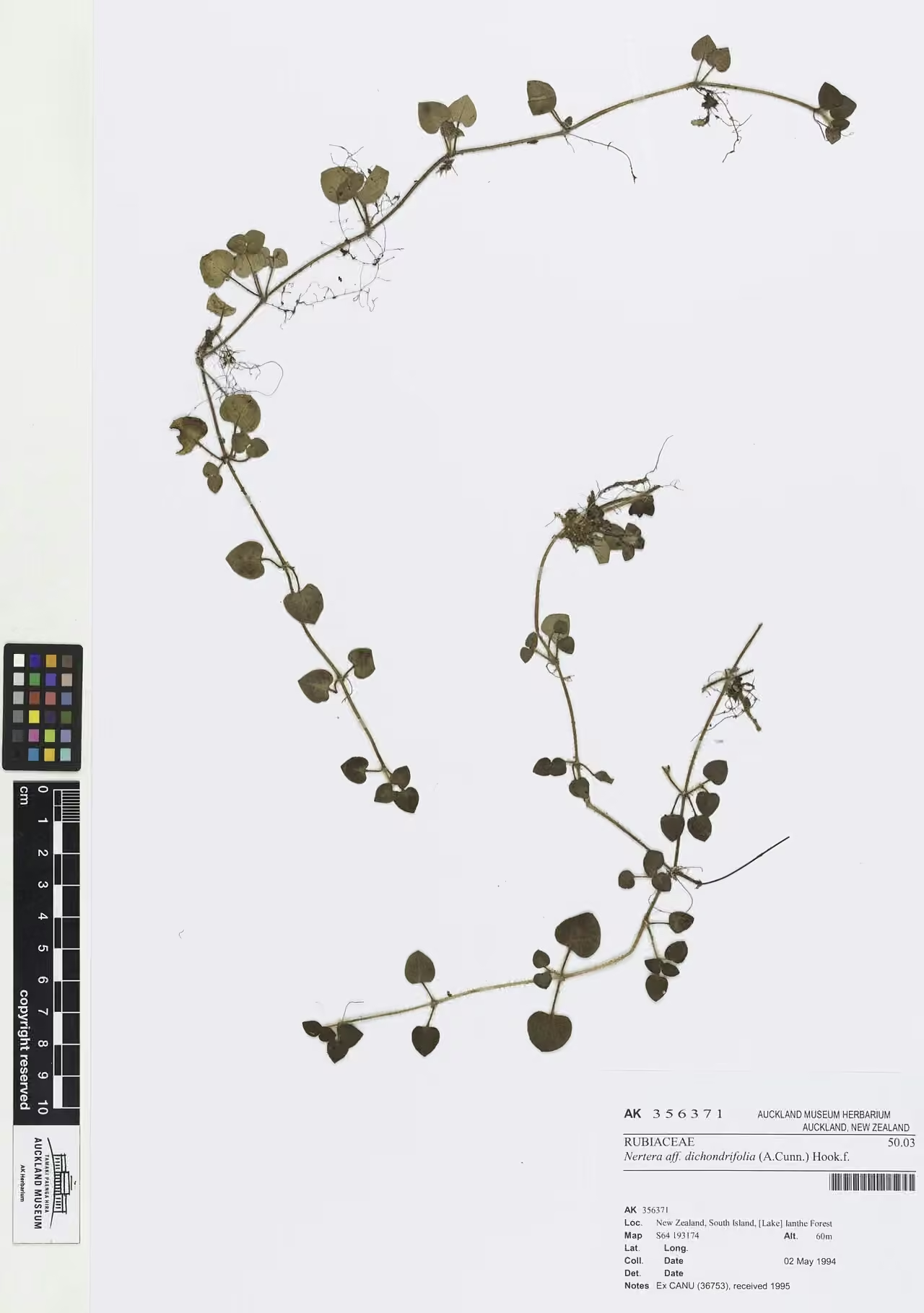
Nertera dichondrifolia
Nertera dichondrifolia
Nertera scapanioides
Nertera scapanioides
Keketerehe
Macrolearia chathamica
Shawia coriacea
Shawia coriacea
Shawia nummulariifolia
Shawia nummulariifolia
Macrolearia Colensoi
Macrolearia Colensoi
Plant Conservation
Teteaweka is ranked At Risk - Naturally Uncommon (2023) because of its small natural range. NZPCN notes that eastern populations are fragmented and declining.
Threats include browsing by possums, deer, goats and livestock, and trampling. Pest control on Rakiura and its islands, keeping stock out of coastal scrub at Bluff, and avoiding damage to coastal vegetation all help secure it.
Frequently Asked Questions
Where does teteaweka grow?
It is found only on the Bluff Peninsula at the southern tip of the South Island and, more commonly, on Stewart Island/Rakiura and its offshore islets, in lowland coastal scrub below about 400 m.
Is Macrolearia angustifolia easy to grow?
NZPCN says it is easy to raise from fresh seed and cuttings but very difficult to keep alive in cultivation, because it dislikes both humidity and drought.
Why is teteaweka now called Macrolearia?
In 2022 botanists placed teteaweka and its large-headed relatives in a new genus, Macrolearia, meaning large head, after studies showed they are not closely related to true Olearia.
What do teteaweka flowers look like?
Each flower head is 3.5 to 5 cm across, with white ray florets around a purple centre, borne singly on woolly stalks from October to January.
Sources and Further Reading
The botanical, growing, and conservation details for Teteaweka (Macrolearia angustifolia) on this page draw on the New Zealand plant references below. Consult them for full technical records and the latest distribution data.