
Water Milfoil
Myriophyllum triphyllum
Last updated:
Water milfoil (Myriophyllum triphyllum) is an endemic New Zealand aquatic herb that grows rooted in the beds of lakes, ponds and slow streams. Its weak stems reach 50-100 cm long and carry two kinds of leaves: feathery, comb-like submerged leaves in whorls, and short red-purple leaves in threes on the shoot tips that rise above the water to flower. It occurs on the North, South and Chatham Islands and is ranked Not Threatened nationally, though it is regionally vulnerable in Auckland and Wellington. It is easy to grow and makes an excellent native oxygenating plant for ponds and aquariums. Explore more native flowering plants in our native plant guide.
Plant Description
Water milfoil is a weak-stemmed aquatic perennial with strongly dimorphic leaves. The submerged leaves are borne in whorls of two to four and are 6-15 mm long, each split into 12-18 hair-fine segments arranged like the teeth of a comb, giving the underwater stems a soft, feathery look.
When the stems reach the surface they produce short emergent shoots with narrow, red-purple leaves usually in whorls of three, which is where the name triphyllum (three-leaved) comes from. The tiny four-parted flowers sit in the leaf axils of these shoots, with male flowers above and female flowers below. Male flowers have cream sepals, yellowish or reddish petals and eight stamens; female flowers have vestigial petals and four club-shaped styles.
The fruit is reddish-purple, roughly cube-shaped and only 1.3-1.5 mm long, splitting into four smooth nutlets. The introduced parrot's feather (M. aquaticum) is much more robust, with stiff blue-green emergent leaves, while the native M. propinquum is a smaller plant of shallow water and wet margins.
Quick Facts
| Scientific Name | Myriophyllum triphyllum |
|---|---|
| Height | Stems 0.5-1 m long, mostly underwater |
| Spread | Forms beds through rooting stems |
| Water Needs | Aquatic; must grow in permanent water |
| Light | Full sun to light shade; needs clear water |
| Frost Tolerance | Hardy; protected by the water it grows in |
| Salt Tolerance | Low; a freshwater plant |
| Growth Rate | Fast in warm, clear water |
| Lifespan | Perennial |
Climate Best Suited to
It grows in fresh water throughout New Zealand, from warm northern lakes to cold, clear alpine-fed lakes in the South Island. Water temperature and clarity matter more than air climate.
Regional Suitability
| City | Climate Suitability |
|---|---|
| Auckland | High |
| Wellington | High |
| Christchurch | High |
| Dunedin | High |
Plant Habitat
Myriophyllum triphyllum is endemic to New Zealand and recorded from the North, South and Chatham Islands. It is an obligate wetland plant that grows in lakes, ponds, slow-flowing streams and drains. It is regionally vulnerable in Auckland and Wellington and regionally naturally uncommon in Northland, but widespread in the South Island.
In South Island lakes it is often common in the submerged plant zone: herbarium records note it from 0.1-3 m in North Mavora Lake, 0.1-4 m in Lake Sheppard and 0.5-7 m in Lake Wakatipu. Research presented in 2023 linked its maximum depth to light penetration and its cover to water pH, suggesting light and carbon dioxide supply drive where it grows.
Growing Requirements
Soil Requirements
It roots into soft sediment on lake and stream beds, from silt and mud to fine gravel.
- Plant into a pot of heavy loam or aquatic mix topped with gravel
- Avoid rich compost in ponds as it fuels algae
- Tolerates low-nutrient sediments in clear lakes
Light Requirements
Like all submerged plants it depends on light reaching it through the water, so clarity limits how deep it can grow.
- Best in full sun or light shade
- Grows deeper in clear water
- Turbid or algae-filled water restricts it to shallows
Water Requirements
This is a true aquatic and must stay submerged, with only the flowering tips rising above the surface.
- Grow in still or slow-moving fresh water
- A depth of 0.3-1 m suits garden ponds
- Do not let the pot dry out
Planting and Establishing
Plant rooted stem pieces into a weighted pot of loam topped with gravel and lower it into the pond, or press the stems into the sediment of a natural pond margin. A few pieces soon branch and form a bed.
Source plants from a nursery or a friend's pond rather than the wild, and check that you have the native species and not the weedy parrot's feather, which is illegal to sell or spread.
Ecological Role
Submerged milfoil beds oxygenate the water and provide cover and egg-laying sites for native fish and aquatic invertebrates. The fine leaves trap fine sediment and are grazed by snails and insect larvae.
The tiny flowers are held above the water and are probably wind-pollinated, as in other milfoils. In many New Zealand lakes, native submerged communities including this species have been displaced by invasive oxygen weeds such as Lagarosiphon and Elodea.
Uses & Significance
Garden Uses
It is one of the best native oxygenating plants for garden ponds and aquariums.
- Oxygenating plant for ponds and water gardens
- Cover for native fish in restored wetlands
- Aquarium plant for cold-water tanks
Ecological Value
It forms part of the native submerged vegetation that has been lost from many lowland lakes.
- Habitat for aquatic invertebrates and small fish
- Helps oxygenate water and stabilise sediment
- Useful in restoring native lake and pond plant communities
Landscaping Uses
In a natural pond, plant water milfoil in the deeper central water and pair it with emergent margin species such as Carex secta or raupō around the edge. The red-purple tips that break the surface in summer add colour.
In small formal ponds it can grow vigorously, so keep it in a pot and thin it each year to keep open water.
Seasonal Care Calendar
Spring
New growth begins as the water warms.
- Plant or divide rooted pieces
- Remove dead stems from the previous year
Summer
Stems reach the surface and the red-purple flowering tips emerge.
- Thin dense growth to keep open water
- Watch for algae in hot weather
Autumn
Fruits ripen on the emergent tips and growth slows.
- Collect fruit for seed if wanted
- Cut back excess growth
Winter
Growth is slow and some stems die back in cold water.
- Leave plants submerged
- Little care needed
When to Prune and How Much
Pruning is simply thinning. Pull or cut out excess stems in summer so the plant does not fill the whole pond, and compost the removed material well away from waterways.
Never empty trimmings into streams or lakes; even native plants should not be moved between catchments, because they can carry weed fragments or pests.
How to Grow Water Milfoil
NZPCN notes that water milfoil is easily grown from fresh seed and from rooted pieces. Rooted stem pieces are by far the quickest method for a pond, while seed is useful for raising larger numbers for wetland restoration projects. Both methods need the plant to be kept wet or submerged at every stage.
From Cuttings (Rooted Stem Pieces)
Stems root readily at the nodes. Pieces that already carry roots establish fastest, but unrooted tips will usually root within a few weeks in warm water. Take material from cultivated plants rather than wild lake beds.
- Cut stem pieces 10-15 cm long, ideally with roots at the lower nodes
- Fill a pot with heavy loam and cover with a layer of gravel
- Push the lower ends of several pieces into the loam
- Lower the pot gently into the pond at 30-60 cm depth
- Keep the pot submerged at all times while the stems establish
From Seed
The small reddish fruits ripen on the emergent shoots in late summer and autumn and split into four nutlets. Sow them fresh, since the seed is adapted to germinate in wet conditions.
- Collect ripe fruits from the emergent tips
- Sow onto wet seed mix in a tray standing in water
- Keep the mix saturated and in good light
- Once seedlings are a few centimetres tall, flood the tray gradually
- Pot up and move to the pond when the plants are well rooted
Pests & Diseases
Water milfoil has no serious pests in gardens. The main threats in the wild are invasive aquatic weeds such as Lagarosiphon major, Elodea canadensis and Egeria densa, which form tall dense beds that shade out native submerged plants.
Algal blooms caused by nutrient run-off reduce water clarity and can kill deeper beds, and pest fish such as koi carp uproot plants and stir up sediment.
Cultural Significance
No specific Māori name or traditional use of Myriophyllum triphyllum is recorded in the sources consulted. The genus name means many leaves, referring to the finely divided foliage, and triphyllum means three-leaved, after the whorls of emergent leaves.
Native submerged plants like this are increasingly valued in lake restoration, as their return is a sign of improving water quality.
Bonus Tip
Before buying water milfoil, check the emergent leaves: native M. triphyllum has narrow red-purple leaves usually in threes, while parrot's feather has stiff bright blue-green leaves in whorls of four to six and is an unwanted organism you must not plant.
Related Plants
Explore other native plants that share similar characteristics or habitats with Water Milfoil (Myriophyllum triphyllum), offering further insights into New Zealand's diverse flora. These related species provide context and opportunities for complementary planting in your garden.

Waiautoa Forget-Me-Not
Myosotis laingii
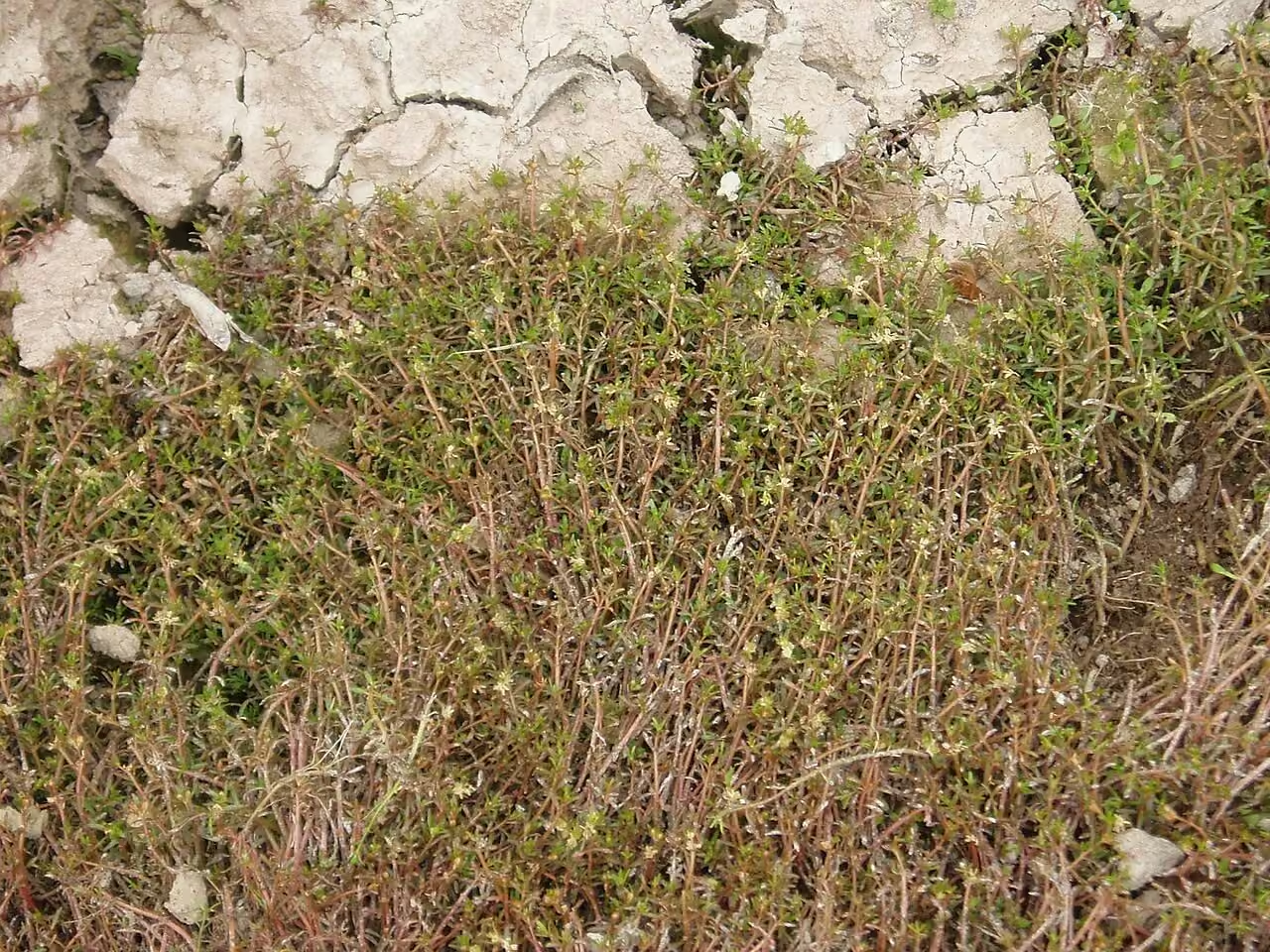
Common Water Milfoil
Myriophyllum propinquum
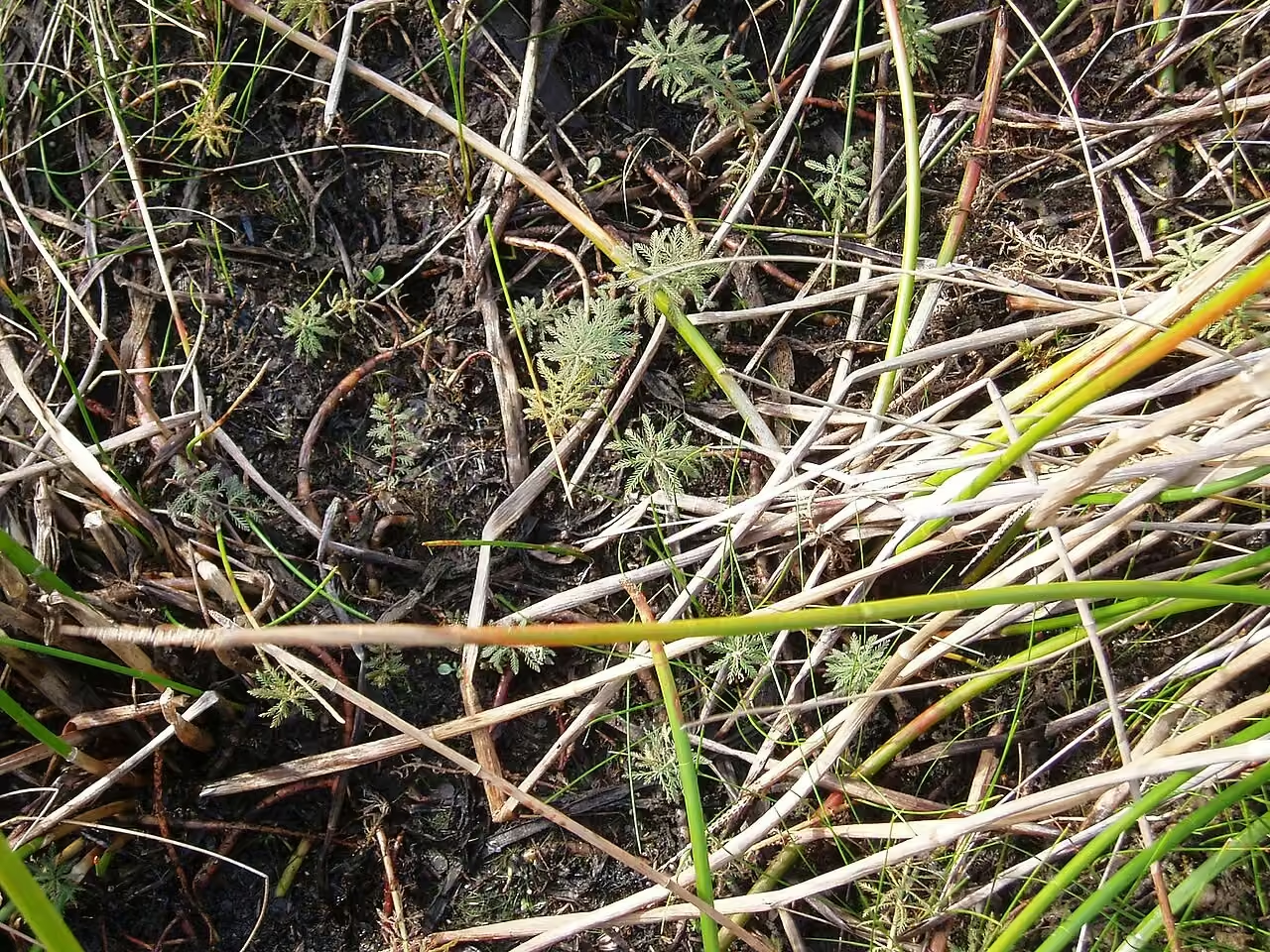
Stout Water Milfoil
Myriophyllum robustum
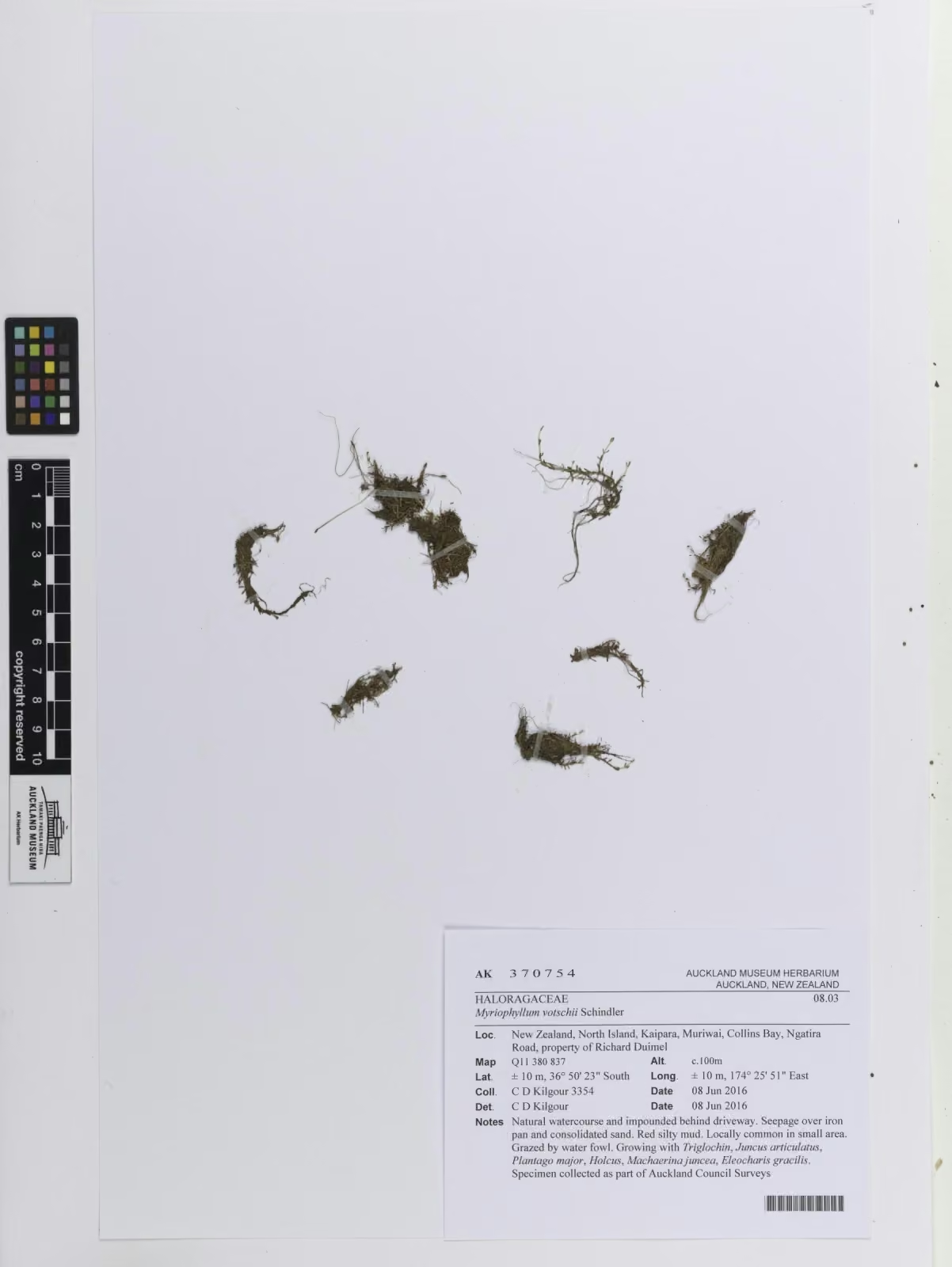
Small Water Milfoil
Myriophyllum votschii
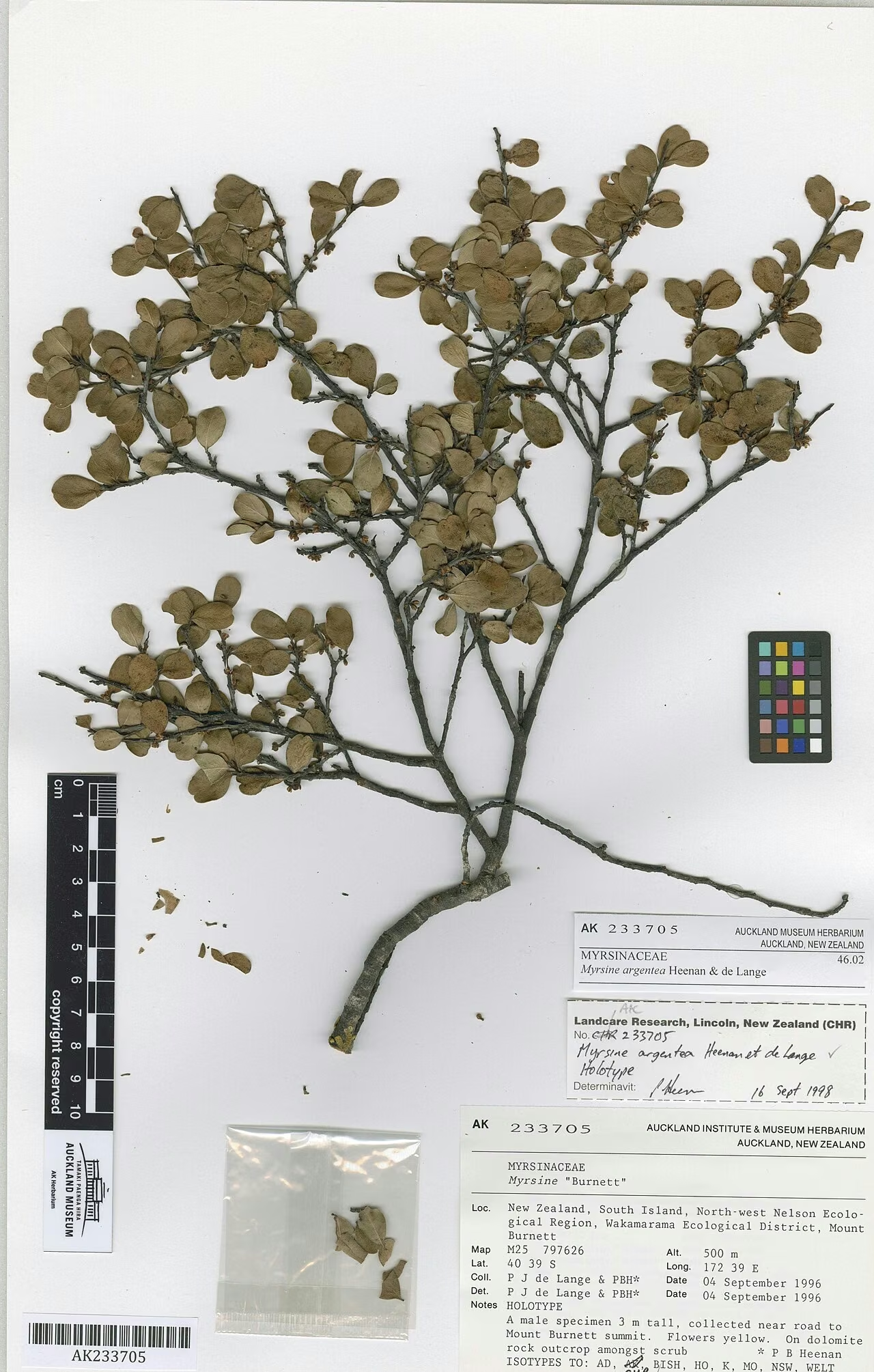
Mt Burnett Matipo
Myrsine argentea
Swamp Mapou
Myrsine coxii
Neomyrtus pedunculata
Neomyrtus pedunculata
Cushion Daisy
Cushion Daisy
Plant Conservation
Myriophyllum triphyllum is ranked Not Threatened nationally (2023). Regionally it is ranked Vulnerable in Auckland and Wellington and Naturally Uncommon in Northland, reflecting the loss and degradation of lowland lakes and wetlands in the north.
Keeping weeds out of lakes through Check, Clean, Dry practice, reducing nutrient run-off and controlling pest fish all help this and other native submerged plants.
Frequently Asked Questions
Is Myriophyllum triphyllum a native plant?
Yes. It is endemic to New Zealand and grows naturally in lakes, ponds and streams on the North, South and Chatham Islands.
How do you tell native water milfoil from parrot's feather?
Parrot's feather (Myriophyllum aquaticum) is an introduced weed with stiff blue-green emergent leaves in whorls of 4-6. Native water milfoil has red-purple emergent leaves usually in whorls of three and weaker, mostly submerged stems.
Can I grow native water milfoil in a fish tank?
NZPCN describes it as an excellent plant for a pond, slow-flowing stream or fish tank, and it grows easily from rooted pieces or fresh seed.
How deep does Myriophyllum triphyllum grow?
Herbarium records show it from the shallows down to about 7 m in clear lakes such as Wakatipu, with water clarity limiting how deep it can grow.
Sources and Further Reading
The botanical, growing, and conservation details for Water Milfoil (Myriophyllum triphyllum) on this page draw on the New Zealand plant references below. Consult them for full technical records and the latest distribution data.