Chatham Island Māhoe
Melicytus chathamicus
Last updated:
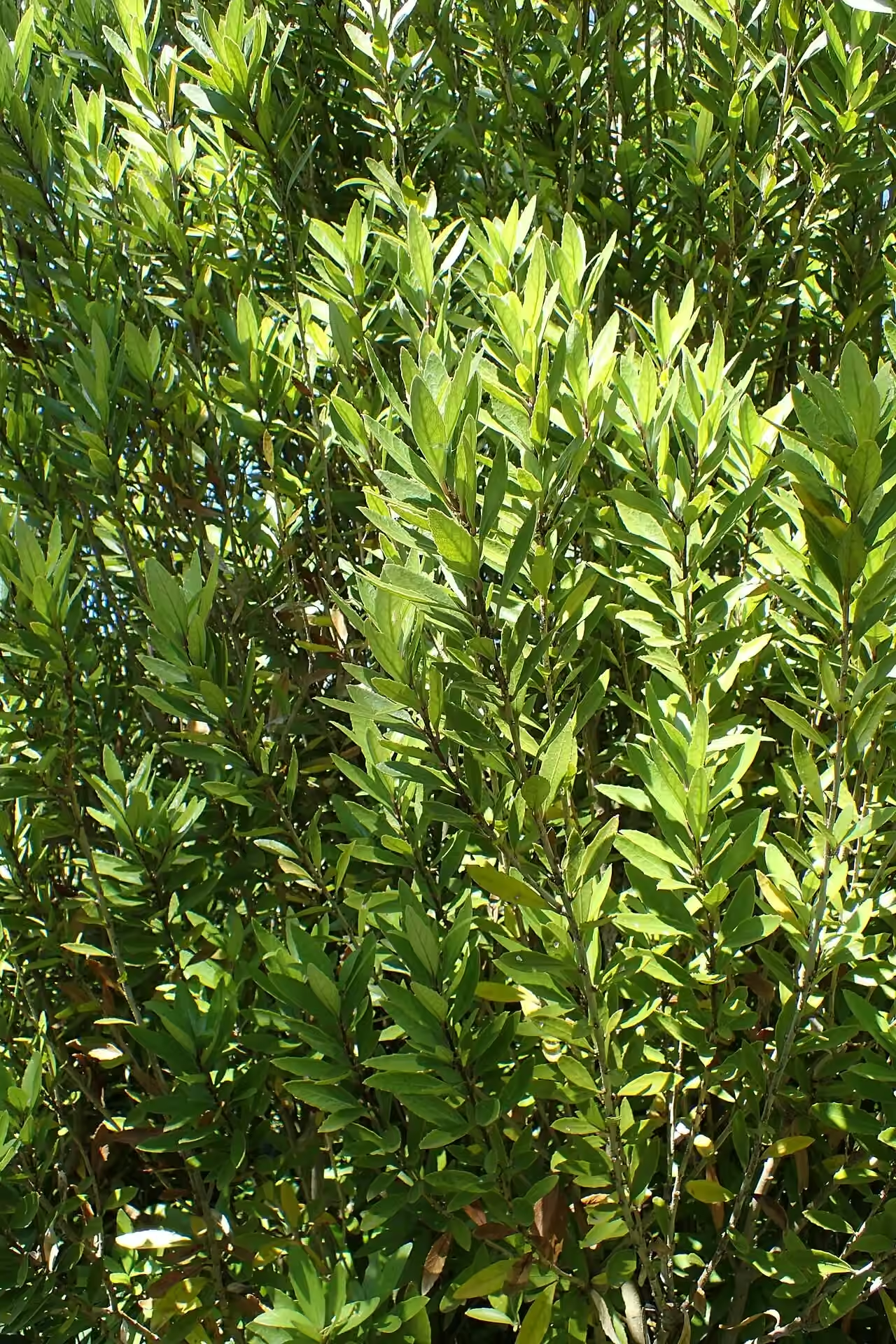
Chatham Island māhoe (Melicytus chathamicus) is a shrub or small tree endemic to the Chatham Islands, where it is a widespread and common tree of coastal forest. It has smooth grey-green bark, thick, leathery, olive-green toothed leaves 5 to 13 cm long, tiny spring flowers and a heavy crop of round berries that ripen white, purple or white speckled with purple. NZPCN also lists the names inihina, hakina and hinahina. It is ranked At Risk - Naturally Uncommon only because it is confined to the Chathams; within the islands it thrives wherever forest is protected from browsing animals. It is occasionally grown on the mainland as a hardy coastal shrub. Explore more New Zealand native trees in our native plant guide.
Plant Description
Melicytus chathamicus is a dioecious shrub or small tree, meaning male and female flowers are borne on separate plants. It has smooth grey-green bark and alternate, thick, leathery, hairless leaves 5 to 13 cm long and 2 to 5 cm wide. The leaves are oval to lance-shaped, olive green, with coarse blunt teeth usually on the outer half of the blade and pronounced veins on the underside.
Small flowers cluster densely along the branches on short curved stalks in spring. Female flowers have purple sepals with white margins. Only female plants fruit, producing a profusion of round to egg-shaped berries 5 to 7 mm across, white or purple-mottled white to purple, each holding two to four seeds. Fruit can be found from September to April.
On the Chathams it is distinctive: no other native plant there combines thick olive-green leathery leaves with masses of globose berries. Compared with mainland māhoe (Melicytus ramiflorus), its foliage is far stiffer and more leathery, and it was originally described as a variety of the shrub Hymenanthera latifolia.
Quick Facts
| Scientific Name | Melicytus chathamicus |
|---|---|
| Height | Usually 2-3 m in gardens; up to 10 m in the wild |
| Spread | Forms a rounded crown when left unpruned |
| Water Needs | Moderate |
| Light | Full sun to partial shade |
| Frost Tolerance | Moderate; grows in the cool Chathams and has naturalised in Southland |
| Salt Tolerance | Good; a tree of windswept coastal forest |
| Growth Rate | Moderate |
| Lifespan | Long-lived perennial tree |
Climate Best Suited to
Suits the cool, windy, oceanic climate of the Chatham Islands, with mild winters, frequent wind and salt spray. On the mainland it does well in coastal and cool temperate gardens.
Regional Suitability
| City | Climate Suitability |
|---|---|
| Auckland | Medium |
| Wellington | High |
| Christchurch | High |
| Dunedin | High |
Plant Habitat
Chatham Island māhoe is endemic to the Chatham Islands, recorded from Rēkohu (Chatham Island), Rangihaute (Pitt Island), Wharekaikite (Rabbit Island), Mangere, Tapuaenuku and Hokorereoro (South East Island). It has also been recorded as a garden escape in Southland.
It is a widespread and common tree of coastal forest and is prominent on the limestone outcrops around Te Whanga Lagoon. It prefers fertile soils and is scarce on the deep peat soils that cover much of the main island's interior.
Growing Requirements
Soil Requirements
In the wild it favours fertile soils, including those over limestone, and avoids deep acid peat.
- Fertile, free-draining loam
- Tolerates limestone-derived and coastal soils
- Avoid waterlogged, peaty ground
Light Requirements
It grows as a canopy or subcanopy tree in coastal forest, so it handles full sun as well as partial shade.
- Full sun gives the densest growth and best fruiting
- Tolerates light shade under taller trees
Water Requirements
The Chathams have regular rainfall without great extremes, and established plants need little extra watering.
- Water young plants through their first summer
- Mulch to keep roots cool and moist
Planting and Establishing
Plant in autumn or spring into fertile, well-drained soil. Its tough leathery leaves make it a useful choice for exposed coastal gardens and shelter plantings where thinner-leaved shrubs get wind-burned.
Because only female plants bear berries, plant several seed-grown specimens (or a known male and female) if fruit for birds is wanted. On the Chathams, use eco-sourced plants for restoration plantings.
Ecological Role
The genus name means 'honey cave', referring to the nectar-producing scales at the base of the stamens, so the small flowers offer nectar to visiting insects. The abundant fleshy berries produced from spring to autumn are a food source on islands where native forest birds depend on fruiting trees.
NZPCN notes it is widespread and common wherever forest is secure from browsing animals, which implies that stock, possums or other browsers reduce it where forest is unfenced. Which birds disperse its seed on the Chathams is not specified in the sources consulted.
Uses & Significance
Garden Uses
A tough, tidy shrub or small tree for coastal gardens, shelter and bird-friendly plantings.
- Shelter belts and hedges in windy coastal sites
- Bird gardens, using female plants for berries
- Specimen tree with interesting leathery foliage
Ecological Value
It is one of the commoner trees in the remnant coastal forests of the Chatham Islands.
- Endemic to the Chatham Islands
- Heavy fruit crops provide food for birds
- Nectar for insects in spring
Landscaping Uses
Clip Chatham Island māhoe as a dense hedge or let it develop into a round-canopied small tree. Its olive-green leathery leaves contrast well with silvery coastal shrubs and flaxes, and the pale berries are decorative on female plants.
It suits a themed Chatham Islands garden alongside plants such as Chatham Island forget-me-not and Chatham Island akeake, or a mixed coastal shelter planting with mainland natives.
Seasonal Care Calendar
Spring
Small flowers cluster along the branches and the first berries can appear from September.
- Plant now
- Apply mulch before the soil dries
Summer
Berries develop and ripen on female plants.
- Water young plants in dry spells
- Watch birds feeding on the fruit
Autumn
Fruiting continues into April.
- Collect ripe berries for seed
- Good time for planting
Winter
An evergreen tree with little growth in cold months.
- Prune or trim hedges if needed
- Check stakes on new plants
When to Prune and How Much
Nelson Natives notes that regular pruning keeps it as a shrub of about 2 to 3 m, while unpruned it becomes a round-canopied tree. Trim hedges lightly once or twice a year, preferably after fruiting.
Remove crossing or damaged branches in late winter if growing it as a specimen tree.
How to Grow Chatham Island Māhoe
No published propagation protocol specific to Melicytus chathamicus was found in the sources consulted, but NZPCN notes it is occasionally available from specialist native plant nurseries, and related Melicytus species such as large-leaved māhoe are described as easily grown from fresh seed and from semi-hardwood cuttings. The methods below follow that general approach for the genus. Because plants are either male or female, cuttings let you choose the sex of new plants, whereas seedlings give a mixture.
From Seed
Collect ripe berries from female plants between late spring and autumn. Each berry contains two to four seeds, and Melicytus seed is best sown fresh after the flesh has been removed.
- Pick fully coloured berries from female trees
- Soak and rub the berries to remove the pulp, then rinse the seed
- Sow into a free-draining seed mix and cover lightly
- Keep the tray moist and sheltered outdoors; germination may be slow and uneven
- Pot on seedlings when they have several true leaves
From Cuttings
Semi-hardwood cuttings taken from the current season's growth are the way to reproduce a known female (fruiting) or male plant.
- Take 10-15 cm cuttings of firm new growth in late summer or autumn
- Remove the lower leaves and halve large upper leaves to reduce water loss
- Dip in rooting hormone and insert into a mix of bark and perlite or pumice
- Keep humid and out of direct sun until roots form
- Harden off and pot up before planting out
Pests & Diseases
No serious pests specific to this species are recorded. Browsing by livestock and feral animals is the main pressure in the wild, since NZPCN describes it as common in forested habitats secure from browsing animals.
No garden pest problems specific to this species are recorded in the sources consulted; healthy plants in an open, airy position are generally trouble free.
Cultural Significance
NZPCN records the names inihina, hakina and hinahina for this tree, along with Chatham Island mahoe. Hinahina is also a Māori name used for mainland māhoe. No specific traditional uses of Melicytus chathamicus are recorded in the sources consulted.
It was first described by Ferdinand von Mueller as Hymenanthera latifolia var. chathamica, later treated by Thomas Kirk as Hymenanthera chathamica, and transferred to Melicytus by Peter Garnock-Jones in 1987. The epithet chathamicus means 'from the Chathams'.
Bonus Tip
For a fast, salt-tolerant hedge in a windy coastal garden, Chatham Island māhoe is a better bet than mainland māhoe, whose thin leaves scorch in salt wind. Take cuttings from a female plant if you want a hedge that also feeds birds with its berries.
Related Plants
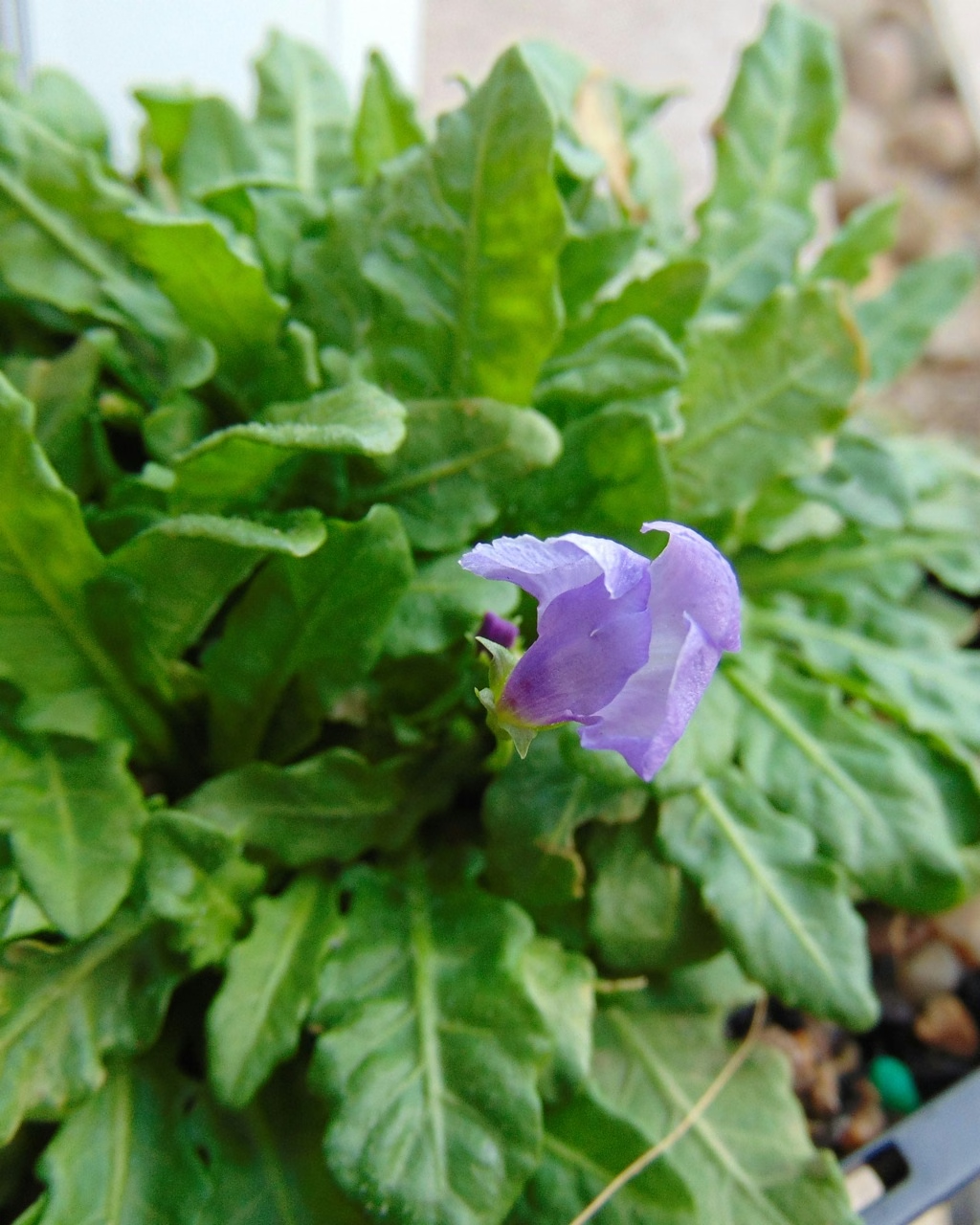
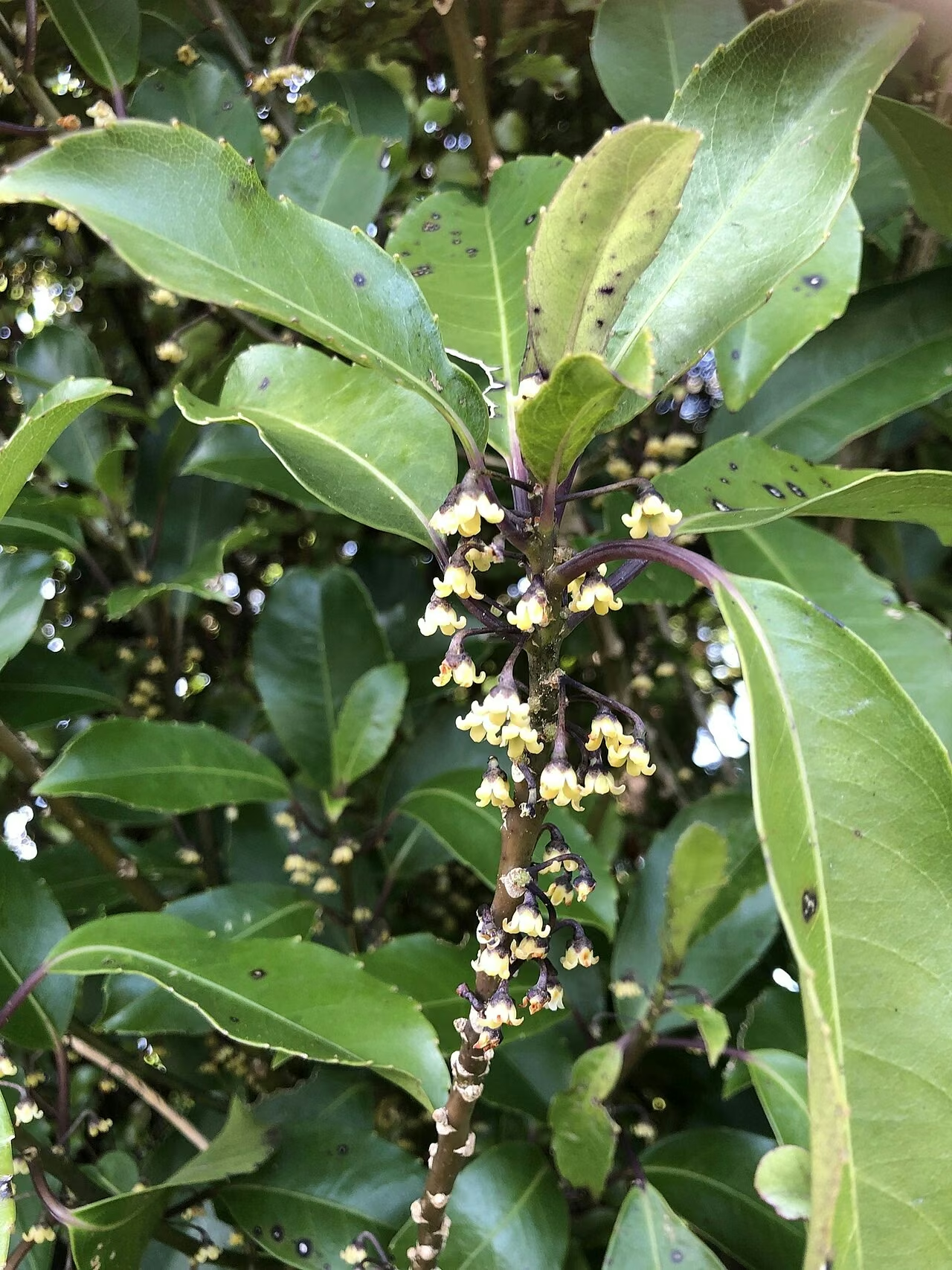
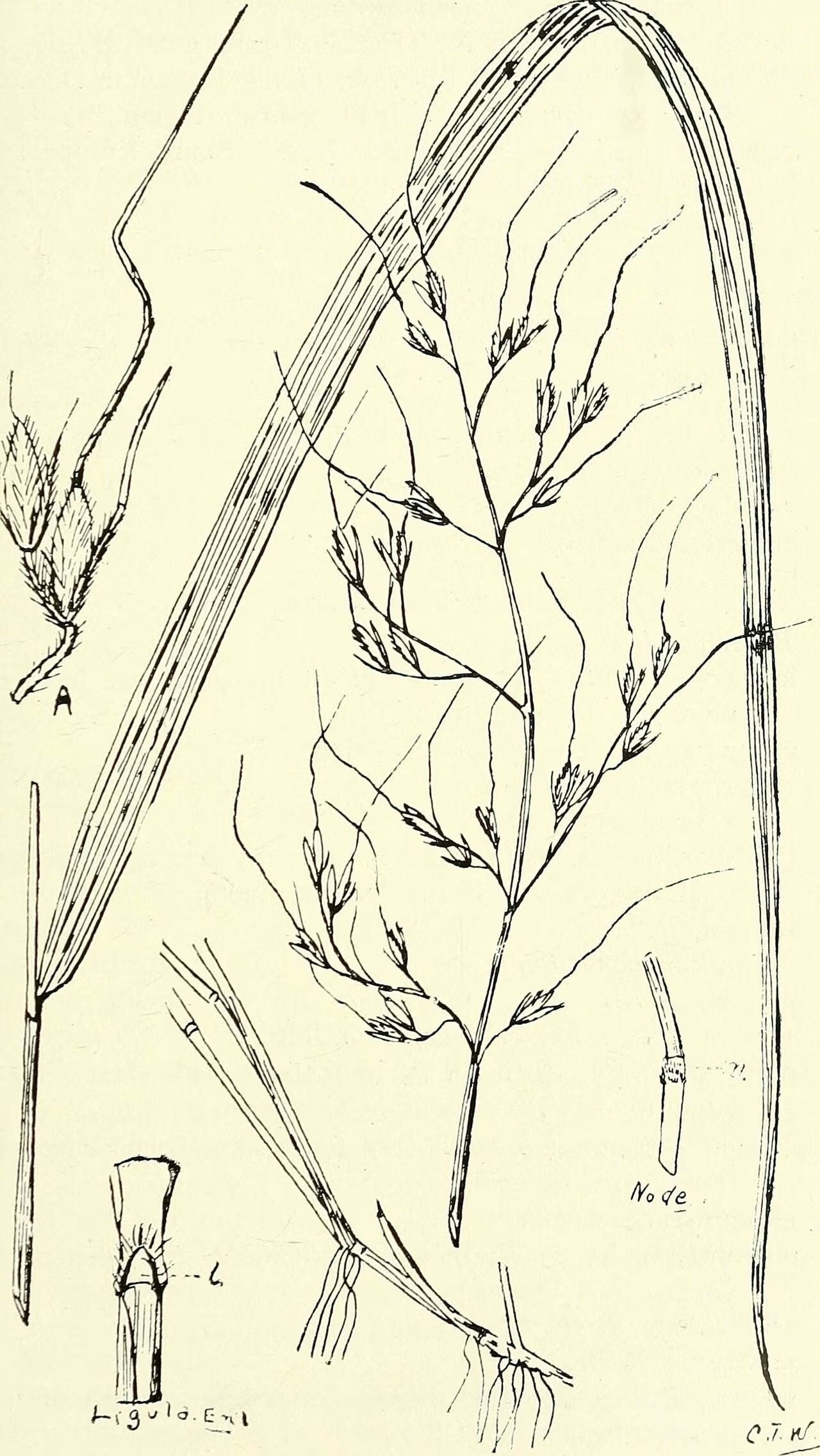
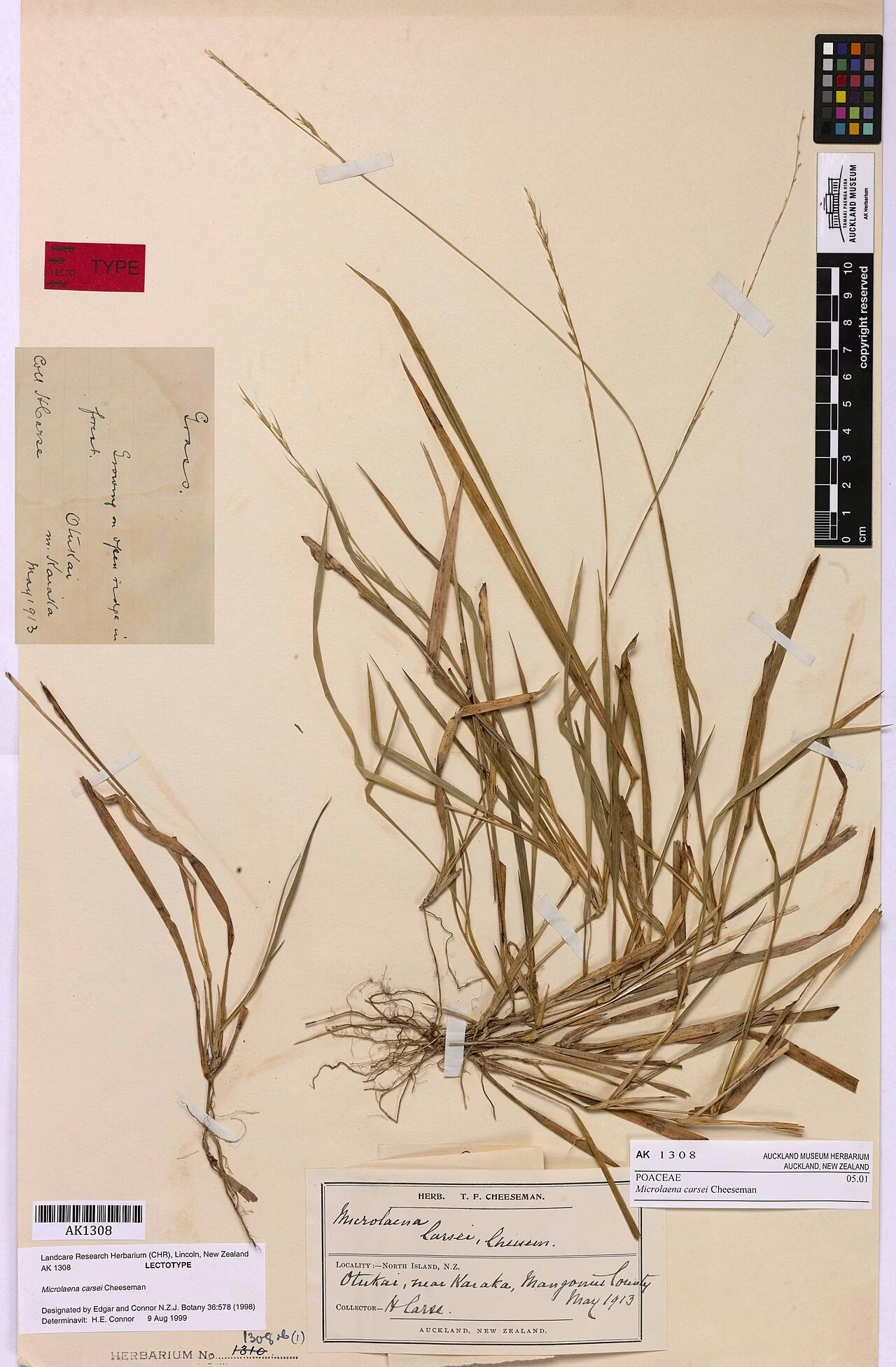
Explore other native plants that share similar characteristics or habitats with Chatham Island Māhoe (Melicytus chathamicus), offering further insights into New Zealand's diverse flora. These related species provide context and opportunities for complementary planting in your garden.
Plant Conservation
Melicytus chathamicus is ranked At Risk - Naturally Uncommon (2023) with the qualifiers IE (island endemic) and RR (range restricted). Its ranking reflects its restriction to the Chatham Islands rather than decline.
Fencing forest remnants from stock and controlling browsing animals allows it to regenerate freely, and it is a valuable species for Chatham Islands restoration plantings.
Frequently Asked Questions
Where does Chatham Island māhoe grow?
It is endemic to the Chatham Islands, including Rēkohu (Chatham), Rangihaute (Pitt), Mangere, Wharekaikite (Rabbit), Tapuaenuku and Hokorereoro (South East) islands, where it is common in coastal forest and on limestone outcrops around Te Whanga Lagoon.
How is Melicytus chathamicus different from mainland māhoe?
Its leaves are thick, stiff and leathery with blunt teeth, much tougher than the thin leaves of mainland Melicytus ramiflorus, and NZPCN says it cannot be confused with any other Chatham Islands plant.
Is Chatham Island māhoe threatened?
It is ranked At Risk - Naturally Uncommon because it is found only on the Chatham Islands, but NZPCN describes it as widespread and common in forest that is secure from browsing animals.
Can I grow Chatham Island māhoe on the mainland?
Yes. NZPCN says it is occasionally sold by specialist native nurseries, and it has even escaped from gardens in Southland, showing it copes with cool southern conditions.
Sources and Further Reading
The botanical, growing, and conservation details for Chatham Island Māhoe (Melicytus chathamicus) on this page draw on the New Zealand plant references below. Consult them for full technical records and the latest distribution data.