Dwarf Musk
Mazus novaezeelandiae subsp. novaezeelandiae
Last updated:
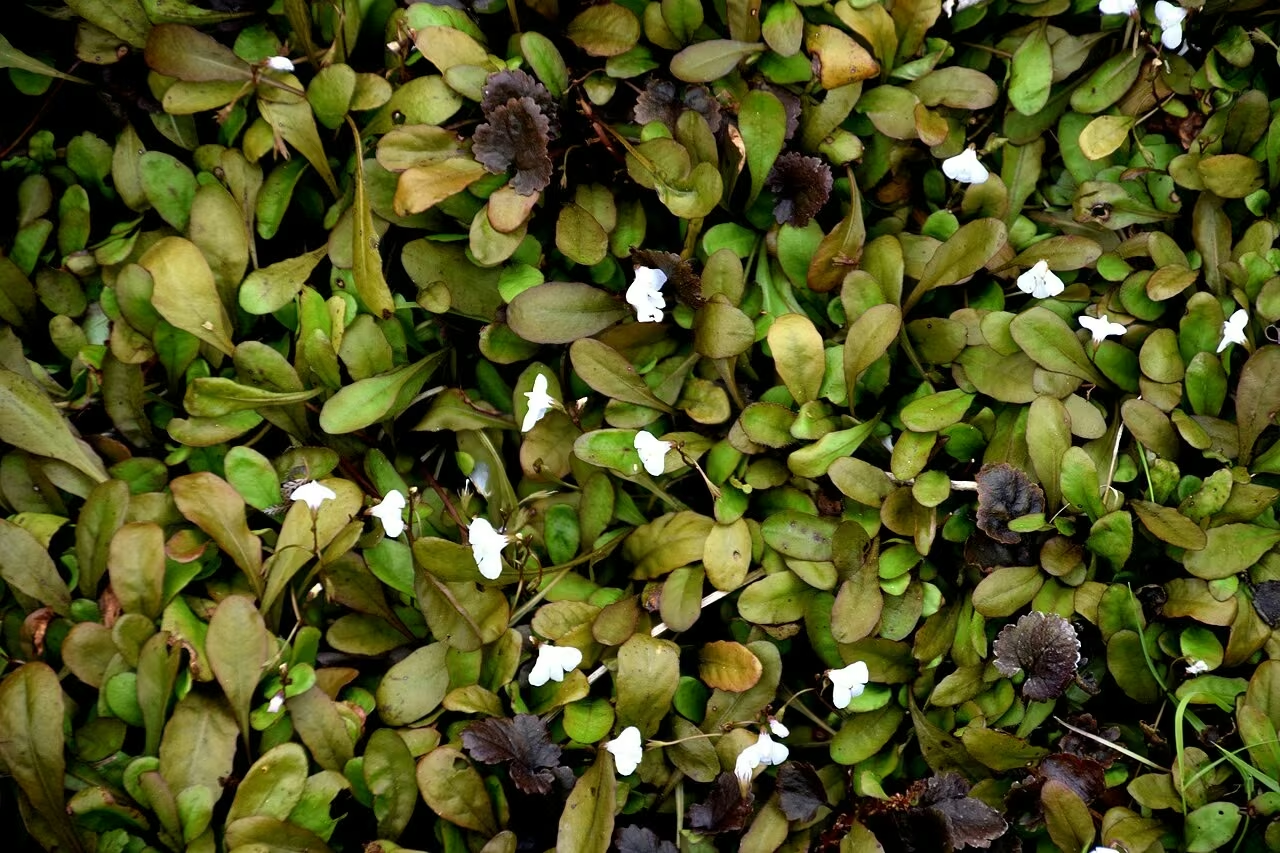
Dwarf musk (Mazus novaezeelandiae subsp. novaezeelandiae) is a small creeping perennial herb, endemic to New Zealand, that forms compact leafy rosettes only a few centimetres high. In November it holds white, yellow-throated flowers resembling those of Mimulus above spoon-shaped leaves 20 to 75 mm long. It grows in wet lowland places, including swampy forest, forest margins and lightly grazed damp pasture, mainly in the lower North Island and Hawke's Bay. It is ranked At Risk - Declining because it is very sensitive to habitat clearance, competition from rank grasses and trampling by stock. Explore more native ground covers in our native plant guide.
Plant Description
Dwarf musk is a creeping perennial herb that spreads by stems rooting along the ground, building compact clusters of leafy rosettes. The leaves are spoon-shaped, 20 to 75 mm long, dark green to yellow-green, and the margins may be pigmented brown. The NZ Forest Owners Association describes the stems as fleshy and whitish, and the leaf edges as wavy with light teeth.
The erect flower stem is often held well above the foliage and carries one to five flowers. Each flower is two-lipped like a small Mimulus, white with a yellow throat, and up to about 1.5 cm across. The genus name refers to the bumps (protuberances) in the flower throat. Flowering is in November and small fruiting capsules follow from December to April.
The other native subspecies, subsp. impolitus, differs in having dull green leaves that are hairless or only sparsely hairy, and favours coastal sand hollows. The Australian Mazus pumilio is distinguished by blue or lilac flowers and finely and regularly toothed leaf margins.
Quick Facts
| Scientific Name | Mazus novaezeelandiae subsp. novaezeelandiae |
|---|---|
| Height | About 4 cm (flower stems taller) |
| Spread | Creeping mats of linked rosettes that slowly widen |
| Water Needs | High; constantly damp to wet soil |
| Light | Light gaps and partial shade to sun where competition is low |
| Frost Tolerance | Moderate; a lowland plant of frost-prone wet hollows |
| Salt Tolerance | No information available; not a coastal plant |
| Growth Rate | Moderate |
| Lifespan | Perennial |
Climate Best Suited to
Suits mild, moist lowland climates with reliable rainfall and damp ground year round. It does poorly where summers are dry unless the soil stays wet.
Regional Suitability
| City | Climate Suitability |
|---|---|
| Auckland | Medium |
| Wellington | High |
| Christchurch | Medium |
| Dunedin | Medium |
Plant Habitat
This subspecies is endemic to New Zealand and is mainly found in the lower North Island and Hawke's Bay. DOC's Threatened Plants of the Waikato records it from Rakaunui Peninsula near Kawhia in the 1980s, although plants had not been seen there again by the time of that publication.
It prefers lowland, wet, sometimes swampy forest, pasture and occasionally forest margins. It favours light gaps in lowland kahikatea forest or former forest sites, and some of its surviving populations are in lightly grazed damp pasture where stock keep taller grasses in check without trampling the ground too heavily.
Growing Requirements
Soil Requirements
It grows on damp to wet, often poorly drained lowland soils, including swampy ground under or near kahikatea forest.
- Moisture-retentive loam or silty soil
- Tolerates periodically waterlogged ground
- Bare or open soil surface with little competition
Light Requirements
It needs open light gaps rather than deep shade, but it is not a plant of dry, exposed sites.
- Partial shade or dappled light under open canopy
- Full sun is fine where the soil stays wet
- Fails when overtopped by rank grass
Water Requirements
As a wetland-margin herb it relies on soil that stays moist throughout the year.
- Never let the soil dry out in summer
- Ideal beside ponds, drains or in boggy patches
Planting and Establishing
Plant nursery-grown dwarf musk in spring into a damp, open patch where it will not be swamped by grass or vigorous groundcovers. Space small plants about 20 cm apart so the rosettes can knit together into a mat.
Because the subspecies is declining in the wild, buy plants only from nurseries growing eco-sourced native stock, and check that what you are buying is genuinely Mazus novaezeelandiae rather than the blue-flowered Australian M. pumilio.
Ecological Role
Dwarf musk fills small open patches on wet forest floors and in damp pasture, a niche that is easily lost once rank exotic grasses take over. Its survival in pasture depends on a balance: light grazing removes competing grass, but heavy stocking pugs the ground and tramples the rosettes.
The specific pollinators of its white flowers are not documented in the sources consulted, though the open-throated flowers are the kind visited by small native bees and flies. The fruit is a small capsule that releases fine seed.
Uses & Significance
Garden Uses
A charming small groundcover for damp spots, best used where it can spread without being overrun.
- Bog gardens and pond margins
- Damp, partly shaded corners and gaps between stepping stones
- Containers kept moist for close viewing of the flowers
Ecological Value
It is part of the herb layer of lowland swamp forest, a habitat that has been greatly reduced across New Zealand.
- Endemic subspecies ranked At Risk - Declining
- Indicator of intact wet lowland forest floors
- Cultivated plants help secure genetic stock
Landscaping Uses
Use dwarf musk as a living carpet at the wet edge of a pond, rain garden or swale, where its white flowers show against the dark foliage in early summer. It suits naturalistic plantings alongside low sedges and other small wetland herbs that will not smother it.
Keep it away from vigorous groundcovers such as creeping grasses, which will quickly overrun it. A narrow strip of damp ground edged by stones gives it room to spread.
Seasonal Care Calendar
Spring
Rosettes grow actively and new runners spread across the soil surface.
- Plant or divide now
- Weed around mats while grass is still short
Summer
Flowering peaks in November, with capsules ripening from December onwards.
- Keep soil wet through dry spells
- Collect ripe capsules for seed
Autumn
Fruiting continues until about April and growth slows as temperatures fall.
- Remove fallen leaves that could smother rosettes
- Sow fresh seed
Winter
The rosettes remain but grow little through the cool months.
- Little care needed
- Mark the patch so it is not trampled or dug
When to Prune and How Much
No pruning is needed. Simply pull out competing grasses and weeds by hand, taking care not to drag up the shallow-rooted rosettes.
Spent flower stems can be snipped off after seed has been collected if a tidy look is wanted.
How to Grow Dwarf Musk
Nelson Natives describes Mazus novaezeelandiae as easily grown from fresh seed or division, and the creeping, rooting habit of dwarf musk makes division the quickest way to produce new plants. Because this subspecies is ranked At Risk - Declining, propagate only from plants already in cultivation or from material collected with the landowner's and DOC's permission, and keep any eco-sourced stock labelled with its origin. Plants raised this way are useful for restoration of damp lowland sites within the subspecies' natural range.
From Seed
Capsules ripen from December to April after the November flowering. The seed is fine and should be sown fresh. Nelson Natives notes it germinates without pre-treatment, though about four weeks of cold stratification can speed germination.
- Collect capsules as they begin to dry and split
- Sow on the surface of a fine, moist seed-raising mix
- Press seed in lightly and barely cover
- Keep the tray constantly moist, standing it in a shallow saucer of water if needed
- Prick out seedlings into small pots once they have a few leaves
By Division
The creeping stems root as they spread, so rosettes with their own roots can be separated easily from an established mat, ideally in spring as growth starts.
- Lift a section of mat with a trowel, keeping soil around the roots
- Tease apart rooted rosettes or small clumps
- Pot into a moist, peaty mix or replant directly into damp ground
- Keep well watered and lightly shaded until new growth appears
Pests & Diseases
No specific insect pests are recorded. Slugs and snails may graze the soft leaves and flowers in damp gardens, so check plants after rain.
The main threats are physical: competition from rank pasture grasses and weeds, trampling and pugging by stock, and drainage or clearance of wet lowland sites.
Cultural Significance
No traditional Māori name or use is recorded for dwarf musk in the sources consulted.
The epithet novaezeelandiae means 'of New Zealand'. NZPCN explains that the genus name Mazus comes from a Greek word referring to the protuberances (raised bumps) in the throat of the flower.
Bonus Tip
Before buying 'native Mazus', look at the flowers: true dwarf musk has white flowers with a yellow throat and leaves with entire to wavy margins, while the blue or lilac flowered plants with finely toothed leaves commonly sold under the same name are the Australian Mazus pumilio.
Related Plants
Explore other native plants that share similar characteristics or habitats with Dwarf Musk (Mazus novaezeelandiae subsp. novaezeelandiae), offering further insights into New Zealand's diverse flora. These related species provide context and opportunities for complementary planting in your garden.
Pēpepe
Machaerina sinclairii
Macrothelypteris torresiana
Macrothelypteris torresiana
Alpine Rush
Marsippospermum gracile
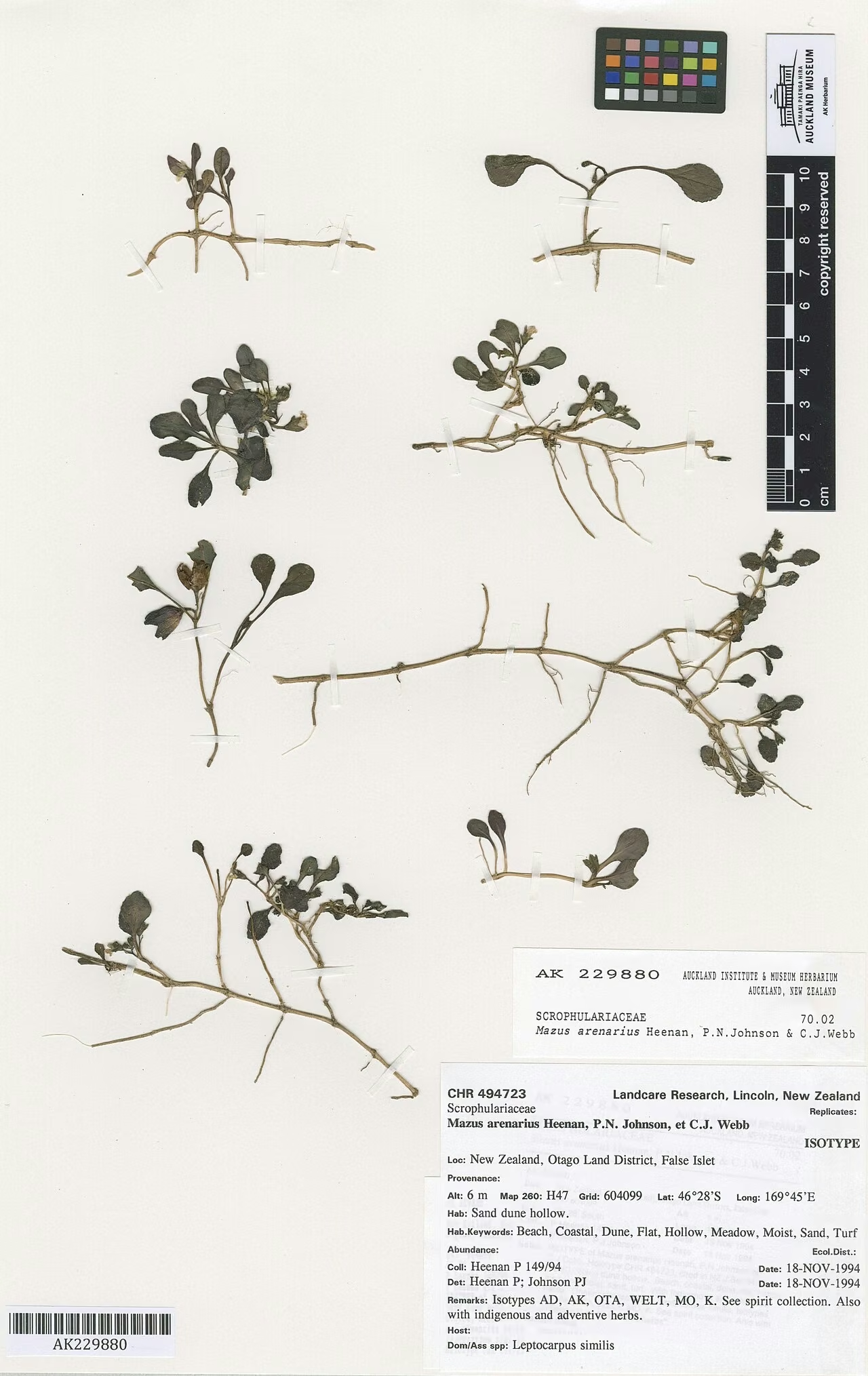
Mazus arenarius
Mazus arenarius
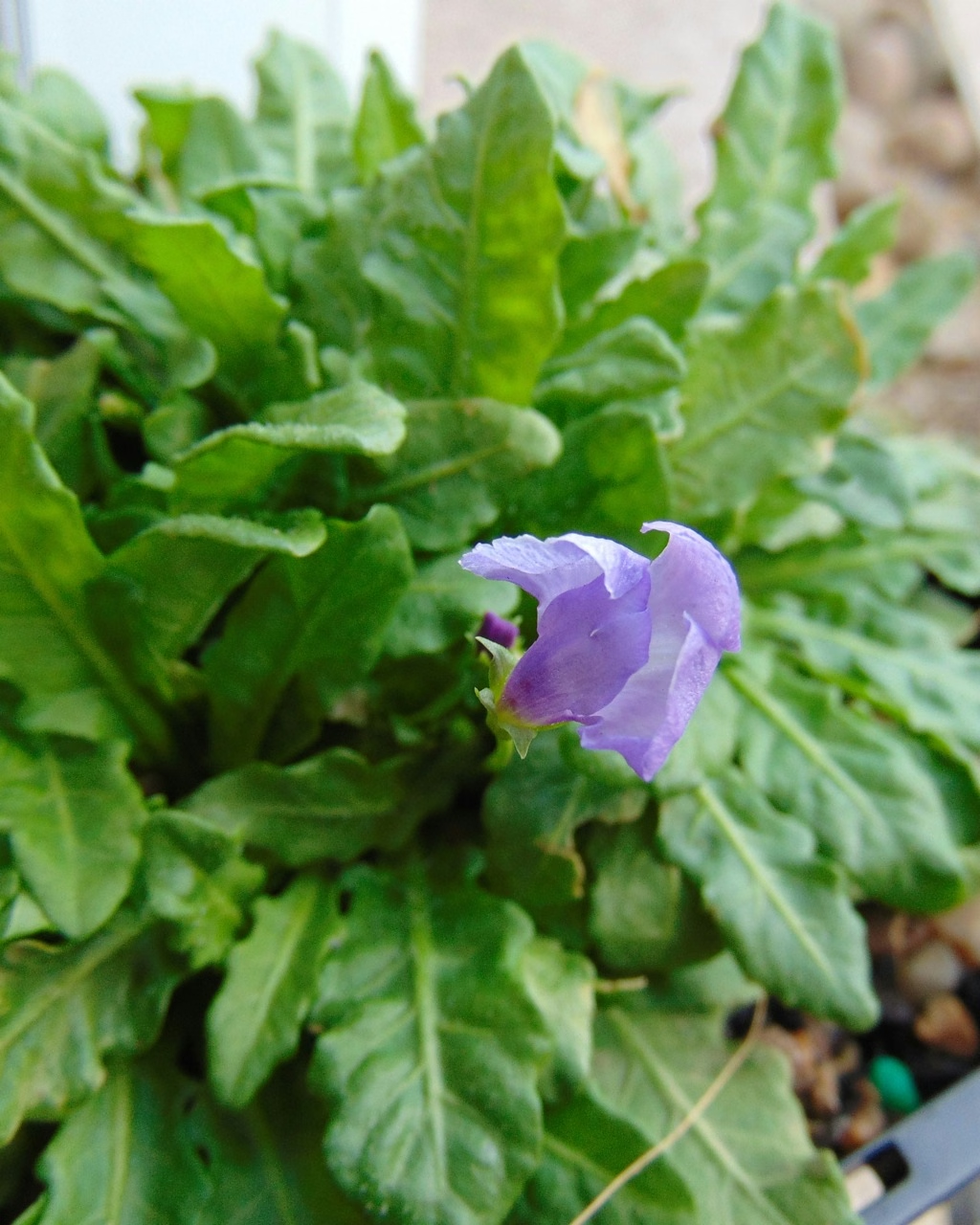
Mazus pumilio
Mazus pumilio
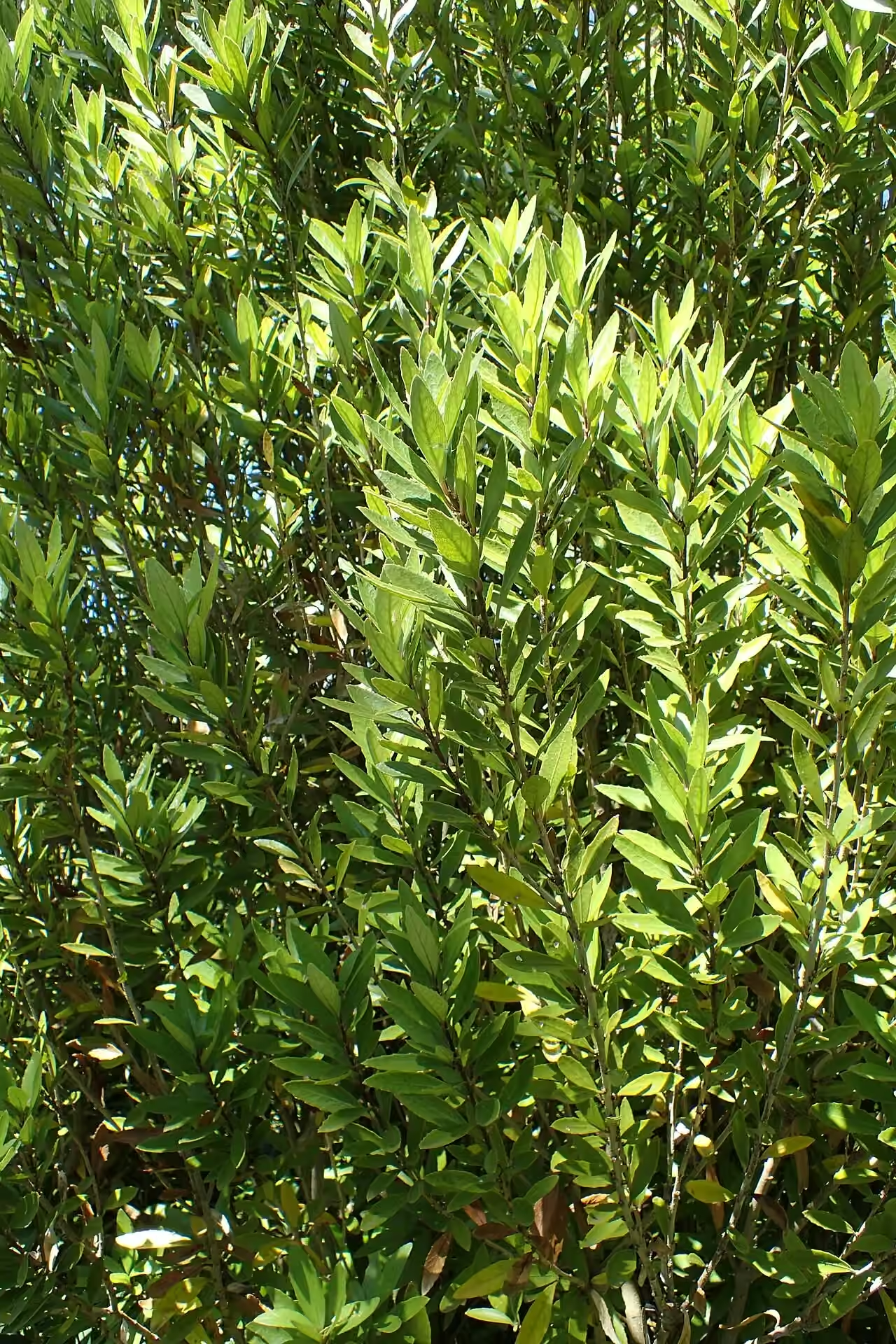
Chatham Island Māhoe
Melicytus chathamicus
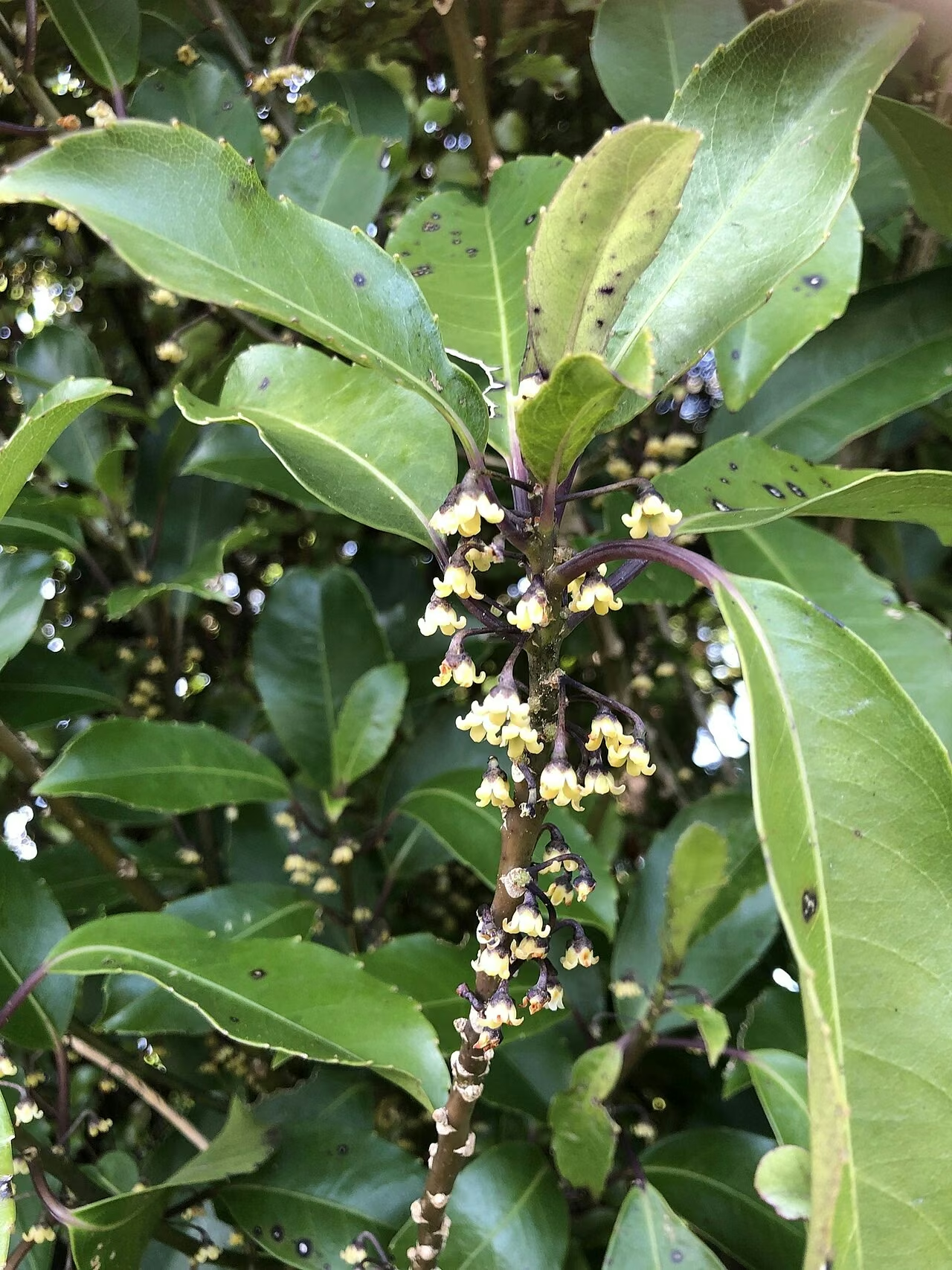
Large-Leaved Māhoe
Melicytus macrophyllus
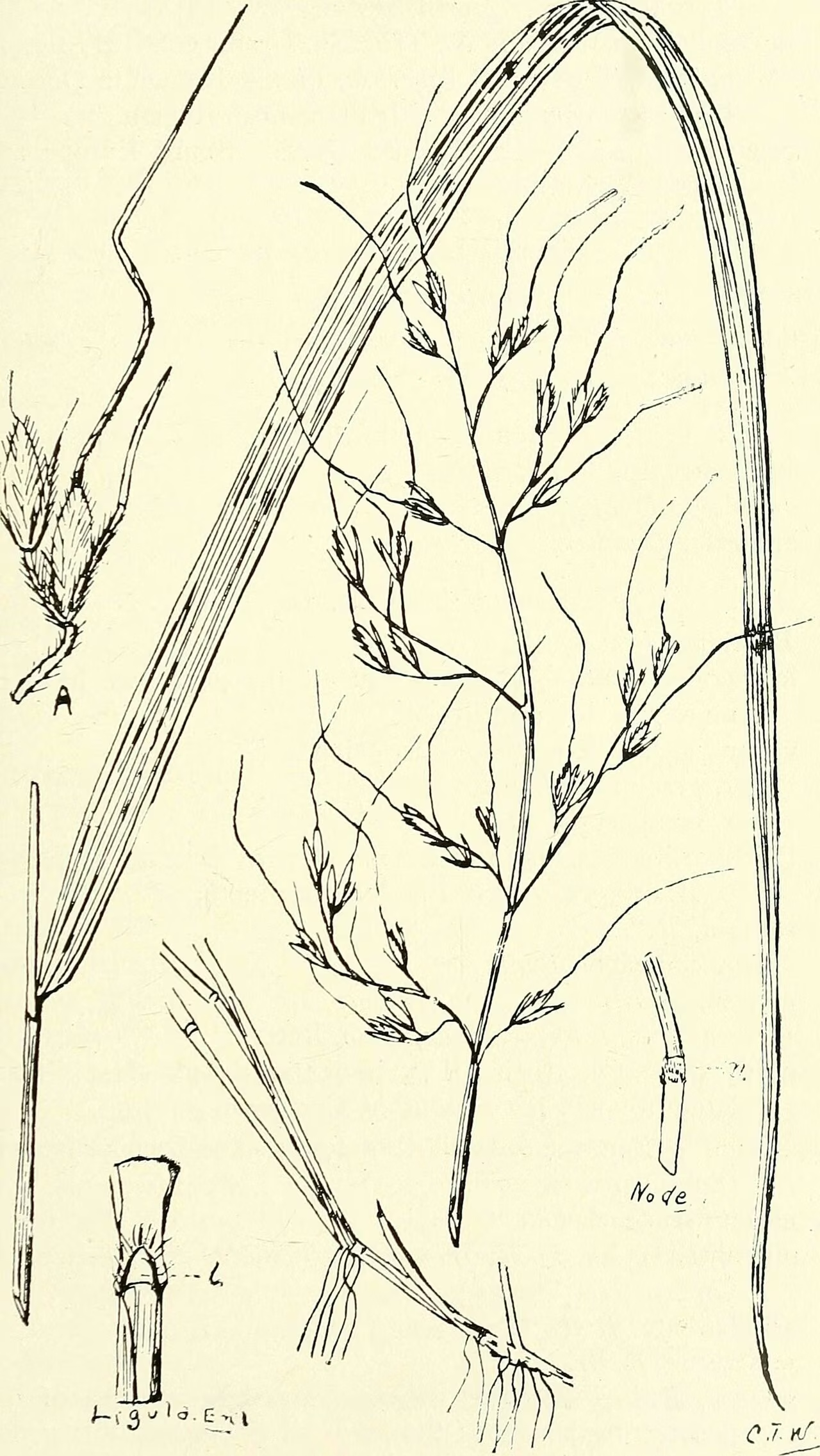
Bush Rice Grass
Microlaena avenacea
Plant Conservation
Mazus novaezeelandiae subsp. novaezeelandiae is ranked At Risk - Declining (2023) with the qualifiers DPS (data poor, size) and DPT (data poor, trend), and is listed as Regionally Declining in the Wellington region. Its main threats are habitat clearance and modification, weed and grass competition, afforestation of damp pasture and stock trampling.
The NZ Forest Owners Association advises surveying for populations before clearing or planting, marking and protecting known sites, controlling competing vegetation and maintaining light grazing where that keeps grasses in check. New records should be reported to DOC or the NZ Plant Conservation Network.
Frequently Asked Questions
What does dwarf musk look like?
It forms flat rosettes of spoon-shaped, dark green to yellow-green leaves, sometimes with brown-tinged margins, and produces one to five white flowers with a yellow throat on an erect stem in November.
Where does Mazus novaezeelandiae subsp. novaezeelandiae grow?
It occurs mainly in the lower North Island and Hawke's Bay, in lowland wet or swampy forest, forest margins and damp pasture. DOC also recorded it from Rakaunui Peninsula near Kawhia in the 1980s.
Is the Mazus sold in garden centres the native dwarf musk?
Often not. DOC notes that the Australian species Mazus pumilio, which has blue or lilac flowers and finely toothed leaves, is widely sold under the name Mazus novaezeelandiae.
Why is dwarf musk declining?
NZPCN describes it as very susceptible to disturbance, habitat clearance and modification, including stock trampling. Rank grasses and weeds also crowd out the low rosettes.
Sources and Further Reading
The botanical, growing, and conservation details for Dwarf Musk (Mazus novaezeelandiae subsp. novaezeelandiae) on this page draw on the New Zealand plant references below. Consult them for full technical records and the latest distribution data.