Swamp Mazus
Mazus pumilio
Last updated:
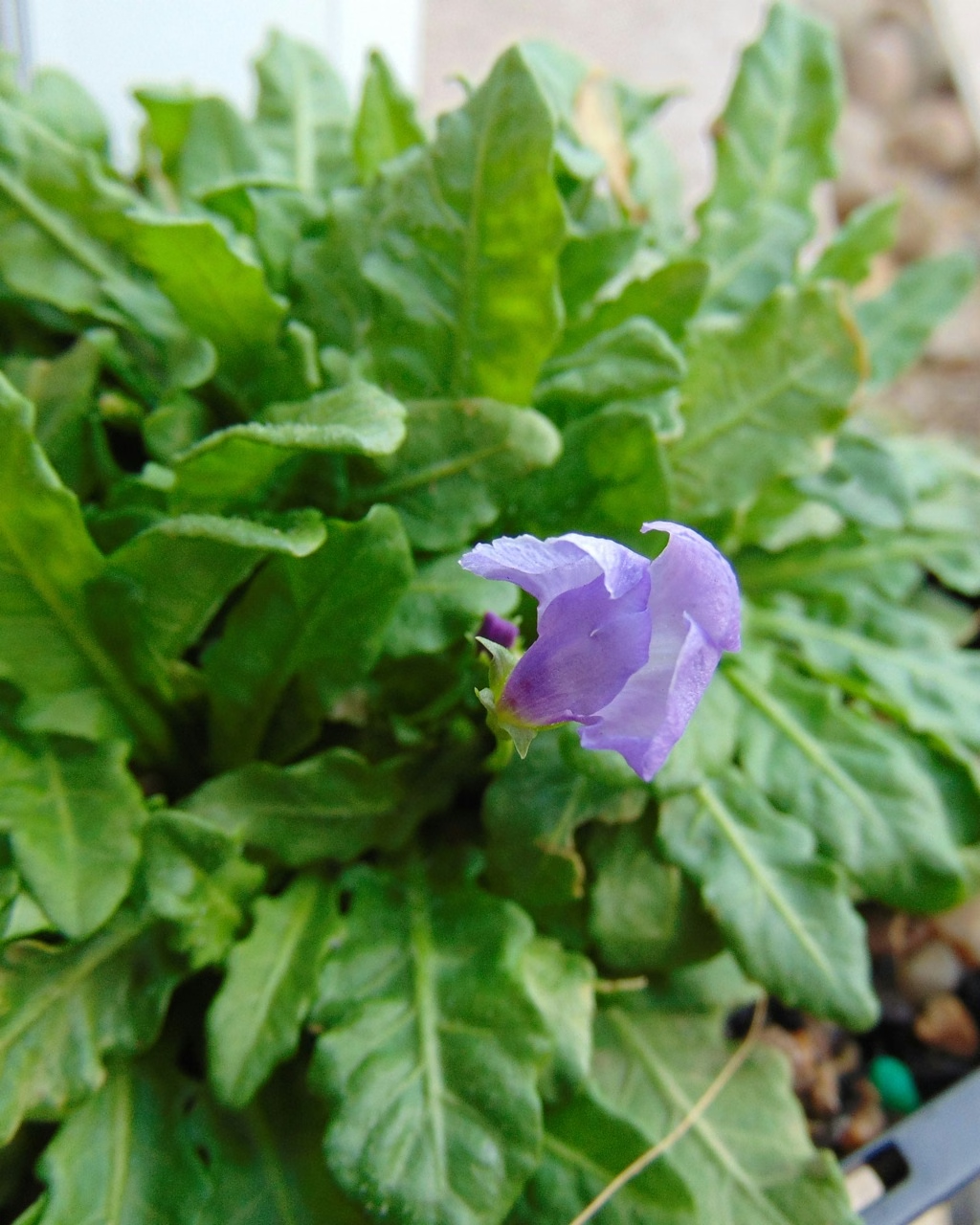
Swamp mazus (Mazus pumilio) is a prostrate, creeping perennial herb that forms rosettes of soft, toothed leaves joined by rhizomes, with lilac and white flowers marked with yellow. It is common in damp ground in eastern Australia and Tasmania, but in New Zealand it is known in the wild from only one shaded gully in eastern Northland, discovered in 1996. For that reason it is classed as a vagrant rather than a resident native. Ironically it is one of the most widely sold Mazus in New Zealand garden centres, where it is often labelled as the endemic Mazus novaezeelandiae. Explore more native ground covers in our native plant guide.
Plant Description
Mazus pumilio is a completely prostrate perennial herb that spreads by rhizomes, forming rosettes that link into wide patches. NZPCN describes leaves up to 60 mm long arranged in terminal rosettes, hairy on the margins and on the upper surface, with a brown band along the margin and the lower half of the blade distinctly serrate-dentate.
The two-lipped flowers are violet or lilac and white. The outer surface of the corolla is lilac and the inner surfaces pale lilac, with a raised palate carrying yellow blotches. The fruit is a small capsule, about 4 by 2.5 mm, enclosed within the calyx.
It is most likely to be confused with the endemic Mazus novaezeelandiae. Mazus pumilio differs in its sharply toothed rather than entire to wavy leaves, its lilac rather than white flowers, and leaves that are more evenly hairy across the upper surface.
Quick Facts
| Scientific Name | Mazus pumilio |
|---|---|
| Height | Prostrate; only the short flower stems rise above the leaves |
| Spread | Wide-spreading patches of rosettes joined by rhizomes |
| Water Needs | High; moist to wet soil |
| Light | Full sun to shade if soil stays damp |
| Frost Tolerance | Moderate; grows in Tasmania and southern Victoria |
| Salt Tolerance | No information available |
| Growth Rate | Fast in damp, open ground |
| Lifespan | Perennial |
Climate Best Suited to
Suits mild, humid climates with reliably damp ground, such as the near-coastal swamp margins of eastern Australia. It struggles in drought-prone sites.
Regional Suitability
| City | Climate Suitability |
|---|---|
| Auckland | High |
| Wellington | High |
| Christchurch | Medium |
| Dunedin | Medium |
Plant Habitat
In Australia swamp mazus is widespread in eastern states and Tasmania, mostly in near-coastal areas, in or around the margins of swamps or on poorly drained ground in heathland, heathy woodland and grassland.
In New Zealand it is known from only one wild site in eastern Northland, found in 1996. There it grew in a south-easterly facing, shaded gully on damp clay soils among hummocks under a small native forest remnant. NZPCN reports that the fate of that small population is not known.
Growing Requirements
Soil Requirements
It favours damp, poorly drained soils, including the wet clay recorded at its Northland site.
- Moist clay or loam that does not dry out
- Swamp margins and seepages
- Open soil with little competing growth
Light Requirements
It grows in both sun and shade, provided the ground stays moist.
- Shaded gullies and forest edges
- Full sun where soil is permanently damp
Water Requirements
This is a facultative wetland plant that needs consistent moisture; NZPCN notes it does not like drought.
- Water regularly through summer
- Suited to boggy ground and pond margins
Planting and Establishing
Plant in spring or autumn into damp soil where there are no vigorous grasses or groundcovers to compete with it. Small plants spaced 20 to 30 cm apart will join up into a mat within a season or two in good conditions.
Gardeners wanting the endemic New Zealand Mazus should be aware that many plants sold as Mazus novaezeelandiae are in fact this species, so check the flower colour and leaf margins before buying.
Ecological Role
The flowers have a lipped corolla with a yellow-blotched palate, a structure typical of flowers pollinated by bees. Specific pollinators in New Zealand are not documented in the sources consulted.
NZPCN notes that the species readily sets seed in cultivation, so its scarcity in the wild in New Zealand is puzzling and needs further investigation. Its wetland indicator rating is FACW, meaning it usually occurs in wetlands.
Uses & Significance
Garden Uses
A quick, low carpet for damp places in sun or shade, valued for its long flowering season.
- Groundcover between stepping stones in moist ground
- Edging for bog gardens and pond margins
- Hanging over the edge of damp rock walls or pots
Ecological Value
Its ecological role in New Zealand is minor because it is known from a single wild site.
- Provides nectar over a long flowering period
- Covers damp bare soil, reducing erosion
- Of interest as a natural trans-Tasman arrival
Landscaping Uses
Swamp mazus suits small-scale wet garden designs, such as a carpet along the edge of a pond or a damp courtyard where its flowers can be seen up close. Its prostrate habit makes it a good foil for taller sedges and rushes planted behind it.
Because it cannot cope with much competition, give it its own patch and avoid mixing it with aggressive spreaders.
Seasonal Care Calendar
Spring
Flowering begins from September and rosettes spread quickly.
- Plant or divide
- Weed around mats
Summer
Flowering continues and capsules form from December.
- Keep soil moist through dry spells
- Collect ripe seed
Autumn
Flowers taper off by about May and fruiting runs into June.
- Sow fresh seed
- Lift and pot rooted pieces
Winter
Growth slows and the rosettes sit low against the ground.
- Little care needed
- Avoid waterlogging in pots
When to Prune and How Much
No pruning is required. Trim back any rosettes spreading where they are not wanted, and pull out weeds by hand.
If a patch thins in the centre, lift and replant vigorous pieces from the edges.
How to Grow Swamp Mazus
NZPCN describes Mazus pumilio as easily grown from rooted pieces and fresh seed, and notes that it readily sets seed in cultivation. Because plants spread by rhizomes that root at the rosettes, dividing an established patch is the fastest way to multiply it. Anyone wanting plants that trace back to the wild Northland population should note that the fate of that population is not known and that most nursery stock in New Zealand is likely of Australian origin.
From Seed
Fruiting runs from December to June, with seed held in small capsules inside the calyx. Collect seed as capsules ripen and sow fresh.
Because seedlings are tiny and the species dislikes drying out, bottom-watering the tray is safer than watering from above, which can wash the fine seed into clumps.
- Harvest capsules as they dry and begin to open
- Sprinkle seed thinly over a moist, fine seed-raising mix
- Cover very lightly and keep the surface constantly damp
- Germinate in a warm, sheltered spot out of direct midday sun
- Pot up seedlings once they form small rosettes
By Division of Rooted Pieces
Rosettes linked by rhizomes root where they touch damp soil, so pieces can be separated at almost any time of the growing season.
Pieces taken in spring or early autumn establish fastest, while the soil is warm and moist.
- Cut a rooted rosette or small clump from the edge of a patch
- Pot into a moist potting mix or plant straight into damp ground
- Water well and keep shaded for a week while it settles
- Plant out once new leaves appear
Pests & Diseases
No specific pests are recorded in the sources consulted. In damp gardens, slugs and snails may chew the soft leaves and flowers.
The main cause of failure is drought or being overrun by grasses and vigorous neighbours.
Cultural Significance
No traditional Māori name or use is known for Mazus pumilio, which was only discovered growing wild in New Zealand in 1996.
The epithet pumilio means small or dwarf. Its New Zealand discovery was published by Heenan and Forester in 1997, and it has since become a common garden plant here, frequently sold under the name of the endemic Mazus novaezeelandiae.
Bonus Tip
If you want a true New Zealand endemic for a damp spot, check any 'Mazus' label carefully: lilac flowers and sharply toothed leaves mean you have Mazus pumilio, while the endemic dwarf musk has white flowers with a yellow throat.
Related Plants
Explore other native plants that share similar characteristics or habitats with Swamp Mazus (Mazus pumilio), offering further insights into New Zealand's diverse flora. These related species provide context and opportunities for complementary planting in your garden.
Macrothelypteris torresiana
Macrothelypteris torresiana
Alpine Rush
Marsippospermum gracile
Mazus arenarius
Mazus arenarius
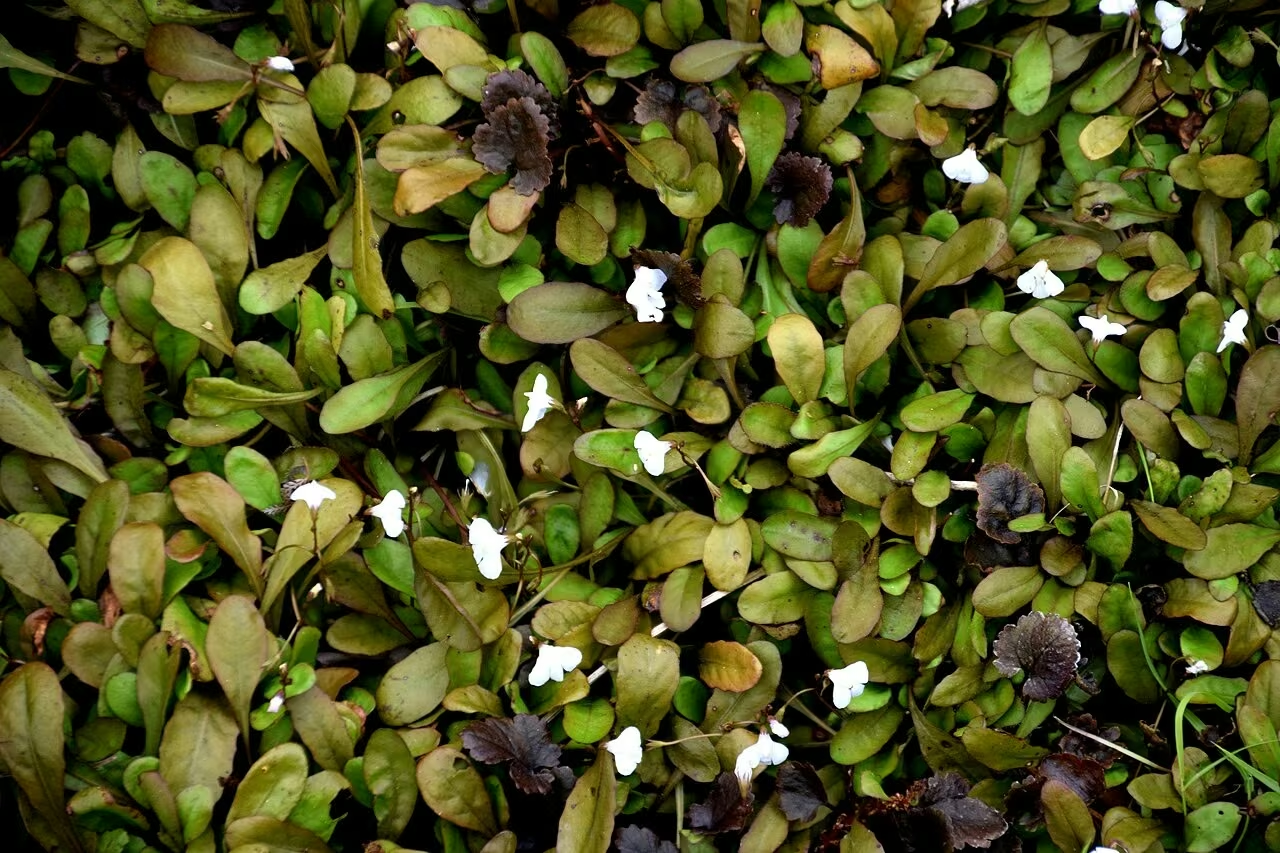
Dwarf Musk
Mazus novaezeelandiae subsp. novaezeelandiae
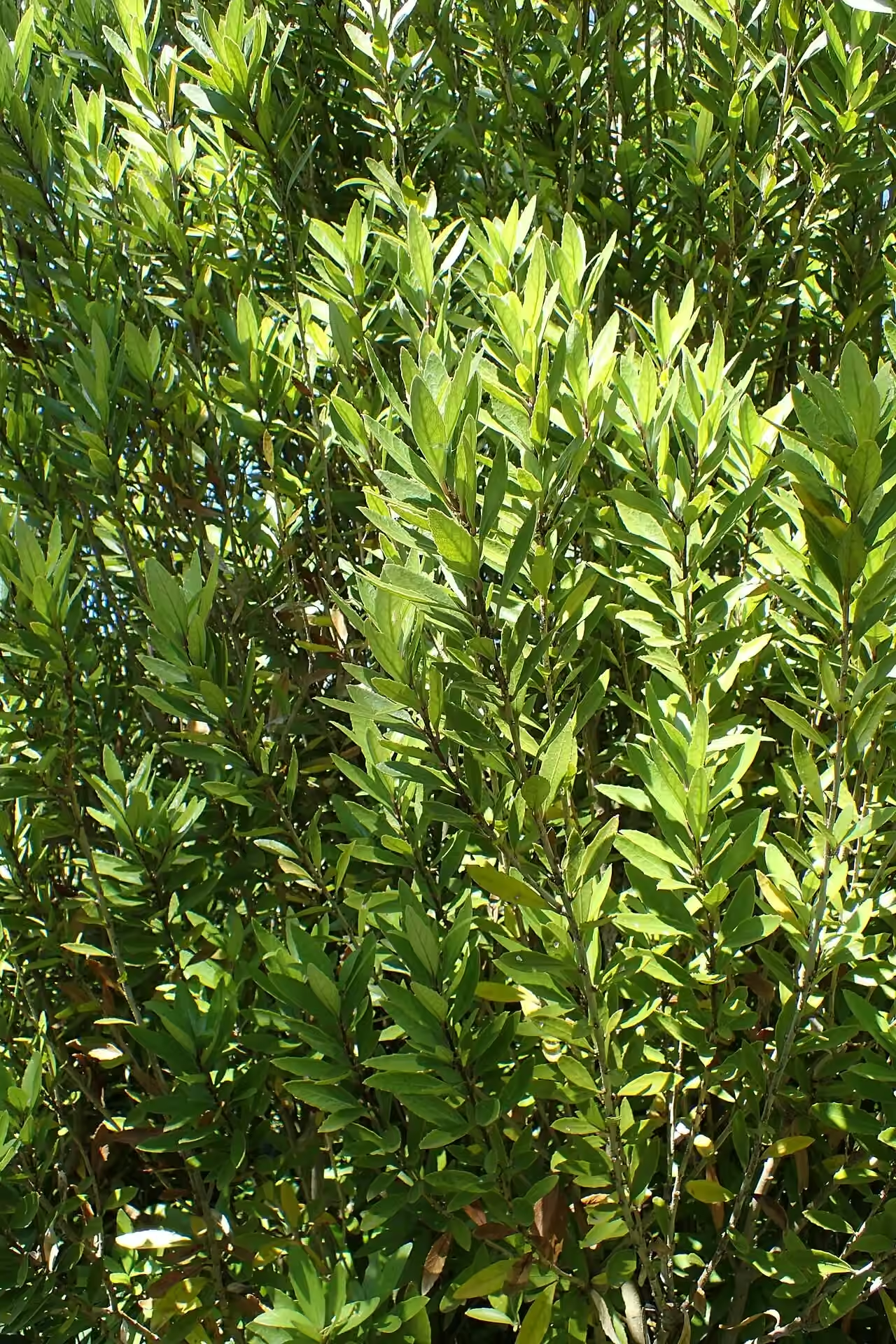
Chatham Island Māhoe
Melicytus chathamicus
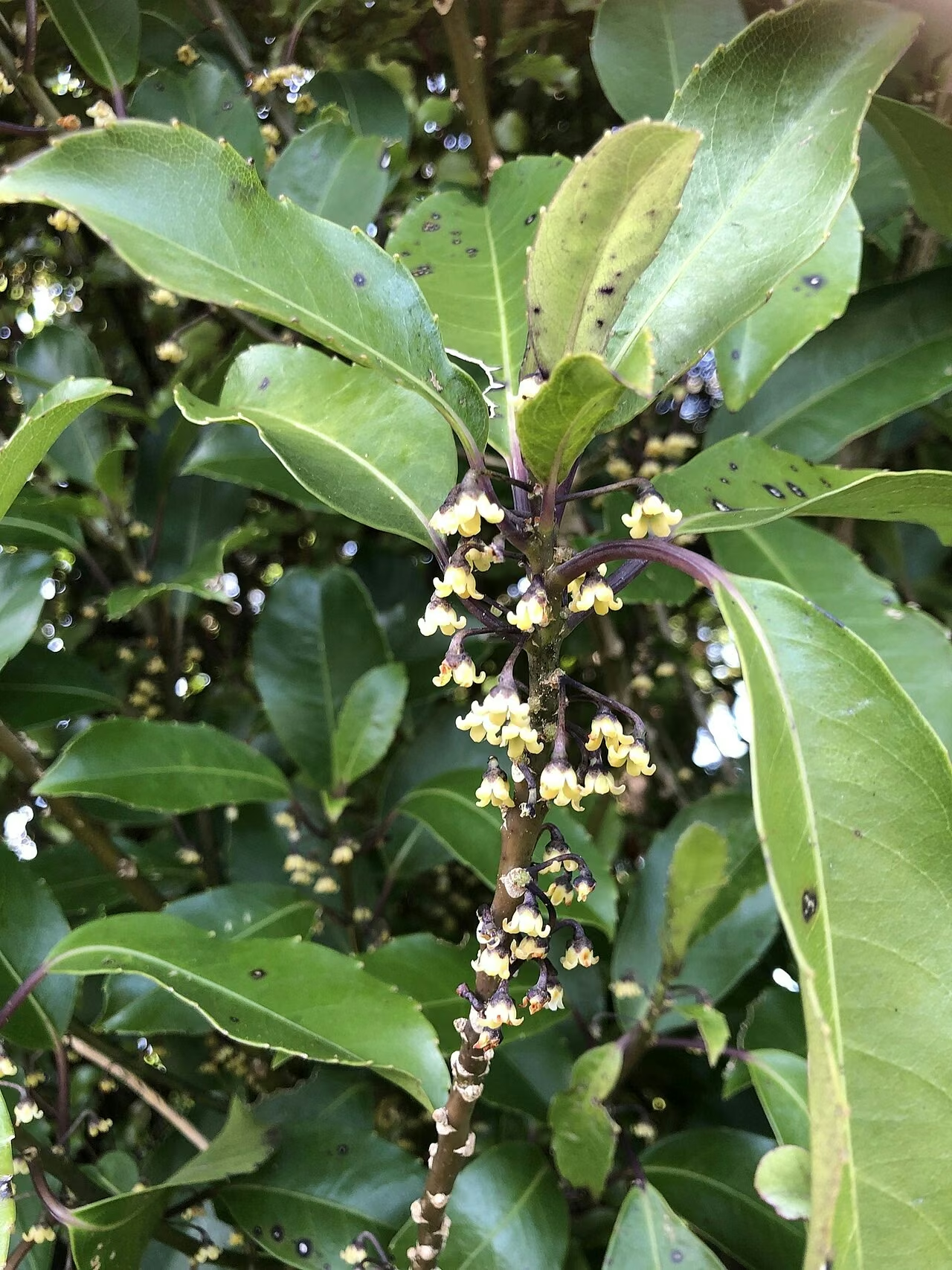
Large-Leaved Māhoe
Melicytus macrophyllus
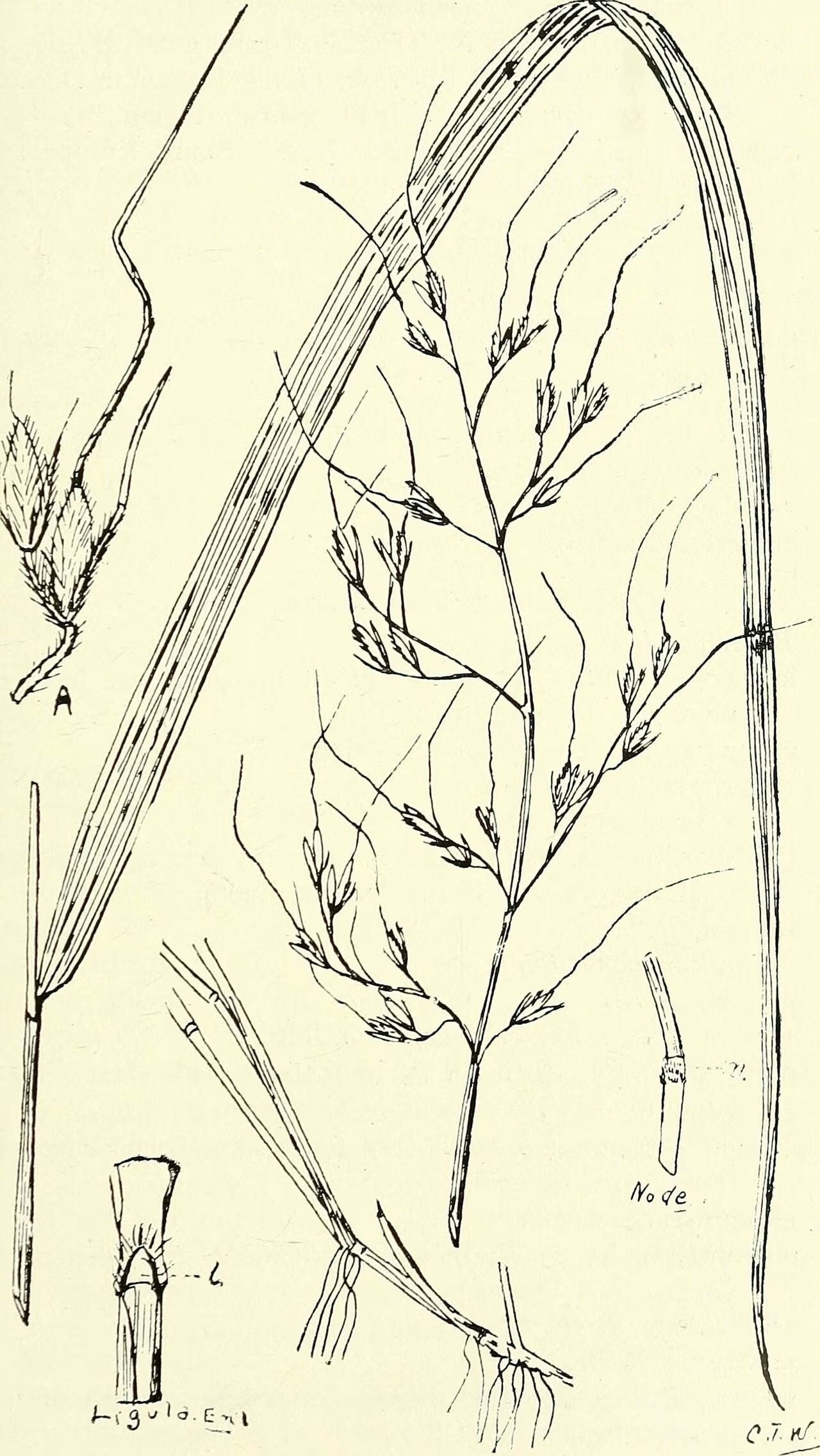
Bush Rice Grass
Microlaena avenacea
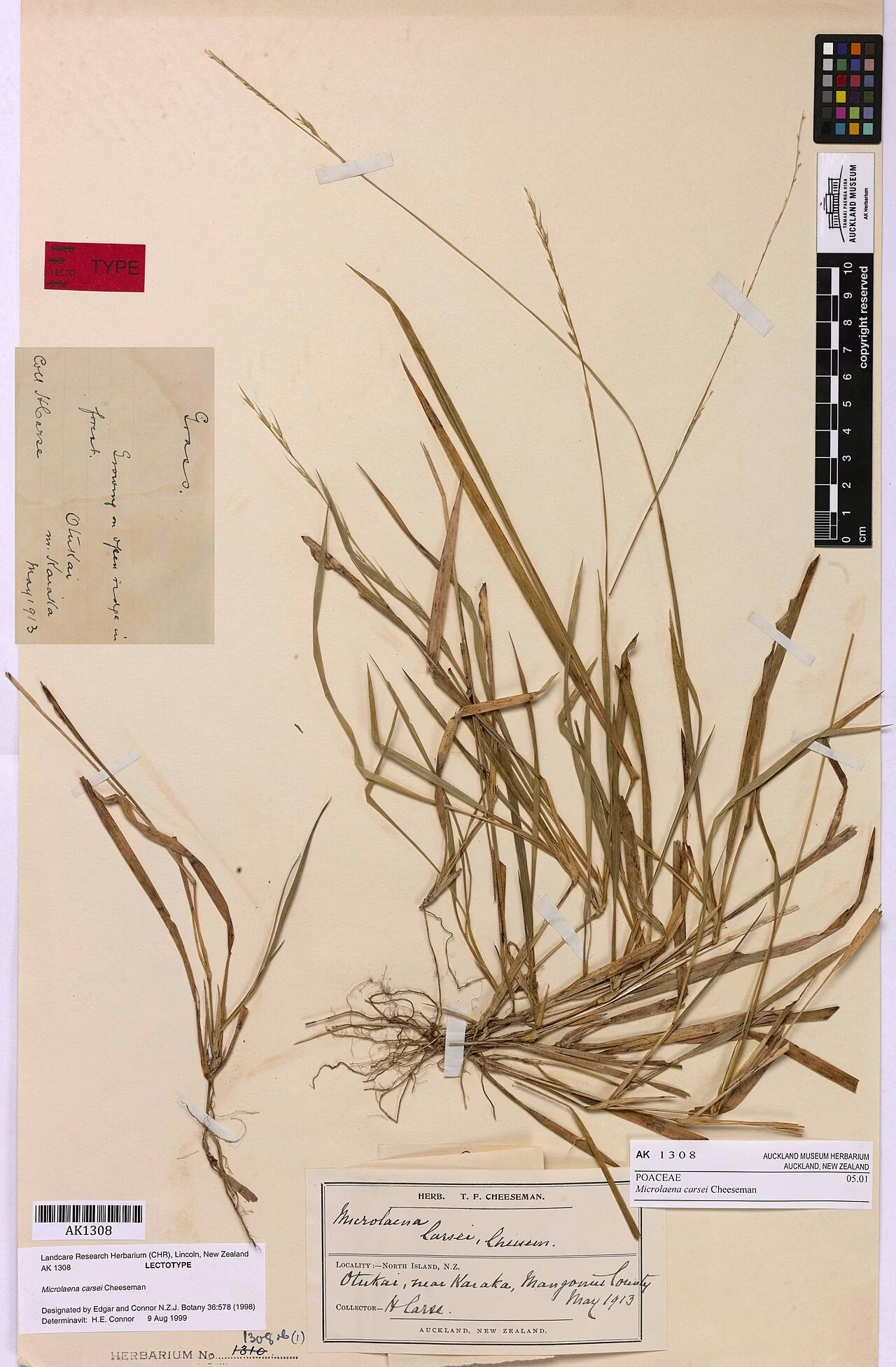
Microlaena carsei
Microlaena carsei
Plant Conservation
Mazus pumilio is ranked Non-resident Native - Vagrant (2023) with the qualifier SO (secure overseas), reflecting that it is common in Australia and known in New Zealand from a single site. NZPCN reports that plants were scarce when found and the fate of that small population remains not known.
It needs no active conservation in New Zealand, but surveys of the Northland site would clarify whether it persists there.
Frequently Asked Questions
Is Mazus pumilio native to New Zealand?
It is indigenous but not endemic. It is native to eastern Australia and Tasmania, and in New Zealand it is known wild only from one site in eastern Northland found in 1996, so it is ranked Non-resident Native - Vagrant.
How do I tell Mazus pumilio from the native dwarf musk?
Mazus pumilio has distinctly toothed leaf margins and lilac flowers, while Mazus novaezeelandiae has entire to wavy leaf margins and white flowers with a yellow throat.
Is swamp mazus a good groundcover?
NZPCN describes it as an attractive groundcover for a damp sunny or shaded spot, but notes it does not like drought and cannot tolerate much competition.
When does swamp mazus flower?
NZPCN gives a long flowering season from September to May, with fruit from December to June.
Sources and Further Reading
The botanical, growing, and conservation details for Swamp Mazus (Mazus pumilio) on this page draw on the New Zealand plant references below. Consult them for full technical records and the latest distribution data.