Alpine Rush
Marsippospermum gracile
Last updated:
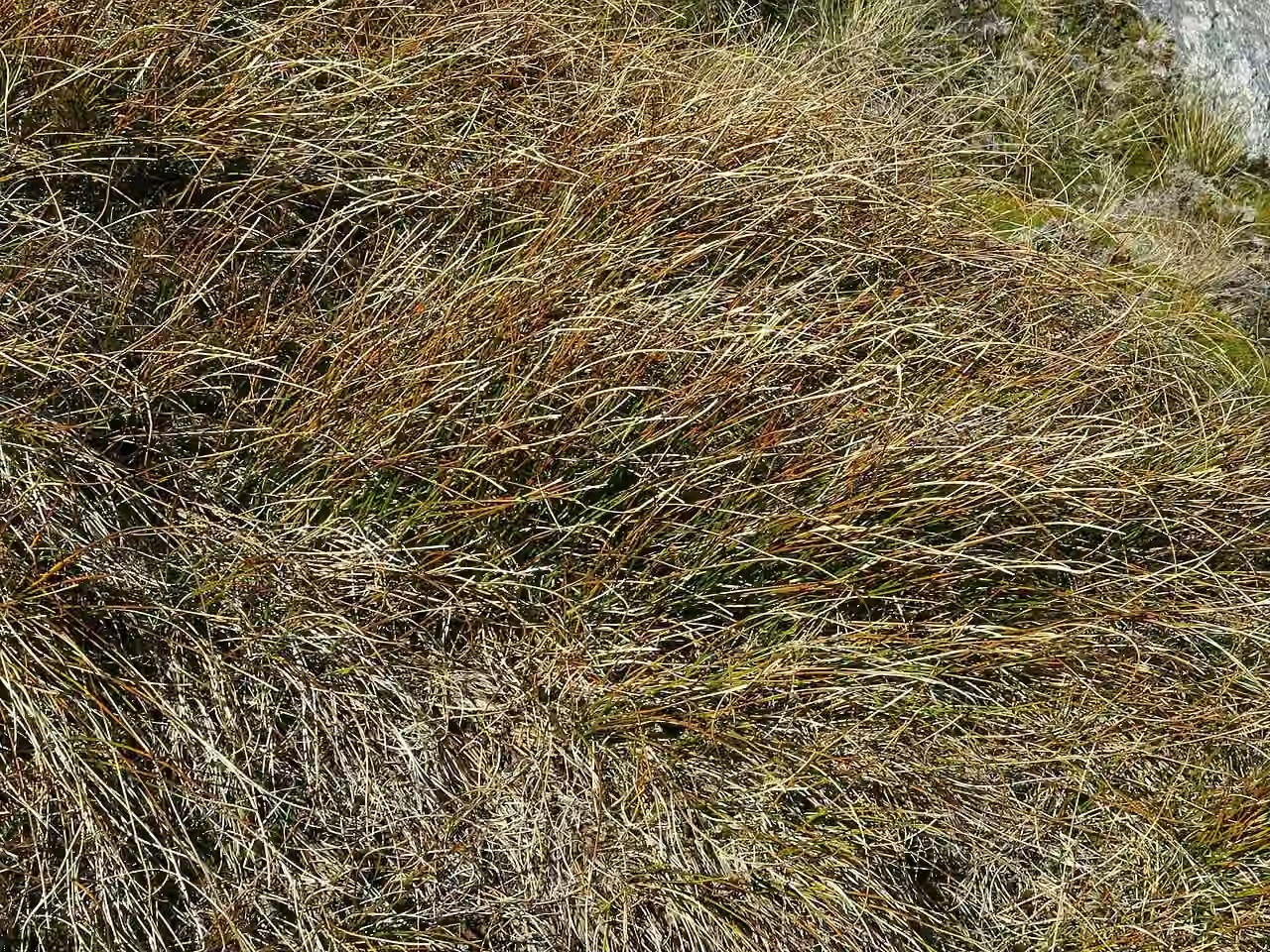
Alpine rush (Marsippospermum gracile) is a densely tufted, endemic New Zealand rush with rigid, bright green, needle-fine leaves and slender stems 8 to 40 cm tall, each bearing a single pale brown flower followed by a chestnut-brown capsule. It grows in alpine environments of the South Island and on the subantarctic Auckland and Campbell islands, often in moist herbfield. Plants from the subantarctic islands tend to have ascending rhizomes, while South Island plants spread by horizontal rhizomes. It is ranked Not Threatened but is rarely if ever cultivated, and some botanists now place it in Juncus as Juncus hookeridis. Explore more native grasses and flaxes in our native plant guide.
Plant Description
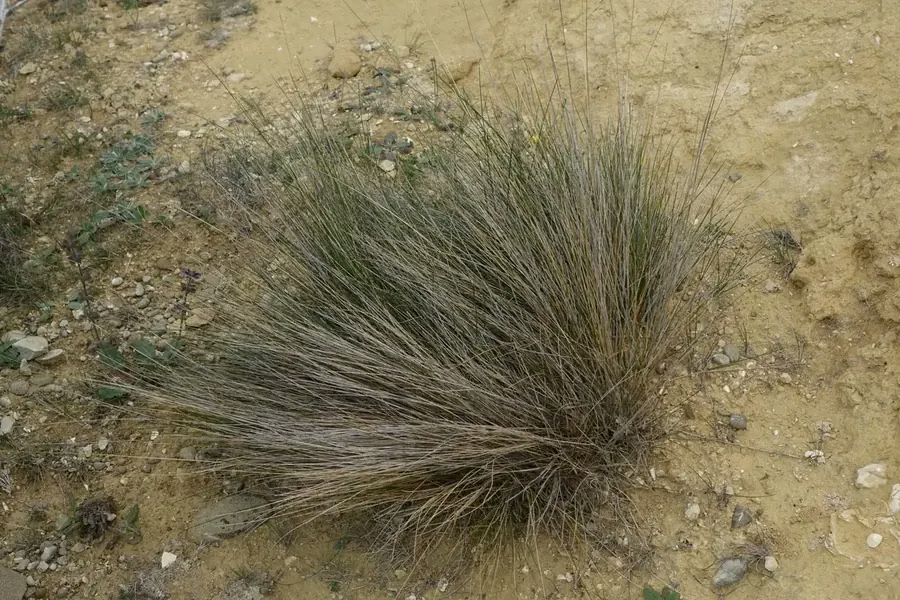
Alpine rush forms dense tufts from a rhizome about 5 mm in diameter, which is usually horizontal in South Island plants and ascending in plants from the Auckland and Campbell islands. The stems are 8 to 40 cm long and only about 0.5 mm wide, very closely crowded along the rhizome, with reddish-brown basal bracts, the upper ones ending in a conspicuous point.
The leaves are about as long as or much longer than the flowering stems, slightly less than 1 mm wide, round in cross-section, rigid, finely striated, bright green and shining. The flowers are pale brown with unequal tepals, about 1.5 to 3 cm long overall. The capsule is about half the length of the tepals, linear-oblong, leathery, chestnut-brown and pointed, splitting lengthwise towards the tip. The straw-coloured, shining seeds are about 2.5 mm long including distinctive unequal white tails.
The fine, rigid, bright green leaves, single large brown flowers and long-tailed seeds distinguish it from the many small Juncus rushes of alpine areas. The epithet gracile means slender, describing its thin stems and leaves.
Quick Facts
| Scientific Name | Marsippospermum gracile |
|---|---|
| Height | 8-40 cm |
| Spread | Dense tufts spreading slowly by rhizomes |
| Water Needs | Moist; often in damp alpine herbfield |
| Light | Full sun in open alpine sites |
| Frost Tolerance | High; an alpine and subantarctic species |
| Salt Tolerance | No information available |
| Growth Rate | Slow |
| Lifespan | Perennial |
Climate Best Suited to
Suits cold, wet, windy alpine and subantarctic climates with snow, frost and short summers. It is not suited to lowland gardens in warm or dry districts.
Regional Suitability
| City | Climate Suitability |
|---|---|
| Auckland | Low |
| Wellington | Low |
| Christchurch | Low |
| Dunedin | Low |
Plant Habitat
Alpine rush is endemic to New Zealand. Wikipedia and the Flora of New Zealand record it from the South Island and the subantarctic Auckland and Campbell islands. Herbarium specimens include collections from the Mt Olympus skifield area in the Craigieburn Range. NZPCN lists a regional assessment for Otago, where it is regionally Not Threatened. More precise altitude limits were not found in the sources consulted.
It grows in alpine environments, including moist alpine herbfield. NZPCN classes it as a facultative wetland plant, meaning it commonly occurs either in wetlands or on non-wetland ground.
Growing Requirements
Soil Requirements
In the wild it grows in cold, moist alpine soils within herbfield. Detailed soil preferences are not documented in the sources consulted.
- Moist, cool alpine soils
- Occurs in both wetland and non-wetland sites
Light Requirements
As a plant of open alpine herbfield it grows in full light, above the treeline.
- Full sun
- Open, unshaded alpine ground
Water Requirements
It favours moist sites in high-rainfall alpine and subantarctic environments.
- Constant moisture
- Cool roots throughout the year
Planting and Establishing
Alpine rush is not commercially available and is not known to be grown in gardens. It is best appreciated in the wild.
Anyone attempting it would need a cold, moist, well-lit alpine house or rock garden in a cool southern climate, and should only use legally obtained material, not plants taken from the wild.
Ecological Role
Alpine rush is part of the tussock and herbfield vegetation of South Island mountains and the subantarctic Auckland and Campbell islands. Like other rushes it is wind-pollinated, flowering from December to February.
Its capsules ripen from January to March and split lengthwise to release seeds with long white tails, which may aid dispersal by wind or water. No specific animal relationships are recorded in the sources consulted.
Uses & Significance
Garden Uses
It has no established garden use and is not sold by nurseries.
- Not commercially available
- Of interest mainly to alpine plant enthusiasts
Ecological Value
An endemic member of New Zealand's alpine and subantarctic flora, contributing to herbfield and wetland ground cover.
- Endemic species
- Part of subantarctic island vegetation
- Contributes to alpine wetland and herbfield communities
Landscaping Uses
Alpine rush has no role in conventional landscaping. In alpine areas, keeping walkers and vehicles to formed tracks protects the herbfield turf where it grows.
Its fine, bright green tufts and glossy brown capsules are a subtle feature for those looking closely at alpine wetland vegetation.
Seasonal Care Calendar
Spring
Growth resumes as snow cover retreats from the alpine herbfield.
- Avoid trampling wet herbfield
- No intervention needed
Summer
Flowering runs from December to February, with single pale brown flowers on the slender stems.
- Best time to see it in flower
- Look in moist alpine herbfield
Autumn
Capsules ripen from January to March, turning chestnut-brown and splitting to release seed.
- Leave wild seed undisturbed
- Glossy capsules aid identification
Winter
Plants are dormant under snow or frost through the long alpine winter.
- No action required
- Snow cover protects the tufts
When to Prune and How Much
Alpine rush needs no pruning. In the wild, old stems and leaves simply wither in place.
If ever grown in an alpine house, dead stems can be removed gently by hand to reduce the risk of rot in humid conditions.
How to Grow Alpine Rush
Alpine rush is not commercially available and no published propagation method for it was found in the sources consulted. The notes below describe the general approach used for tufted, rhizomatous alpine rushes, and are a starting point rather than a proven method for this species. Only material from legally held plants, or seed collected with landowner and DOC permission where required, should be used. Plants from the alpine zone generally need cool temperatures, high light and constant moisture, and often fail in warm lowland conditions.
From Seed
Capsules ripen from January to March. The seeds are about 2.5 mm long with white tails and should be collected as the capsules begin to split.
- Collect ripe capsules in late summer
- Sow seed on the surface of a gritty, moist seed mix
- Leave the tray outdoors over winter so the seed experiences natural cold
- Keep the mix constantly moist and in good light
- Prick out seedlings when large enough and grow on in a cool position
By Division
The plant forms dense tufts on a rhizome, so established cultivated clumps could in principle be split into rooted sections.
South Island plants with horizontal rhizomes are likely to be easier to divide than the subantarctic forms with ascending rhizomes, though this has not been tested.
- Lift a cultivated clump in early spring
- Separate sections each with several stems and healthy roots
- Pot into a gritty, moisture-retentive mix
- Keep cool, moist and lightly shaded until new growth begins
Pests & Diseases
No pests or diseases are recorded for alpine rush, and NZPCN does not list specific threats.
In general, alpine herbfield and wetland plants can be affected locally by trampling, ski-field development and the spread of weeds into alpine areas.
Cultural Significance
No Māori name or traditional use for alpine rush was found in the sources consulted.
The species was first described by Joseph Hooker in 1844 as Rostkovia gracilis from subantarctic material, moved to Juncus by Steudel in 1855 and to Marsippospermum by Buchenau in 1879. The genus name refers to the bag-like seed coat.
Bonus Tip
To tell alpine rush from other small alpine rushes, look for the combination of very fine, bright green, rigid leaves that are often longer than the flowering stems, and a single relatively large brown flower or glossy chestnut capsule at the top of each stem.
Related Plants
Explore other native plants that share similar characteristics or habitats with Alpine Rush (Marsippospermum gracile), offering further insights into New Zealand's diverse flora. These related species provide context and opportunities for complementary planting in your garden.
Waewaekoukou
Pseudodiphasium volubile
Pēpepe
Machaerina sinclairii
Macrothelypteris torresiana
Macrothelypteris torresiana
Mazus arenarius
Mazus arenarius
Dwarf Musk
Mazus novaezeelandiae subsp. novaezeelandiae
Mazus pumilio
Mazus pumilio
Chatham Island Māhoe
Melicytus chathamicus
Petriei Grass
Achnatherum Petriei Grass
Plant Conservation
Alpine rush has been ranked Not Threatened in every national assessment since 2004, most recently in 2023, and is regionally Not Threatened in Otago.
Its alpine and subantarctic habitats are largely within protected areas. Staying on tracks in alpine wetlands and herbfields and preventing weed spread are the main ways to protect it.
Frequently Asked Questions
Where does alpine rush grow?
Alpine rush is endemic to New Zealand. Published accounts record it in alpine environments of the South Island and on the Auckland and Campbell islands, with herbarium collections from places such as moist alpine herbfield in the Craigieburn Range.
Is Marsippospermum gracile the same as Juncus hookeridis?
Yes. NZPCN and the Flora of New Zealand still accept Marsippospermum gracile, but Wikipedia reports that some recent treatments merge Marsippospermum into Juncus, under the name Juncus hookeridis.
When does alpine rush flower?
The Flora of New Zealand gives flowering from December to February and fruiting from January to March, during the short alpine summer.
Sources and Further Reading
The botanical, growing, and conservation details for Alpine Rush (Marsippospermum gracile) on this page draw on the New Zealand plant references below. Consult them for full technical records and the latest distribution data.