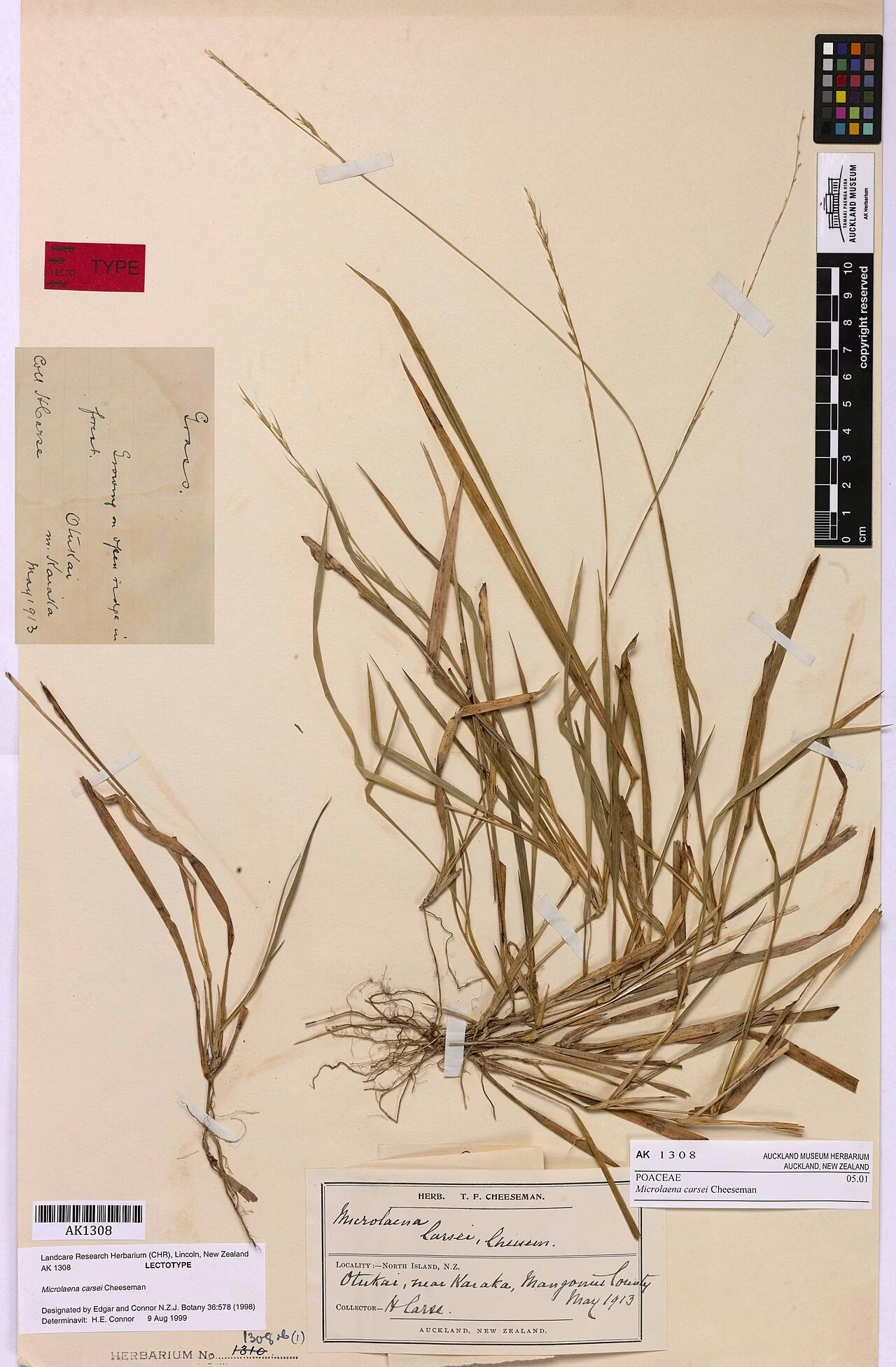
Rice Grass
Microlaena carsei
Last updated:
Microlaena carsei is a rare, slender rice grass endemic to the far north of New Zealand. It forms small tufts of narrow, prickly-edged leaves from a shortly creeping rhizome and produces culms up to 60 cm tall with long, slender, sparingly branched panicles. It is known from Te Paki south to Kerikeri and Waipoua, and from Great Barrier Island (Aotea), where it grows in damp, shaded hollows among tree roots and on the margins of fast-flowing streams in kauri forest. Very easily overlooked, it is ranked Threatened - Nationally Endangered, with flooding and invasive weeds among the known threats. Explore more native grasses and flaxes in our native plant guide.
Plant Description
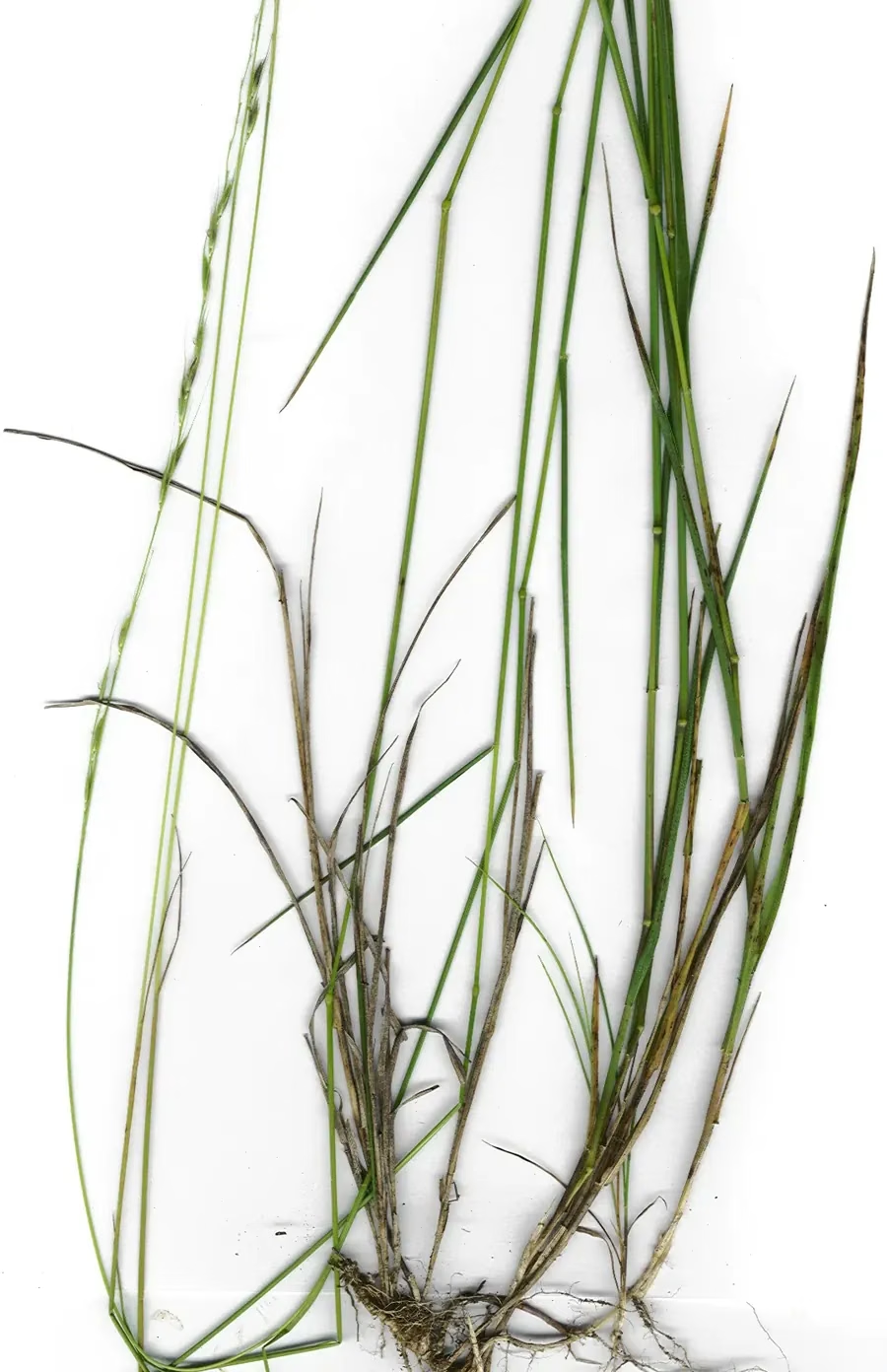
Microlaena carsei is a shortly creeping, rhizomatous, tufted perennial grass. The Flora of New Zealand describes fine, elongated stem internodes with tufts of narrow leaves from which a long, slender, sparingly branched inflorescence emerges. Leaf blades are 8 to 25 cm long and 4 to 8 mm wide, glaucous green to green, with sharp, coarsely prickled margins.
The culms reach up to 60 cm, and the panicles are 20 to 35 cm long with numerous spikelets 15 to 23 mm long. Flowering occurs from September to February and fruiting from October to May.
Its nearest relative is the widespread bush rice grass, Microlaena avenacea, which forms bigger clumps with broader leaves and larger, more open panicles. Microlaena carsei is much less conspicuous, and NZPCN warns that it is very easily overlooked among other forest-floor plants.
Quick Facts
| Scientific Name | Microlaena carsei |
|---|---|
| Height | Up to 0.6 m in flower |
| Spread | Small spreading tufts, slowly extending by rhizome |
| Water Needs | Consistently moist |
| Light | Shade |
| Frost Tolerance | Low; a frost-free northern species |
| Salt Tolerance | No information available |
| Growth Rate | Moderate |
| Lifespan | Perennial |
Climate Best Suited to
Suits the warm, humid, frost-free climate of Northland and the Hauraki Gulf islands, within the shade and moisture of kauri forest.
Regional Suitability
| City | Climate Suitability |
|---|---|
| Auckland | Medium |
| Wellington | Low |
| Christchurch | Low |
| Dunedin | Low |
Plant Habitat
Microlaena carsei is endemic to the North Island. It occurs from Te Paki in the far north south to Kerikeri and Waipoua, and then disjunctly on Great Barrier Island (Aotea).
It grows in kauri-dominated forest, in damp, shaded hollows among tree roots and in shaded sites on the margins of fast-flowing streams.
Growing Requirements
Soil Requirements
In the wild it roots into damp forest soil and litter in hollows among tree roots and along stream margins.
- Moist, organic forest soil
- Good drainage despite constant moisture
- Not suited to heavy silt deposits, which smother plants
Light Requirements
It is a plant of shaded forest floor and stream margins.
- Shade to deep shade
- Keep out of direct afternoon sun
Water Requirements
Its habitat is consistently damp and humid, close to running water.
- Never allow the root zone to dry out
- High humidity is beneficial
Planting and Establishing
This is a Nationally Endangered species and should not be collected from the wild. Planting is appropriate only as part of conservation projects using authorised, eco-sourced material from the appropriate population.
Suitable sites are shaded, damp places within northern kauri forest, away from flood-prone stream banks where silt can bury plants and free of smothering weeds.
Ecological Role
Like other grasses it is wind pollinated. Its shortly creeping rhizomes allow it to form small spreading tufts in damp microsites among tree roots.
It is part of the ground flora of northern kauri forest. Specific animals that use it are not documented in the sources consulted.
Uses & Significance
Garden Uses
It is essentially a conservation plant rather than a garden grass.
- Conservation collections and botanic gardens
- Restoration plantings within its natural range using authorised stock
- Shaded damp sites in northern native gardens if sourced legitimately
Ecological Value
As a rare endemic it contributes to the distinctive biodiversity of northern kauri forest.
- Nationally Endangered endemic grass
- Part of the kauri forest ground layer
- Disjunct Aotea population adds to its conservation importance
Landscaping Uses
Microlaena carsei is not used in general landscaping. In a conservation or botanic garden setting it would be placed in a shaded, damp bed among tree roots, mimicking its natural hollows.
Gardeners wanting a similar effect should use the common Microlaena avenacea instead.
Seasonal Care Calendar
Spring
Flowering begins in September.
- Keep weeds away from plants
- Maintain moisture
Summer
Flowering continues to February, with seed developing from October onwards.
- Water in dry spells in cultivation
- Monitor for weeds such as wandering willie
Autumn
Fruiting continues until May.
- Collect seed only under authorisation
- Good time to divide cultivated plants
Winter
Plants remain evergreen with slower growth.
- Check for flood damage at streamside sites
When to Prune and How Much
No pruning is needed. Remove spent flowering stems and dead leaves gently by hand on cultivated plants.
Do not cut back wild plants.
How to Grow Rice Grass
NZPCN reports that Microlaena carsei is easily grown from rooted pieces, from divisions of whole plants and from fresh seed. Because this is a Nationally Endangered species, propagation should only be done by conservation programmes, botanic gardens or growers working with existing cultivated stock or authorised collections. Material from different populations, such as Northland and Great Barrier Island, should be kept separate and labelled so that eco-sourcing is maintained when plants are returned to the wild. Its shortly creeping rhizome makes vegetative propagation straightforward, giving established plants more quickly than seed.
By Division
Divide cultivated plants or take rooted pieces of rhizome in autumn or early spring, when conditions are mild and moist.
Pieces taken from the edge of a clump, where young rhizome growth is most active, usually establish fastest. Avoid splitting plants into very small fragments, since larger divisions recover more reliably.
- Lift or tip out a cultivated plant
- Separate rooted pieces of rhizome, each with a tuft of leaves
- Pot into a free-draining mix with organic matter
- Keep shaded and moist until new growth appears
From Seed
Fruiting occurs from October to May. NZPCN notes fresh seed grows easily, so sow it soon after collection rather than storing it.
- Collect ripe seed from cultivated plants
- Sow fresh onto a moist seed-raising mix and cover lightly
- Keep in shade with constant moisture
- Pot on seedlings once they have several leaves
- Record the source population on every label
Pests & Diseases
NZPCN records that one population near Kerikeri is threatened by frequent flooding that deposits silt on plants, and by invasive weeds, especially wandering willie (Tradescantia fluminensis) and Selaginella kraussiana, which smother the forest floor.
No specific insect pests or diseases are recorded for this species.
Cultural Significance
No Māori name or traditional Māori use is recorded for Microlaena carsei in the sources consulted.
It was described by Thomas Cheeseman, and Victor Zotov later treated it as a variety of Microlaena avenacea before it was again recognised as a distinct species. The person honoured by the epithet carsei is not stated in the sources consulted. The genus name Microlaena means small cover, referring to the small outer scales of the spikelet.
Bonus Tip
If you work on weed control in northern kauri forest, check damp hollows among tree roots and stream margins for a slender grass with narrow prickly leaves before spraying or pulling Tradescantia. This easily overlooked grass can be growing right beneath the weed mat.
Related Plants
Explore other native plants that share similar characteristics or habitats with Rice Grass (Microlaena carsei), offering further insights into New Zealand's diverse flora. These related species provide context and opportunities for complementary planting in your garden.
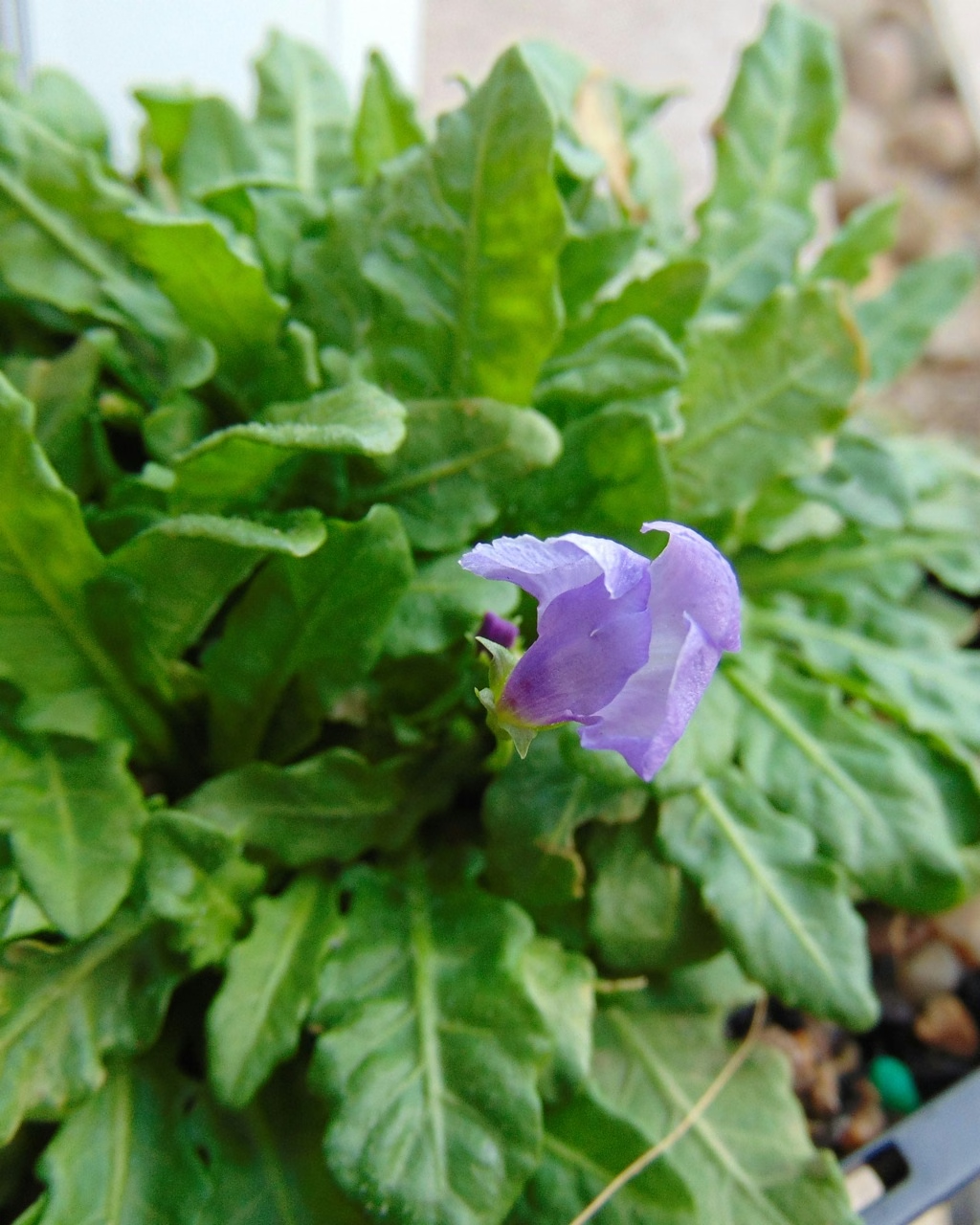
Mazus pumilio
Mazus pumilio
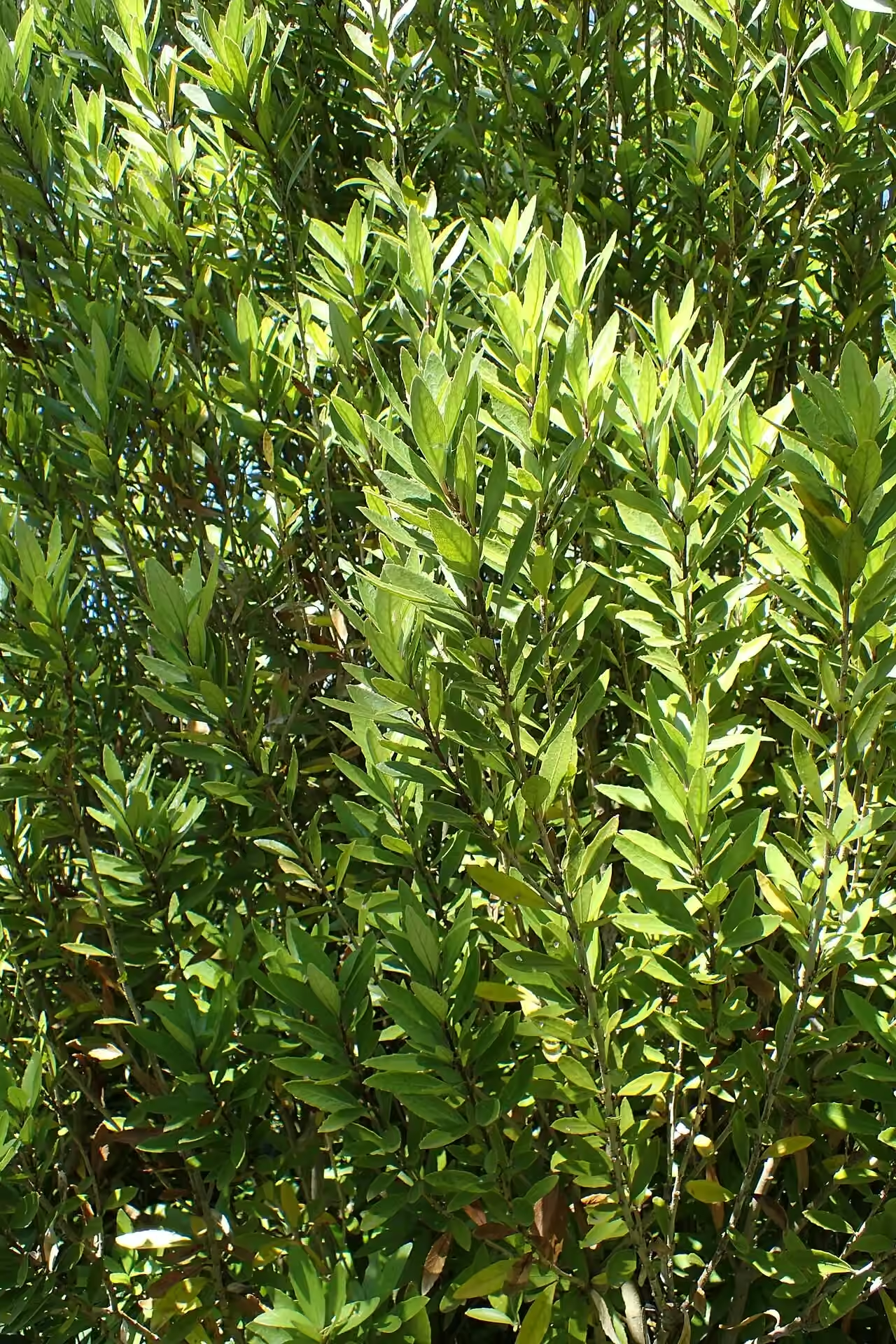
Chatham Island Māhoe
Melicytus chathamicus
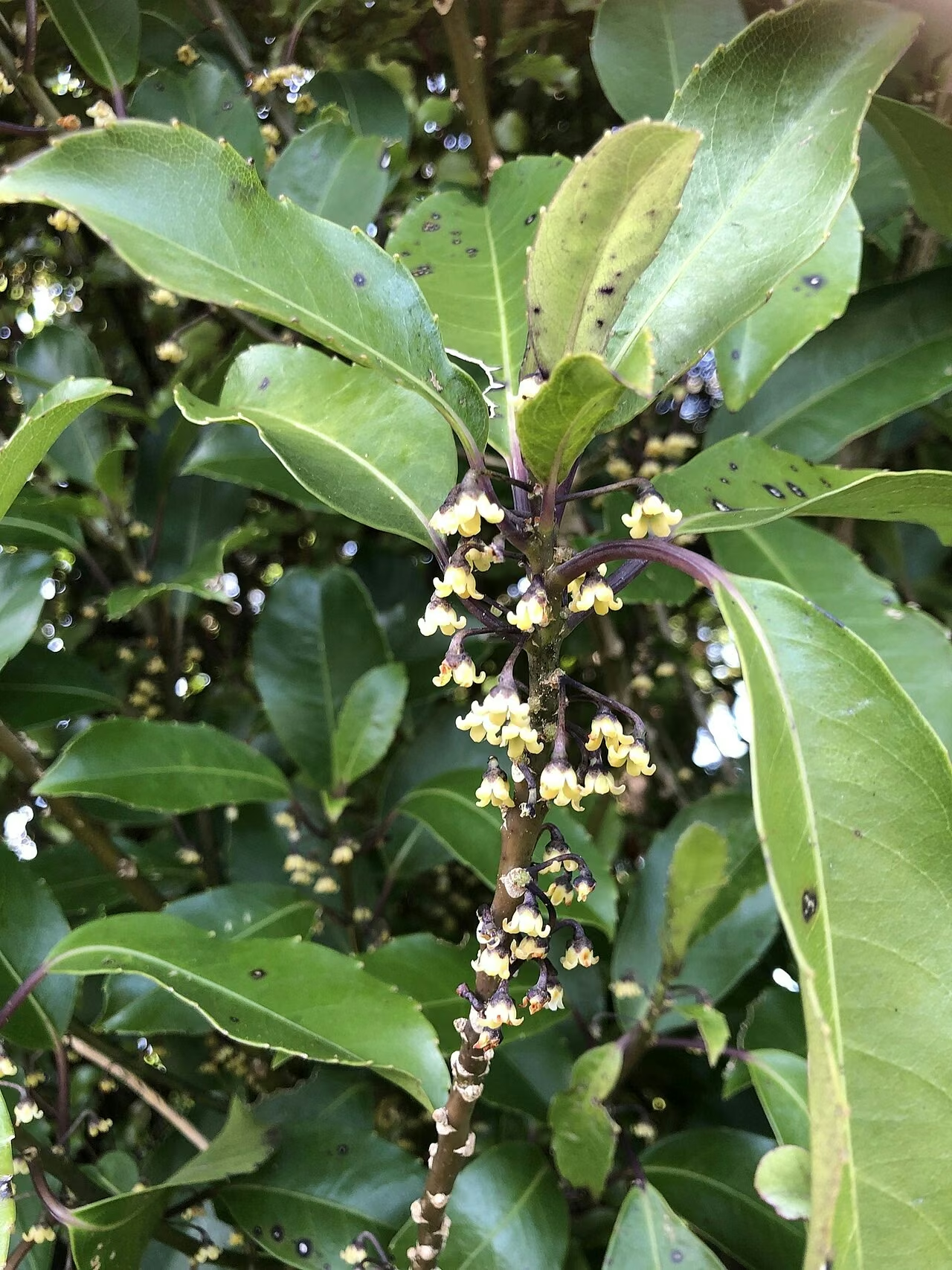
Large-Leaved Māhoe
Melicytus macrophyllus
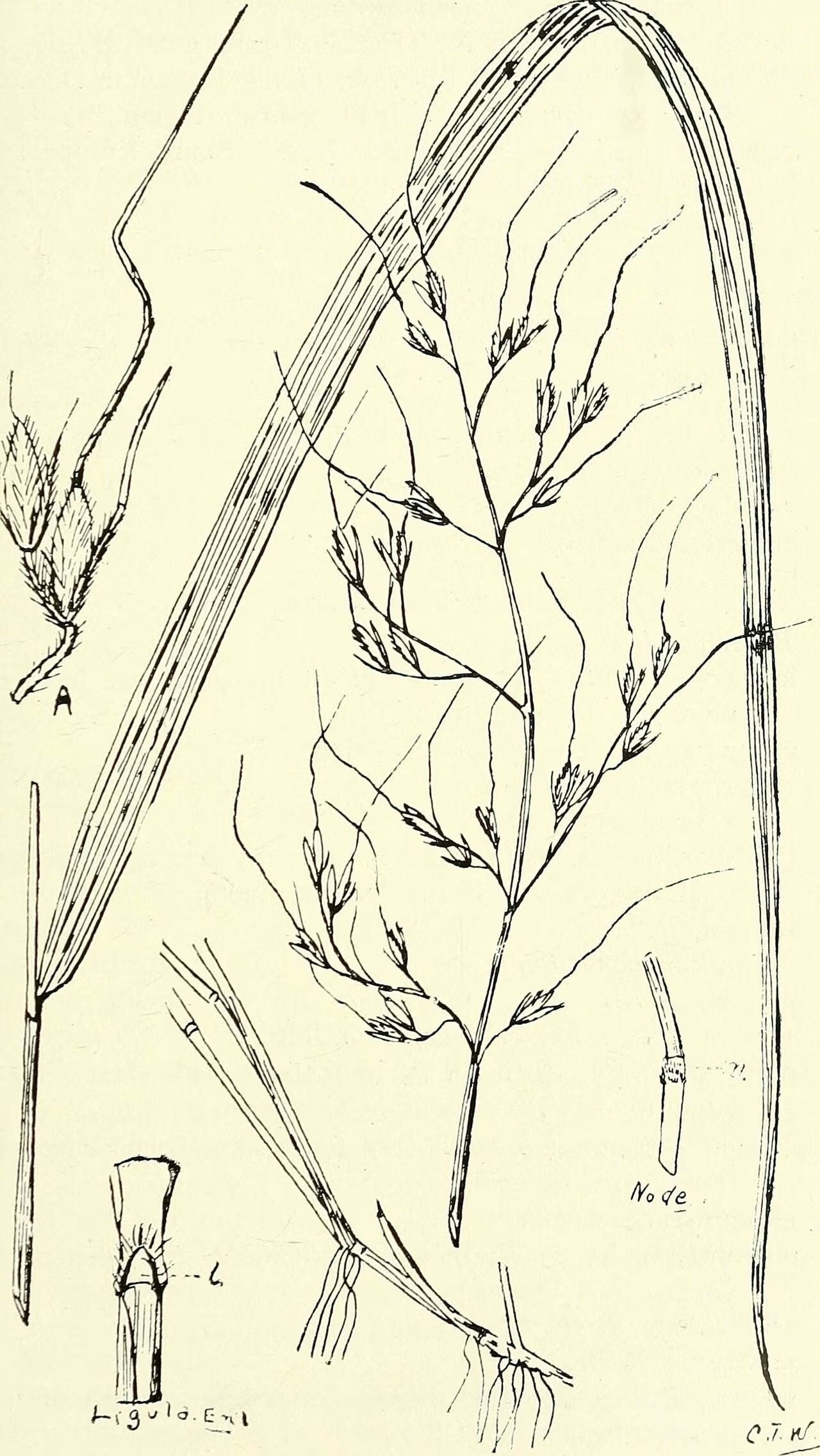
Bush Rice Grass
Microlaena avenacea
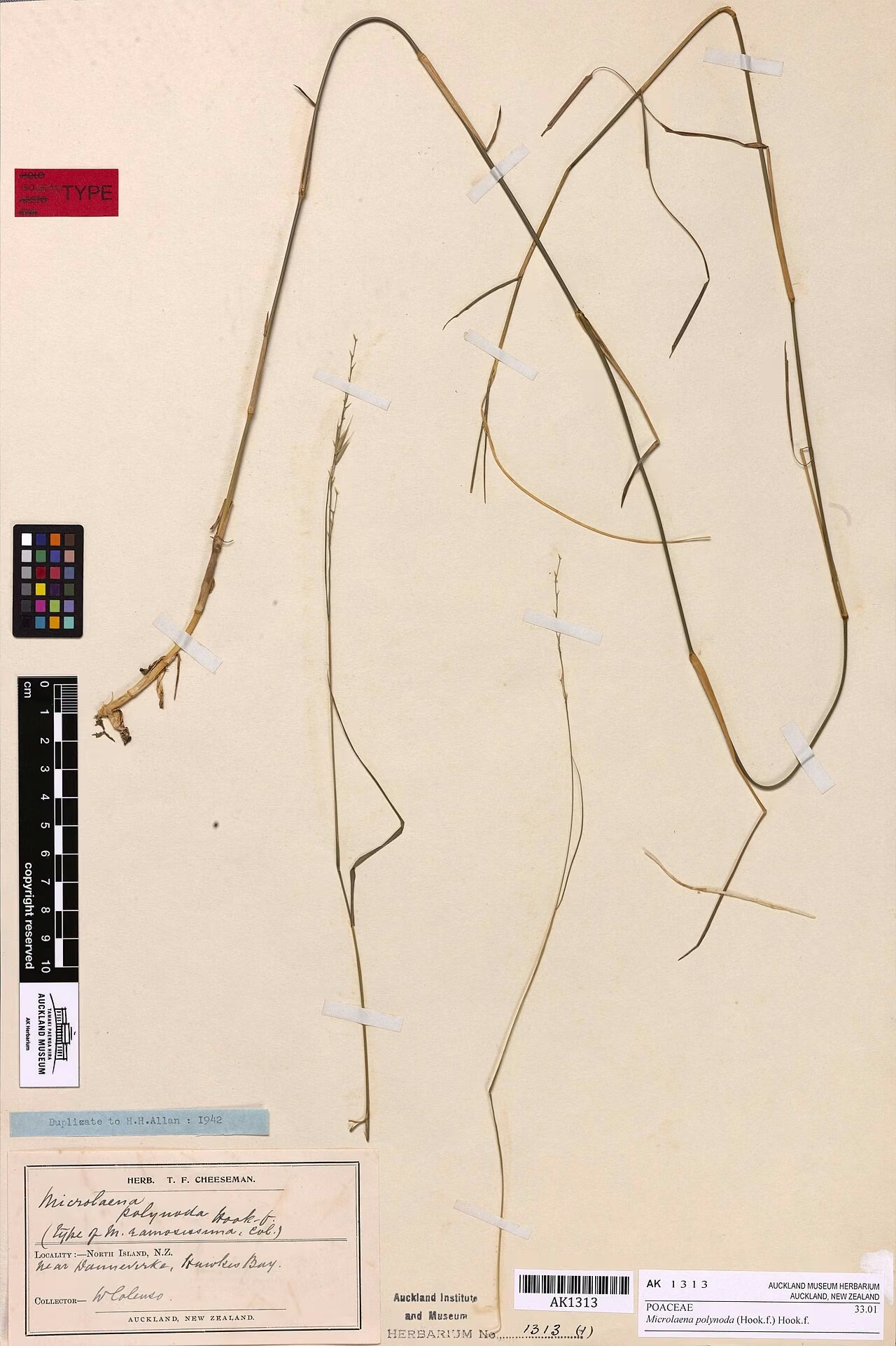
Bamboo Grass
Microlaena polynoda
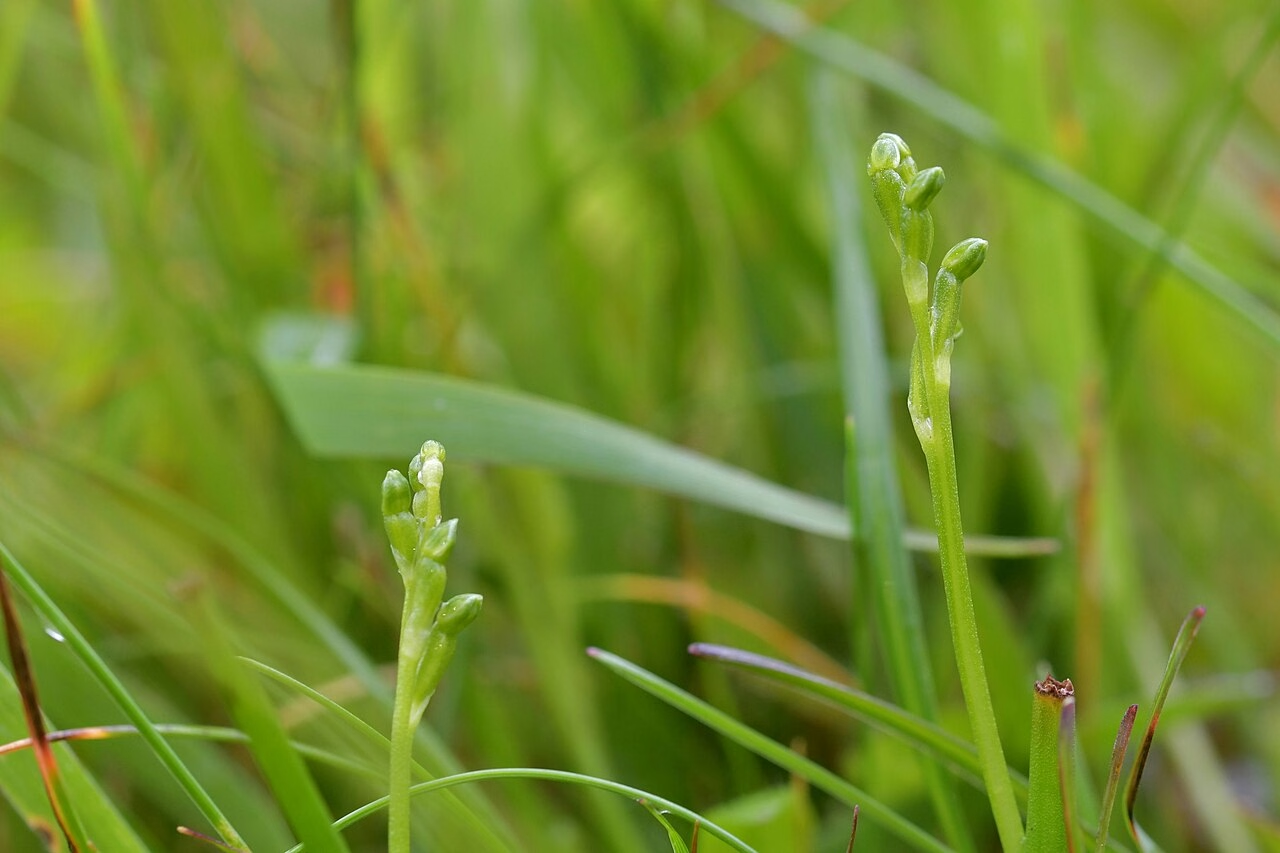
Small Onion Orchid
Microtis oligantha
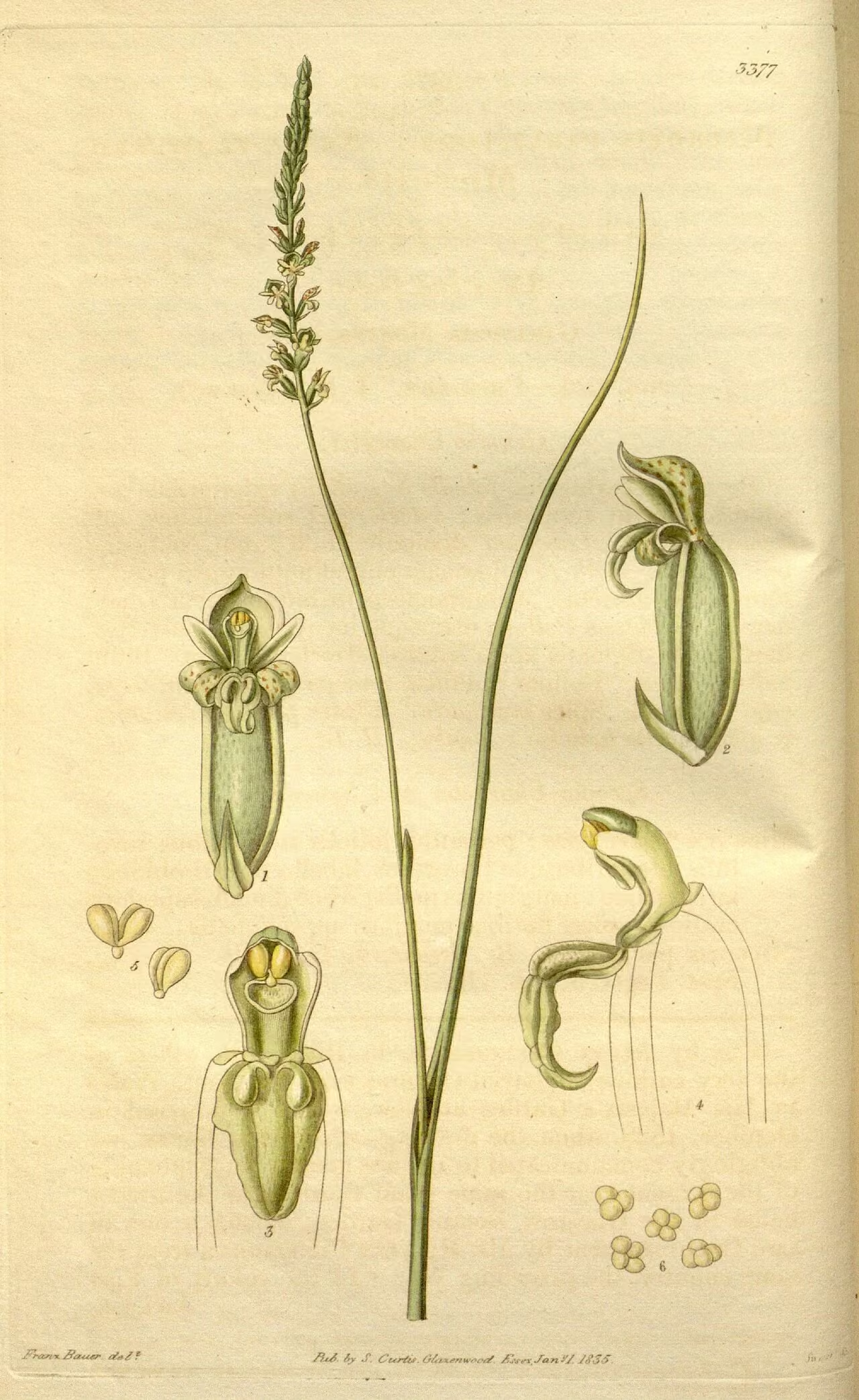
Onion-Leaved Orchid
Microtis parviflora
Stipoides Grass
Microlaena Stipoides Grass
Plant Conservation
Microlaena carsei is ranked Threatened - Nationally Endangered (2023) with the qualifiers Sparse, Data Poor Recognition and Data Poor Trend. It was previously ranked Naturally Uncommon, reflecting growing concern about its status.
Known threats include flooding and silt deposition and smothering by invasive weeds such as Tradescantia fluminensis and Selaginella kraussiana. Weed control, protecting kauri forest and further surveys to locate overlooked populations would all help.
Frequently Asked Questions
Where is Microlaena carsei found?
It is endemic to the northern North Island, from Te Paki south to Kerikeri and Waipoua, with a disjunct population on Great Barrier Island (Aotea), always in kauri-dominated forest.
Why is Microlaena carsei Nationally Endangered?
It is sparse and declining. At one site near Kerikeri, frequent floods bury plants in silt, and invasive wandering willie (Tradescantia fluminensis) and Selaginella kraussiana smother its habitat.
How does Microlaena carsei differ from bush rice grass?
Compared with Microlaena avenacea, it has a shortly creeping rhizomatous habit, narrower leaves and narrower panicles, and it is far more restricted in range.
Sources and Further Reading
The botanical, growing, and conservation details for Rice Grass (Microlaena carsei) on this page draw on the New Zealand plant references below. Consult them for full technical records and the latest distribution data.