Keketerehe
Macrolearia chathamica
Last updated:
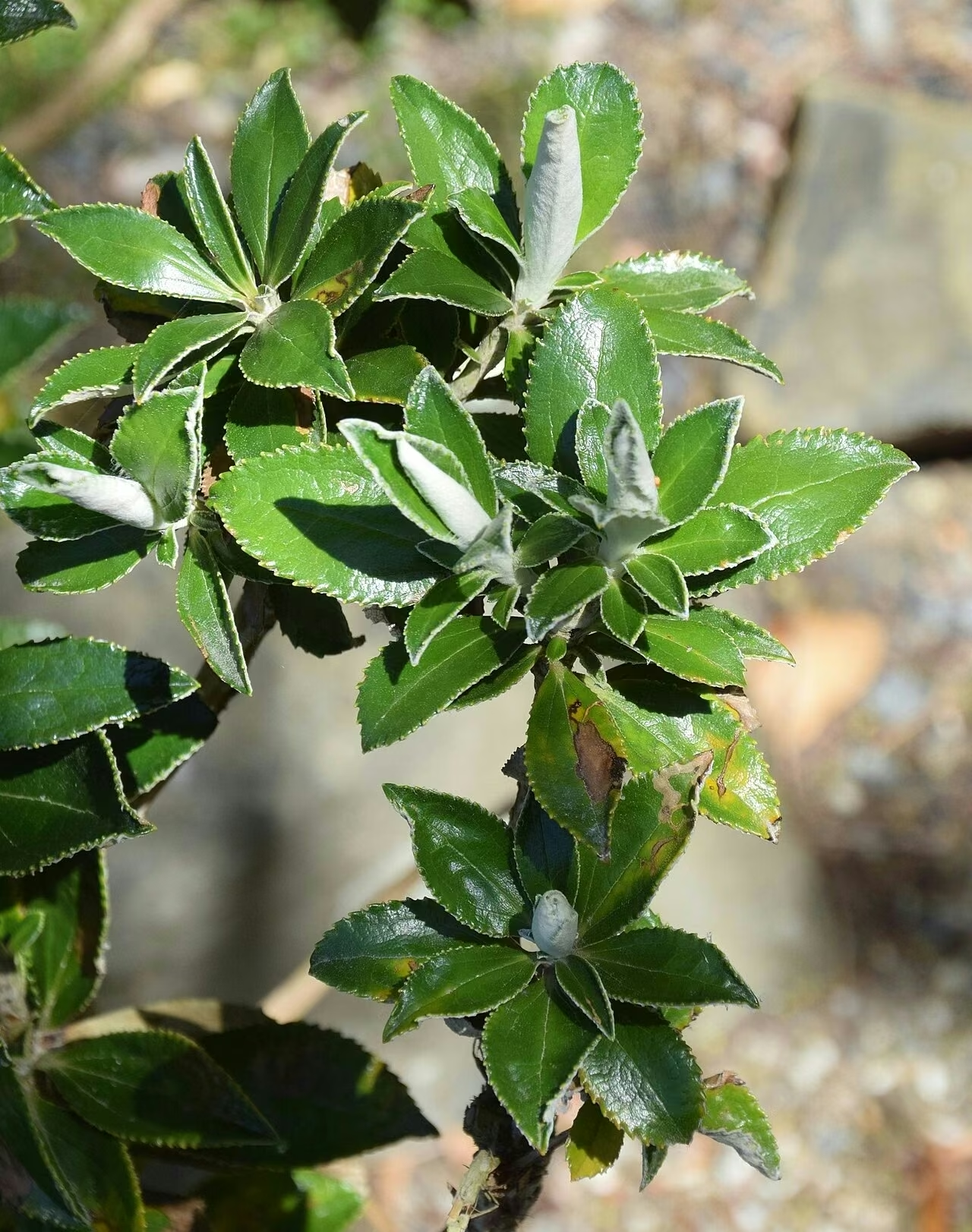
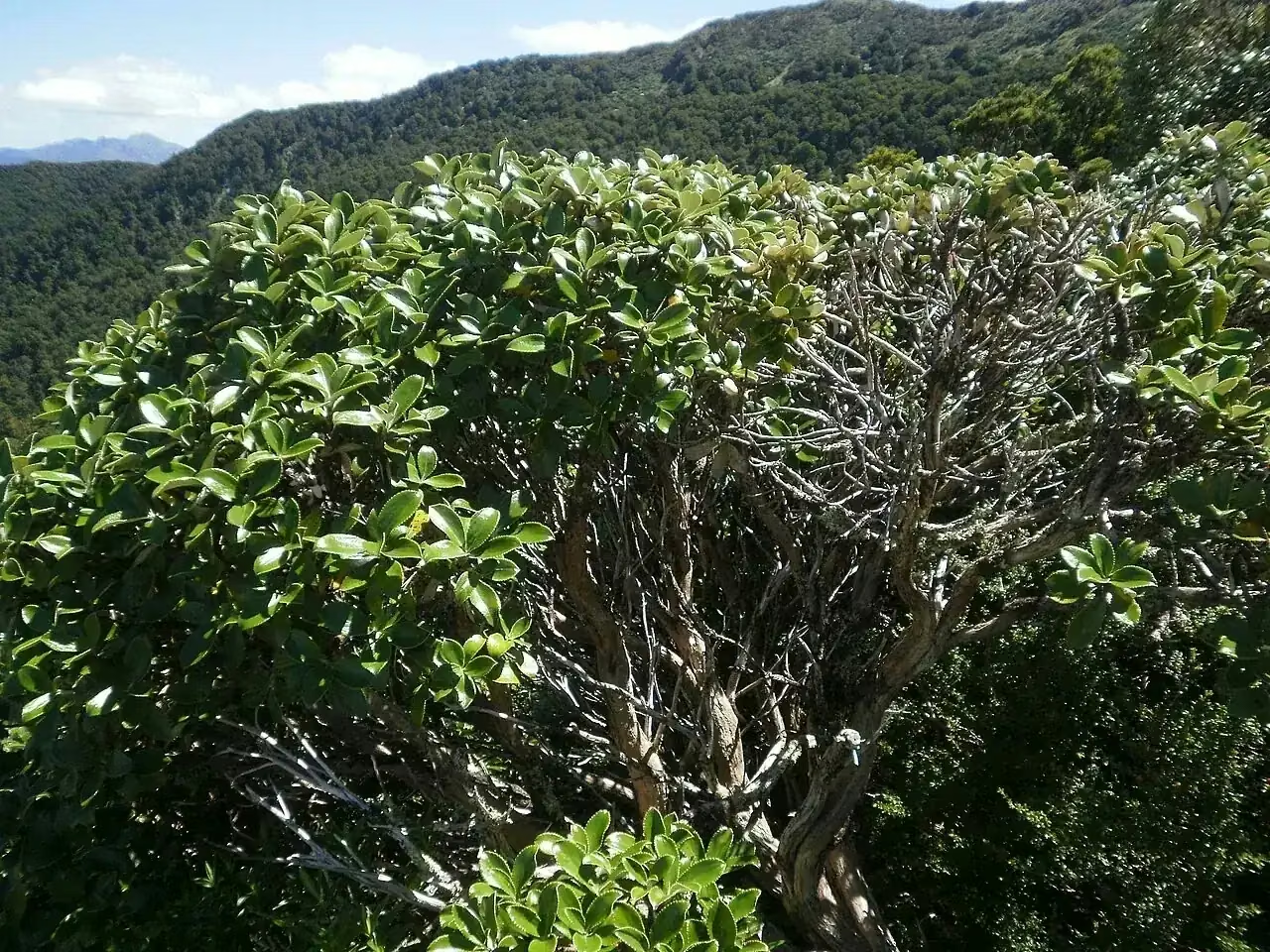
Keketerehe (Macrolearia chathamica, now Macrolearia chathamica) is a tree daisy found only on the Chatham Islands: Rēkohu (Chatham Island), Pitt Island and Mangere Island. It ranges from a compact shrub about 2 m tall to, in the current NZPCN description, a small spreading tree of 6 to 8 m. The leathery, toothed leaves are glossy dark green above and white-felted beneath, and from October to March it bears showy flower heads up to 6 cm across with white to purplish rays around a dark violet-purple centre. It grows on rocky spurs, coastal cliffs and in open forest over peat. Fire, browsing animals and land clearance have reduced it to At Risk - Declining. It was previously known as Olearia chathamica. Explore more native shrubs in our native plant guide.
Plant Description
Keketerehe has branchlets, leaf undersides and flower stalks clothed in soft white tomentum. The leaves are leathery, dark green and glossy above, narrowly lanceolate to oblong-ovate, with toothed margins whose teeth are blunt and hardened. NZPCN gives leaf sizes of 70 to 100 mm (occasionally 120 mm) long by 16 to 20 mm (occasionally 30 mm) wide, while the older Flora gives 2.5 to 8 cm by 1.5 to 4 cm.
The flower heads are large and showy, 3.5 to 6 cm across depending on the source, with outer bracts densely covered in cobweb-like down. The ray florets are white to purplish and the disc florets dark violet-purple to aubergine, forming a conspicuous centre. Flowering is from October to March and fruiting from November to April; the seeds are 4 to 5 mm long and nearly hairless to slightly hairy.
Its closest relatives are teteaweka (Olearia angustifolia) of Rakiura and Olearia oporina of Fiordland and Stewart Island, which share the large purple-centred heads. NZPCN separates keketerehe by its shorter, broader leaves, which in elliptic forms have only shallow notches along the margin.
Quick Facts
| Scientific Name | Macrolearia chathamica |
|---|---|
| Height | 2 m (Allan) to 6-8 m (NZPCN) |
| Spread | Broad, spreading canopy |
| Water Needs | Moist but not waterlogged |
| Light | Full sun to partial shade |
| Frost Tolerance | Low to moderate; from a mild oceanic climate |
| Salt Tolerance | High; grows on coastal cliffs |
| Growth Rate | Moderate |
| Lifespan | Long-lived perennial |
Climate Best Suited to
Suits a mild, cool, windy oceanic climate with steady rainfall like that of the Chatham Islands, without hot dry summers or high humidity.
Regional Suitability
| City | Climate Suitability |
|---|---|
| Auckland | Low |
| Wellington | Medium |
| Christchurch | Low |
| Dunedin | Medium |
Plant Habitat
Keketerehe is endemic to the Chatham Islands, about 800 km east of mainland New Zealand. It is recorded from Rēkohu / Wharekauri (Chatham Island), Rangiauria (Pitt Island) and Mangere Island.
It grows on rocky spurs, steep coastal cliffs and scarps, valley heads and in open or disturbed forest overlying forest peat soils, generally avoiding waterlogged ground. Many of these sites are cliffs and steep places that browsing animals and fire cannot easily reach.
Growing Requirements
Soil Requirements
It grows on forest peat soils and rocky ground that drains freely.
- Deep, moist, peaty soil
- Free drainage; avoids waterlogged sites
- Tolerates rocky, shallow ground on cliffs
Light Requirements
It occupies both open cliffs and forest gaps, so it copes with full sun or partial shade.
- Full sun on exposed coastal sites
- Light shade in open forest
Water Requirements
Its peaty habitat stays moist year round in the Chatham Islands' damp climate.
- Keep soil moist through summer
- Avoid both drought and stagnant wet soil
Planting and Establishing
Plant into deep, moist, peaty soil that drains freely, in a breezy coastal position. Gardeners report that it will grow well in good, moist peaty soils and needs little care once established.
Expect plants in cultivation to stay smaller than wild trees, often around 1 m, and be prepared for sudden losses; raising replacement plants from cuttings is a sensible insurance.
Ecological Role
Keketerehe is one of several distinctive tree daisies of the Chatham Islands, contributing to coastal cliff vegetation and forest margins. Its large flower heads are likely to attract insect visitors, although specific pollinators are not recorded in the sources consulted. The seeds are wind-dispersed.
NZPCN reports widespread recruitment failure: many populations consist of older plants with few seedlings, a pattern associated with browsing by farm animals and possums.
Uses & Significance
Garden Uses
A handsome flowering shrub for cool coastal gardens, valued for its large purple-centred daisies.
- Feature shrub in coastal gardens
- Collections of Chatham Islands plants
- Conservation plantings with eco-sourced stock
Ecological Value
A Chatham Islands endemic whose populations are declining and failing to regenerate.
- Part of the unique Chatham Islands coastal flora
- Occupies cliffs and scarps where few shrubs grow
- Its seedlings are an indicator of whether browsing is controlled
Landscaping Uses
Grow keketerehe where its flowers can be seen against a dark background, such as near a wall or in front of darker-leaved shrubs. Its white-backed leaves also give a silvery flash when the wind turns them.
It pairs naturally with other Chatham Islands plants such as Chatham Island forget-me-not and Chatham Island akeake in a themed coastal garden.
Seasonal Care Calendar
Spring
Flowering starts in October.
- Mulch to keep roots moist
- Watch young plants for sudden wilting
Summer
Showy white and purple daisies continue and seed begins ripening from November.
- Water during dry spells
- Collect fresh seed
Autumn
Late flowers may last into March and seed dispersal ends by April.
- Take semi-hardwood cuttings
- Tidy prune after flowering
Winter
An evergreen period of slow growth.
- Protect from hard frost inland
- Check drainage
When to Prune and How Much
Prune lightly after flowering to remove spent heads and keep the plant bushy. Little else is needed.
Avoid hard pruning, which can stress a plant already prone to sudden collapse in cultivation.
How to Grow Keketerehe
Keketerehe is easy to raise from fresh seed and from cuttings, but keeping it alive long term is much harder, as cultivated plants are prone to collapse and die suddenly without warning. Raising a few new plants every few years is the best way to keep it in a garden. Fresh seed is available between November and April, and semi-hardwood cuttings root readily. Because wild populations are declining and regenerating poorly, any material for conservation planting on the Chatham Islands should be eco-sourced from local populations and collected with appropriate permission, so that the genetic character of each island is retained.
From Seed
Seed germinates readily when fresh. Sow soon after collection rather than storing.
- Collect seed heads as they become fluffy
- Sow onto a free-draining seed mix and cover lightly
- Keep in a cool, bright, well-ventilated place
- Prick out seedlings into individual pots
- Grow on in moist, peaty potting mix before planting out
From Cuttings
Semi-hardwood cuttings taken from healthy young shoots root without difficulty. Cuttings also preserve the flower colour of a particular plant, which matters because ray colour ranges from white to purplish.
- Take 10 to 15 cm cuttings of firm new growth in late summer or autumn
- Strip lower leaves and reduce the remainder
- Insert into a free-draining mix of bark and perlite or pumice
- Keep cool and humid but well ventilated until rooted
- Pot on and harden off before planting
Pests & Diseases
In the wild, browsing by sheep, cattle, pigs and possums is the main biological threat, preventing seedlings from establishing and damaging mature plants.
In cultivation, sudden collapse is the most common problem; the cause is not documented in the sources consulted, but plants in poorly drained or drought-stressed soils appear most at risk.
Cultural Significance
Keketerehe, also recorded as kereterehe, is the name listed for this plant in the Flora of New Zealand. No specific Moriori or Māori traditional use of the plant is recorded in the sources consulted.
The species was described by Thomas Kirk, and its epithet chathamica refers to the Chatham Islands. The newer genus name Macrolearia refers to its large flower heads.
Bonus Tip
Because keketerehe can die suddenly in gardens, keep a couple of rooted cuttings in pots as replacements. Root a fresh batch every two or three years so you always have young stock ready if the parent plant collapses.
Related Plants
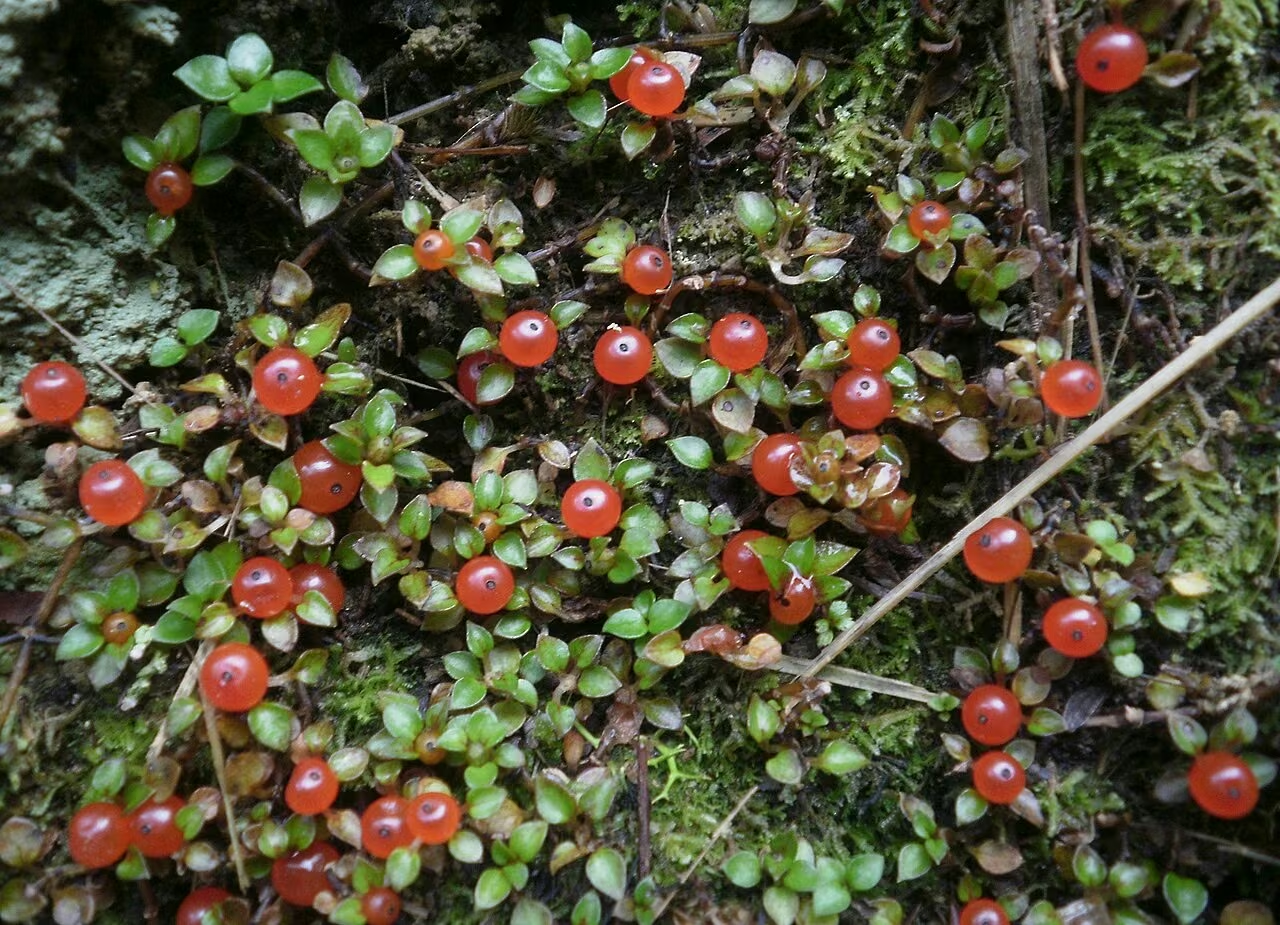
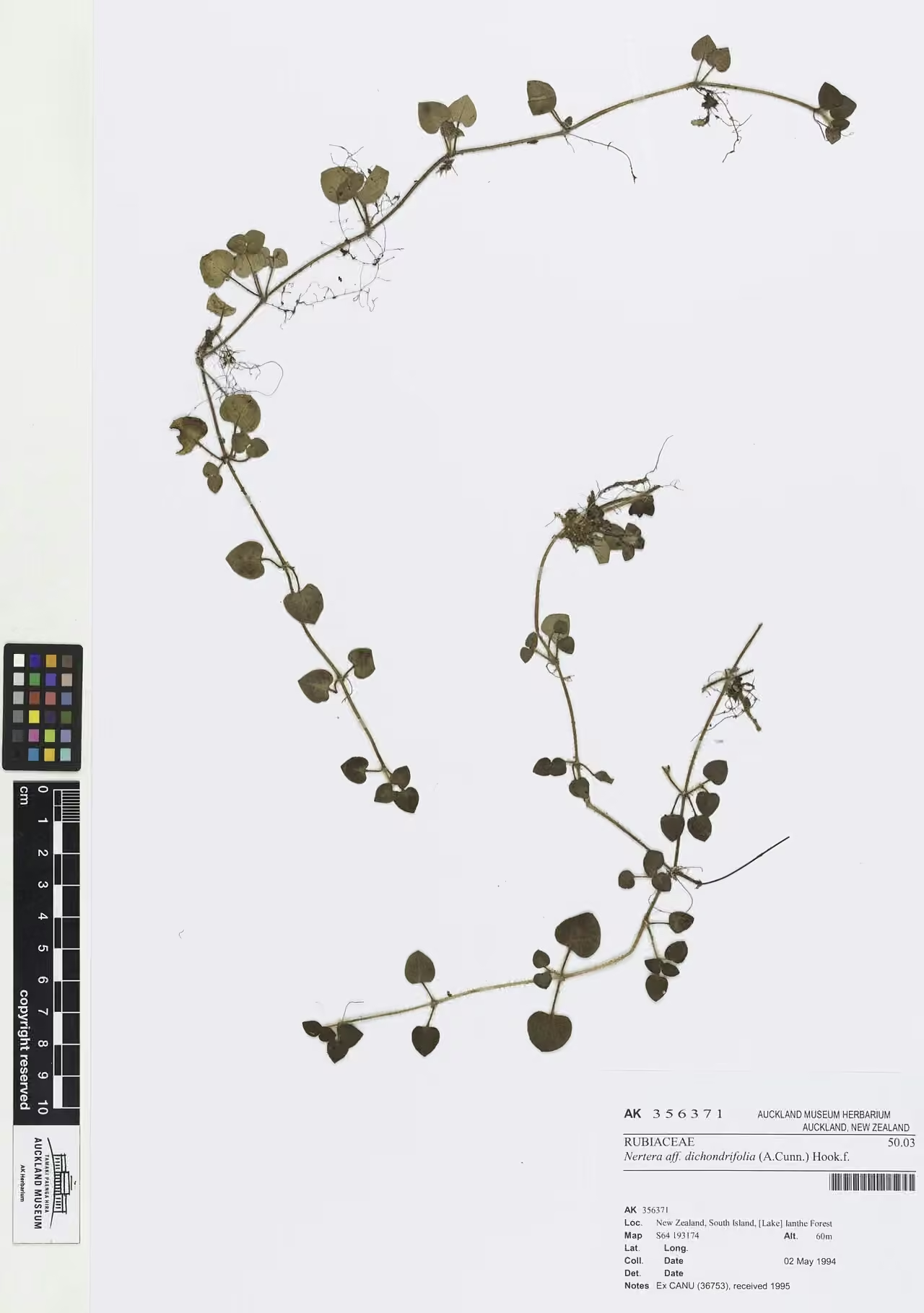
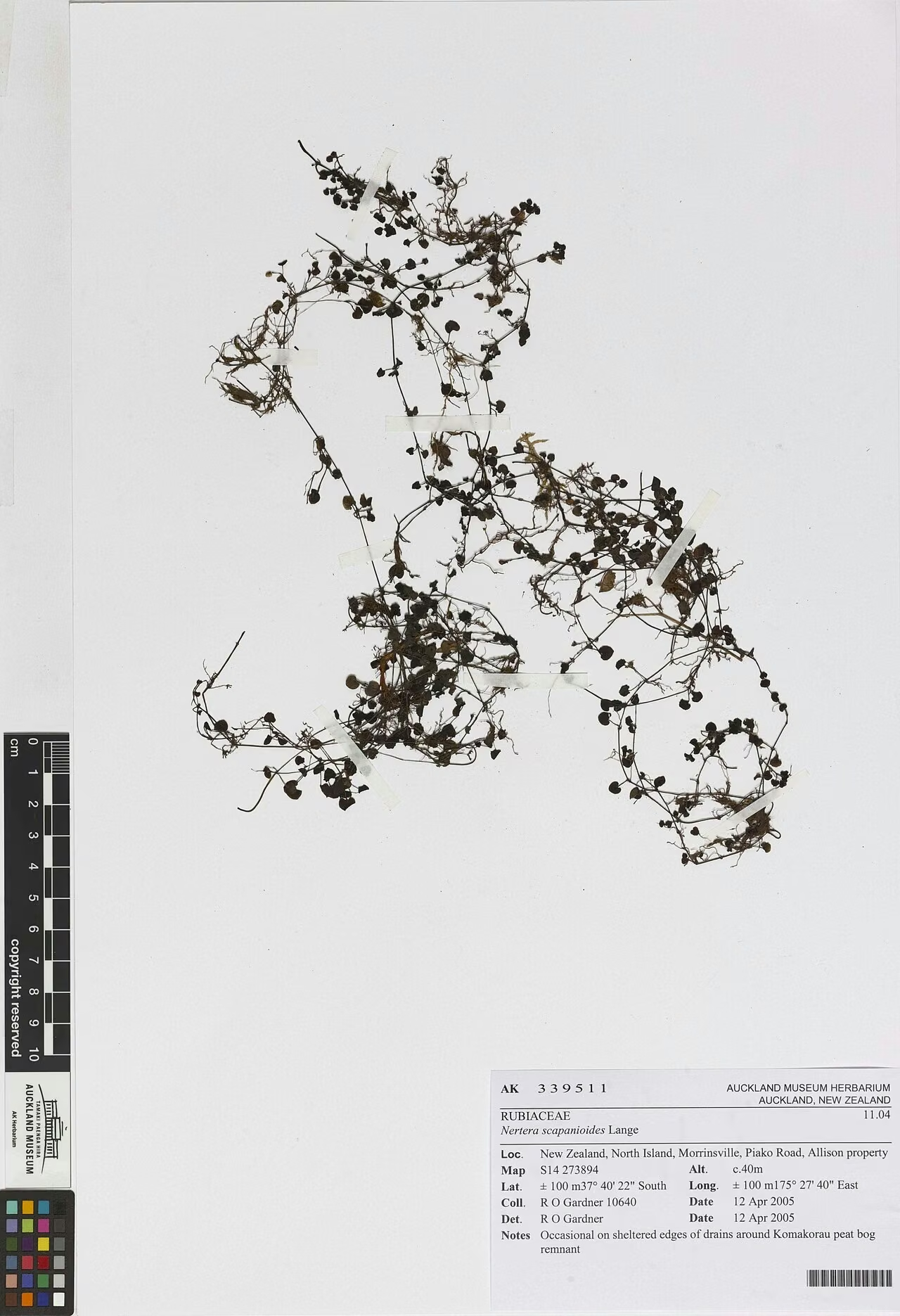
Explore other native plants that share similar characteristics or habitats with Keketerehe (Macrolearia chathamica), offering further insights into New Zealand's diverse flora. These related species provide context and opportunities for complementary planting in your garden.
Nertera depressa
Nertera depressa
Nertera dichondrifolia
Nertera dichondrifolia
Nertera scapanioides
Nertera scapanioides
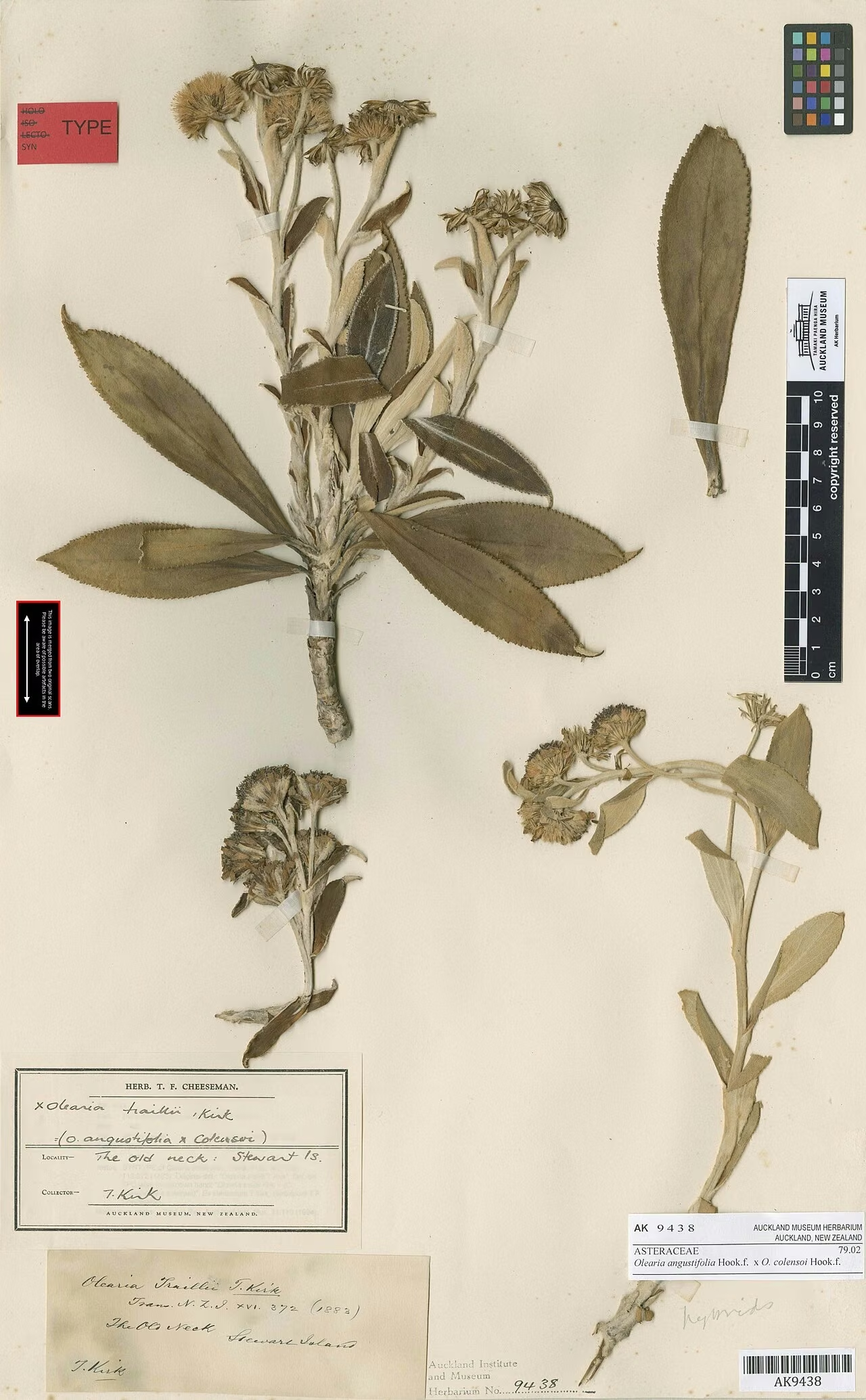
Teteaweka
Macrolearia angustifolia
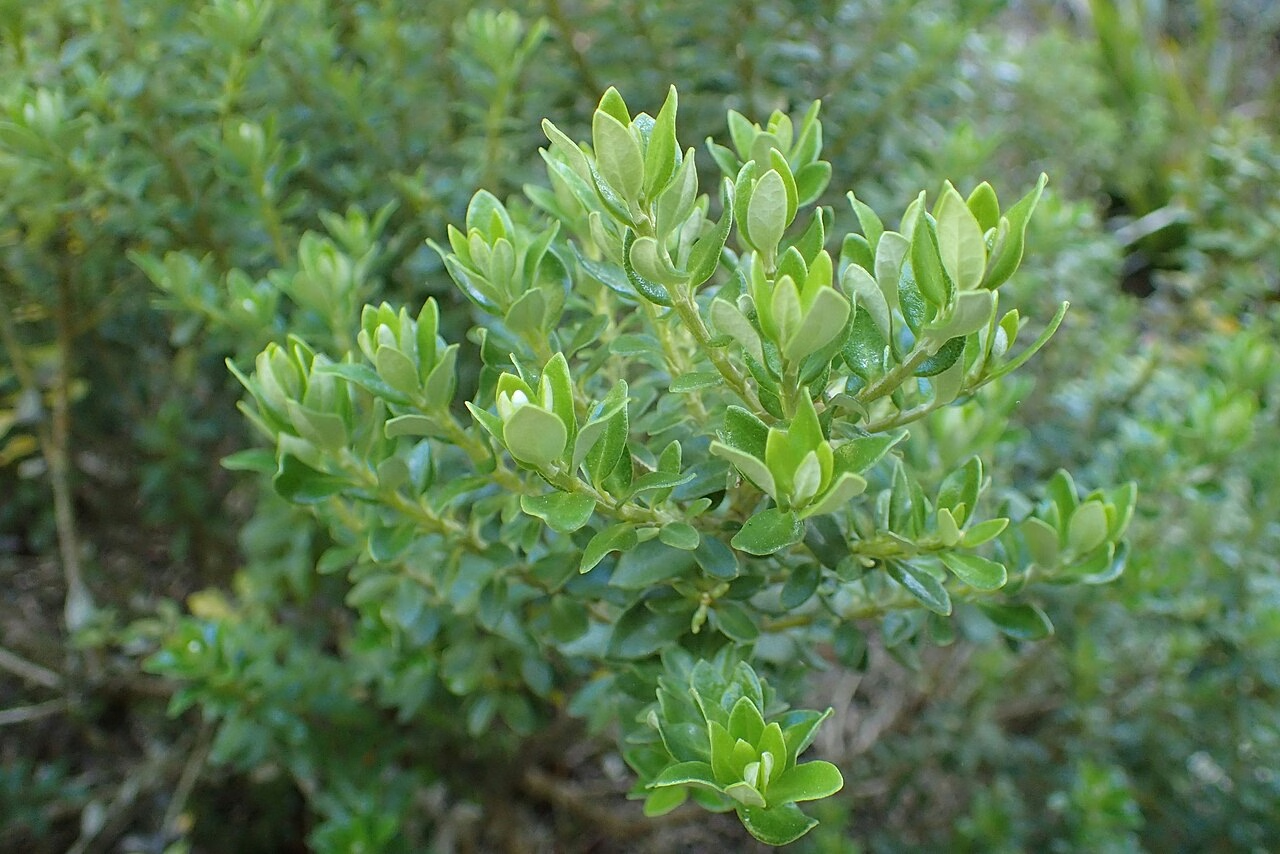
Shawia coriacea
Shawia coriacea
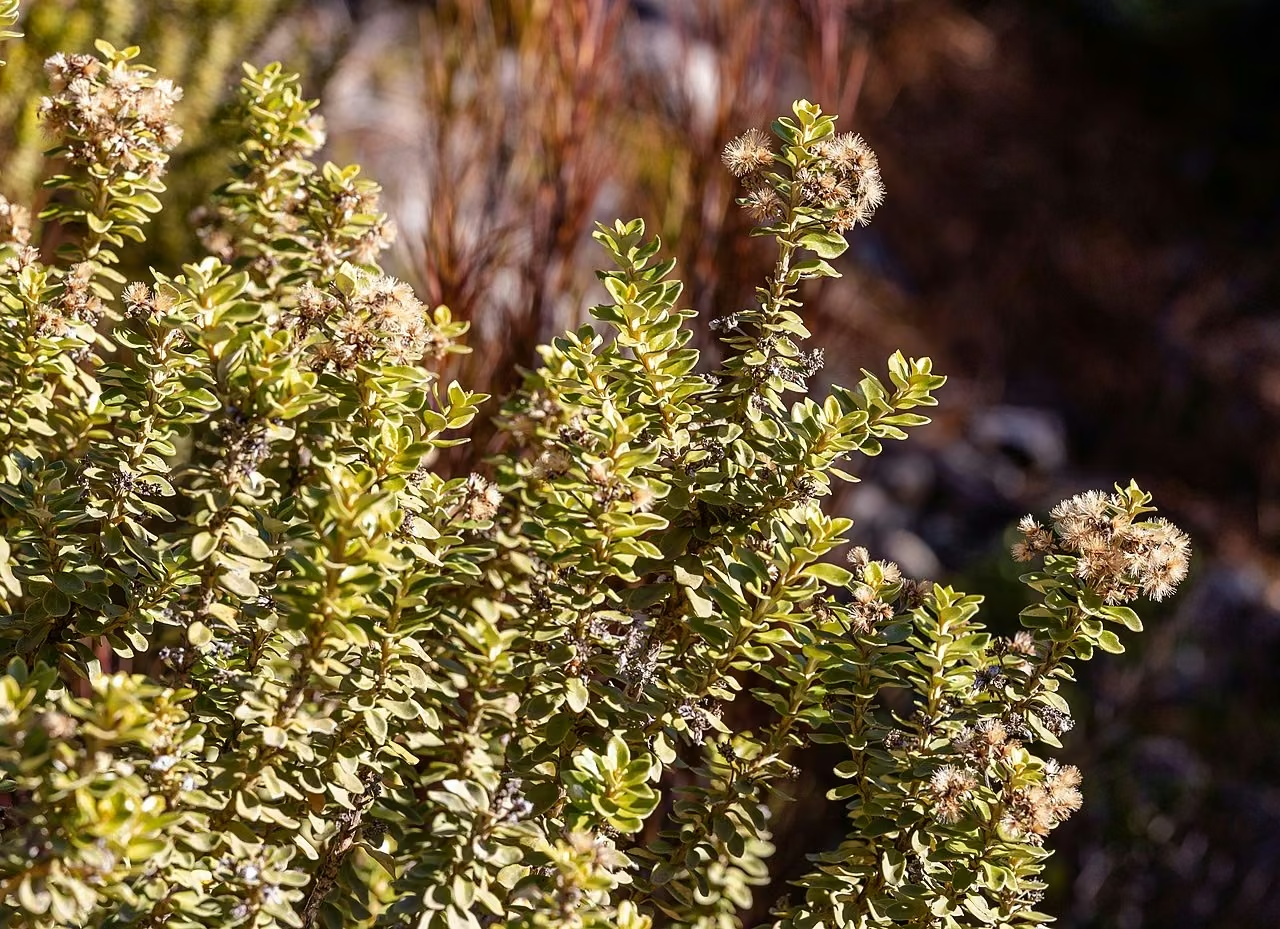
Shawia nummulariifolia
Shawia nummulariifolia
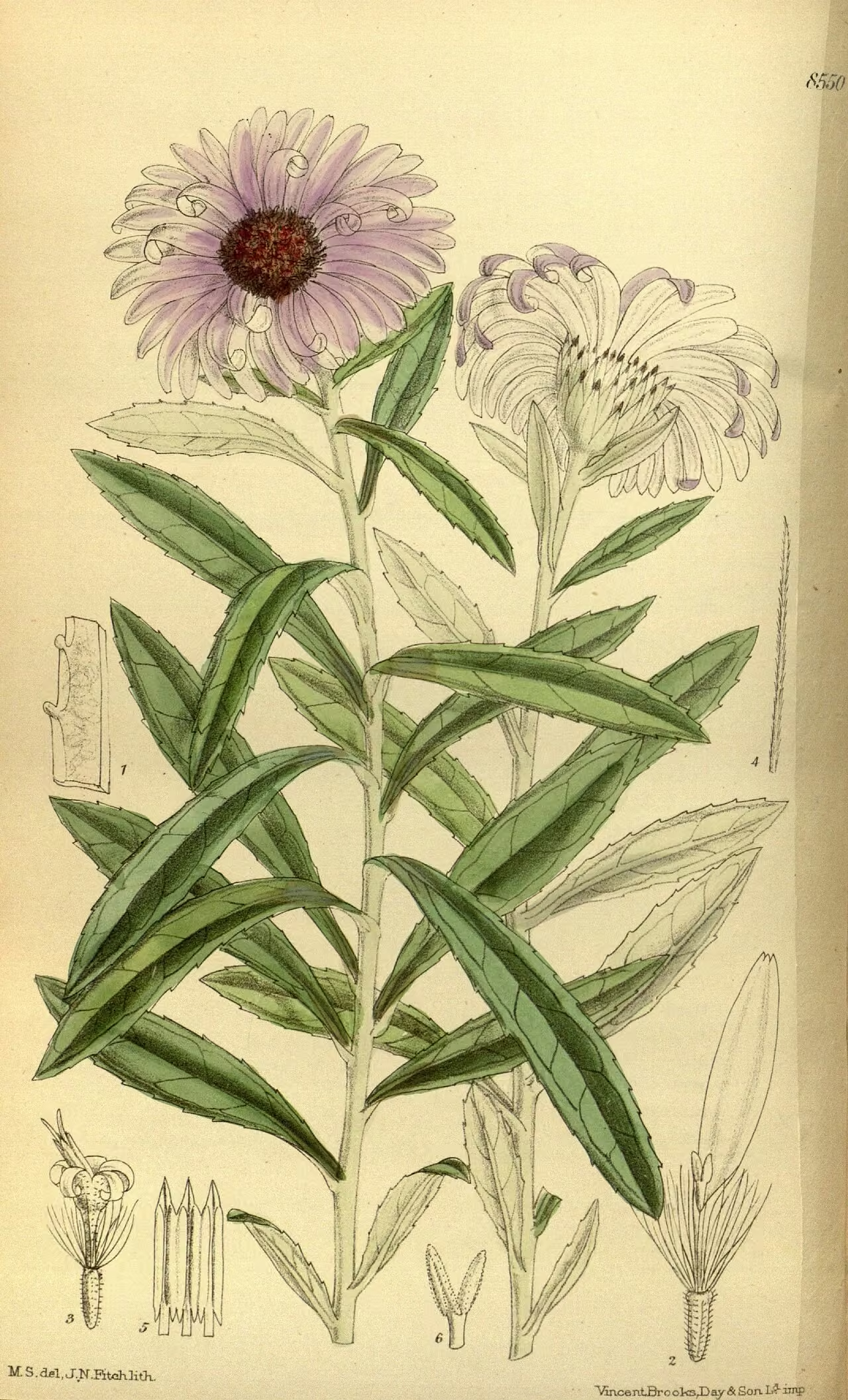
Hangatere
Macrolearia semidentata
Macrolearia Colensoi
Macrolearia Colensoi
Plant Conservation
Keketerehe is ranked At Risk - Declining (2023) with the qualifiers DPT (Data Poor - Trend), IE (Island Endemic) and PD (Partial Decline). The IUCN Red List treats it as Near Threatened.
Threats include fire, browsing by sheep, cattle, pigs and possums, and clearance of land for farming, and many populations are failing to regenerate. Fencing remnant forest, controlling possums and pigs, and planting eco-sourced seedlings on the Chatham Islands help its recovery.
Frequently Asked Questions
Where does keketerehe grow naturally?
Only in the Chatham Islands, on Rēkohu (Chatham Island), Pitt Island and Mangere Island, on rocky spurs, steep coastal cliffs and scarps, valley heads and open disturbed forest over peat soils.
Why is Macrolearia chathamica declining?
NZPCN lists fire, browsing by sheep, cattle, pigs and possums, and land clearance for farming as threats, and notes that many populations are failing to produce new young plants.
Is keketerehe hard to grow?
It is easy to raise from fresh seed and cuttings but is notoriously difficult to keep, as cultivated plants are prone to collapse and die suddenly without warning.
Sources and Further Reading
The botanical, growing, and conservation details for Keketerehe (Macrolearia chathamica) on this page draw on the New Zealand plant references below. Consult them for full technical records and the latest distribution data.