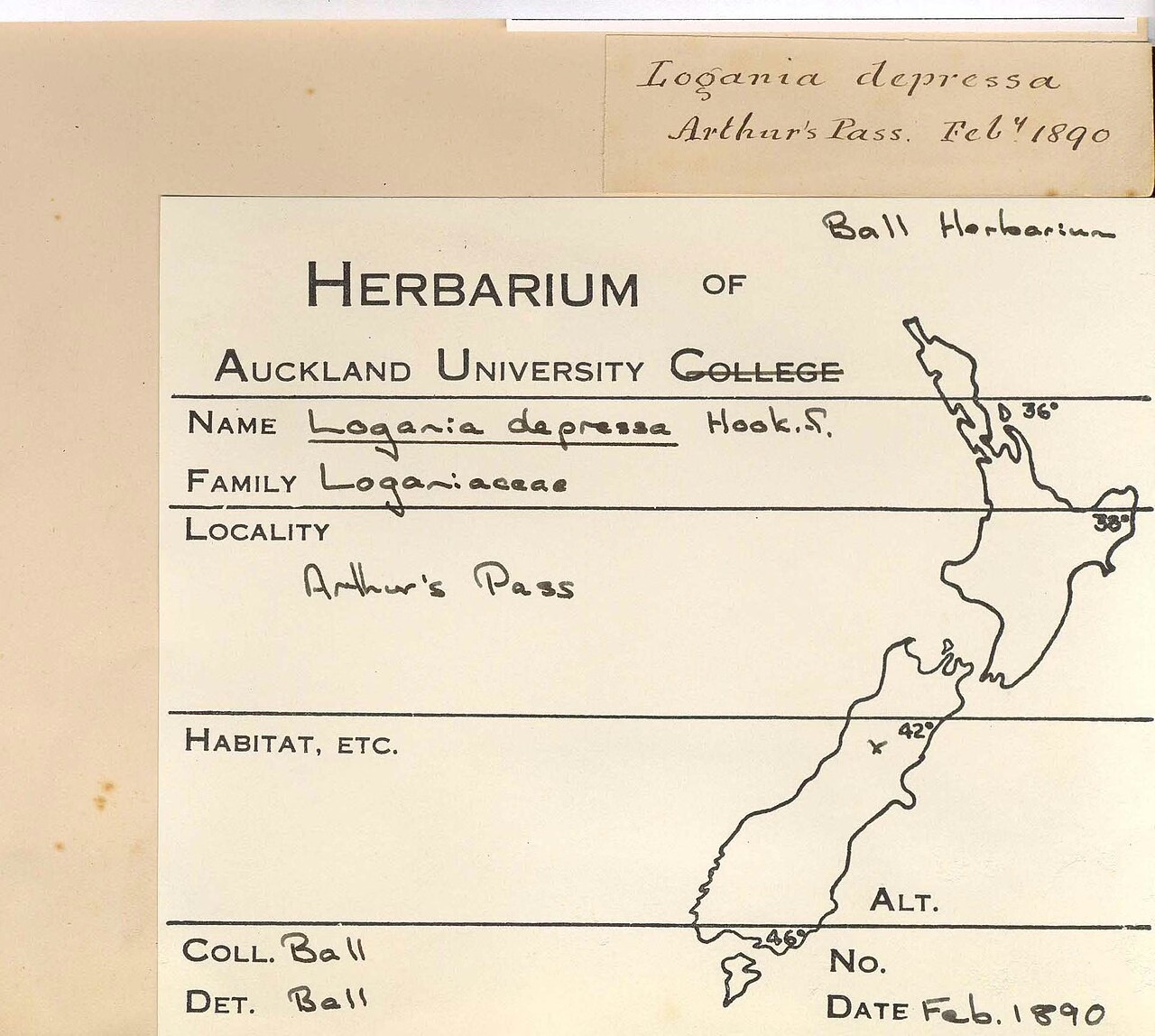
Logania
Logania depressa
Last updated:
Logania depressa is an extinct New Zealand subshrub, known only from a single collection made by the missionary botanist William Colenso on 22 February 1847. It was a prostrate, much-branched, woody plant just 80 to 150 mm high, with tiny, thick, glossy leaves in pairs and small white flowers. Colenso found it in an ice-covered hollow in red tussock grassland south of the Kaimanawa Mountains and west of the Moawhango River, in the central North Island. Despite searches it has never been seen again, and it is ranked Extinct. DNA from the old herbarium specimen has since confirmed that it belongs in the genus Logania. Explore more native shrubs in our native plant guide.
Plant Description
Logania depressa was a prostrate, many-branched, woody subshrub 80 to 150 mm high. Hooker described the stems as 3 to 6 inches long and much branched, with short, rigid, downy branches. The leaves were small, 3 to 6 mm long and 1 to 3 mm wide, crowded and opposite, with the bases of each pair joined by two small blunt stipules. They were very leathery, elliptic to ovate or spoon-shaped, blunt, without visible veins, hairless, untoothed and shining.
The flowers were small and white, about 2 mm long, borne two to five together on short, stout, downy stalks in the leaf axils. Each had a calyx of five blunt, fringed sepals and a corolla with a short tube and five rounded, spreading lobes, hairy at the mouth. The plant was dioecious, but only male flowers were ever collected, so its female flowers and fruit remain not known.
Its low, mat-like woody habit, opposite glossy leaves joined by stipules and small white flowers distinguish it from all other New Zealand plants in the family Loganiaceae, the closest local relatives being the hangehange shrubs of Geniostoma.
Quick Facts
| Scientific Name | Logania depressa |
|---|---|
| Height | 0.08-0.15 m |
| Spread | Prostrate stems about 75-150 mm long |
| Water Needs | Not recorded; collected from an ice-covered hollow |
| Light | Open tussock grassland |
| Frost Tolerance | High; collected from an icy montane hollow |
| Salt Tolerance | Not applicable; an inland montane plant |
| Growth Rate | Not recorded |
| Lifespan | Perennial (woody subshrub); species extinct |
Climate Best Suited to
It came from the cold, frosty montane tussock country of the central North Island near Waiouru, where winters are harsh and snow and ice are common.
Regional Suitability
| City | Climate Suitability |
|---|---|
| Auckland | Low |
| Wellington | Low |
| Christchurch | Low |
| Dunedin | Low |
Plant Habitat
Logania depressa was endemic to the North Island. Colenso collected it from an area 'south of the Kaimanawa Mountains and to the west of the Moawhango River', which W.R.B. Oliver in 1921 equated to an area probably east of Waiouru and north of Moawhango township. Hooker's description gives the locality as the Ruahine Mountains.
Colenso recorded it just once, in an ice-covered hollow within tussock grassland dominated by red tussock (Chionochloa rubra subsp. rubra var. rubra). Nothing more is known about its habitat preferences.
Growing Requirements
Soil Requirements
Nothing is recorded about the soils it grew in beyond its single collection site in a hollow within red tussock grassland in the central North Island.
- Soil requirements are not known
- Collection site was a frosty hollow in red tussock grassland
Light Requirements
As a prostrate plant of open tussock grassland, it presumably grew in open, well-lit conditions, but its light requirements were never recorded.
- Grew in open grassland at its only known site
Water Requirements
Its water needs are not known. Red tussock typically grows on damp ground, but no moisture details were recorded for Logania depressa itself.
- No information recorded
Planting and Establishing
Logania depressa cannot be planted: it is extinct, no living material exists, and it was never brought into cultivation.
Gardeners interested in the central North Island tussock flora can instead grow red tussock and other locally sourced plants of that ecosystem, helping to keep the surviving habitat type represented.
Ecological Role
Almost nothing is known of the ecology of Logania depressa. It grew as a low, sprawling woody plant among red tussock, flowering in February when Colenso collected it. Only male flowers are known, and its pollinators, fruit and seed dispersal were never observed.
Its disappearance is one of the few recorded plant extinctions in New Zealand and illustrates how much of the central North Island tussock ecosystem has been altered since European settlement.
Uses & Significance
Garden Uses
It has no garden uses, as it is extinct and was never cultivated.
- Not available in any form
- Its story is used in education about plant extinction
Ecological Value
Although extinct, the species has scientific value as a record of the former diversity of North Island tussock grassland.
- One of a handful of New Zealand plant species ranked Extinct
- Herbarium material has yielded DNA confirming its relationships
- A reminder of the losses in modified tussock ecosystems
Landscaping Uses
There is no landscaping role for an extinct plant. Restoration of red tussock grassland in the Moawhango and Waiouru districts, using local native species, is the nearest practical way to honour it.
Interpretive signs or educational material about lost species can tell its story where tussock restoration is being carried out.
Seasonal Care Calendar
Spring
Nothing is known of its spring growth.
- No seasonal observations exist
- Only one collection was ever made
Summer
It was in flower when Colenso collected it on 22 February 1847, the only seasonal record.
- Only male flowers were seen
- February is the best time to look for it in flower
Autumn
Fruit was never recorded, so its fruiting season is not known.
- No fruit observations exist
Winter
Its collection site was described as an ice-covered hollow, showing it endured harsh frost.
- Presumably winter-hardy
- No winter observations exist
When to Prune and How Much
Pruning does not apply, as the species is extinct and was never cultivated.
Herbarium material, including the holotype held at the Royal Botanic Gardens, Kew, is the only remaining physical record of the plant.
How to Grow Logania
Logania depressa cannot be propagated. It is ranked Extinct, it was never brought into cultivation, and NZPCN lists its propagation as not known. The only material in existence is herbarium specimens from Colenso's 1847 collection, including the holotype at Kew, and these are dead, pressed plants. Even if a living population were rediscovered, propagation would be complicated by the fact that the species was dioecious and only male flowers have ever been seen, so it is not known whether both sexes survive or what its fruit and seed were like.
From Seed
Seed propagation has never been possible because no female flowers, fruit or seed of this species have ever been recorded. If plants were ever rediscovered, finding both male and female plants would be the first priority.
- Report any suspected rediscovery to the Department of Conservation without disturbing the plants
- Record the location precisely and photograph the plants and flowers
- Leave any seed collection to authorised conservation botanists
From Cuttings
As a woody subshrub, a rediscovered plant could in principle be propagated from cuttings to secure it in cultivation, but this has never been attempted and any such work would need to be carried out by conservation specialists. Cuttings would preserve the plant's genetic makeup exactly.
- Do not take cuttings from a suspected wild plant yourself
- Allow specialists to collect a small amount of material under permit
- Hold cultivated plants in more than one institution as insurance
Pests & Diseases
Pests that affected the living plant were never recorded. The main threats identified at its collection area are habitat modification and invasion by mouse-ear hawkweed (Hieracium pilosella), which forms dense mats in tussock grassland.
Part of the area is now covered by a hydro dam, and the tussock grassland that remains has been heavily modified since Colenso's visit.
Cultural Significance
No Māori name or use is recorded for Logania depressa, which is not surprising for a plant known from a single collection.
It was collected by William Colenso, the missionary, printer and botanist, on one of his journeys across the central North Island, and described by Joseph Dalton Hooker in 1853 in the Flora Novae-Zelandiae. Hooker saw no fruit and suggested it might belong to a different genus. In 2022, Peter Heenan and colleagues extracted plastid DNA from the old specimen and confirmed its placement in Logania.
Bonus Tip
If you tramp through red tussock country east of Waiouru or near the Moawhango River, look carefully at low, woody mats in frosty hollows. A prostrate plant with tiny, thick, shiny paired leaves and small white flowers could be worth photographing and reporting to DOC or iNaturalist NZ, since this species has never been rediscovered.
Related Plants
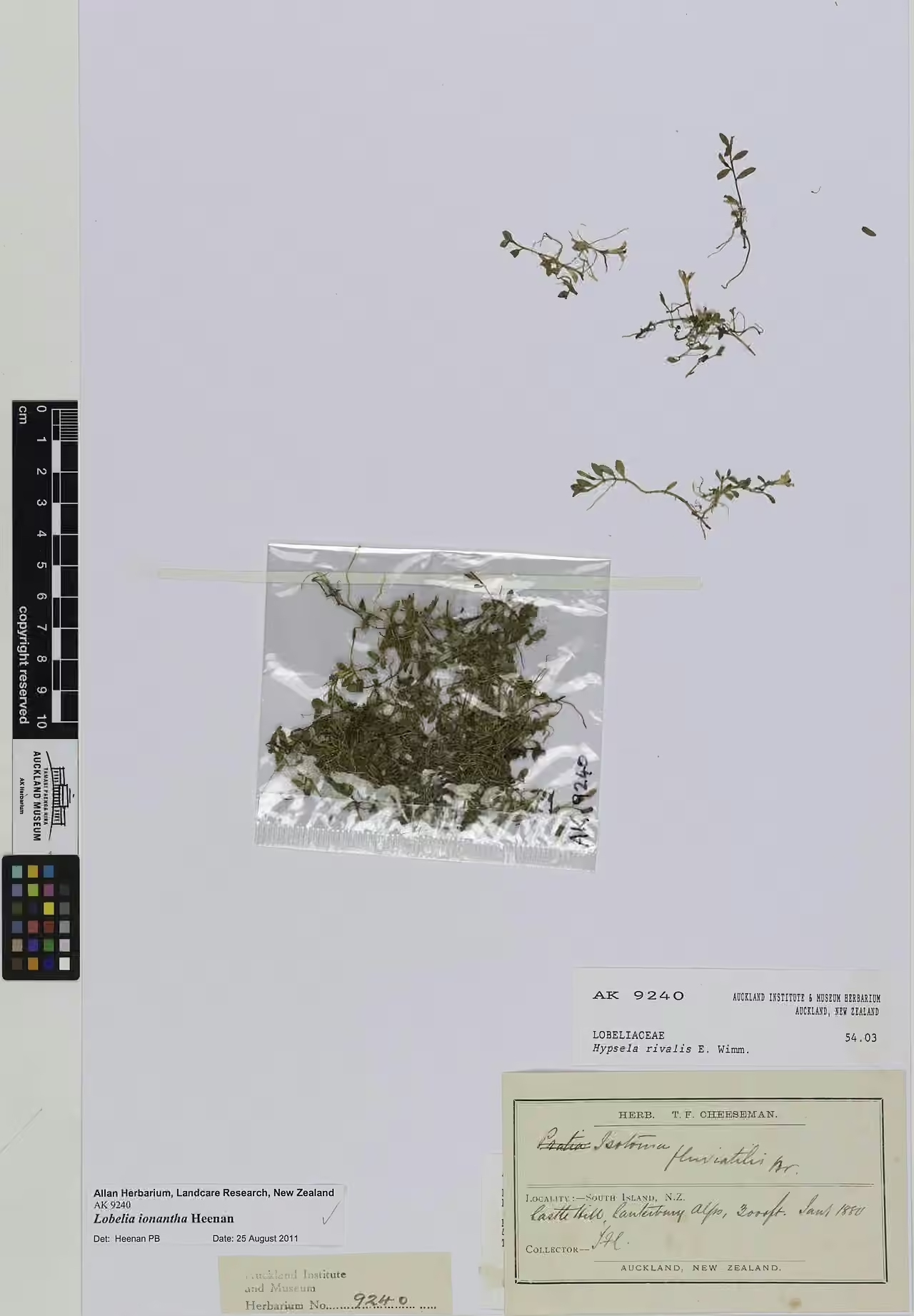
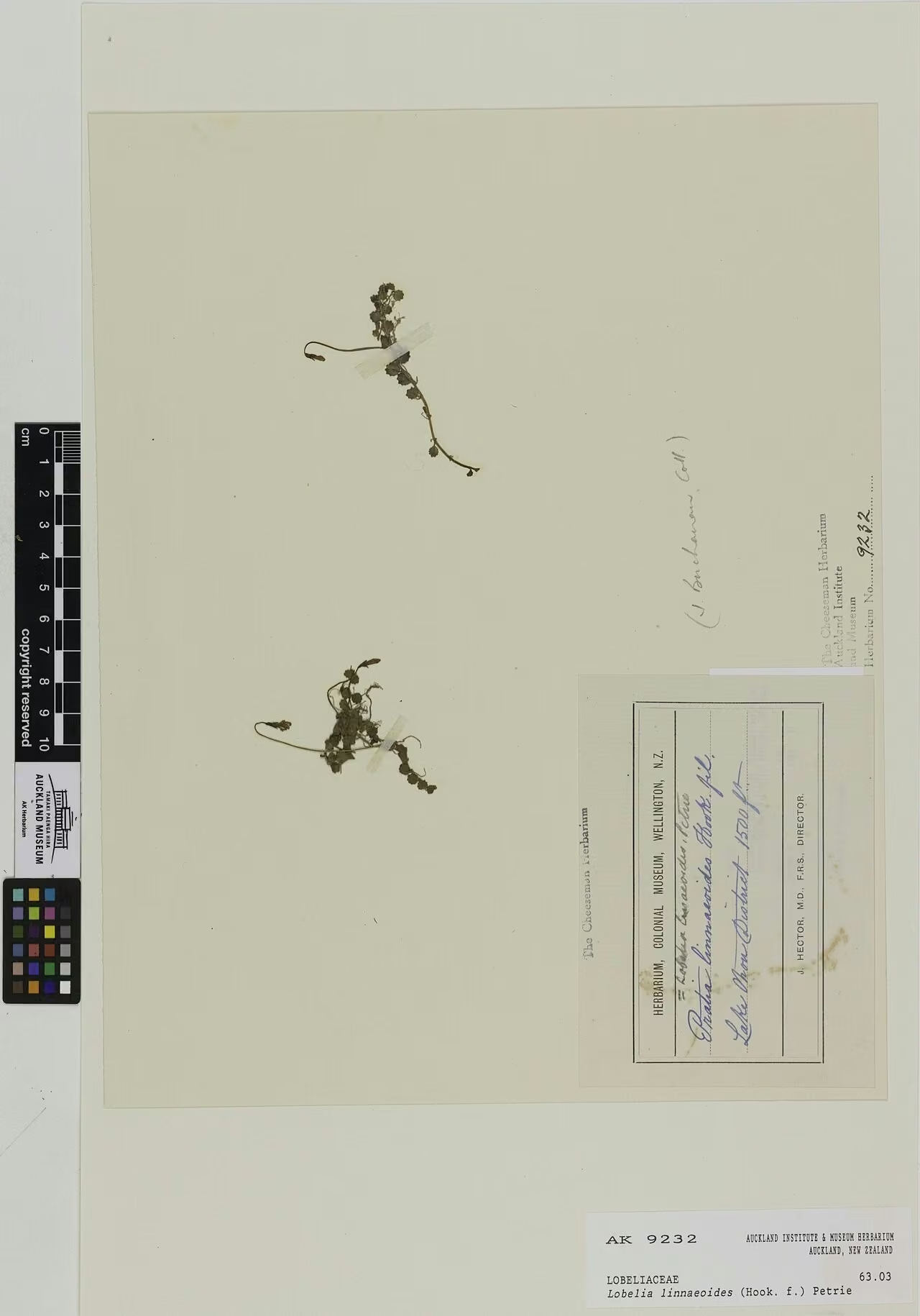
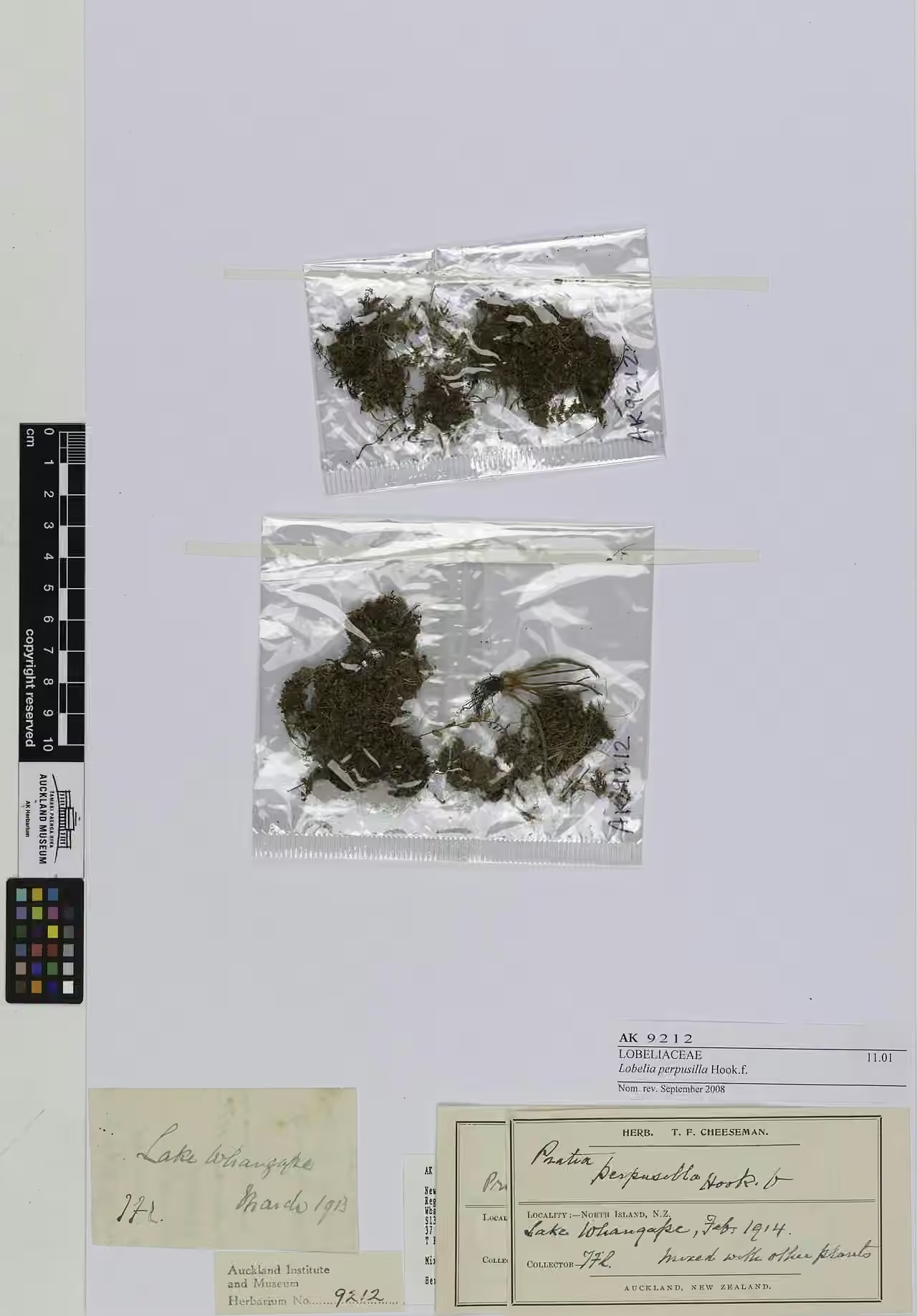
Explore other native plants that share similar characteristics or habitats with Logania (Logania depressa), offering further insights into New Zealand's diverse flora. These related species provide context and opportunities for complementary planting in your garden.

Plant Conservation
Logania depressa is ranked Extinct in the 2023 New Zealand Threat Classification, as it was in the 2009, 2012 and 2017 assessments. It is known only from a single collection made on 22 February 1847 and has not been found despite searches.
Its only known area is now largely modified tussock grassland, partly under a hydro dam and heavily infested with Hieracium pilosella. Protecting and restoring the remaining red tussock grassland of the central North Island is the best hope should any plants survive undetected.
Frequently Asked Questions
Is Logania depressa extinct?
Yes. It is ranked Extinct in the New Zealand Threat Classification. It is known only from William Colenso's collection of 22 February 1847 and has not been found again despite searches.
Where did Logania depressa grow?
Colenso collected it south of the Kaimanawa Mountains and west of the Moawhango River, an area later interpreted as probably east of Waiouru and north of Moawhango township, in an ice-covered hollow within red tussock grassland.
Why might Logania depressa have disappeared?
NZPCN notes that the area where it was collected is now largely modified tussock grassland, part of it under a hydro dam, and heavily infested with the weed mouse-ear hawkweed (Hieracium pilosella).
Is Logania depressa really a Logania?
Its placement was long uncertain, and Hooker himself suspected it might belong elsewhere, but a 2022 study of plastid DNA from the extinct plant by Heenan and colleagues confirmed its placement in Logania.
Sources and Further Reading
The botanical, growing, and conservation details for Logania (Logania depressa) on this page draw on the New Zealand plant references below. Consult them for full technical records and the latest distribution data.