Mountain Lobelia
Lobelia linnaeoides
Last updated:
Mountain lobelia (Lobelia linnaeoides) is a small, hairless creeping herb endemic to the South Island, where it grows from Marlborough to Southland in high montane to alpine grassland and shrubland, often on patches of bare ground. Its slender stems root as they creep and carry thick, almost round leaves 4 to 8 mm across, toothed in the upper half and often purplish beneath. In December to February it sends up surprisingly long, wiry stalks topped by delicate white, pale blue, mauve or pale pink flowers. It is Not Threatened nationally and can be grown by alpine gardeners in a cool, free-draining pot or rock garden. Explore more native ground covers in our native plant guide.
Plant Description
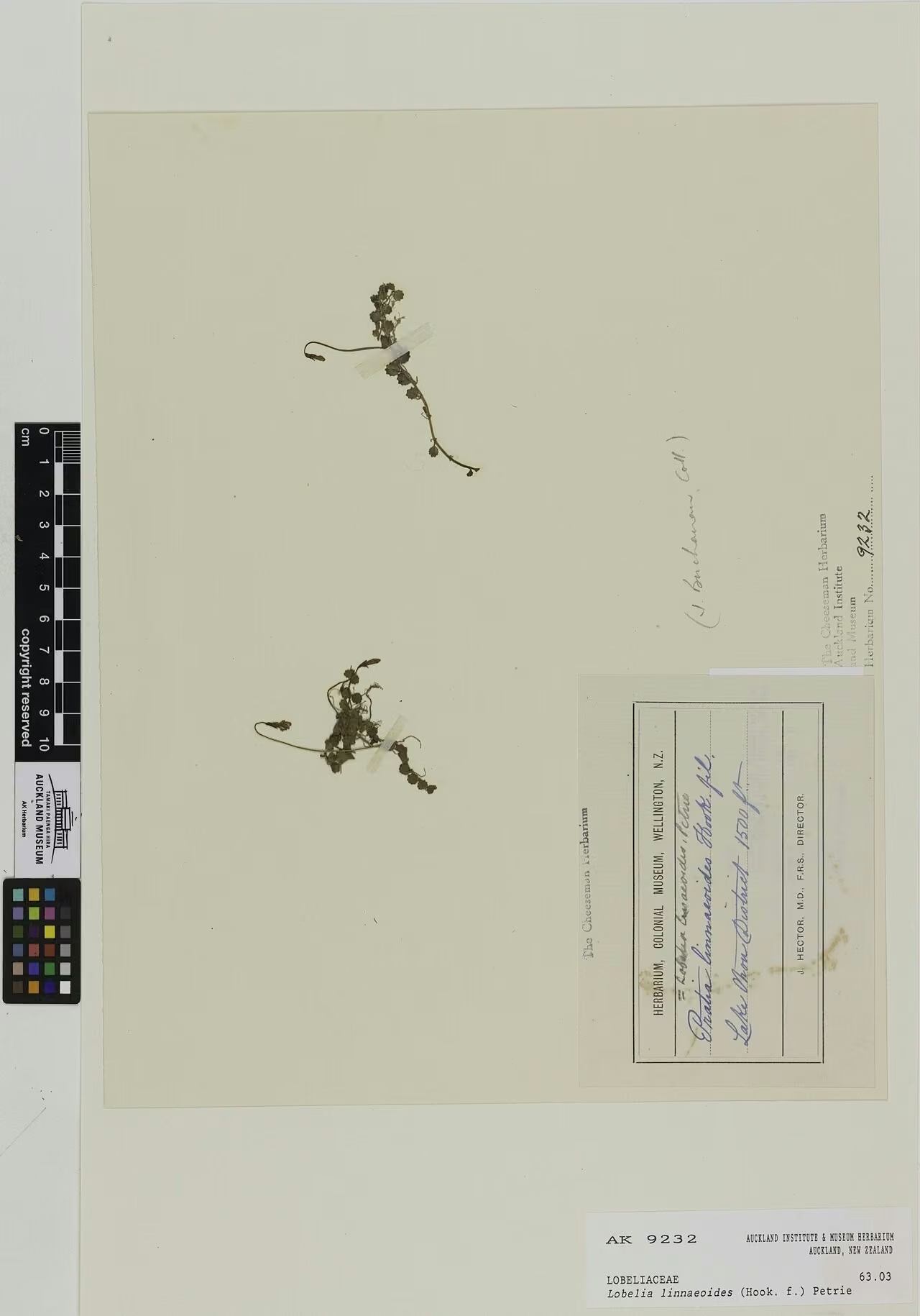
Lobelia linnaeoides is a glabrous creeping herb. Its stems are slender, simple or sparingly branched, usually lying along the ground and rooting at the nodes, and rarely rise more than about 15 mm high. The leaves are almost stalkless, rather thick and fleshy, nearly circular and 4 to 8 mm across, with coarsely wavy-toothed margins in the upper half. They are dark green above and often purplish beneath.
The flowers are 8 to 12 mm long and sit at the top of very slender, almost wiry stalks 50 to 100 mm long, so they float well above the leaves. The corolla is white, pale blue, mauve or pale pink, often deeper in colour in bud, with narrow upper lobes. The fruit is a narrow capsule 5 to 9 mm long.
The long, thread-like flower stalks rising from a flat mat of small round toothed leaves are the best field character. Unlike the berry-bearing creeping lobelias such as panakenake (Lobelia angulata), its fruit is a dry capsule.
Quick Facts
| Scientific Name | Lobelia linnaeoides |
|---|---|
| Height | Leaves at ground level; flower stalks 50-100 mm |
| Spread | Small creeping patches |
| Water Needs | Moderate; cool, evenly moist roots |
| Light | Full sun to light shade |
| Frost Tolerance | High; a montane to alpine plant |
| Salt Tolerance | No information available; an inland mountain plant |
| Growth Rate | Moderate |
| Lifespan | Perennial |
Climate Best Suited to
Suits cold, high-country climates of the South Island with cool summers, winter snow and frost. It dislikes warm, humid conditions and is difficult in northern lowland gardens.
Regional Suitability
| City | Climate Suitability |
|---|---|
| Auckland | Low |
| Wellington | Low |
| Christchurch | Medium |
| Dunedin | Medium |
Plant Habitat
Mountain lobelia is endemic to the South Island, ranging from Marlborough south to Southland.
It grows in higher montane to alpine grassland and shrubland, and is often found on patches of bare ground among tussocks and low shrubs, where competition from taller plants is limited. In Otago it is regarded as regionally naturally uncommon.
Growing Requirements
Soil Requirements
In the mountains it occupies thin, open soils on bare patches within grassland, so in cultivation it needs a gritty, free-draining mix that still keeps the roots cool.
- Gritty, free-draining soil
- Cool root run, such as between rocks
- Low fertility; avoid rich garden soil
Light Requirements
Its native grasslands and shrublands are open and bright, but the roots stay cool.
- Full sun in cool districts
- Light afternoon shade in warmer gardens
Water Requirements
It needs steady moisture at the roots but does not tolerate stagnant, humid conditions around the foliage.
- Water regularly in dry summer weather
- Ensure excess water drains away freely
- Good air movement reduces rot
Planting and Establishing
Plant mountain lobelia in spring into a pocket of a rock garden or scree bed, setting it beside a rock so its roots can run underneath into cool soil. In warmer, more humid areas, grow it in a clay pot of gritty alpine mix in an alpine house or a sheltered, airy spot.
Keep it away from vigorous neighbours, since in the wild it favours bare patches where little else competes.
Ecological Role
Mountain lobelia colonises small gaps of bare ground within montane and alpine grassland and shrubland, rooting along its stems to spread across the open patch. Flowering runs from December to February and fruiting from January to April.
The insects that pollinate its long-stalked flowers are not recorded in the sources consulted, nor is any specific association with other animals.
Uses & Significance
Garden Uses
A dainty alpine for specialists who can give it cool roots and dry, airy foliage.
- Rock gardens and scree beds in cool districts
- Alpine house pots
- Troughs alongside other small mountain natives
Ecological Value
It is a typical small herb of South Island high country grasslands and is part of their endemic diversity.
- Colonises bare ground in tussock grassland
- Endemic to the South Island mountains
- Regionally naturally uncommon in Otago
Landscaping Uses
In an alpine garden, let mountain lobelia creep around the base of a weathered rock where its round leaves contrast with the stone and its flowers wave on fine stalks above.
It is small enough to use in a trough or sink garden, where the delicate summer flowers can be enjoyed at eye level.
Seasonal Care Calendar
Spring
New leaves emerge and the patch begins to spread.
- Plant or divide now
- Top-dress with fresh grit
Summer
Flowers appear on long, wiry stalks from December to February.
- Water during dry spells
- Shade pots from the hottest sun
Autumn
Narrow capsules ripen from January to April.
- Collect seed from cultivated plants
- Improve air flow before damp weather
Winter
Plants rest under cold or snow in the mountains.
- Keep pots on the dry side
- Protect from winter wet rather than cold
When to Prune and How Much
No pruning is needed beyond removing spent flower stalks if you want a tidier look.
Clear away any dead or rotting leaves promptly, as these can spread decay in humid weather.
How to Grow Mountain Lobelia
NZPCN states that mountain lobelia is easily grown from rooted pieces and fresh seed, but that it prefers a cool root run, dislikes humidity and does best in a free-draining rock garden or a pot in an alpine house. Propagation itself is therefore straightforward; the challenge is keeping young plants cool and dry around the crown while their roots stay evenly moist. Use only cultivated plants or seed collected legally, and grow all young plants in a gritty mix with good air movement.
From Seed
Capsules ripen from January to April. Fresh seed gives the best germination, so sow it soon after collection.
- Collect capsules as they dry and start to split
- Sow the fine seed thinly on a gritty seed mix
- Cover with a very light dusting of fine grit
- Keep the pot cool and moist, in good light and airy conditions
- Pot seedlings on individually once they have several leaves
By Division
Because the stems root at their nodes, small rooted pieces can be separated from a cultivated plant and potted up. Divisions establish faster than seedlings and flower sooner, so this is the method most alpine growers use to share the plant.
- In spring, cut rooted stem sections from the edge of the patch
- Pot into a mix of half grit and half fine bark or peat
- Keep in a cool, shaded, airy place until established
- Plant out or pot on in autumn or the following spring
Pests & Diseases
No specific pests are recorded. The main problem in cultivation is rotting in warm, humid weather, which NZPCN notes the plant dislikes.
Slugs may graze the fleshy leaves and the flower stalks, especially on pot-grown plants.
Cultural Significance
No Māori name or traditional use is recorded for Lobelia linnaeoides in the sources consulted.
It was first described by Joseph Dalton Hooker as Pratia linnaeoides and moved to Lobelia by Donald Petrie in 1891. The epithet linnaeoides means resembling Linnaea, the twinflower genus named after Carl Linnaeus.
Bonus Tip
Grow mountain lobelia in a clay pot plunged into a bed of sand or grit in a shaded spot. The plunge keeps the roots cool and evenly moist, while the foliage stays in the open air, matching the cool root run and dry, airy top growth this plant needs.
Related Plants
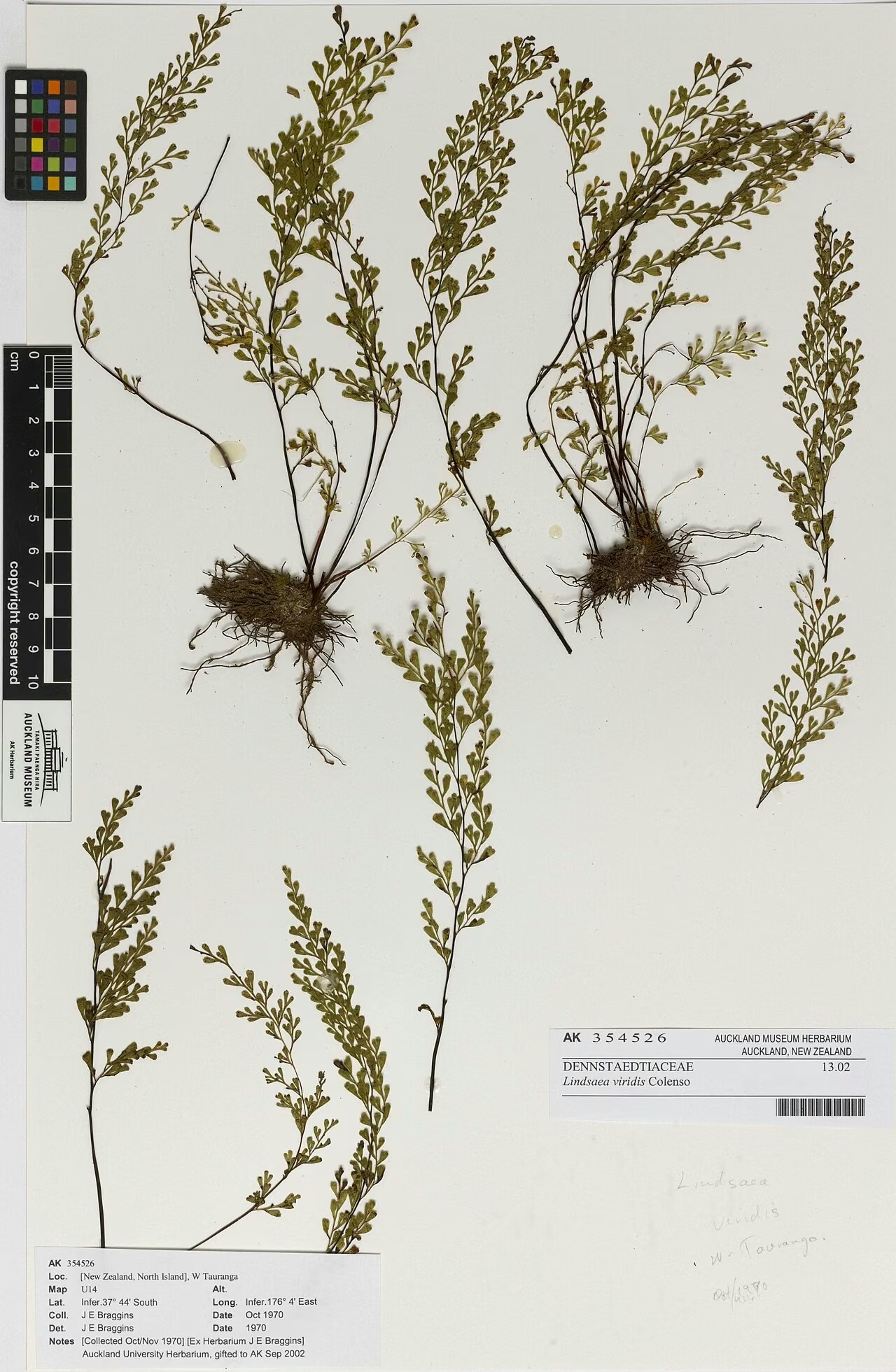
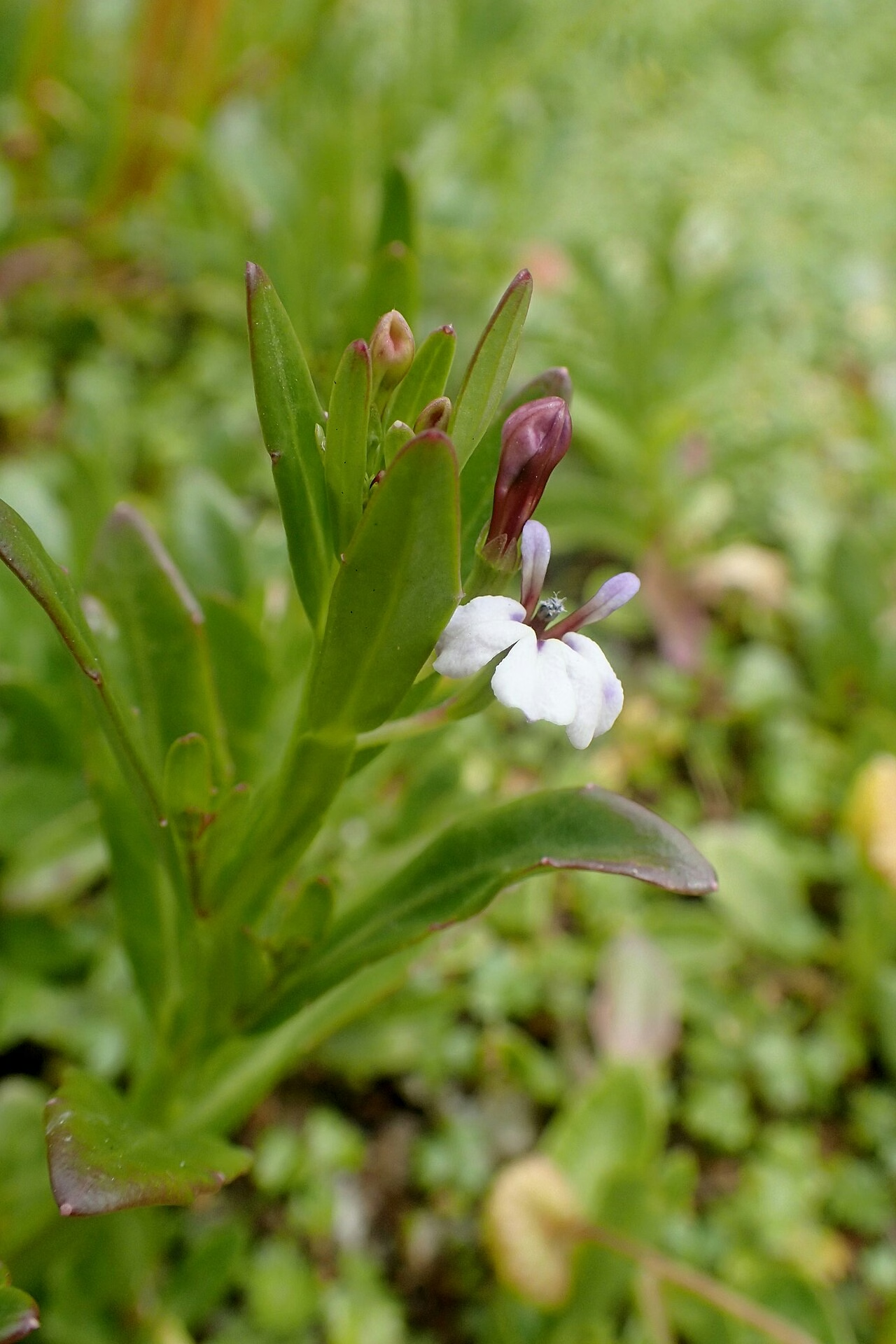
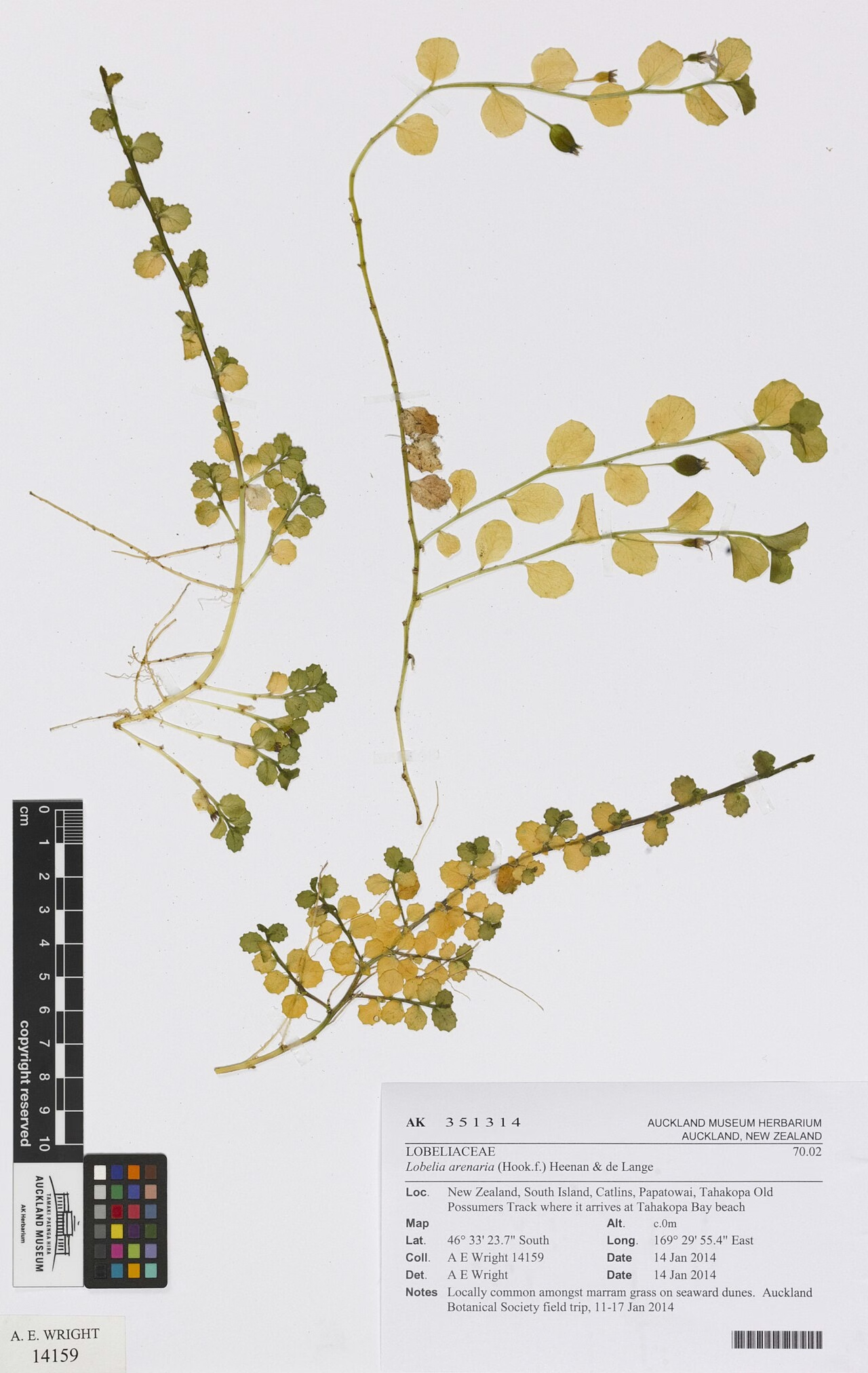
Explore other native plants that share similar characteristics or habitats with Mountain Lobelia (Lobelia linnaeoides), offering further insights into New Zealand's diverse flora. These related species provide context and opportunities for complementary planting in your garden.
Plant Conservation
Mountain lobelia is ranked Not Threatened in the 2023 New Zealand Threat Classification. In Otago, the 2025 regional assessment lists it as Regionally At Risk - Regionally Naturally Uncommon.
It benefits from the large areas of South Island high country protected in national parks and conservation land. Controlling invasive weeds that close over bare ground in tussock grassland helps keep open the small patches it colonises.
Frequently Asked Questions
What does mountain lobelia look like?
It is a low, creeping herb with fleshy, roundish toothed leaves 4 to 8 mm wide and single flowers 8 to 12 mm long held on very slender stalks 50 to 100 mm long.
Where can you find Lobelia linnaeoides?
It is endemic to the South Island from Marlborough to Southland, growing in higher montane to alpine grassland and shrubland, often on patches of bare ground.
Is mountain lobelia easy to grow?
It grows readily from rooted pieces and fresh seed, but NZPCN notes it prefers a cool root run, dislikes humidity and is best in a free-draining rock garden or an alpine house pot.
Sources and Further Reading
The botanical, growing, and conservation details for Mountain Lobelia (Lobelia linnaeoides) on this page draw on the New Zealand plant references below. Consult them for full technical records and the latest distribution data.