Lindsaea
Lindsaea linearis
Last updated:
Lindsaea linearis is a small, tufted terrestrial fern of poor, open ground, found from Northland to Stewart Island and abundantly on the Chatham Islands. It has two kinds of fronds: narrow, upright fertile fronds up to 50 cm long and shorter sterile fronds that lie flat, all with dark red-brown to black stems and rows of tiny fan-shaped leaflets. It is a classic plant of gumland, pakihi, clay pans and bog margins, often under mānuka, kānuka or bracken. It also grows in Australia, where it is called screw fern, and New Caledonia. It is ranked Not Threatened. Explore more native ferns in our native plant guide.
Plant Description
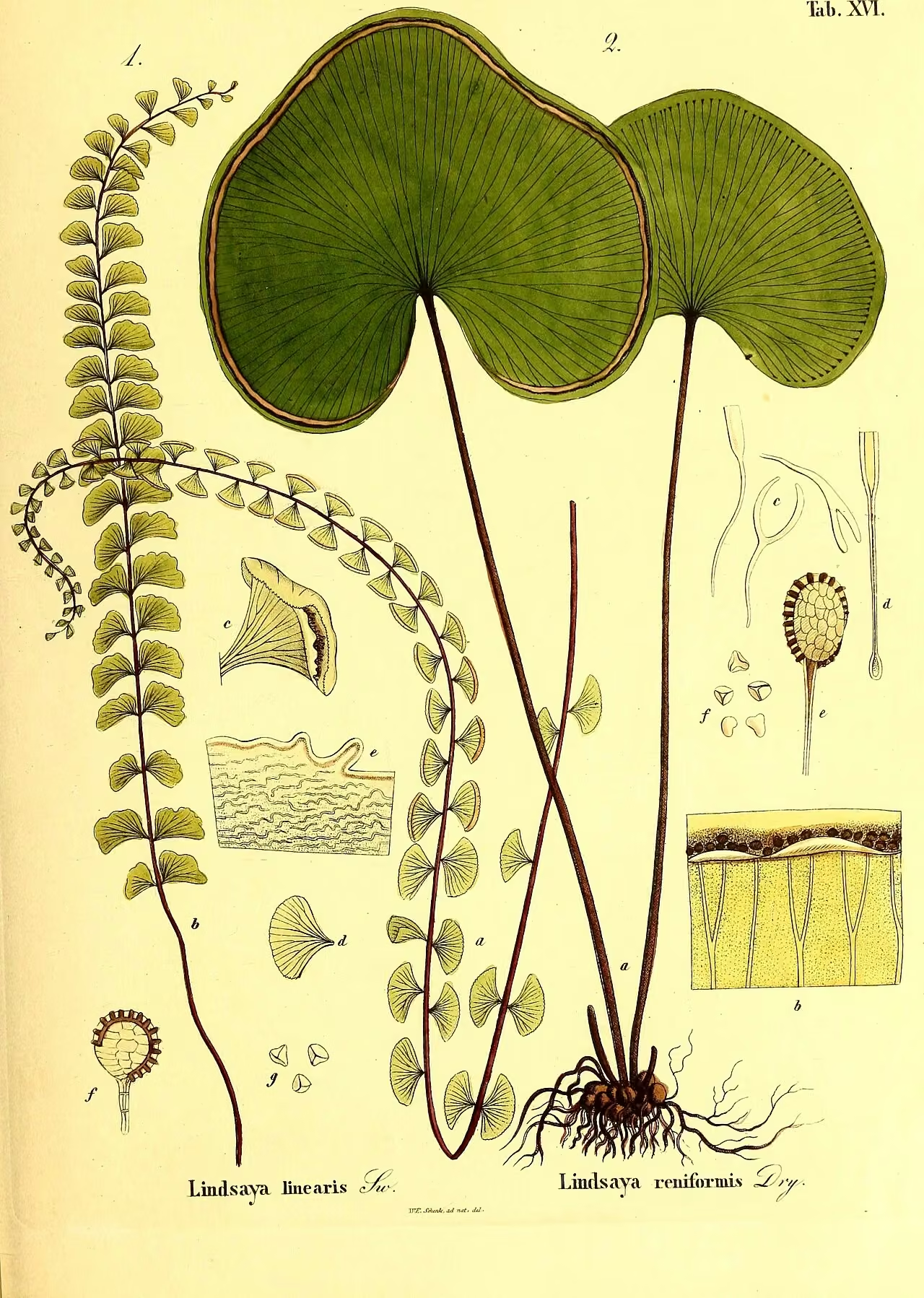
Lindsaea linearis is a terrestrial, tufted fern with a short creeping rhizome. Its fronds are dimorphic. The fertile fronds stand erect, 50 to 500 mm long, while the sterile fronds are shorter, 20 to 420 mm, and usually lie prostrate. The stipes and rachises are glossy dark red-brown, purplish black or black, a key feature of the species.
Each frond is narrow and linear, once-pinnate, with 8 to 44 pairs of small flabellate (fan-shaped) pinnae with free veins. On fertile fronds the sori run along the outer margins of the pinnae, protected by indusia with strongly toothed edges. On poor, dry soils the fertile pinnae often droop and shrivel.
NZPCN separates it from other New Zealand Lindsaea by its dark stipes, its distinct upright fertile and prostrate sterile fronds, and its fan-shaped pinnae. L. trichomanoides has broader, two-pinnate forest fronds, and L. viridis is a bright green streamside fern. The Flora of New Zealand notes that its chromosome number (n = 34) is unique within the genus.
Quick Facts
| Scientific Name | Lindsaea linearis |
|---|---|
| Height | Fertile fronds 0.05-0.5 m |
| Spread | Small clumps from short creeping rhizomes |
| Water Needs | Moist to wet in winter, tolerates dry summer banks |
| Light | Full sun to light shade |
| Frost Tolerance | Moderate; recorded up to about 1160 m |
| Salt Tolerance | No information available |
| Growth Rate | Slow |
| Lifespan | Perennial |
Climate Best Suited to
It grows in a wide range of climates from subtropical Northland to Stewart Island and the Chatham Islands, wherever poor, open, seasonally wet soils occur. It is most common in mild, wet northern districts.
Regional Suitability
| City | Climate Suitability |
|---|---|
| Auckland | High |
| Wellington | Medium |
| Christchurch | Low |
| Dunedin | Low |
Plant Habitat
In the North Island it is common from North Cape south to the Bay of Plenty and East Cape, local further south, and common again around Wellington. In the South Island it is locally common in north-west Nelson and scattered elsewhere south to Fiordland. It also grows on Stewart Island/Rakiura and is abundant on Chatham Island (Rēkohu). The Flora records it from about 15 to 1160 m altitude. Outside New Zealand it occurs in Australia and New Caledonia.
It is a fern of coastal to lower montane open ground, especially gumland and pakihi, clay pans, light scrub and the margins of bogs and swamps. It tolerates clay, peat, greywacke, serpentine and ultramafic substrates and grows on dry banks as well as in peat bogs, typically under mānuka, kānuka, gorse or bracken, or among grasses and sedges.
Growing Requirements
Soil Requirements
It is a specialist of infertile soils: acidic clays, peats and leached gumland soils that most plants find hostile.
- Low-nutrient, acidic clay or peat
- Tolerates ultramafic and serpentine soils
- Avoid fertiliser and rich garden soil
Light Requirements
It grows in open, low vegetation where light reaches the ground.
- Full sun to light, dappled shade
- Under sparse mānuka or bracken
Water Requirements
Its habitats are often waterlogged in winter and dry in summer, as on gumland clay pans.
- Moist to wet in the cooler months
- Tolerates summer drying on banks
Planting and Establishing
NZPCN advises this fern is difficult to cultivate and should not be removed from the wild, and it is not commercially available. Its dependence on very poor, acidic soils means it rarely thrives in ordinary garden conditions.
Anyone attempting it from spores should use a low-nutrient peat and sand mix in a sunny spot that stays damp, such as a bog garden edge, with no fertiliser and no competition from vigorous plants.
Ecological Role
As a fern it reproduces by spores, which are dispersed by wind; there are no flowers or fruit for pollinators or seed dispersers. It is a characteristic understorey plant of gumland and pakihi heath, communities rich in orchids, sundews and other specialists of infertile ground.
It is one of the plants able to hold on in early-successional scrub on degraded soils, persisting under mānuka, kānuka and bracken as these communities develop.
Uses & Significance
Garden Uses
It has little practical garden use because it is hard to grow and unavailable, but it is valued by fern enthusiasts.
- Bog garden or peat bed displays
- Native heathland restoration on poor soils
- Fern collections
Ecological Value
It is a typical member of gumland, pakihi and bog-margin vegetation, habitats that are themselves rare and threatened in New Zealand.
- Ground cover on bare, infertile clay
- Part of species-rich gumland and pakihi heath
- Indicator of low-fertility open habitats
Landscaping Uses
In a restoration planting on gumland or poor clay, it naturally fills gaps beneath mānuka and among sedges; there is no need to plant it where it is likely to arrive by spores.
Its dark wiry stems and neat rows of fan-shaped leaflets make an attractive detail for a specialist bog or heath display, but it is not a landscaping plant.
Seasonal Care Calendar
Spring
New fronds unfurl as soils warm and remain moist.
- New growth appears
- Keep peat beds damp
Summer
Fertile fronds carry marginal sori; on dry banks the fertile pinnae may droop or shrivel.
- Spores mature on fertile fronds
- Water cultivated plants in drought
Autumn
Rains return to its clay pans and bog margins.
- Collect spores from mature fronds
- Remove weeds that overtop it
Winter
Plants persist through wet winter conditions in waterlogged soils.
- Tolerates saturated ground
- Protect from hard frost in cold gardens
When to Prune and How Much
No pruning is needed. Old, withered fertile fronds can be snipped off at the base if they look untidy.
Avoid trimming healthy sterile fronds, which lie close to the ground and supply most of the plant's energy.
How to Grow Lindsaea
Lindsaea linearis is a fern, so it is raised from spores rather than seed. NZPCN rates propagation as difficult and advises that wild plants should not be removed. The species is not commercially available, so propagation is a project for fern specialists. Spores should be collected sparingly from a single fertile frond, and a low-nutrient, acidic medium that mimics gumland soils gives the best chance of success.
From Spores
Spores form in sori along the margins of the upright fertile fronds. Collect them when the sori darken and the indusia begin to open.
- Cut a single mature fertile pinna or frond tip and place it on clean paper in a dry room for a few days
- Tap off the released spores and remove debris
- Sterilise a mix of fine peat and sand by pouring boiling water through it, then let it cool
- Sprinkle the spores thinly over the surface
- Cover the container with clear plastic or glass and keep it in bright, indirect light
- Keep the surface moist with boiled, cooled rainwater and wait for the green prothallus stage
- Mist gently to aid fertilisation, then prick out young sporelings into small clumps once fronds appear
By Division
Established cultivated clumps with several crowns along the short creeping rhizome can sometimes be divided, although the plant resents disturbance.
- Divide only cultivated plants in spring
- Keep a generous ball of the original soil around each piece
- Replant at once into a peat and sand mix and keep moist and lightly shaded until established
Pests & Diseases
No specific pests or diseases are recorded. In cultivation, the main cause of failure is unsuitable soil: fertile or limey mixes and fertiliser are likely to kill it.
In the wild, drainage of wetlands, conversion of gumland and pakihi to farmland and invasion by weeds have reduced its habitat, although the species remains widespread.
Cultural Significance
No Māori name or traditional use specific to this fern has been recorded in the sources consulted.
Its strongest historical link is with the gumlands of Northland, where kauri gum diggers worked the poor clay soils on which this fern is common. The genus name honours John Lindsay, a British surgeon whom NZPCN credits with discoveries about fern spores.
Bonus Tip
If you are surveying a gumland or pakihi site, look low: the prostrate sterile fronds of Lindsaea linearis are easily missed, but its upright, wiry, almost black fertile fronds stand out against pale clay and are the quickest way to spot it.
Related Plants
Explore other native plants that share similar characteristics or habitats with Lindsaea (Lindsaea linearis), offering further insights into New Zealand's diverse flora. These related species provide context and opportunities for complementary planting in your garden.
Surville Cliffs Mingimingi
Leucopogon xerampelinus
Lignocarpa carnosula
Lignocarpa carnosula
Lignocarpa diversifolia
Lignocarpa diversifolia
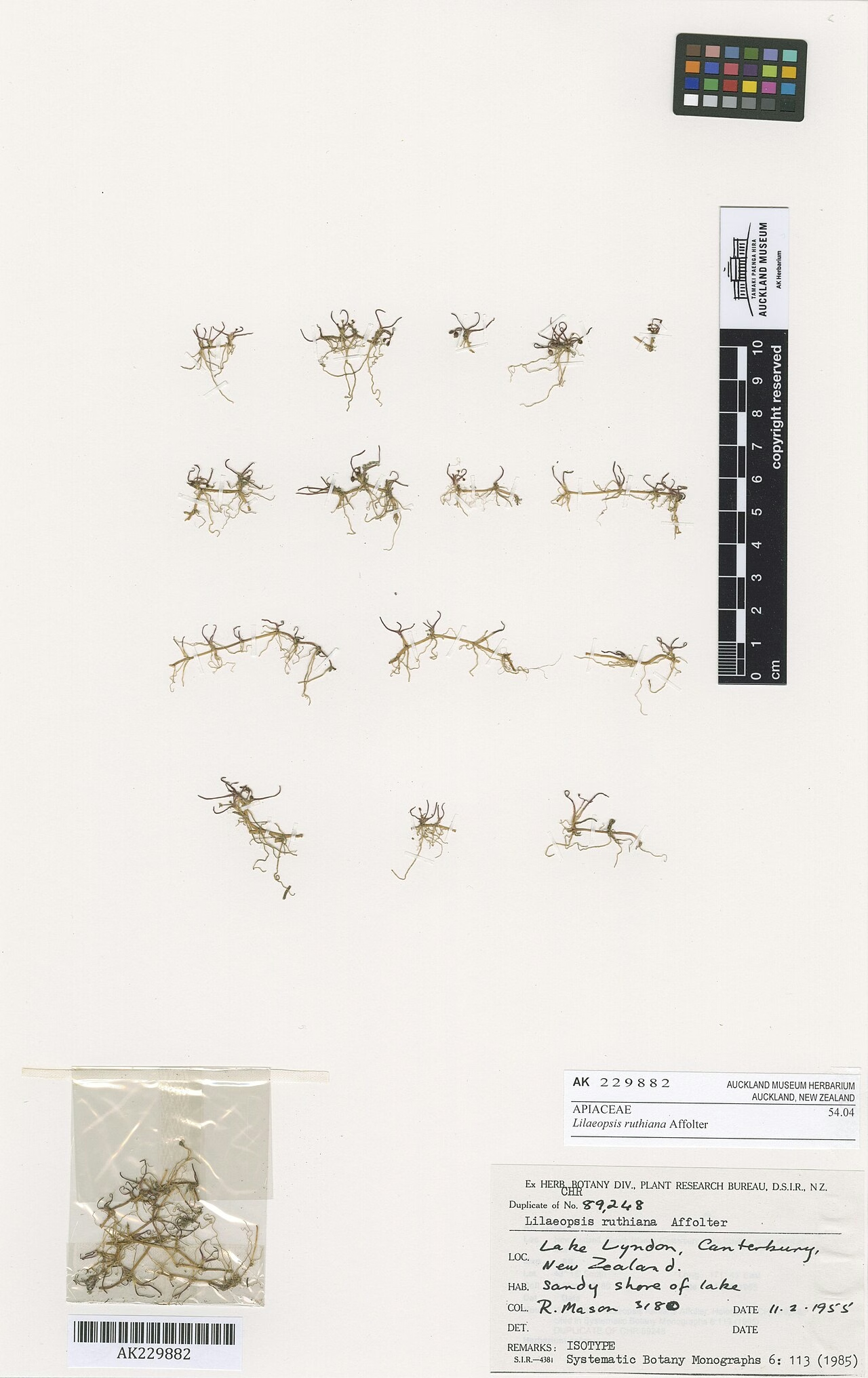
Lilaeopsis ruthiana
Lilaeopsis ruthiana
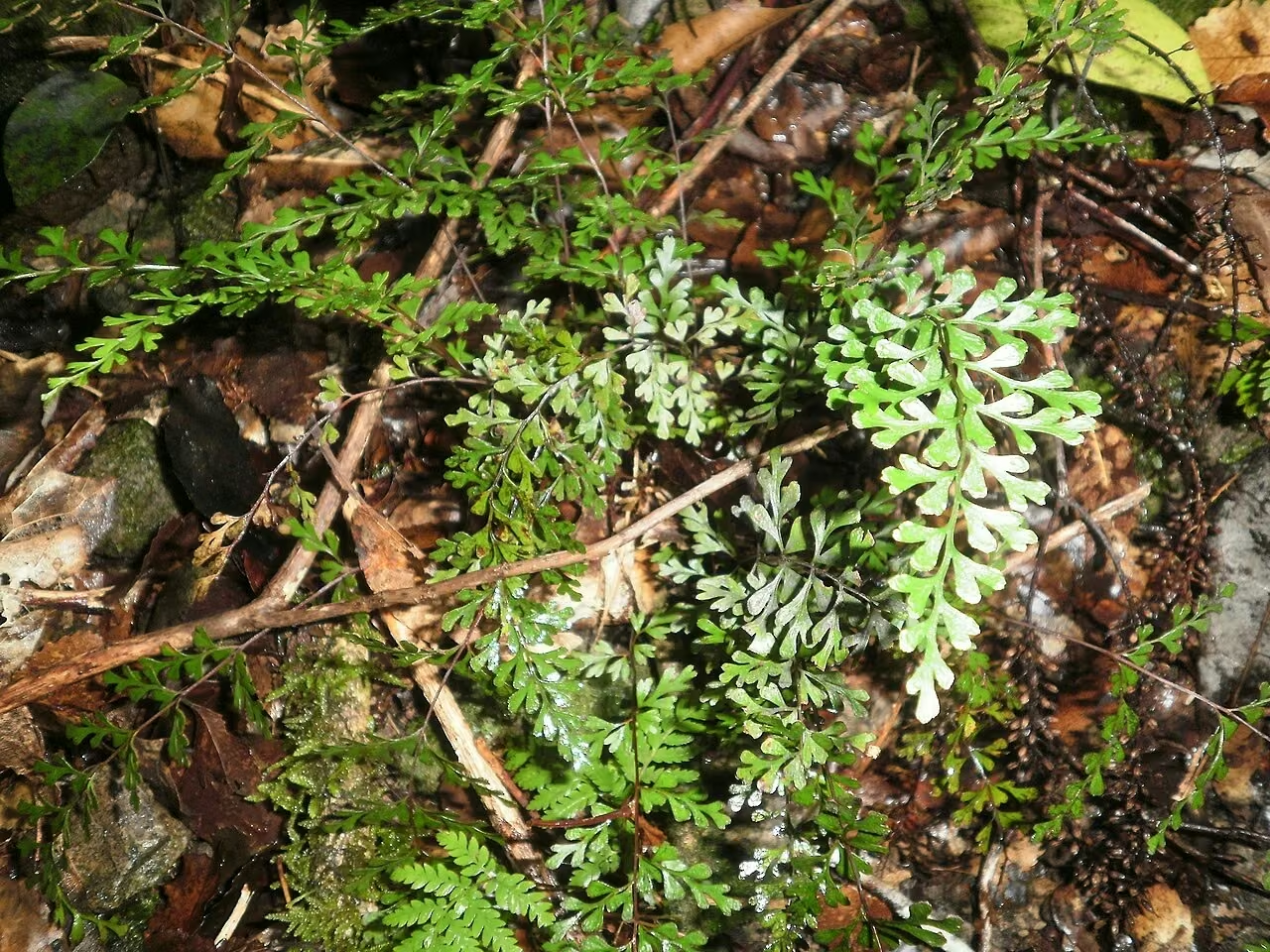
Oval Wedge Fern
Lindsaea trichomanoides
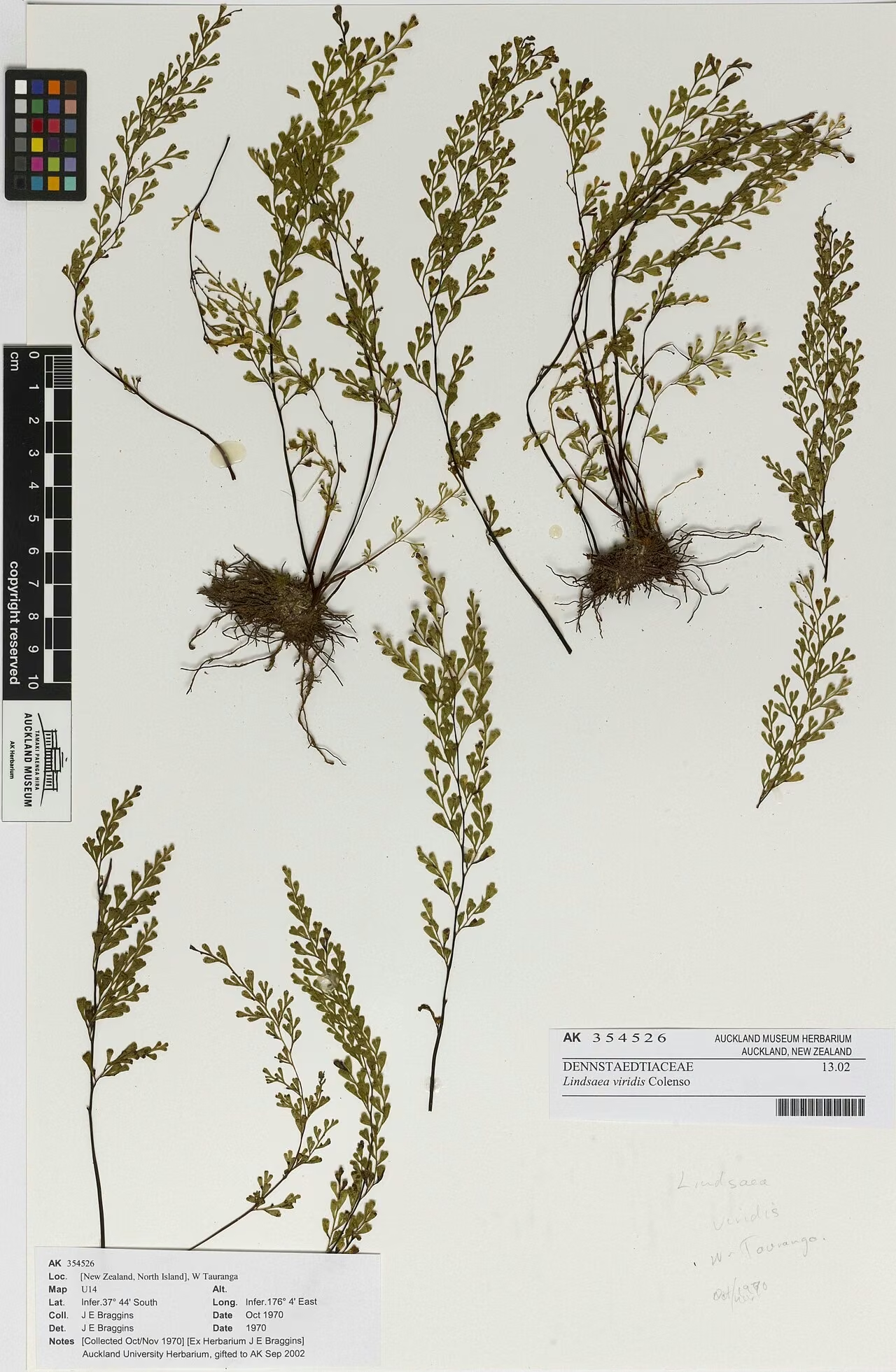
Lindsaea viridis
Lindsaea viridis
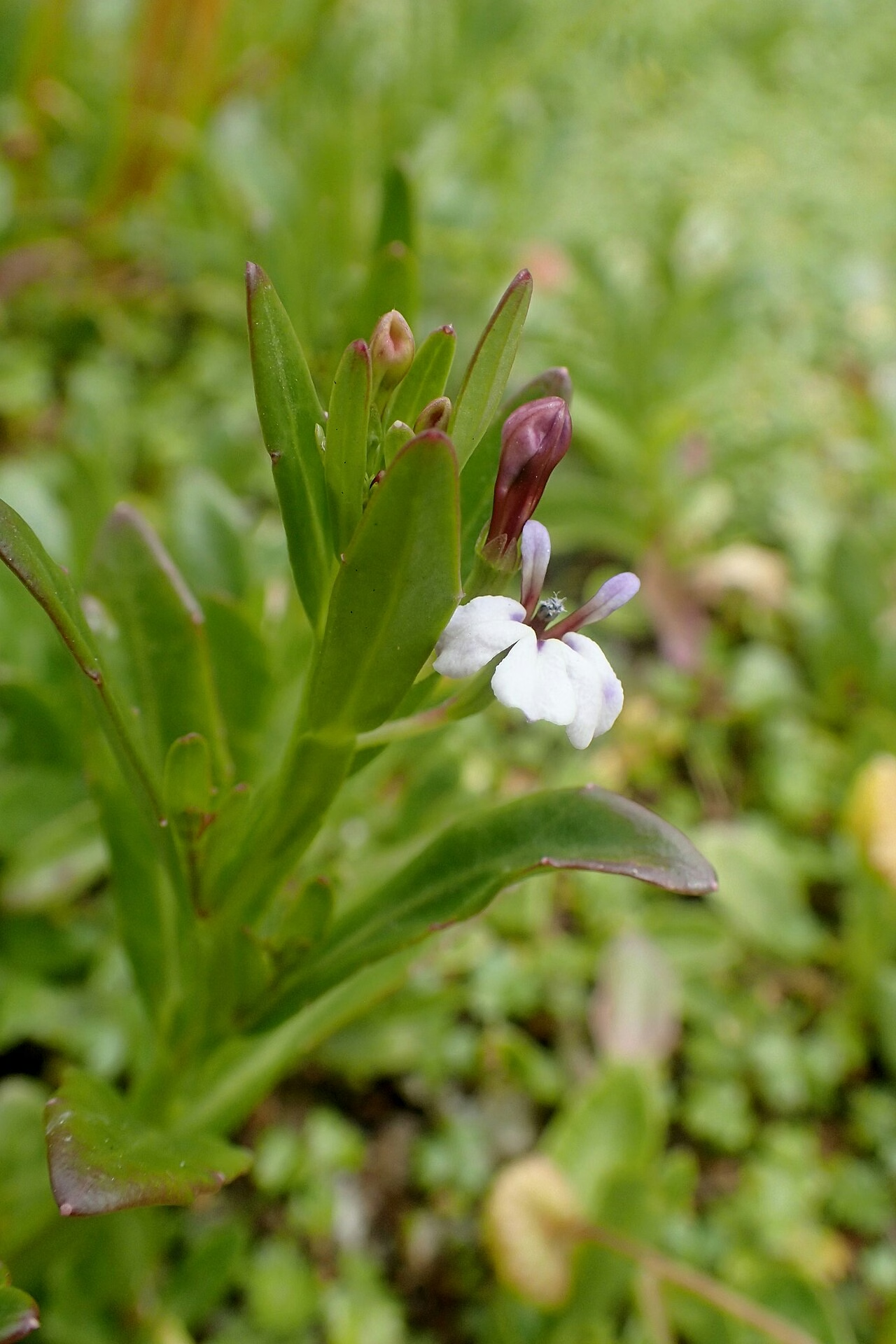
Shore Lobelia
Lobelia anceps
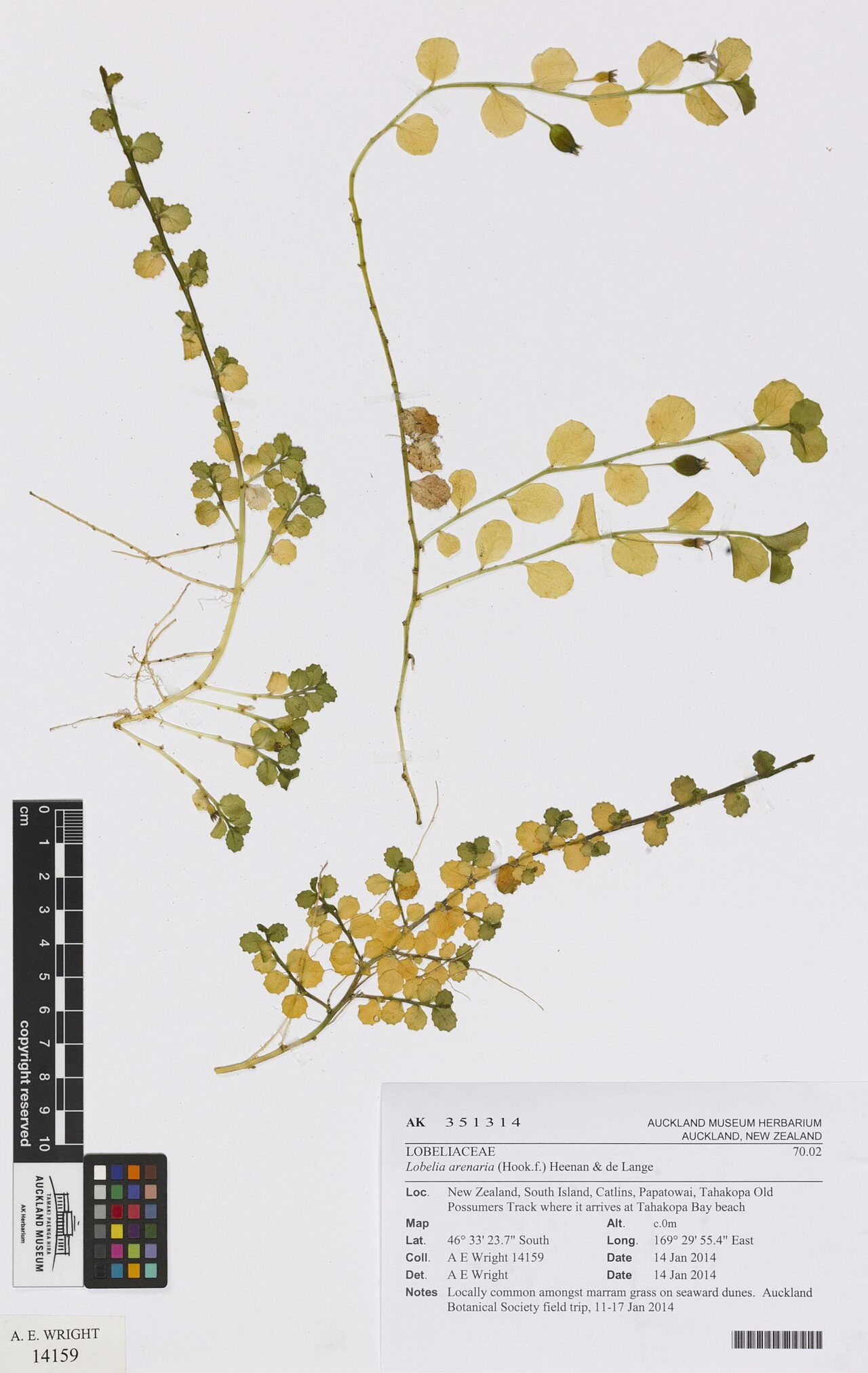
Sand Lobelia
Lobelia arenaria
Plant Conservation
Lindsaea linearis is ranked Not Threatened (2023) with the qualifier SO (Secure Overseas), as it was in every assessment since 2004. Regionally it is At Risk - Regionally Naturally Uncommon in Wellington and Data Deficient in Otago.
Protecting remaining gumland, pakihi and bog-margin vegetation from drainage, fertiliser runoff and weed invasion is what benefits it most.
Frequently Asked Questions
How do you identify Lindsaea linearis?
Look for dark red-brown to black stipes, narrow once-pinnate fronds with many small fan-shaped pinnae, and separate upright fertile fronds and prostrate sterile fronds.
What habitat does Lindsaea linearis grow in?
It grows on poor, open soils such as gumland, pakihi, clay pans, peat bogs and dry banks, typically under light scrub of mānuka, kānuka, gorse or bracken.
Is Lindsaea linearis found only in New Zealand?
No. It is indigenous to New Zealand but also occurs in Australia and New Caledonia, which is why it is ranked Not Threatened with the qualifier Secure Overseas.
Can Lindsaea linearis be grown in a garden?
NZPCN describes it as difficult to propagate, says it is not commercially available and advises that it should not be removed from the wild.
Sources and Further Reading
The botanical, growing, and conservation details for Lindsaea (Lindsaea linearis) on this page draw on the New Zealand plant references below. Consult them for full technical records and the latest distribution data.