Button Daisy
Leptinella tenella
Last updated:
Leptinella tenella is a soft, creeping perennial herb in the daisy family, endemic to New Zealand. It forms loose patches or dense turf of bright green, finely toothed, almost feathery leaves, with tiny yellow-green button flower heads in spring. It grows in lowland sites where streams meet estuaries, on lake margins, and around freshwater swamps bordering saltmarsh, scattered from Mt Camel in Northland to Wairarapa and very locally in north-west Nelson and the Marlborough Sounds. Wetland drainage and weeds have caused declines, and it is ranked Threatened - Nationally Endangered. NZPCN notes it makes an excellent lawn cover on poorly drained ground. Explore more native ground covers in our native plant guide.
Plant Description
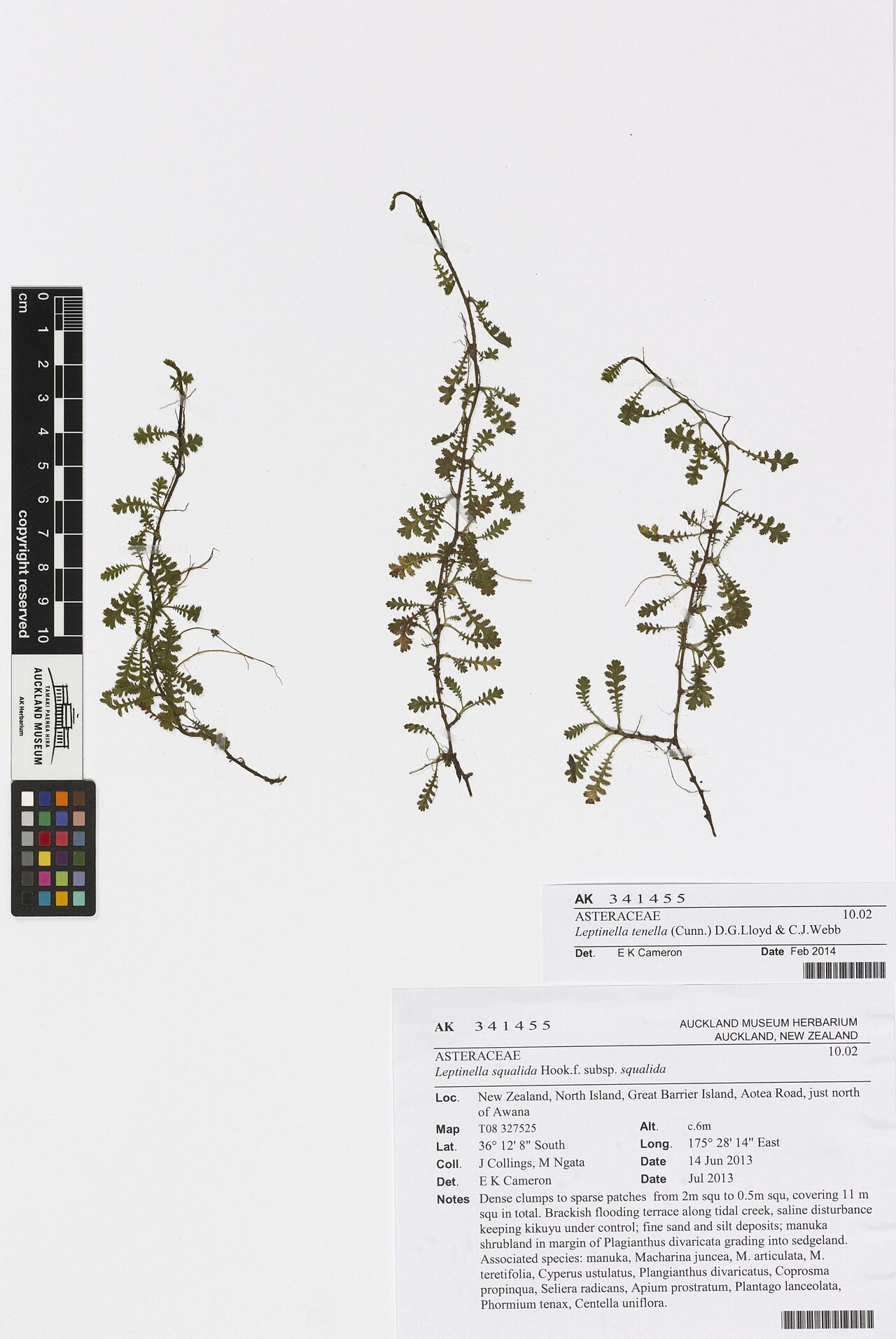
Leptinella tenella is a soft, creeping perennial herb forming loose patches or dense turf. Its pliant rhizomes run at the soil surface, are dark red-green or green, and are sparsely covered in soft hairs; the leaves arise in two rows along them.
The leaves are once-pinnatifid, 10-40 mm long and 4-15 mm wide, bright green and thin (membranous), with 6-10 pairs of leaflets bearing numerous fine teeth, giving an almost feathery look. The plant is monoecious. Its flower heads are 2-6 mm across and yellow-green, containing 20-45 female florets and 10-15 male florets. The seeds (cypselae) are up to 1.3 mm long, brown and slightly flattened, and are thought to be dispersed by wind and possibly by attachment.
NZPCN describes the bright green, finely toothed foliage as very distinctive. The most similar species are Leptinella potentillina of the Chatham Islands, which does not overlap in range and is usually yellow-green and larger, and L. dispersa, which has obvious teeth along the leaflet margins and numerous female florets that are not hidden by the shorter bracts.
Quick Facts
| Scientific Name | Leptinella tenella |
|---|---|
| Height | Under 5 cm (flower stalks a little taller) |
| Spread | Loose patches to dense turf, spreading by surface rhizomes |
| Water Needs | High; prefers damp or poorly drained soil |
| Light | Full sun to dappled shade |
| Frost Tolerance | Moderate |
| Salt Tolerance | Moderate; grows beside saltmarsh and estuaries |
| Growth Rate | Moderate to fast in damp soil |
| Lifespan | Perennial |
Climate Best Suited to
It suits mild, humid lowland climates with moist soils year round. Cool winters are fine, but it needs reliable moisture through summer.
Regional Suitability
| City | Climate Suitability |
|---|---|
| Auckland | High |
| Wellington | High |
| Christchurch | Medium |
| Dunedin | Medium |
Plant Habitat
Leptinella tenella is endemic to New Zealand. In the North Island it is scattered from Mt Camel in the far north to Kawhia Harbour in the west and Matatā in the east, then absent until Horowhenua and Wairarapa. In the South Island it is local in north-west Nelson and the Marlborough Sounds.
It is a lowland plant, usually found on stream margins where they enter estuaries, on lake margins, and on the edges of freshwater swamps and wetlands bordering saltmarsh. It prefers open sites kept clear by periodic disturbance from high tides and flooding, and is rarely found far inland.
Growing Requirements
Soil Requirements
It grows naturally in damp, silty or peaty soils at the edge of fresh and brackish water. In gardens it thrives where other lawn plants struggle with poor drainage.
- Moist to wet, poorly drained soils are fine
- Silty, loamy or peaty soils
- Tolerates mildly brackish conditions
- Avoid dry, sandy, free-draining sites
Light Requirements
NZPCN notes it prefers a sunny aspect but will grow in dappled light. Dense shade makes it thin and straggly.
- Full sun for the densest turf
- Dappled light acceptable
Water Requirements
This is a plant of damp ground and should never be allowed to dry out for long. It does well in wet hollows and beside ponds.
- Keep consistently moist, especially in summer
- Ideal for low spots, pond edges and rain gardens
Planting and Establishing
Plant rooted pieces 10-20 cm apart in spring or autumn into damp, sunny ground. They knit together into a soft turf within a season or two in good conditions. Keep the area weeded until the mat closes over.
It is well suited to the margins of ponds, swales and rain gardens, and to wet patches of lawn where grass struggles. Avoid planting near vigorous exotic grasses such as kikuyu or creeping bent, which will overrun it.
Ecological Role
Like other button daisies, it has small, rayless flower heads visited by flies and other small insects. Its papery seeds are probably spread by wind and possibly by sticking to animals or debris, and the creeping rhizomes allow it to spread locally across open mud and turf.
It depends on the periodic disturbance of tidal and flood margins, which keeps taller plants at bay. Where wetlands are drained, or rank weeds and grasses invade, these open patches disappear and the plant declines.
Uses & Significance
Garden Uses
One of the most attractive native button daisies for damp places, with fresh green, feathery foliage.
- Lawn substitute on poorly drained ground
- Pond and stream margins
- Rain gardens and swales
- Between stepping stones in damp, sunny areas
Ecological Value
Growing it helps keep a Nationally Endangered wetland herb in cultivation and adds native turf to restored wetland edges.
- Native ground cover for estuary and wetland margin restoration
- Small nectar source for flies and other insects
- Part of the herbfield community of tidal and flood margins
Landscaping Uses
Use it as a living carpet at the water's edge, softening the transition from pond to garden, or as a fine-textured lawn in a damp hollow. Its bright green contrasts well with darker sedges such as Carex secta and with rushes.
In a wetland restoration, plant it on open, low margins rather than among tall sedges, mimicking the disturbed, tidally influenced edges where it grows naturally.
Seasonal Care Calendar
Spring
Flowering from August to November, with small yellow-green heads above fresh green leaves.
- Plant or divide
- Weed out invading grasses
Summer
Seeds ripen from October to January. Growth continues if the soil stays moist.
- Water in dry spells
- Light mowing on a high setting is possible for lawn use
Autumn
Foliage remains green; some late seed may ripen.
- Good time to plant rooted pieces
- Remove fallen leaves that smother the turf
Winter
Growth slows; plants tolerate wet ground and moderate frost.
- Little care needed
- Avoid heavy foot traffic on waterlogged turf
When to Prune and How Much
No pruning is required. Where used as a lawn, it can be trimmed occasionally on a high mower setting or with shears to remove spent flower heads.
If patches become thin, top-dress lightly with fine soil and replant rooted pieces into gaps.
How to Grow Button Daisy
Leptinella tenella is easy to propagate from rooted pieces, as NZPCN notes, and the creeping surface rhizomes make division simple. Seed can also be grown, as the plant carries both female and male florets in each head. As it is Nationally Endangered, source propagation material from cultivated plants or reputable nurseries rather than wild populations, and for restoration plantings use stock of local origin.
From Rooted Pieces and Division
Surface rhizomes root at intervals, so pieces can be snipped or pulled away with roots already attached. This is the quickest way to establish a patch.
- In spring or autumn, cut or pull rooted runners from the edge of an established patch.
- Pot them into a moisture-retentive mix, or plant directly into damp prepared ground.
- Set pieces 10-20 cm apart if making a lawn or ground cover.
- Keep the soil continuously moist until new growth appears.
- Weed regularly until the pieces join up into a mat.
From Seed
Seed ripens from October to January. It is small and papery, so collect heads before they break up.
- Collect brown, mature heads in late spring or early summer.
- Rub the heads to free the seed and sow fresh on the surface of a moist seed mix.
- Stand the tray in a saucer of water to keep it damp, in a bright sheltered spot.
- Prick out seedlings once they have several true leaves, and keep them moist as they grow on.
Pests & Diseases
No serious pests are recorded. Slugs and snails may graze young growth in damp sites, and birds sometimes scratch at newly planted pieces.
Invasion by exotic grasses, creeping buttercup and other wetland weeds is the main problem, both in gardens and in the wild.
Cultural Significance
No Māori name or traditional Māori use is recorded for this species in the sources consulted. It is a small, low herb of estuary margins with no documented history of use.
The epithet tenella means delicate, describing its soft, fine foliage, and the genus name comes from the Greek leptos, slender. It was previously treated in Cotula before Leptinella was reinstated as a separate genus in 1987.
Bonus Tip
If you have a soggy corner of lawn that stays green and mossy all winter, try replacing the grass there with Leptinella tenella. It thrives in exactly the poorly drained, sunny conditions that defeat most lawn grasses, and it needs far less mowing.
Related Plants
Explore other native plants that share similar characteristics or habitats with Button Daisy (Leptinella tenella), offering further insights into New Zealand's diverse flora. These related species provide context and opportunities for complementary planting in your garden.
Leptinella potentillina
Leptinella potentillina
Leptinella pusilla
Leptinella pusilla
Leptinella rotundata
Leptinella rotundata
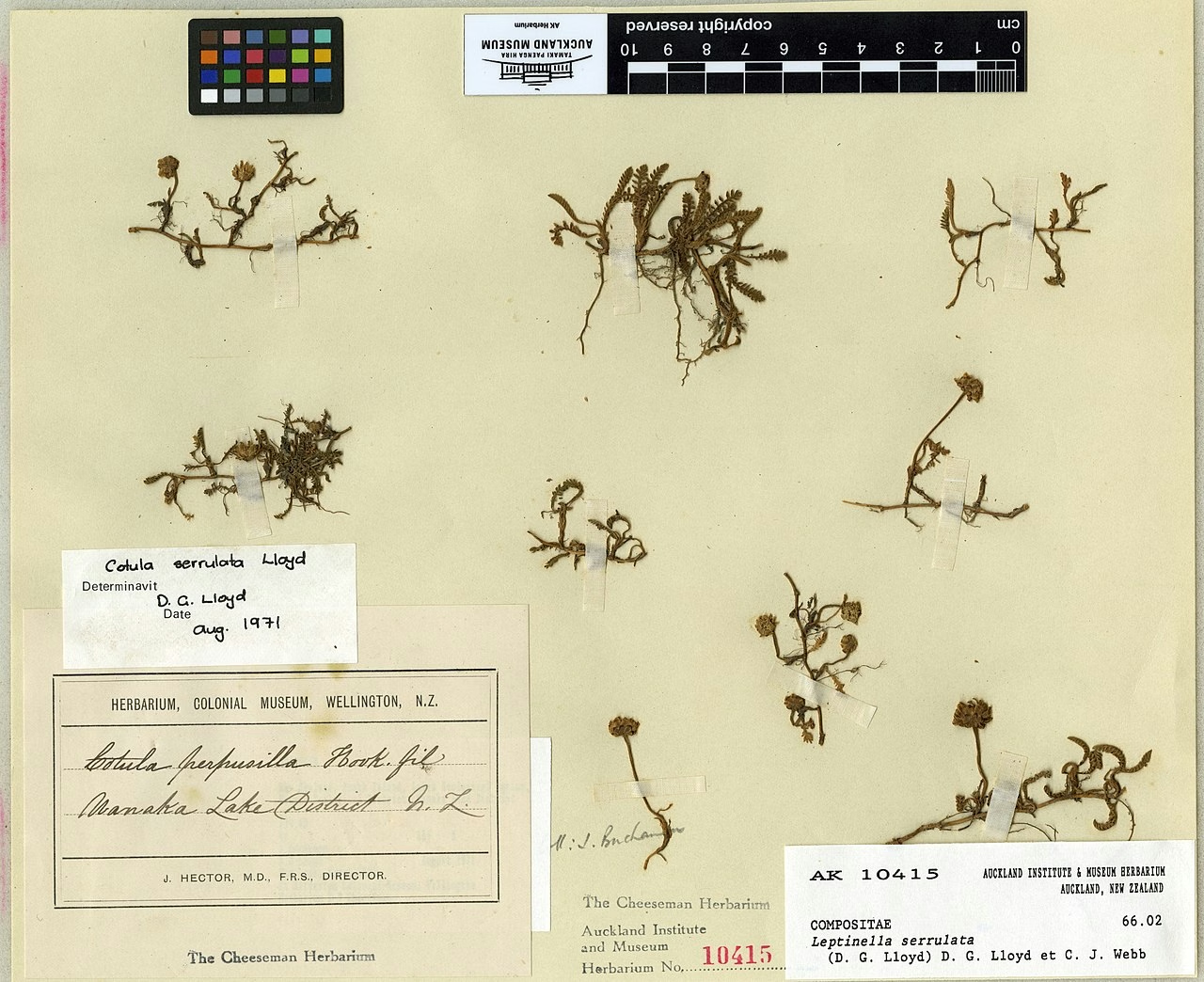
Dryland Button Daisy
Leptinella serrulata
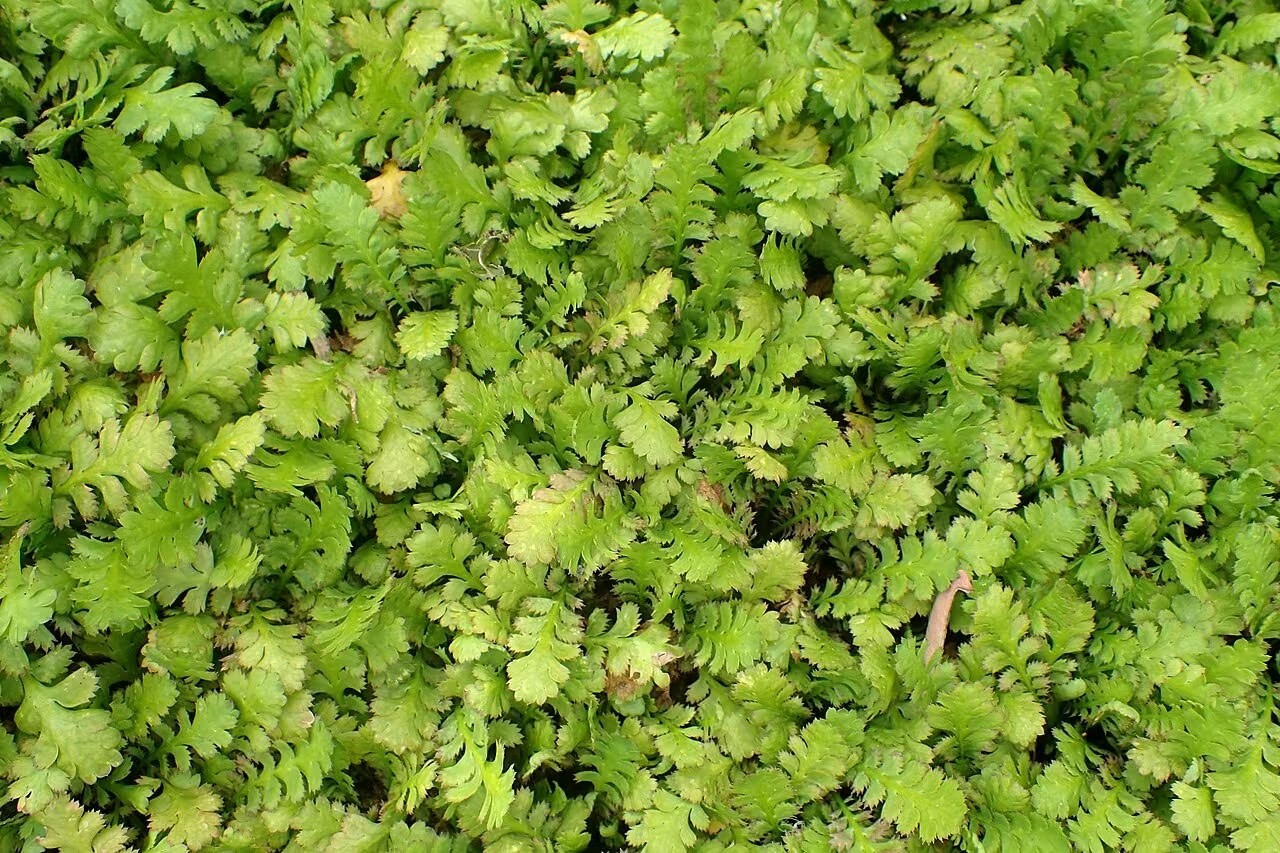
Traill's Button Daisy
Leptinella traillii subsp. traillii
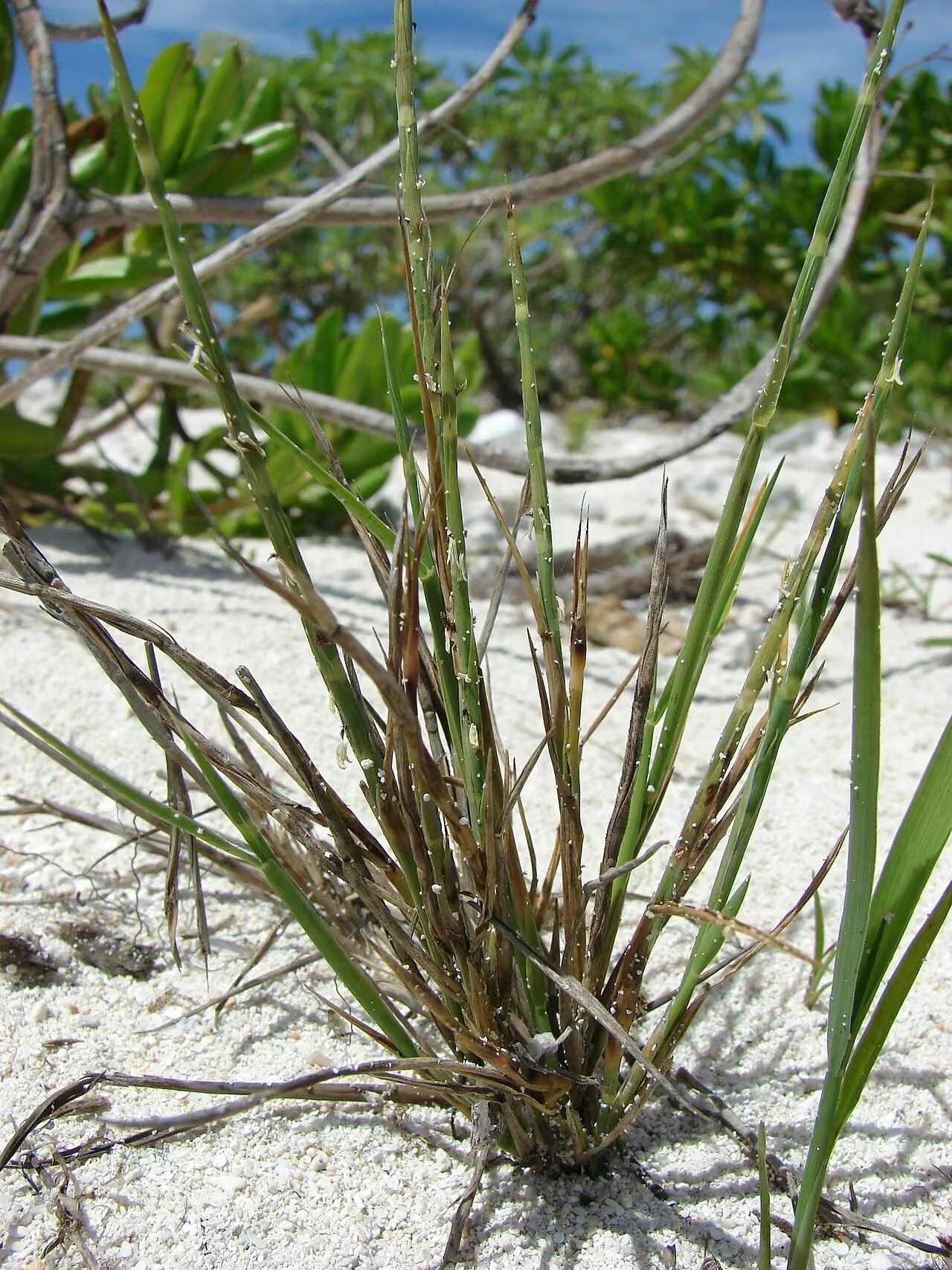
Lepturus repens
Lepturus repens
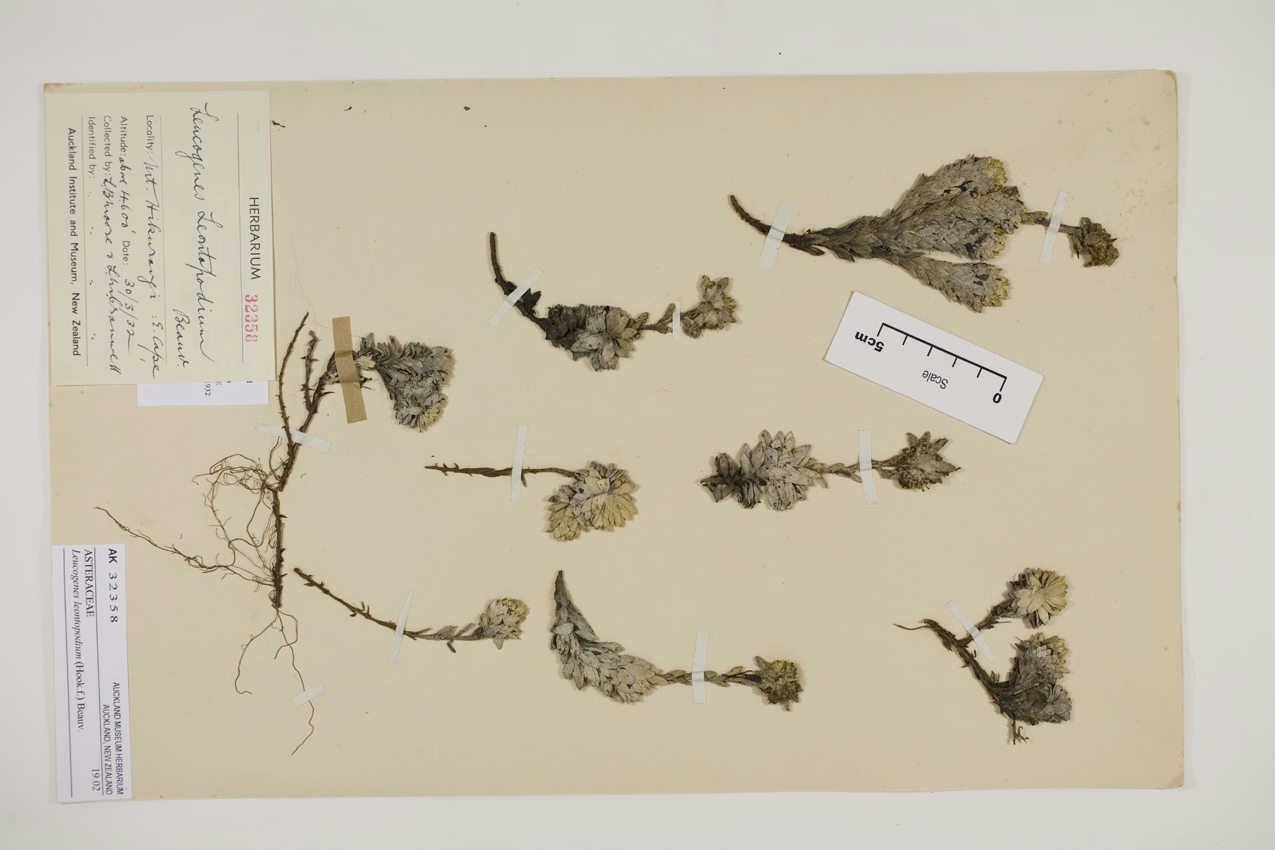
North Island Edelweiss
Leucogenes leontopodium
Marlborough Edelweiss
Leucogenes neglecta
Plant Conservation
Leptinella tenella is ranked Threatened - Nationally Endangered (2023), with qualifiers indicating it is sparse, range restricted and data poor. Regionally it is listed as Critical in Northland and Endangered in Auckland and Wellington.
Some populations have declined due to weeds and wetland drainage. Protecting estuary and lake margins, controlling weeds, keeping natural flood and tidal disturbance, and establishing cultivated populations of known origin all help.
Frequently Asked Questions
Where does Leptinella tenella grow naturally?
It grows in the lowlands, mostly on stream margins where they enter estuaries, on lake edges and around swamps next to saltmarsh, from Mt Camel to Kawhia and Matatā, then Horowhenua and Wairarapa, plus north-west Nelson and the Marlborough Sounds.
Can Leptinella tenella be used as a lawn?
Yes. NZPCN describes it as an excellent lawn cover on poorly drained ground and a very attractive plant for damp soils, preferring sun but tolerating dappled light.
How do you tell Leptinella tenella from similar button daisies?
Its bright green, finely toothed, almost feathery leaves are distinctive. L. potentillina is usually yellow-green and larger, and L. dispersa has obvious teeth along the leaflet margins.
Why is Leptinella tenella endangered?
Populations have declined through wetland drainage and the spread of weeds into the open, periodically flooded margins it depends on. It was naturally sporadic, so losses hit it hard.
Sources and Further Reading
The botanical, growing, and conservation details for Button Daisy (Leptinella tenella) on this page draw on the New Zealand plant references below. Consult them for full technical records and the latest distribution data.