Button Daisy
Leptinella pusilla
Last updated:
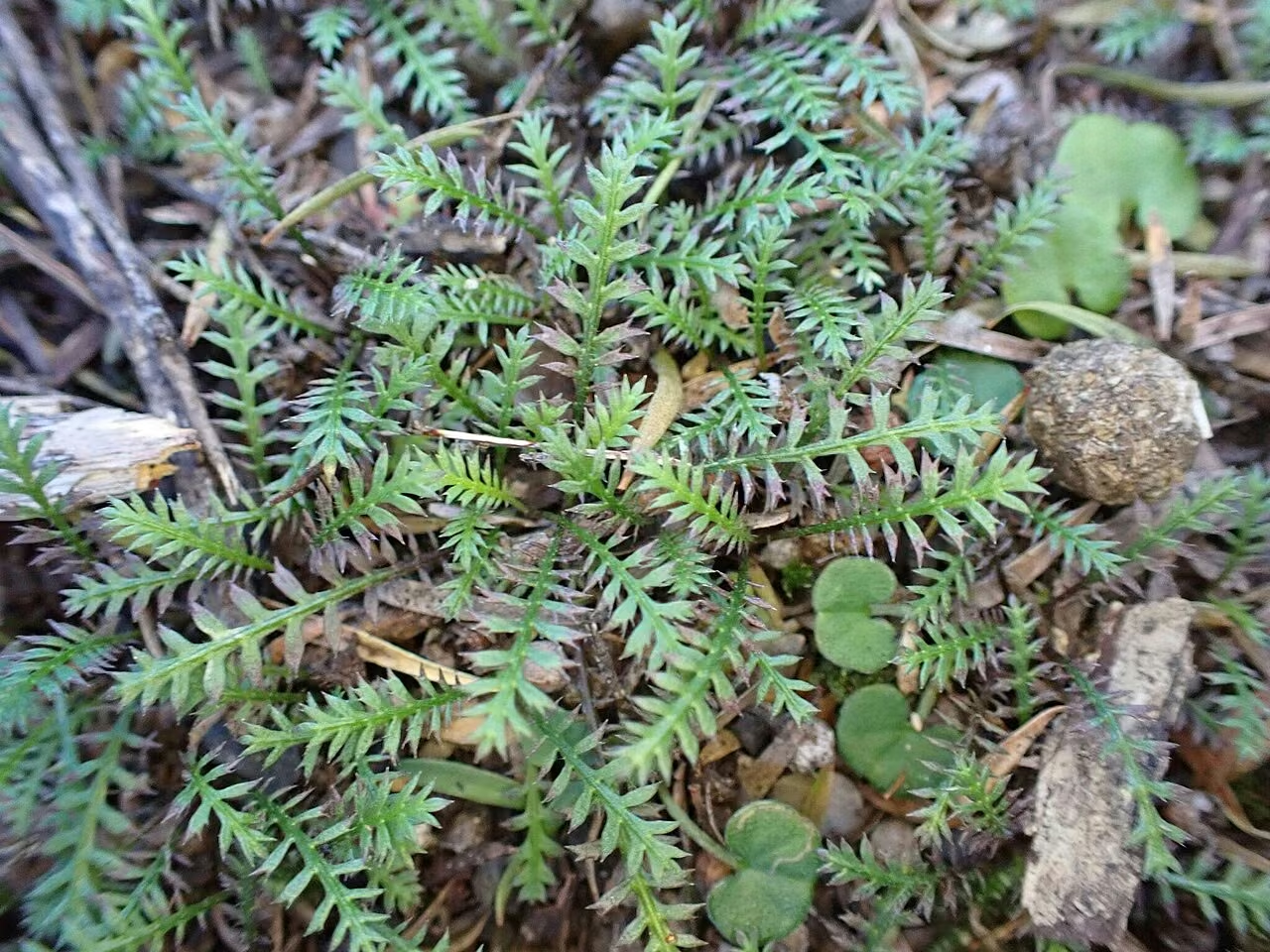
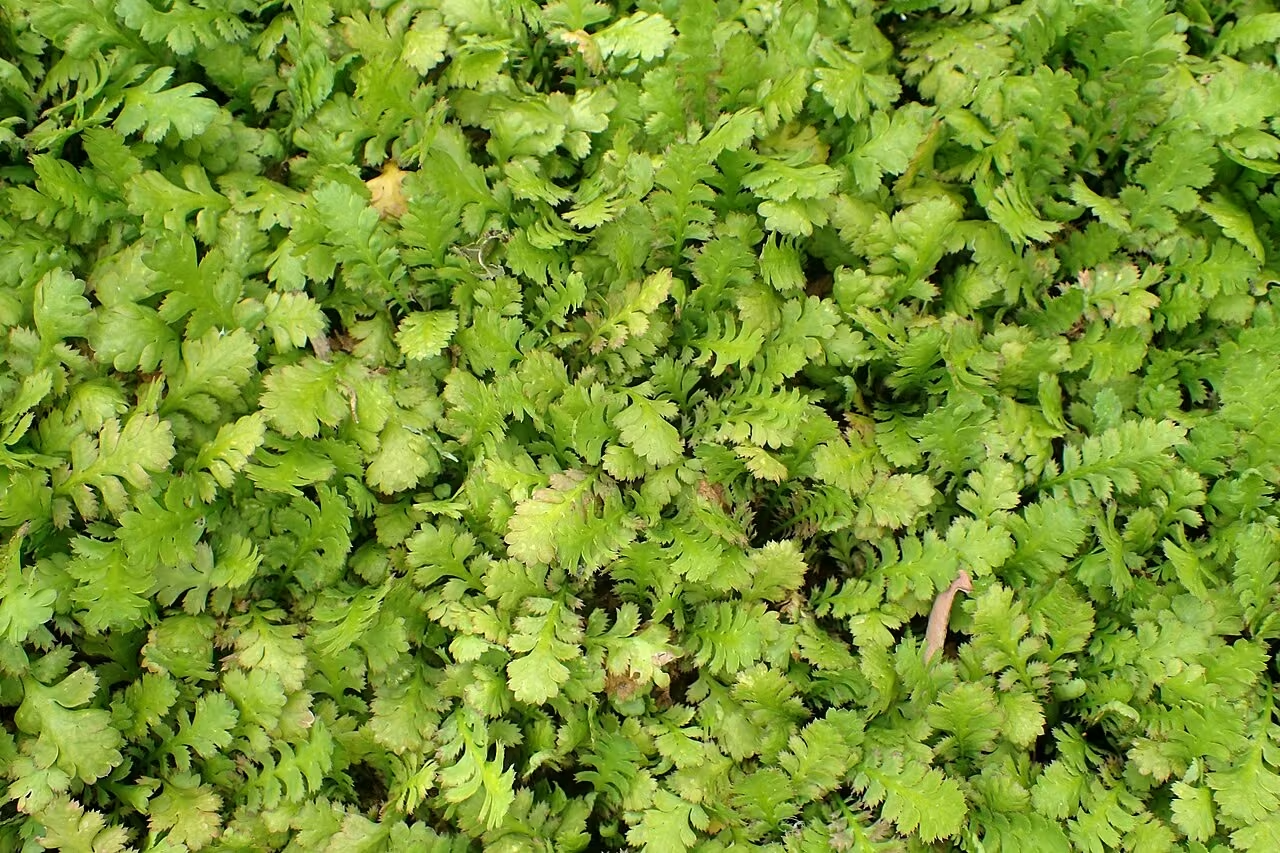
Leptinella pusilla is a small, tufted button daisy endemic to New Zealand. It spreads by pale, wiry rhizomes buried deep in the soil, sending up tufts of finely divided light green leaves that are often flecked or flushed with brown pigment, and tiny yellow-green button heads in spring. It grows from the coast to about 1200 m, mostly at lower elevations, on open gravel, sand and sparse tussock grassland, from Moawhango to Wellington's south coast in the North Island and from the Richmond Range to Foveaux Strait in the eastern South Island. It is ranked At Risk - Declining, yet is easy to grow and fairly common in cultivation. Explore more native ground covers in our native plant guide.
Plant Description
Leptinella pusilla is a dioecious, creeping, tufted perennial herb of open ground and grassland. Its pale, wiry, hairless rhizomes are usually well buried and rarely branch. Short shoots grow up from the rhizome, each bearing 4 to 8 tufted leaves at the tip, so the plant appears as scattered tufts in turf rather than a dense mat.
The leaves are once-divided, 1 to 6 cm long and 3 to 10 mm wide, with a lanceolate to obovate blade cut into 8 to 15 pairs of pinnae. They are light green, but the lower or all of the pinnae are often covered with brown pigment, a useful field character. Female heads are 2 to 4 mm across, enlarging to 8 mm in fruit, with 25 to 80 yellow-green florets; male heads are 3 to 5 mm across. The cypselae are up to 1.6 mm long, pale and papery, turning brown and smooth.
It is closely related to Leptinella serrulata and Leptinella calcarea. NZPCN separates it by its less hairy leaves with more distantly spaced pinnae and triangular rather than oblong teeth. It also has a higher chromosome number, 2n = 104, than most other Leptinella.
Quick Facts
| Scientific Name | Leptinella pusilla |
|---|---|
| Height | Low tufts a few centimetres tall |
| Spread | Spreads slowly by buried rhizomes |
| Water Needs | Low; very drought tolerant once established |
| Light | Full sun |
| Frost Tolerance | High; grows to 1200 m |
| Salt Tolerance | Some; occurs on coastal gravel and sand |
| Growth Rate | Moderate |
| Lifespan | Perennial |
Climate Best Suited to
Suits the drier eastern climates of New Zealand, from the coast to the subalpine zone, with cold winters and dry summers. It copes with hard frost and drought once established.
Regional Suitability
| City | Climate Suitability |
|---|---|
| Auckland | Medium |
| Wellington | High |
| Christchurch | High |
| Dunedin | High |
Plant Habitat
Leptinella pusilla is endemic to New Zealand. In the North Island it ranges from the Moawhango area south to Cape Palliser and the south coast of Wellington. In the South Island it occurs mainly in the east, from the Richmond Range in Marlborough south to Foveaux Strait.
It grows from the coast to the subalpine zone, up to about 1200 m, but is more frequent at lower elevations. It is usually found in open sites on gravel or sand, or in sparsely vegetated tussock grassland, where low-growing plants are not shaded out by taller vegetation.
Growing Requirements
Soil Requirements
In the wild it grows in open gravel, sand and thin grassland soils, and in gardens it likes well-drained ground.
- Free-draining gravelly or sandy soil
- Tolerates low fertility
- Avoid heavy, waterlogged clay
Light Requirements
It is a plant of open, sunny ground and sparse grassland.
- Full sun for compact tufts and good leaf colour
- Becomes sparse if shaded by taller plants
Water Requirements
NZPCN notes it is very drought tolerant once established, reflecting its dry eastern habitats.
- Water new plantings until established
- Little or no watering needed thereafter
- Avoid persistently wet sites
Planting and Establishing
Plant in spring or autumn into a sunny, well-drained position such as a gravel garden, rockery or between paving. Because the rhizomes are deeply buried, set divisions with a good depth of soil and firm them in well.
If you want seed for restoration work, plant both male and female plants from local stock, as most garden plants are of a single sex and will not set seed on their own.
Ecological Role
Leptinella pusilla is part of the low herb layer of open gravel, sand and short tussock grassland in eastern New Zealand, a community of small plants that rely on open ground and are easily crowded out by rank introduced grasses.
Being dioecious, it needs pollen to move between male and female plants for seed to form. NZPCN, citing Thorsen et al. (2009), notes its papery cypselae are dispersed by wind and possibly by attachment. Its specific pollinators are not documented in the sources consulted.
Uses & Significance
Garden Uses
It is a tough, small-scale ground cover for dry, sunny gardens and is fairly common in cultivation.
- Gaps between paving and stepping stones
- Gravel and rock gardens
- Drought-tolerant lawn edging
- Restoration of open grassland and gravel sites from local stock
Ecological Value
It is a characteristic small herb of the open, dry grasslands and gravels of eastern New Zealand.
- Contributes to the native turf flora of tussock grassland
- Covers bare gravel and sand
- A declining endemic that benefits from local-source restoration plantings
Landscaping Uses
Use Leptinella pusilla to soften the joints of a dry-laid stone path or a gravel courtyard, where its fine, brown-flecked foliage forms a subtle, low patchwork. It is less dense than mat-forming button daisies, so it looks best mixed with other small native herbs and grasses.
In a native tussock garden it can fill the spaces between small tussocks, echoing its natural place in eastern grassland.
Seasonal Care Calendar
Spring
Flowering runs from August to November, with small yellow-green button heads among the tufts.
- Plant or divide
- Weed out competing grasses
Summer
Fruit develops from October to January, sometimes into March.
- Little watering needed once established
- Collect seed from female plants if both sexes are present
Autumn
Growth continues quietly as cooler, moister weather returns.
- A good time to lift and divide
- Top-dress with fine gravel
Winter
The tufts persist through cold winters, with growth largely paused.
- No action needed
- Avoid disturbing frozen ground around plants
When to Prune and How Much
No pruning is needed. Spent flower stalks can be trimmed off for a neater look.
If patches thin out over time, lift and divide them, replanting the strongest tufts into fresh, well-drained soil.
How to Grow Button Daisy
NZPCN describes Leptinella pusilla as easily grown and fairly common in cultivation. Division of established clumps is the usual method. Seed is less reliable, because the species is dioecious and most cultivated material is of one sex, so garden plants rarely set seed. For restoration plantings, use material from the local district and include both sexes so that the planted population can reproduce. Because the species is ranked At Risk - Declining, wild collection of seed or plants should only be done with the landowner's or Department of Conservation's permission, and in small amounts.
By Division
The rhizomes are deeply buried, wiry and sparingly branched, so it is best to lift a whole clump with plenty of soil and split it into pieces that each carry a length of rhizome and some leafy shoots.
- Lift the clump in spring or autumn with a deep spade
- Separate it into pieces, each with rhizome and leaf tufts
- Replant at once into free-draining soil in full sun
- Water in and keep moist until new leaves appear
- Reduce watering once plants are established
From Seed
Where male and female plants grow together, female heads ripen seed from October to January. The heads expand to about 8 mm when in fruit.
- Collect the enlarged female heads once the cypselae turn brown
- Sow on a gritty, free-draining seed mix
- Keep in a sunny, sheltered position and lightly moist
- Pot seedlings on when they have several leaves
Pests & Diseases
No significant pests or diseases are recorded. Slugs may graze young tufts, and plants in wet, heavy soil can rot.
In grassland and gravel habitats, the main pressure on plants is being overgrown by taller introduced grasses and weeds, so keep garden plantings weeded.
Cultural Significance
No traditional Māori name or use is recorded for Leptinella pusilla in the sources consulted.
It was described by Joseph Dalton Hooker. The epithet pusilla is Latin for very small, aptly describing this little button daisy, and it has also been known under the names Cotula perpusilla and Cotula angustata.
Bonus Tip
If you buy this plant and it never sets seed, that is normal: most plants in cultivation are a single sex. To get seed for a restoration project, track down plants of the other sex from the same district and grow them side by side.
Related Plants
Explore other native plants that share similar characteristics or habitats with Button Daisy (Leptinella pusilla), offering further insights into New Zealand's diverse flora. These related species provide context and opportunities for complementary planting in your garden.
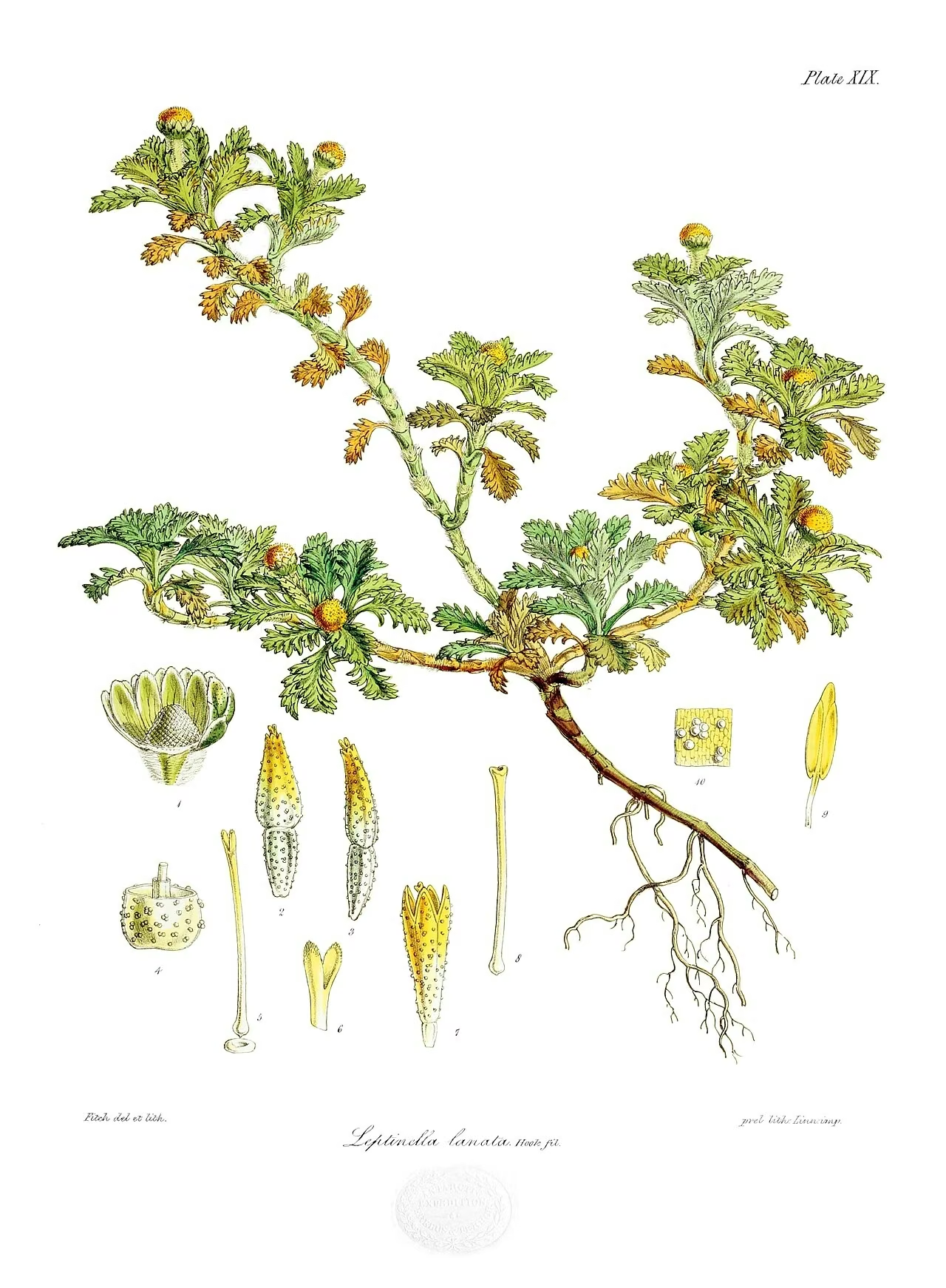
Leptinella lanata
Leptinella lanata
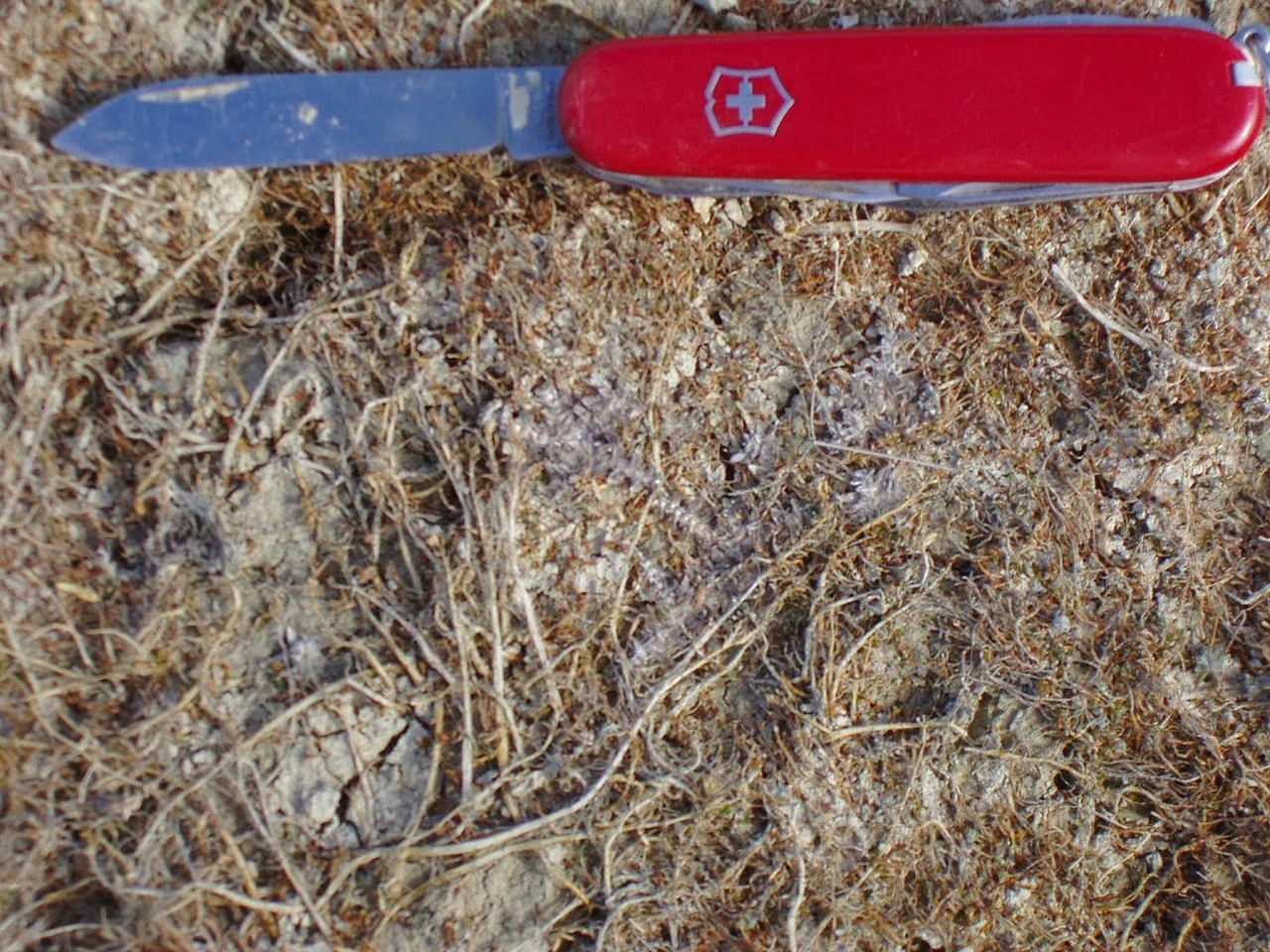
Leptinella maniototo
Leptinella maniototo
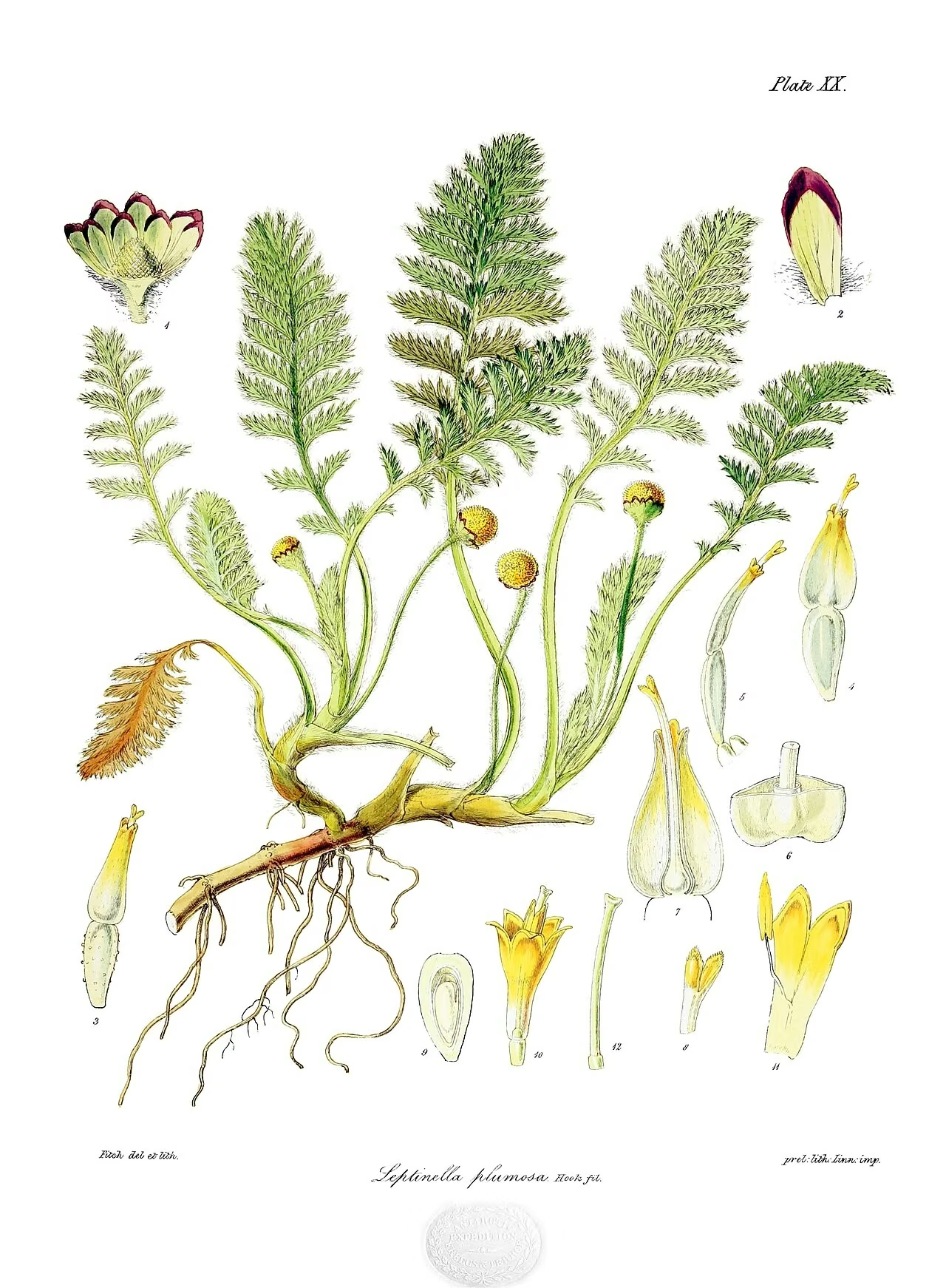
Leptinella plumosa
Leptinella plumosa
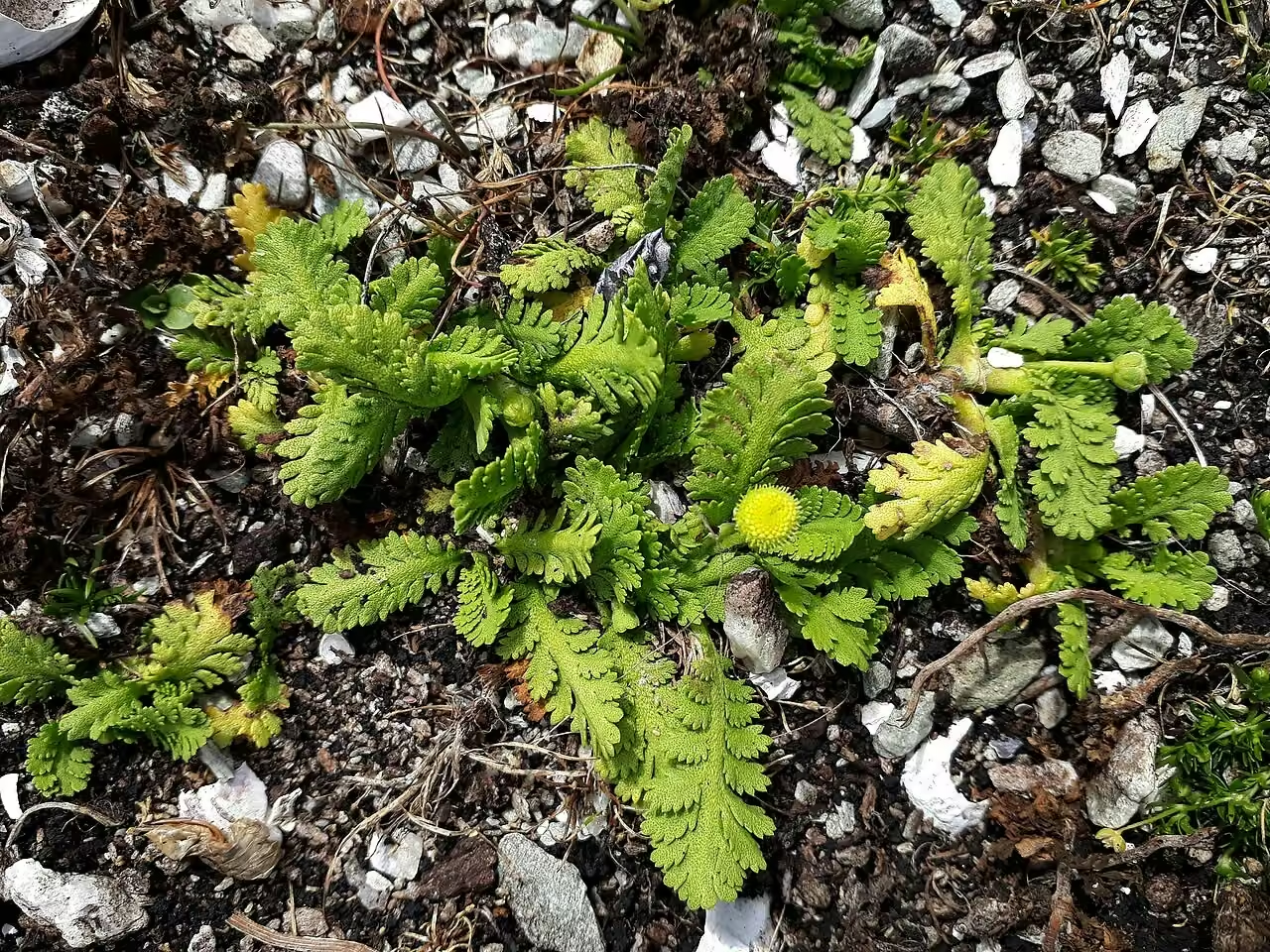
Leptinella potentillina
Leptinella potentillina
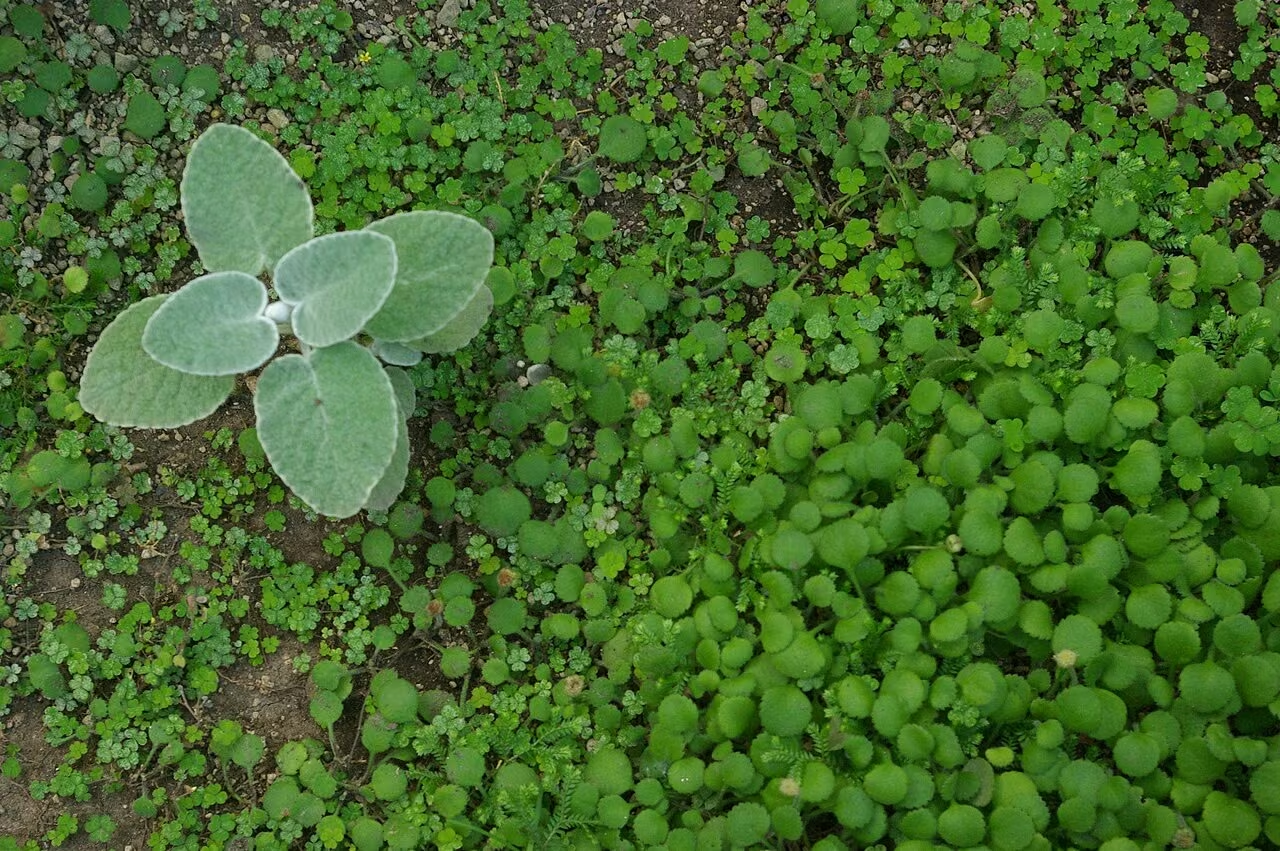
Leptinella rotundata
Leptinella rotundata
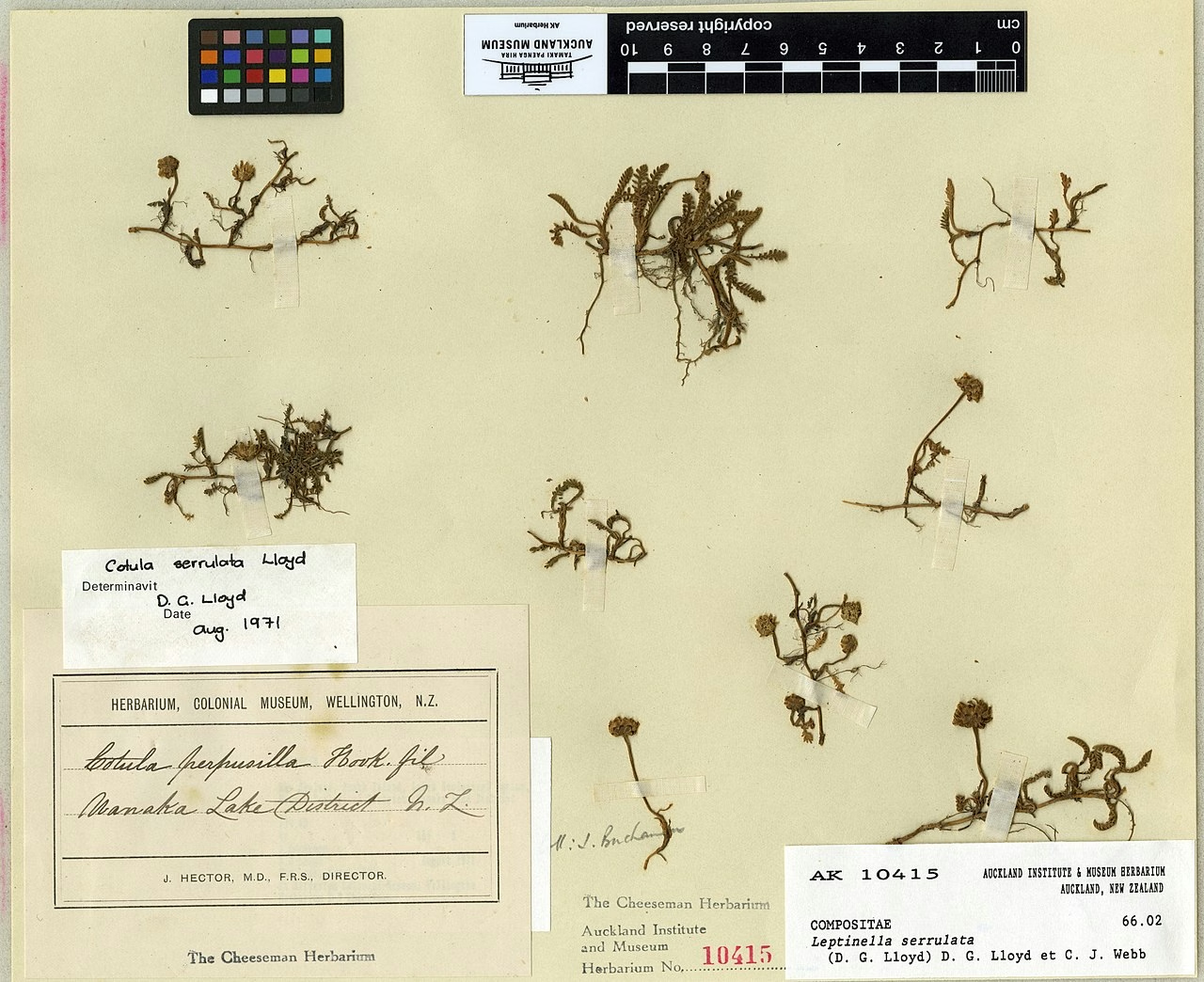
Dryland Button Daisy
Leptinella serrulata
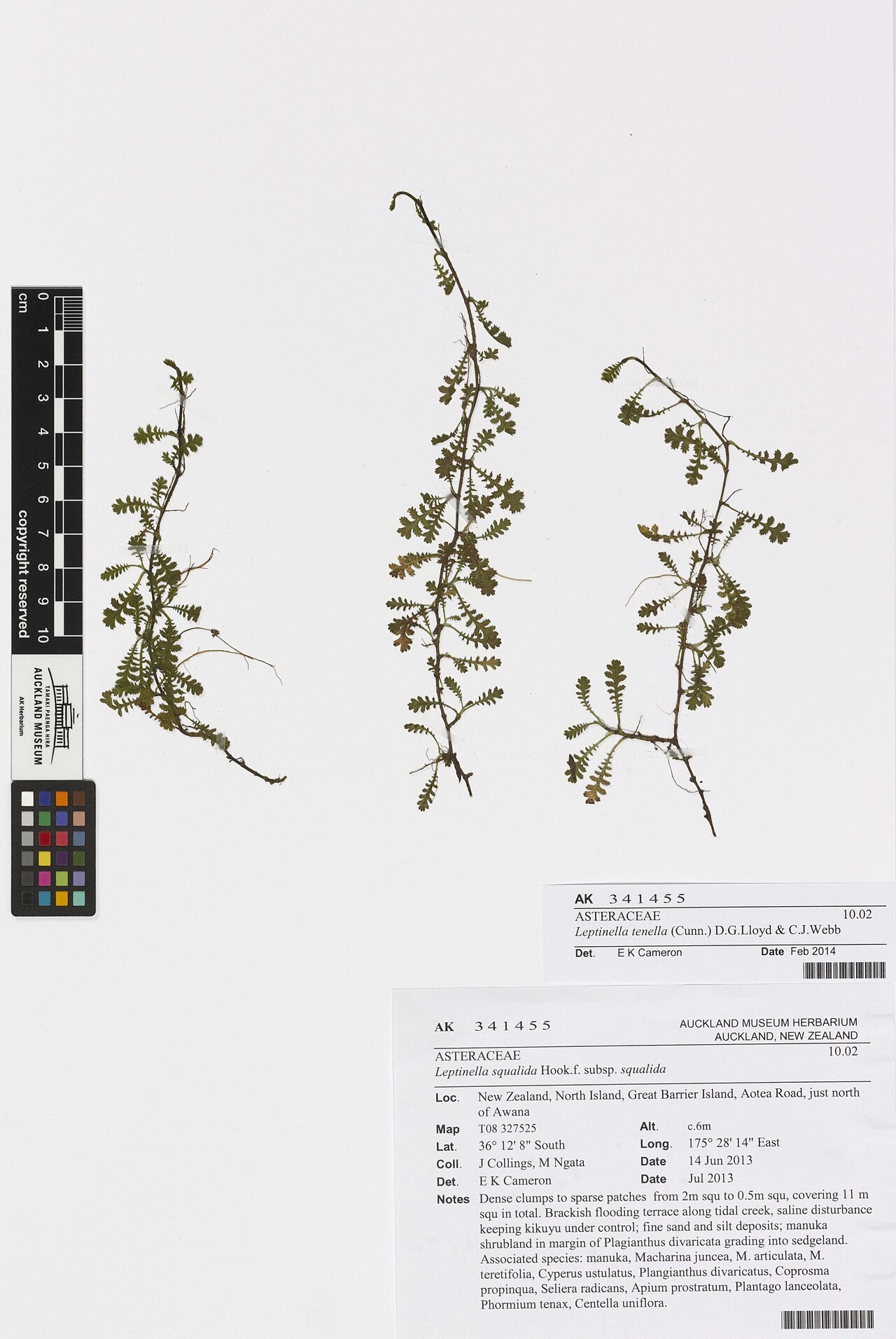
Leptinella tenella
Leptinella tenella
Traill's Button Daisy
Leptinella traillii subsp. traillii
Plant Conservation
Leptinella pusilla is ranked At Risk - Declining (2023) with the qualifier Data Poor Trend, having been ranked Not Threatened until 2012. Regionally, Otago (2025) lists it as Regionally Endangered and Wellington (2025) as Regionally Critical.
NZPCN does not give a specific cause for its decline. Its open gravel, sand and sparse grassland habitats are widely affected by land development and invasion by taller exotic grasses, so protecting and weeding remaining sites, and planting local-source stock, are sensible responses.
Frequently Asked Questions
Where does Leptinella pusilla grow in New Zealand?
In the North Island from Moawhango south to Cape Palliser and the Wellington south coast, and in the South Island mainly in the east from the Richmond Range in Marlborough to Foveaux Strait.
Why do cultivated Leptinella pusilla rarely set seed?
The species is dioecious, with separate male and female plants, and NZPCN notes that most cultivated material is of one sex, so seed is rarely produced in gardens.
Is Leptinella pusilla drought tolerant?
Yes. NZPCN notes it thrives as a ground cover in sunny, dry places with well-drained soil and is very drought tolerant once established.
How is Leptinella pusilla different from Leptinella calcarea?
Leptinella calcarea has stiff, fleshy, densely woolly leaves without brown pigment, whereas Leptinella pusilla has less hairy, more widely spaced leaf lobes, often with brown pigment.
Sources and Further Reading
The botanical, growing, and conservation details for Button Daisy (Leptinella pusilla) on this page draw on the New Zealand plant references below. Consult them for full technical records and the latest distribution data.