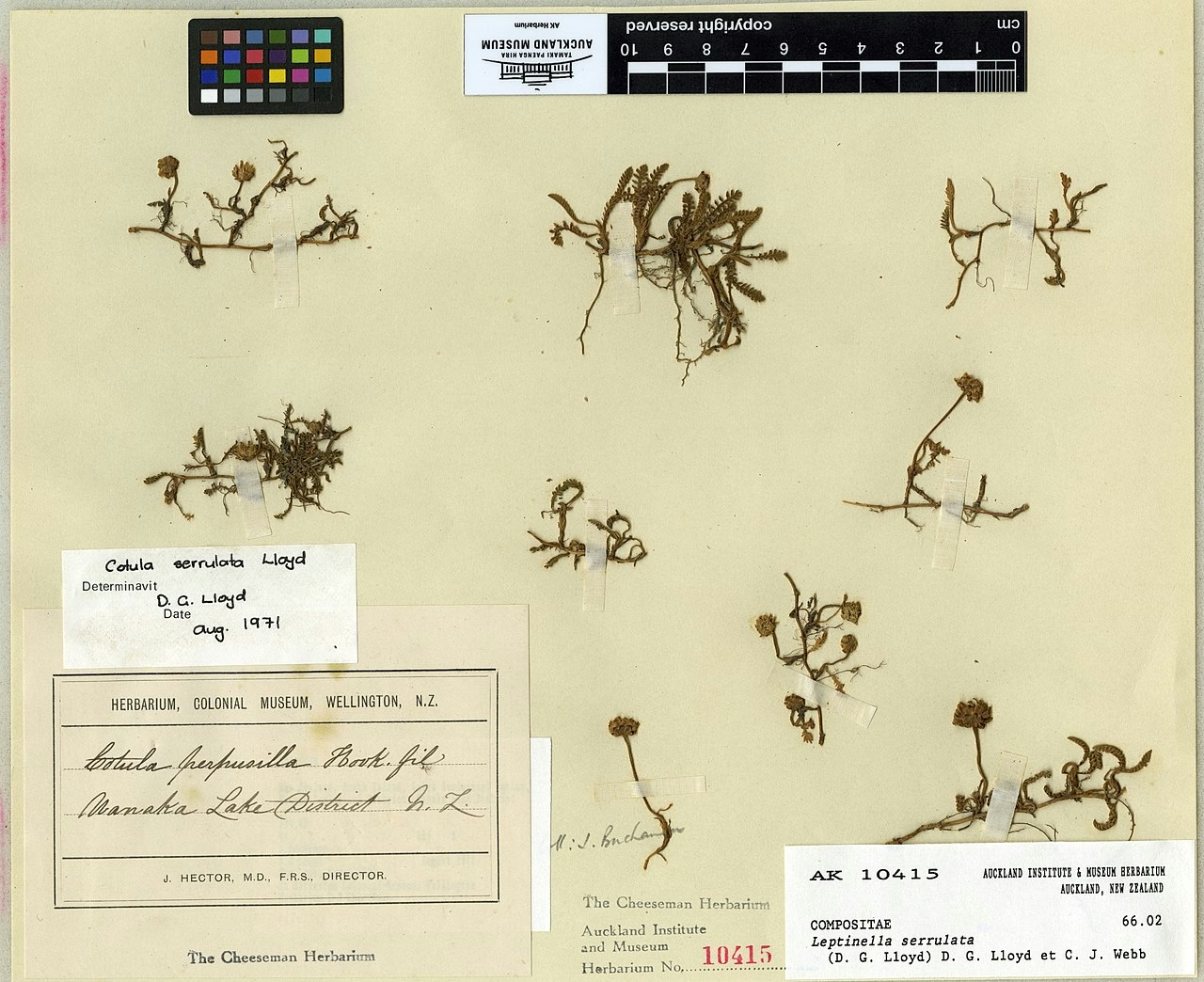
Dryland Button Daisy
Leptinella serrulata
Last updated:
Dryland button daisy (Leptinella serrulata) is a tiny, creeping perennial herb endemic to the drier eastern side of the South Island, from the Wairau River in Marlborough south to Foveaux Strait. It forms small tufted patches of finely divided leaves, often green, bluish or almost purple-black, with closely overlapping leaflets edged in small teeth. Tiny yellow-green button flowers on hairy stalks appear in spring. It lives mainly in dry intermontane basins and on river flats in open tussock grassland, from sea level to 1500 m. It is ranked At Risk - Declining because hawkweeds, introduced grasses and farm intensification are squeezing it out of its habitat. Explore more native ground covers in our native plant guide.
Plant Description
Leptinella serrulata is a dioecious, creeping perennial herb that forms small, tufted patches. Its rhizomes are buried, pale and wiry, branching only now and then, so plants tend to appear as scattered rosettes in short turf rather than a continuous mat.
The leaves are once-pinnatifid, 7-20 mm long and 2-6 mm wide, elliptic to obovate in outline, with 8-20 pairs of closely set, overlapping leaflets (pinnae), each carrying about six small teeth. Leaf colour ranges from green or glaucous to purple-black. Male and female flower heads are borne on separate plants on villous (softly hairy) stalks 10-30 mm long; female heads are 2-4 mm across, swelling to about 8 mm in fruit, and male heads 3-5 mm, with yellow-green florets. The seeds (cypselae) are about 1.4 mm long and ripen brown and smooth.
It most closely resembles Leptinella pusilla and L. calcarea. L. calcarea has rigid, stiff, fleshy leaves that lack brown pigment, while L. pusilla has thinner leaves with separated, not overlapping, leaflets and triangular rather than oblong teeth.
Quick Facts
| Scientific Name | Leptinella serrulata |
|---|---|
| Height | 2-5 cm (flower stalks 1-3 cm) |
| Spread | Small patches, slowly creeping |
| Water Needs | Low; drought tolerant once established |
| Light | Full sun |
| Frost Tolerance | High |
| Salt Tolerance | Low to moderate (occasionally on coastal sandy ground) |
| Growth Rate | Slow to moderate |
| Lifespan | Perennial |
Climate Best Suited to
It suits the continental climate of the inland South Island: hot dry summers, cold frosty winters and low rainfall. It is well adapted to drought and hard frost.
Regional Suitability
| City | Climate Suitability |
|---|---|
| Auckland | Low |
| Wellington | Medium |
| Christchurch | High |
| Dunedin | High |
Plant Habitat
Leptinella serrulata is endemic to the South Island, east of the main divide, from Marlborough (Wairau River) south to Foveaux Strait. It is found mostly well inland, from Canterbury to Otago, and ranges from sea level to about 1500 m.
It usually grows in dry intermontane basins and along river flats in open, short tussock grassland, often among stony or silty ground with little competing cover. Less commonly it occurs on coastal sandy ground.
Growing Requirements
Soil Requirements
In the wild it grows on dry, often stony or silty soils of river terraces and basin floors. In gardens, drainage matters more than fertility.
- Sharp-draining, gritty or stony soil
- Low fertility; avoid heavy feeding
- Tolerates poor, shallow soils
- Avoid soils that stay wet in winter
Light Requirements
This is a plant of open grassland and needs full sun. Overtopping by grasses or weeds is a key reason for its decline.
- Full sun
- Keep surrounding plants low
Water Requirements
Once established it copes well with drought, as befits a plant of the driest parts of New Zealand. Water new plants until rooted in.
- Occasional deep watering in prolonged drought, especially in pots
- Do not overwater, which encourages rot and weeds
Planting and Establishing
Plant in spring or autumn into a sunny, open, free-draining site such as a scree bed, gravel garden, rock garden or between paving stones. A gravel mulch suits it, helping to keep the crown dry and suppress weeds.
Choose companions that stay low and do not run. Hawkweeds and pasture grasses are its main competitors in the wild, so keep them out of the planting.
Ecological Role
Male and female flowers are on separate plants, so cross-pollination by small insects such as flies is needed for seed set. The light, papery seeds are likely spread by wind and by water along river flats.
It is part of the low-growing herb community that fills gaps between tussocks in dry eastern grasslands. As hawkweeds (Pilosella species) and introduced grasses close those gaps, small herbs like this lose ground, which is why it is a useful indicator of intact dryland vegetation.
Uses & Significance
Garden Uses
A tough, tiny ground cover for dry, sunny places, with attractive dark foliage in some forms.
- Between paving stones and stepping stones
- Rock gardens, scree beds and troughs
- Dryland and tussock garden plantings
- Lawn alternatives in small, lightly used areas
Ecological Value
Planting locally sourced stock helps retain a declining part of the eastern South Island dryland flora.
- Contributes to inter-tussock herb diversity
- Provides small nectar sources for native flies and other insects
- Useful in dryland restoration plantings
Landscaping Uses
Use the dark-leaved forms as a fine-textured contrast against pale gravel or grey rocks, or plant in drifts between low tussocks such as Festuca novae-zelandiae and Poa cita for a natural dryland look.
In gardens it can fill cracks between flagstones, where it tolerates light foot traffic and summer heat. Keep it away from vigorous creepers that will smother it.
Seasonal Care Calendar
Spring
Main flowering season, from September to November, with yellow-green button heads on hairy stalks.
- Divide or plant new pieces
- Weed out hawkweeds and grasses
Summer
Seeds ripen from October to February. Plants tolerate summer drought.
- Collect ripe seed heads
- Water pot plants in heatwaves
Autumn
Growth slows and foliage may darken.
- Good time to plant rooted pieces
- Refresh gravel mulch
Winter
Fully frost hardy and largely dormant.
- Ensure drainage so crowns do not sit wet
- Little care needed
When to Prune and How Much
No pruning is required. Clip off old flower stalks if you want a tidier look.
If patches become thin in the centre, lift and replant vigorous edge pieces in spring.
How to Grow Dryland Button Daisy
Dryland button daisy is easy to propagate. NZPCN describes it as easy from rooted pieces and by division of established plants, and notes that fresh seed should germinate easily. Because male and female flowers are on separate plants, seed is only produced where both sexes grow together. For restoration work, use stock sourced from the same district, since populations across Marlborough, Canterbury and Otago may differ.
By Division and Rooted Pieces
The wiry rhizomes root as they spread, so small rooted pieces can be detached at almost any time of year, though spring and autumn give the best results.
- Lift a healthy clump or cut out a rooted section with a trowel.
- Separate it into small pieces, each with roots and a rosette of leaves.
- Pot into a gritty, free-draining mix or plant directly into prepared ground.
- Water in and keep lightly moist for a few weeks while roots establish.
- Grow on in full sun for a few weeks before planting out into its final position.
From Seed
Seed ripens from October to February. You will need female plants pollinated by nearby males, so grow several plants together if you want seed.
- Collect the brown, swollen female heads as they ripen.
- Sow fresh on the surface of a fine seed mix with a little grit.
- Cover very lightly and keep evenly moist in a bright, sheltered spot.
- Prick out seedlings once large enough to handle and grow on in small pots.
Pests & Diseases
There are no major insect pests recorded. Slugs may graze young plants in damp weather, and plants in poorly drained soil can rot in winter.
Weeds are the main threat. Hawkweeds, clover and pasture grasses quickly overrun small patches, so regular hand weeding is the most important care.
Cultural Significance
No Māori name or traditional Māori use is recorded for this species in the sources consulted. The common name 'dryland button daisy' reflects its home in the dry inland basins of the eastern South Island.
It was described as Cotula serrulata in 1972 and moved to Leptinella in 1987 when that genus was reinstated. The epithet serrulata means finely toothed, referring to its toothed leaflets. NZPCN notes that it is widely sold in the nursery trade as Cotula perpusilla 'Platts Black'.
Bonus Tip
If you want seed or a self-sustaining patch, grow several plants from different sources together: the species is dioecious, so a single clone will never set seed. Divisions from one plant are all the same sex.
Related Plants
Explore other native plants that share similar characteristics or habitats with Dryland Button Daisy (Leptinella serrulata), offering further insights into New Zealand's diverse flora. These related species provide context and opportunities for complementary planting in your garden.
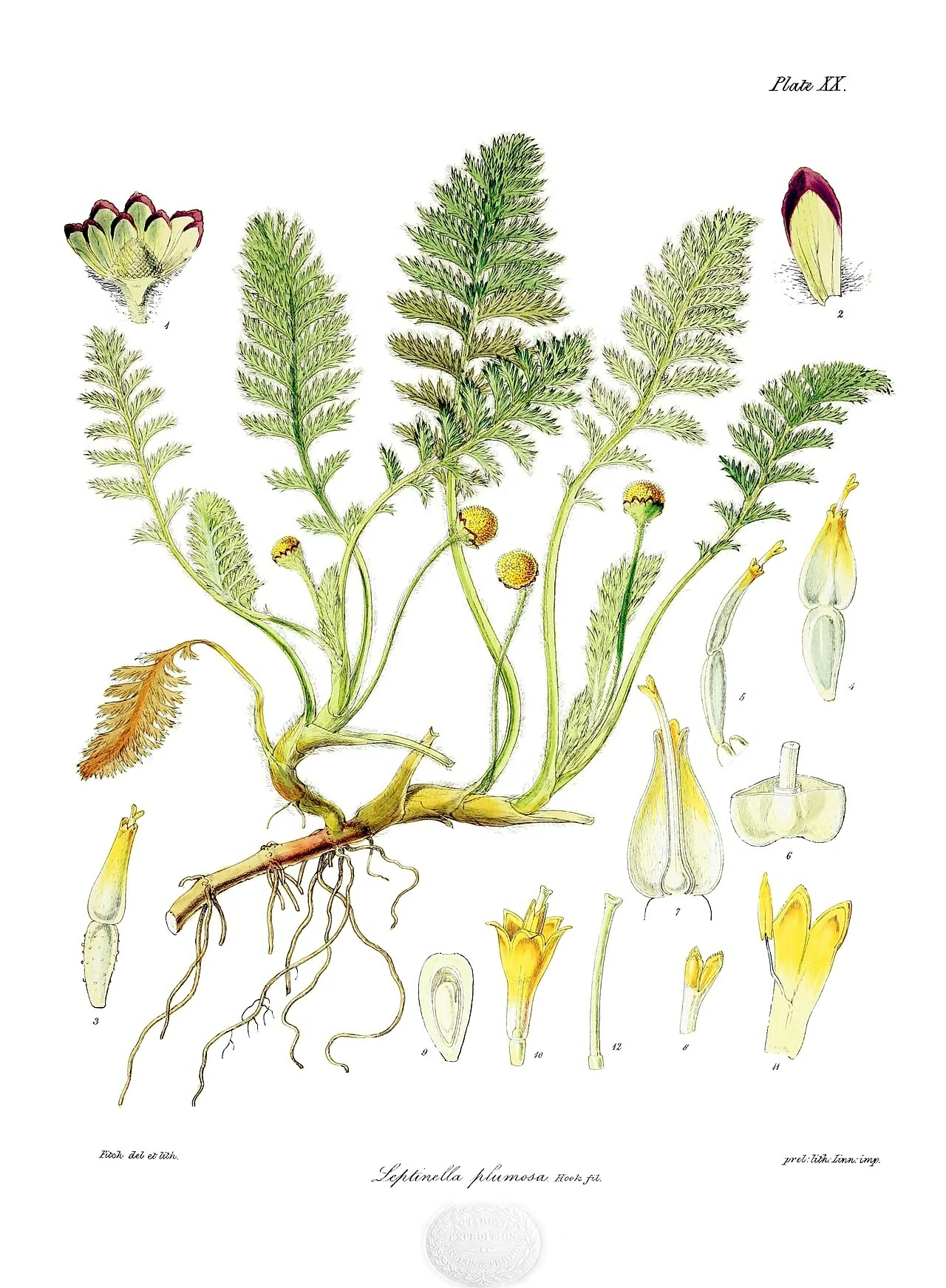
Leptinella plumosa
Leptinella plumosa
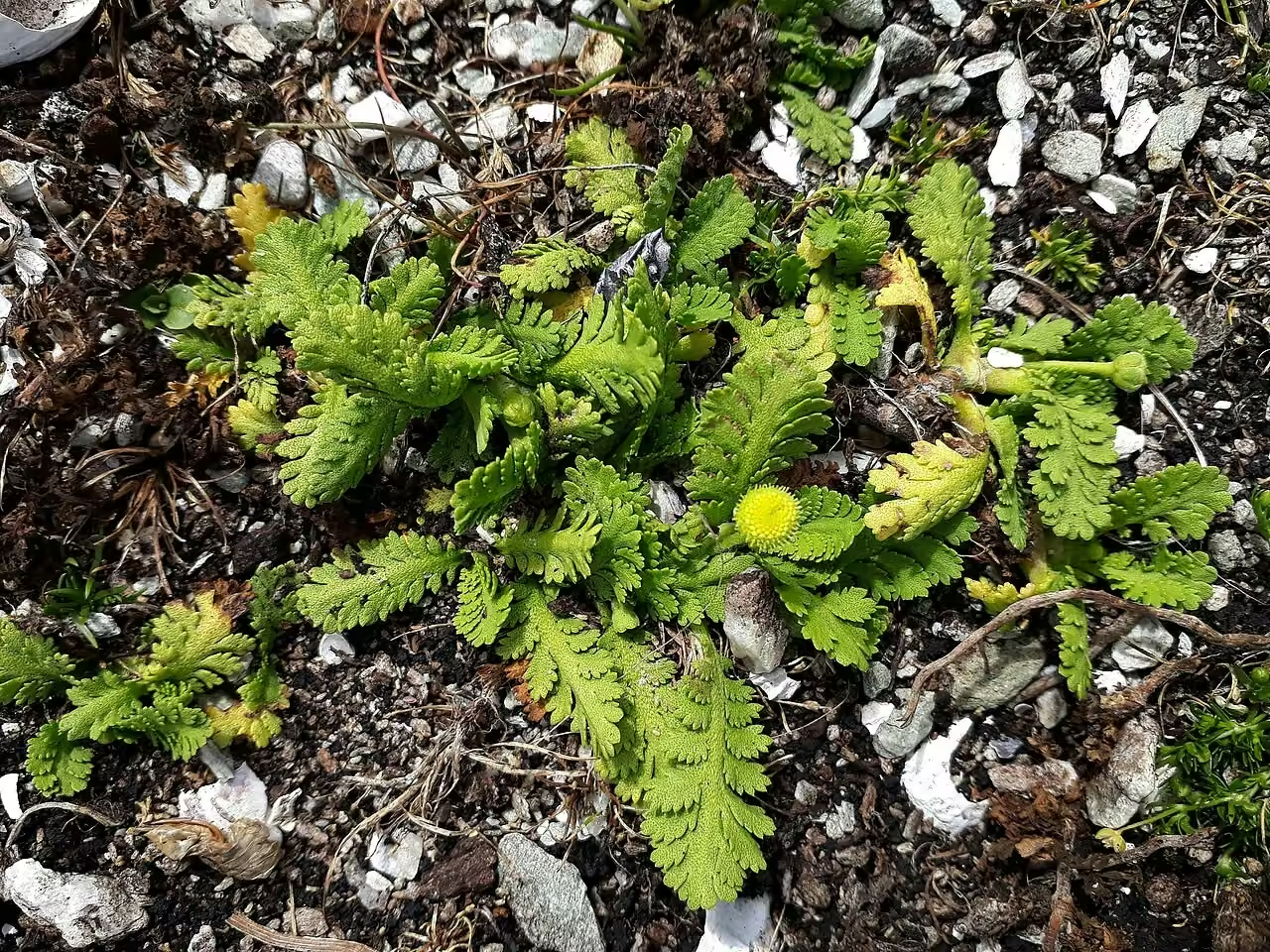
Leptinella potentillina
Leptinella potentillina
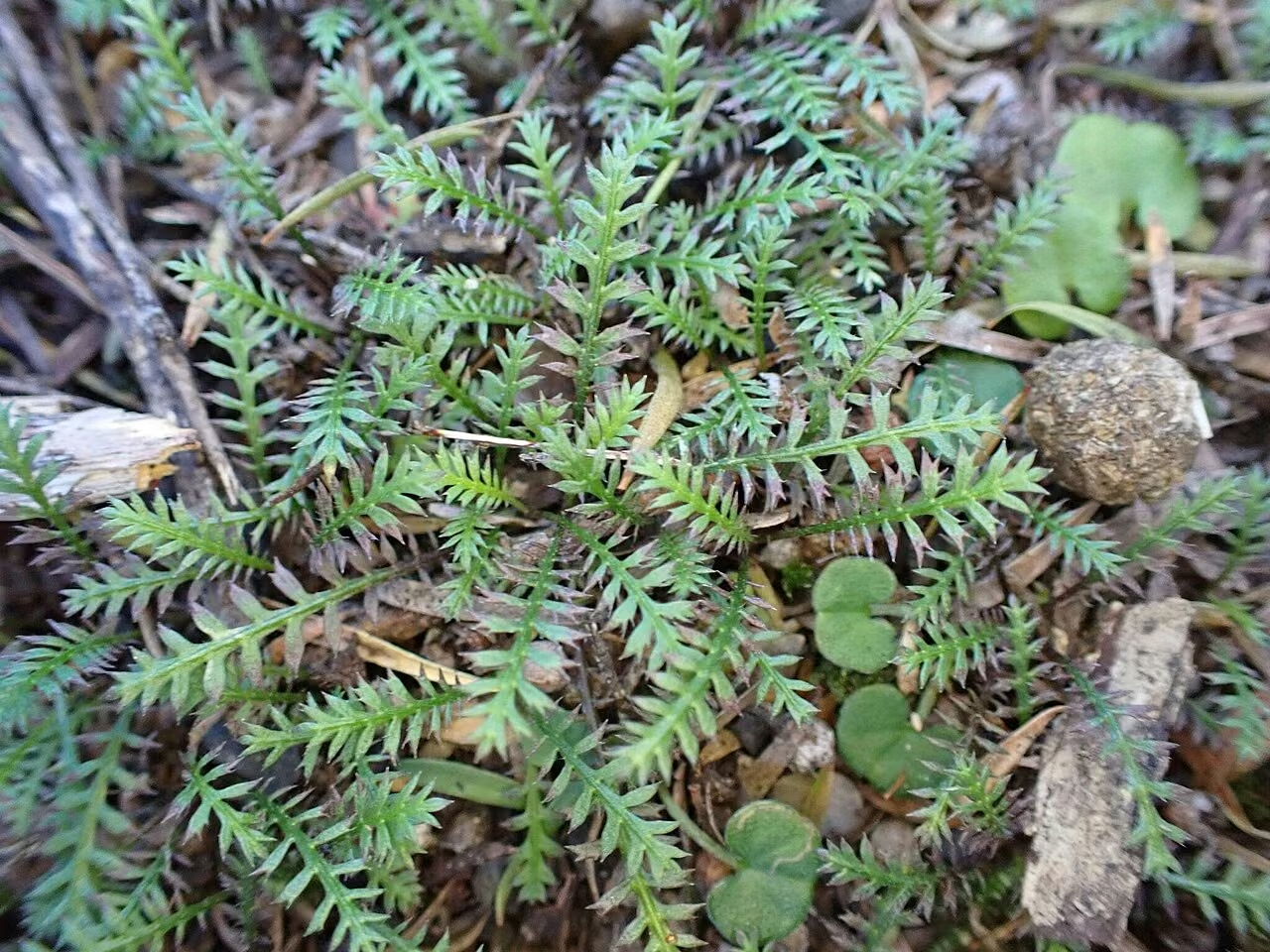
Leptinella pusilla
Leptinella pusilla
Leptinella rotundata
Leptinella rotundata
Leptinella tenella
Leptinella tenella
Traill's Button Daisy
Leptinella traillii subsp. traillii
Lepturus repens
Lepturus repens
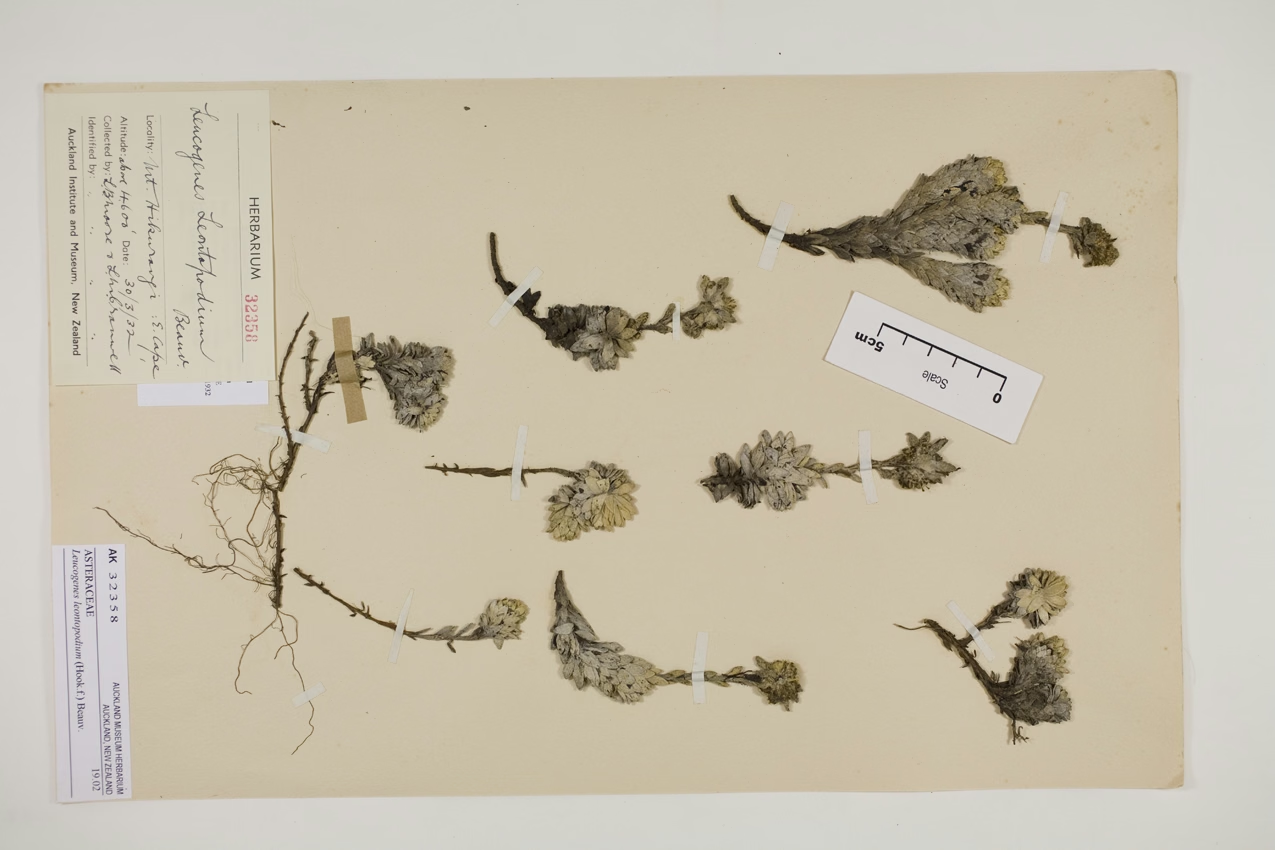
North Island Edelweiss
Leucogenes leontopodium
Plant Conservation
Leptinella serrulata is ranked At Risk - Declining (2023), with qualifiers for sparse occurrence, data-poor recruitment and trend, and possible decline. It was earlier considered Naturally Uncommon, and is listed as Regionally Declining in Otago.
Its decline is linked to the spread of hawkweeds and introduced grasses, habitat modification, and agricultural intensification including cultivation and irrigation of dry grassland. Protecting remnant dryland sites from conversion and controlling weeds will help it persist.
Frequently Asked Questions
What is a dryland button daisy?
It is Leptinella serrulata, a tiny tufted daisy with finely divided leaves that grows in dry tussock grassland, intermontane basins and river flats east of the Southern Alps.
How is Leptinella serrulata different from Leptinella pusilla?
Leptinella pusilla has thin, glabrous to hairy leaves whose leaflets are separated rather than overlapping, with triangular teeth. L. serrulata has crowded, overlapping leaflets with oblong teeth.
Why is the dryland button daisy declining?
NZPCN reports declines from the spread of hawkweeds and introduced grasses, habitat modification, and agricultural intensification such as cultivation and irrigation of dry grassland.
Is Leptinella serrulata sold in nurseries?
Yes. NZPCN notes it is sold by many nurseries, usually under the name Cotula perpusilla 'Platts Black'.
Sources and Further Reading
The botanical, growing, and conservation details for Dryland Button Daisy (Leptinella serrulata) on this page draw on the New Zealand plant references below. Consult them for full technical records and the latest distribution data.