Button Daisy
Leptinella plumosa
Last updated:
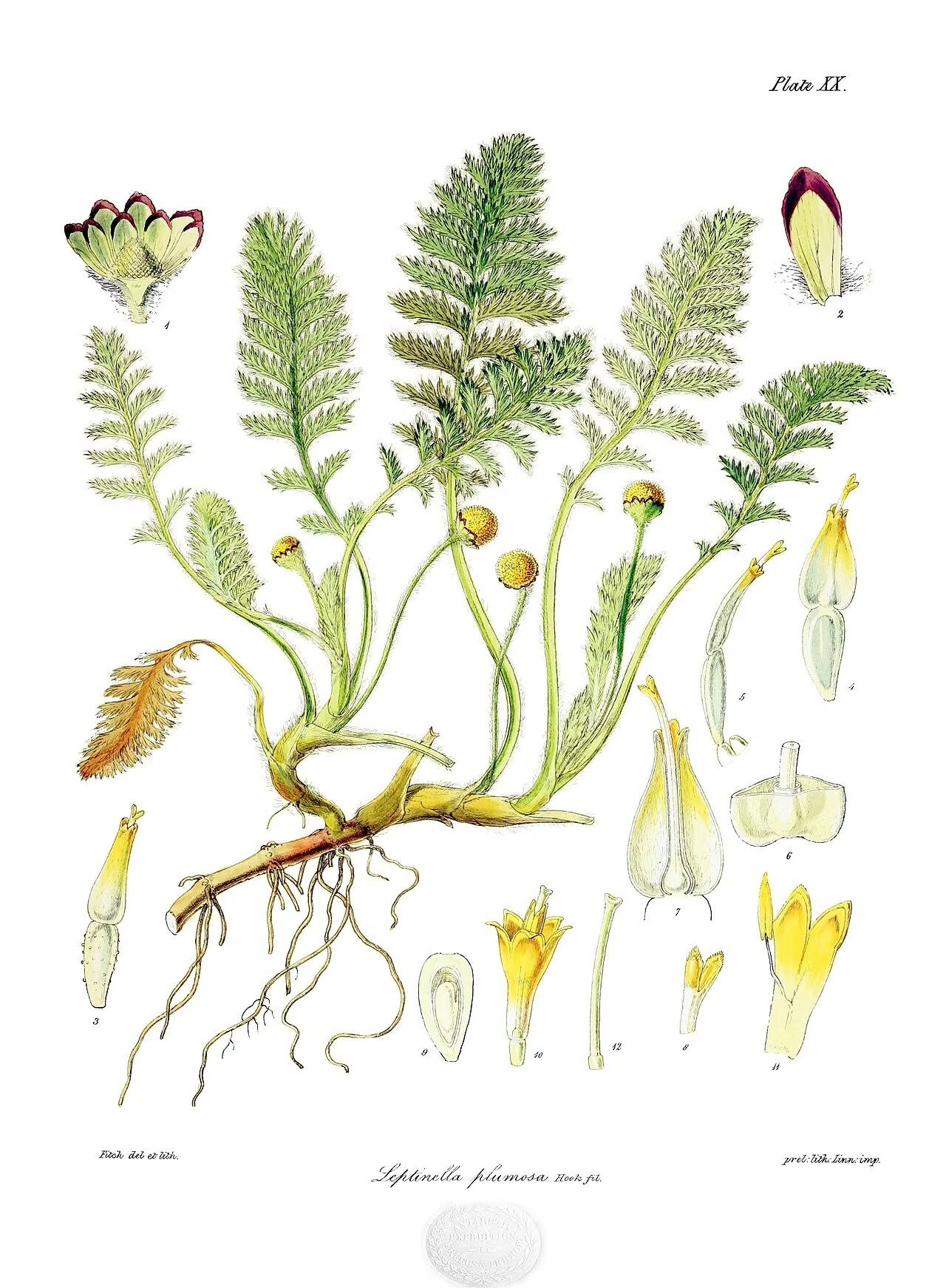
Leptinella plumosa is the largest-leaved of the subantarctic button daisies, a creeping perennial with soft, light green, finely divided leaves up to 20 cm long that look almost like fern fronds. It forms extensive mats from thick green rhizomes up to 1 cm across and bears green button heads about 1 cm wide. In New Zealand it grows on the Auckland, Campbell and Antipodes Islands, and it is also found on other subantarctic islands across the Southern Ocean. It favours coastal saltmarsh, seal haul-outs, seabird colonies, wet peat and boulder beaches. It is ranked At Risk - Naturally Uncommon in New Zealand. Explore more native ground covers in our native plant guide.
Plant Description
Leptinella plumosa is a highly variable, shortly creeping perennial herb. Its rhizomes are usually very thick, up to 1 cm in diameter, green and hard, either hairless or thinly covered with tangled woolly hairs. Branches arise singly or in clusters at flowering nodes, with leaves gathered in rosettes at the ends of short side shoots, and the plant spreads into extensive mats.
The leaves are once or twice divided, 5 to 20 cm long and 1 to 6 cm wide, with soft, light green, elliptic blades cut into 5 to 20 pairs of pinnae, which are themselves further divided into fine, pointed segments. This gives the foliage its soft, feathery appearance. The plant is monoecious. The large green flower heads are about 1 cm across, held on short stalks, with 90 to 260 yellow-green female florets in several rows. The cypselae are up to 1.9 mm long, obscurely four-angled and golden-brown.
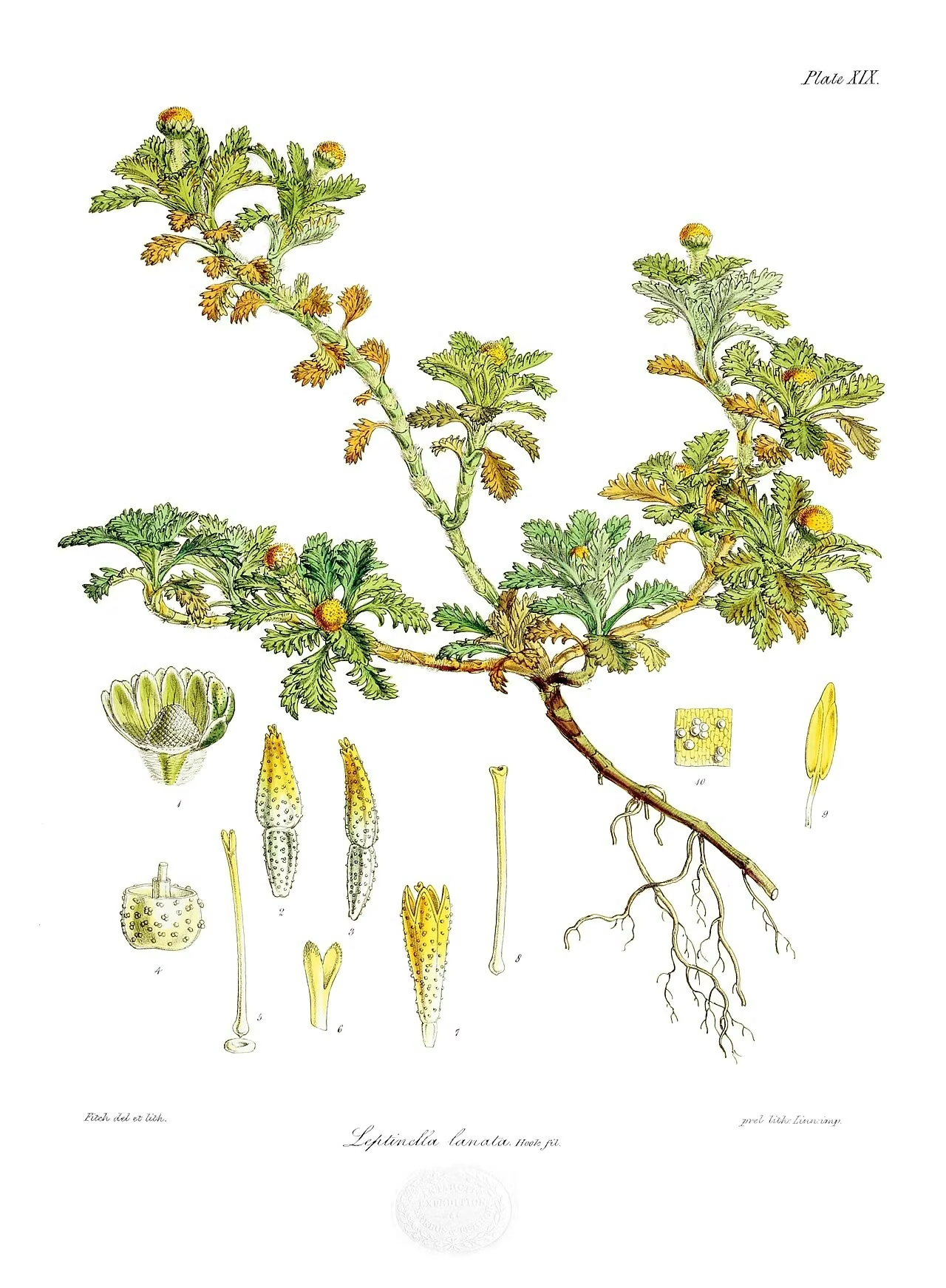
Its large, soft, finely dissected leaves distinguish it from the other subantarctic button daisies, such as Leptinella lanata, which has small, thick, fleshy leaves.
Quick Facts
| Scientific Name | Leptinella plumosa |
|---|---|
| Height | Leaves up to about 20 cm long, forming low mats |
| Spread | Extensive mats |
| Water Needs | High; wet coastal ground |
| Light | Open coastal sites |
| Frost Tolerance | Moderate; a cool subantarctic species |
| Salt Tolerance | High; grows in saltmarsh and on boulder beaches |
| Growth Rate | Moderate |
| Lifespan | Perennial |
Climate Best Suited to
Suits the cold, wet, windy and cloudy oceanic climate of the Southern Ocean islands, where summers are cool and temperatures vary little through the year. It is unsuited to the warm, humid summers of mainland New Zealand.
Regional Suitability
| City | Climate Suitability |
|---|---|
| Auckland | Low |
| Wellington | Low |
| Christchurch | Low |
| Dunedin | Low |
Plant Habitat
In New Zealand, Leptinella plumosa is found on the Auckland Islands, Campbell Island/Motu Ihupuku and the Antipodes Islands. Beyond New Zealand it occurs on Macquarie Island and on Kerguelen, Marion and Crozet Islands in the southern Indian Ocean, making it a circumpolar subantarctic species.
It is primarily coastal. NZPCN lists saltmarshes, wet depressions, bare ground in seal haul-outs and seabird nesting grounds, exposed peat and spaces among boulders. Wikipedia notes it is rare inland, though it has been recorded up to about 150 m above sea level.
Growing Requirements
Soil Requirements
It grows on wet peat, saltmarsh mud and bare ground enriched by seals and seabirds.
- Wet, organic soils
- Nutrient-rich ground near animal colonies
- Tolerates salt-affected coastal soils
Light Requirements
It grows on open coastal ground under the cloudy subantarctic sky, without tree cover.
- Open, exposed sites
- Cool conditions matter more than strong sunlight
Water Requirements
Its habitats are wet for much of the year, from saltmarsh and wet hollows to peat kept damp by frequent rain.
- Constantly moist to wet ground
- Regular salt spray near the shore
Planting and Establishing
Leptinella plumosa is not a practical garden plant. NZPCN reports that it has been cultivated in New Zealand in the past, but from all accounts rather unsuccessfully, and it is probably rather difficult to grow.
All New Zealand populations lie within nature reserves on the subantarctic islands, where collection requires a permit. Anyone wishing to see it should look for images of the Auckland and Campbell Island coastal herbfields or visit on an authorised expedition cruise.
Ecological Role
Leptinella plumosa is a characteristic plant of nutrient-enriched coastal ground in the subantarctic, colonising bare areas churned by seals and nesting seabirds. Its thick rhizomes and spreading mats help cover and hold this disturbed peat.
Its small papery cypselae lack a pappus, and like other Leptinella they are probably dispersed by wind and by attachment to birds and animals, which may explain how it spread across so many widely separated islands. Its pollinators are not documented in the sources consulted.
Uses & Significance
Garden Uses
It has no real garden use because past attempts at cultivation have largely failed.
- Of interest mainly to botanists and subantarctic visitors
- Possible subject for specialist cool-climate research collections
Ecological Value
It is part of the coastal herbfield flora shared between New Zealand's subantarctic islands and other islands of the Southern Ocean.
- Colonises seal haul-outs and seabird nesting areas
- Contributes to saltmarsh and wet peat vegetation
- An example of a plant spread right around the subantarctic
Landscaping Uses
Leptinella plumosa is not used in landscaping in New Zealand. Its soft, fern-like foliage would make an attractive textured mat, but the plant has not proved amenable to cultivation away from its cold oceanic home.
For a feathery-leaved button daisy in a home garden, mainland Leptinella species with finely divided leaves are a more realistic choice.
Seasonal Care Calendar
Spring
Flowering starts as early as September on the subantarctic coast.
- New rosettes of feathery leaves emerge
- Nesting seabirds return to colonies where it grows
Summer
Flowering continues through summer, with green button heads among the leaves.
- Peak season for viewing on expedition visits
- Fruit begins to form from October
Autumn
Flowering can continue to April, and fruiting runs on to June.
- Golden-brown cypselae ripen and are shed
- Seal haul-out areas remain active
Winter
Growth slows during the cold, stormy subantarctic winter.
- Plants persist as rhizomes and rosettes
- No visits are possible for most people in this season
When to Prune and How Much
Pruning does not apply to this plant in the wild, and it is not generally in cultivation.
In any experimental planting, remove only dead leaves and any rotting rosettes to keep air moving through the mat.
How to Grow Button Daisy
Leptinella plumosa is not established in cultivation. NZPCN says it is probably rather difficult to grow and that past attempts in New Zealand appear to have been unsuccessful. No published propagation protocol was found in the sources consulted, so the methods below are those that work for related creeping button daisies and are offered only as a starting point for authorised research or botanic garden work. All wild material is in protected subantarctic reserves and must not be collected without a permit. Success is most likely in a cold, constantly moist environment with high light and no summer heat.
By Division (Rhizome Pieces)
The thick green rhizomes branch at flowering nodes and carry rosettes of leaves at their ends. A rosette with a section of rhizome and roots is the most promising unit for division.
- Cut a rosette with several centimetres of rooted rhizome
- Pot into a moist, peaty mix with some coarse sand
- Keep cold, bright and constantly damp
- Mist with water in dry air, but ensure good ventilation
- Pot on only once strong new roots fill the container
From Seed
Fruiting runs from October to June. The plant is monoecious, so ripe heads collected from a single plant may contain viable seed.
Record the results of any attempt, since so little is known about raising this species.
- Collect golden-brown seed heads under permit
- Sow on a moist peaty seed mix
- Keep cool and humid but well ventilated
- Prick out seedlings into individual pots once established
Pests & Diseases
No pests or diseases are recorded for this species. Failure in cultivation is more likely to come from heat, humidity and drying out than from insects.
Historically, introduced grazing mammals damaged coastal vegetation on several subantarctic islands, including Campbell Island and Macquarie Island, but these animals have since been eradicated from those islands.
Cultural Significance
No traditional Māori name or use is recorded for Leptinella plumosa in the sources consulted.
It was named by Joseph Dalton Hooker, the botanist on James Clark Ross's Antarctic expedition, who collected on the Auckland Islands and Campbell Island in 1840. It was later placed in Cotula as Cotula plumosa before the New Zealand button daisies were returned to Leptinella.
Bonus Tip
On a subantarctic visit, look for this plant around seal wallows and the edges of penguin and petrel colonies near the shore. The soft, plume-like leaves forming broad green mats on trampled, nutrient-rich ground are distinctive and quite unlike the small-leaved button daisies of the mainland.
Related Plants
Explore other native plants that share similar characteristics or habitats with Button Daisy (Leptinella plumosa), offering further insights into New Zealand's diverse flora. These related species provide context and opportunities for complementary planting in your garden.
Chatham Island Button Daisy
Leptinella featherstonii
Goyen's Button Daisy
Leptinella goyenii
Leptinella lanata
Leptinella lanata
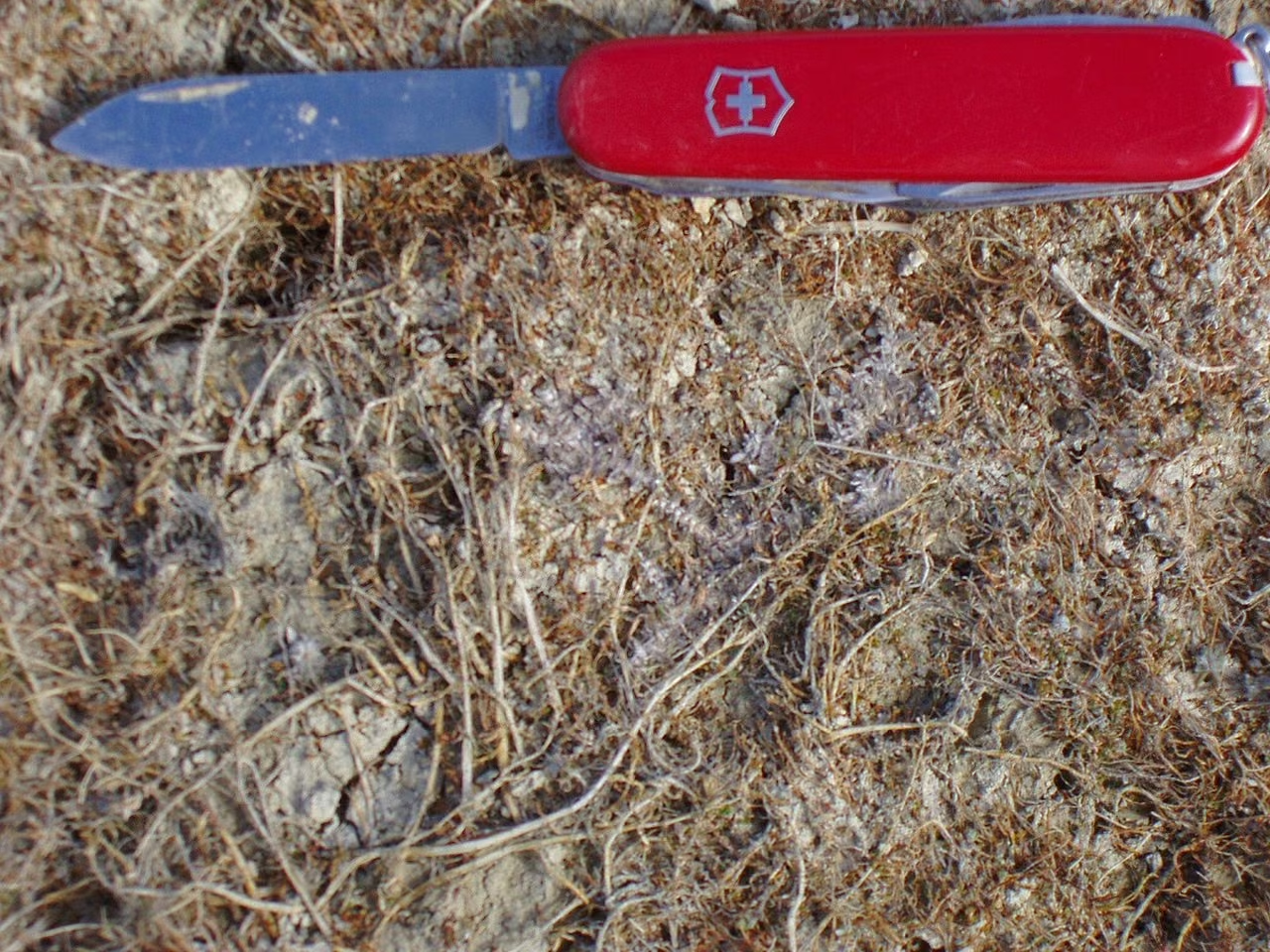
Leptinella maniototo
Leptinella maniototo
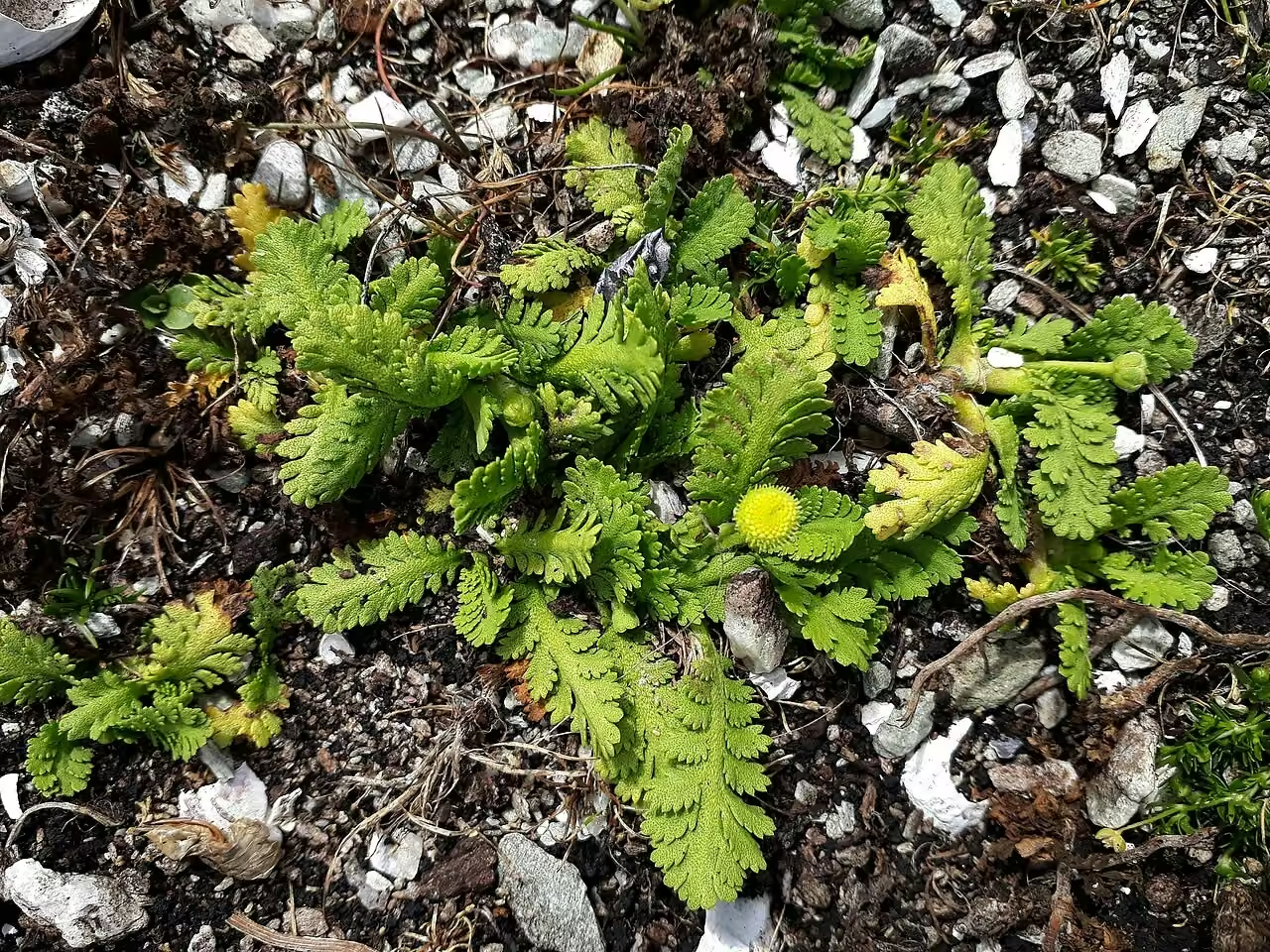
Leptinella potentillina
Leptinella potentillina
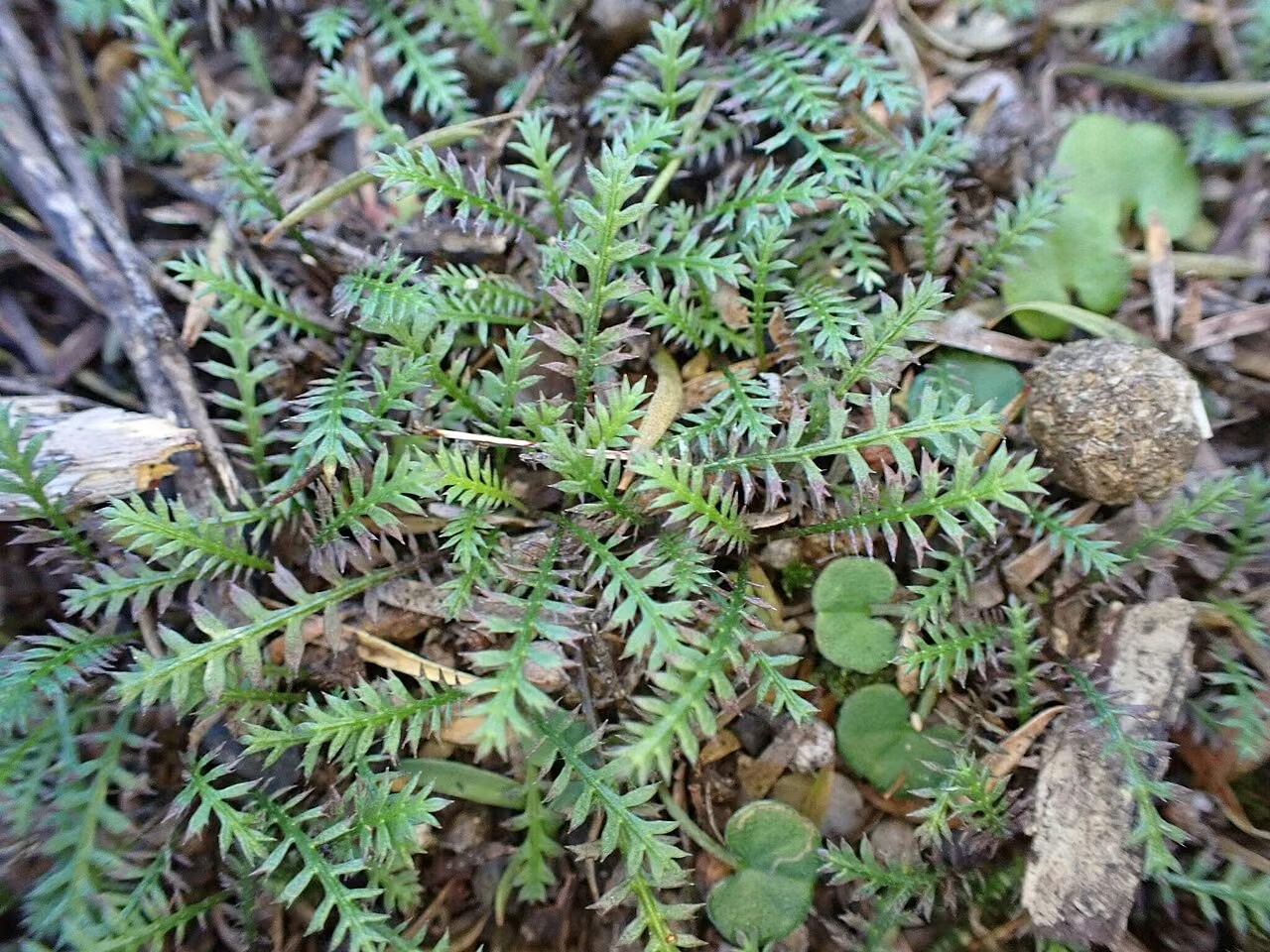
Leptinella pusilla
Leptinella pusilla
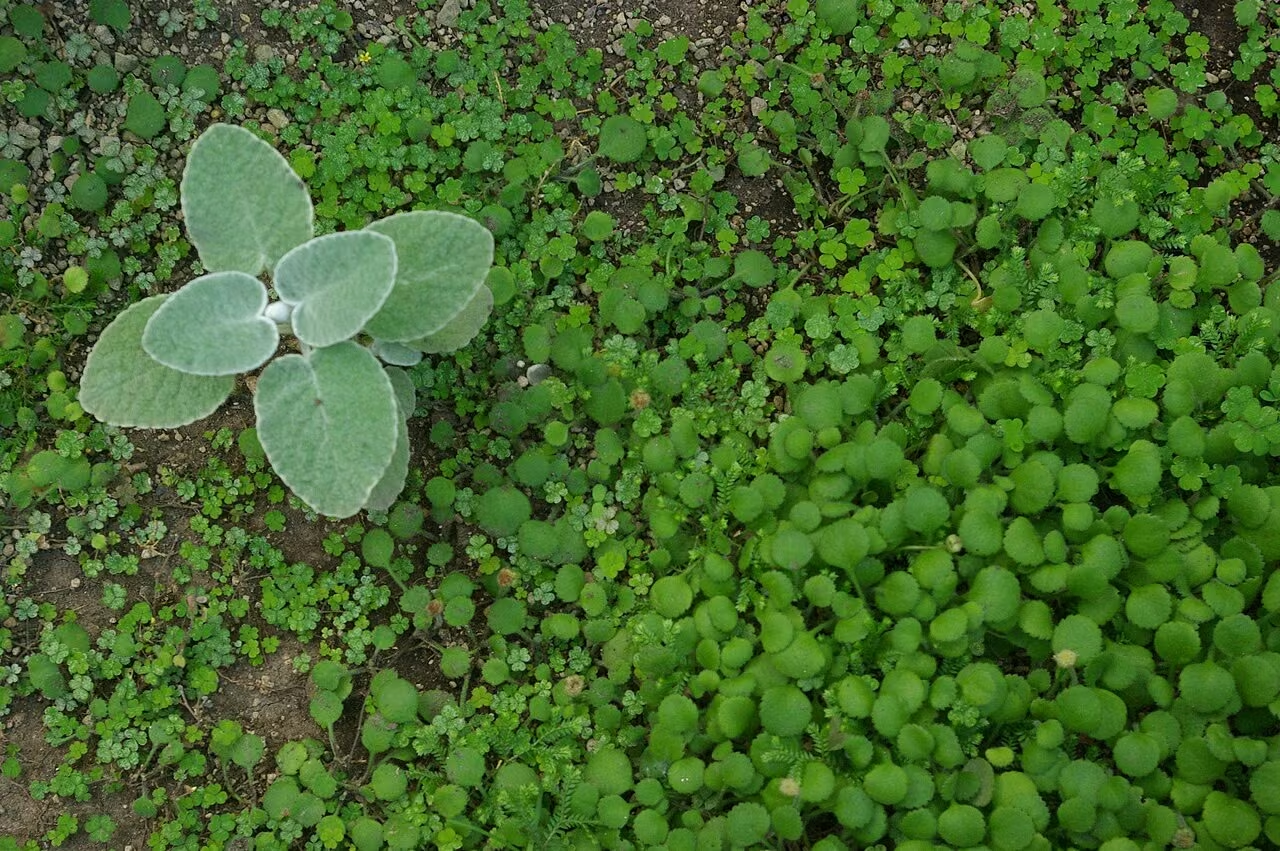
Leptinella rotundata
Leptinella rotundata
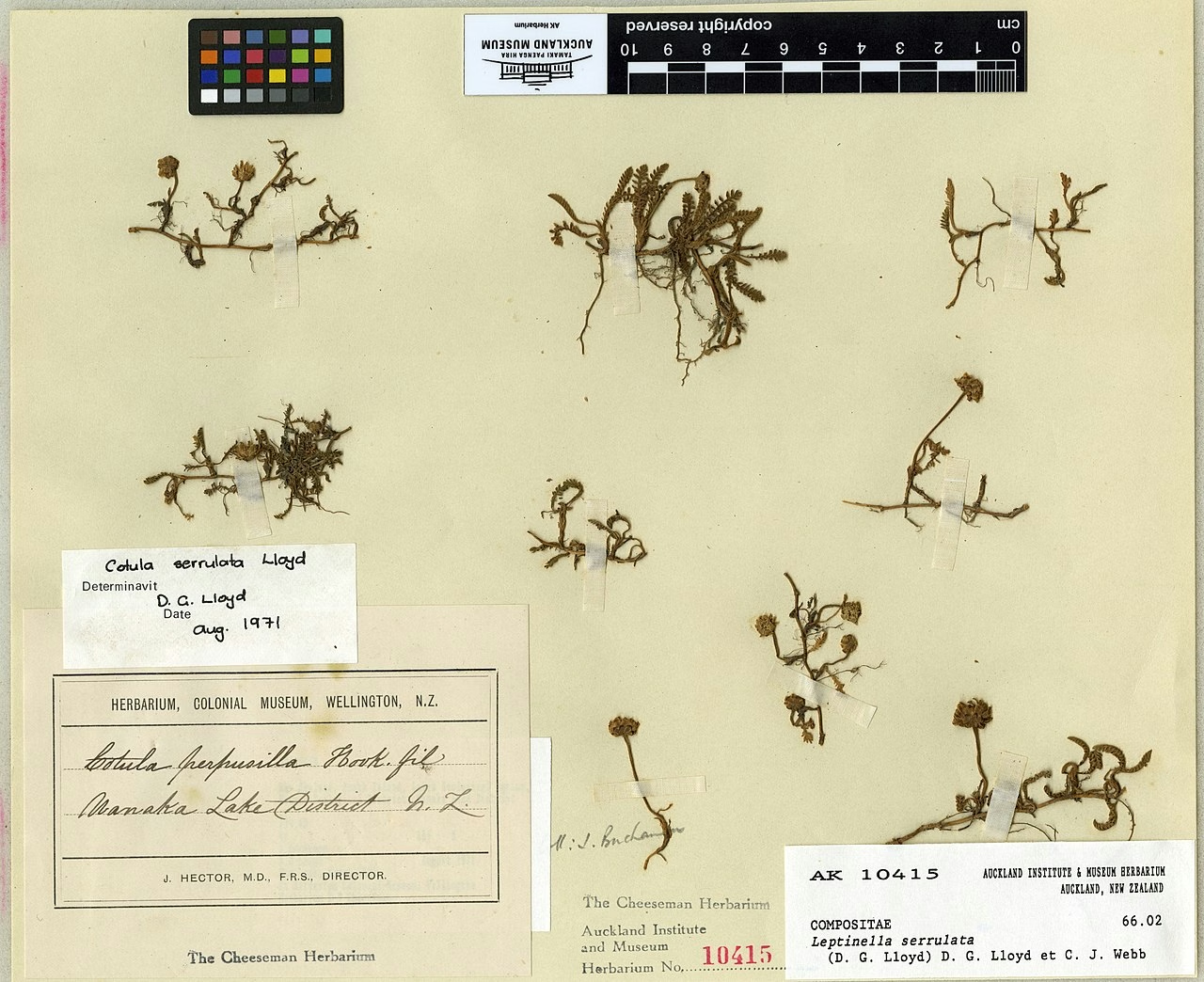
Dryland Button Daisy
Leptinella serrulata
Plant Conservation
In New Zealand, Leptinella plumosa is ranked At Risk - Naturally Uncommon (2023) with the qualifiers Range Restricted and Secure Overseas. NZPCN describes it as a narrow-range species that is common within its known habitats.
All of its New Zealand sites lie within nature reserves in the Subantarctic Islands World Heritage Area. Eradication of introduced mammals from Campbell Island and parts of the Auckland Islands has helped coastal herbfields recover, and strict biosecurity on visits protects them from new weeds and pests.
Frequently Asked Questions
Where is Leptinella plumosa found?
In New Zealand it grows on the subantarctic Auckland, Campbell and Antipodes Islands. It also occurs on Macquarie, Kerguelen, Marion and Crozet Islands elsewhere in the Southern Ocean.
Why is it called plumosa?
Plumosa means feathery in Latin, describing the soft, finely divided leaves that are cut two or three times into narrow segments, giving each leaf a plume-like look.
Is Leptinella plumosa easy to grow?
NZPCN says it is probably rather difficult to grow. It has been cultivated in New Zealand in the past, but from all accounts rather unsuccessfully.
Is Leptinella plumosa threatened?
In New Zealand it is ranked At Risk - Naturally Uncommon because of its restricted range, but NZPCN notes it is common within its habitats and it is secure in its overseas populations.
Sources and Further Reading
The botanical, growing, and conservation details for Button Daisy (Leptinella plumosa) on this page draw on the New Zealand plant references below. Consult them for full technical records and the latest distribution data.