Button Daisy
Leptinella maniototo
Last updated:
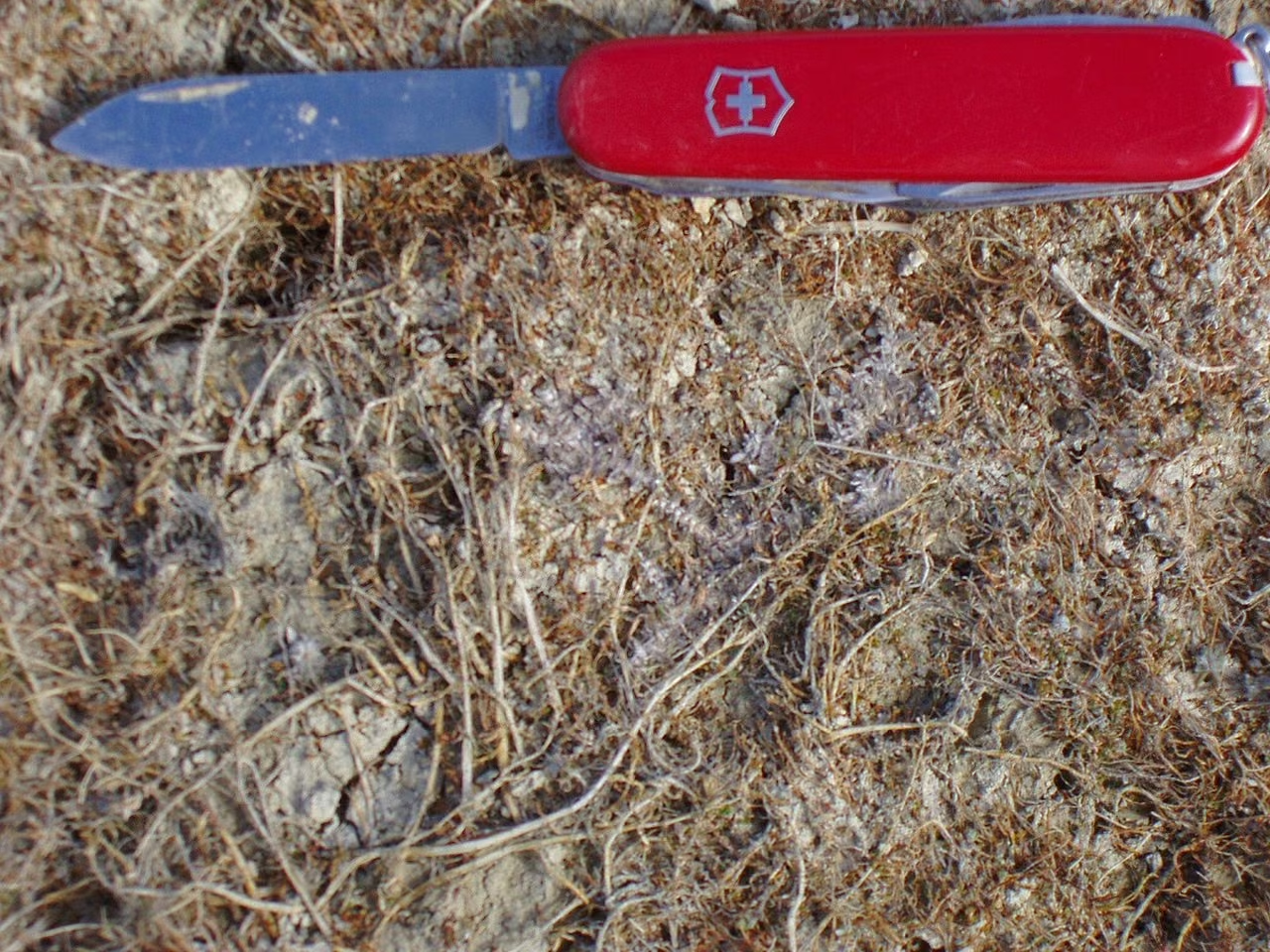
Leptinella maniototo is one of New Zealand's smallest button daisies, a tiny perennial, occasionally annual, herb that forms loose patches or an inconspicuous low turf. It grows on the margins of lakes, tarns, kettleholes and slow streams in ephemeral wetlands that flood and dry with the seasons, mainly in the eastern South Island from southern Marlborough to Central Otago and Lake Te Anau. Its narrow leaves, grass-green to purple-red, are often simple or only slightly divided, unlike any other Leptinella. It is ranked At Risk - Declining because introduced grasses and flatweeds are crowding out its open turf habitat. Explore more native ground covers in our native plant guide.
Plant Description
Leptinella maniototo is a very small monoecious herb, usually perennial but occasionally annual, forming loose patches or an inconspicuous, low matted turf. Its rhizomes are less than 1 mm thick and lie at or near the soil surface; they are hairy when young and become wiry and hairless with age.
The leaves are very variable, 2 to 25 mm long. Some are once-divided (pinnatifid) and up to 2 mm wide, while others are simple and linear, about 0.5 mm wide, so a single plant can bear quite different leaves. They range from thin, grass-green and hairless to silky white and densely hairy, the hairy form being more common in winter, and may be tinged purple-red. The flower heads are only 2 to 3 mm across and almost stalkless, with about ten involucral bracts edged brown or reddish, and 15 to 20 pale yellow, red-tipped female florets in one or two rows. The cypselae are tiny, up to 1 mm long, and ripen chocolate brown.
NZPCN notes there are no similar taxa: the narrow linear leaves and mixed leaf forms are unique to this species among New Zealand button daisies.
Quick Facts
| Scientific Name | Leptinella maniototo |
|---|---|
| Height | Under 3 cm; a very low turf |
| Spread | Loose patches or low matted turf |
| Water Needs | Wet in winter and spring, drying in summer |
| Light | Full sun, open turf |
| Frost Tolerance | High; grows in frosty inland basins |
| Salt Tolerance | No information available; an inland wetland species |
| Growth Rate | Moderate |
| Lifespan | Perennial, occasionally annual |
Climate Best Suited to
Suits the cold, frosty, semi-arid inland basins of the eastern South Island, where wetlands fill with water in winter and spring and dry out in summer. It also grows in the cooler, wetter Te Anau basin.
Regional Suitability
| City | Climate Suitability |
|---|---|
| Auckland | Low |
| Wellington | Low |
| Christchurch | Medium |
| Dunedin | Medium |
Plant Habitat
Leptinella maniototo is endemic to New Zealand. In the South Island it is found mainly in the east, from southern Marlborough through Canterbury to Central Otago, with an outlying occurrence around Lake Te Anau. Its only North Island record, from Lake Wairarapa, is now believed to be extinct.
It grows from the lowlands to the upper montane zone around the margins of lakes, slow-flowing streams, tarns and kettleholes. These are ephemeral wetlands subject to seasonal flooding, where a short, open turf of tiny native herbs develops on ground that is underwater for part of the year and exposed for the rest.
Growing Requirements
Soil Requirements
It grows on silty, gravelly or sandy turf at the edge of seasonally flooded water bodies.
- Fine silt or sandy loam that stays moist
- Open ground with little competition
- Tolerates periodic submergence
Light Requirements
It needs open, sunny turf and is easily overtopped and shaded by taller plants.
- Full sun
- Intolerant of shading by rank grasses
Water Requirements
Its habitat floods in wetter months and dries out as water levels fall in summer.
- Wet to submerged in winter and spring
- Damp or drying soil in late summer
- Fluctuating water levels keep competitors at bay
Planting and Establishing
In cultivation it can be grown in a shallow pan or bog-garden edge filled with fine silty sand, kept wet through winter and spring and allowed to dry somewhat in summer to mimic its natural cycle. It must be kept free of weeds and grasses, which quickly smother it.
Restoration plantings should use local stock and target ephemeral wetland margins where grazing or water-level fluctuation keeps the turf short and open.
Ecological Role
Leptinella maniototo is a member of the specialised turf communities of ephemeral wetlands, which include many small native herbs adapted to alternating flooding and drying. Seasonal flooding and, in some places, grazing keep these turfs short and open, which this tiny plant depends on.
Its tiny cypselae are produced from December to May. NZPCN notes it grows easily from fresh seed, and the occasionally annual habit means seed production helps populations persist after disturbance. Its pollinators are not documented in the sources consulted.
Uses & Significance
Garden Uses
It is a plant for wetland specialists and conservation collections rather than ordinary gardens.
- Bog garden or pond-edge pans with fluctuating water
- Conservation collections of ephemeral wetland flora
- Restoration of lake and tarn margins within its range
Ecological Value
It is an indicator of intact ephemeral wetland turf, one of New Zealand's most threatened ecosystem types.
- Part of the specialised herb flora of seasonal wetlands
- Helps bind fine silt on exposed lake margins
- A sign that the turf has not been overrun by introduced grasses
Landscaping Uses
Leptinella maniototo is too small and specialised for general landscaping. In a wetland garden it is best grown in a shallow, open pan set at the edge of a pond, where it can be seen at close range and protected from more vigorous plants.
It pairs naturally with other tiny turf plants of seasonal wetlands, and should never be planted next to spreading grasses or vigorous groundcovers.
Seasonal Care Calendar
Spring
Wetland margins are often still flooded, and new growth starts as water levels begin to drop.
- Keep cultivated plants wet
- Weed out grass seedlings early
Summer
Flowering runs from November to February on exposed turf as the wetland dries.
- Allow the soil to dry somewhat
- Watch for invading grasses and flatweeds
Autumn
Fruit ripens from December to May, and seed can be collected.
- Collect fresh seed for sowing
- Lift and pot rooted pieces
Winter
Wetlands fill again, and leaves may become silky and densely hairy.
- Keep pans flooded or very wet
- Protect from smothering by fallen leaves
When to Prune and How Much
No pruning is needed. The plant is tiny and stays low naturally.
The important maintenance task is removing competing grasses and weeds by hand, as these are the main reason the species declines.
How to Grow Button Daisy
NZPCN reports that Leptinella maniototo is easily grown from rooted pieces and fresh seed, which makes it a good candidate for conservation propagation and reintroduction to restored wetland margins. Because the species is declining, any material should come from cultivated stock or be collected under authorisation from local populations, so that plantings match the genetics of the area. Keep propagated plants wet through the cooler months and somewhat drier in late summer to mimic its seasonal wetland habitat, and keep pots completely free of grasses.
From Seed
Fruit ripens from December to May. The cypselae are tiny, up to 1 mm long, so sow them thinly on the surface. Fresh seed is recommended, since NZPCN notes it grows easily from fresh seed.
- Collect heads when the cypselae turn chocolate brown
- Sow fresh on the surface of a fine, sandy seed mix
- Stand the pot in a shallow tray of water to keep it wet
- Keep in full light and free of weeds
- Prick out small clumps of seedlings when large enough to handle
By Division (Rooted Pieces)
The slender rhizomes run along the soil surface and root as they go, so rooted pieces can be separated easily.
Because the plant is occasionally annual, keep some seedlings going each year as a back-up to divided plants.
- Lift a small patch with soil attached
- Separate rooted pieces with a few leaves each
- Plant into a wet, fine sandy mix in a shallow pan
- Keep wet and in full sun until established
Pests & Diseases
No insect pests or diseases are recorded as significant for this species.
Its real threat is competition: introduced grasses and flatweeds grow taller and more aggressively, shading and smothering its low turf. Changes to wetland water levels, drainage and nutrient run-off from surrounding farmland can tip the balance further in favour of these weeds.
Cultural Significance
No traditional Māori name or use is recorded for this plant in the sources consulted.
The species was described by Donald Petrie as Cotula maniototo. Its name comes from the Maniototo, a Māori place name for the high inland plain and district of Central Otago, a landscape that still holds some of the ephemeral wetlands that suit it.
Bonus Tip
To grow this plant successfully, copy its wetland year. Stand the pot in a tray of water from late autumn to spring, then take it out of the tray in summer so the mix dries back to just damp, and pull every grass seedling the moment it appears, because grass competition is what kills it in the wild.
Related Plants
Explore other native plants that share similar characteristics or habitats with Button Daisy (Leptinella maniototo), offering further insights into New Zealand's diverse flora. These related species provide context and opportunities for complementary planting in your garden.
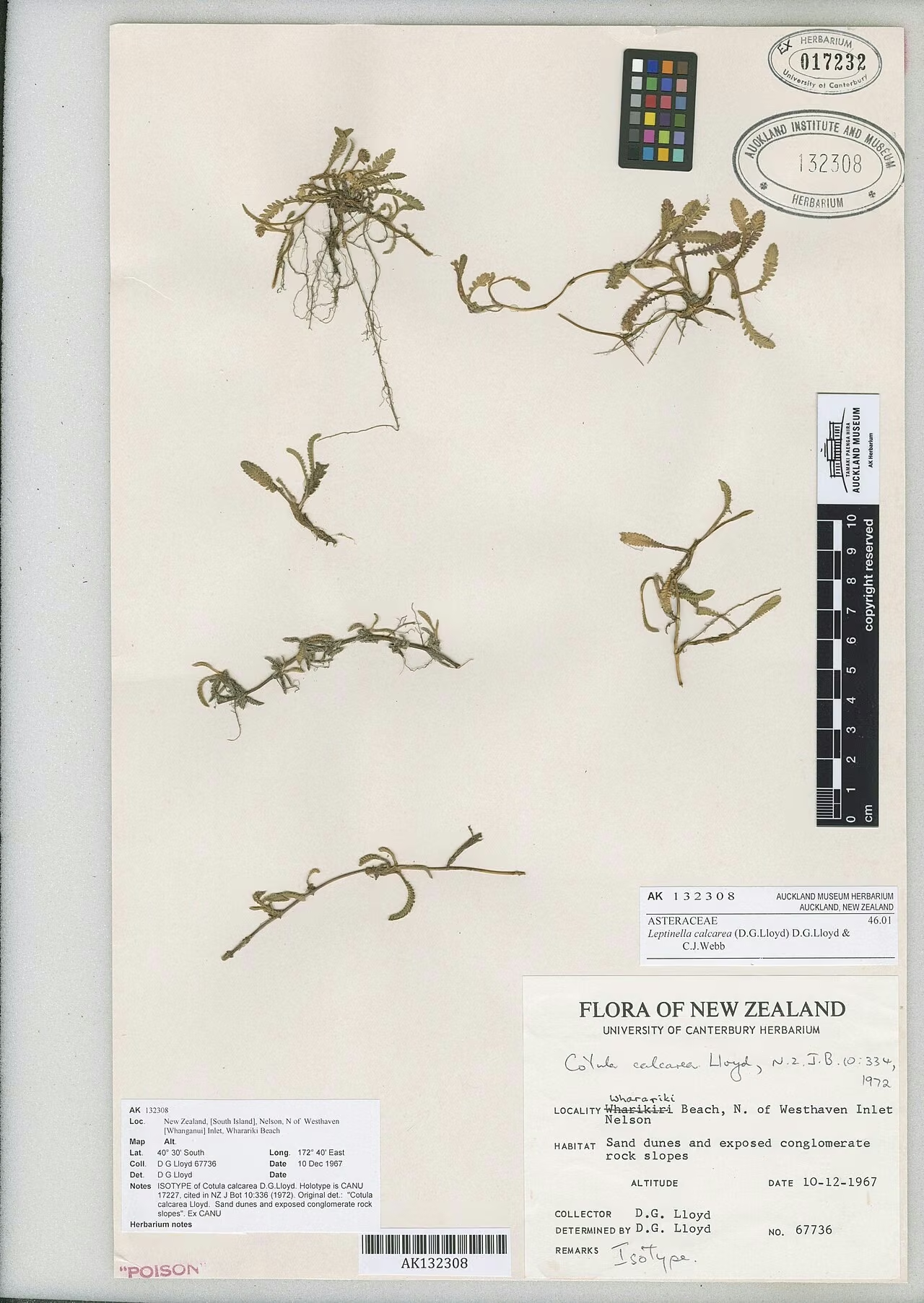
Leptinella calcarea
Leptinella calcarea
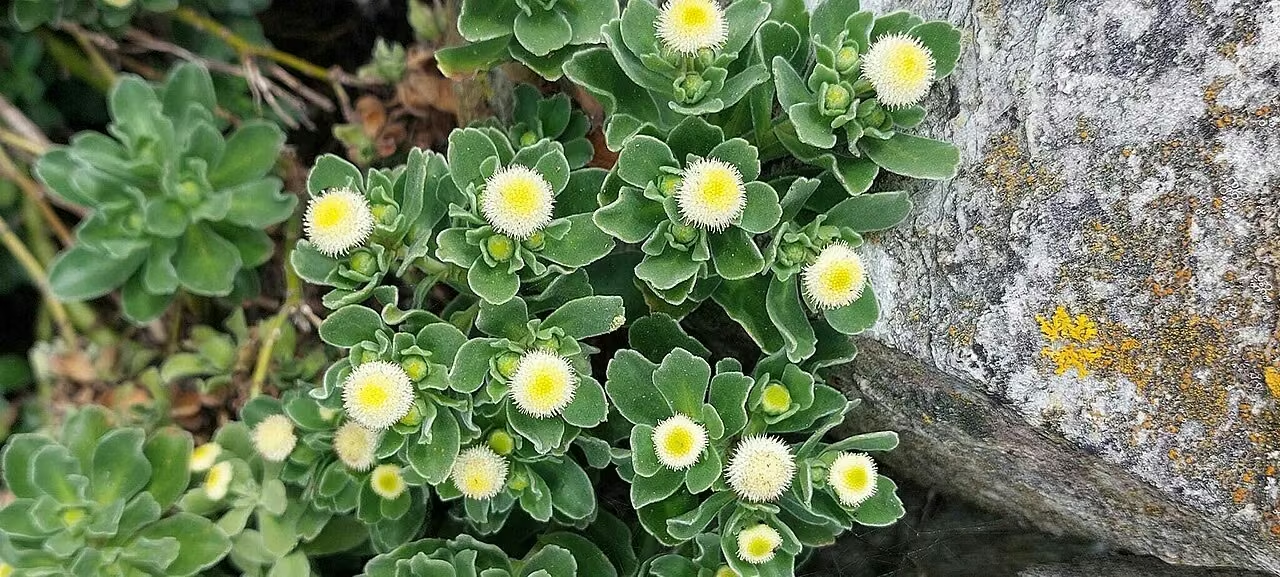
Chatham Island Button Daisy
Leptinella featherstonii
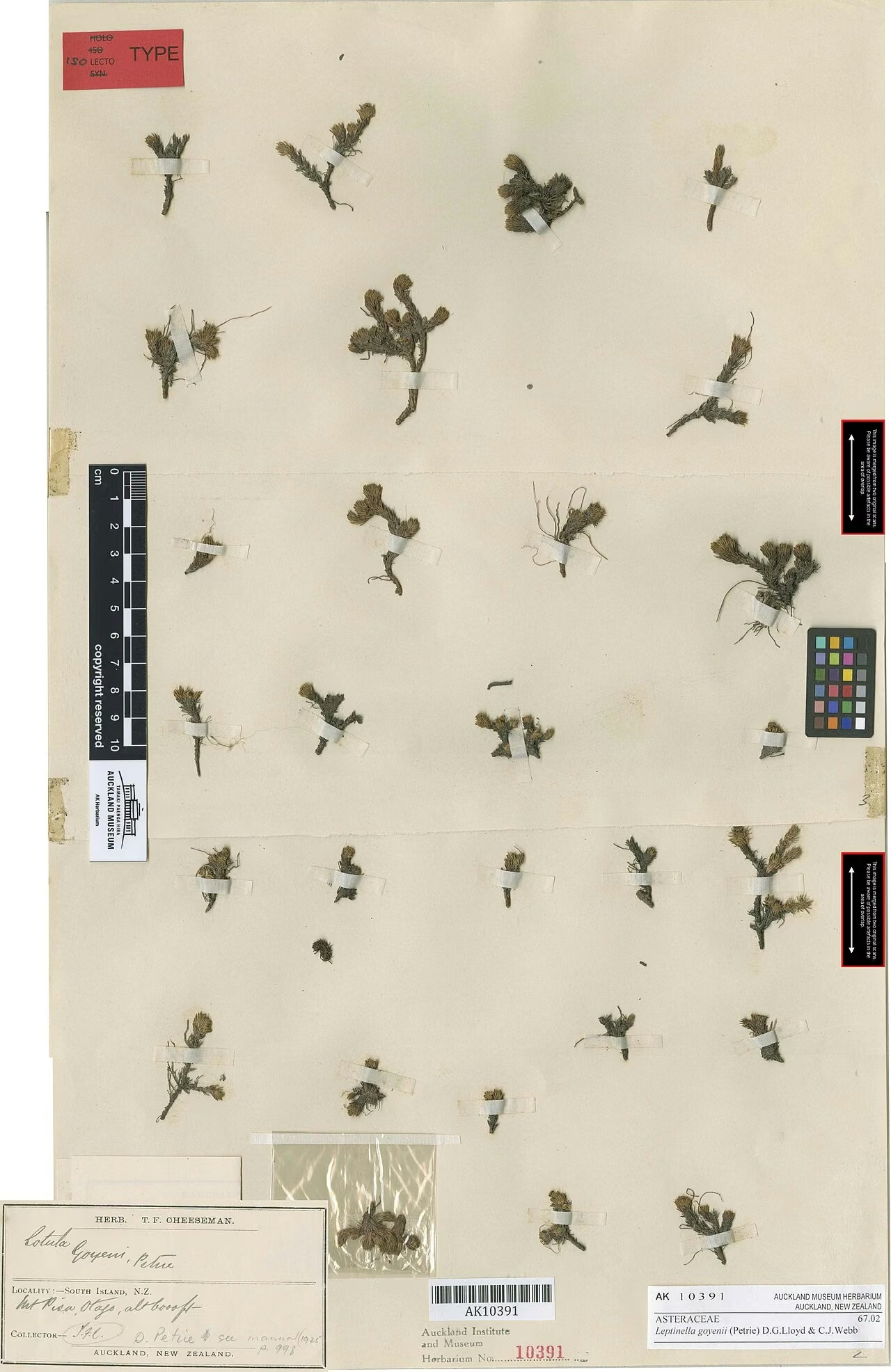
Goyen's Button Daisy
Leptinella goyenii
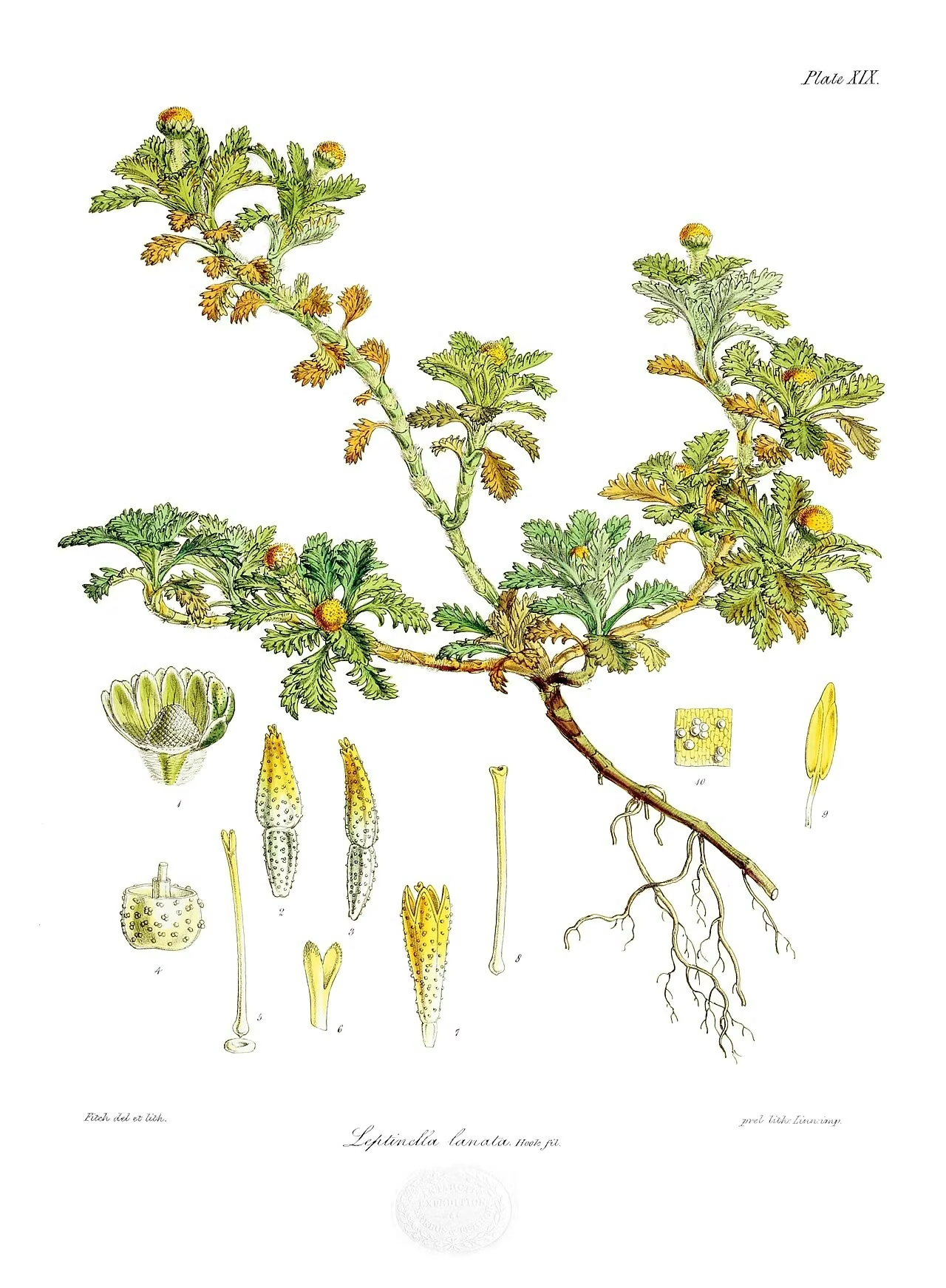
Leptinella lanata
Leptinella lanata
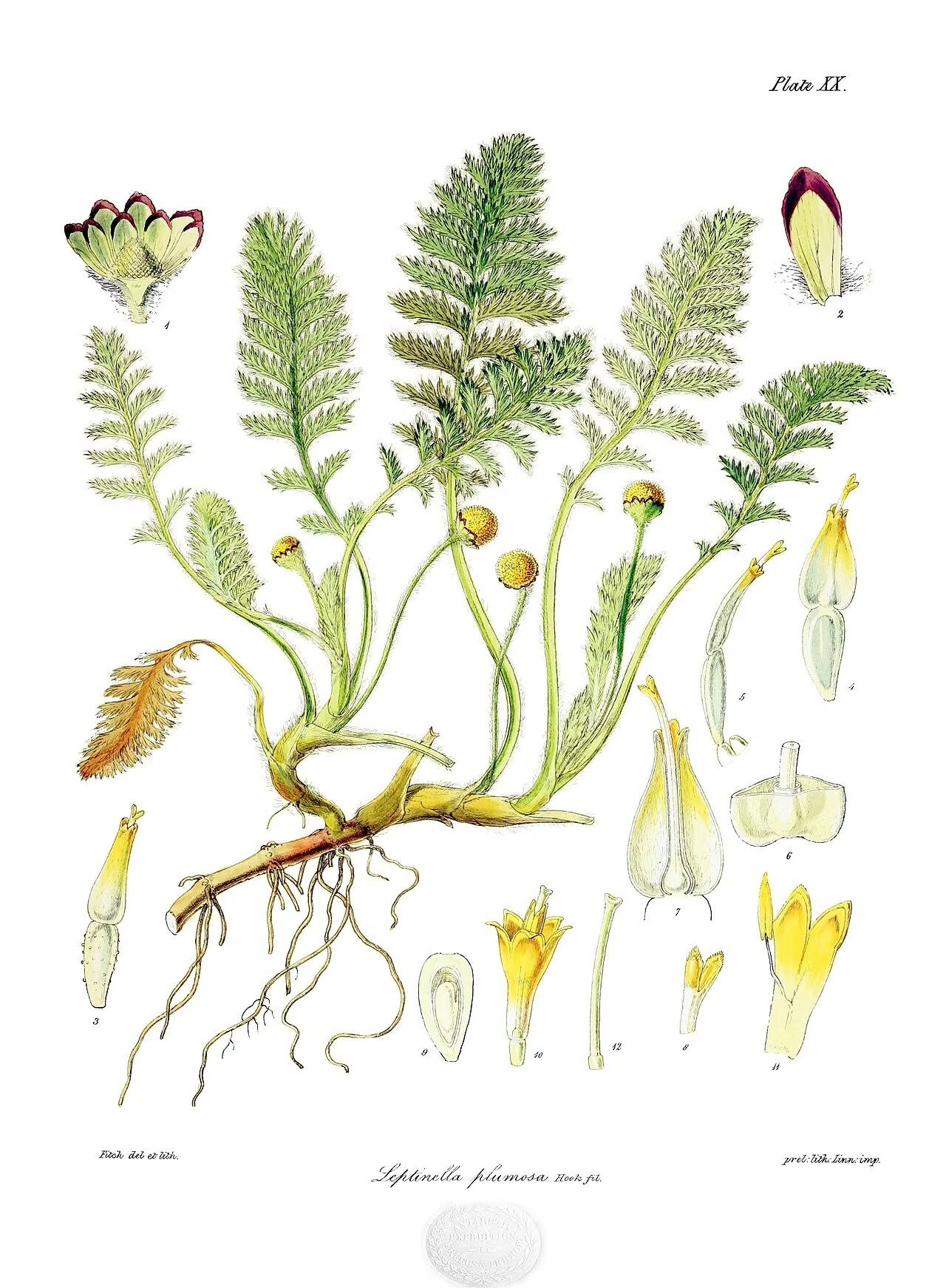
Leptinella plumosa
Leptinella plumosa
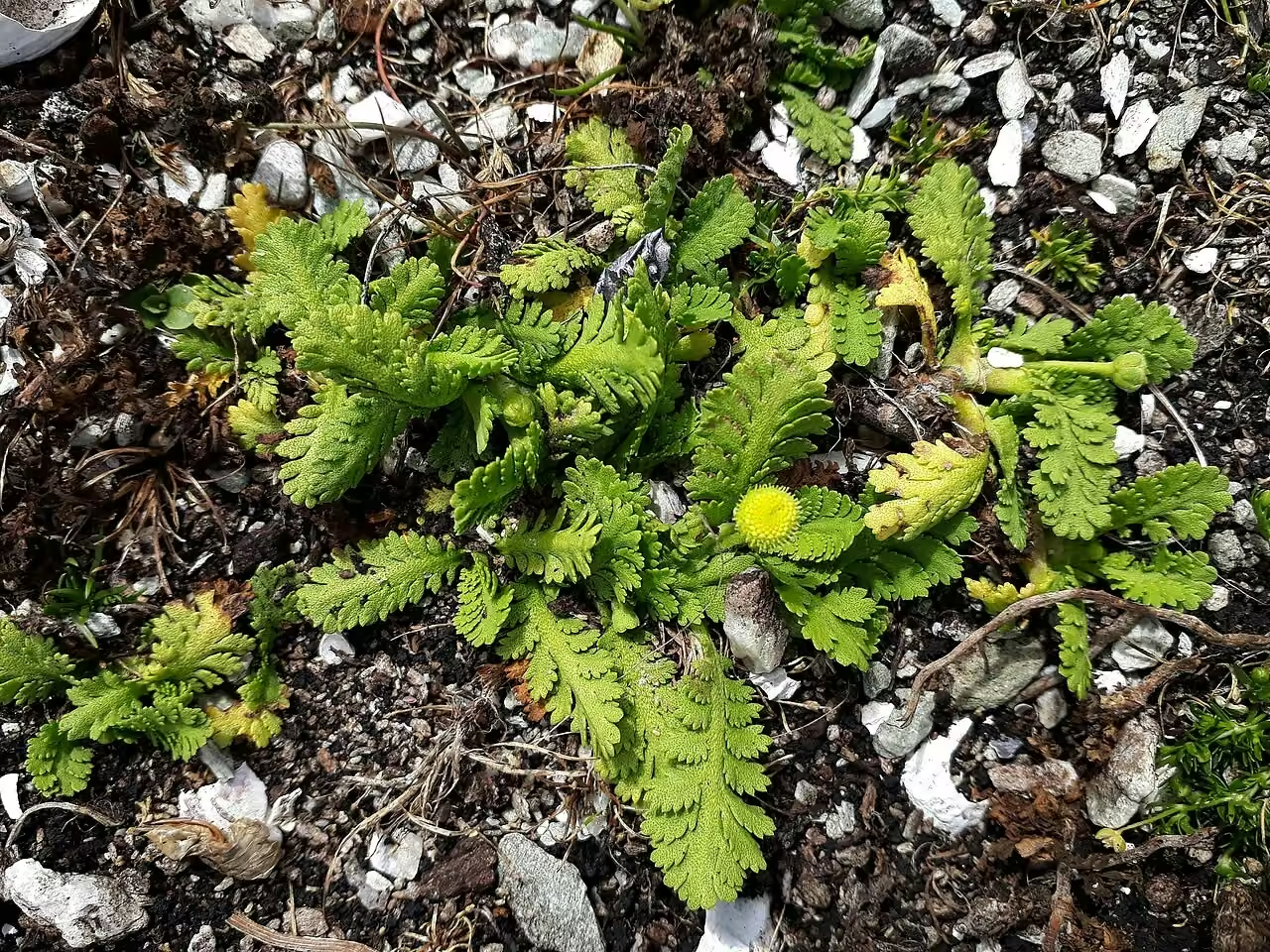
Leptinella potentillina
Leptinella potentillina
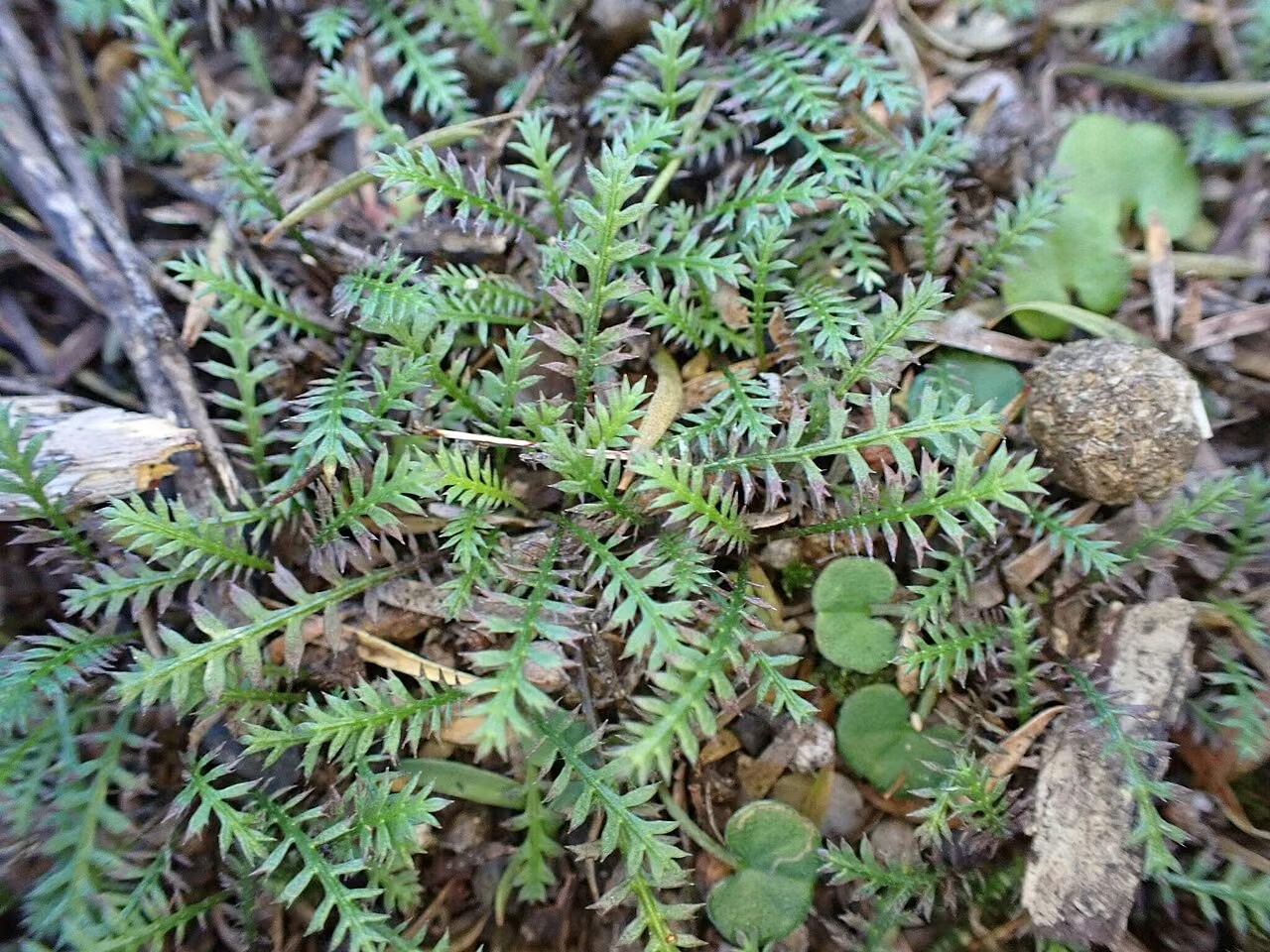
Leptinella pusilla
Leptinella pusilla
Leptinella rotundata
Leptinella rotundata
Plant Conservation
Leptinella maniototo is ranked At Risk - Declining (2023) with the qualifier Data Poor Size, after being assessed as At Risk - Relict in 2017. Regionally, Otago (2025) lists it as Regionally Endangered and Wellington as Regionally Extirpated, reflecting its loss from Lake Wairarapa.
Its decline is driven by introduced grasses and flatweeds invading ephemeral wetland turfs. Protecting natural water-level fluctuations, controlling weeds and managing grazing appropriately at known sites are the main conservation measures.
Frequently Asked Questions
What is Leptinella maniototo?
It is a tiny endemic button daisy of seasonally flooded turfs around lakes, tarns and kettleholes in the eastern South Island, named after the Maniototo district of Central Otago.
Why is Leptinella maniototo declining?
NZPCN identifies competition from taller and more aggressive introduced grasses and flatweeds as the main threat, as these smother the open, short turf it needs.
Does Leptinella maniototo grow in the North Island?
It was once recorded from Lake Wairarapa, but it is now believed extinct there, and the Wellington region lists it as Regionally Extirpated.
How can you recognise Leptinella maniototo?
Look for a very small herb with narrow linear leaves, some simple and some divided, ranging from grass-green to purple-red, and tiny button heads only 2 to 3 mm across sitting almost stalkless among the leaves.
Sources and Further Reading
The botanical, growing, and conservation details for Button Daisy (Leptinella maniototo) on this page draw on the New Zealand plant references below. Consult them for full technical records and the latest distribution data.