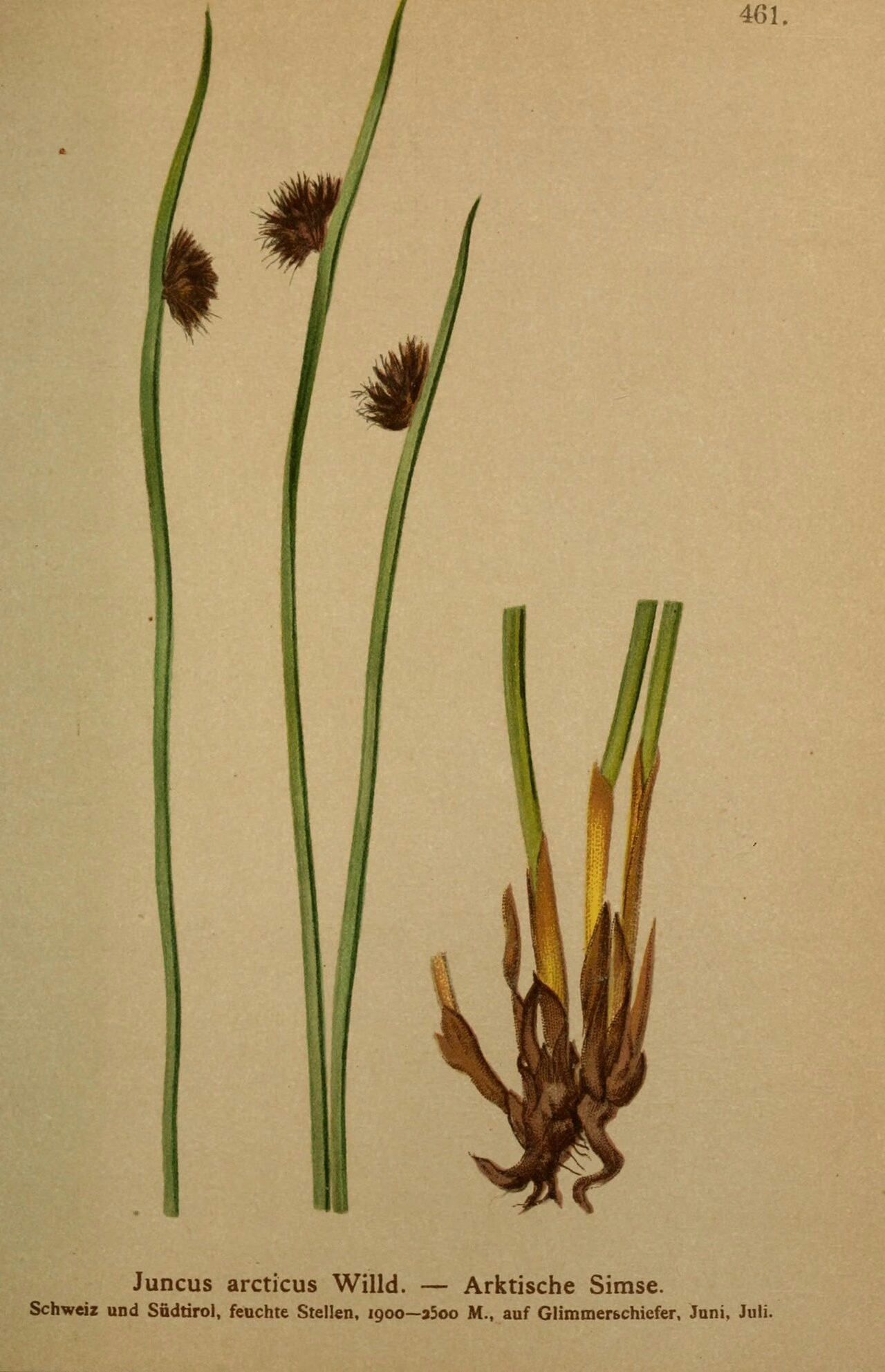
Leafless Rush
Juncus pauciflorus
Last updated:
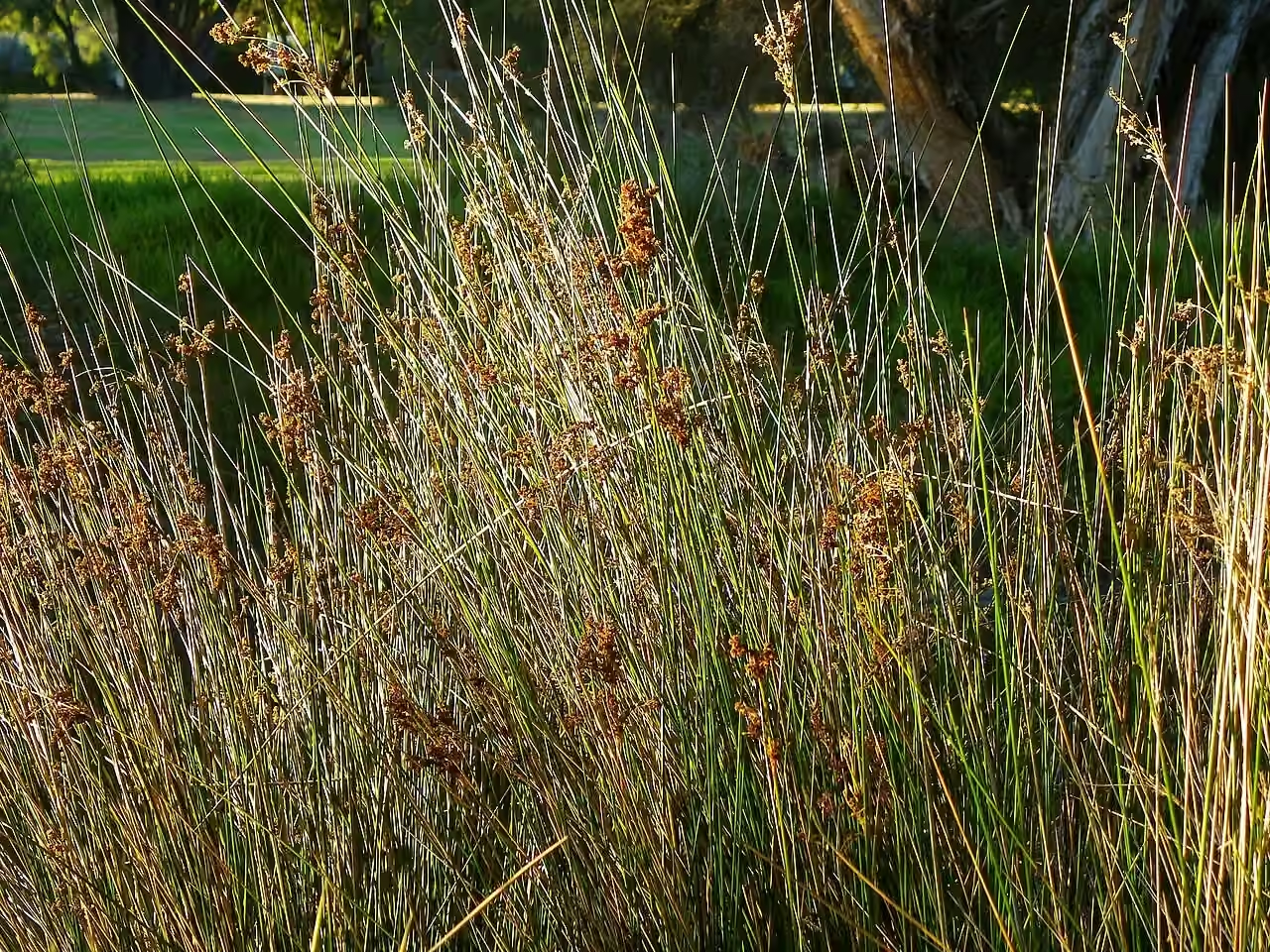
Leafless rush (Juncus pauciflorus) is a slender native rush with bright green to reddish stems up to 1 m long that sprawl widely and loosely from the base, sometimes scrambling almost like a vine. True to its name it has no leaf blades, only dark red-brown sheathing bracts at the stem bases. It grows in damp ground from the coast to the lowlands of the North, South and Stewart Islands, often on northern offshore islands, and also occurs in Australia. Once more widespread, it is now ranked Threatened - Nationally Vulnerable, making every surviving population worth protecting. Explore more native grasses and flaxes in our native plant guide.
Plant Description
Juncus pauciflorus forms loose clumps from a horizontal rhizome 2 to 3 mm in diameter that runs near or just above the soil surface. The flowering stems are 0.25 to 1 m long and only 0.75 to 2 mm wide, bright green to reddish, smooth and shining, with continuous pith. Rather than standing stiffly upright like most rushes, the stems spread widely from the base and can become loose, floppy and almost lianoid, leaning on surrounding scrub.
There are no leaf blades. The base of each stem is wrapped in closely sheathing dark red-brown bracts. The inflorescence appears to arise from the side of the stem, with flowers spaced along slender, flexible, curved branchlets. Each flower is 2.5 to 3 mm long with light greenish-brown tepals and six stamens. The capsules are 2.5 to 3.5 mm long, ovoid to almost oblong, light brown to red-brown and usually clearly longer than the tepals.
The combination of continuous pith and six stamens links it with Juncus pallidus, but that species is a far larger, erect rush with stems up to 2 m tall. The widely spreading, floppy, bright green stems and slender branchlets of leafless rush separate it from the other leafless rushes found in New Zealand.
Quick Facts
| Scientific Name | Juncus pauciflorus |
|---|---|
| Height | Stems 0.25-1 m long, often sprawling |
| Spread | Clumps spreading widely from a slender rhizome |
| Water Needs | Moist to damp soil |
| Light | Light shade to full sun |
| Frost Tolerance | Moderate; a coastal and lowland plant |
| Salt Tolerance | Grows in coastal dune swales; tolerance of direct salt spray is not documented |
| Growth Rate | Moderate |
| Lifespan | Perennial |
Climate Best Suited to
A plant of mild, moist coastal and lowland climates, most at home where damp hollows stay wet but do not flood for long periods.
Regional Suitability
| City | Climate Suitability |
|---|---|
| Auckland | High |
| Wellington | High |
| Christchurch | Medium |
| Dunedin | Medium |
Plant Habitat
Leafless rush is recorded from the North, South and Stewart Islands and is notable on northern offshore islands. It also occurs naturally in Australia, including Tasmania. It is a coastal to lowland species.
Typical sites are damp ground and hollows under light scrub, swamp margins, dune swales under scrub and openings within coastal forest. It is also occasionally found in pasture. It is classed as a facultative wetland plant, usually found in wetlands but sometimes in drier ground.
Growing Requirements
Soil Requirements
In the wild it grows in damp, often organic soils in hollows and on swamp edges, and in sandy soils in dune swales.
- Moist loam, peaty or sandy soil
- Tolerates periodically wet ground
- Avoid soils that dry hard in summer
Light Requirements
It commonly grows under light scrub or at forest edges, so dappled light suits it, though it will grow in open damp sites.
- Light shade or partial sun is ideal
- Full sun is fine if the soil stays moist
Water Requirements
Keep the roots consistently moist. It is a wetland-margin plant rather than a true emergent, so it prefers damp rather than permanently flooded ground.
- Water through dry summers until well established
- Suits the damp edge of a pond or rain garden
Planting and Establishing
Plant in autumn or spring into a damp, sheltered spot such as a swale, pond margin or the edge of native scrub, where the sprawling stems can lean on neighbouring plants. Set plants about 40 to 60 cm apart.
NZPCN notes that it resents root disturbance, so plant from pots without teasing the roots apart and avoid moving it once settled. Mulch lightly to keep the soil moist while it establishes.
Ecological Role
Leafless rush is wind pollinated like other rushes. Its tiny seeds are dispersed by attachment, wind and water, which helps it reach new damp hollows and swales along the coast.
Its loose clumps add structure to the ground layer of damp coastal scrub and dune swale communities, giving cover to small invertebrates. Its decline reflects the loss and drainage of the lowland and coastal wetland edges it relies on.
Uses & Significance
Garden Uses
A specialist plant for wetland restoration and native collections rather than a mainstream ornamental.
- Damp swales and rain gardens
- Pond margins under light canopy
- Coastal and dune restoration within its natural range
Ecological Value
Growing this Nationally Vulnerable rush from locally sourced seed helps maintain its genetic diversity and restores an uncommon component of coastal wetland vegetation.
- Supports threatened plant conservation
- Adds ground-layer structure in damp scrub
- Seeds spread naturally by water and wind
Landscaping Uses
Use leafless rush in naturalistic plantings where its fine, arching, bright green stems can weave through low shrubs such as Coprosma propinqua or among sedges at a pond edge. It is not suited to formal bedding because the stems flop.
In restoration projects, plant it in sheltered damp hollows behind dunes or on wetland margins with light shrub cover, mimicking where it is found naturally.
Seasonal Care Calendar
Spring
New stems lengthen and the clump becomes greener and fuller.
- Good time to plant
- Keep soil moist
Summer
Flowers appear from November to January, followed by capsules that ripen from November into autumn.
- Water in dry spells
- Watch for ripe brown capsules
Autumn
Capsules continue to ripen until about April, the best time to collect fresh seed.
- Collect and sow seed fresh
- Autumn planting suits damp sites
Winter
Growth slows; the evergreen stems persist through winter.
- Little care needed
- Check plants are not sitting in stagnant water
When to Prune and How Much
No regular pruning is needed. If the clump becomes untidy, cut out old, browned stems at the base in late winter to make room for fresh growth.
Avoid cutting the whole plant back hard or digging around the base, as it dislikes root disturbance.
How to Grow Leafless Rush
NZPCN describes leafless rush as easy to grow from fresh seed. It can also be grown from rooted pieces and by dividing whole plants, but it resents root disturbance, so seed is the most reliable method. Because the species is Nationally Vulnerable, collect seed only from plants you are permitted to collect from, take a small proportion from each plant, and keep material within its local area so restoration plantings retain local genetics.
From Seed
Rush seed is tiny and germinates best when fresh and kept moist and in good light. Capsules ripen between November and April.
- Collect brown, ripe capsules and shake the seed onto paper.
- Sow thinly on the surface of a moist, fine seed-raising mix; do not bury the seed.
- Stand the tray in a shallow dish of water or mist often so the surface never dries.
- Keep in a bright, sheltered place out of hot direct sun.
- Prick out seedlings into small pots once they are a few centimetres tall and handle the roots gently.
- Grow on for a season before planting out.
By Division and Rooted Pieces
Division works, but plants often sulk afterwards because they dislike root disturbance. Take rooted pieces from the edge of the clump rather than tearing up the whole plant.
- Divide in spring when growth is starting.
- Cut off a rooted section of rhizome with several stems, keeping as much soil around the roots as possible.
- Pot it into a moist, free-draining mix and keep it damp and shaded for several weeks.
- Plant out once new stems appear.
Pests & Diseases
No specific pests or diseases are recorded for leafless rush. In cultivation the main risks are drying out in summer and root damage from disturbance.
In the wild the bigger threats are habitat loss through drainage and development of coastal land, and competition from weeds such as rank pasture grasses that smother the loose clumps.
Cultural Significance
No Māori name or use specific to Juncus pauciflorus is recorded in the sources consulted. Rushes in general are known as wīwī, but there is no documented use of this particular species.
The genus name Juncus comes from the Latin jungere, to tie or bind, because some rushes were used for cordage. The epithet pauciflorus means few-flowered.
Bonus Tip
If you are looking for leafless rush in the field, search damp hollows under light coastal scrub rather than open swamp. Its loose, almost scrambling bright green stems are easy to overlook among other vegetation, and lifting a stem to find the red-brown basal bracts and lateral flower clusters confirms it is a leafless Juncus.
Related Plants
Explore other native plants that share similar characteristics or habitats with Leafless Rush (Juncus pauciflorus), offering further insights into New Zealand's diverse flora. These related species provide context and opportunities for complementary planting in your garden.
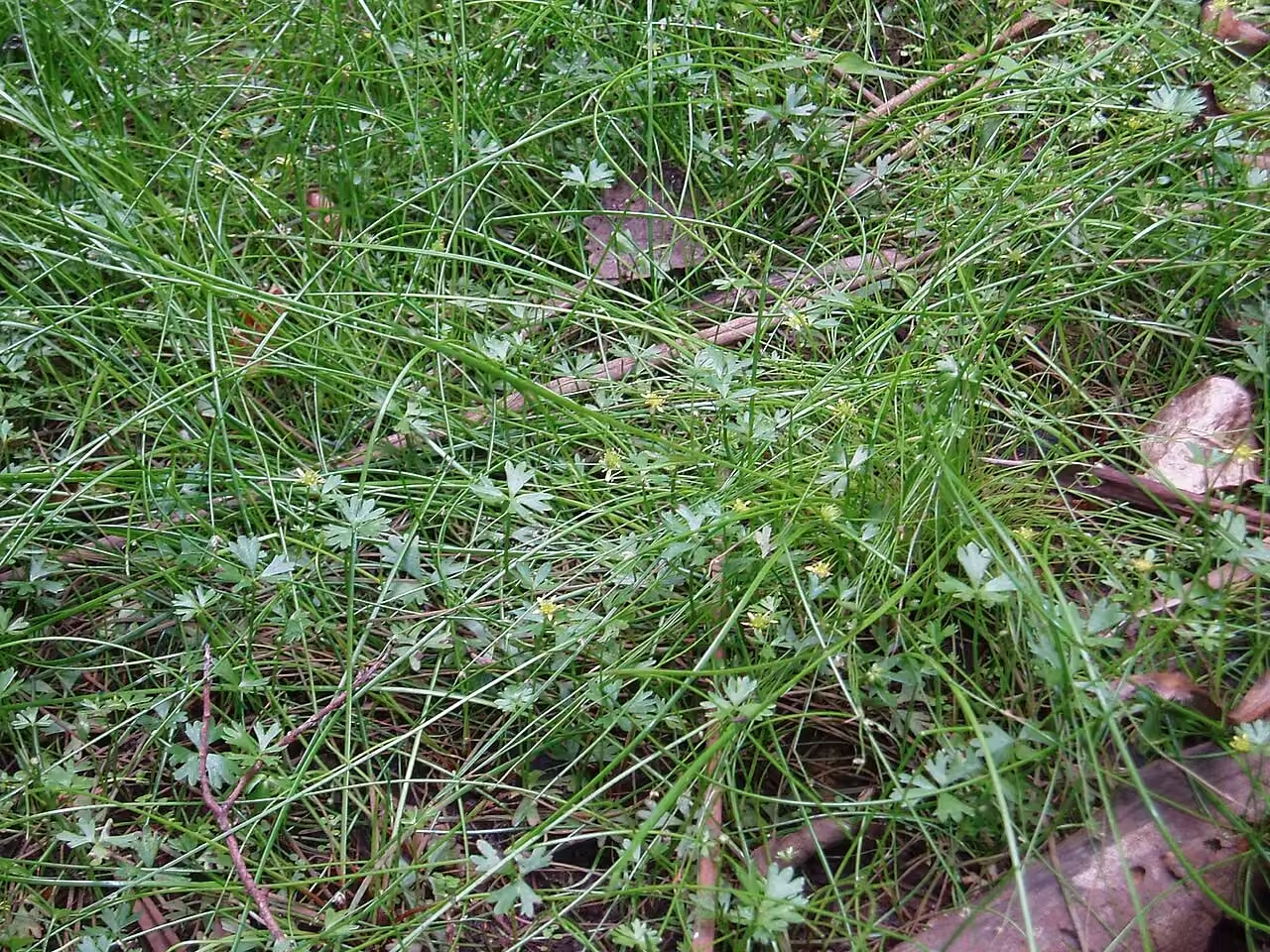
Isolepis reticularis
Isolepis reticularis
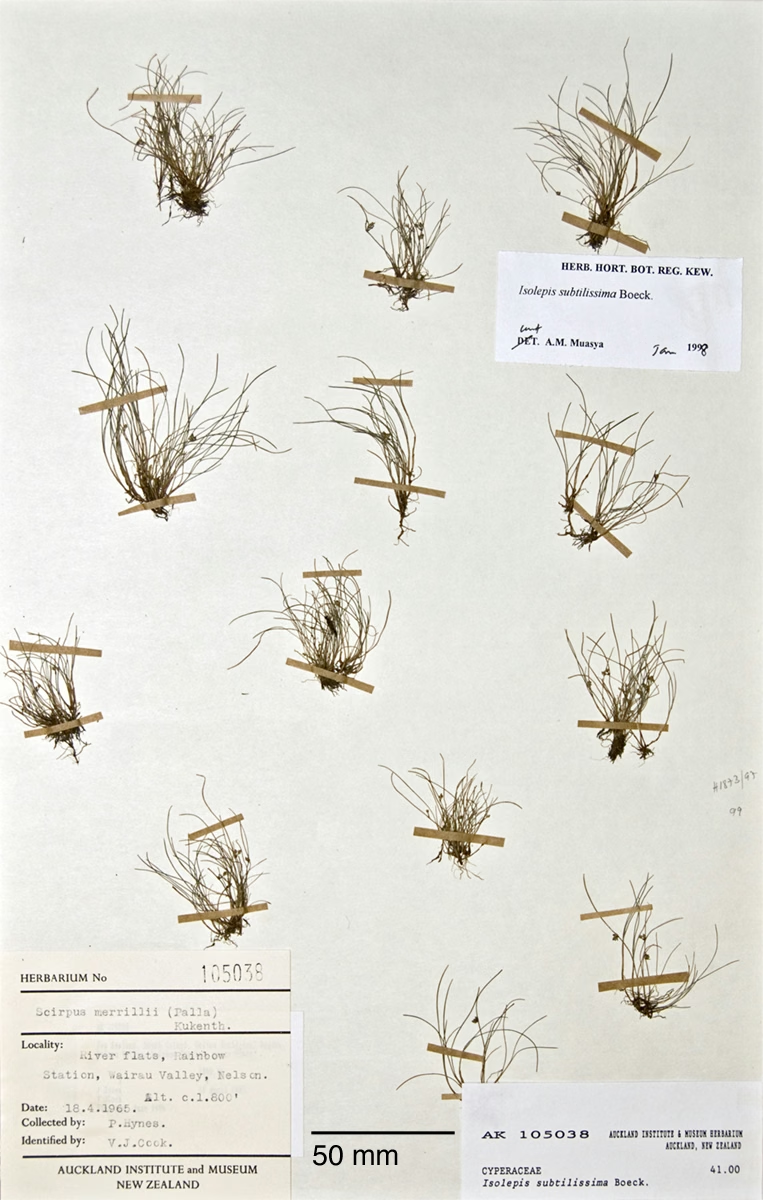
Isolepis subtilissima
Isolepis subtilissima
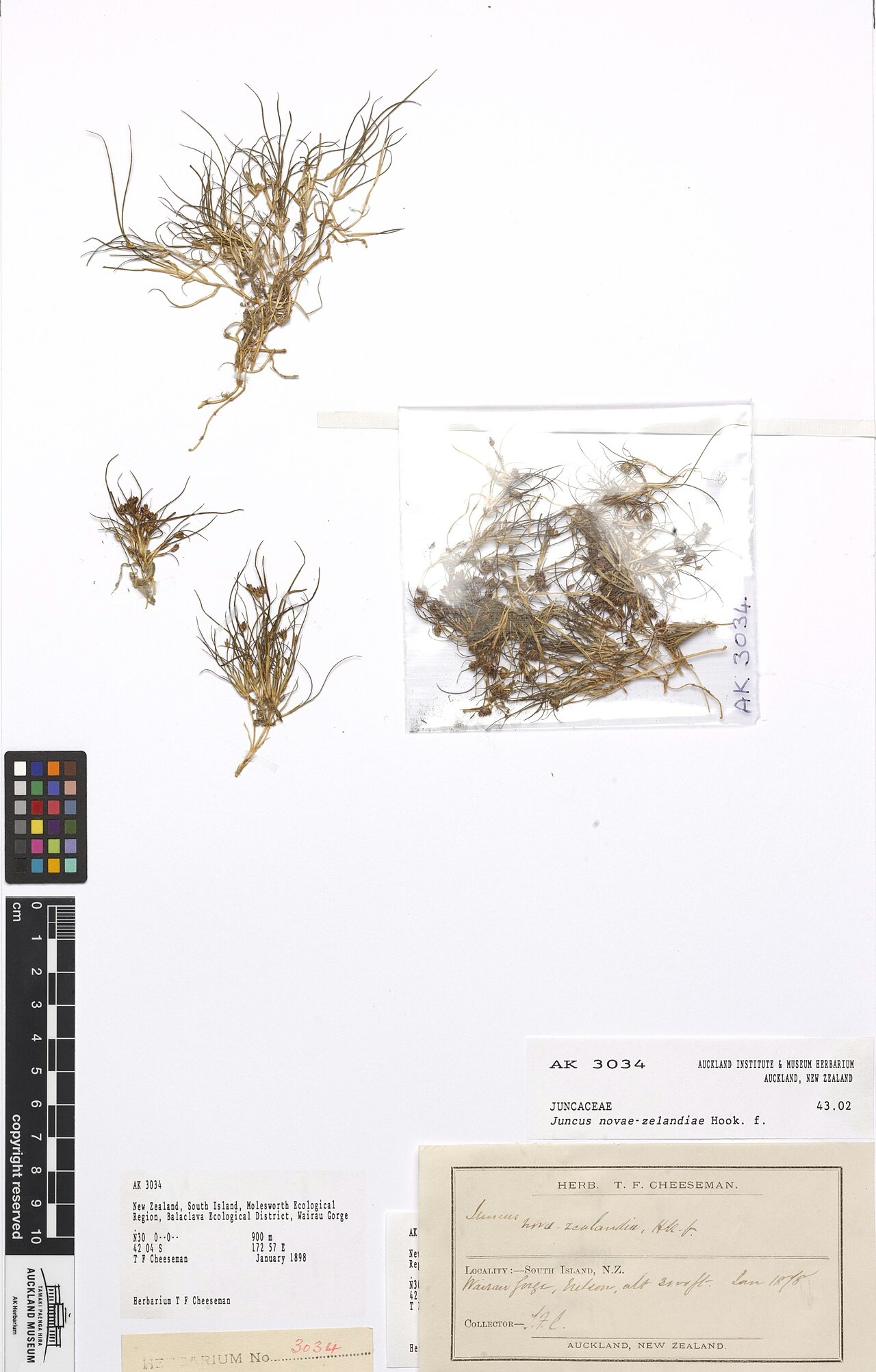
Juncus novae zelandiae
Juncus novae zelandiae
Giant Rush
Juncus pallidus
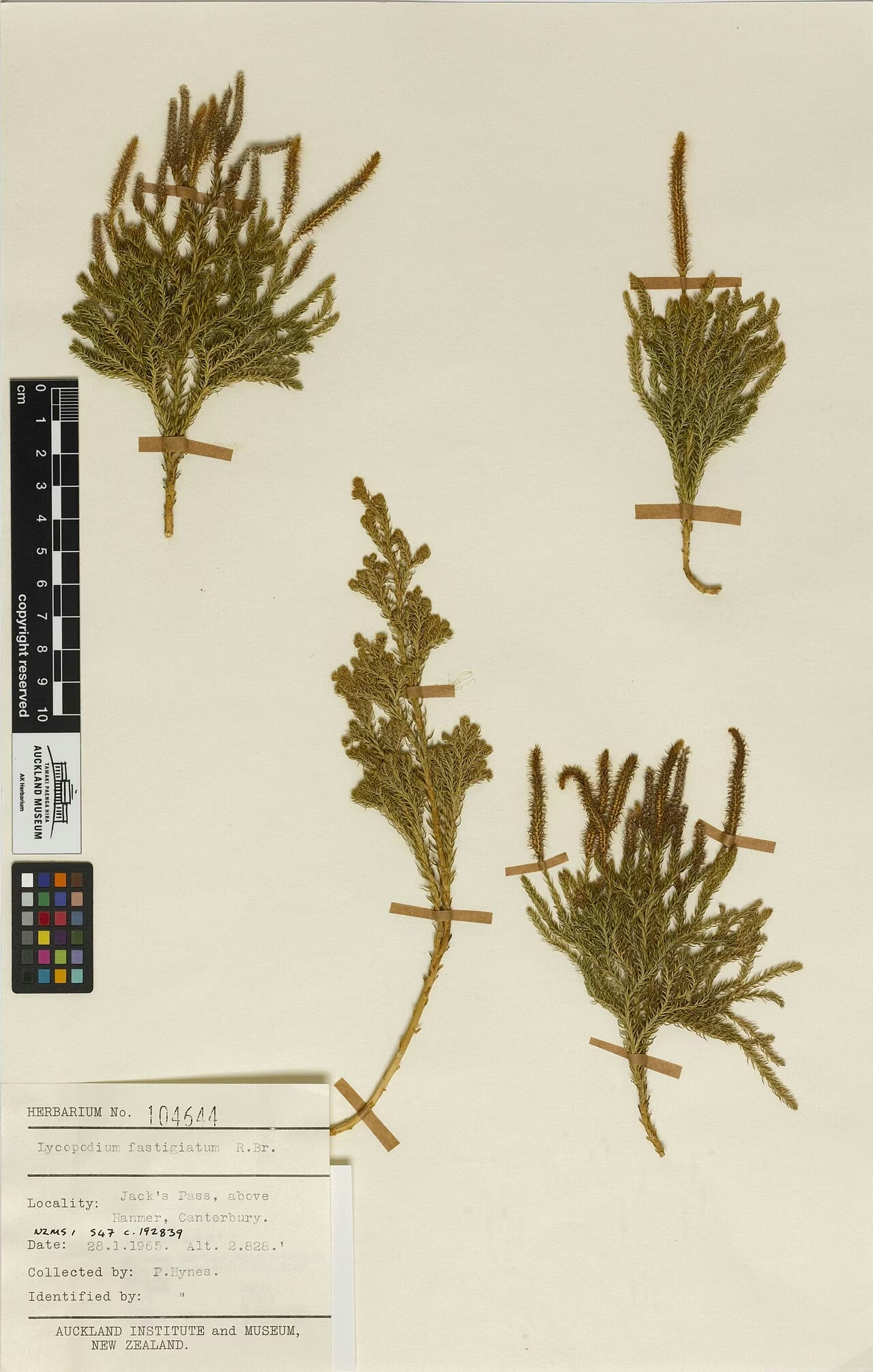
Alpine Kelleria
Kelleria dieffenbachii
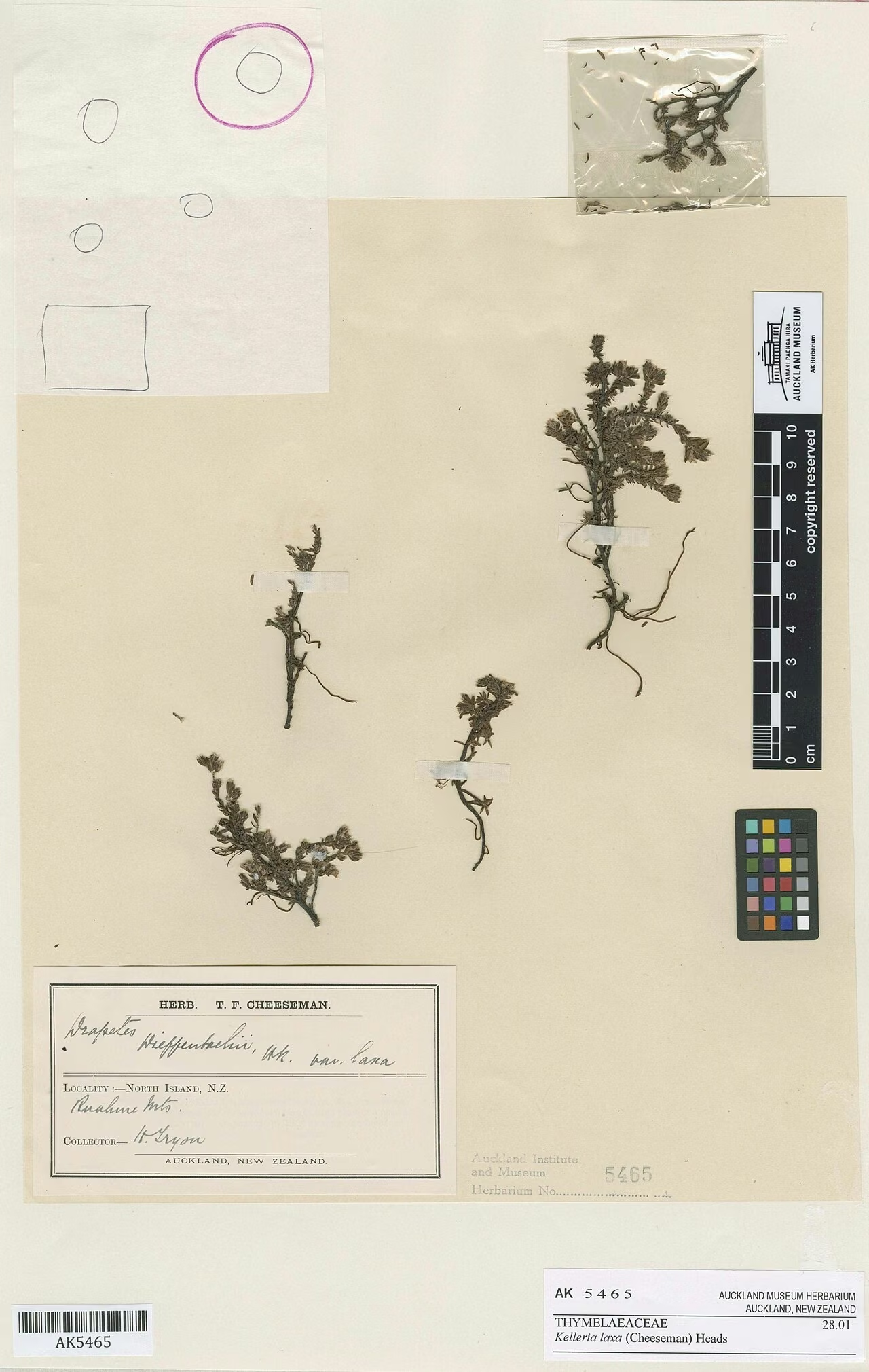
Kelleria laxa
Kelleria laxa
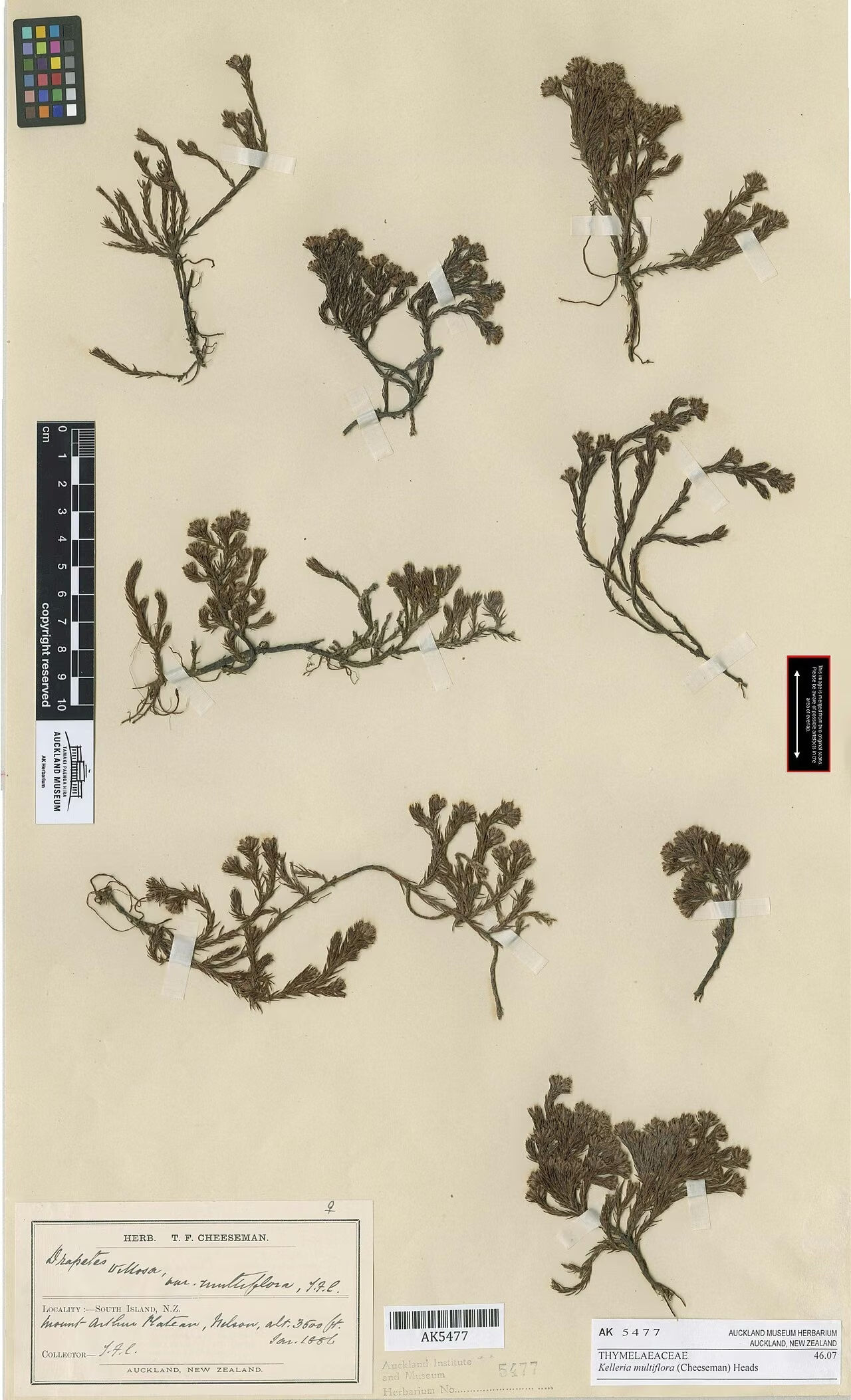
Kelleria multiflora
Kelleria multiflora
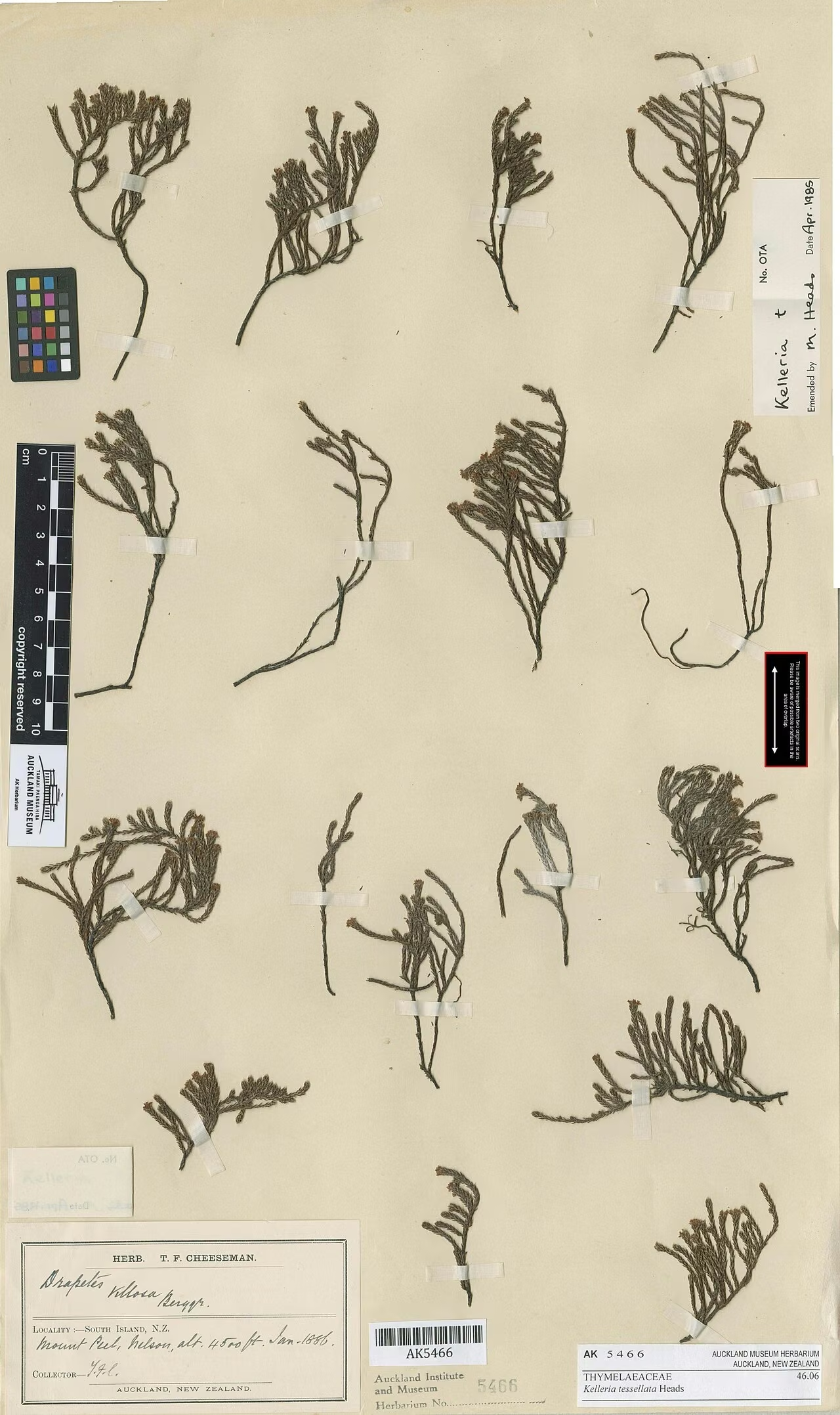
Kelleria tessellata
Kelleria tessellata
Plant Conservation
Leafless rush is ranked Threatened - Nationally Vulnerable (2023), with qualifiers indicating it is sparse, partially protected in reserves and declining. NZPCN describes it as rather uncommon. Regionally it is ranked critical in Northland, Otago and Wellington and endangered in Auckland.
Protecting remaining coastal wetland margins and dune swales, controlling smothering weeds and grazing at known sites, and growing it from local seed for restoration plantings all help this rush recover.
Frequently Asked Questions
Why is Juncus pauciflorus called the leafless rush?
Its stems carry no leaf blades at all. The only leaf-like parts are dark red-brown bracts that closely sheathe the base of each stem, so the green stems do all the photosynthesis.
How do you tell leafless rush from Juncus pallidus?
Both have continuous pith and six stamens, but Juncus pallidus is a robust rush up to 2 m tall with stiff erect stems 3 to 8 mm thick. Leafless rush has slender, floppy, almost lianoid stems only 0.75 to 2 mm wide.
Is leafless rush endangered in New Zealand?
Yes. It is ranked Threatened - Nationally Vulnerable in the 2023 assessment, and it is considered regionally critical in Northland, Otago and Wellington and regionally endangered in Auckland.
Where does leafless rush grow?
It grows in coastal to lowland damp hollows under light scrub, on swamp margins, in dune swales, within coastal forest and sometimes in pasture, across the North, South and Stewart Islands.
Sources and Further Reading
The botanical, growing, and conservation details for Leafless Rush (Juncus pauciflorus) on this page draw on the New Zealand plant references below. Consult them for full technical records and the latest distribution data.