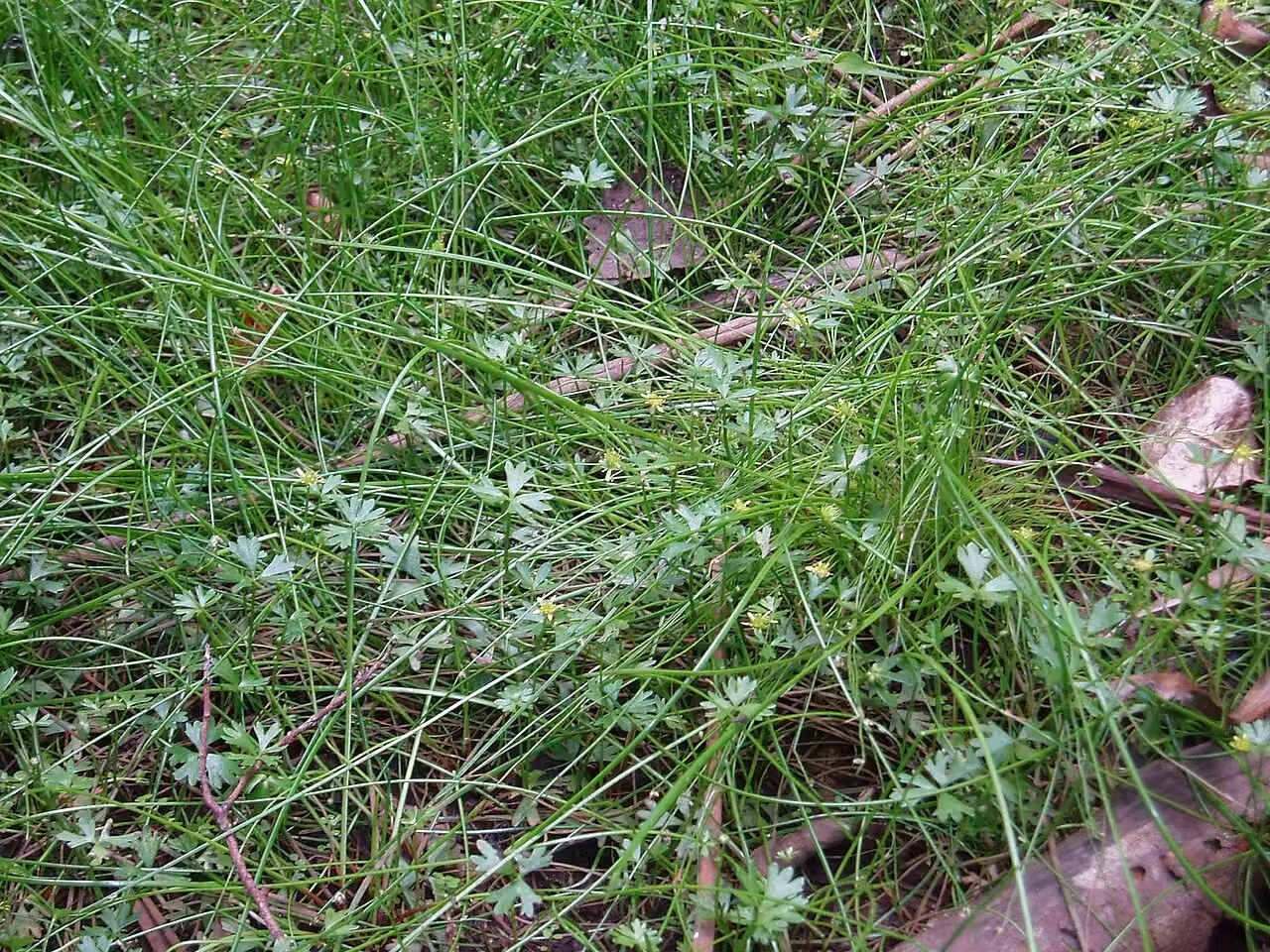
Club Rush
Isolepis reticularis
Last updated:
Isolepis reticularis is a delicate, finely tufted sedge endemic to New Zealand. Its lax, light green culms are less than 0.5 mm thick and 40 to 300 mm long, drooping over to loosely carpet the ground, with small greenish spikelets that often sprout new plantlets. It grows from the coast to the mountains, mostly along streams in lowland forest, but also in coastal and forest seepages, around lakes and ponds, in the wet margins of peat bogs and commonly under willows. It is ranked Not Threatened, grows easily from seed or division, and does best in full sun in permanently damp soil. Explore more native grasses and flaxes in our native plant guide.
Plant Description
Isolepis reticularis is a rather delicate, finely tufted sedge with drooping habit that loosely carpets the ground. Its lax, thread-like culms are light green, smooth and compressed, 40 to 300 mm long and less than 0.5 mm in diameter. There are one to three leaves, similar to the culms but usually much shorter; the lowest is reduced to a sheath 10 to 15 mm long that is red towards the base.
The inflorescence looks lateral and consists of one to three (up to five) spikelets, which are often proliferous, producing small plantlets. The bract below is usually much longer than the spikelets. Spikelets are 2 to 5 mm long and 1 to 1.5 mm wide, oblong-ovate, pale green tinged with red. The glumes are 1 to almost 2 mm long, ovate-lanceolate and acute, pale straw-coloured or dotted, striped or almost black with red, and pinched in below the green, slightly protruding keel. Each flower has one stamen and three style branches, and the nut is about 1 by 0.5 mm, three-angled and pale straw-coloured to almost white and glossy.
It is recognised by its flaccid growth, extremely fine bright green culms, greenish spikelets, one or two stamens per glume, glumes constricted at the tip and a cream or white nut. It was once treated as a variety of Isolepis inundata (Scirpus inundatus var. gracillimus), from which those features separate it.
Quick Facts
| Scientific Name | Isolepis reticularis |
|---|---|
| Height | Culms 40-300 mm long, drooping |
| Spread | Loose carpets of fine tufts |
| Water Needs | High; permanently damp soil |
| Light | Full sun to part shade |
| Frost Tolerance | Moderate to high; reaches montane sites |
| Salt Tolerance | No information available; grows in coastal seepages |
| Growth Rate | Moderate to fast |
| Lifespan | Perennial |
Climate Best Suited to
It is adaptable across New Zealand's temperate climates wherever the ground stays wet, from coastal to montane areas.
Regional Suitability
| City | Climate Suitability |
|---|---|
| Auckland | High |
| Wellington | High |
| Christchurch | Medium |
| Dunedin | Medium |
Plant Habitat
Isolepis reticularis is endemic to New Zealand and ranges from coastal to montane elevations, rarely reaching the subalpine zone. Regional conservation assessments record it from Northland, Auckland and Wellington, where it is regionally Not Threatened, and from Otago, where it is regionally Naturally Uncommon.
It favours riparian habitats in lowland forest, but also colonises coastal seepages, seepages within forest, lake and pond margins and the lagg (wet outer margin) of peat bogs. NZPCN notes that it is a common inhabitant of willow carr. It is rated a facultative wetland plant, usually found in wetlands but occasionally in drier ground.
Growing Requirements
Soil Requirements
It grows in wet silts, peats and forest soils along water margins.
- Permanently damp soil of almost any texture
- Silty stream banks and peaty bog margins suit it
- Avoid dry, free-draining sites
Light Requirements
Wild plants grow under forest and willows as well as in open seepages, but NZPCN says it flourishes best in full sun.
- Full sun with wet soil for best growth
- Tolerates part shade along forest streams
Water Requirements
Constant moisture is the key requirement.
- Keep soil permanently damp
- Ideal for the splash zone of streams and ponds
- Water pots daily in hot weather
Planting and Establishing
Plant divisions or seedlings into wet soil at the margin of a pond, stream or rain garden, or into a pot of moisture-retentive mix stood in a saucer of water. Small plants spaced 10 to 20 cm apart will soon knit into a soft, low carpet.
Because the culms flop and spread, it is useful for softening the edge of a pond liner or the rim of a water bowl, where the fine stems can trail into the water.
Ecological Role
Isolepis reticularis flowers from September to December and fruits from October to March. It is wind-pollinated, and NZPCN notes that the nuts are dispersed by water, and possibly by seed-eating animals and by attachment. Its often proliferous spikelets can also produce plantlets.
It is a coloniser of wet, open or partly shaded ground on stream banks, seepages and lake margins, and is common in willow carr, showing it can persist in modified wetlands. Its fine carpets help cover bare wet soil.
Uses & Significance
Garden Uses
It is one of the easier native Isolepis species to grow and suits a range of wet garden features.
- Pond and stream margins
- Rain gardens and swales that stay damp
- Bog gardens and water bowls
Ecological Value
It is a common, widespread member of New Zealand's riparian and wetland margin flora.
- Covers bare, wet soil on stream banks
- Grows in modified wetlands such as willow carr
- Part of peat bog lagg vegetation
Landscaping Uses
Its soft, bright green, hair-fine foliage forms a gentle, mossy-looking carpet that contrasts well with bolder wetland plants such as rushes, flaxes and larger sedges. Use it as a groundcover at the water's edge.
In containers it makes an attractive spilling plant for a water feature. It is too low and soft to suppress tall weeds, so keep it in a maintained setting.
Seasonal Care Calendar
Spring
Flowering begins in September and runs through to December.
- Divide and replant clumps
- Weed around pond edges
Summer
Nuts ripen from October to March and plants may produce plantlets on the spikelets.
- Keep soil wet in dry spells
- Collect seed or plantlets
Autumn
Fruiting ends by March and growth continues while soil is wet.
- Sow fresh seed
- Trim back spread into paths
Winter
Growth slows; plants persist in wet ground.
- Little maintenance needed
- Watch for smothering by fallen leaves
When to Prune and How Much
No regular pruning is required. Fine culms that have spread too far can be trimmed with scissors or pulled away by hand.
If a carpet becomes thin or brown in the centre, lift and divide it in spring and replant the vigorous outer pieces.
How to Grow Club Rush
NZPCN says Isolepis reticularis is easily grown from fresh seed and by division of whole plants. It is one of the more forgiving species in the genus: once established it tolerates various conditions, but it flourishes best in full sun in a permanently damp soil, so give new plants that combination for the quickest results. Raising stock in pots first also makes it easy to have plants ready to cover newly formed wet edges in spring.
From Seed
The small, glossy, almost white nuts ripen between October and March. Collect spikelets as they mature and sow straight away, since fresh seed is recommended.
Seedlings are very fine at first, so water trays from below to avoid washing them out, and keep them in full light so they do not become weak and stretched.
- Collect mature spikelets
- Rub out the nuts over a sheet of paper
- Sow on the surface of moist seed-raising mix
- Stand the tray in a saucer of water in good light
- Prick out seedlings once they form small tufts
- Grow on in damp conditions before planting out
By Division
Division is the fastest method. Established carpets can be pulled apart into small rooted clumps, which re-establish quickly in wet soil. The spikelets are often proliferous, producing small plantlets, which are worth trying as an extra source of new plants.
- Lift a section of the carpet
- Separate into rooted clumps of several tufts
- Replant at once into wet soil or pots
- Keep moist and in good light until new growth appears
Pests & Diseases
No specific pests or diseases are recorded for Isolepis reticularis. Drying out is the main cause of loss in cultivation.
Vigorous exotic grasses and weeds can overgrow such a fine, low plant, so keep its area weeded until it forms a dense carpet.
Cultural Significance
No Māori name or traditional use specific to Isolepis reticularis has been recorded in the sources consulted.
The species was named by William Colenso in 1885. It was later treated as Scirpus reticularis, and Thomas Cheeseman's Scirpus inundatus var. gracillimus is now regarded as the same plant. The epithet reticularis means in a net-like pattern.
Bonus Tip
Use it to cover the bare, wet edges of a newly dug pond or rain garden: its loose carpets establish quickly in full sun and wet soil and help hide liner edges while slower plants grow.
Related Plants
Explore other native plants that share similar characteristics or habitats with Club Rush (Isolepis reticularis), offering further insights into New Zealand's diverse flora. These related species provide context and opportunities for complementary planting in your garden.
Isolepis caligenis
Isolepis caligenis
Isolepis crassiuscula
Isolepis crassiuscula
Isolepis pottsii
Isolepis pottsii
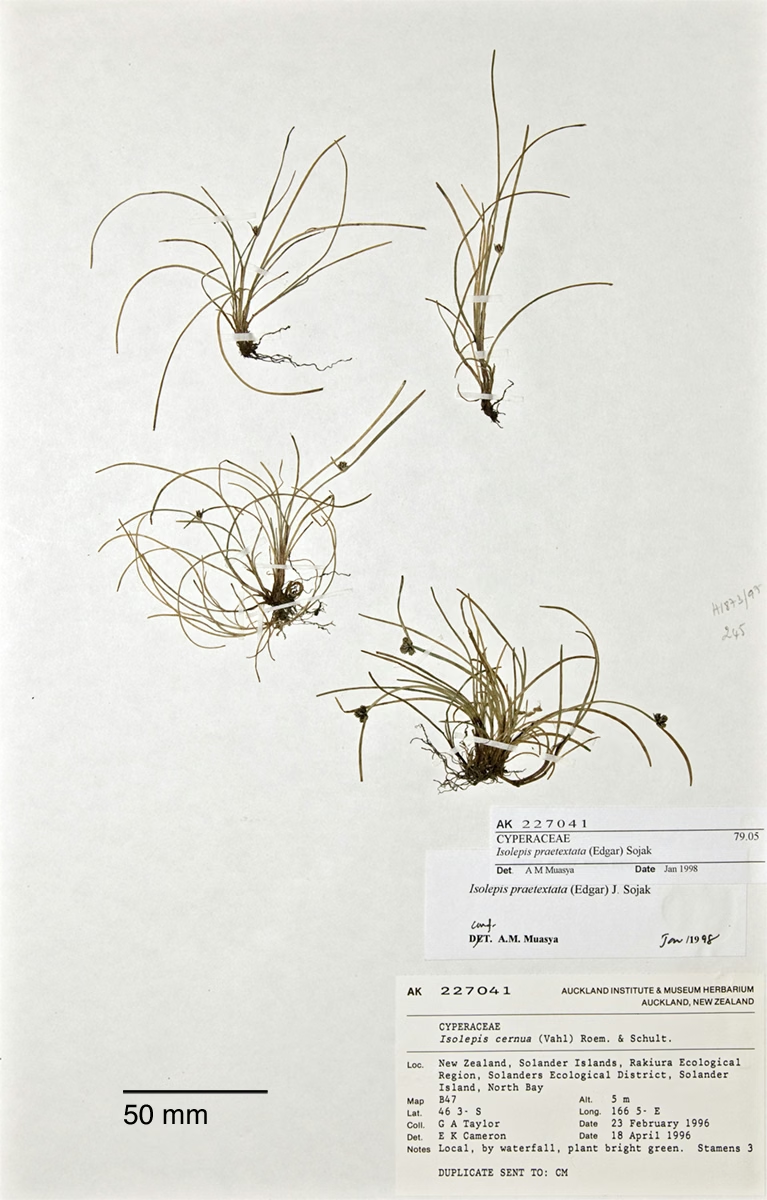
Isolepis praetextata
Isolepis praetextata
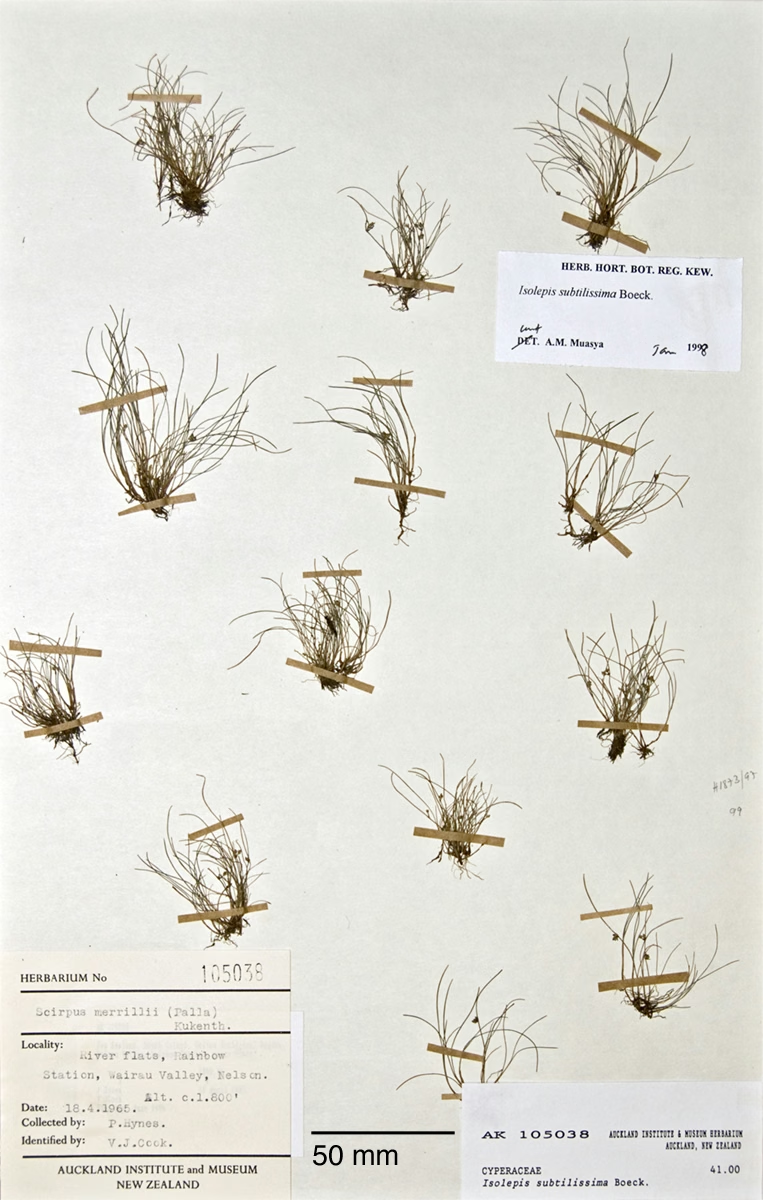
Isolepis subtilissima
Isolepis subtilissima
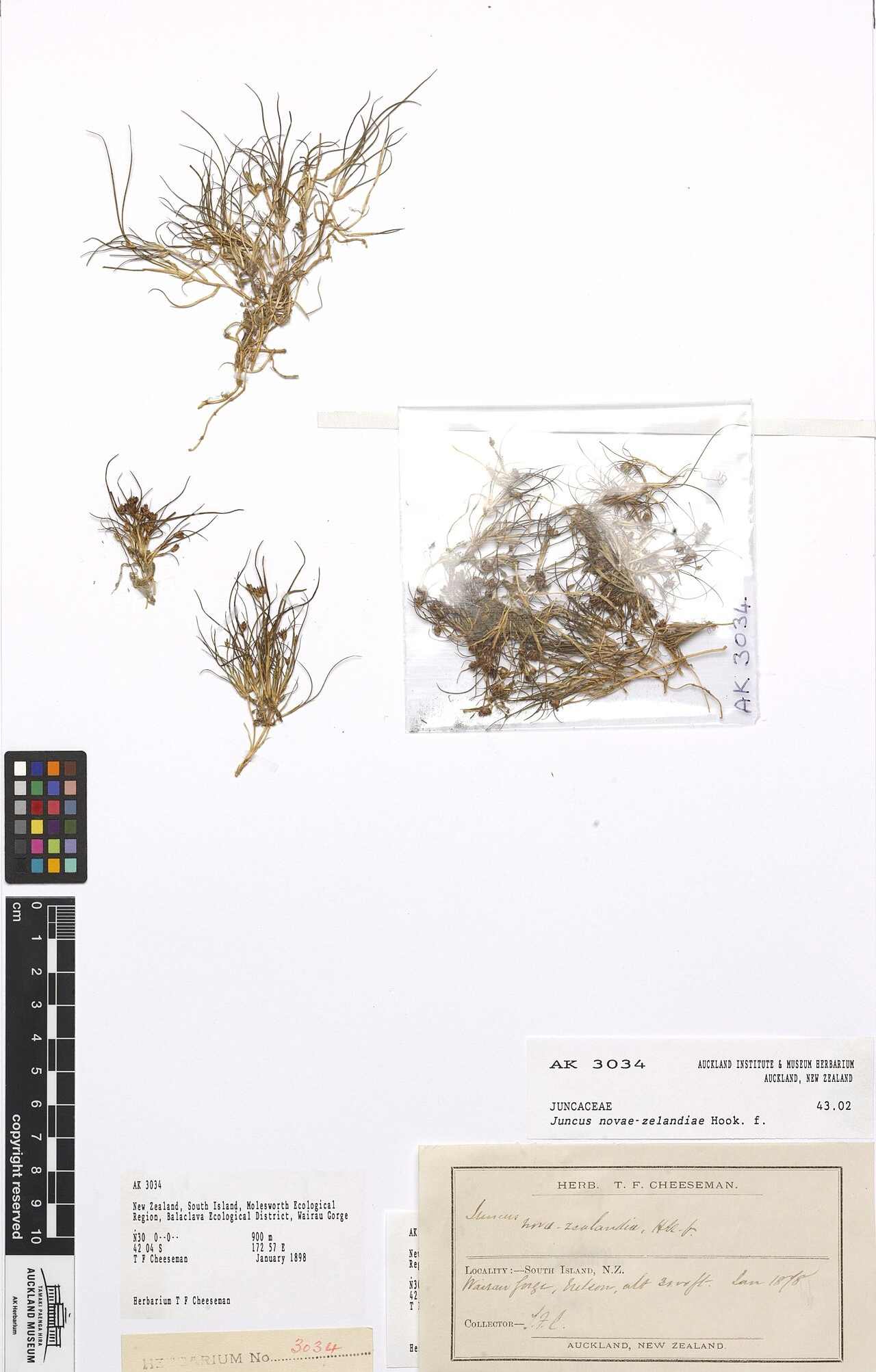
Juncus novae zelandiae
Juncus novae zelandiae
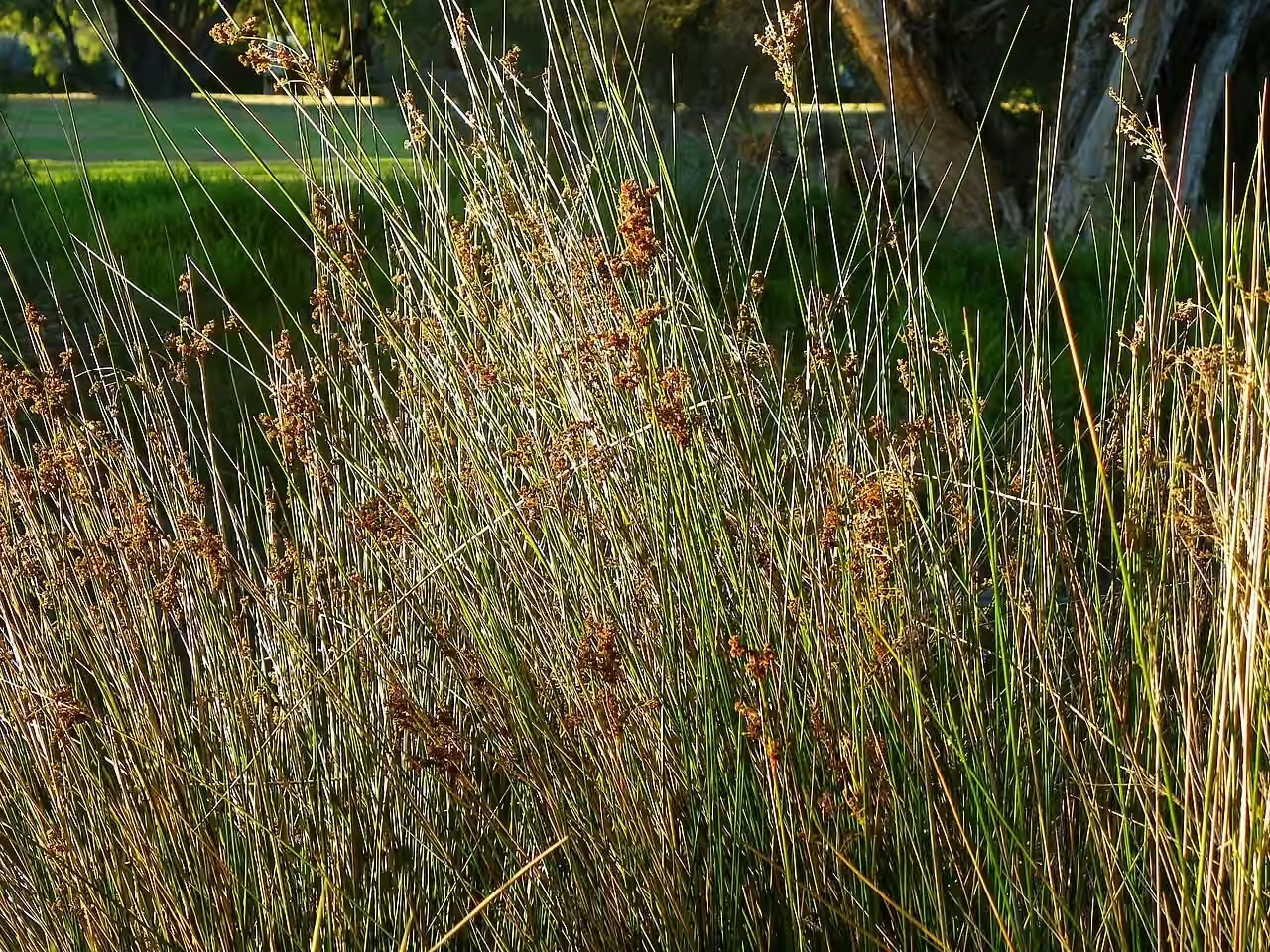
Giant Rush
Juncus pallidus
Leafless Rush
Juncus pauciflorus
Plant Conservation
Isolepis reticularis is ranked Not Threatened nationally and has been at every assessment since 2004. It is regionally Not Threatened in Northland, Auckland and Wellington, but regionally Naturally Uncommon in Otago.
Because it can persist in modified habitats such as willow carr, it is relatively secure. Retaining wet stream margins, seepages and pond edges rather than draining or mowing them helps maintain local populations.
Frequently Asked Questions
How can you identify Isolepis reticularis?
Look for a floppy, carpeting habit with extremely fine (under 0.5 mm) bright green culms, greenish spikelets that are often proliferous, glumes pinched in at the tip, and a cream or almost white glossy nut.
Where does Isolepis reticularis grow?
It grows from coastal to montane areas, mainly on stream banks in lowland forest, and also in seepages, around lakes and ponds, in peat bog margins and in willow carr.
What does reticularis mean?
The epithet means in a net-like pattern. The genus name Isolepis comes from the Greek isos, equal, and lepis, scale.
What conditions does Isolepis reticularis like in a garden?
Once established it tolerates a range of conditions, but NZPCN says it flourishes best in full sun in a permanently damp soil.
Sources and Further Reading
The botanical, growing, and conservation details for Club Rush (Isolepis reticularis) on this page draw on the New Zealand plant references below. Consult them for full technical records and the latest distribution data.