Giant Rush
Juncus pallidus
Last updated:
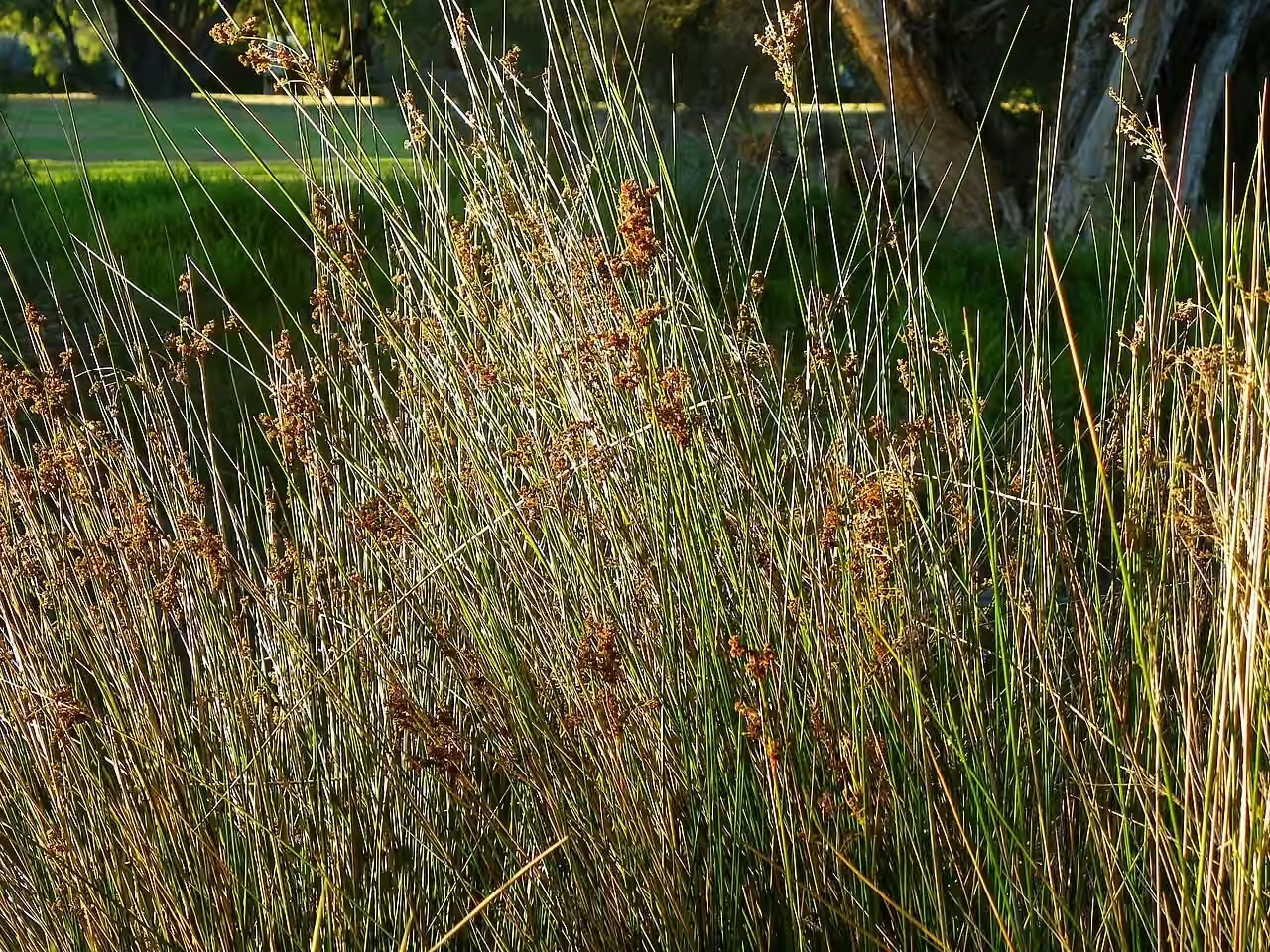
Giant rush (Juncus pallidus), also called leafless rush and one of the rushes known to Māori as wīwī, is New Zealand's most robust rush. It forms dense patches up to 2 m tall of stout, smooth, light green or bluish stems 3 to 8 mm thick, with no true leaves, topped by large heads of pale flowers. It grows in coastal and lowland damp hollows, swamps and wetland margins throughout the North, South and Stewart Islands, and also occurs in Australia. It is ranked Not Threatened, is widely used in wetland and riparian restoration, and can become a weed in damp pasture. Explore more native grasses and flaxes in our native plant guide.
Plant Description
Juncus pallidus is a very robust perennial rush that forms dense patches up to 2 m tall. It grows from horizontal rhizomes 5 to 10 mm thick. The flowering stems are 1 to 2 m tall and 3 to 8 mm in diameter, erect and smooth, light green or glaucous (bluish), and filled with continuous pith. It has no true leaves: instead the base of each stem is wrapped in numerous loose sheaths that are light green to pinkish brown.
The inflorescence is large, usually dense and many-flowered, though it can be more open. Each flower is 2.3 to 3 mm long with pale green tepals that mature to light brown, and six stamens. The capsules are 2.8 to 3.6 mm long, ovoid and three-sided, pale greenish brown and distinctly longer than the tepals.
The most similar species is Juncus procerus, another tall rush of similar habitats, which has dark green stems with interrupted pith. Juncus pauciflorus shares six stamens and continuous pith but is uncommon and has slender, bright green stems. Snap a stem of giant rush and you will see its pith is solid and continuous.
Quick Facts
| Scientific Name | Juncus pallidus |
|---|---|
| Height | 1-2 m |
| Spread | Dense patches spreading from horizontal rhizomes |
| Water Needs | High; damp to periodically flooded ground |
| Light | Full sun |
| Frost Tolerance | Moderate; coastal to lowland species |
| Salt Tolerance | Moderate; grows by brackish waterways |
| Growth Rate | Fast once established |
| Lifespan | Long-lived perennial |
Climate Best Suited to
It suits mild coastal and lowland climates throughout New Zealand and copes with seasonal flooding and drying of wetland margins.
Regional Suitability
| City | Climate Suitability |
|---|---|
| Auckland | High |
| Wellington | High |
| Christchurch | High |
| Dunedin | Medium |
Plant Habitat
Giant rush is indigenous to New Zealand, where it is found throughout the North, South and Stewart Islands. It is also native to southern Australia, and NZPCN regards it as naturalised on Norfolk, Lord Howe and the Chatham Islands.
It is a coastal to lowland plant, usually growing in damp, swampy hollows and on wetland margins. Wikipedia describes its habitat in Australia as moist, nutrient-poor soils subject to periodic flooding, including fresh and brackish waterways, swamps, creek banks, lake edges and sand seeps. In New Zealand it also commonly invades damp pasture.
Growing Requirements
Soil Requirements
It grows in wet, often nutrient-poor soils from sands to silts and clays.
- Damp to wet soil, including heavy clay
- Copes with periodic flooding
- Tolerates nutrient-poor ground
Light Requirements
It is a plant of open swamps and wetland margins.
- Full sun for dense, upright growth
- Light shade tolerated but growth is weaker
Water Requirements
It needs damp ground for most of the year and is happy where the water table rises and falls with the seasons.
- Ideal for wet hollows and pond margins
- Tolerates seasonal flooding
- Water new plantings until established
Planting and Establishing
Plant giant rush in autumn or winter, when the ground is wet, into damp hollows, pond and stream margins, swales or stormwater wetlands. For restoration, plant in groups so the spreading clumps close together into a continuous band.
Because it reaches 2 m and spreads by rhizomes, give it plenty of room and keep it away from paths and small garden beds. Avoid planting it next to productive pasture, where it can spread and become a weed.
Ecological Role
Giant rush flowers from October to January and fruits from November to May. It is wind-pollinated, and NZPCN notes that its mucilaginous seeds, which become sticky when wet, are dispersed by attachment, wind and water.
Its dense, tall clumps provide cover for wetland birds and invertebrates, and its rhizomes help bind soft wetland and stream margins. It colonises damp, open ground readily, which makes it useful early in wetland restoration but also explains its spread into wet pasture.
Uses & Significance
Garden Uses
It is a bold, architectural plant for wet sites and large-scale wetland plantings.
- Stormwater wetlands and swales
- Riparian and pond-margin restoration
- Large water gardens needing a tall vertical accent
Ecological Value
As a robust native wetland plant it provides structure and cover in lowland wetlands.
- Shelter for wetland birds and invertebrates
- Stabilises soft margins with its rhizomes
- Fast cover in restoration plantings
Landscaping Uses
The tall, upright, pale green to bluish stems make a strong vertical statement, especially when massed along the edge of a pond or wetland and reflected in the water. The pale flower heads add texture in late spring and summer.
Pair it with lower wetland natives such as sedges and flaxes in front, so the tall rush forms a backdrop. In smaller gardens it is usually too large and vigorous, so reserve it for wide margins and rural wetlands.
Seasonal Care Calendar
Spring
New stems emerge and flowering begins in October.
- Plant out divisions while soil is wet
- Release new plantings from weeds
Summer
Large pale flower heads are followed by developing capsules.
- Water young plants in dry spells
- Collect seed as capsules brown
Autumn
Fruiting continues to May; a good time for planting as soils re-wet.
- Plant new restoration areas
- Sow fresh seed
Winter
Stems persist through winter; plants tolerate wet and flooded ground.
- Divide large clumps
- Check for spread into unwanted areas
When to Prune and How Much
Giant rush needs little pruning. Old, browned stems can be cut out at the base in late winter to keep clumps looking fresh.
Clumps that have outgrown their space can be cut back hard or reduced by digging out sections of rhizome with a sharp spade.
How to Grow Giant Rush
NZPCN describes giant rush as easily grown from fresh seed and by division of whole plants. Seed is the best way to raise large numbers for restoration projects, while division gives quick, sizeable plants for gardens and small wetlands. Use seed or divisions from local plants when restoring a natural wetland.
From Seed
Capsules ripen between November and May. The seed is tiny and mucilaginous, becoming sticky when wet, so it is easiest to sow it on a wet surface where it will stick in place. Fresh seed gives the best results.
- Cut flower heads as the capsules turn pale brown
- Dry them in a paper bag and shake out the seed
- Sow on the surface of a moist seed-raising mix
- Do not cover, and keep the tray standing in shallow water
- Place in full light and warmth
- Prick out seedlings into cells or pots when they are a few centimetres tall
- Grow on to a sturdy size before planting out
By Division
Large clumps can be dug and cut into sections, each with a piece of rhizome, roots and several stems. The rhizomes are tough, so a sharp spade or knife is needed. Trim the stems back to reduce water loss while the division establishes.
- Dig up a clump in autumn, winter or early spring
- Cut it into pieces with rhizome, roots and stems
- Trim stems to about a third of their height
- Replant directly into wet ground or pot up
- Keep moist until new shoots appear
Pests & Diseases
No serious pests or diseases are recorded for giant rush. Young plantings in pasture settings should be fenced from stock until they are established.
The main problem is the plant itself becoming a nuisance: NZPCN notes it can be a major weed in damp pastures, so manage drainage and grazing where it is not wanted.
Cultural Significance
Wīwī is a general Māori name for several clump-forming New Zealand rushes, including Juncus pallidus. Ngā Tipu Whakaoranga, Landcare Research's Māori plant use database, records that wīwī (Juncus species) were used to make hoop nets (haokoeaea) for catching whitebait, and for outer thatching of houses in Murihiku, where they proved more durable than toetoe-kākaho. These uses are recorded for rushes in general rather than for this species in particular.
The species was described by Robert Brown in 1810 from Australian material. The epithet pallidus means pale, referring to its pale green stems and flowers.
Bonus Tip
To check whether a tall rush is giant rush or Juncus procerus, snap a stem and look inside: giant rush has continuous pith, while Juncus procerus has pith interrupted by air spaces. Stem colour, pale green or bluish versus dark green, is a useful second clue.
Related Plants
Explore other native plants that share similar characteristics or habitats with Giant Rush (Juncus pallidus), offering further insights into New Zealand's diverse flora. These related species provide context and opportunities for complementary planting in your garden.
Isolepis praetextata
Isolepis praetextata
Isolepis reticularis
Isolepis reticularis
Isolepis subtilissima
Isolepis subtilissima
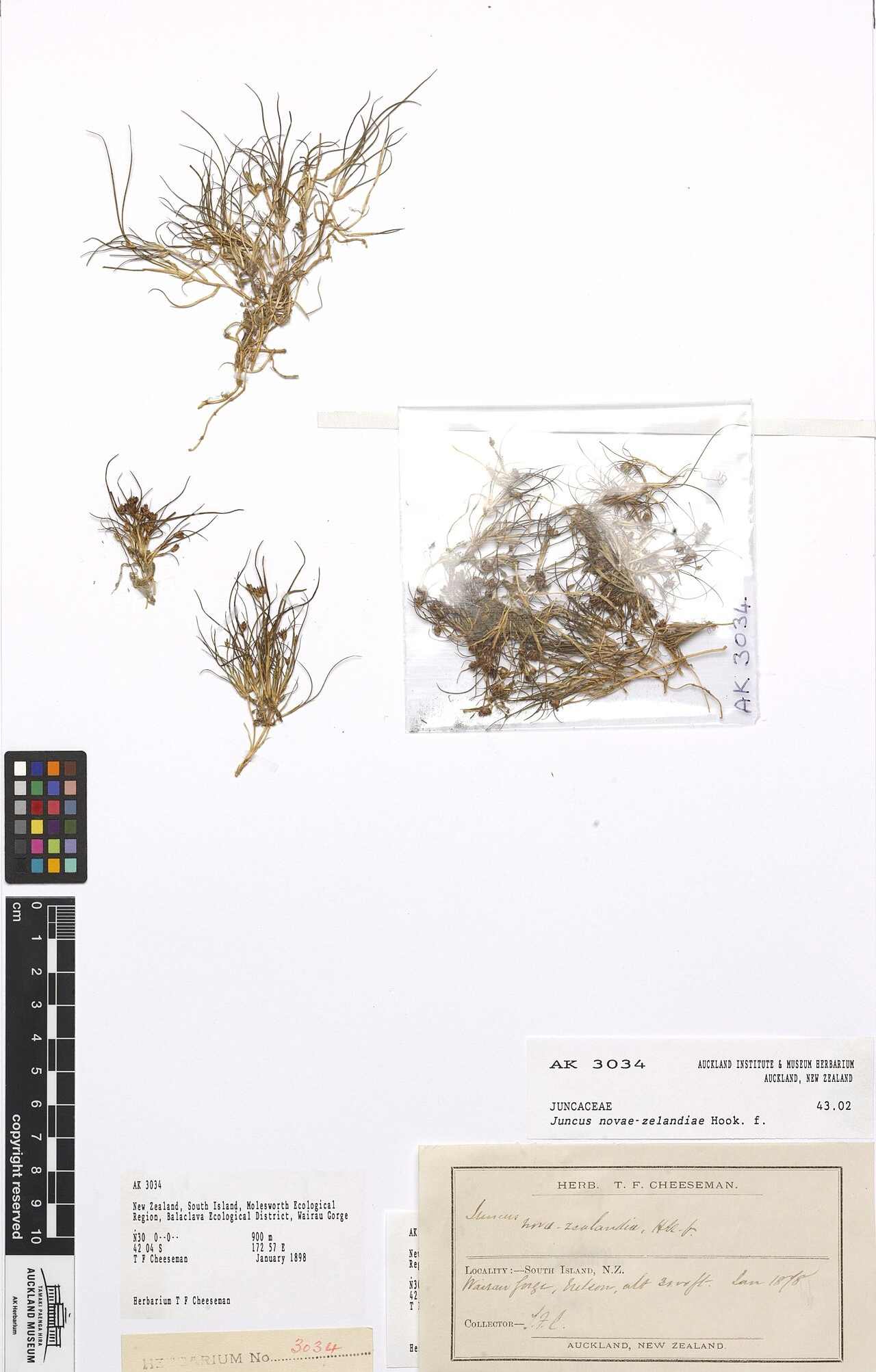
Juncus novae zelandiae
Juncus novae zelandiae
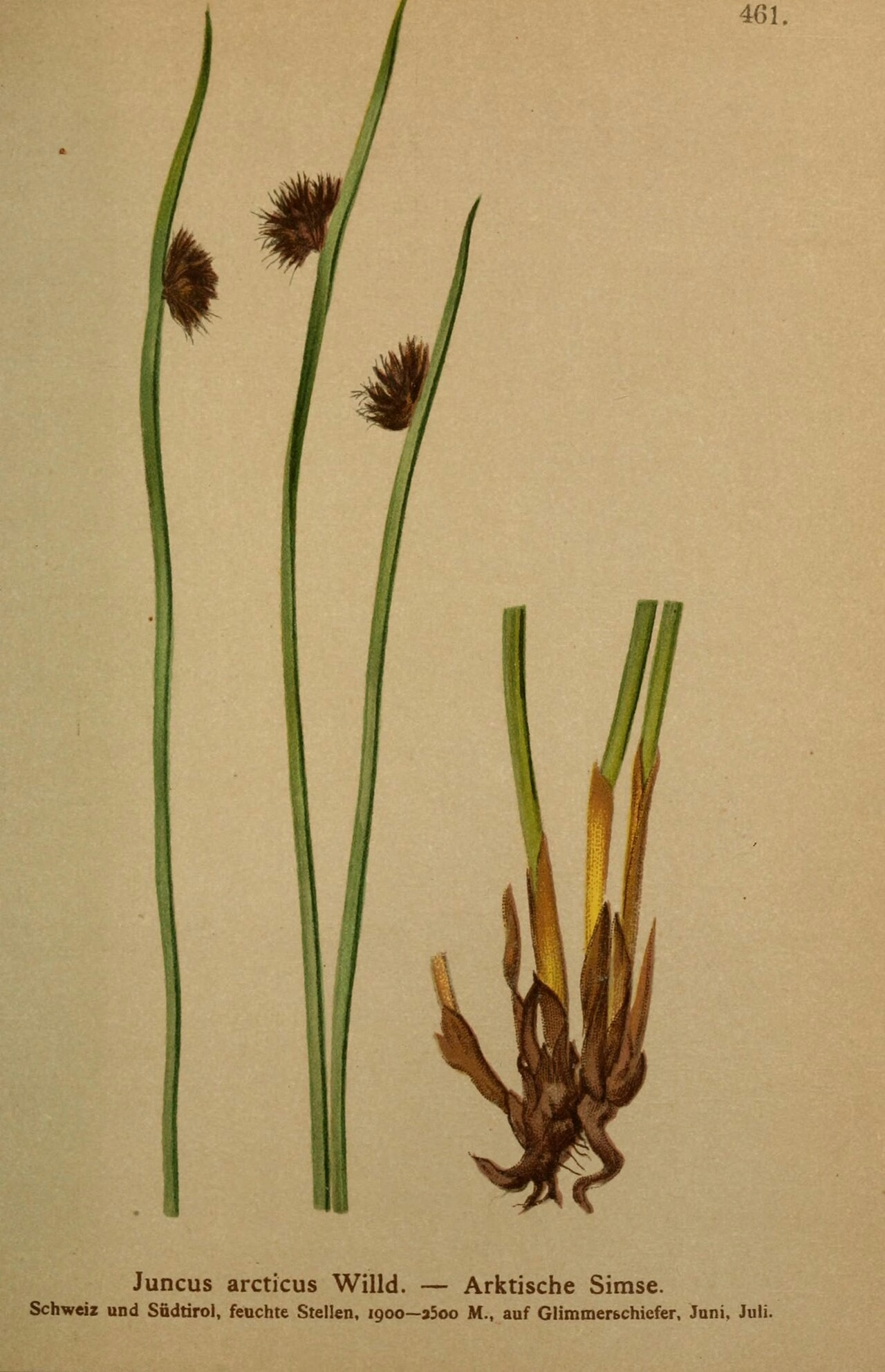
Leafless Rush
Juncus pauciflorus
Alpine Kelleria
Kelleria dieffenbachii
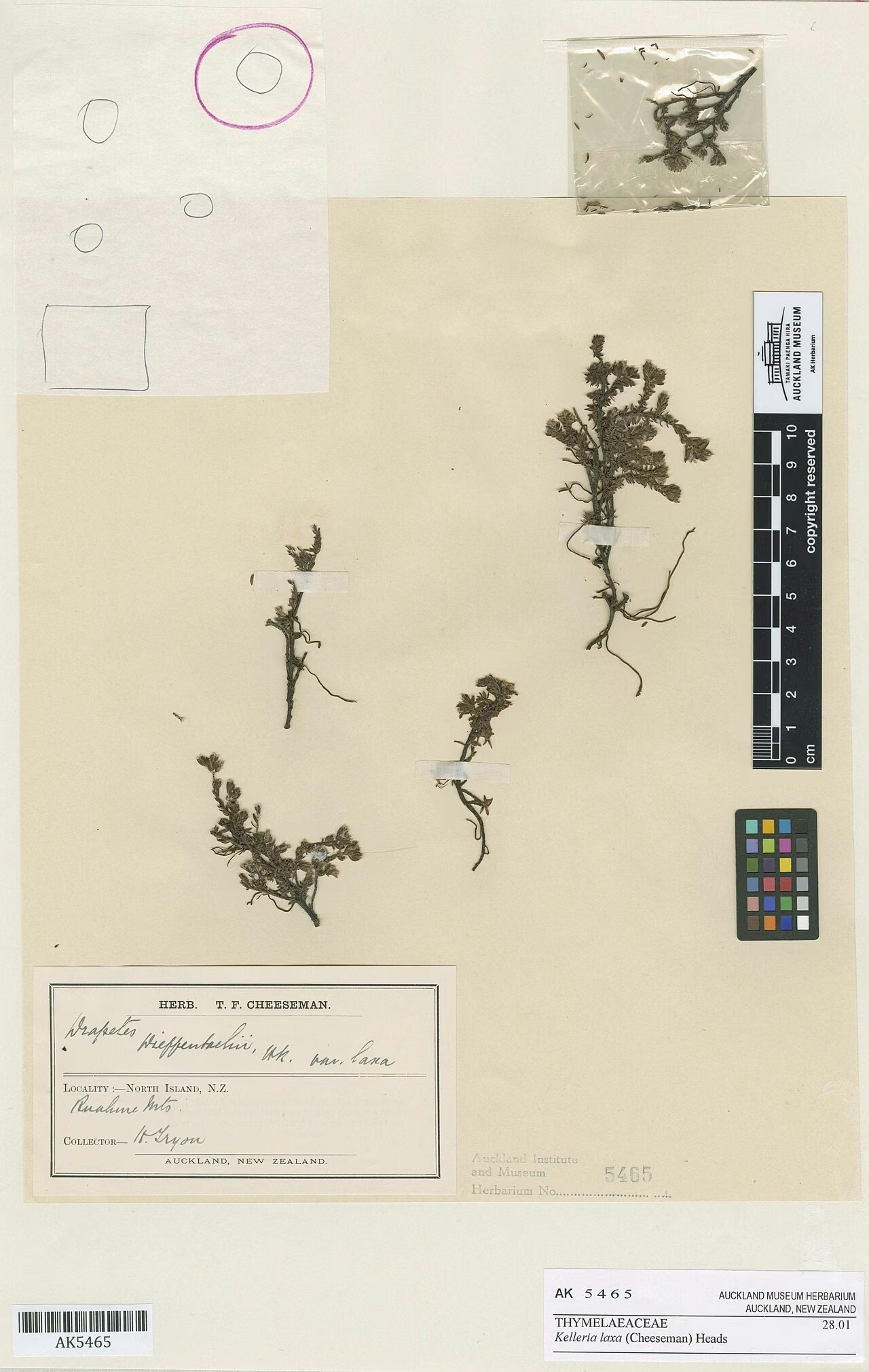
Kelleria laxa
Kelleria laxa
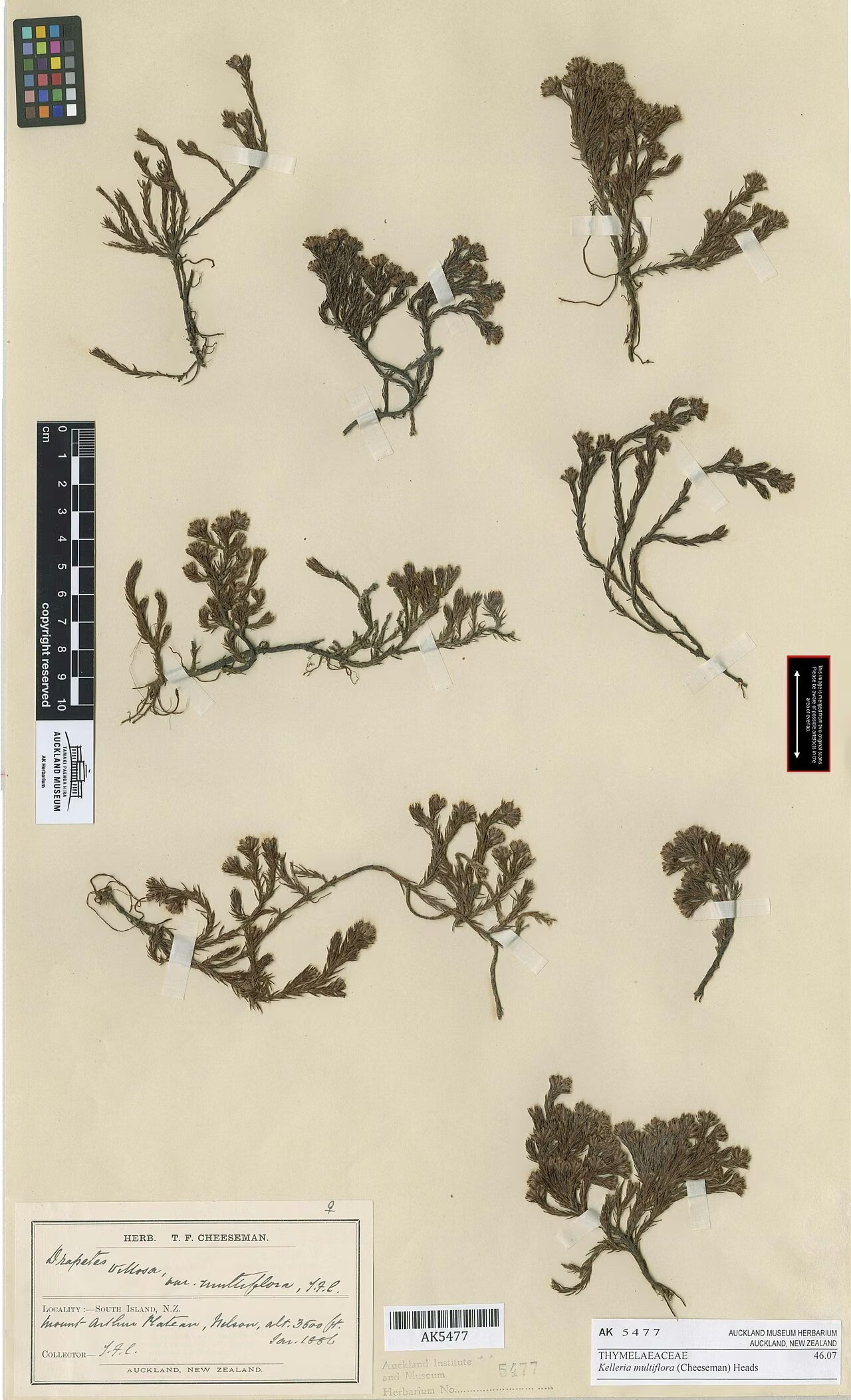
Kelleria multiflora
Kelleria multiflora
Plant Conservation
Juncus pallidus is ranked Not Threatened (2023), with the qualifier SO (secure overseas) because it is also native to Australia.
It is widespread and readily colonises damp ground, including pasture. Its main conservation role is as a tough, reliable species for restoring lowland wetlands, riparian margins and stormwater areas.
Frequently Asked Questions
Why is Juncus pallidus called leafless rush?
Its tall stems are smooth and lack leaf blades; the only leaf-like parts are loose basal sheaths, light green to pinkish brown, at the base of each stem.
How do you tell giant rush from Juncus procerus?
Both are tall rushes of similar habitats, but Juncus pallidus has light green or bluish stems with continuous pith, while Juncus procerus has dark green stems with interrupted pith.
Is Juncus pallidus a weed?
It is a native plant, but NZPCN notes it often grows in damp pastures where it can be a major weed.
Is giant rush good for wetland planting?
Yes. It is easily grown from fresh seed or division and forms dense, robust patches in damp swampy ground, making it a common choice for wetland and riparian restoration.
Sources and Further Reading
The botanical, growing, and conservation details for Giant Rush (Juncus pallidus) on this page draw on the New Zealand plant references below. Consult them for full technical records and the latest distribution data.