Coastal Morning Glory
Ipomoea cairica
Last updated:
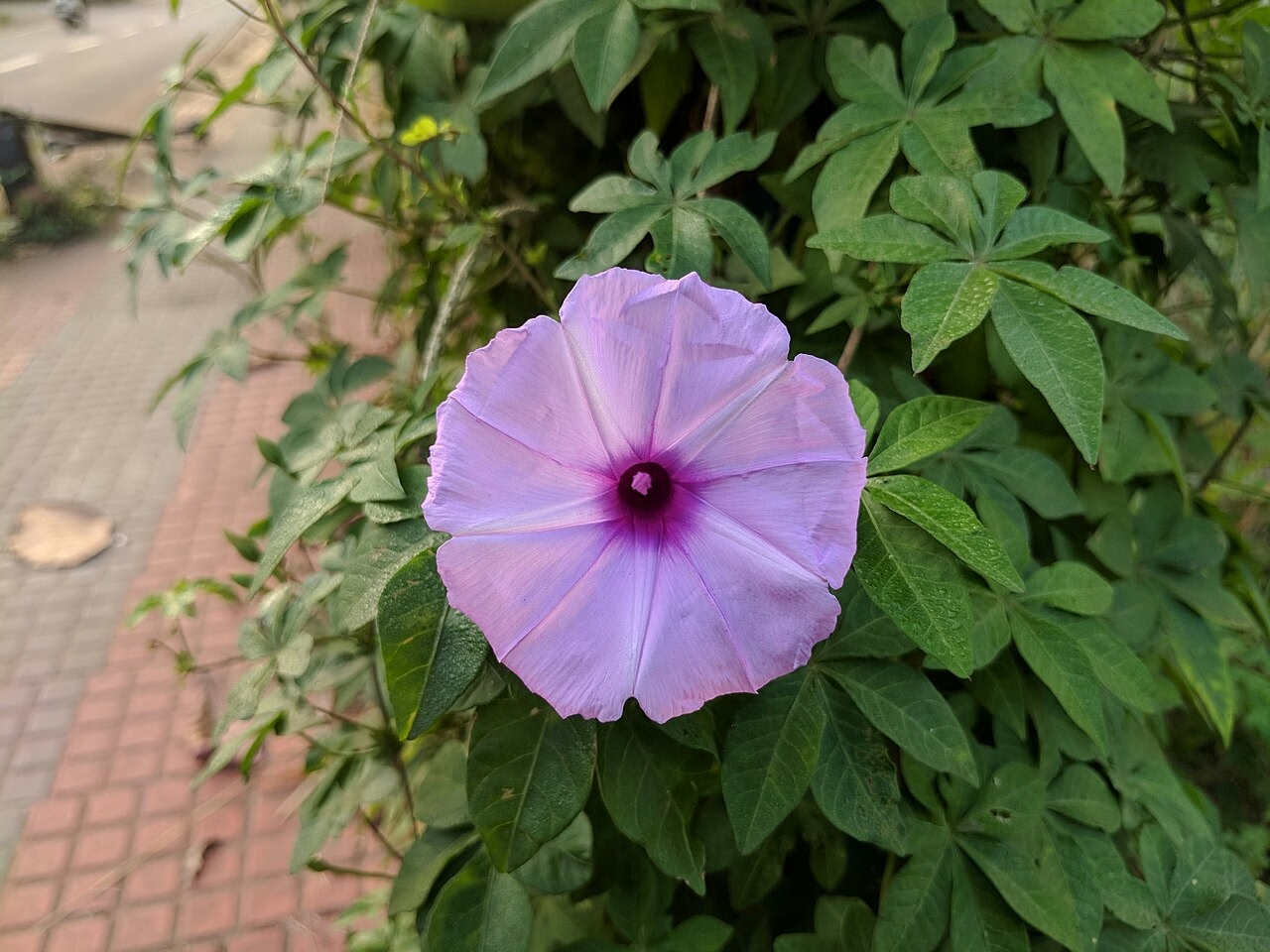
Coastal morning glory or railway creeper (Ipomoea cairica) is a vigorous perennial climbing vine instantly recognised among New Zealand's morning glories by its palmately divided, five to seven lobed leaves. Its funnel-shaped flowers, 5 to 8 cm across, are mauve to reddish purple with a darker throat, rarely white, and appear for most of the year. It is indigenous to the Kermadec and Three Kings Islands, far northern Northland and Great Barrier Island, where it scrambles over dunes, coastal scrub and cliffs. Further south it is mainly a garden escape. NZPCN ranks it At Risk - Naturally Uncommon. Explore more native climbers in our native plant guide.
Plant Description
Ipomoea cairica is a perennial, rhizomatous climbing vine with tough, cable-like stems that are reddish green to purple when young and become grey with a warty, tuberculate surface as they age. The leaves are 2.5 to 7 cm long and palmately divided into five to seven lobes, a feature that immediately separates it from all other Ipomoea species indigenous to or naturalised in New Zealand.
The flowers are funnel-shaped, 4.5 to 6 cm long and 5 to 8 cm across, mauve to reddish purple with a darker throat, and very rarely white. They are followed by globose to ovoid capsules holding two to four hairy seeds. NZPCN notes the seeds are dispersed by wind and water.
Other morning glories in New Zealand, such as the beach morning glory (Ipomoea pes-caprae) and the naturalised blue morning glory (Ipomoea indica), have undivided leaves, so the deeply lobed leaf of I. cairica is the key to its identification.
Quick Facts
| Scientific Name | Ipomoea cairica |
|---|---|
| Height | Climbs or scrambles to several metres |
| Spread | Several metres |
| Water Needs | Low to moderate |
| Light | Full sun |
| Frost Tolerance | Low; frost sensitive but resprouts |
| Salt Tolerance | High; grows on dunes and coastal cliffs |
| Growth Rate | Fast |
| Lifespan | Perennial |
Climate Best Suited to
A frost-sensitive vine of warm, subtropical to warm-temperate coastal climates; in cooler areas it may die back in winter and resprout as the weather warms.
Regional Suitability
| City | Climate Suitability |
|---|---|
| Auckland | High |
| Wellington | Low |
| Christchurch | Low |
| Dunedin | Low |
Plant Habitat
In New Zealand Ipomoea cairica is regarded as indigenous on the Kermadec Islands, the Three Kings Islands, the North Island in the far north, and Great Barrier Island. Its natural southern limit is uncertain because it has long been cultivated and has become naturalised from discarded garden waste. Overseas it ranges widely through Africa, Asia, Australia and the Pacific.
Its natural habitats are coastal: dune systems, coastal scrub, cliff faces and the landward fringes of mangroves. As a naturalised plant it also turns up in urban waste areas and hedges.
Growing Requirements
Soil Requirements
It thrives in light, free-draining coastal soils and binds loose sand well.
- Sand, coastal loams and rocky soils
- Tolerates low fertility
- Avoid heavy, waterlogged soils
Light Requirements
A sun-loving coastal vine that flowers most freely in full sun.
- Full sun
- Flowering is reduced in shade
Water Requirements
Once established it copes with dry coastal conditions.
- Water young plants until established
- Drought tolerant once its rhizomes are developed
Planting and Establishing
Plant in spring in a sunny, sheltered, frost-free coastal site, ideally in far northern New Zealand where it is native. Provide a fence, trellis or shrub to climb, or let it ramble over a sandy bank.
Given its tendency to invade, avoid planting it near natural areas outside its native range, and never dump prunings or garden waste containing stems or rhizomes, as this is how it has spread.
Ecological Role
The showy, funnel-shaped flowers are open for most of the year, but no studies of its pollinators in New Zealand were found. Its seeds are spread by wind and water, which helps it move along the coast.
On dunes and coastal cliffs its trailing and climbing stems bind sand and cover open ground. Outside its natural range it can smother other vegetation.
Uses & Significance
Garden Uses
A fast cover for fences and coastal banks in warm northern gardens.
- Quick, colourful cover for trellis and fences
- Sand binding on northern coastal properties
- Restoration plantings only within its native range
Ecological Value
Within its native range it is part of the natural coastal vegetation of the far north and offshore islands.
- Stabilises dunes and coastal slopes
- Provides long-season flowers in coastal vegetation
- Part of the subtropical Kermadec and Three Kings flora
Landscaping Uses
The deeply lobed leaves and long season of mauve trumpets make it an ornamental climber for warm coastal gardens. It looks best rambling over a fence, rock wall or pergola.
Allow plenty of space and keep it away from shrubs that could be smothered.
Seasonal Care Calendar
Spring
Vigorous new growth and flowering begin in September.
- Plant now
- Guide new stems onto supports
Summer
Peak growth and flowering.
- Trim back excess growth
- Water young plants in dry spells
Autumn
Flowering and fruiting continue in warm areas.
- Collect ripe capsules for seed
- Cut back runaway stems
Winter
Growth slows; in cooler sites it may die back.
- Leave frosted growth until spring
- Plants usually resprout from the base
When to Prune and How Much
Cut back hard whenever it outgrows its space; it responds with vigorous regrowth. Removing old, woody stems keeps it fresher and more floriferous.
Bag or compost prunings carefully, as stem pieces and rhizomes can root where they are dumped.
How to Grow Coastal Morning Glory
NZPCN describes Ipomoea cairica as very easy to propagate from cuttings, rooted pieces and fresh seed. Being frost sensitive, it may die back in cooler regions but usually resprouts when conditions warm. Because it can become invasive, propagate it only for planting within its natural northern range or where it can be kept under control, and avoid spreading material into areas where it is not native. Spring and summer are the best seasons, when warmth speeds rooting and germination and young plants have time to harden before winter.
From Cuttings
Semi-hardwood stem cuttings root readily in warm conditions from late spring to autumn.
- Take 10 to 15 cm cuttings from healthy, non-flowering stems
- Remove the lower leaves and trim just below a node
- Insert into a free-draining mix of potting mix and sand
- Keep warm, moist and lightly shaded until roots form, usually within a few weeks
- Pot on once well rooted and harden off in full sun
From Seed
Fresh seed from ripe capsules germinates well in warmth. The hard seed coat can slow germination, so a light nick or soak helps.
- Collect capsules as they dry and turn brown
- Nick the seed coat gently or soak the seeds overnight in warm water
- Sow 1 cm deep in seed-raising mix
- Keep warm and moist; seedlings usually appear within a few weeks
- Pot seedlings individually and provide a small stake to climb
Pests & Diseases
No significant pests or diseases are recorded for coastal morning glory in New Zealand.
Frost is the main limitation; frosted stems die back but plants generally recover from the base when warmer weather returns.
Cultural Significance
NZPCN gives the Māori name pouwhiwhi for this plant, and the Flora of New Zealand also lists pōwhiwhi and panahi. These names are applied more generally to New Zealand bindweeds, and no traditional Māori use specific to Ipomoea cairica is recorded in the sources consulted.
The epithet cairica means of or from Cairo, Egypt. The plant is also widely known by the English name railway creeper.
Bonus Tip
To check whether a morning glory on a northern beach is the native Ipomoea cairica or a garden weed such as Ipomoea indica, look at the leaves: only I. cairica has leaves split into five to seven finger-like lobes.
Related Plants
Explore other native plants that share similar characteristics or habitats with Coastal Morning Glory (Ipomoea cairica), offering further insights into New Zealand's diverse flora. These related species provide context and opportunities for complementary planting in your garden.
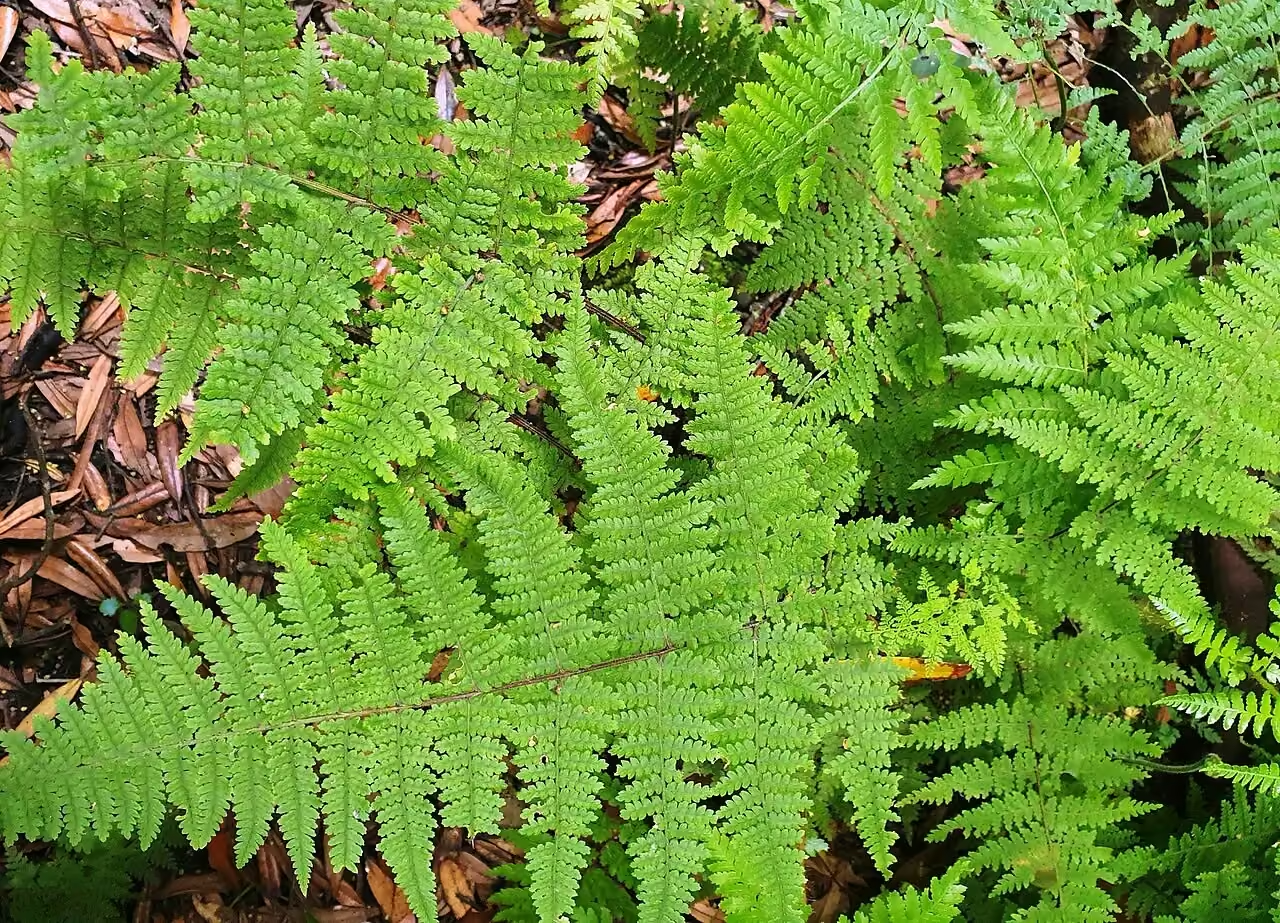
Hypolepis lactea
Hypolepis lactea
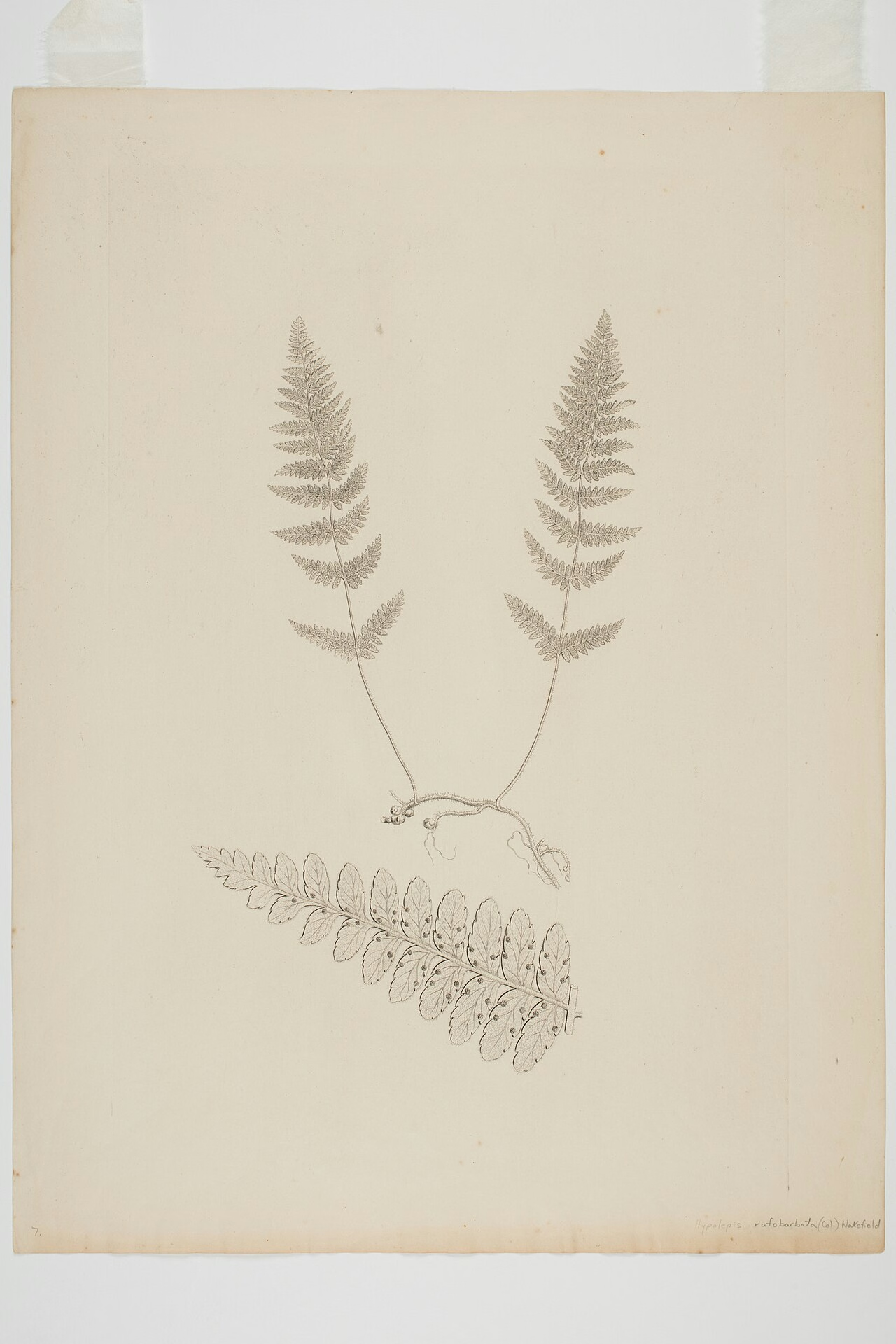
Sticky Pig Fern
Hypolepis rufobarbata
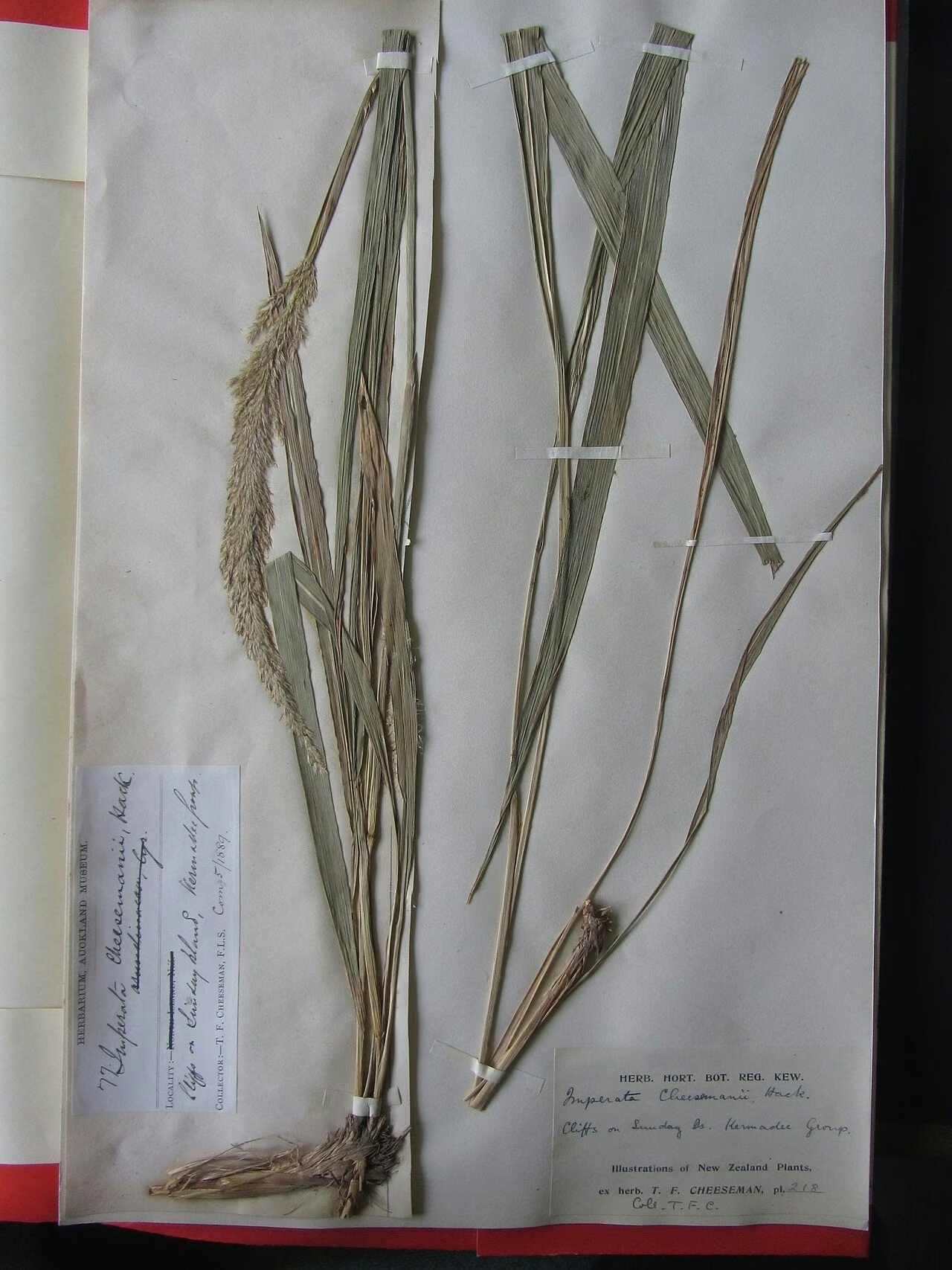
Cheeseman's Imperata
Imperata cheesemanii
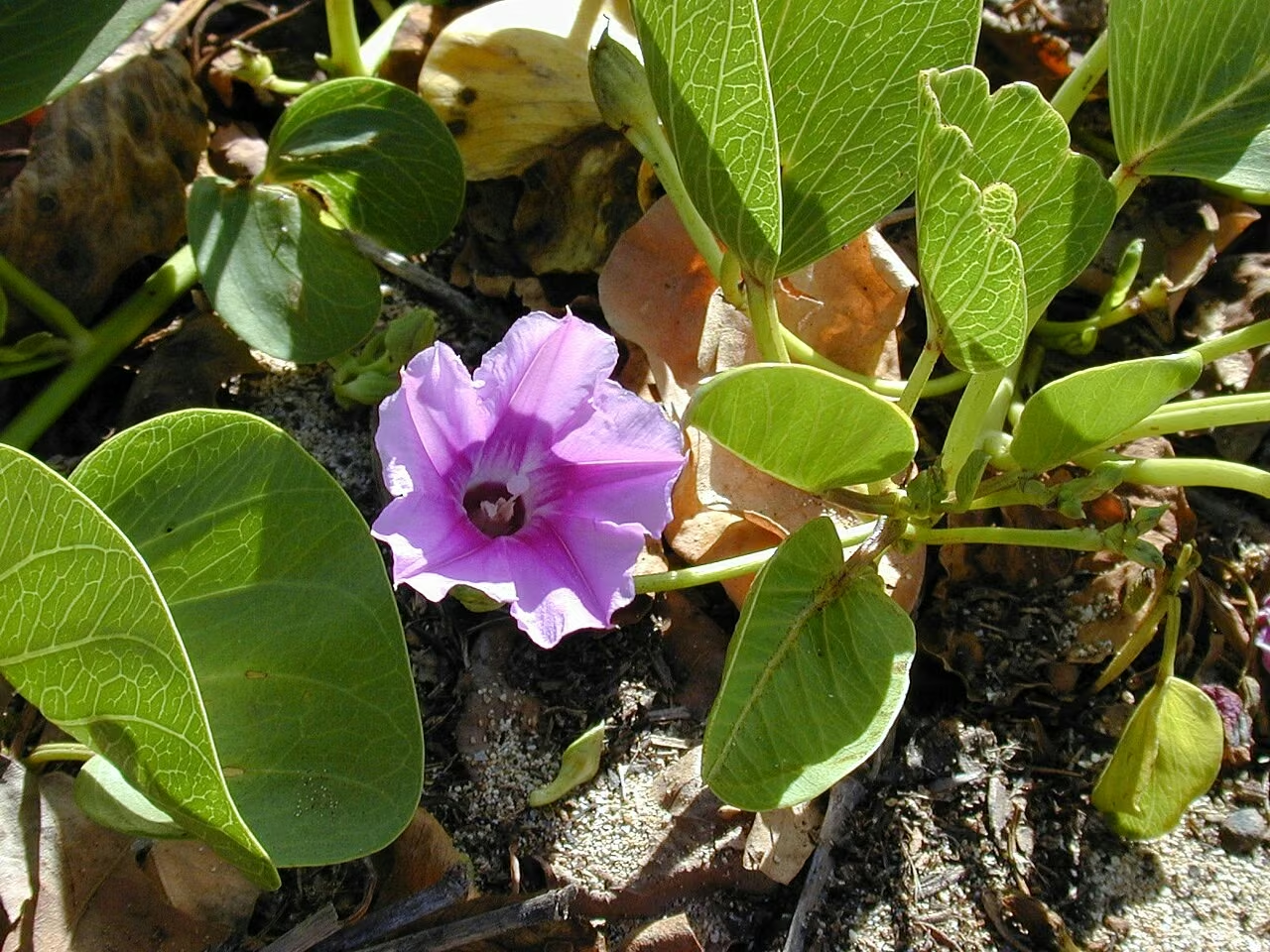
Beach Morning Glory
Ipomoea pes caprae subsp. brasiliensis

Pygmy Clubrush
Isolepis basilaris
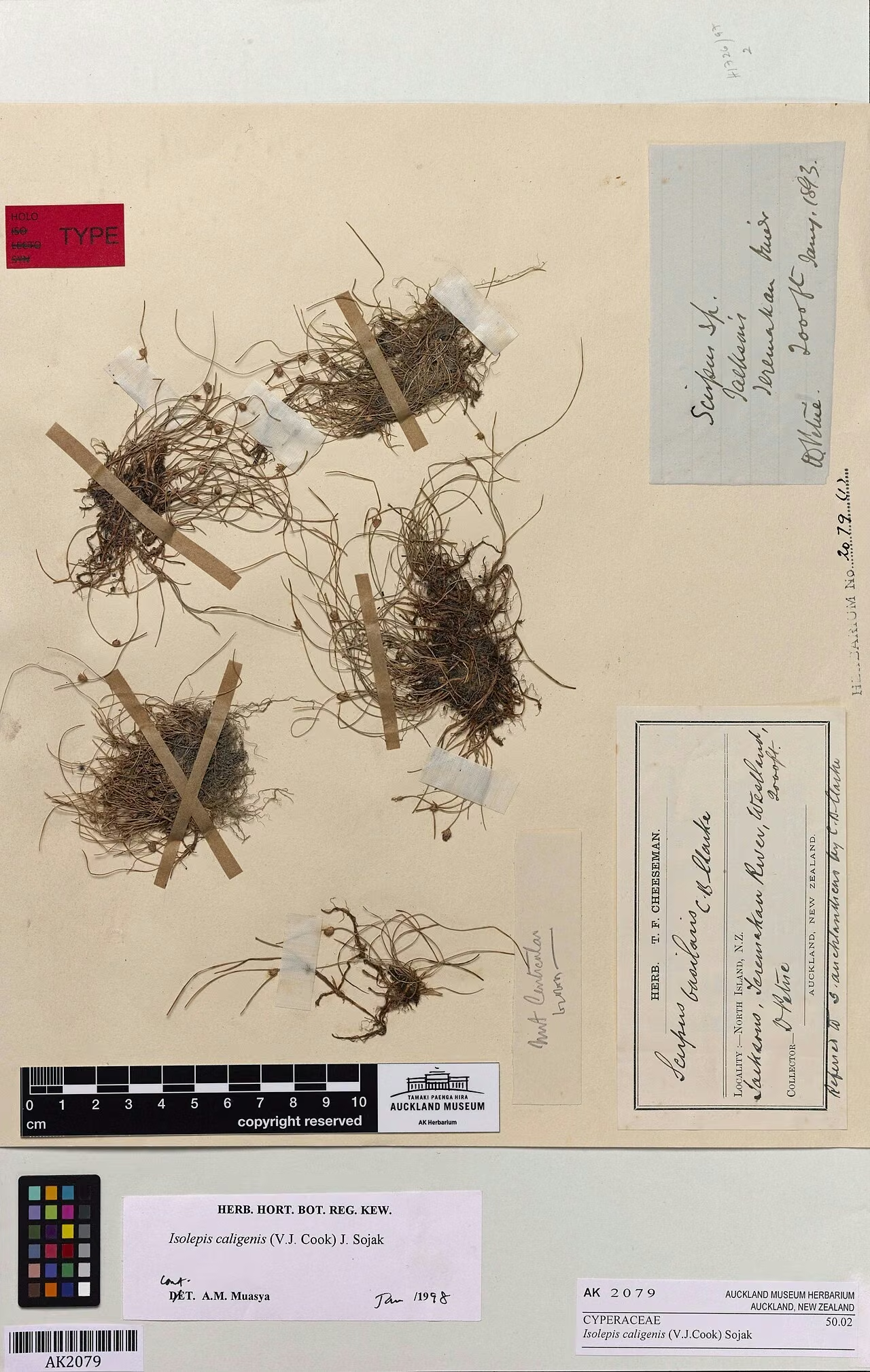
Isolepis caligenis
Isolepis caligenis
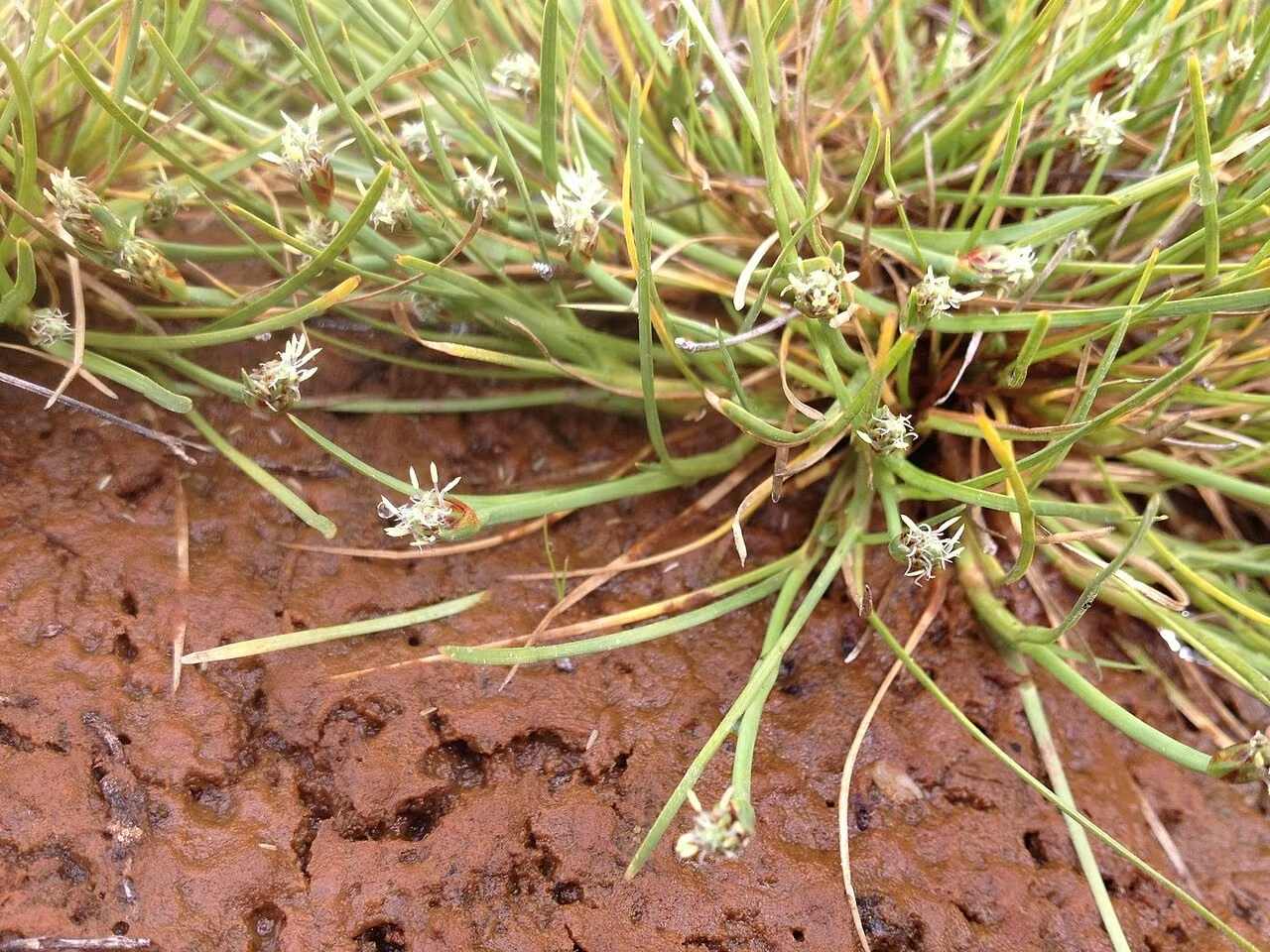
Isolepis crassiuscula
Isolepis crassiuscula
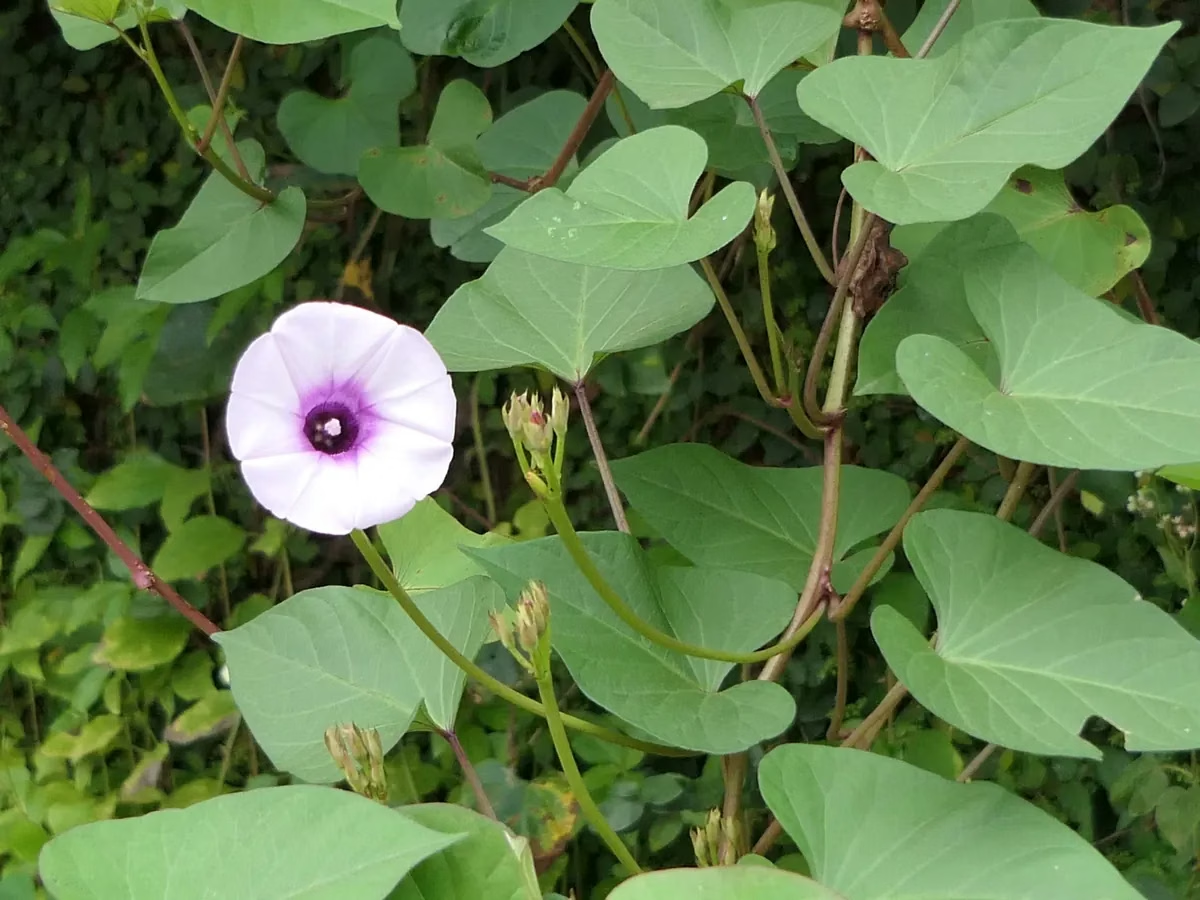
Kūmara
Kūmara
Plant Conservation
Ipomoea cairica is ranked At Risk - Naturally Uncommon (2023) with qualifiers indicating it is data poor in size and trend and secure overseas. Within its natural range it is limited to a few coastal and island sites.
Its status is complicated by naturalised populations derived from cultivation. Protecting dunes and coastal scrub in the far north and on offshore islands, while preventing spread of garden escapes elsewhere, is the best approach.
Frequently Asked Questions
Is Ipomoea cairica native to New Zealand?
Yes. It is indigenous to the Kermadec Islands, Three Kings Islands, far northern Northland and Great Barrier Island, although it is also widespread overseas and occurs further south as a naturalised escape from gardens.
How do you identify coastal morning glory?
It is the only morning glory in New Zealand with palmately divided leaves, split into five to seven lobes, and it bears mauve to purple funnel-shaped flowers with a darker throat.
Is Ipomoea cairica a weed?
It can be. NZPCN calls it an excellent sand-binder but prone to invasiveness, and it appears as an urban weed in waste places and hedges, so only plant it within its natural northern range.
When does coastal morning glory flower?
NZPCN records flowering from September to July, so in warm northern sites it can be in flower for most of the year.
Sources and Further Reading
The botanical, growing, and conservation details for Coastal Morning Glory (Ipomoea cairica) on this page draw on the New Zealand plant references below. Consult them for full technical records and the latest distribution data.