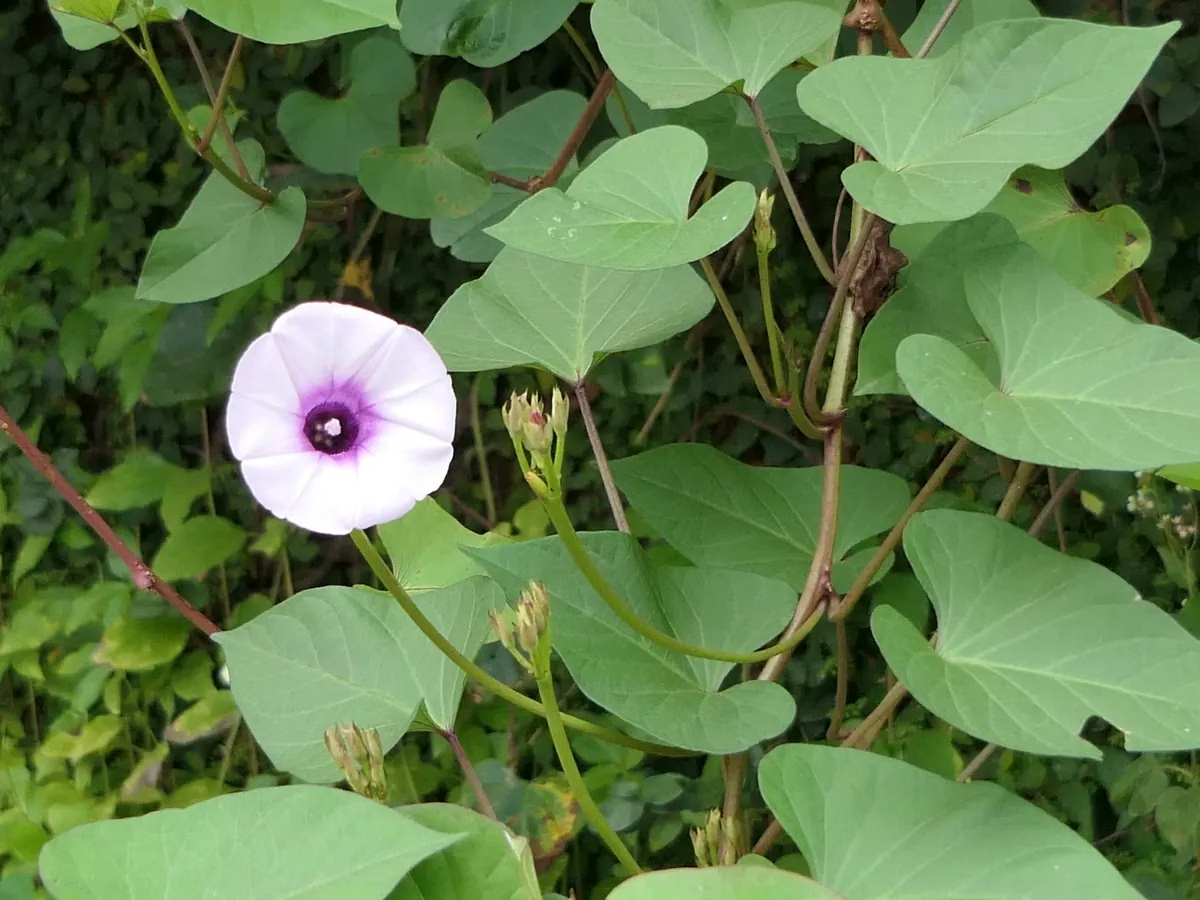
Kūmara
Ipomoea batatas
Last updated:
vines profile: Kūmara (Ipomoea batatas) is not a New Zealand native wild plant, but it is one of Aotearoa's most important cultural plants. Biota NZ lists it as a current exotic name with records from New Zealand, and the Conservation profile treats its conservation status as not applicable. Te Ara records that the Polynesian ancestors of Māori introduced kūmara to New Zealand in the thirteenth century and developed specialised cultivation and storage systems for a cooler climate.
Plant Description
Identification and Physical Characteristics
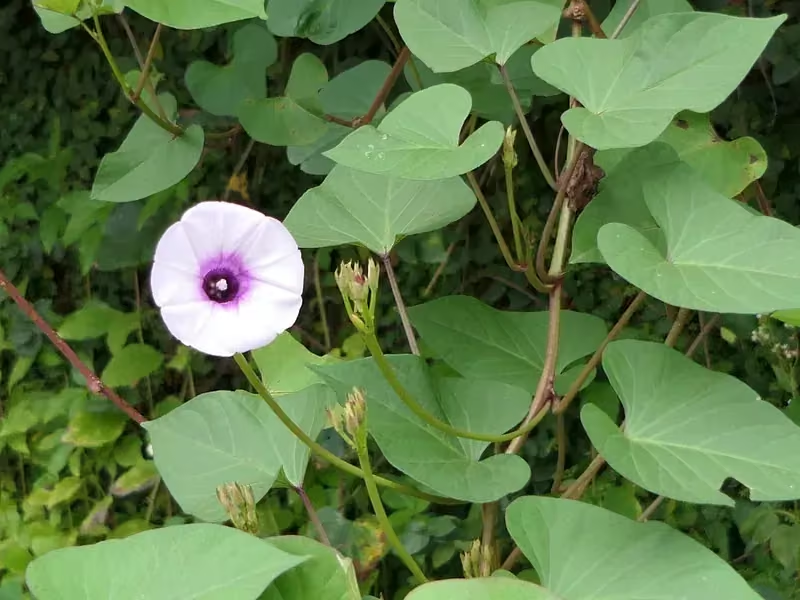
Kūmara is a tuberous-rooted perennial vine, usually grown as a warm-season annual crop in New Zealand. Stems may trail or stand partly upright, and leaves vary widely in shape, size, and lobing. The funnel-shaped flowers are pink to purple with a darker centre, although flowering and seed set are not the main crop features. The edible storage roots are the focus of cultivation, with traditional and modern cultivars differing in skin colour, flesh colour, shape, running habit, and yield.
Quick Facts
| Scientific Name | Ipomoea batatas |
|---|---|
| Height | Low trailing vine |
| Spread | Vines can spread across garden beds |
| Water Needs | Moderate and even while growing |
| Light | Full sun |
| Frost Tolerance | Very low |
| Salt Tolerance | Low |
| Growth Rate | Fast in warm soil |
| Lifespan | Perennial in tropics, annual crop in New Zealand |
Climate Best Suited to
Kūmara needs a long warm growing season, frost-free months, and free-draining soil. Northland and other warm northern districts are best suited to commercial production.
Regional Suitability
| City | Climate Suitability |
|---|---|
| Auckland | High in warm frost-free gardens with prepared soil |
| Wellington | Medium in warm sheltered sites with early starts |
| Christchurch | Low to medium; needs frost protection and warm soil |
| Nelson | Medium in warm free-draining beds |
Plant Habitat
Natural Occurrence and Ecology
In New Zealand, kūmara is primarily a cultivated plant rather than a native habitat species. Te Ara describes it as one of the cultigens brought from Polynesia by Māori, with traditional crops grown in prepared mounds and harvested before frost. Biota NZ records it as exotic and wild in New Zealand, reflecting occasional occurrence beyond cultivation, but its main importance remains agricultural and cultural.
Growing Requirements
Soil Requirements
Loose, warm, free-draining soil lets storage roots expand cleanly and reduces rot risk.
- Mounded beds
- Sandy loam
- Avoid cold wet clay
Light Requirements
Full sun and warm air are essential for strong vine growth and root development.
- Full sun
- Sheltered heat
- No frost pockets
Water Requirements
Keep soil evenly moist during establishment and active growth, then avoid waterlogging near harvest.
- Even early moisture
- Good drainage
- Drier finish before lifting
Planting and Establishing
Establishment Guidance
Plant kūmara slips or rooted shoots only after frost danger has passed and soil has warmed. Prepare raised mounds or ridges with loose soil, plant slips carefully so roots are covered, and water them in. Keep weeds down early, then let the vines cover the bed. In cooler districts, start plants under protection and use the warmest available site.
Ecological Role
Biodiversity and Ecosystem Impact
Kūmara is culturally and agriculturally significant rather than a native ecosystem builder. Its history in Aotearoa shows a major adaptation of a tropical American crop through Polynesian voyaging, Māori knowledge, mound cultivation, autumn harvest, and storage pits that protected tubers through winter and provided seed tubers for the next crop.
Uses & Significance
Garden Uses
Grow as a food crop in warm beds, mounds, or ridges where vines can spread.
- Food gardens
- Raised ridges
- Warm sandy beds
Ecological Value
Its value is cultural, historical, and agricultural rather than native habitat restoration.
- Māori food history
- Traditional cultivation
- Crop diversity
Landscaping Uses
Kūmara belongs in productive gardens, māra kai, educational plantings, and cultural heritage gardens. The trailing vines can cover bare soil attractively through summer, but harvesting disturbs the bed, so combine it with annual crop planning rather than permanent native planting design.
Seasonal Care Calendar
Spring
Prepare warm ridges and plant slips after frost risk has passed.
Summer
Weed early, water evenly, and let vines cover the soil.
Autumn
Harvest before frost and cure sound tubers carefully.
Winter
Store selected tubers in dry, stable, frost-free conditions.
When to Prune and How Much
Do not prune routinely for food production. Redirect vines back into the bed if they spread onto paths, and remove diseased or frost-damaged material promptly after harvest.
- Redirect path runners
- Avoid heavy pruning
- Clear crop residue after harvest
Always use clean, sharp tools and avoid disturbing new growth.
How to Grow Kūmara
From Slips and Tubers
Kūmara is normally propagated from slips or rooted shoots rather than seed. Select healthy disease-free tubers or buy certified planting material, sprout them in warmth, and detach shoots once they have roots or can root readily. Plant after the soil has warmed, placing slips into ridges or mounds so roots are covered and the growing tip remains above soil. Water gently for the first week and protect from cold nights. This method preserves cultivar characteristics, which matters because named varieties differ in storage-root colour, shape, flavour, and performance in New Zealand conditions.
- Use healthy planting stock
- Sprout tubers in warmth
- Plant rooted slips after frost
- Water until established
Growing in Mounds or Ridges
Traditional and modern kūmara growing both rely on warm, loose, well-drained soil. Form mounds or ridges in a sunny bed, incorporate only moderate fertility, and avoid fresh high-nitrogen manure that pushes vine growth at the expense of storage roots. Keep weeds down until the vines close over. Water during dry spells while roots are sizing, but reduce waterlogging risk as harvest approaches. In cooler districts, black mulch, cloches, or a protected nursery start can improve early warmth. Harvest carefully before frost blackens the vines.
- Build warm ridges
- Plant after soil warms
- Weed while vines are small
- Harvest before frost
Saving and Storing Crop Material
After harvest, handle tubers gently because bruises invite rot. Set aside damaged roots for immediate use and cure sound roots in a warm, dry, airy place before longer storage. Traditional storage pits maintained stable humidity and temperature, while home gardeners can use a dry frost-free room with good airflow. Keep seed tubers separate from eating stock and inspect them during winter. For heritage kūmara, record cultivar names and source details so important lines are not lost or confused with modern commercial types.
- Lift roots carefully
- Cure sound tubers
- Store frost-free
- Keep cultivar labels
Pests & Diseases
Rot, frost damage, slugs, rodents, and soil-borne diseases can affect crops. Use clean planting material, rotate beds, avoid waterlogged soil, and harvest before cold wet weather damages roots.
Cultural Significance
Kūmara is central to Māori food history, cultivation practice, ritual, storage technology, and whakataukī. Te Ara records planting in spring, harvest in autumn before frost, and storage pits designed to maintain stable winter conditions. Ngā Rauropi Whakaoranga records Māori names including kūmara, kūmera, and honorific names associated with tradition.
- Māori cultigen
- Māra kai crop
- Traditional storage pits
Bonus Tip
For home crops, start slips early under cover but wait for genuinely warm soil before planting outside.
This Kūmara note is specific to Ipomoea batatas, connecting identification, habitat context, and practical care so the section remains useful for readers comparing New Zealand plant profiles.
Related Plants
Compare Kūmara with other culturally significant food and useful plants in Aotearoa.





Plant Conservation
Conservation Status and Threats
Wild-plant conservation status is not applicable because Ipomoea batatas is an exotic cultigen in New Zealand. Conservation relevance lies in protecting traditional knowledge, heritage cultivars, māra kai practice, and disease-free planting lines.
Frequently Asked Questions
Is kūmara native to New Zealand?
No. It is an exotic cultigen introduced by the Polynesian ancestors of Māori.
Why include it on this site?
It is deeply important to Aotearoa plant history, Māori cultivation, and cultural plant knowledge.
When is kūmara planted?
Plant slips after frost risk has passed and the soil is warm, then harvest before autumn frost.
Sources and Further Reading
The botanical, growing, and conservation details for Kūmara draw on authoritative New Zealand plant references and taxonomic databases.