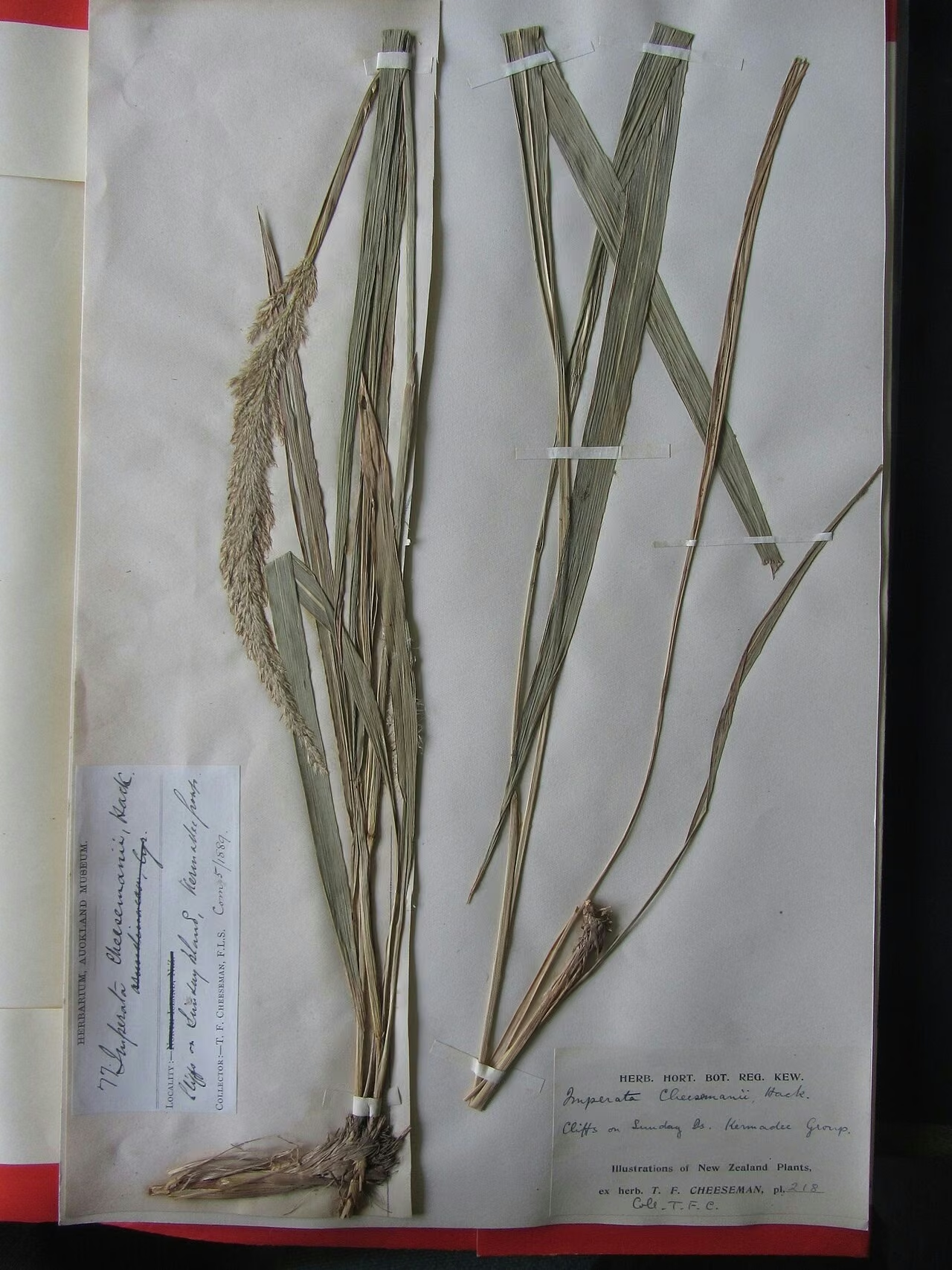
Cheeseman's Imperata
Imperata cheesemanii
Last updated:
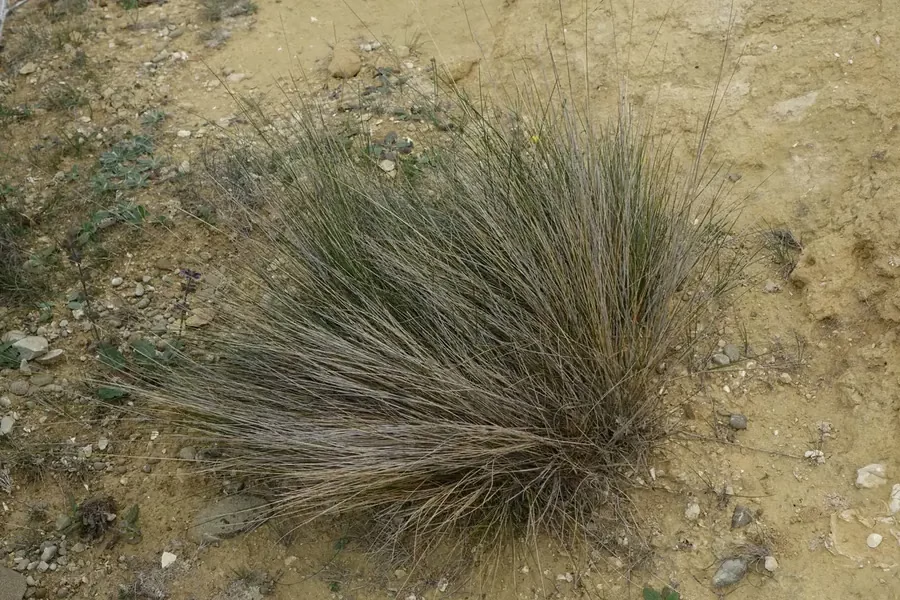
Cheeseman's imperata (Imperata cheesemanii) is a rhizomatous grass found naturally only on Raoul Island in the Kermadec Islands, New Zealand's subtropical northern outpost. It forms dense, wide mats or scattered clumps 50 to 80 cm tall, topped from spring to autumn by narrow, silky, greyish-white flower plumes in which soft hairs hide the purple-tinged spikelets. On Raoul it is common in open ground and in coastal and mid-elevation forest, including near fumaroles. It is ranked Naturally Uncommon only because its whole range is a single small island. In cultivation it can be aggressive. Explore more native grasses and flaxes in our native plant guide.
Plant Description
Imperata cheesemanii is a widely spreading perennial grass with rhizomes 2 to 3 mm thick and extravaginal branching, forming dense, large mats or scattered clumps 50 to 80 cm tall. The leaf blades are linear from a narrowed, stalk-like base, 12 to 50 cm long and 5 to 15 mm wide, glaucous-green to dark green, with sparsely rough margins and a sharp, pungent tip.
The flowering panicle is narrow-lanceolate, 10 to 20 cm long and 2 to 4 cm wide, and greyish white because of soft, dull hairs about 6 mm long that conceal the spikelets. The glumes are purplish with scattered long hairs, and each floret has only one stamen. The hairy florets are dispersed by wind.
The only similar grass in New Zealand is the introduced Imperata cylindrica var. major, which has a dense, spike-like panicle and two stamens per floret. Cheeseman's imperata has a looser, narrow-lanceolate panicle with spreading lower branches.
Quick Facts
| Scientific Name | Imperata cheesemanii |
|---|---|
| Height | 0.5-0.8 m |
| Spread | Spreads widely by rhizomes into large mats |
| Water Needs | Low to moderate |
| Light | Full sun to light shade |
| Frost Tolerance | Low to moderate; tolerates mild frosts |
| Salt Tolerance | Some; grows in coastal sites on Raoul Island |
| Growth Rate | Fast |
| Lifespan | Perennial |
Climate Best Suited to
A subtropical island grass suited to warm, humid, frost-free climates, though NZPCN reports it has proved tolerant of mild frosts in cultivation.
Regional Suitability
| City | Climate Suitability |
|---|---|
| Auckland | High |
| Wellington | Medium |
| Christchurch | Low |
| Dunedin | Low |
Plant Habitat
Cheeseman's imperata grows naturally only on Raoul Island, the largest of the Kermadec Islands, about 1000 km north-east of the North Island. There it is common to locally abundant and widespread.
It occupies open ground, grassy slopes (where it has been recorded with buffalo grass), and coastal and mid-elevation forest. Herbarium collections also record it in open ground near fumaroles on the island's active volcano.
Growing Requirements
Soil Requirements
A tough grass that grows in volcanic soils on Raoul Island and is not demanding in cultivation.
- Free-draining soils, including volcanic and sandy soils
- Tolerates low fertility
- Avoid rich, loose beds where it will spread even faster
Light Requirements
It grows in both open ground and forest on Raoul Island, but flowers best in sun.
- Full sun for best flowering
- Tolerates light shade
Water Requirements
Established plants are reasonably drought tolerant thanks to their rhizome network.
- Water young plants until established
- Little extra watering needed once settled
Planting and Establishing
Plant in spring in a warm, sunny site. Because NZPCN describes it as very aggressive and weedy in cultivation, plant it in a large container, a contained bed or behind a deep root barrier rather than in an open border.
It is best suited to frost-free or mildly frosty northern districts. Avoid planting it near natural areas where it could spread beyond the garden.
Ecological Role
Like other grasses it is wind pollinated, and its hairy florets are carried away by the wind. Its rhizomes allow it to form extensive, dense mats that dominate open ground on Raoul Island.
As an island endemic it is part of the distinctive Kermadec flora, which shares many species with Norfolk Island and the tropical Pacific. No specific insect associations are documented.
Uses & Significance
Garden Uses
Grown occasionally by specialist native nurseries as a curiosity and for its soft, silvery plumes.
- Container specimen for its silky flower heads
- Bank cover where spreading is acceptable and contained
- Collections of Kermadec Island plants
Ecological Value
It is a characteristic grass of Raoul Island's open ground and forest.
- Binds soil on open volcanic slopes
- Endemic element of the Kermadec Islands flora
- Colonises open ground near fumaroles
Landscaping Uses
The silky grey-white plumes catch the light and move in the breeze, making a soft contrast with broad-leaved coastal plants. In a pot it makes a neat feature without the risk of spreading.
Do not mix it into beds of slow-growing grasses or small perennials; it will invade them.
Seasonal Care Calendar
Spring
New growth and the first flower plumes appear from October.
- Plant now
- Check root barriers and container edges
Summer
Main flowering period, with plumes in their best condition.
- Water containers in dry weather
- Seed begins to ripen from December
Autumn
Flowering continues to April and fruiting through to winter.
- Cut off seed heads if you want to limit spread
- Collect fresh seed if propagating
Winter
Growth slows; foliage may brown after frost.
- Protect from hard frosts
- Tidy old foliage in late winter
When to Prune and How Much
Cut back old, brown foliage in late winter to make way for fresh leaves. Remove spent flower heads before they shed if you want to reduce self-seeding.
Each year, slice off any rhizomes escaping beyond the intended area.
How to Grow Cheeseman's Imperata
NZPCN reports that Imperata cheesemanii is easy to propagate from fresh seed and from rooted pieces, and that it has proved tolerant of mild frosts. Because it is so vigorous, the challenge with this grass is containment rather than getting it to grow. Raise new plants only in the numbers needed and keep them in pots or contained beds. Flowering runs from October to April and fruit ripens from December to July, giving a long window for seed collection. Both methods are reliable.
From Seed
Collect the hairy florets once the panicles are fully fluffy and the seed has ripened, then sow promptly, as fresh seed germinates best.
- Pick ripe panicles on a dry day and rub the florets free
- Sow on the surface of a tray of free-draining seed-raising mix
- Press in lightly and cover with a fine layer of grit
- Keep the tray warm and moist in a sunny, sheltered spot
- Pot seedlings individually when they have several leaves
- Grow on in pots until well rooted before planting into a contained site
By Division
Rooted pieces of rhizome establish quickly and give a flowering-size plant faster than seed.
- In spring, cut a section of rhizome with several shoots and roots from the edge of a clump
- Trim the leaves back by half
- Pot up or replant at once into free-draining soil
- Water well and keep moist until new shoots appear
Pests & Diseases
No significant pests or diseases are recorded for Cheeseman's imperata.
The main issue in gardens is its own vigour. Frost damage can occur in colder districts, although plants usually regrow from the rhizomes.
Cultural Significance
No Māori name or traditional use is recorded for Imperata cheesemanii, reflecting its restriction to remote Raoul Island.
It was described by the Austrian grass specialist Eduard Hackel in 1903 and named after Thomas Frederick Cheeseman, author of the Manual of the New Zealand Flora, who collected on the Kermadec Islands.
Bonus Tip
If you grow it, plant it in a large pot sunk into the ground or stood on paving. You get the silky plumes without its rhizomes spreading through the garden, which NZPCN warns it is inclined to do.
Related Plants
Explore other native plants that share similar characteristics or habitats with Cheeseman's Imperata (Imperata cheesemanii), offering further insights into New Zealand's diverse flora. These related species provide context and opportunities for complementary planting in your garden.
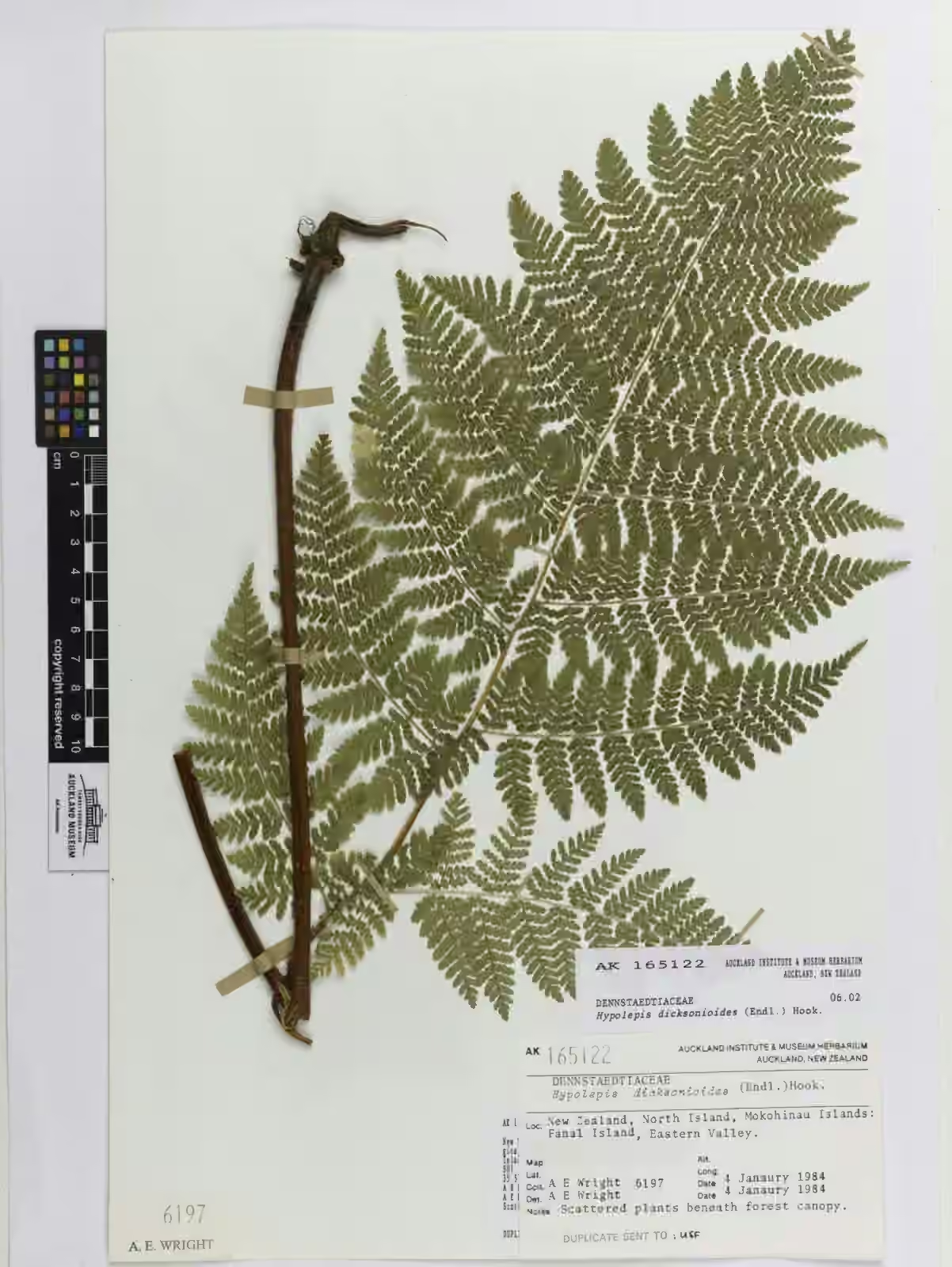
Giant Hypolepis
Hypolepis dicksonioides
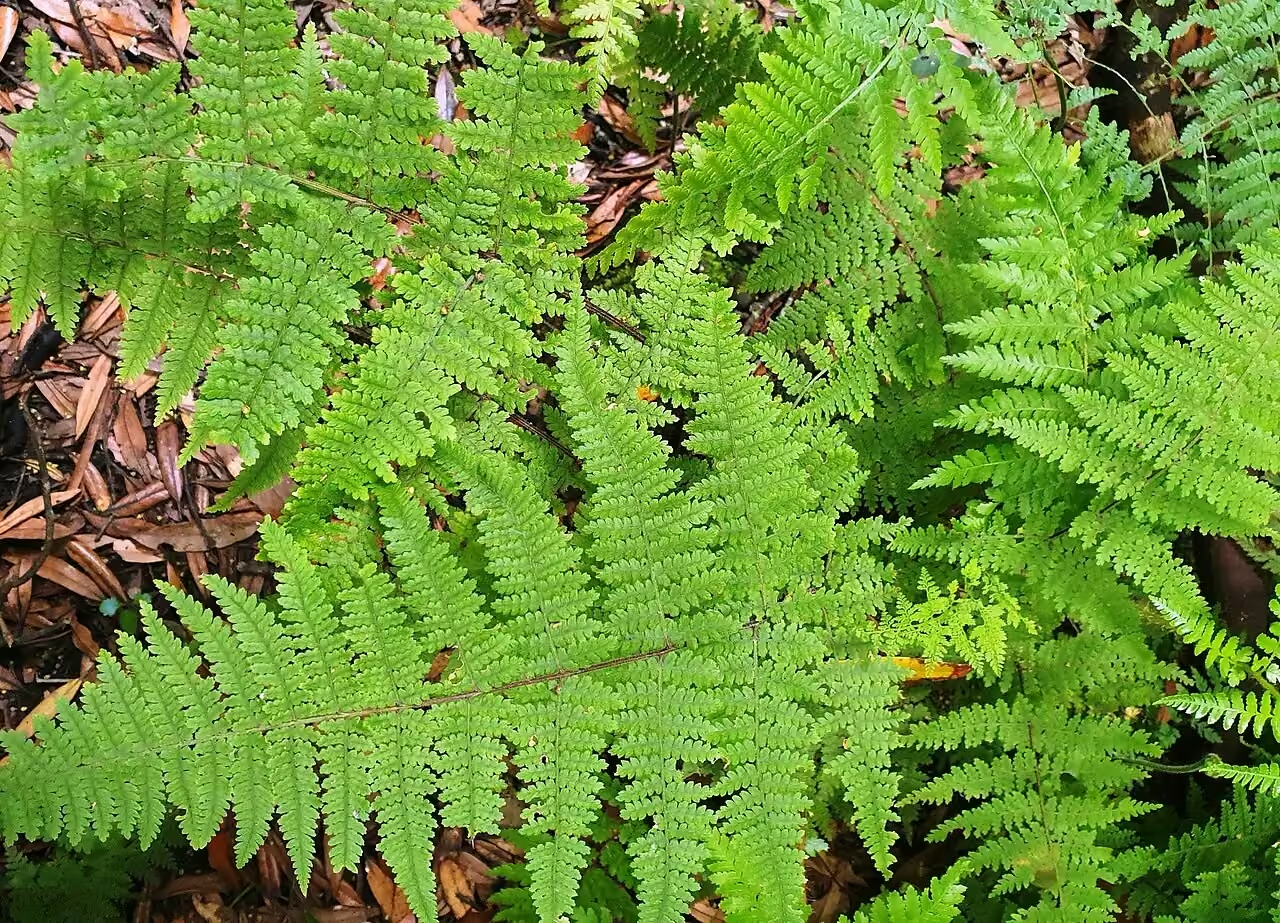
Hypolepis lactea
Hypolepis lactea
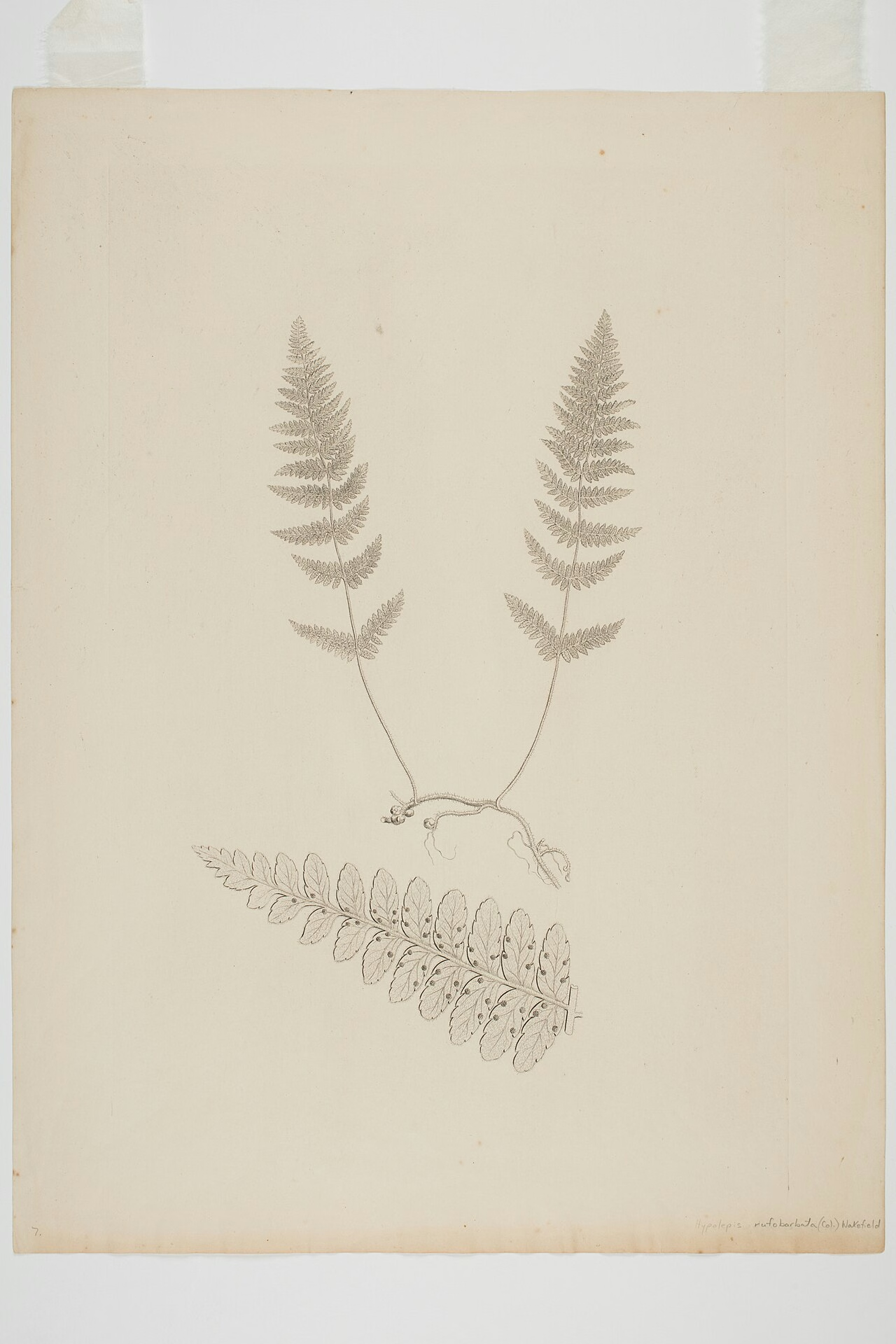
Sticky Pig Fern
Hypolepis rufobarbata
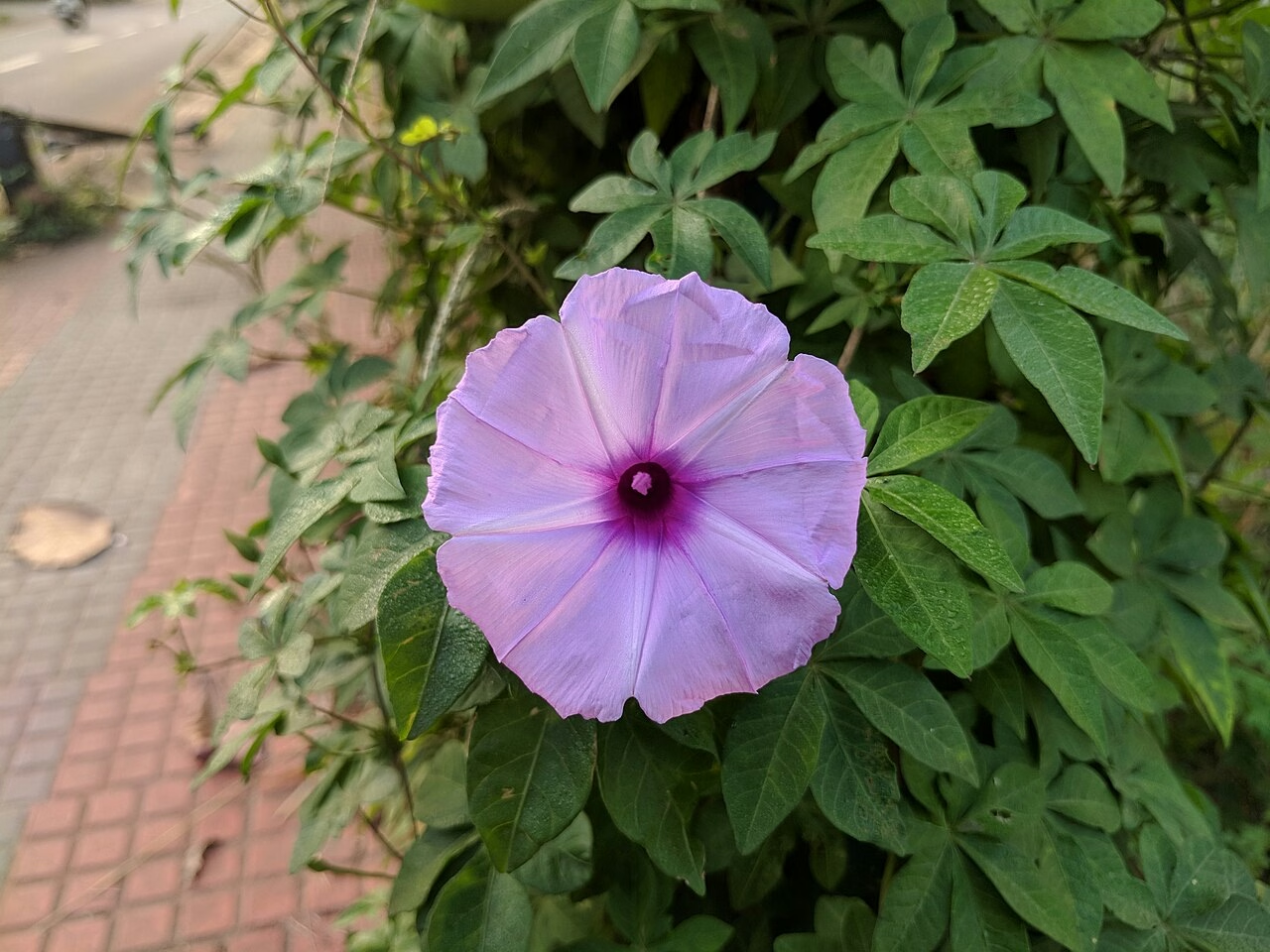
Coastal Morning Glory
Ipomoea cairica
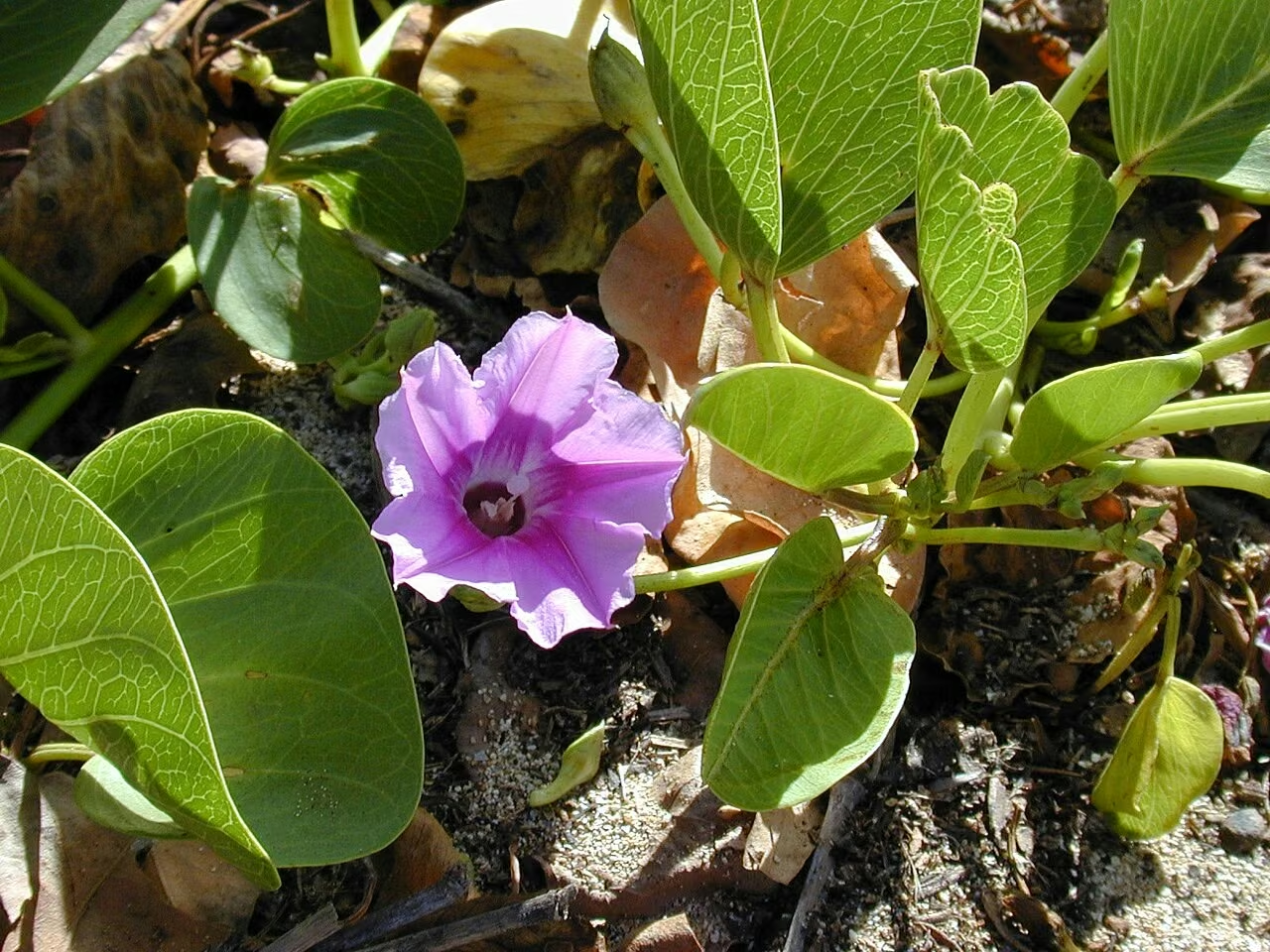
Beach Morning Glory
Ipomoea pes caprae subsp. brasiliensis
Pygmy Clubrush
Isolepis basilaris
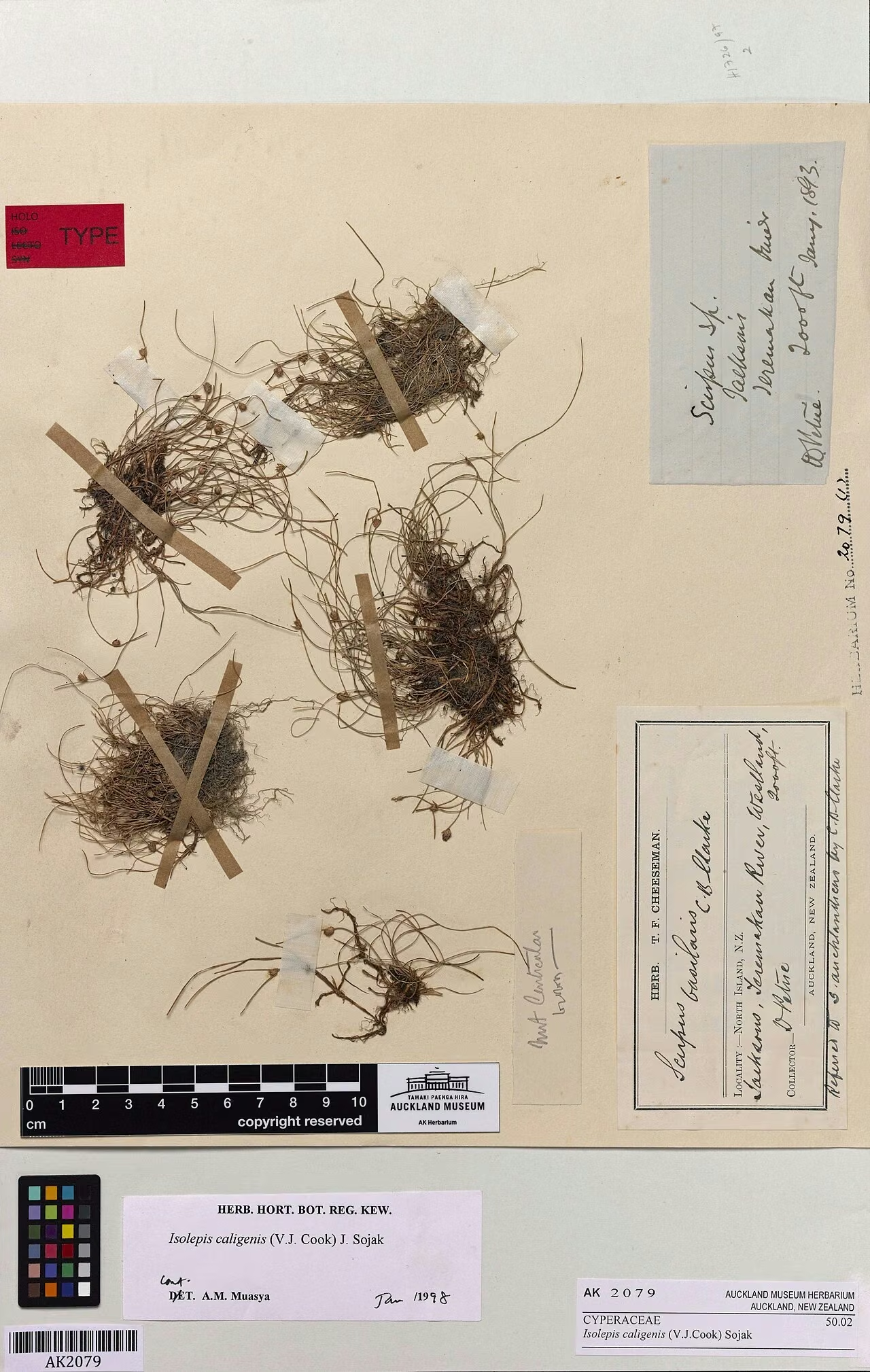
Isolepis caligenis
Isolepis caligenis
Petriei Grass
Achnatherum Petriei Grass
Plant Conservation
Imperata cheesemanii is ranked At Risk - Naturally Uncommon (2023) with the qualifier IE (Island Endemic), because its entire natural range is a single small island. NZPCN describes it as abundant and not threatened on Raoul Island.
Raoul Island is a nature reserve within the Kermadec Islands, managed by the Department of Conservation, with long-running weed and pest control programmes that protect the island's native vegetation.
Frequently Asked Questions
Where does Imperata cheesemanii grow naturally?
It is endemic to Raoul Island in the Kermadec Islands, where it is common to locally abundant in open ground, grassy slopes and coastal and mid-elevation forest.
How is Imperata cheesemanii different from blady grass or cogongrass?
It differs from introduced Imperata cylindrica var. major in having a narrow-lanceolate rather than densely spike-like panicle, spreading lower panicle branches, and a single stamen per floret instead of two.
Is Cheeseman's imperata invasive in gardens?
NZPCN warns it is inclined to be very aggressive and weedy in cultivation because it spreads by rhizomes, so plant it only where it can be contained.
Who is Imperata cheesemanii named after?
It honours Thomas Frederick Cheeseman (1846 to 1923), the New Zealand botanist and Auckland Museum curator who studied the Kermadec flora.
Sources and Further Reading
The botanical, growing, and conservation details for Cheeseman's Imperata (Imperata cheesemanii) on this page draw on the New Zealand plant references below. Consult them for full technical records and the latest distribution data.